13 Upbeat ’80s Hits With Lyrics That Are Actually Dark
Pop music has always had a sneaky side, and the 1980s mastered the art of hiding dark, gut-punching lyrics inside irresistibly catchy songs. Synth beats, big hair, and neon lights often masked what artists were really saying.
Some tracks tackled war, obsession, loneliness, and even violence, all wrapped in melodies bright enough to soundtrack a Saturday morning cartoon. The contrast is wild, clever, and kind of brilliant, turning upbeat tunes into secret storytelling machines.
Listening again as an adult reveals layers that were easy to miss the first time, making familiar songs feel completely new. Each track carries a surprising mix of joy and melancholy, proving pop music can be fun while still packing serious emotional weight.
Dive into this list, discover what you missed, and get ready to rethink your favorite ’80s hits in the most entertaining way possible. Your playlist just got a reality check with style.
1. Every Breath You Take by The Police
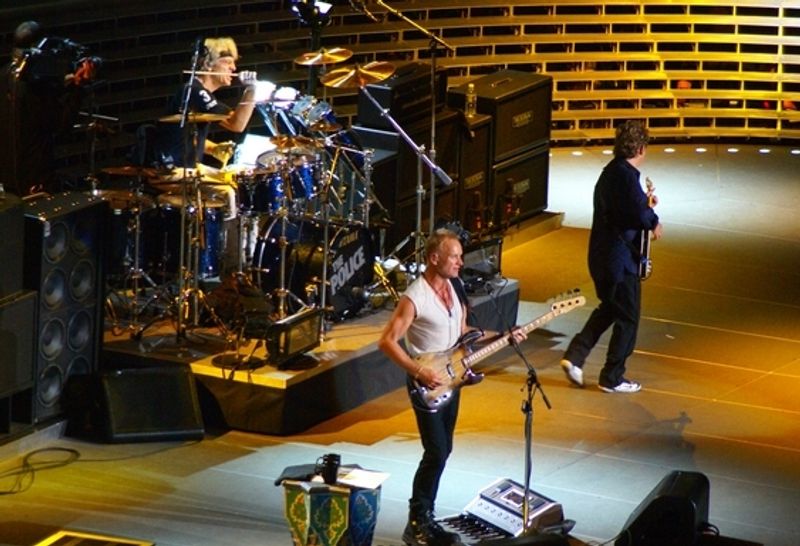
Sting himself has called it a “sinister” song, yet wedding DJs everywhere keep spinning it like it is a love letter. Released in 1983, this smash hit by The Police topped charts worldwide and became one of the best-selling singles ever recorded.
Every line is about obsessive surveillance. “Every move you make, every step you take, I’ll be watching you” is not sweet, it is a warning. Sting wrote it after a painful breakup, channeling jealousy into something that sounds romantic but absolutely is not.
How many couples have slow-danced to a stalker anthem without realizing it? Quite a few, apparently.
2. 99 Luftballons by Nena
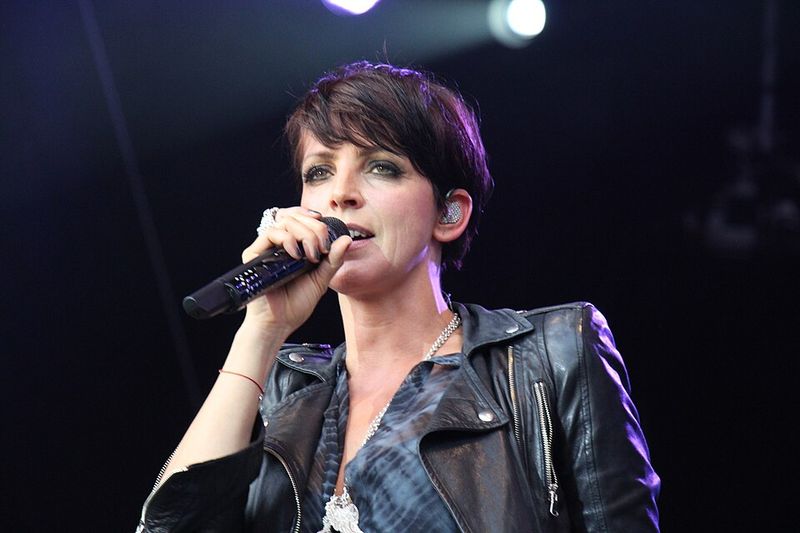
Ninety-nine red balloons float into the sky and accidentally start World War III. Yes, really.
Nena released this German-language anti-war anthem in 1983, and it became a massive international hit despite most listeners outside Germany having zero idea what the lyrics actually said.
Military radar picks up the balloons, mistakes them for enemy aircraft, and generals panic. The result is catastrophic, all-out war over a bunch of party balloons.
It is both absurd and genuinely chilling when you think about how close real Cold War tensions came to similar accidents.
Catchy chorus, horrifying message. Classic ’80s combo, honestly.
3. Mad World by Tears for Fears
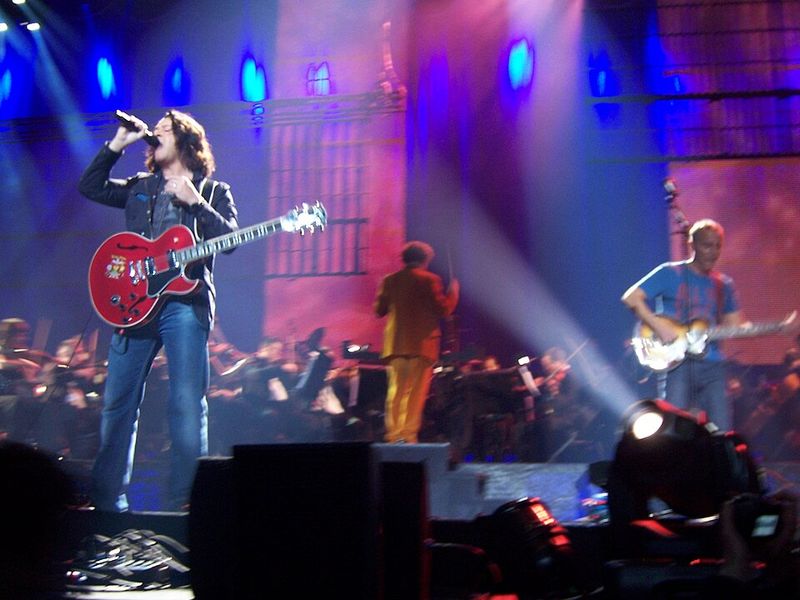
Roland Orzabal wrote “Mad World” at just 19 years old, channeling feelings of isolation and depression into a synth-pop track that bounced along cheerfully while describing a life that felt completely meaningless. Tears for Fears released it in 1982, and it climbed to number three on the UK charts.
Lyrics about going nowhere, watching people rush around like hamsters on wheels, and feeling utterly disconnected hit hard once you slow down and actually listen. Most people were too busy bopping along to notice the existential crisis tucked inside.
Gary Jules later stripped it bare in 2001, and suddenly everyone understood exactly how sad it always was.
4. Tainted Love by Soft Cell
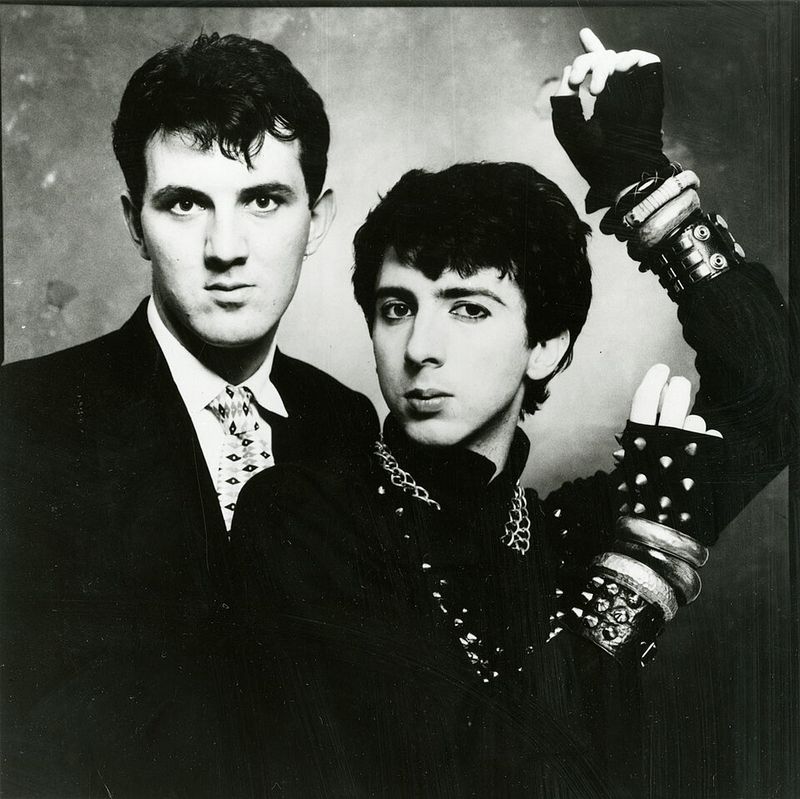
Soft Cell turned a 1960s Northern Soul track into a synth-pop breakup banger in 1981, and the dancefloor never recovered. Marc Almond’s vocals drip with desperation as the narrator begs to escape a relationship so toxic it is physically draining his energy.
“Once I ran to you, now I’ll run from you” is not a fun lyric when you sit with it. Emotional dependency, exhaustion, and the desperate need to break free are all crammed into three minutes of absolute bop.
If a cartoon villain had a theme song about a bad relationship, it would probably sound exactly like this. Brilliant and bleak in equal measure.
5. Girls Just Want to Have Fun by Cyndi Lauper

On the surface, Cyndi Lauper’s 1983 smash is the ultimate girls-night anthem. Underneath, it is a sharp critique of how women were expected to come home, stay quiet, and behave.
Lauper herself transformed a song originally written from a male perspective into a feminist statement packed inside a glittery pop wrapper.
Lines about fathers demanding daughters come home and boys wanting all a girl’s time reflect real social pressures women faced daily. The upbeat melody and colorful music video made it feel like pure fun, masking the frustration and defiance underneath.
Lauper basically smuggled a social commentary past radio programmers, and nobody blinked. Absolute legend move.
6. Don’t You Forget About Me by Simple Minds

Forever linked to “The Breakfast Club,” this 1985 anthem sounds like pure triumphant teen energy. However, the actual lyrics are a plea, almost desperate, from someone terrified of being abandoned and forgotten the moment a connection ends.
“Will you recognize me, call my name or walk on by?” is not a victory cry. It is anxiety dressed in a stadium-rock costume.
The narrator is genuinely scared of becoming invisible, of mattering to someone only for a moment before being discarded like an old mixtape.
Whole generations sang along at prom without catching the emotional vulnerability hiding behind every power chord. Sometimes the loudest songs carry the quietest fears.
7. Hungry Like the Wolf by Duran Duran
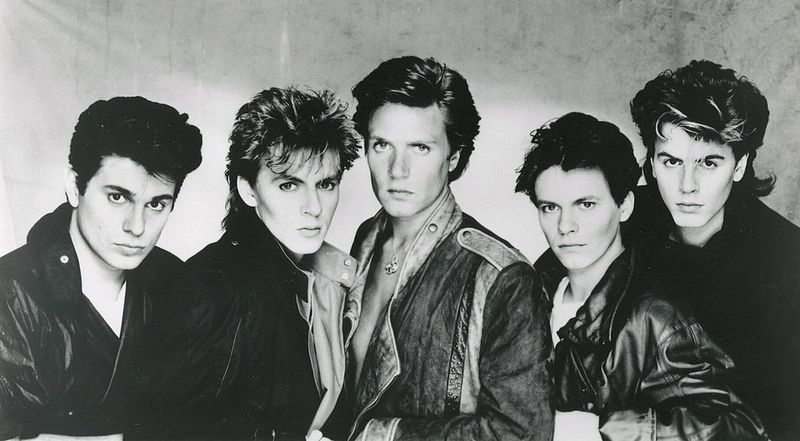
Duran Duran built an empire on style, glamour, and music videos shot in exotic locations. “Hungry Like the Wolf” from 1982 sounds like an adventurous, energetic romp, and the video certainly delivers jungle chase vibes.
Strip away the production, though, and the lyrics describe something much more unsettling: a predator hunting a target, driven by obsession and primal aggression. Phrases like “I’m on the hunt, I’m after you” take on a darker edge when removed from the glossy MTV packaging.
Simon Le Bon has said the song explores raw desire, but the wolf metaphor cuts deeper than most fans ever noticed while dancing in leg warmers. Predatory undertones, maximum groove.
8. Karma Chameleon by Culture Club
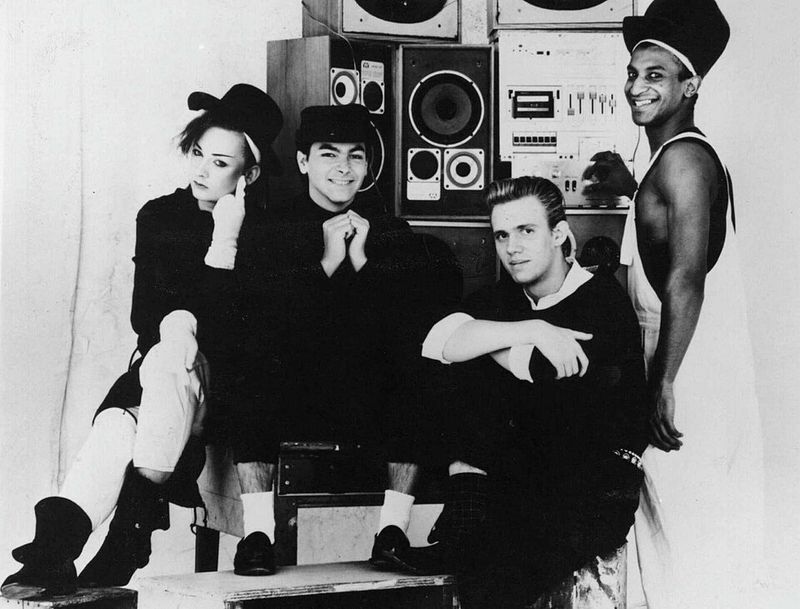
Boy George and Culture Club scored a massive number-one hit in 1983 and created one of the most recognizable songs of the entire decade. Bright, breezy, and almost impossibly catchy, “Karma Chameleon” sounds like a celebration.
Boy George later confirmed it was written about the pain of loving someone who was constantly dishonest and inconsistent. The chameleon of the title is a person who shifts colors to avoid commitment, leaving the narrator emotionally wrecked and confused.
Karma, of course, suggests consequences are coming for all that dishonesty. Behind the reggae-pop sunshine and perfectly styled music video, a genuinely heartbroken songwriter was working through some real emotional chaos.
Colorful disguise, very real hurt.
9. Take On Me by A-ha
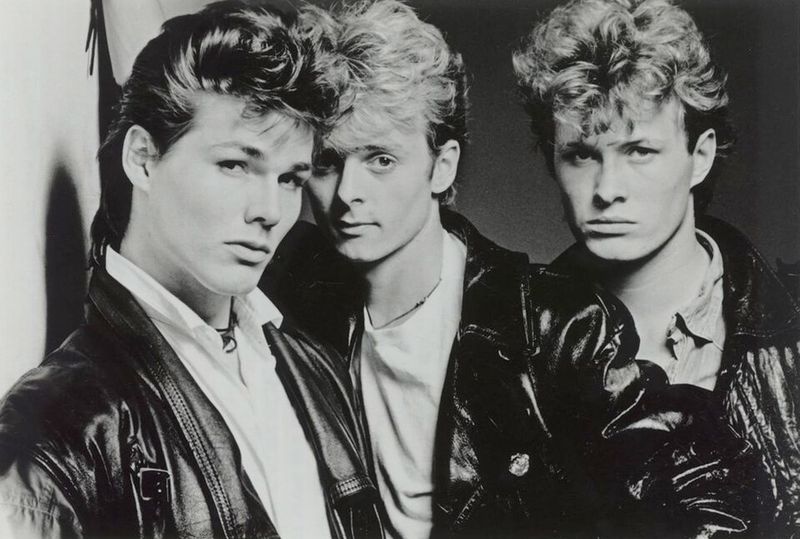
Few music videos match the iconic pencil-sketch animation A-ha used for “Take On Me” in 1985. The song itself rockets along on an irresistible synth hook that makes it nearly impossible to stand still.
However, the lyrics are surprisingly ambiguous and a little melancholy. The narrator is essentially begging someone to take a chance on a relationship he knows might not last. “I’ll be gone in a day or two” is not exactly a confident romantic declaration.
It sounds more like someone who expects to be abandoned and is apologizing in advance.
Upbeat instrumentation, uncertain heart. A-ha wrapped quiet insecurity inside one of the most joyful-sounding songs of the entire decade.
Sneaky, brilliant Norwegians.
10. Shout by Tears for Fears
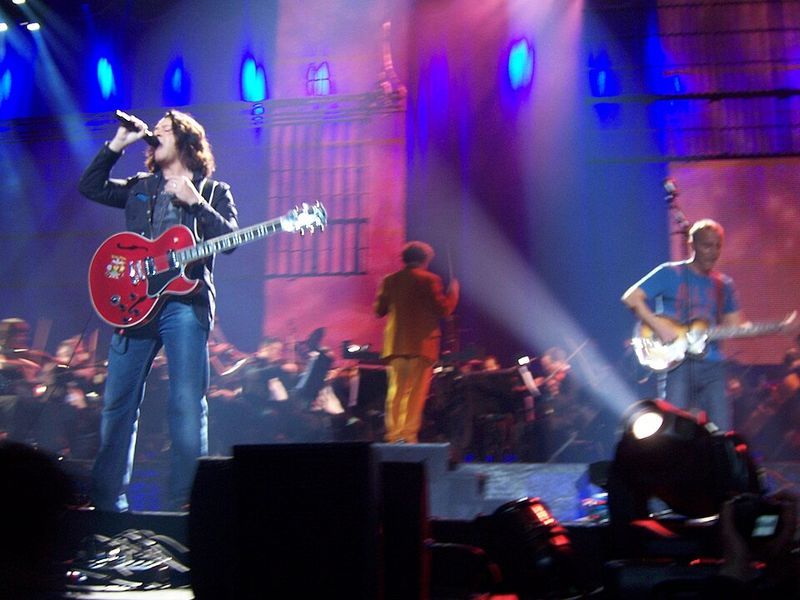
Tears for Fears clearly had a lot on their minds in the early 1980s. “Shout,” released in 1984, became an anthem of empowerment, a rallying cry for people to speak up and let their voices be heard.
The song actually draws heavily on primal therapy, a psychological practice the band was deeply interested in. It is about releasing suppressed trauma, not just cheering loudly at a football game.
Roland Orzabal wanted listeners to confront the pain buried inside, not just celebrate.
Millions of people pumped their fists to a song essentially about confronting psychological wounds. Primal therapy rarely gets a better beat.
Tears for Fears deserved more credit for sneaking mental health awareness into the top ten.
11. Everybody Wants to Rule the World by Tears for Fears

Three entries from Tears for Fears on a list of dark lyrics proves these guys were doing something very intentional. Released in 1985, “Everybody Wants to Rule the World” sounds like the catchiest road trip song imaginable.
Beneath the breezy guitar and airy vocals, it critiques human greed, political power hunger, and the destructive desire for dominance. Lines like “there’s a room where the light won’t find you” suggest something far more sinister than a carefree drive into the sunset.
Roland Orzabal has described it as a commentary on global politics during the Cold War era. A song about unchecked ambition and control became one of the most cheerful-sounding tracks of its generation.
Quite the achievement.
12. Safety Dance by Men Without Hats

Not a lot of songs in history have inspired more enthusiastic arm waving than “Safety Dance” by Men Without Hats, released in 1982. The music video features a medieval village, a jester, and enough whimsy to power a Renaissance fair for a decade.
Ivan Doroschuk wrote it after being kicked off a dance floor for pogoing, a punk dance style that venue owners considered dangerous. The song is actually a defiant protest against authority figures who control what people can and cannot do in social spaces.
“We can dance if we want to” is not just a fun phrase. It is a declaration of personal freedom.
A rebellion wrapped in the most cheerful synthesizer melody imaginable. Punk spirit, pop costume, total chaos.