12 ’80s Theme Parks Left Behind And Closed Forever
Back in the 1980s, theme parks offered the ultimate weekend escape, filled with thrilling rides, beloved cartoon characters, and memories that felt like they would last forever. Sadly, many of those magical experiences did not endure.
Across the United States and beyond, dozens of parks that once buzzed with laughter and excitement quietly closed, leaving behind rusty roller coasters, faded murals, and ghostly midways. Closures came for many reasons, including financial struggles, natural disasters, or competition as larger, flashier parks dominated the scene.
Some parks simply could not keep pace with evolving tastes and trends. Each abandoned park tells a unique story of imagination, ambition, and the fleeting nature of entertainment.
Exploring these forgotten spaces reveals hidden histories, forgotten innovations, and the cultural impact these attractions once held. Every faded ride and silent midway carries a tale worth remembering, preserving the spirit of a golden era of theme park adventure.
1. Frontier Village
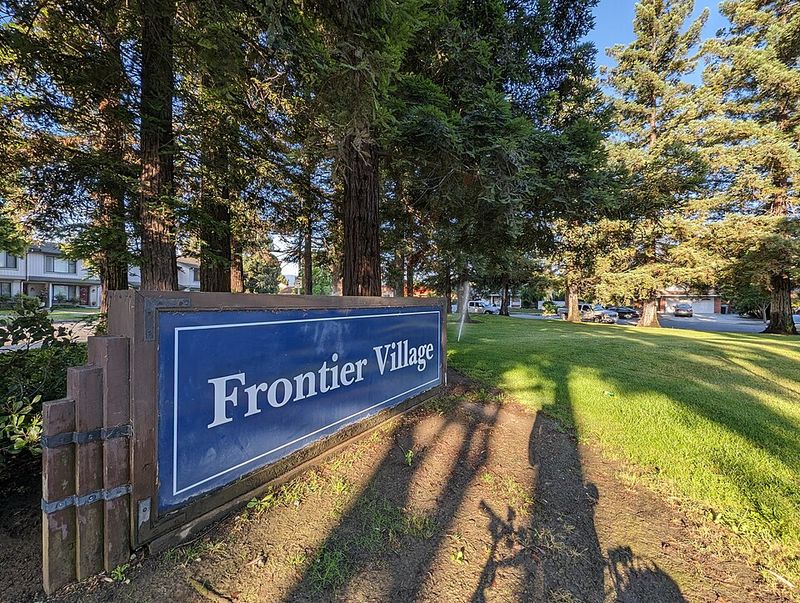
Cowboys, saloons, and stagecoaches ruled at Frontier Village, a beloved 39-acre Wild West-themed park nestled in San Jose, California. Opened way back in 1961, it was a staple of Bay Area childhood for nearly two decades.
Gunfight shows, pony rides, and old-fashioned charm made it feel like stepping straight into a John Wayne movie.
Closure came in 1980, marking the end of an era. Edenvale Garden Park now occupies much of the original land, though almost nothing remains of the old western attractions.
A few nostalgic locals still share faded photographs and vivid memories of summers spent riding the frontier trails.
2. Enchanted Forest Maryland
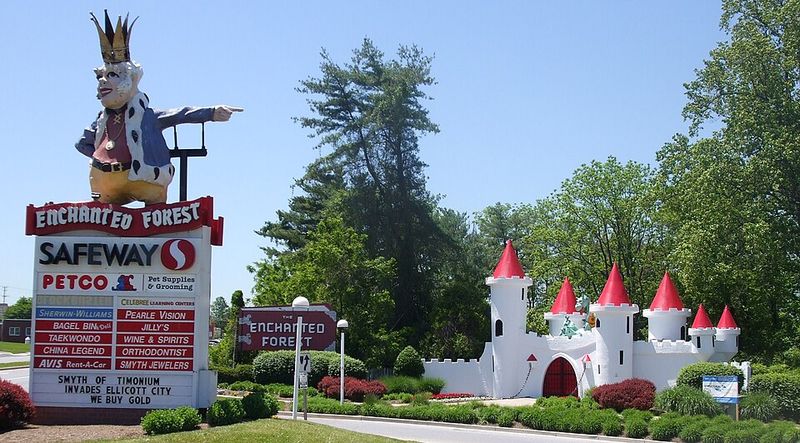
Once upon a time, a storybook world existed along the roadside in Ellicott City, Maryland. Enchanted Forest opened in 1955 and charmed generations of kids who walked past a giant Old Woman’s Shoe and waved at Cinderella’s castle.
Few parks anywhere captured childhood wonder quite so completely.
Operations wound down through the 1980s before a full closure arrived in 1995. Fortunately, preservationists stepped up.
Many beloved fairy tale structures were carefully moved to nearby Clark’s Elioak Farm, where visitors can still see them. Not every closed park gets a second chance, so Enchanted Forest’s partial survival feels like a genuine fairy tale ending.
3. Disney’s River Country
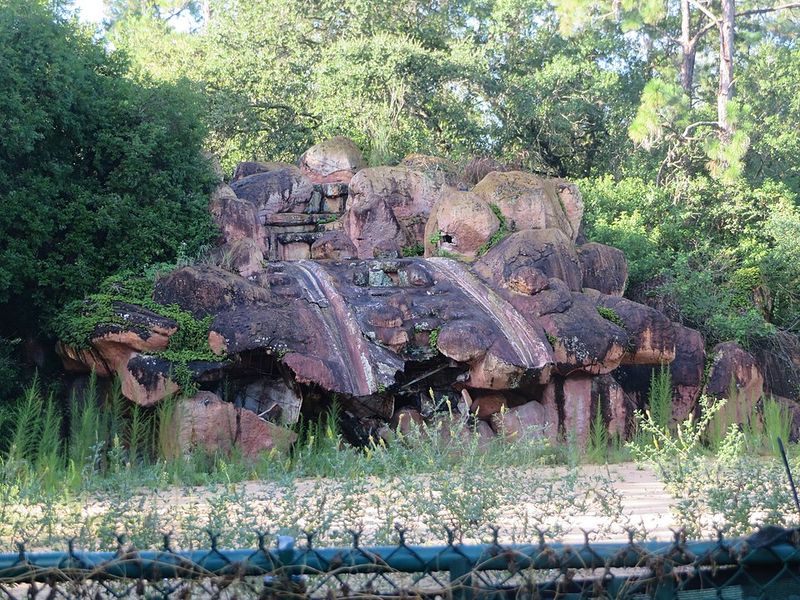
Long before Typhoon Lagoon or Blizzard Beach existed, Disney fans splashed around at River Country, Walt Disney World’s very first water park. Opening in 1976 in Bay Lake, Florida, it offered a rustic swimming hole vibe complete with rope swings, flumes, and a sandy beach.
Basically, it felt like Tom Sawyer came up with the whole concept.
River Country quietly closed in 2001, officially shut down forever by 2005. Unlike most retired Disney attractions, no grand farewell event marked its end.
Nature moved in quickly, swallowing the slides and structures. Plans for a new resort eventually replaced the old site entirely, erasing almost every trace.
4. Six Flags New Orleans (Jazzland)
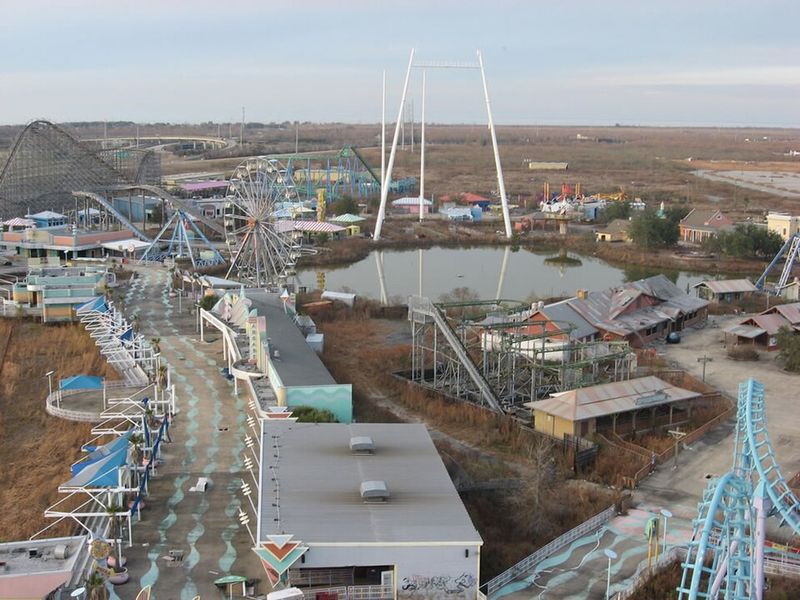
Jazzland opened its gates in 2000 just outside New Orleans, Louisiana, bringing roller coasters and carnival energy to the bayou. Six Flags took over operations in 2003, rebranding the park and expanding its lineup.
For a few short years, it looked like a real success story brewing in the deep south.
Hurricane Katrina had other plans. Catastrophic flooding in 2005 swamped every inch of the property, destroying infrastructure beyond repair.
The park never reopened. Rusted coasters and crumbling buildings became haunting landmarks visible from nearby highways.
Urban explorers and filmmakers have since used the site for years, drawn to its wild, overgrown post-apocalyptic look.
5. Western Village Japan
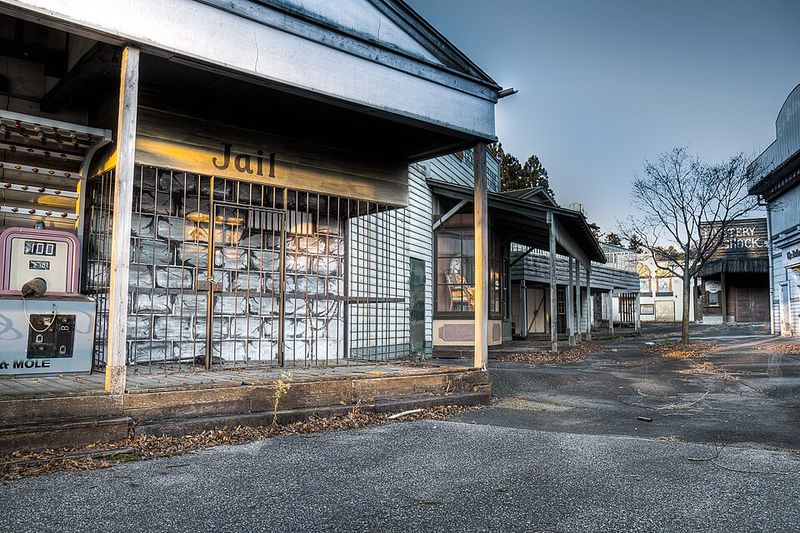
Somewhere in the mountains near Nikko, Japan, an entire American Wild West town sits frozen in time. Western Village opened in 1973, offering Japanese visitors a quirky, cowboy-flavored escape complete with saloon sets, stagecoach rides, and even a replica Mount Rushmore.
How wild is that for a theme park concept?
Declining attendance eventually forced the park to close in 2007. No demolition crews arrived afterward.
Cowboy mannequins still stand at their posts, slowly rusting under moss and overgrowth. Photographers and explorers travel internationally just to capture its surreal decay.
Few abandoned places on Earth look quite as hauntingly cinematic as Western Village does right now.
6. Dogpatch USA
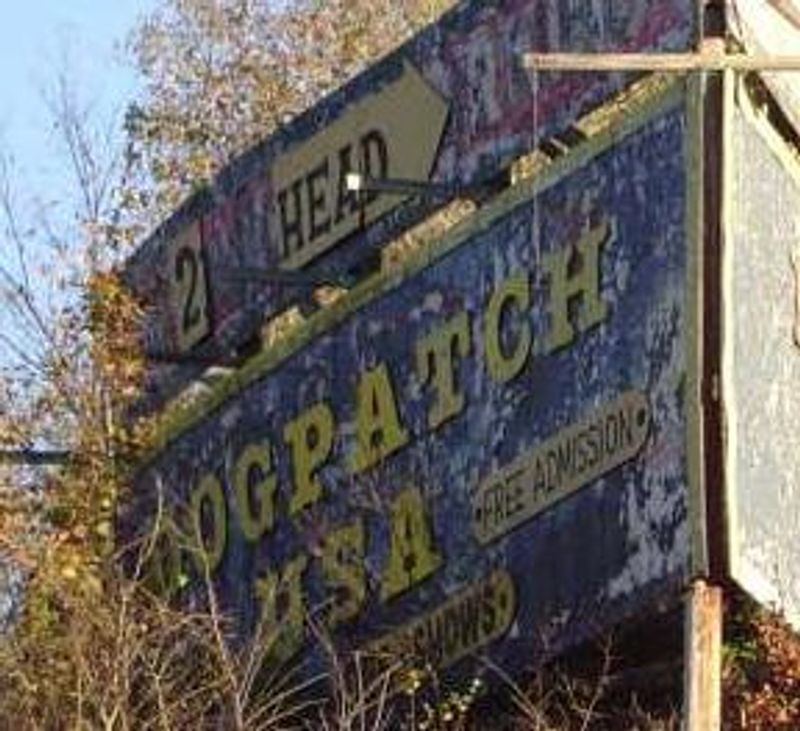
Inspired by Al Capp’s beloved Li’l Abner comic strip, Dogpatch USA carved out a quirky corner of the Ozarks in Marble Falls, Arkansas. Opening in 1968, the park leaned hard into hillbilly humor, featuring live shows, crafts, and characters straight off the funny pages.
For families driving through Arkansas, it was a genuinely unforgettable stop.
Hard times hit during the 1980s as attendance dropped sharply. Dogpatch USA finally closed in 1993, leaving behind weathered buildings swallowed by dense forest.
Redevelopment plans have circulated for years, including ideas for a nature center, but the site remains largely untouched. Cartoon history quietly rots in the Arkansas hills.
7. Heritage USA
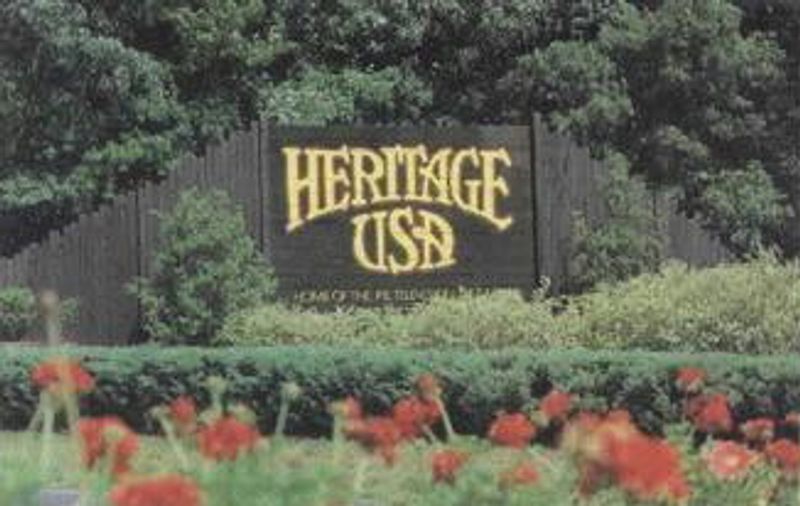
Heritage USA was no ordinary theme park. Founded in 1978 by televangelist Jim Bakker in Fort Mill, South Carolina, it blended Christian faith, entertainment, and resort living into one massive complex.
At its peak, Heritage USA attracted millions of visitors annually, making it the third most-visited theme park in America during the mid-1980s. Surprising, right?
Financial scandal brought everything crashing down when Bakker faced fraud charges in the late 1980s. Operations collapsed almost overnight.
Large portions of the sprawling property sat empty for decades. Some sections were later repurposed, but the grand vision of a Christian wonderland never recovered.
A cautionary tale wrapped in neon and nostalgia.
8. Mimaland
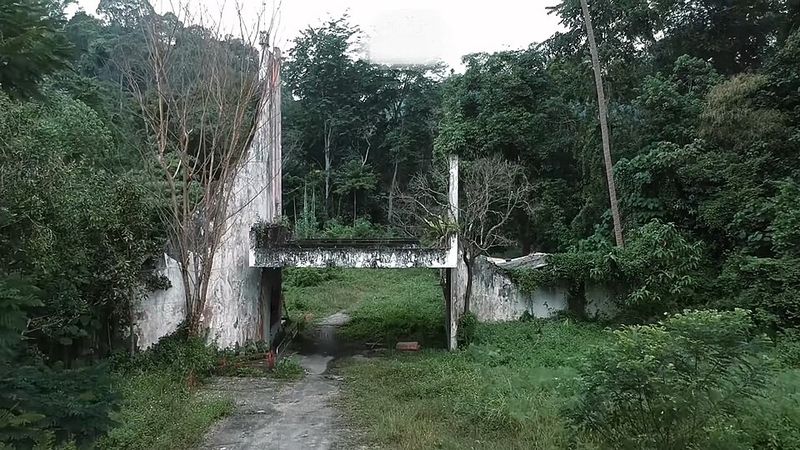
Southeast Asia’s very first theme park holds a bittersweet title. Mimaland launched in 1975 near Kuala Lumpur, Malaysia, dazzling visitors with an enormous artificial lake, towering water slides, and a dinosaur-themed landscape.
For families across the region, a trip to Mimaland was basically the equivalent of hitting the jackpot on a school holiday.
Safety concerns forced the park to close in 1994 after a tragic landslide struck the area. Nature moved aggressively into the abandoned grounds afterward, with tropical vines and trees consuming the slides and structures at an impressive pace.
Mimaland now exists mostly in old photographs and the fading memories of Malaysian visitors who grew up splashing there.
9. Cypress Gardens Florida
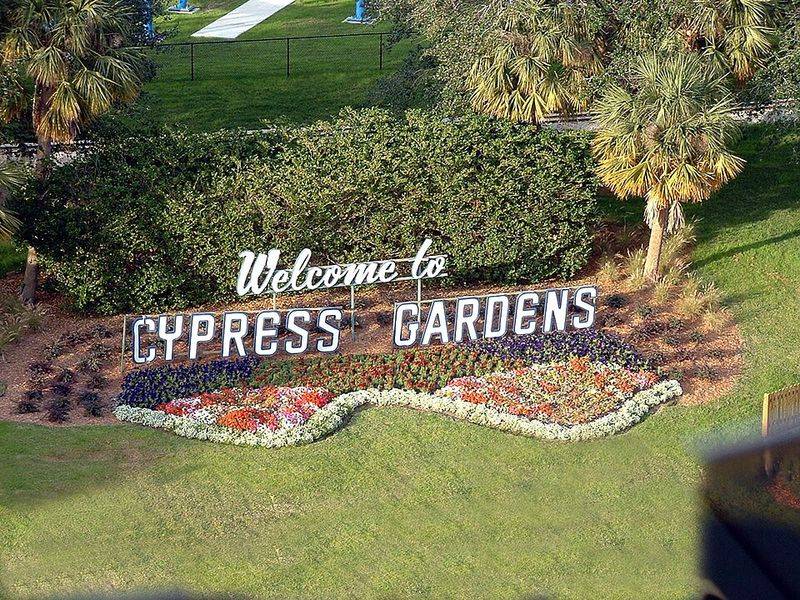
Few parks in American history carried the elegance of Cypress Gardens. Opening in 1936 in Winter Haven, Florida, it became world-famous for elaborate topiary sculptures, stunning botanical gardens, and breathtaking water ski performances that wowed crowds for decades.
Television shows and Hollywood films actually featured the park regularly throughout the 1980s.
Financial struggles mounted over the years despite multiple ownership changes and attempted revivals. Cypress Gardens ultimately closed in 2009.
LEGOLAND Florida absorbed the property in 2011, preserving a small botanical garden section as a tribute to the original park’s legacy. Brick-built LEGO sculptures now stand where topiary animals once greeted awestruck visitors long ago.
10. Yongma Land
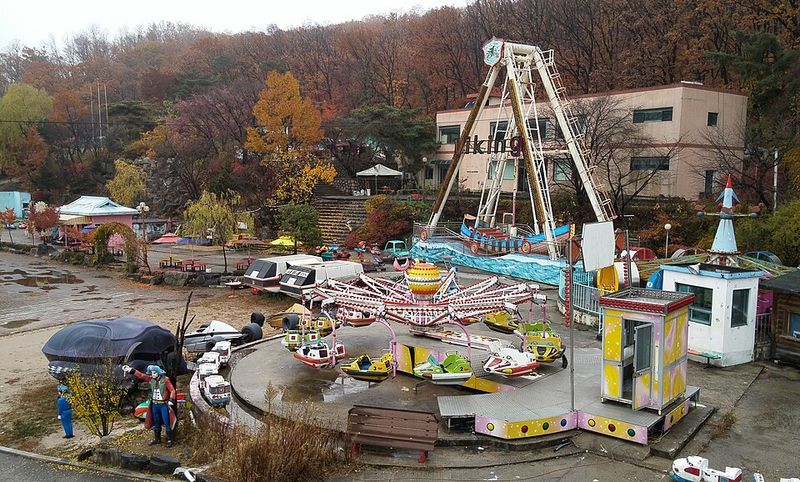
Tucked inside Seoul, South Korea, Yongma Land operated quietly for over three decades starting in 1980. Compact but charming, the park offered classic carnival rides, a carousel, and bumper cars to urban families looking for affordable weekend fun.
Nothing fancy, but plenty of joy packed into a small footprint near the city.
Yongma Land closed in 2011 as newer, shinier entertainment options pulled crowds away. Rather than fading into total obscurity, the park found an unexpected second life.
Photographers, filmmakers, and K-pop music video directors discovered its crumbling, colorful rides made stunning backdrops. Admission fees for shoots kept the gates open occasionally, turning abandonment into accidental artistry.
11. Ho Thuy Tien Water Park
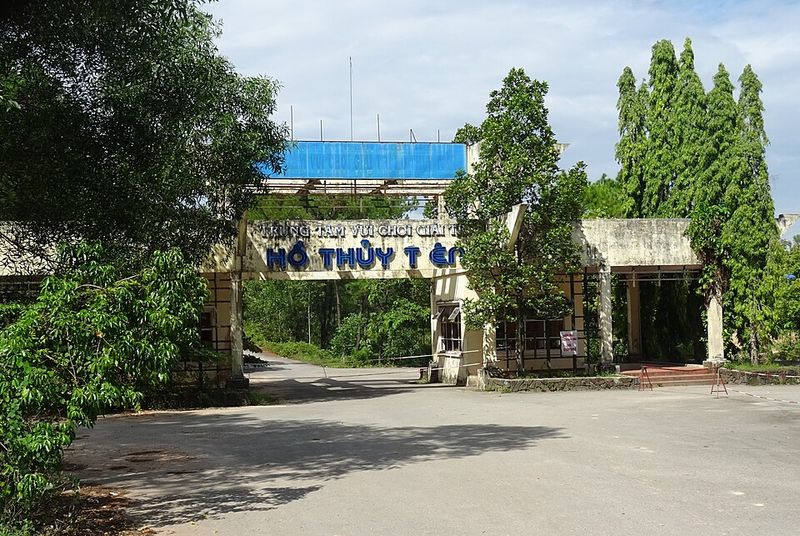
A massive concrete dragon rising from a murky lake greets anyone brave enough to visit Ho Thuy Tien, a failed water park sitting just outside Hue, Vietnam. Built in 2004, the park never truly launched successfully, struggling financially almost immediately after opening.
Visitors were few, maintenance costs were high, and the tropical climate worked relentlessly against every structure.
Closure arrived in 2011, but the park’s dramatic ruins quickly attracted global attention. Travel bloggers and adventurers circulated jaw-dropping photos online, turning Ho Thuy Tien into an unofficial tourist destination.
Locals even kept crocodiles inside the dragon structure for a while, adding an extra layer of absolutely unbelievable weirdness to an already surreal location.
12. Pripyat Amusement Park
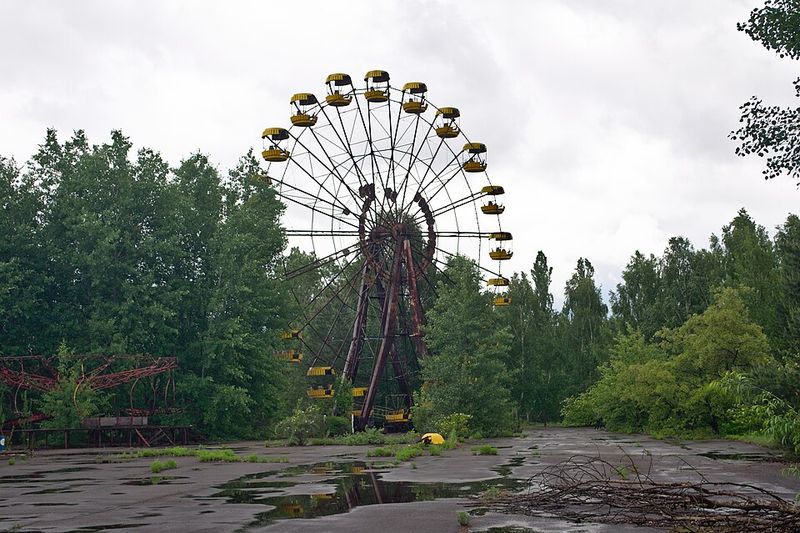
No abandoned park carries a heavier story. Built inside the Soviet city of Pripyat, Ukraine, the amusement park was scheduled to open on May 1, 1986, just days after the catastrophic Chernobyl Nuclear Power Plant explosion rocked the region.
Workers had nearly finished installing the Ferris wheel and bumper cars when evacuation orders arrived on April 27, 1986.
Nobody ever rode a single ride. Radiation levels forced permanent abandonment, and Pripyat became one of Earth’s most haunting ghost towns.
The yellow Ferris wheel standing motionless against a gray sky became an iconic symbol recognized worldwide. Video games, documentaries, and HBO dramas have all borrowed its unforgettable, bone-chilling image repeatedly.