Details In A Bug’s Life That Land Differently As An Adult
Watching A Bug’s Life as a kid feels simple in the best way. You get the jokes, the chaos, the big personalities, and the underdog story pushing everything forward.
Then adulthood sneaks in and the movie starts giving off a completely different energy. Suddenly the power dynamics look harsher, the fear hanging over the colony feels more real, and a lot of the humor comes with an edge.
A film that once played like pure fun starts showing its sharper instincts, and little moments that seemed light or silly begin carrying more weight than they used to.
Pixar was always good at working on two levels at once, but this one really opens up when you are old enough to notice what is going on underneath all the color, movement, and noise.
1. Hopper’s Rule Is Built On Fear, Not Strength
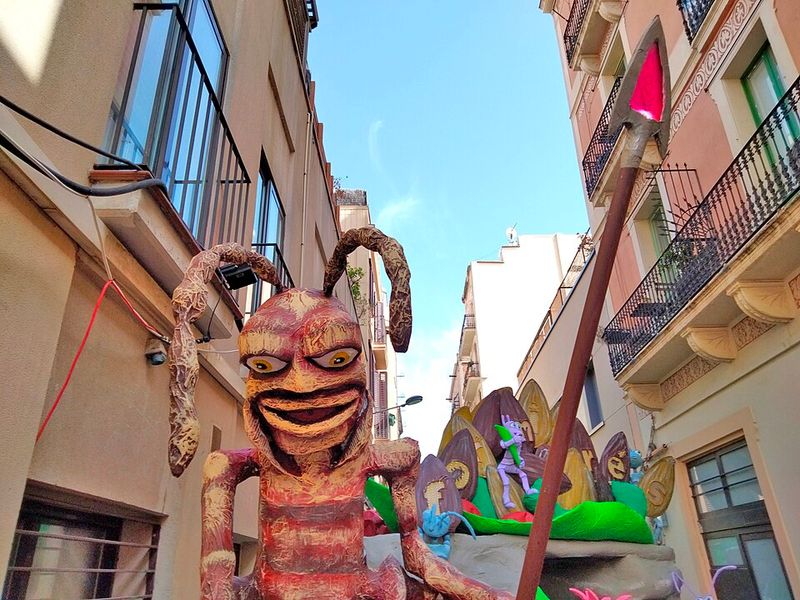
Here’s the thing about Hopper that kids completely miss: he never actually wins a fair fight.
Every ounce of his power comes from making the ants believe they can’t survive without him, which is the oldest trick in the bully playbook.
When Hopper tells his gang why they must keep the ants scared, he practically hands adults a political science lecture. Fear, not muscle, is his real weapon. He even admits it out loud!
How many real-world leaders have used the exact same strategy? More than we’d like to count, honestly.
2. The Ants Are Basically Trapped In An Abusive Labor System
Every single harvest season, the ants collect food, hand most of it over to grasshoppers who did zero work, and then scramble to survive on whatever’s left.
Sound familiar? That’s a textbook exploitative economic arrangement, just with more antennae.
Kids see a scary deadline. Adults see wage theft on a colony-wide scale.
The grasshoppers contribute nothing yet take everything, and the ants have been conditioned to accept it as simply “how things are.”
If that doesn’t make you want to rewatch the whole film through a completely different lens, just saying, nothing will.
3. Flik Is The Classic Scapegoat In A Rigid Community
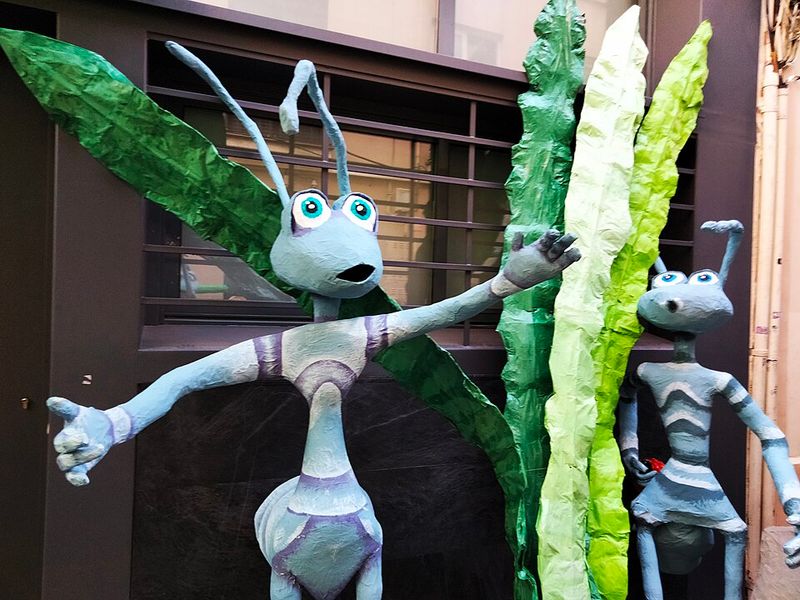
Flik doesn’t just have bad luck. The colony needs someone to blame whenever things go wrong, and the enthusiastic oddball with wild inventions is always the easiest target.
That’s not an accident; that’s a social pattern as old as civilization.
Every rigid group has a Flik. He’s the one whose ideas get laughed at during the meeting, then quietly adopted six months later when someone else suggests them. Relatable? Painfully so.
However, Flik keeps showing up anyway, which is honestly the most radical thing about him.
4. Princess Atta Is Carrying Enormous Pressure The Whole Time
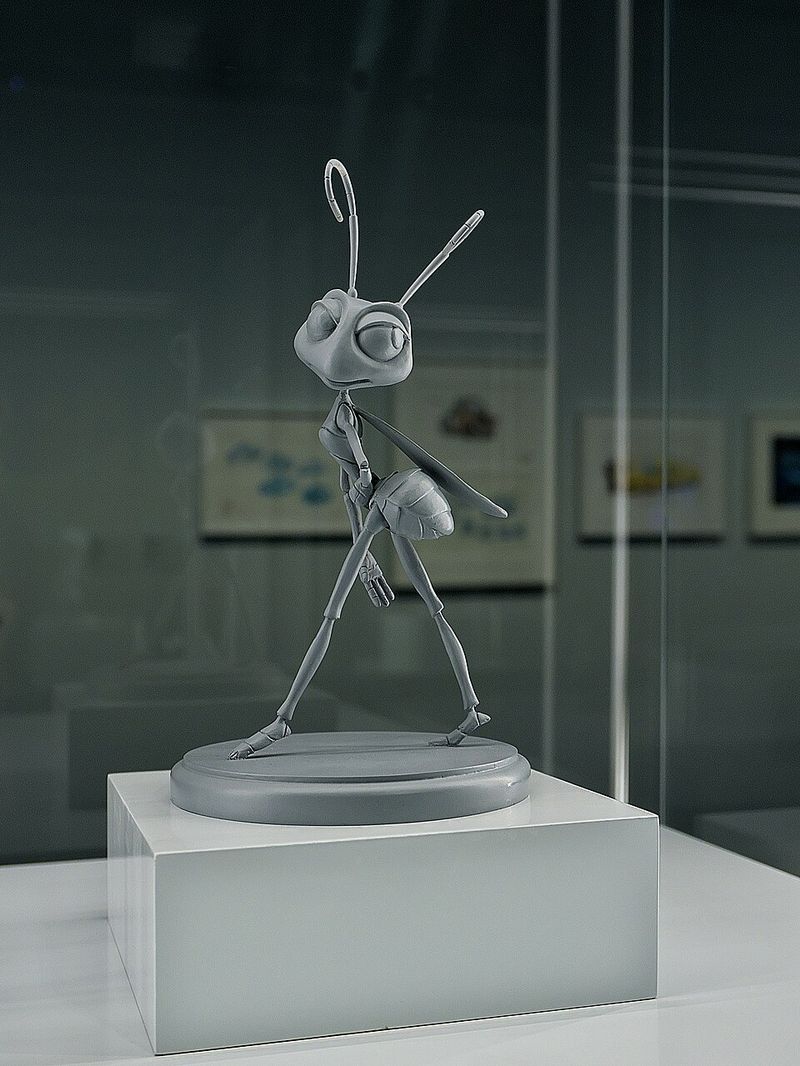
Atta doesn’t get nearly enough credit.
She’s learning to lead an entire colony while being second-guessed at every turn, managing a grasshopper debt crisis, and dealing with her mother quietly watching every move she makes. That’s a brutal combination.
Kids probably found her a little uptight. Adults recognize that specific brand of anxiety that comes from being new to a leadership role while everyone around you is waiting for you to fail spectacularly.
Her growth throughout the movie is genuinely earned, not handed to her. By the end, she leads with confidence because she actually learned something hard.
5. The Warrior Bugs Are Just Struggling Performers Trying To Survive
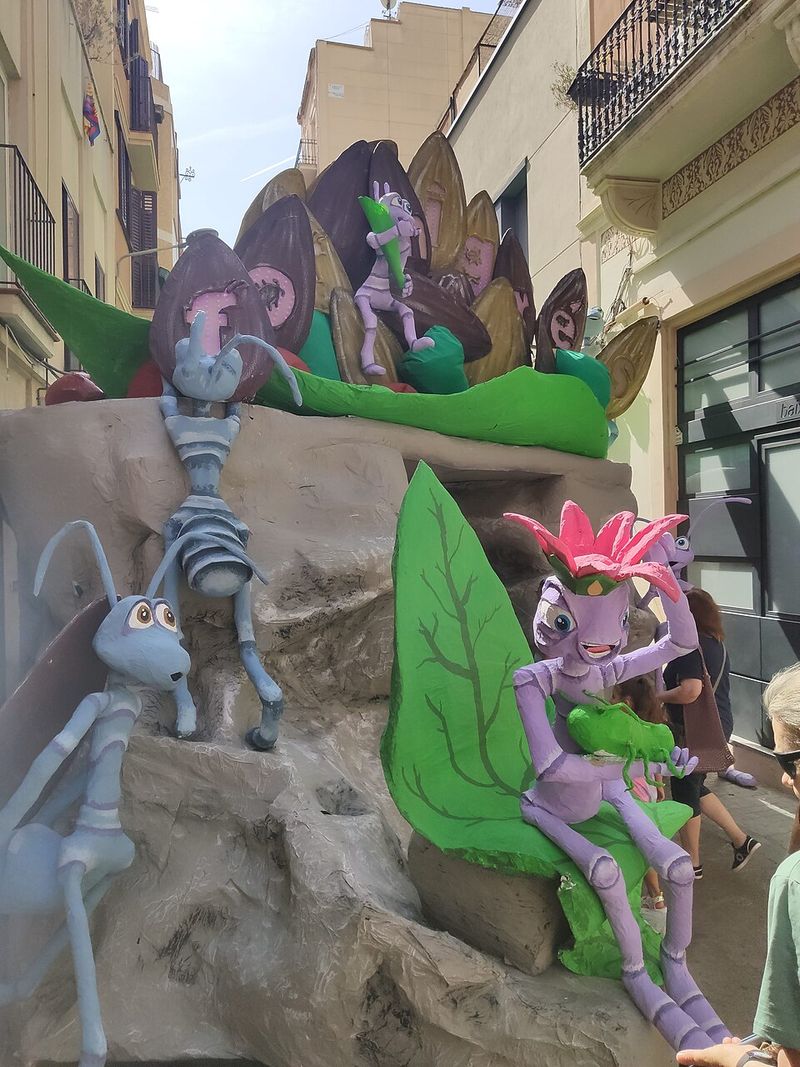
When the circus bugs first show up, they seem like comedy relief.
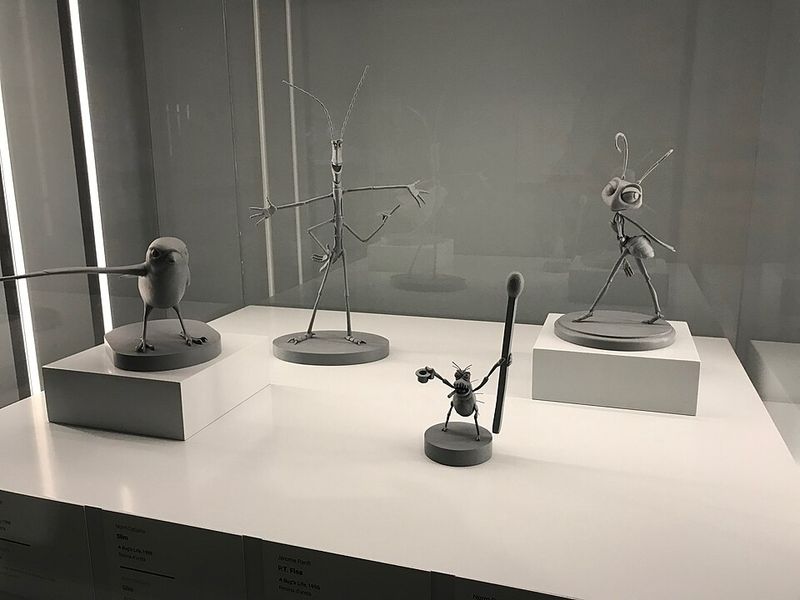
Watch them as an adult and you realize every single one of them took Flik’s job offer because they were broke, unemployed, and one bad night away from real trouble. P.T. Flea’s circus was not exactly thriving.
These bugs weren’t warriors choosing adventure; they were gig workers desperate for their next paycheck.
Though they stumble constantly, they genuinely try. There’s something deeply human about performers putting on a brave face while quietly panicking behind the curtain.
6. Leadership Can Be Learned, Not Just Inherited
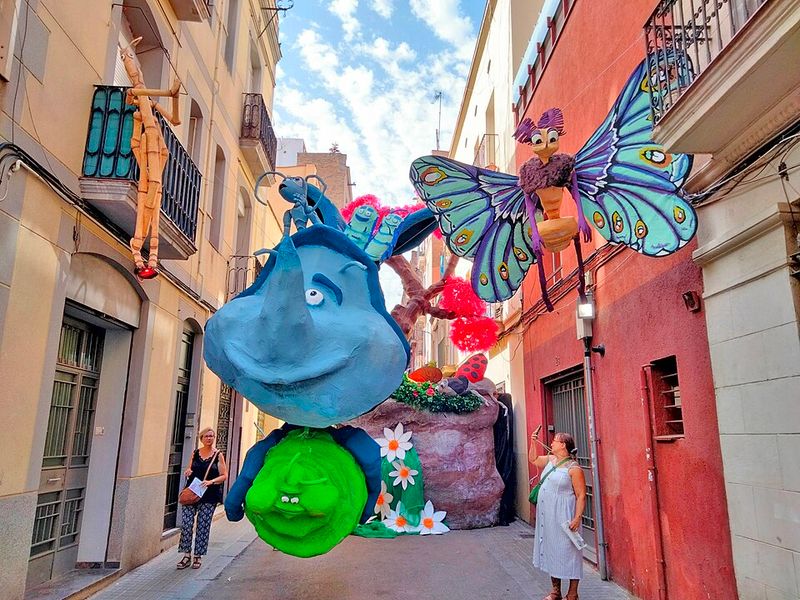
Both Atta and Flik start the movie completely unqualified for what they end up doing.
Atta is heir to the throne but deeply insecure. Flik is passionate but wildly impractical. Neither one is a “born leader” in the traditional sense.
What the movie argues, pretty boldly, is that leadership is a skill you build through failure, feedback, and stubbornness. That’s a much more honest message than most kids’ films deliver.
If you grew up believing leaders were just naturally gifted people who were always calm and confident, A Bug’s Life quietly calls that out as fiction.
7. PT Flea’s Circus Is Way Sadder Than It Seemed As A Kid
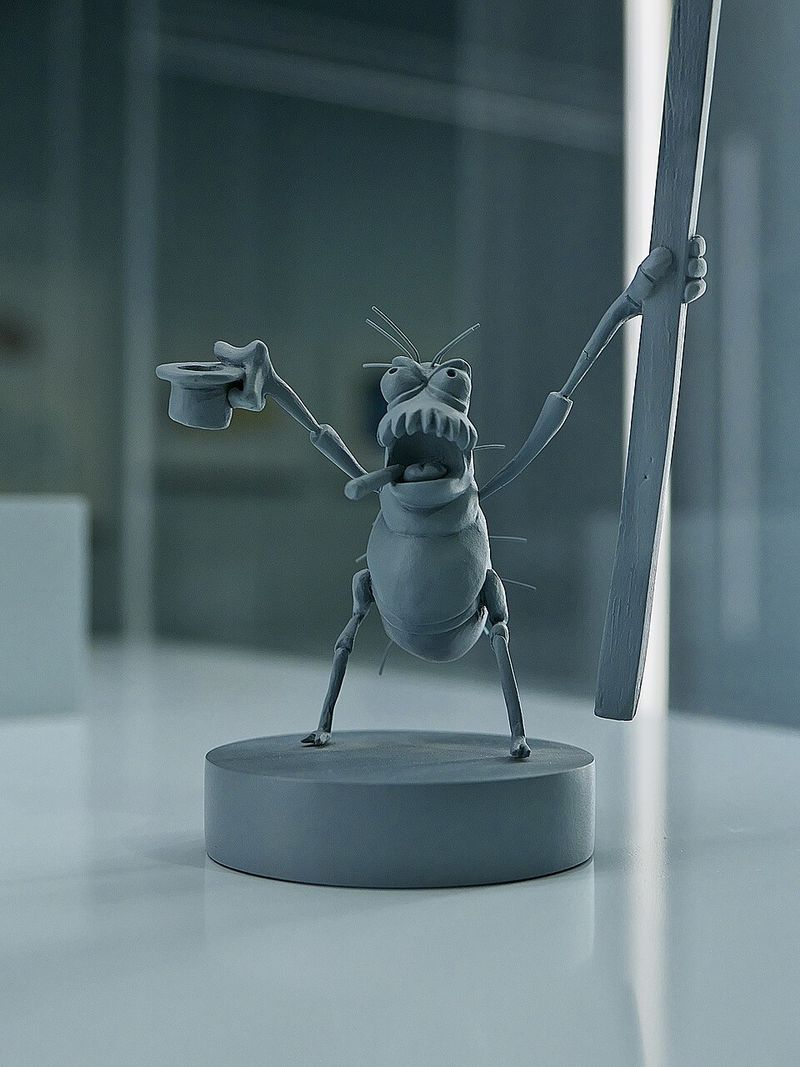
P.T. Flea is a reference to P.T. Barnum, the real-life showman famous for spectacle and, let’s be honest, exploitation.
That name choice is not a coincidence, and adults will catch it immediately where kids just see a funny little flea in a hat.
His circus is barely surviving. The acts get set on fire regularly, audiences don’t pay, and his performers are clearly not thriving.
It’s a traveling show held together with hope and desperation in equal measure.
However charming it looks on the surface, P.T. Flea’s world is a portrait of the entertainment hustle at its most grueling.
8. The Ending Is About Breaking A System, Not Just Beating A Villain
When Hopper is defeated, the movie doesn’t just end with a celebration. The entire dynamic of the colony shifts permanently.
The ants don’t prepare a new offering. They don’t go back to business as usual. The whole arrangement is over.
That’s a systemic change, not just a villain removal. Plenty of stories stop at “defeat the bad guy and everything goes back to normal.” A Bug’s Life argues that removing one bad actor means nothing if the system that empowered him stays intact.
For adults who have watched institutions change, or fail to change, after a single leader falls, that ending carries real weight. Pixar wrapped a genuinely sophisticated idea in a story about bugs. Not bad for 1998.