A Look At Every Studio Album Released By Led Zeppelin, Plus Coda
Rock history shifted the moment those thunderous riffs and towering vocals hit the airwaves, setting a new standard for power and style.
Across eight studio albums released in 1969 through 1979, plus the 1982 outtakes collection Coda, Led Zeppelin fused heavy guitar fire with blues roots, folk textures, and bold experimentation.
Each record captures a different chapter of their evolution, making the full album run feel like a journey through one of the most influential catalogs in music.
Note: This piece is for general informational and entertainment purposes and reflects widely reported album release details and production notes, which may be described differently across reputable sources. It is not legal, financial, or professional advice.
1. Led Zeppelin (1969)
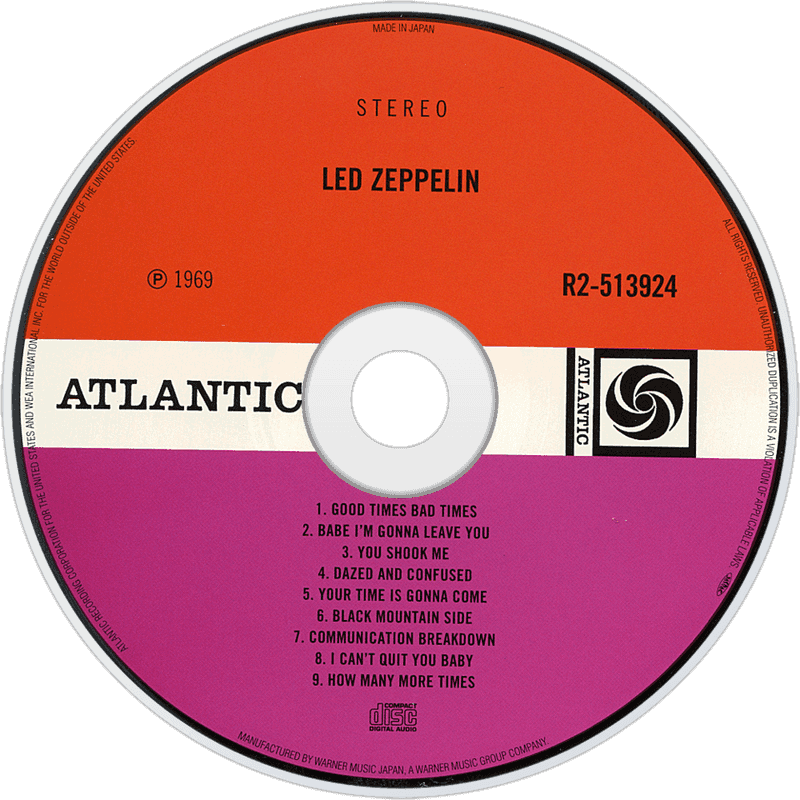
Bursting onto the scene with raw energy, this debut album proved that a new force had arrived in rock music. Blues influences run deep through tracks like “Good Times Bad Times” and “Dazed and Confused,” giving listeners a taste of what would become legendary.
The album came together with roughly 36 hours of studio time, but the impact lasted decades.
Jimmy Page’s guitar work sounds like thunder rolling through a canyon, while Robert Plant’s vocals soar above it all.
If you ever need music that feels like pure electricity, this album delivers that jolt every single time.
2. Led Zeppelin II (1969)
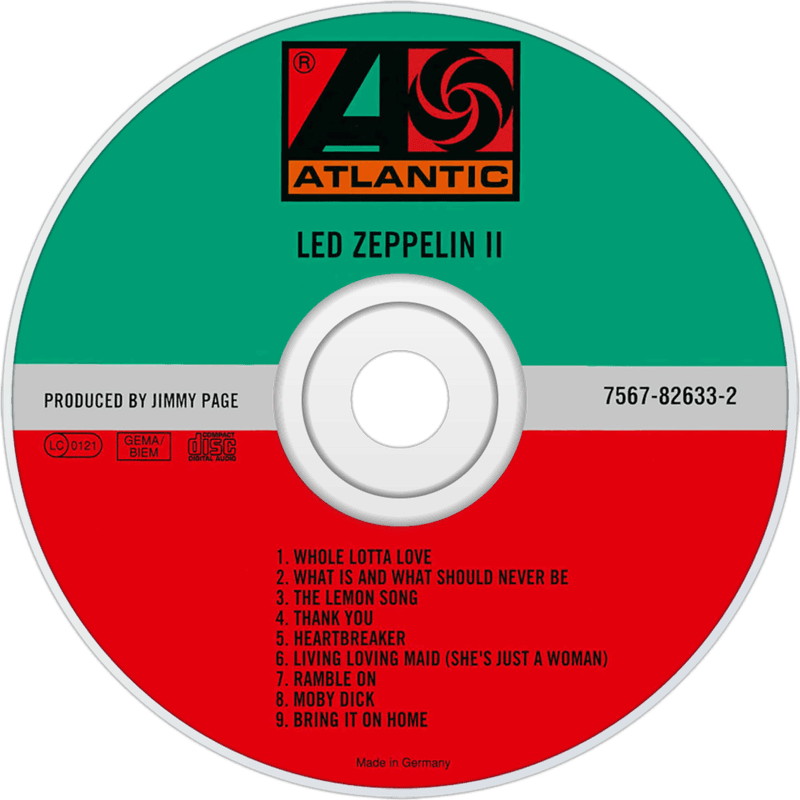
Released just months after their first record, this album showed the world that Led Zeppelin wasn’t slowing down.
“Whole Lotta Love” became an instant classic with its unforgettable riff and wild sound effects that made car radios shake. “Ramble On” mixed folk storytelling with hard rock power, creating something completely fresh and exciting.
Recording happened in studios across America and England while the band toured nonstop.
Honestly, this album feels like the soundtrack to every road trip adventure you’ve ever dreamed about taking.
3. Led Zeppelin III (1970)
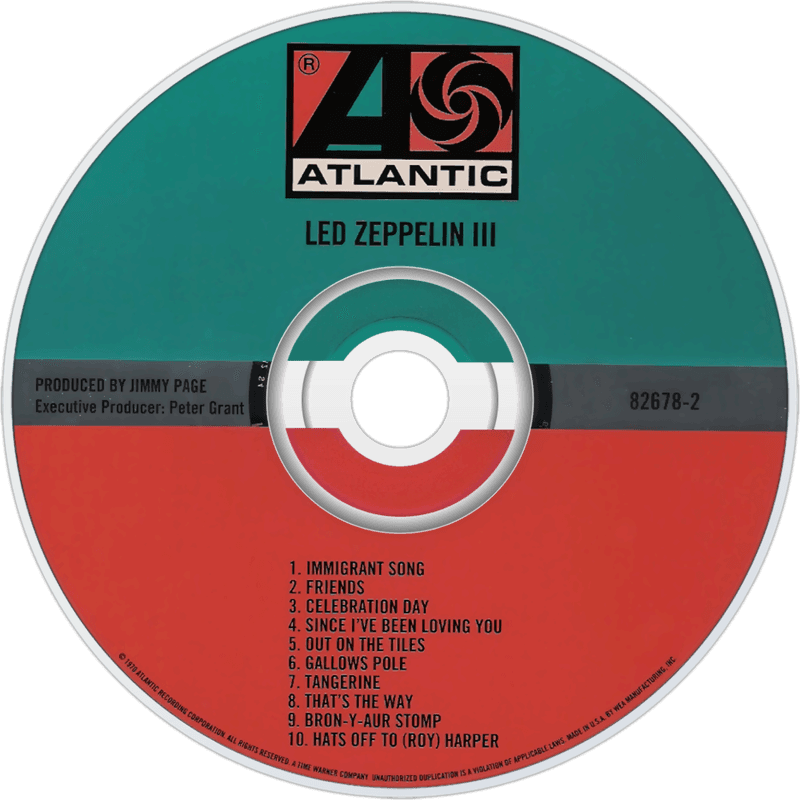
After two albums of heavy rock, the band surprised everyone by exploring acoustic sounds and folk traditions.
“Immigrant Song” still brought the thunder with its Viking battle cry opening.
However, songs like “That’s the Way” and “Tangerine” showed a gentler side that proved Led Zeppelin could do more than just rock hard. The spinning wheel artwork on the album cover became as famous as the music itself, with different images appearing through die-cut windows.
Maybe quiet moments need great music too, and this album understood that perfectly.
4. Led Zeppelin IV (1971)
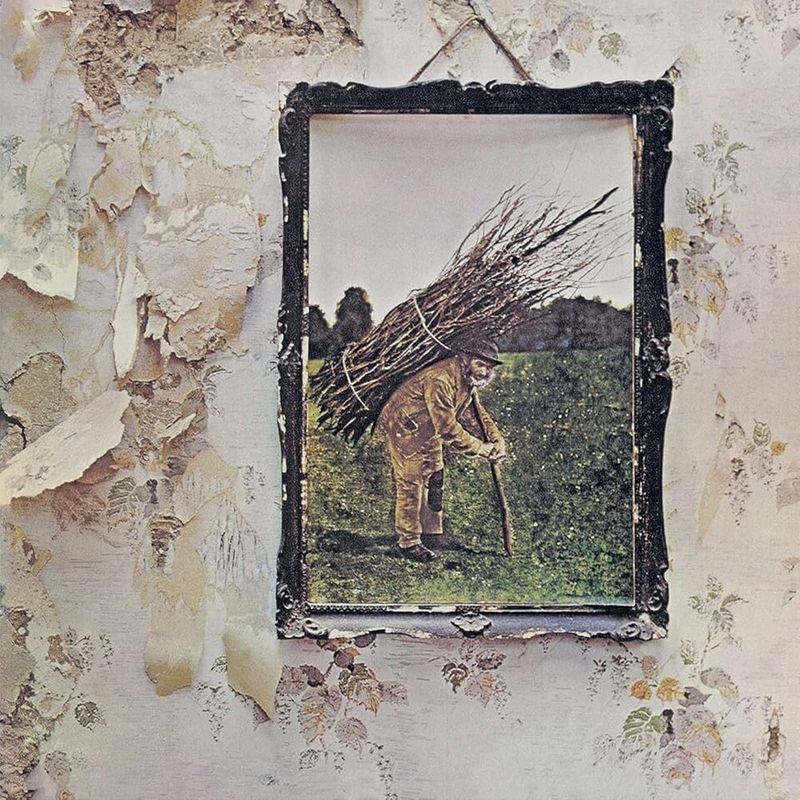
No title appeared on the cover, just four mysterious symbols representing each band member. “Stairway to Heaven” became one of the most famous rock songs ever written, building from gentle acoustic picking to an explosive finale.
“Black Dog” and “Rock and Roll” kept the energy high throughout the record.
This became their biggest album commercially and one of rock’s best-known best-sellers.
When you hear those opening notes to “Stairway,” it’s like the whole world pauses for eight magical minutes.
5. Houses Of The Holy (1973)

Experimental styles took center stage as the band explored reggae, funk, and fantasy storytelling within a single cohesive project. Complex time signatures and powerful drumming skills defined the opening tracks of this ambitious fifth studio recording.
Reggae rhythms and eerie keyboard effects created a diverse atmosphere that challenged every listener to expand their musical expectations. Its iconic cover was photographed at Giant’s Causeway in Northern Ireland, giving the album a striking, otherworldly look before a single note plays.
Risks taken during these creative sessions proved that bold experimentation could lead to something truly special and unexpected.
6. Physical Graffiti (1975)

Spanning two vinyl records, this double album gave fans 15 tracks of pure musical variety.
“Kashmir” stands as one of their most epic compositions, with orchestral arrangements and Middle Eastern influences creating a sound bigger than mountains.
“Trampled Under Foot” funked things up with a groove that made dancing impossible to resist, while “In My Time of Dying” stretched past 11 minutes of blues intensity. The New York City tenement building on the cover became instantly recognizable.
Curiously, this masterpiece feels like getting two amazing gifts at once.
7. Presence (1976)
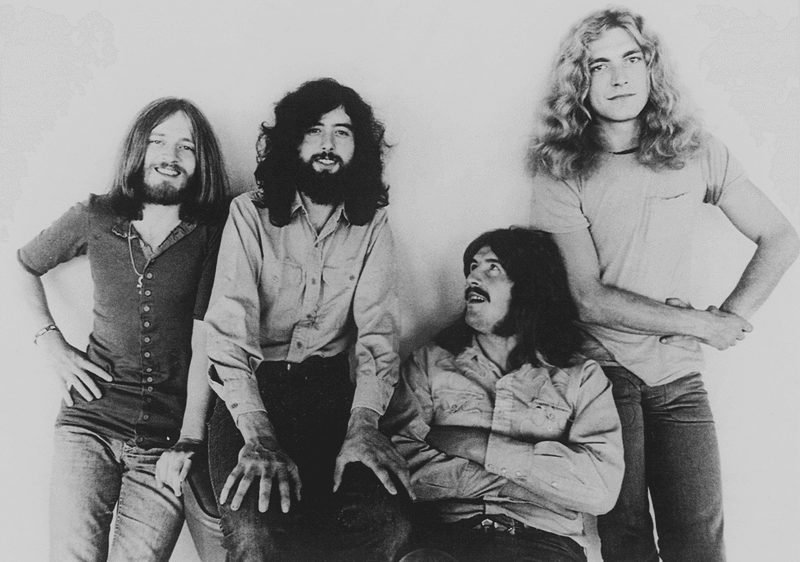
Raw emotion and determination filled the studio as the band recorded quickly while a singer named Robert Plant recovered from a serious car accident.
Mythology-inspired lyrics and layers of complex guitar work define the opening track that stretches over ten minutes in length. Mysterious black objects appearing in various domestic settings on the cover became a major talking point for fans across the globe.
Darker tones than previous records did not prevent the intense passion of the musicians from shining through every recorded note.
8. In Through The Out Door (1979)
Keyboards and synthesizers played a bigger role than ever before, showing the band adapting to changing times.
“All My Love” featured emotional lyrics Plant wrote about his son, creating one of their most touching moments.
Six different album covers existed, each showing the same bar scene from a different person’s perspective, making collecting them all a fun challenge. The album came in a brown paper bag, hiding which version you got until you opened it.
Released during the band’s final studio run, it hit No. 1 in major markets and proved the group could still command the moment, even as the sound shifted.
9. Coda (1982)
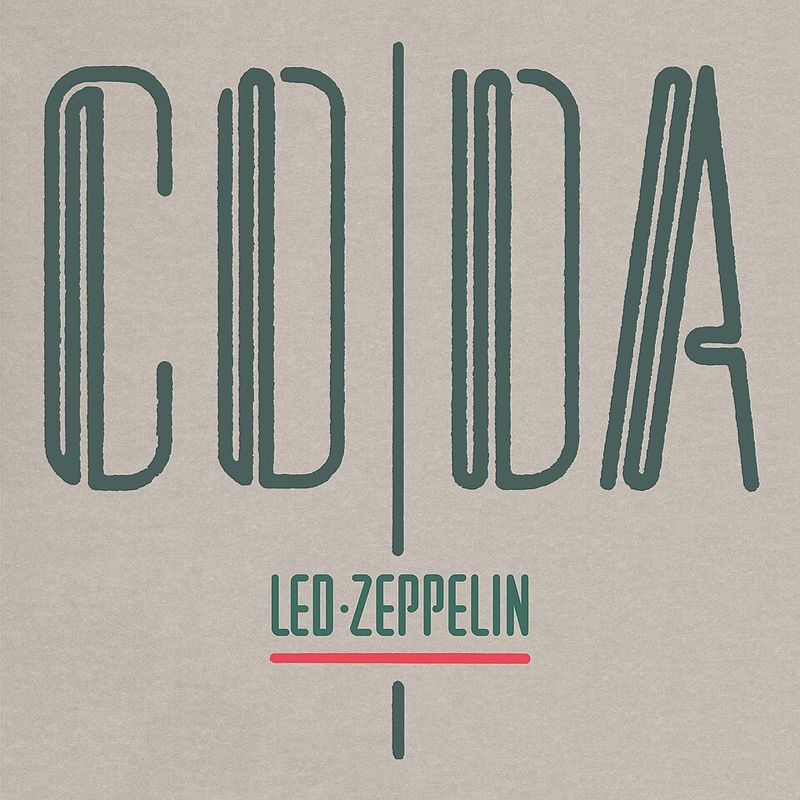
After drummer John Bonham’s tragic death ended the band in 1980, this collection brought together unreleased recordings from various sessions. “Poor Tom” and “Ozone Baby” showed sides of the band that fans had never heard before, like finding hidden treasure.
“Wearing and Tearing” delivered punk-influenced energy that proved Led Zeppelin could have evolved in any direction.
The title “Coda” means the concluding passage of a piece, making it the perfect name.
As a post-1970s capstone built from earlier recordings, this release gave fans one last gift.