10 Abandoned Celebrity Homes That Still Hold Untold Secrets
Some homes outlive the spotlight that once defined them. Behind grand gates and fading facades, celebrity estates once filled with music, celebration, and iconic moments now sit in quiet contrast to their past.
Names like Michael Jackson, Elvis Presley, and Whitney Houston once turned these rooms into living history, where corners carried energy, creativity, and fame at its peak. Time shifts everything.
Chandeliers gather dust, gardens grow wild, and hallways that once echoed with footsteps now hold only silence. Yet a strange sense of presence lingers.
These estates seem to hold fragments of former life, like memories pressed into walls, waiting for curious eyes to notice. Stories tied to these homes stretch beyond architecture.
They speak of success, pressure, legacy, and the stillness that follows global attention. What remains is a blend of beauty and melancholy, wrapped inside spaces that once defined entire eras of pop culture.
Step inside and explore the history left behind. Celebrity residences carry final chapters frozen in time, inviting a closer look at what fame eventually leaves behind.
1. Michael Jackson’s Neverland Ranch
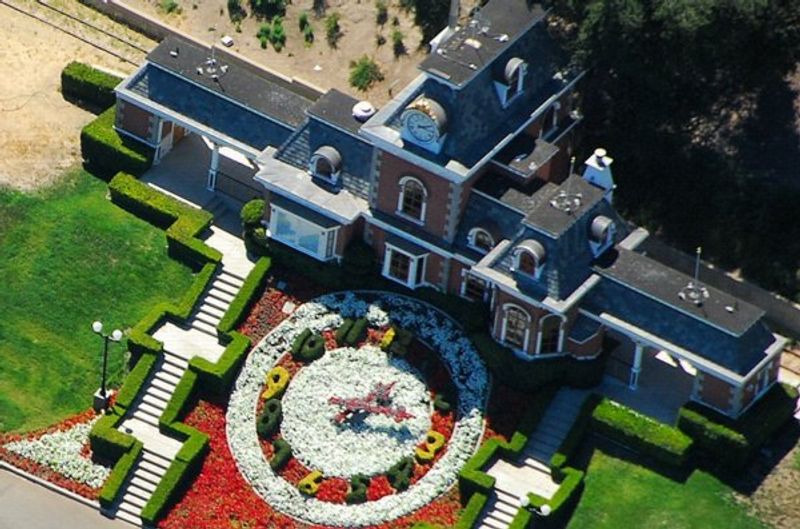
Once upon a time, a 2,700-acre kingdom in California held a Ferris wheel, a private zoo, and a movie theater fit for royalty. Neverland Ranch was the dream playground of Michael Jackson, the King of Pop himself.
After legal battles shook his world in the early 2000s, Jackson walked away and never returned.
The rides stopped spinning. Gardens grew wild.
Animal enclosures sat empty. When Jackson passed away in 2009, the estate became a ghostly monument frozen in time.
Renamed Sycamore Valley Ranch and eventually listed for sale, the property still carries an almost magical, melancholy energy no buyer can easily shake off.
2. Elvis Presley’s Circle G Ranch
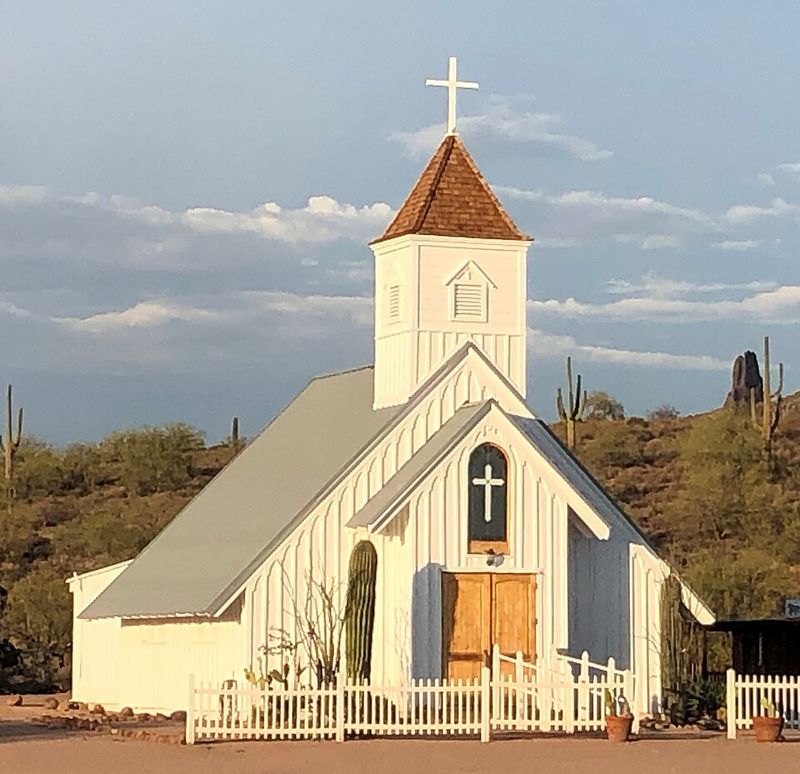
Not everyone knows Elvis Presley owned a Mississippi ranch separate from his famous Graceland mansion. Circle G Ranch, purchased in 1967, was a sprawling 163-acre escape where the King of Rock and Roll rode horses and unwound away from screaming crowds.
After Elvis passed in 1977, the ranch changed hands multiple times. Structures crumbled, fences collapsed, and nature quietly reclaimed the land acre by acre.
Restoration efforts have popped up over the years, but many original buildings remain in rough shape. How a place so full of life can feel so forgotten is honestly one of rock history’s saddest puzzles.
3. Jim Morrison’s Laurel Canyon Home
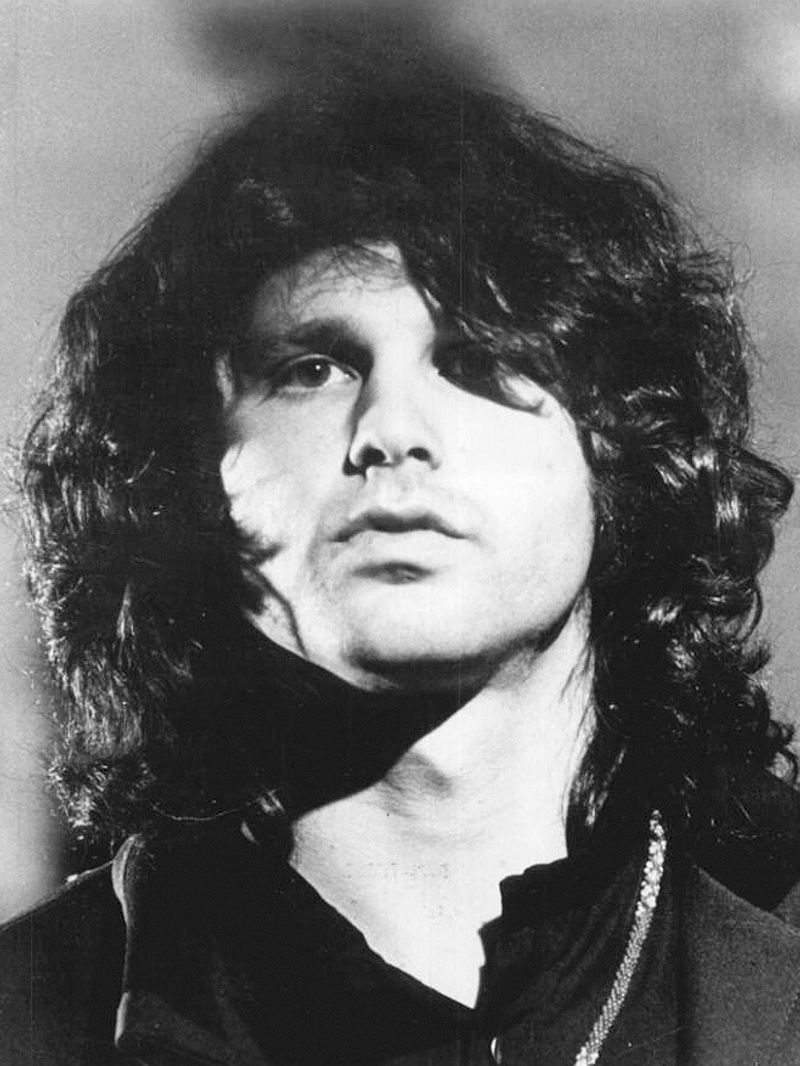
Laurel Canyon in the 1960s was basically the coolest neighborhood on Earth. Musicians, poets, and free spirits roamed its winding roads, and Jim Morrison of The Doors called a small, quirky bungalow there home.
It buzzed with creativity, late-night conversations, and music that changed a generation.
After Morrison’s passingin Paris in 1971, the home slowly lost its rock-and-roll heartbeat. Vines crept up the walls, paint peeled like old concert posters, and murals faded into whispers.
Even now, walking past it feels like stumbling onto a sacred relic. History does not always wear a museum label, sometimes it just wears ivy.
4. Nicolas Cage’s LaLaurie Mansion
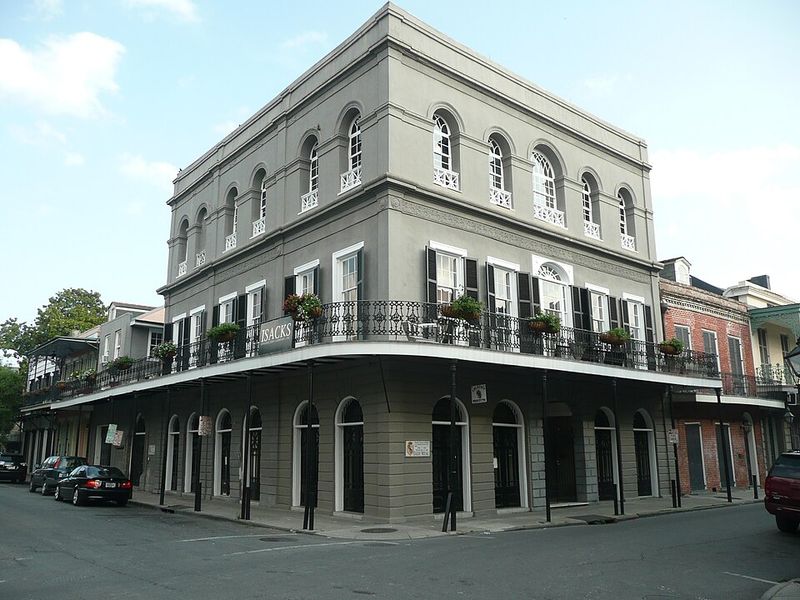
Few real estate purchases have turned heads quite like Nicolas Cage buying one of New Orleans’ most infamously haunted properties. The LaLaurie Mansion, built in the 1830s, carries a dark and deeply troubling history tied to its original owner, Madame LaLaurie.
Cage reportedly hoped to preserve its eerie historical character, but financial struggles forced him to sell it in 2009 after owning it for only a short time.
Since then, the mansion has sat largely untouched, its cracked facade and shadowy reputation keeping most visitors at a respectful distance. Some secrets, it seems, refuse to be renovated away no matter how much money changes hands.
5. Whitney Houston’s New Jersey Estate
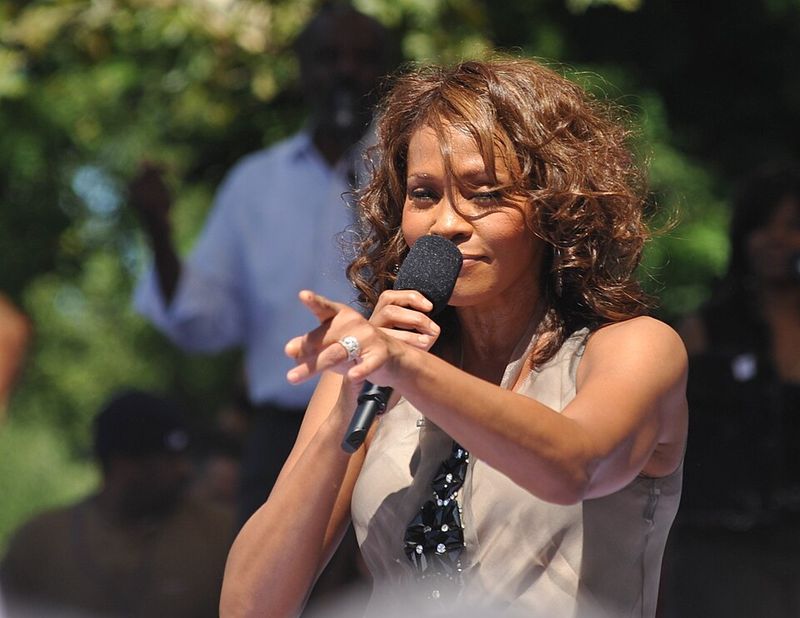
Tucked away in Mendham, New Jersey, sat a sprawling estate once filled with the voice of one of music’s greatest legends. Whitney Houston recorded songs here, celebrated milestones, and created memories that her fans would hold forever.
After her passing in 2012, the estate struggled to find a new owner. Grand staircases gathered dust.
A recording studio fell silent. The swimming pool, once sparkling, became a symbol of time standing still.
Multiple listing attempts came and went without success. Eventually sold, the property’s journey mirrored Houston’s own complicated story, brilliant, beautiful, and heartbreakingly unfinished.
Even walls seem to mourn when legends leave.
6. Michael Jordan’s Highland Park Mansion
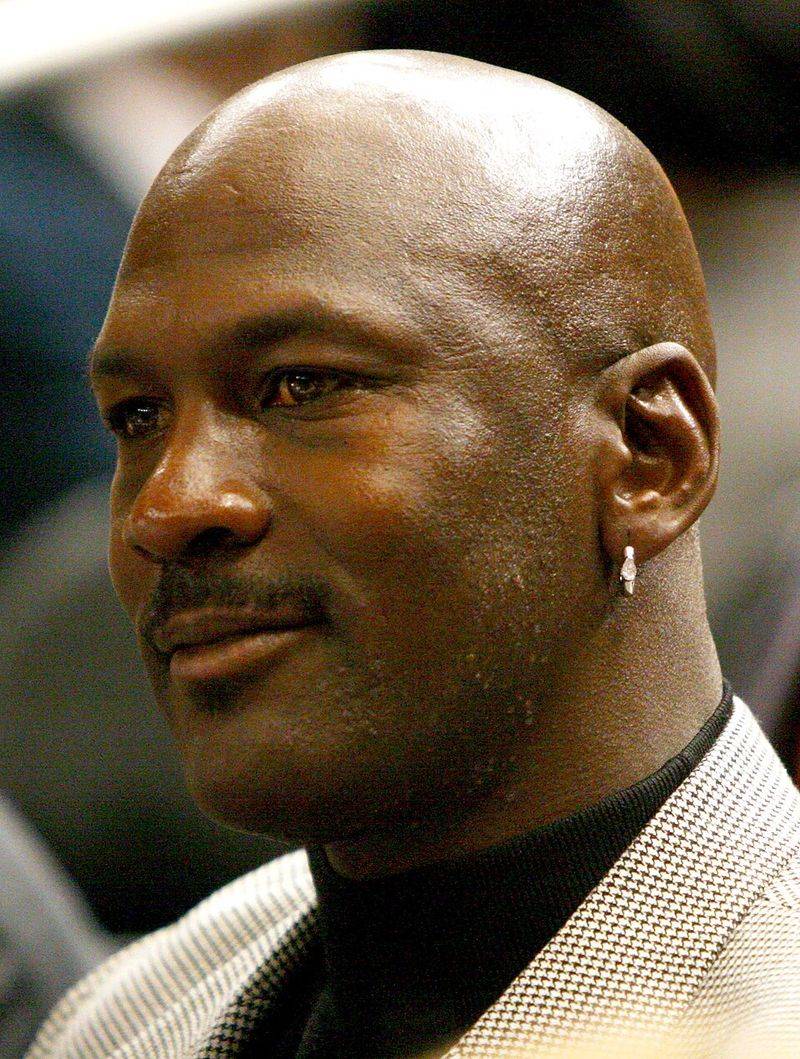
Air Jordan could soar above defenders, but selling a mansion apparently required a different kind of skill set. Michael Jordan’s Highland Park, Illinois estate sat on the market for over a decade, becoming one of the longest-lingering luxury listings in American real estate history.
Personalized down to a massive number 23 on the entrance gate, the home was so uniquely Jordan-branded that buyers struggled to see themselves living inside it.
Price reductions happened repeatedly, and the property developed an almost ghost-town quality during its long vacancy. It finally sold in 2023, ending a real estate saga almost as dramatic as any NBA Finals buzzer-beater.
7. Frank Sinatra’s Twin Palms Estate
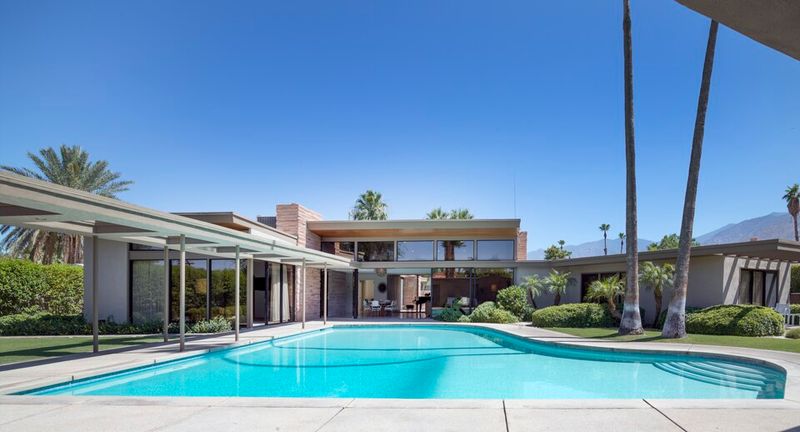
If walls could sing, Frank Sinatra’s Twin Palms Estate in Palm Springs would croon a perfect melody. Built in 1947 and designed by architect E.
Stewart Williams, the home featured Sinatra’s most iconic quirk: a piano-shaped swimming pool.
Ol’ Blue Eyes hosted legendary gatherings here, rubbing elbows with Hollywood royalty and filling rooms with jazz, laughter, and enough charisma to power a city block.
Years of vacancy left the estate faded and forlorn. Dust settled over the piano lounge.
However, partial restoration efforts have brought some sparkle back. Even in decline, Twin Palms carries a cinematic romance absolutely impossible to ignore.
8. Marlon Brando’s Mulholland Drive Estate
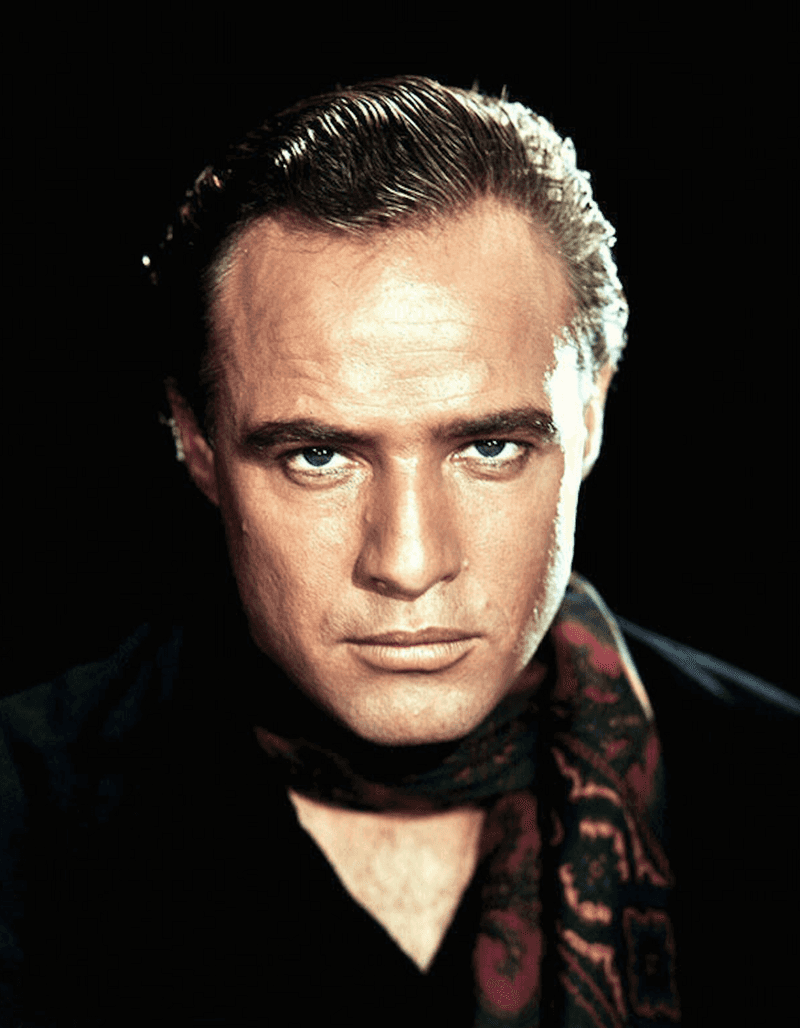
Marlon Brando, one of Hollywood’s most magnetic and unpredictable legends, owned a sprawling compound on Mulholland Drive in Los Angeles for decades. It served as both sanctuary and stage for a man who lived as dramatically off-screen as he did on it.
After Brando’s passing in 2004, the property entered a long legal and financial limbo. Overgrown trees swallowed the driveway.
The Spanish-style architecture began showing serious wear.
Sold and subdivided over time, the original estate lost much of its original character. Still, old-school Hollywood fans insist the land carries Brando’s unmistakable intensity, stubborn, magnetic, and impossible to fully walk away from.
9. Judy Garland’s Bel Air Home
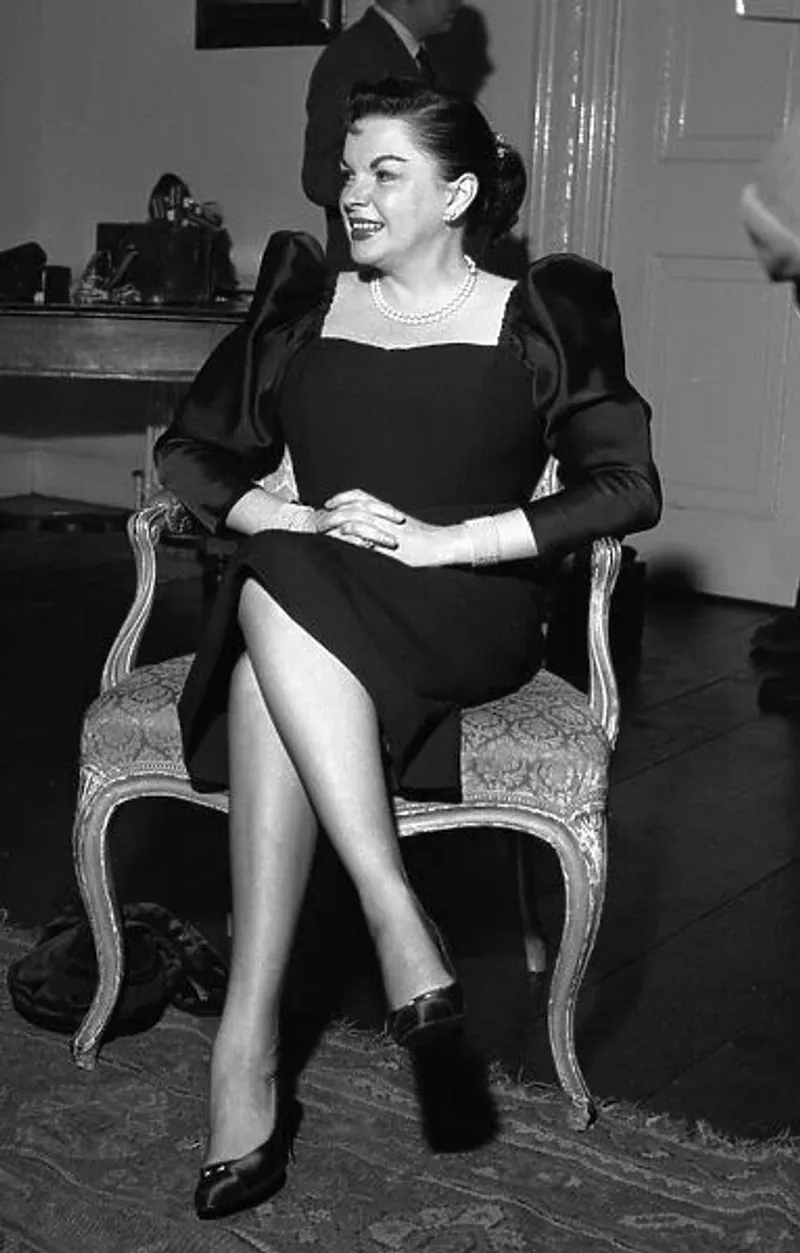
Somewhere over the rainbow, a modest Bel Air home holds the echo of one of Hollywood’s most beloved voices. Judy Garland, forever iconic as Dorothy in The Wizard of Oz, lived in a charming Bel Air residence during some of the most turbulent years of her life.
After Garland’s passing in 1969, the home passed through several owners. Without proper upkeep, rose bushes grew wild, stone pathways cracked, and the vintage charm began fading behind layers of neglect.
Preservation advocates have long argued for protecting homes linked to Old Hollywood legends. Garland’s former residence stands as a quiet, bittersweet reminder of how fragile even iconic legacies can become.
10. Howard Hughes’ Spruce Goose Hangar and Bungalow
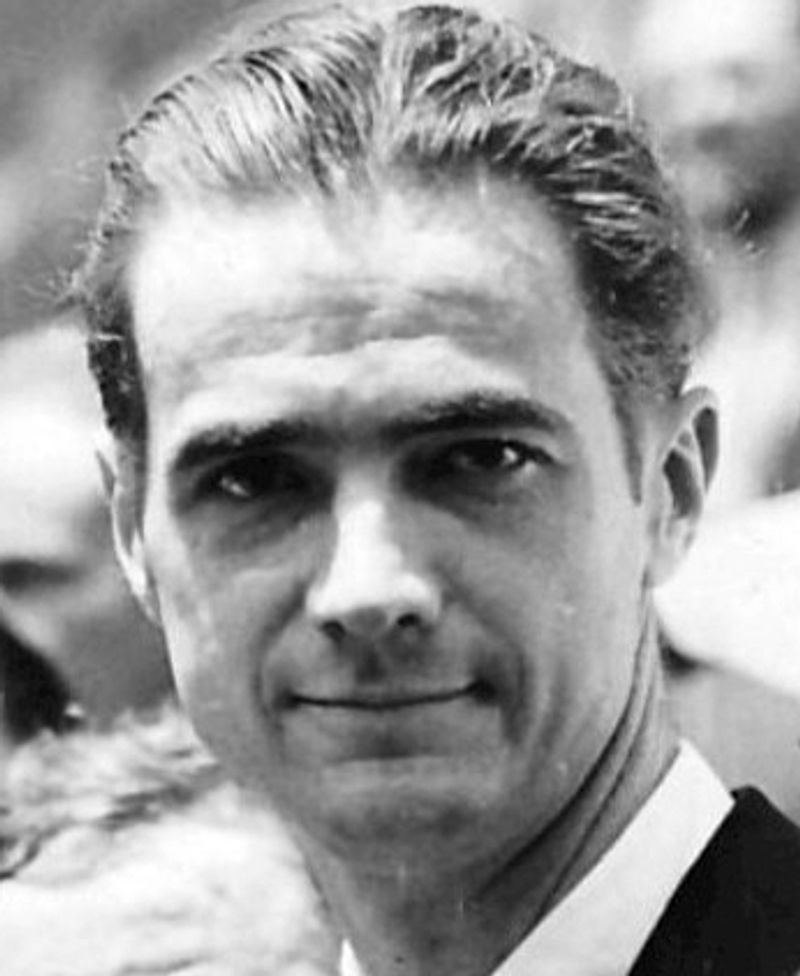
Howard Hughes was not just a celebrity. A billionaire, aviator, filmmaker, and full-time eccentric, Hughes left behind a property legacy as complicated as his own brilliant, troubled mind.
His bungalow near the Spruce Goose hangar in Long Beach, California became a landmark of reclusive genius.
Hughes spent years living in near-total isolation, and after his end in 1976, structures connected to his legacy fell into serious disrepair.
Rusted hangar doors, cracked concrete, and ghost-town quiet replaced the roar of airplane engines. If curiosity had a headquarters, it would look exactly like a Hughes property, full of unanswered questions and wild, wonderful history.