14 Acceptance Speeches That Turned Oscar Night Awkward
Oscar speeches are supposed to look effortless on television. A name gets called, music swells, tears gather, and for one shining minute the whole thing is meant to feel graceful and perfectly under control.
Then somebody reaches the microphone and the mood goes sideways. A speech runs too long, a joke lands with a thud, or the room suddenly realizes it has become part of a very uncomfortable moment.
That is when the polished surface of Oscar night cracks a little, and honestly, those are often the moments people remember longest.
Glamour has a way of becoming much more interesting once it starts wobbling. Beneath all the elegance, the Academy Awards are still a room full of people trying to say something meaningful while millions are watching.
That pressure can produce moments so awkward they end up becoming part of Oscar history all on their own.
1. Marlon Brando via Sacheen Littlefeather (1973)
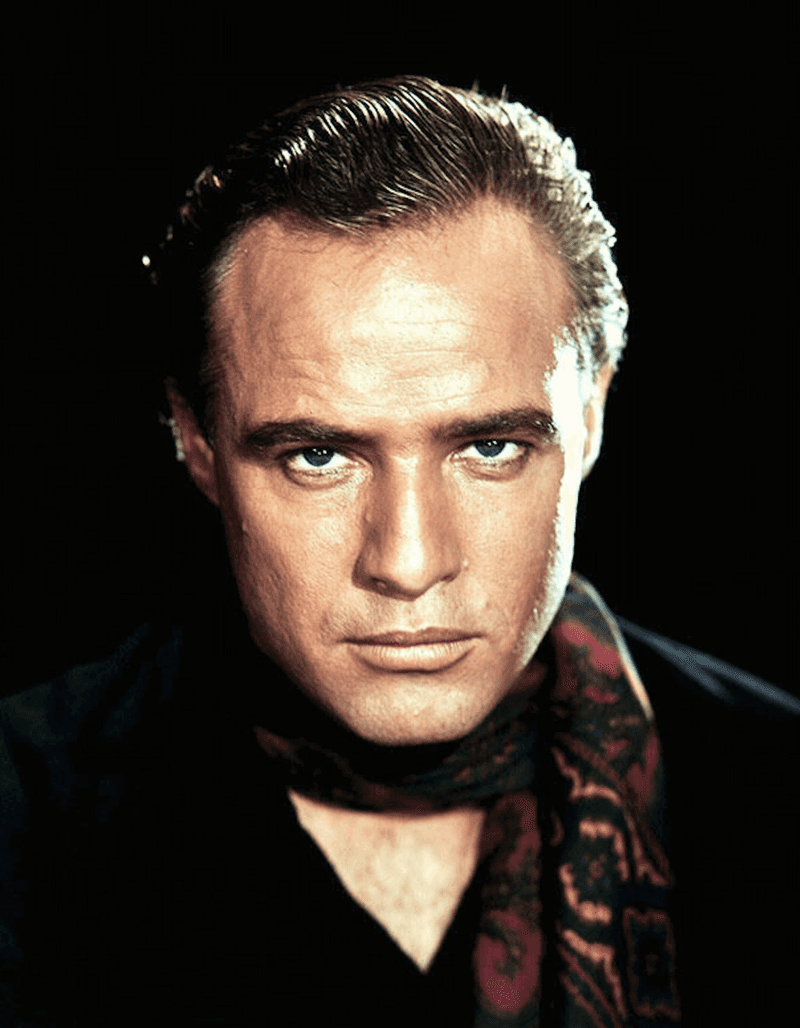
Picture this: one of the biggest stars in Hollywood wins Best Actor and doesn’t even show up.
Instead, Marlon Brando sent Sacheen Littlefeather, a Native American activist, to decline the Oscar for The Godfather on his behalf.
She delivered a protest speech about Hollywood’s treatment of Native Americans, and the crowd’s reaction was split right down the middle.
Some applauded. Others booed loudly. The Academy formally apologized to Littlefeather in 2022, nearly 50 years later.
2. Michael Moore (2003)
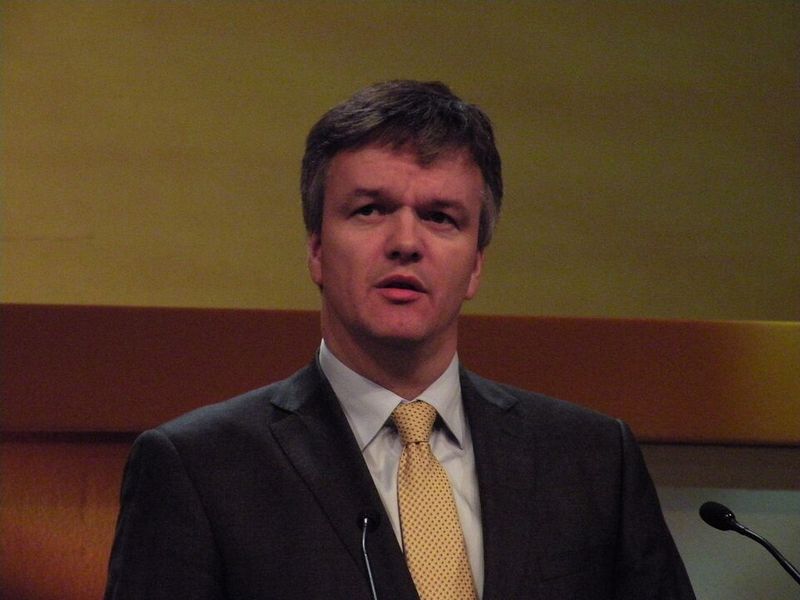
If you thought the Oscars were a politics-free zone, Michael Moore had other plans.
Winning Best Documentary for Bowling for Columbine, Moore turned his moment in the spotlight into a full-on political rally, condemning the Iraq War and calling out President George W. Bush by name.
The audience responded with a chorus of boos loud enough to shake the Kodak Theatre.
Moore seemed completely unbothered, finishing his speech with the kind of confidence usually reserved for campaign rallies.
3. Vanessa Redgrave (1978)
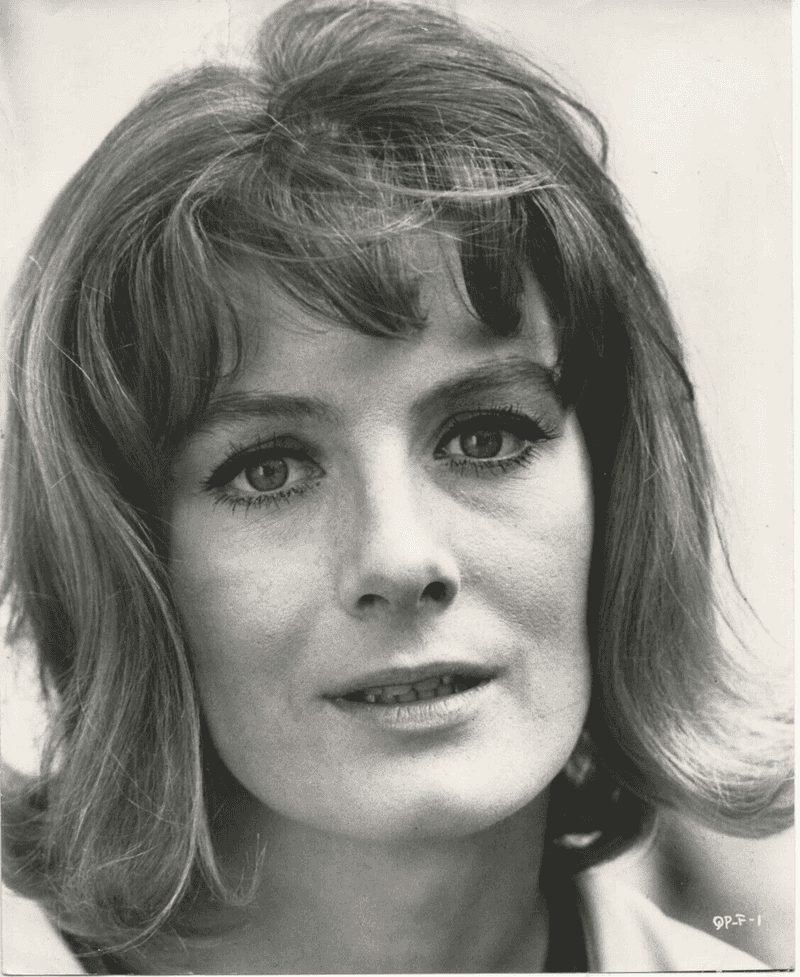
Winning for Julia should have been a night of pure celebration for Vanessa Redgrave.
Instead, she used her Best Actress speech to reference what she called “Zionist hoodlums,” a phrase that instantly turned the applause into stunned silence and sharp controversy.
The political tension in the room was thick enough to cut with an Oscar statuette.
Later in the same ceremony, screenwriter Paddy Chayefsky took the stage and publicly rebuked her remarks without mincing words.
4. Adrien Brody (2003)
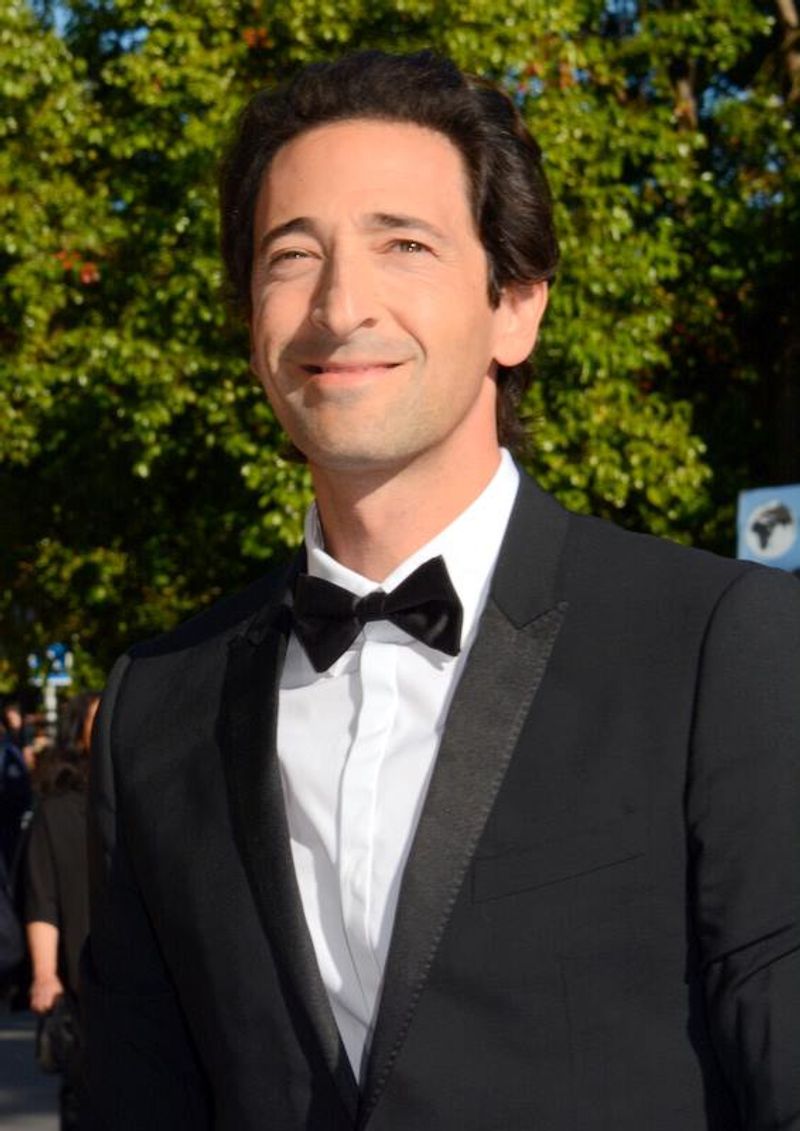
Winning Best Actor for The Pianist was a massive achievement, but Adrien Brody’s acceptance moment is remembered for something else entirely.
Before saying a single word, he grabbed presenter Halle Berry and kissed her on the lips without any warning.
Berry later described her reaction as total shock, and honestly, the audience’s frozen expressions said everything.
What felt spontaneous and charming to some viewers in 2003 has been widely reconsidered in the years since.
5. Melissa Leo (2011)
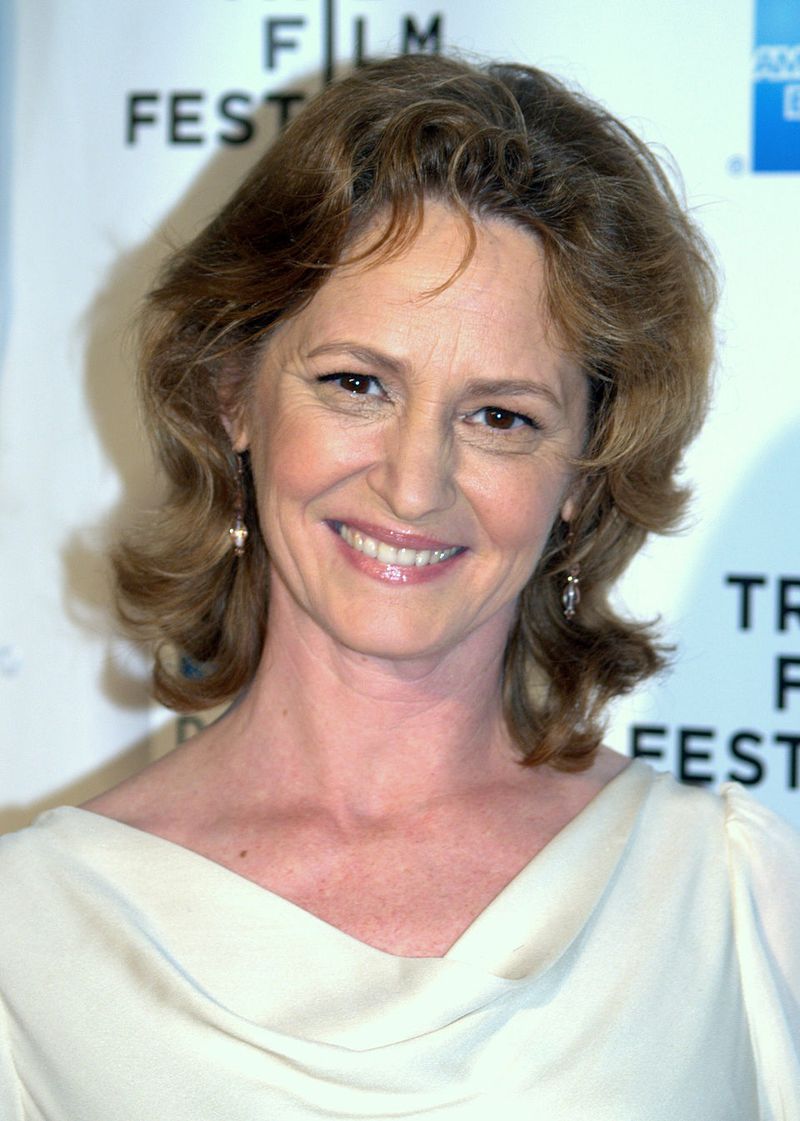
Supporting Actress wins are usually warm, teary, and safe for all ages. Melissa Leo’s win for The Fighter started that way, then took a sharp left turn.
Overcome with emotion, she dropped a curse word live on network television, and the censors scrambled to bleep it out. The audience gasped.
Leo apologized afterward, saying the excitement simply got the better of her. Viewers who were watching with their families had some explaining to do.
Still, there is something almost endearing about a winner who is just that genuinely overwhelmed.
6. Patricia Arquette (2015)
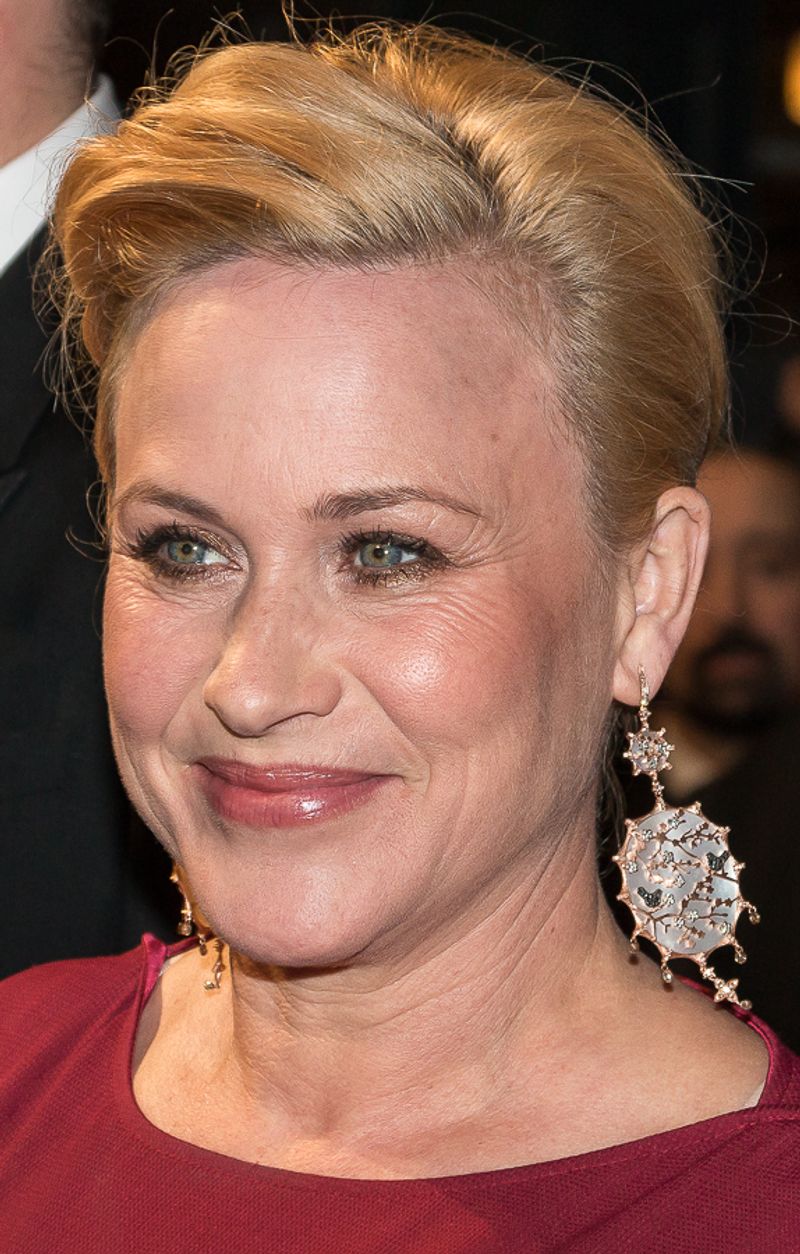
Few Oscar speeches sparked as much immediate conversation as Patricia Arquette’s Best Supporting Actress win for Boyhood.
Her call for equal pay and women’s rights earned a standing ovation from Meryl Streep and Jennifer Lopez, who were visibly cheering from their seats. It felt like a genuine, passionate moment of advocacy.
However, backstage comments she made expanded on her speech in ways that drew criticism from women of color and LGBTQ+ advocates who felt left out of her framing.
What started as a crowd-pleasing rallying cry quickly became a more complicated conversation about whose equality was actually being championed.
7. Cuba Gooding Jr. (1997)
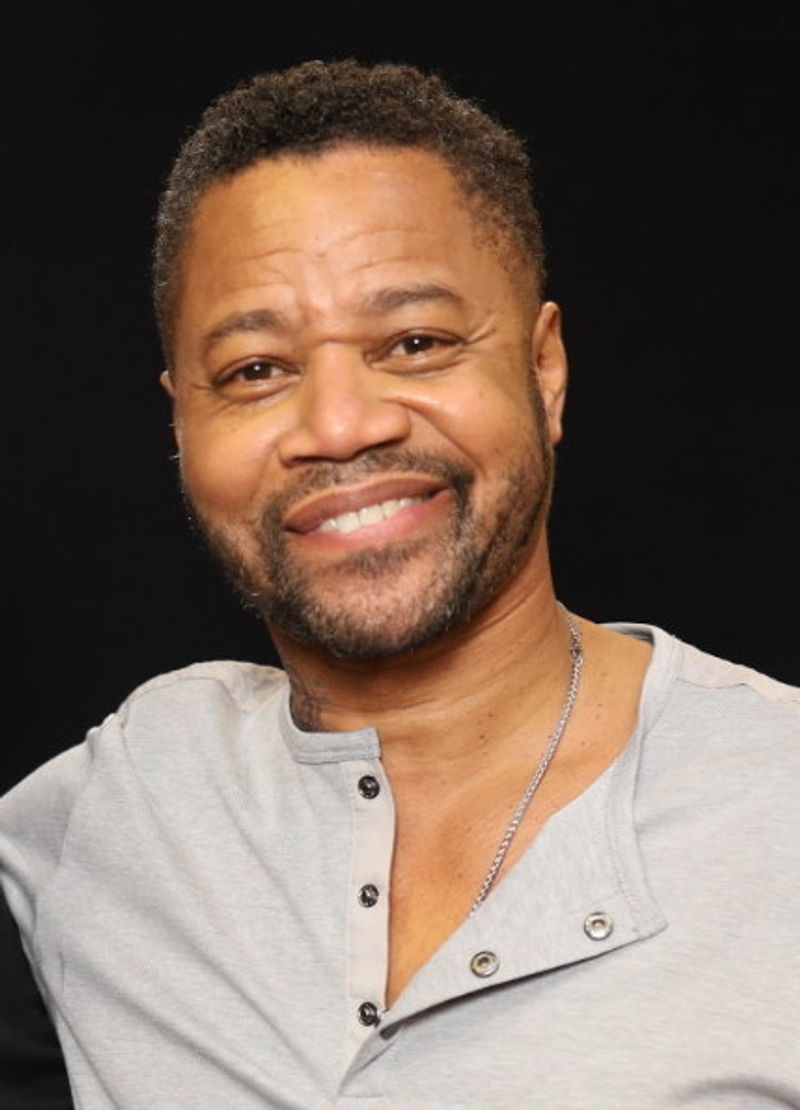
Show me the Oscar! Cuba Gooding Jr. winning Best Supporting Actor for Jerry Maguire produced one of the most purely chaotic acceptance speeches in Academy history.
He bounded to the stage radiating so much energy it practically had its own gravitational pull. Then he just kept going. And going. And going.
The orchestra started playing to signal his time was up. He ignored them completely, kept shouting thank-yous, and the crowd somehow loved every second of it.
Nobody was bored. Nobody was checking their watch.
8. Roberto Benigni (1999)
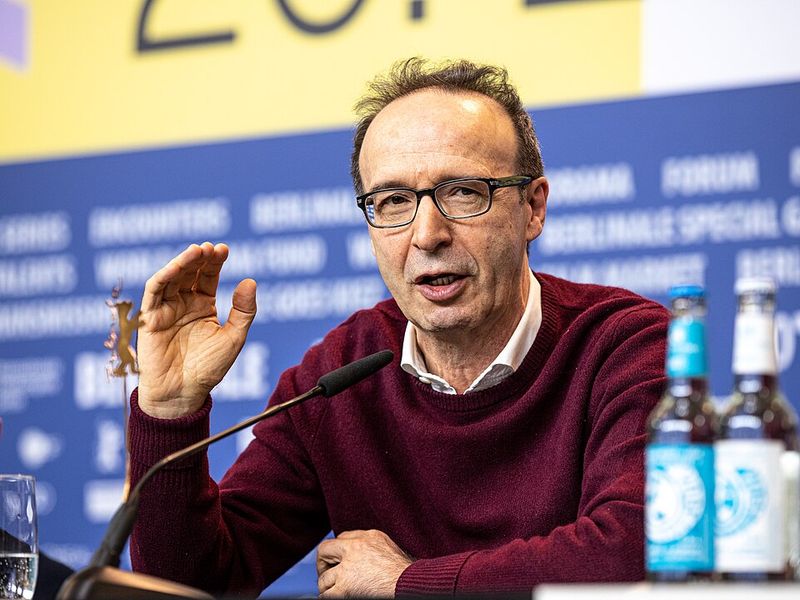
Roberto Benigni winning Best Actor for Life Is Beautiful was not just an acceptance speech. It was a full athletic event.
The Italian filmmaker leapt out of his seat, climbed over chairs, stood on top of them, and practically surfed his way to the stage on a wave of pure joy.
The audience watched with a mix of delight and mild concern for everyone’s safety.
His speech overflowed with enthusiasm, broken English, and genuine emotion that made the whole room smile.
9. Greer Garson (1943)
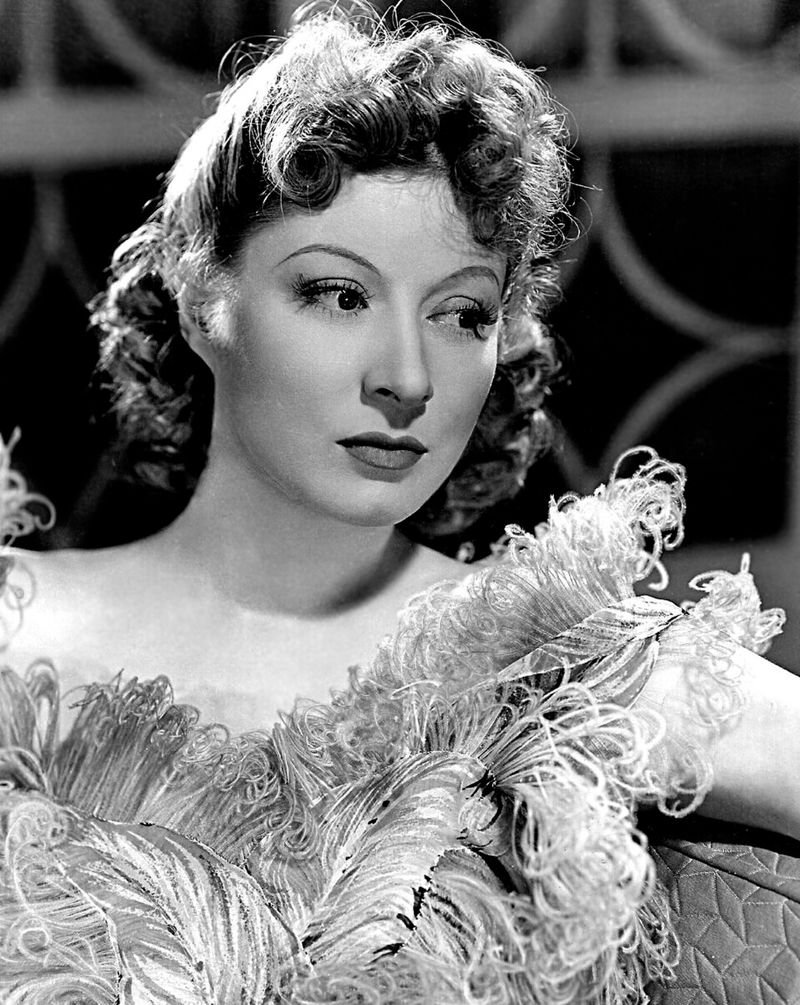
Long before anyone thought to install an orchestra ready to play winners off the stage, Greer Garson set the gold standard for speeches that simply refused to end.
Winning Best Actress for Mrs. Miniver, she reportedly spoke for anywhere between five and seven minutes, a figure that has grown in legend over the decades.
The exact length is debated, but the impact was permanent. Her speech is widely credited with convincing the Academy to introduce time limits for acceptance speeches.
So next time a winner gets played off stage, they can thank Greer Garson for inspiring the rule.
10. Joe Pesci (1991)
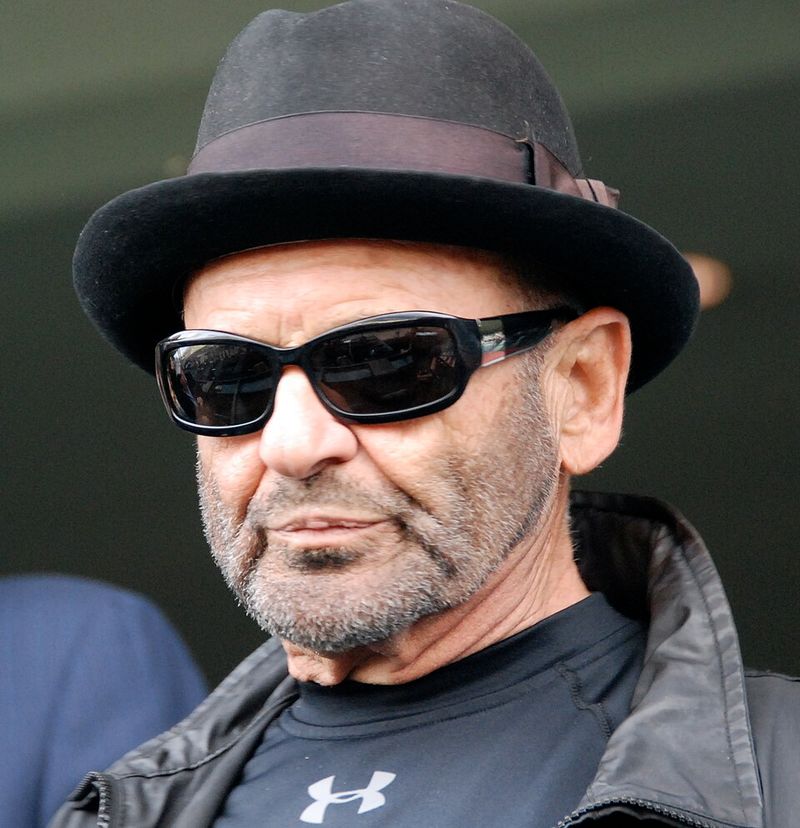
If Greer Garson is the queen of long speeches, Joe Pesci is the undisputed king of short ones.
Winning Best Supporting Actor for Goodfellas, he walked to the mic, said something close to “It is my privilege, thank you,” and walked right back off. The whole thing lasted maybe five seconds.
Ironically, that tiny speech became one of the most talked-about in Oscar history. Sometimes less truly is more.
Pesci proved that you do not need a list of 47 thank-yous to make an impression. A few words and a cool exit can do the job just fine.
11. Sally Field (1985)
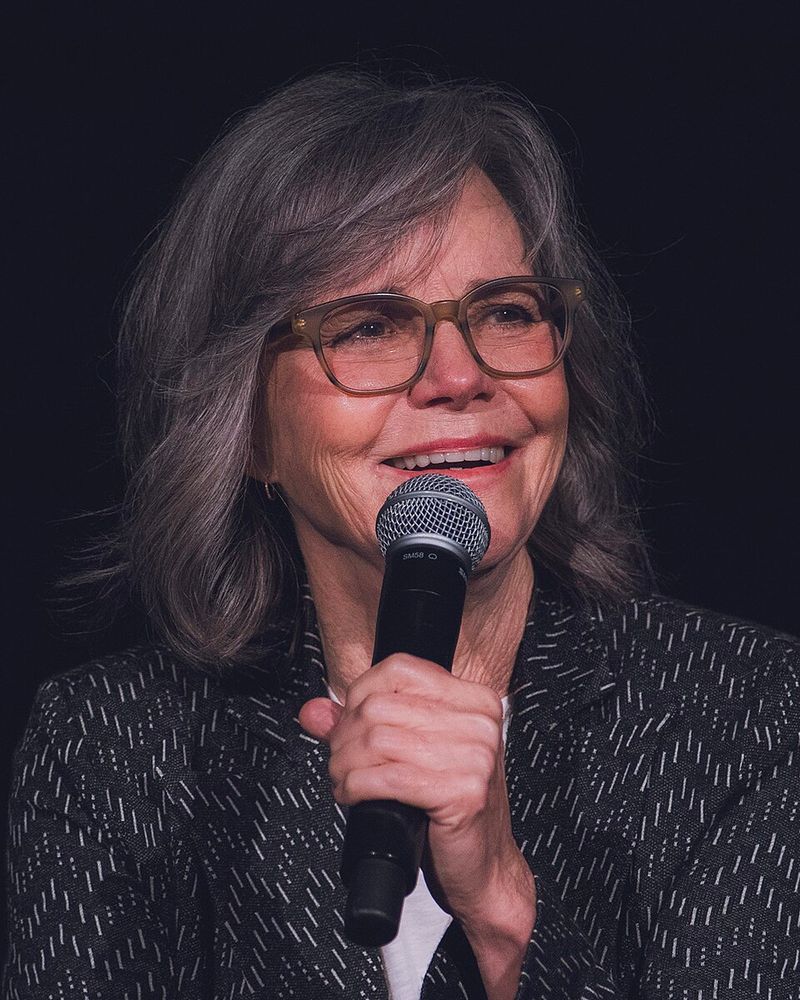
“You like me, right now, you like me!” Few Oscar lines have been quoted, misquoted, and parodied more than Sally Field’s emotional outburst after winning Best Actress for Places in the Heart.
She meant every word of it, speaking from a place of genuine vulnerability and relief. In the moment, much of the audience found it touching.
However, the speech quickly became a punchline. Late-night hosts, sketch comedians, and pop culture references have kept it alive for decades, usually in a mocking tone.
Field has spoken about how painful that transformation was.
12. Angelina Jolie (2000)
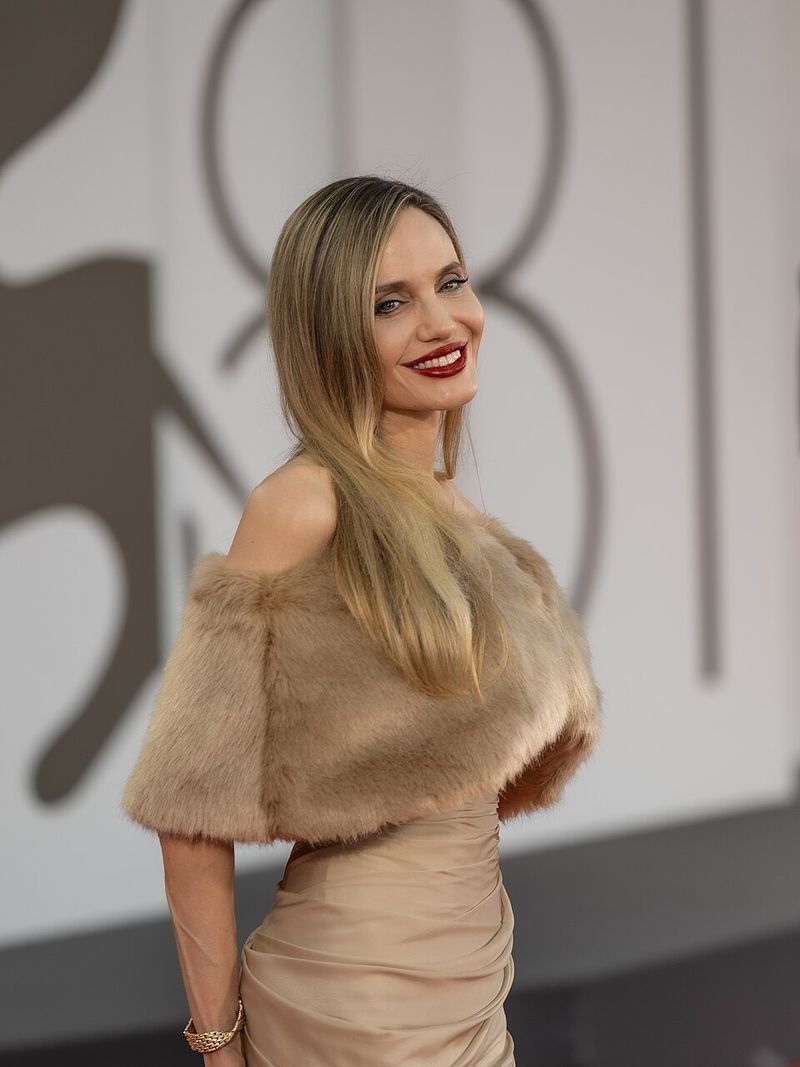
Winning Best Supporting Actress for Girl, Interrupted was a career-defining moment for Angelina Jolie. What made the night instantly uncomfortable for many viewers was a combination of factors hitting at once.
During the ceremony, she declared she was “in love” with her brother James Haven, and the two shared a very public, very prolonged kiss on the lips that cameras caught repeatedly.
Jolie has since said the comments were taken out of context and that she was simply expressing gratitude and closeness. But context rarely survives a viral moment.
13. Elia Kazan (1999 Honorary Oscar)
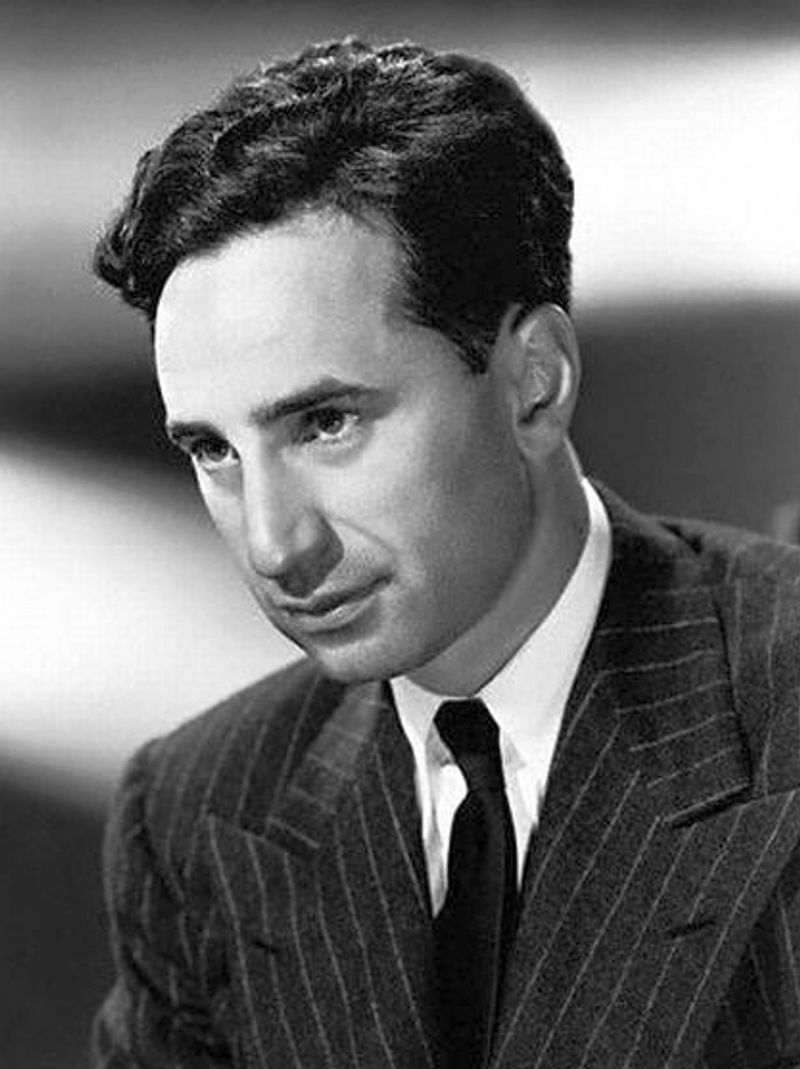
Honorary Oscars are usually moments of pure warmth, the whole room united in celebrating a legend. Elia Kazan’s honorary award in 1999 was something else entirely.
As the director of classics like On the Waterfront walked to the stage, the audience split in real time. Some gave a standing ovation.
Others sat completely still, arms folded, refusing to clap.
The reason was Kazan’s history of naming names during the McCarthy-era Hollywood blacklist, an act many in the industry never forgave.
14. Kieran Culkin (2025)
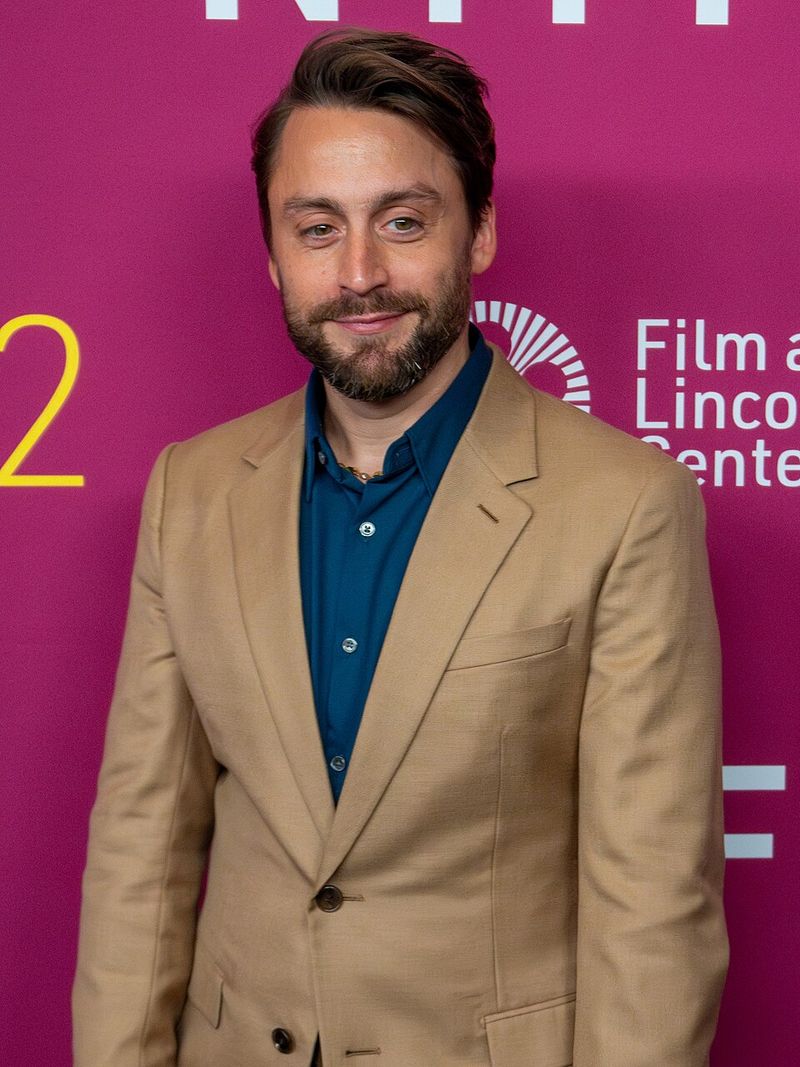
The awkward Oscar speech is clearly not a relic of the past. Kieran Culkin’s Supporting Actor win in 2025 proved the tradition is alive and well.
His speech included an on-air profanity that sent censors scrambling and immediately landed him on every “best bleeped moments” roundup across the internet.
Culkin seemed genuinely caught up in the excitement of the moment, which honestly makes it more relatable than scandalous.
Still, network standards exist for a reason, and the bleep heard around the world trended for days.