15 Acclaimed Books That Still Reward A First Read
Some books carry a reputation so large it can feel a little suspicious.
People praise them for decades, professors assign them with a dangerous amount of confidence, and somewhere along the way they start sounding less like stories and more like cultural homework.
Then the first read actually happens and suddenly that famous title stops feeling like a monument and starts feeling alive, clever, strange, funny, devastating, or all of the above.
That shift is part of the thrill. Great books do not survive on prestige alone. They still need to pull a real reader in, not just sit there looking important on a shelf like they pay property taxes.
The best acclaimed novels manage exactly that. They arrive with all the weight in the world, then win people over the old-fashioned way by being genuinely worth the time.
Disclaimer: This article is intended for general informational and entertainment purposes only. Assessments of acclaimed books and their lasting value reflect editorial opinion, and individual readers may have very different responses to these titles.
1. Pride and Prejudice by Jane Austen
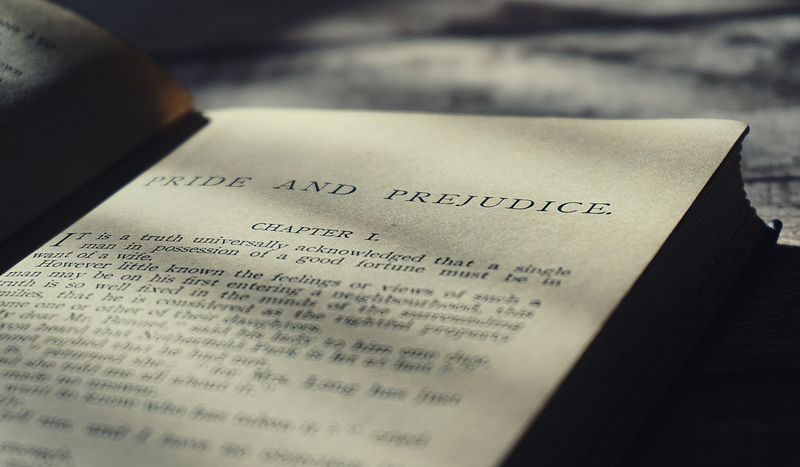
Witty, romantic, and surprisingly modern, this 1813 novel by Jane Austen is basically the original rom-com, except with better dialogue.
Elizabeth Bennet is one of literature’s greatest heroines because she refuses to be pushed around, even by wealthy Mr. Darcy.
Austen skewers social climbing and shallow thinking with a razor-sharp pen. Every sentence feels deliberate and clever.
Though it was written over 200 years ago, the story’s heart, two stubborn people slowly realizing they are perfect for each other, feels as fresh and fun as any story told today.
2. Beloved by Toni Morrison
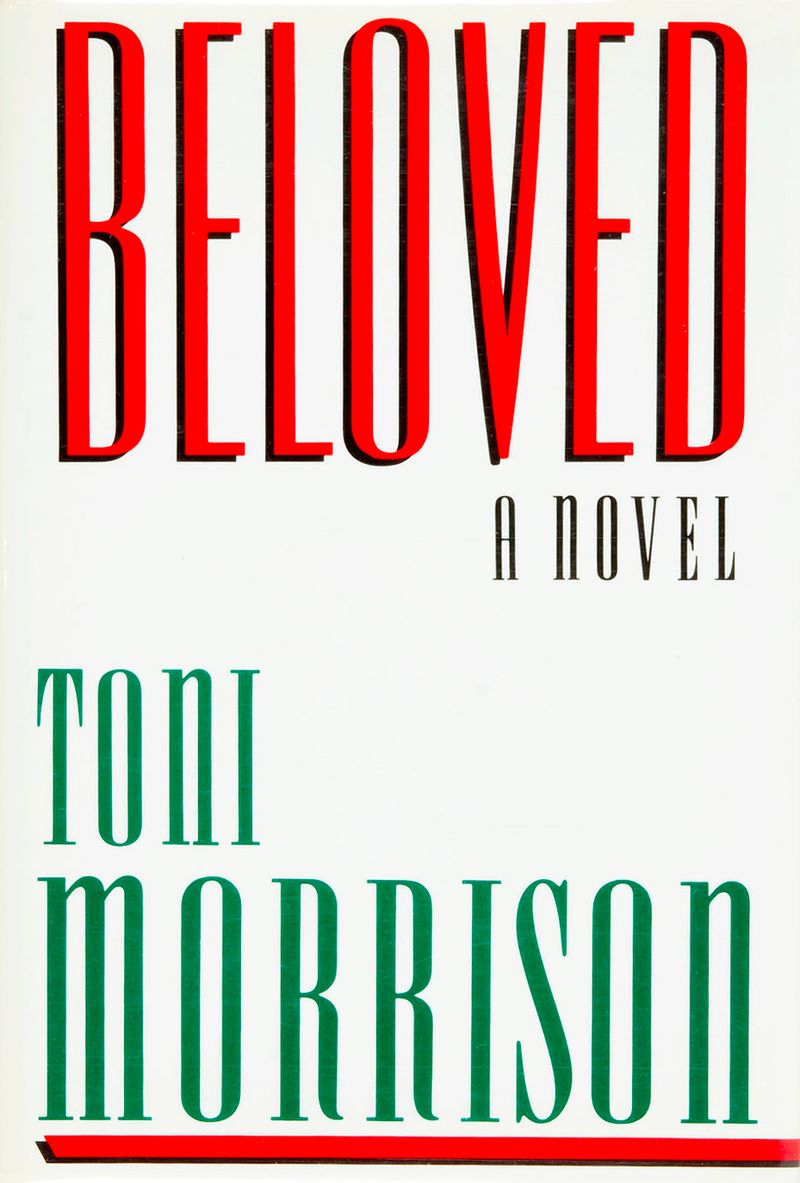
Winner of the Pulitzer Prize and the Nobel Prize in Literature, Toni Morrison’s 1987 masterpiece is one of the most emotionally powerful novels ever written.
Sethe, a formerly enslaved woman, is haunted by a ghost that represents the unbearable trauma of slavery in America.
Morrison blends historical realism with magical elements in ways that feel completely natural. The writing is poetic, dense, and absolutely worth the effort.
Beloved forces readers to confront history honestly and compassionately.
3. The Great Gatsby by F. Scott Fitzgerald
Parties, wealth, obsession, and the crushing weight of dreams that never quite come true. F.
Scott Fitzgerald published this slim, dazzling novel in 1925, and it has never left the conversation since.
Jay Gatsby throws the most legendary parties but remains the loneliest man in the room.
Nick Carraway narrates the story with a mix of admiration and unease that perfectly captures the glamour and emptiness of the Jazz Age.
The green light across the water is one of literature’s most iconic symbols.
4. Jane Eyre by Charlotte Brontë
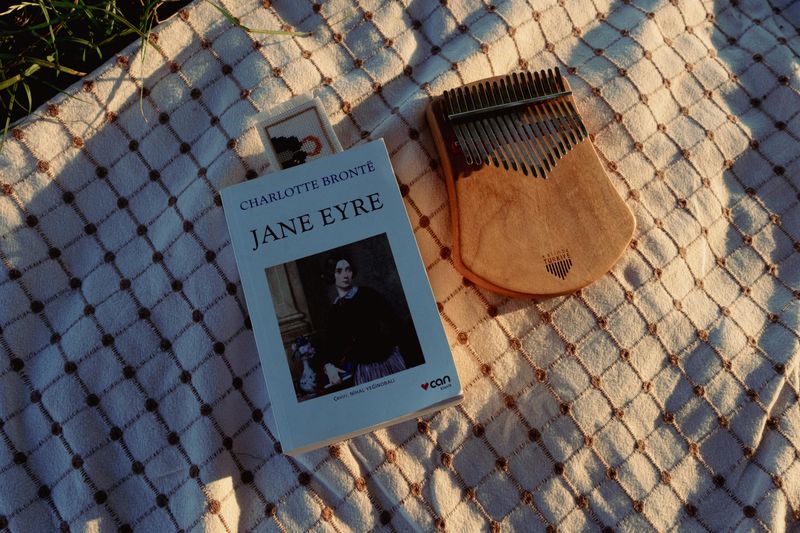
Long before anyone was writing strong, independent female characters, Charlotte Brontë created Jane Eyre in 1847.
Jane is an orphan who refuses to shrink herself for anyone, including the brooding Mr. Rochester, who has secrets stuffed in every corner of his mansion.
The gothic atmosphere of Thornfield Hall is genuinely spine-tingling. Strange laughs echoing through hallways and a locked room upstairs all add layers of delicious suspense.
However, what makes Jane truly unforgettable is her moral strength. She chooses integrity over comfort every time.
5. The Catcher in the Rye by J.D. Salinger
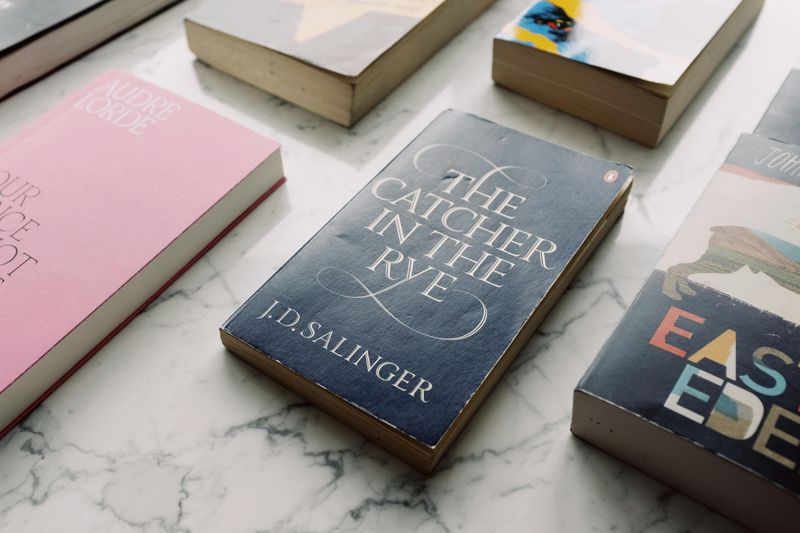
Holden Caulfield might be the most famous teenage narrator in all of literature, and he is not even trying to be likable.
J.D. Salinger published this novel in 1951, and it immediately became the book that teenagers passed to each other like a secret handshake.
Holden’s voice is raw, sarcastic, funny, and deeply sad all at once. He wanders New York City after getting expelled from school, ranting about “phonies” while desperately searching for something real.
Where does that restless teenage longing actually come from? Salinger understood it better than almost anyone.
6. The Road by Cormac McCarthy
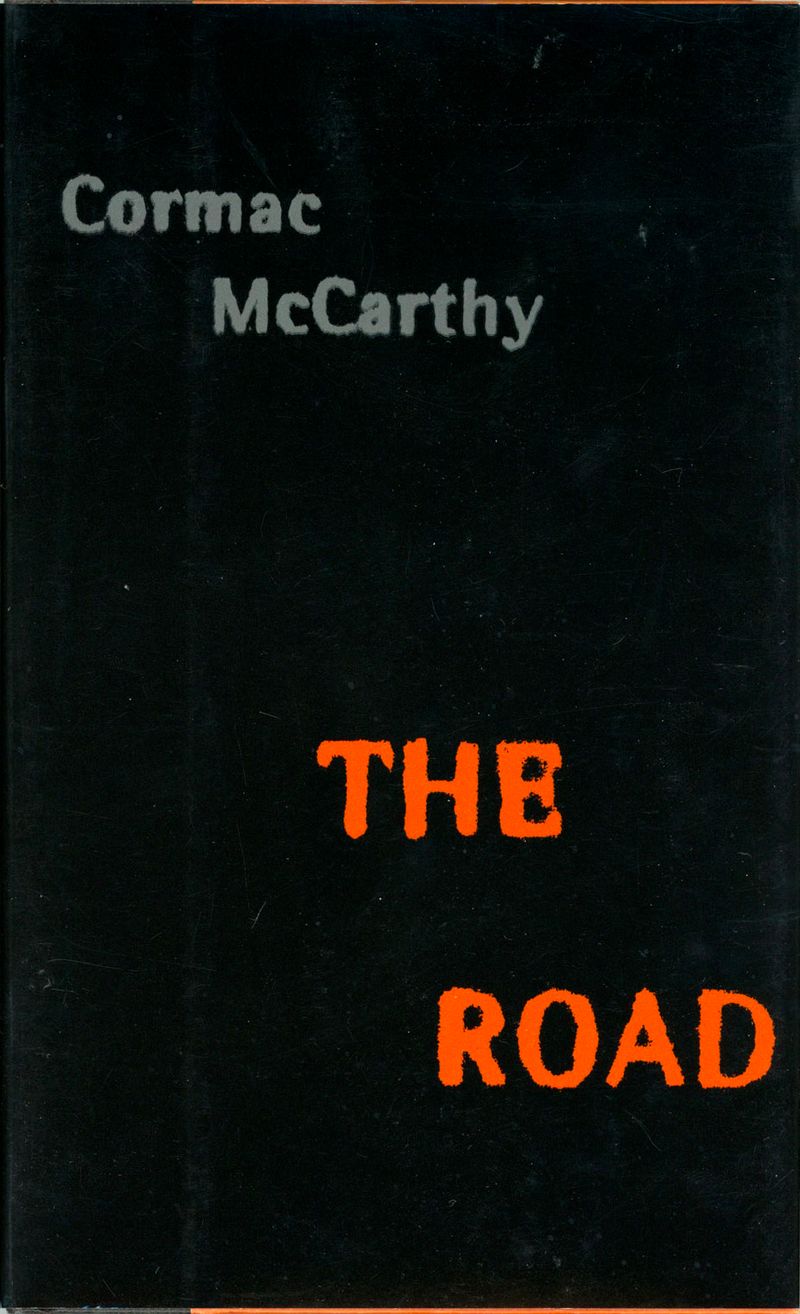
Bleak, beautiful, and brutally honest, Cormac McCarthy’s 2006 Pulitzer Prize-winning novel follows a father and son walking through a destroyed America with almost nothing left.
No names, no dates, barely any punctuation. Just survival, love, and ash.
The stripped-down prose style is a bold choice that somehow makes every sentence feel heavier and more urgent. You will read faster and faster even though part of you dreads what comes next.
Though the world McCarthy builds is terrifying, the relationship at the center of it is one of the most tender in all of modern fiction.
7. 1984 by George Orwell
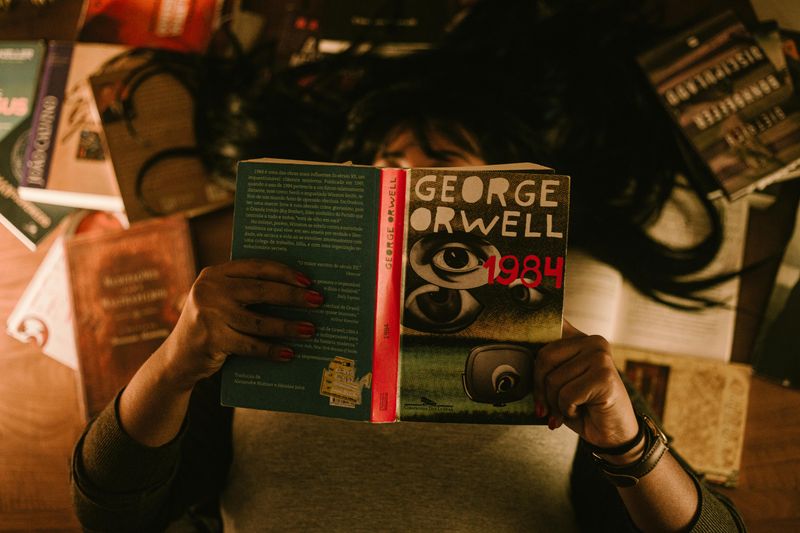
Big Brother is watching, and honestly, that phrase alone should make you curious.
Published in 1949, George Orwell’s chilling novel imagines a world where the government controls every thought, every word, and every memory.
Winston Smith’s quiet rebellion against a totalitarian regime is both thrilling and heartbreaking.
If you have ever wondered how freedom gets lost slowly and quietly, this book answers that question in the most unsettling and unforgettable way possible.
8. Crime and Punishment by Fyodor Dostoevsky
A broke student in 19th-century St. Petersburg convinces himself that committing a crime is actually a philosophical act. Spoiler: it is not.
Fyodor Dostoevsky published this psychological thriller in 1866, and the guilt that follows is absolutely relentless to read.
Raskolnikov is one of the most fascinating and frustrating characters ever written. You understand his logic even while watching it collapse in real time.
Dostoevsky was basically writing about psychology decades before Freud made it famous.
9. The Handmaid’s Tale by Margaret Atwood

Margaret Atwood wrote this 1985 dystopian novel as a warning, not a fantasy.
The Republic of Gilead has stripped women of their names, rights, and voices. Offred tells her story quietly and bravely, knowing someone might be listening.
Atwood made a rule while writing: she would only include events that had actually happened somewhere in history.
That fact makes every page more chilling. This is not science fiction. It is a remix of real human cruelty.
10. Invisible Man by Ralph Ellison
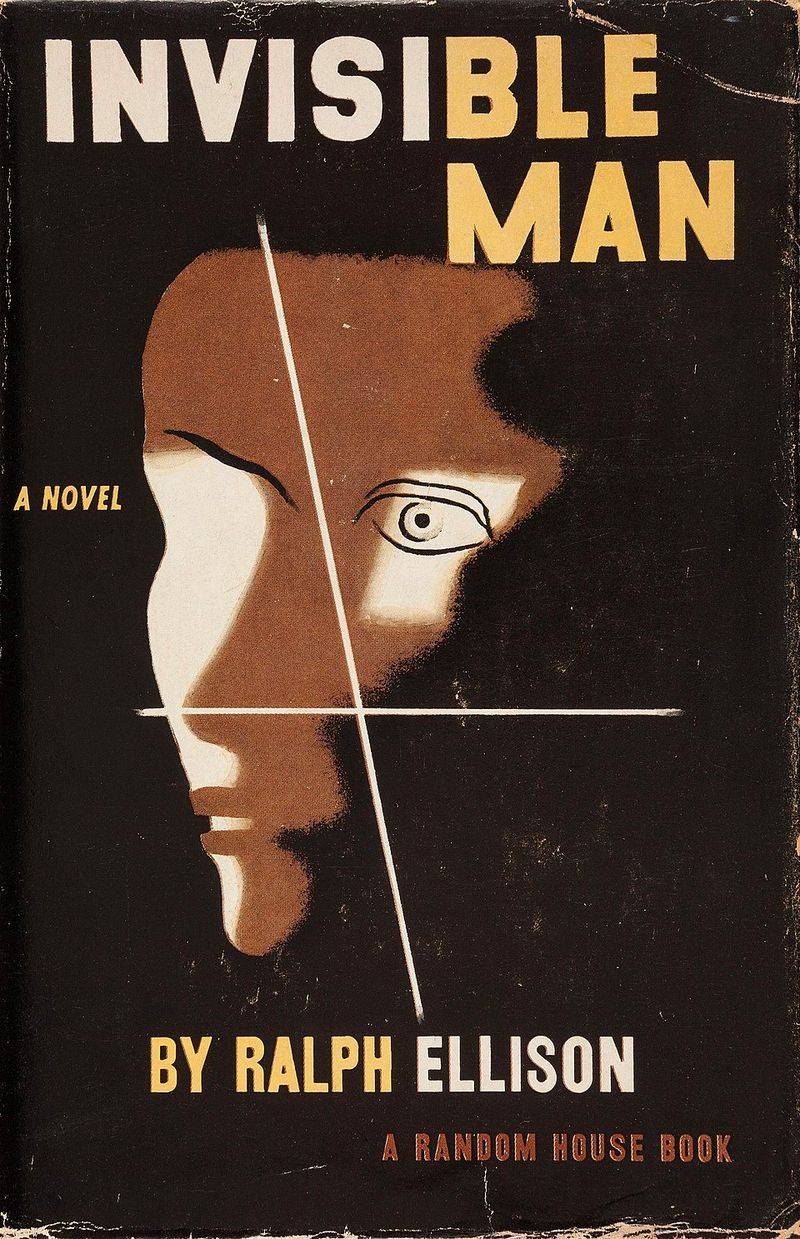
Not the superhero kind of invisible. Ralph Ellison’s 1952 National Book Award-winning novel follows an unnamed Black man who discovers that American society simply refuses to see him as a full human being.
That kind of invisibility is its own kind of violence.
The narrator’s journey from the Deep South to Harlem is filled with encounters that are sometimes absurd, sometimes terrifying, and always deeply insightful.
Though it was published over 70 years ago, the themes hit with startling modern force.
Reading this book for the first time feels like having a conversation you did not know you needed.
11. The Picture of Dorian Gray by Oscar Wilde
What if your portrait aged and suffered while you stayed forever young and beautiful?
Oscar Wilde asked that question in 1890 and wrote one of the most stylish horror stories in the English language. Dorian Gray’s bargain sounds great until it really, really is not.
Wilde packs this novel with dazzling wit, philosophical sparring, and a villain who quotes poetry while ruining lives. Lord Henry Wotton might be the most charming bad influence in all of fiction.
It reads like a Gothic thriller dressed in the world’s most elegant outfit.
12. Brave New World by Aldous Huxley
Published in 1932, Aldous Huxley imagined a future where everyone is happy yet and completely empty. No pain, no art, no real love, just endless entertainment and manufactured contentment.
Bernard Marx and John the Savage both struggle against a world designed to eliminate struggle entirely. The irony is delicious and deeply unsettling at the same time.
Where Orwell feared governments that punish, Huxley feared governments that send people into submission. Many scholars argue Huxley’s version of dystopia is actually closer to modern life.
13. The Grapes of Wrath by John Steinbeck
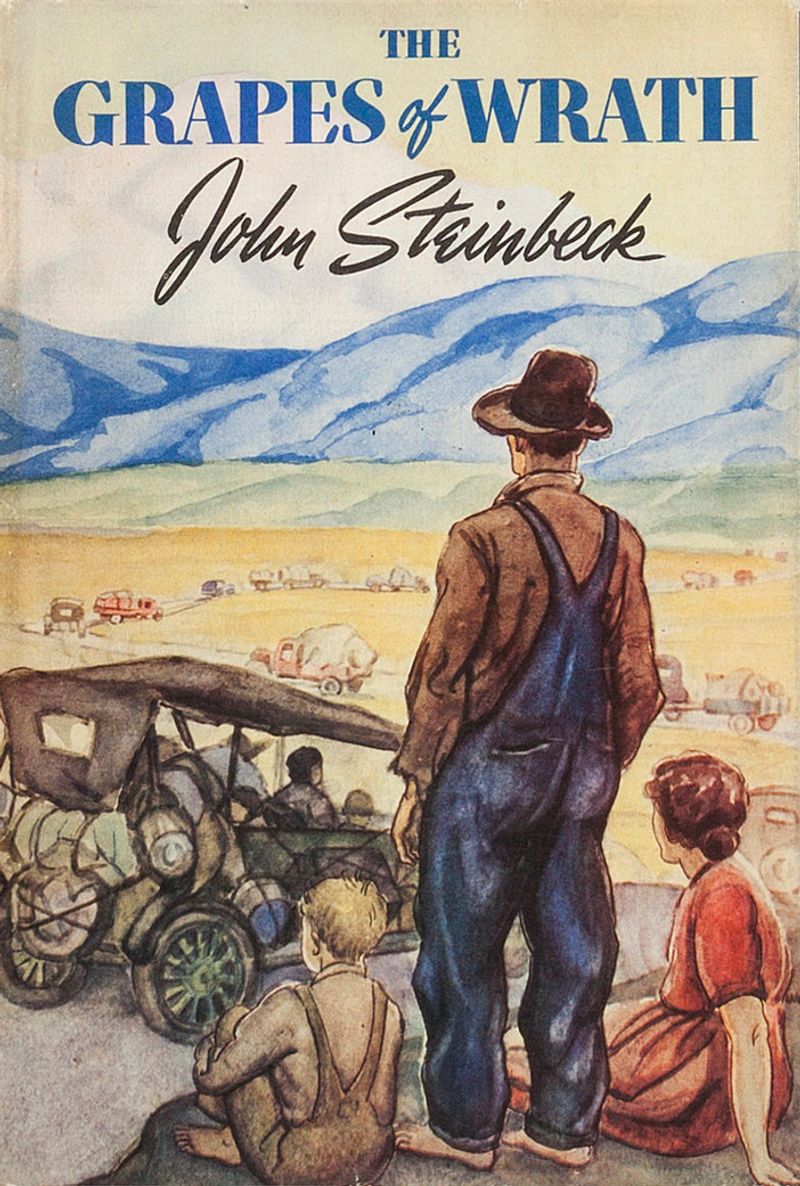
John Steinbeck drove across America with migrant workers before writing this novel, and every page shows it.
Published in 1939 and awarded the Pulitzer Prize, The Grapes of Wrath follows the Joad family as they flee the Dust Bowl and head west to California chasing a dream that keeps moving away from them.
The anger in this book is real and earned. Steinbeck was furious about poverty and injustice, and that energy pulses through every chapter.
Though it is rooted in 1930s America, the story of families struggling against systems stacked against them feels painfully relevant today.
14. Rebecca by Daphne du Maurier
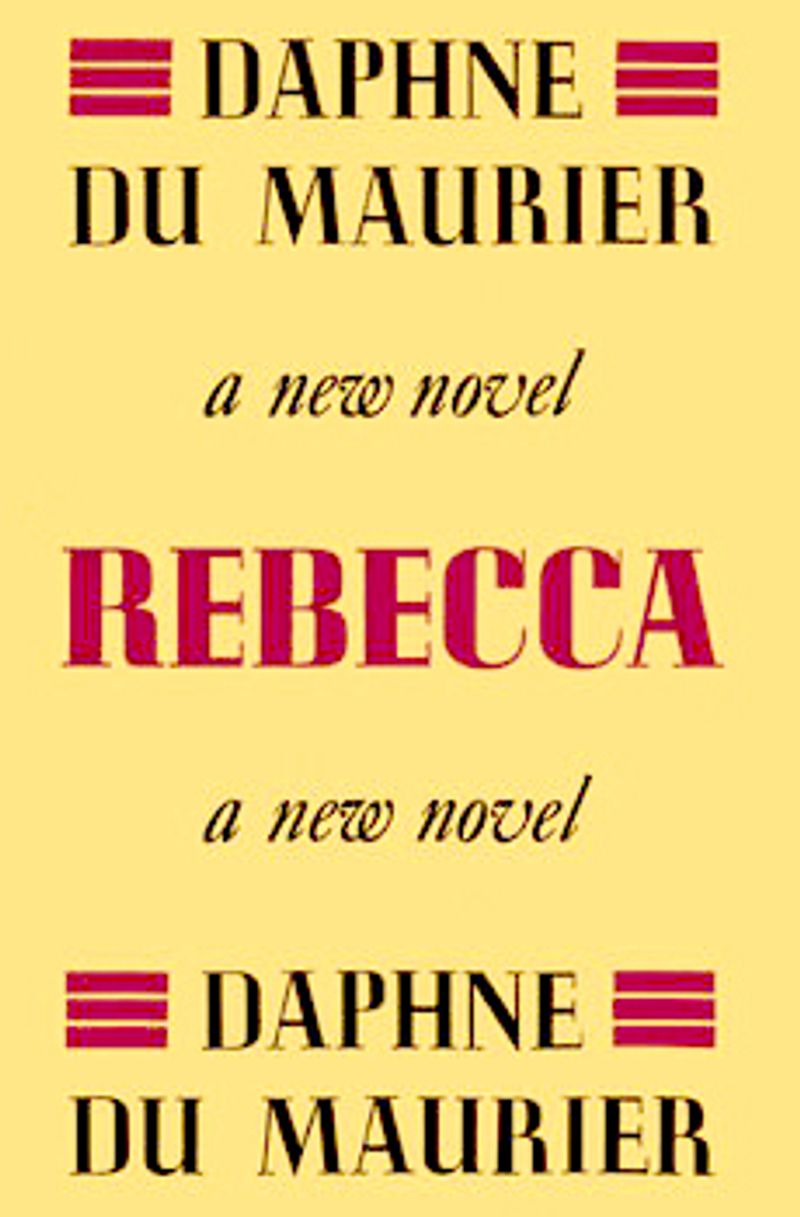
“Last night I dreamt I went to Manderley again.” That opening line is one of the most famous in all of English literature, and it earns every bit of its reputation.
Daphne du Maurier published this Gothic thriller in 1938, and it has never once stopped being compulsively readable.
The unnamed narrator marries a wealthy widower and moves into his grand estate, only to find herself haunted by the memory of his first wife, the beautiful and mysterious Rebecca.
The atmosphere is thick with secrets, jealousy, and dread.
15. East of Eden by John Steinbeck
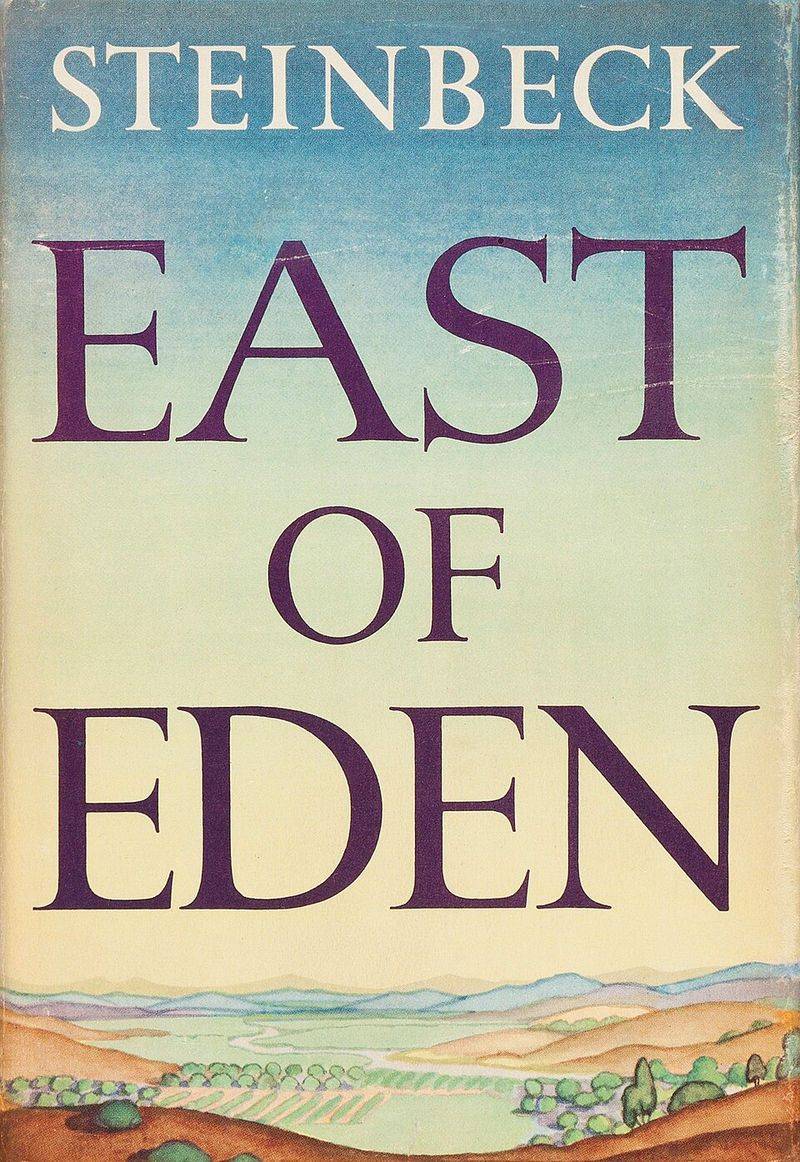
John Steinbeck called this his greatest work, and it is hard to argue.
Published in 1952, East of Eden retells the biblical story of Cain and Abel through generations of two families in California’s Salinas Valley. Good versus evil has rarely felt this personal or this epic.
The character of Cathy Ames is one of literature’s most chilling creations. Meanwhile, the wise Chinese-American servant Lee delivers some of the most profound philosophical conversations in American fiction.
However, the single word that drives the entire novel is “timshel,” a Hebrew word meaning “thou mayest.” Free will, moral choice, redemption.