15 Action Movies That Redefined On-Screen Combat
Action movies have always been about more than just explosions and car chases.
Some films completely changed how fight scenes look and feel on screen, making audiences gasp, cheer, and rewind those epic moments.
From martial arts masterpieces to gritty street brawls, these groundbreaking movies set new standards that filmmakers still follow today.
Get ready to explore the films that made combat choreography an art form worth celebrating!
Disclaimer: This article is intended for general entertainment and informational purposes, highlighting notable films and their influence on action choreography.
1. Enter The Dragon
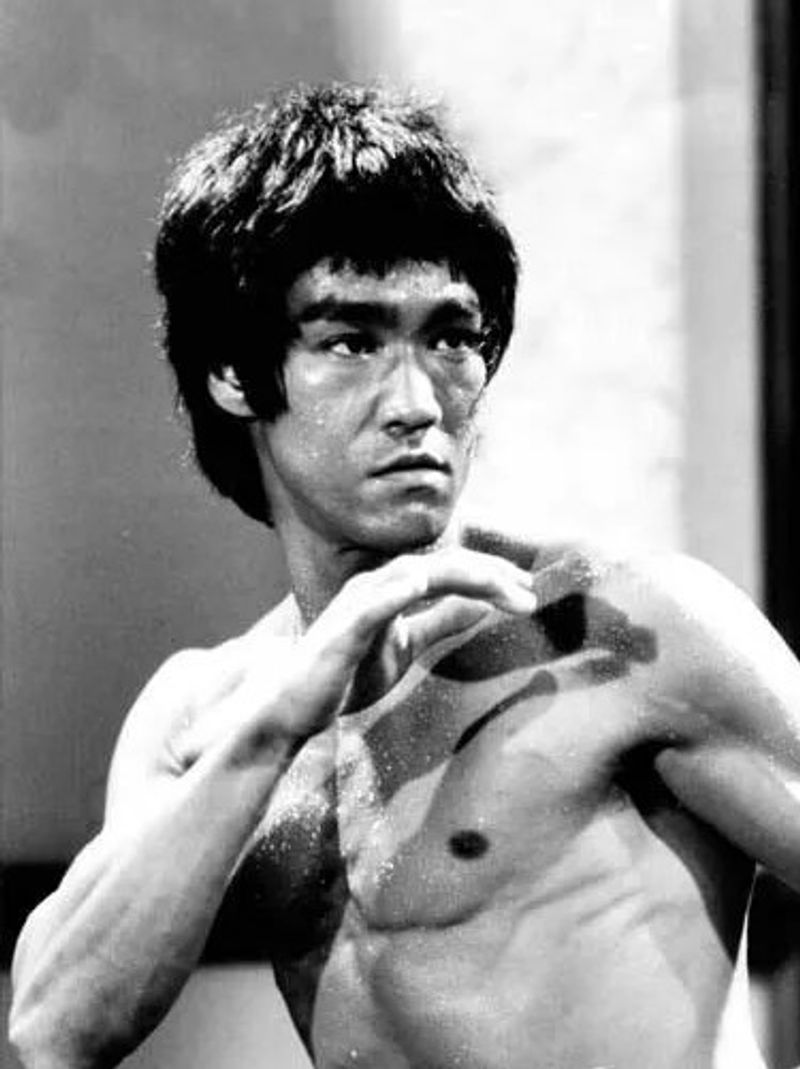
Bruce Lee became a global icon with this legendary film that introduced authentic martial arts to Western audiences.
His lightning-fast moves and philosophical approach to combat created a template countless action stars would try to copy.
The tournament setting showcased different fighting styles, proving martial arts could be both beautiful and brutally effective.
Just saying, no CGI needed when you have skills this incredible!
2. The Matrix
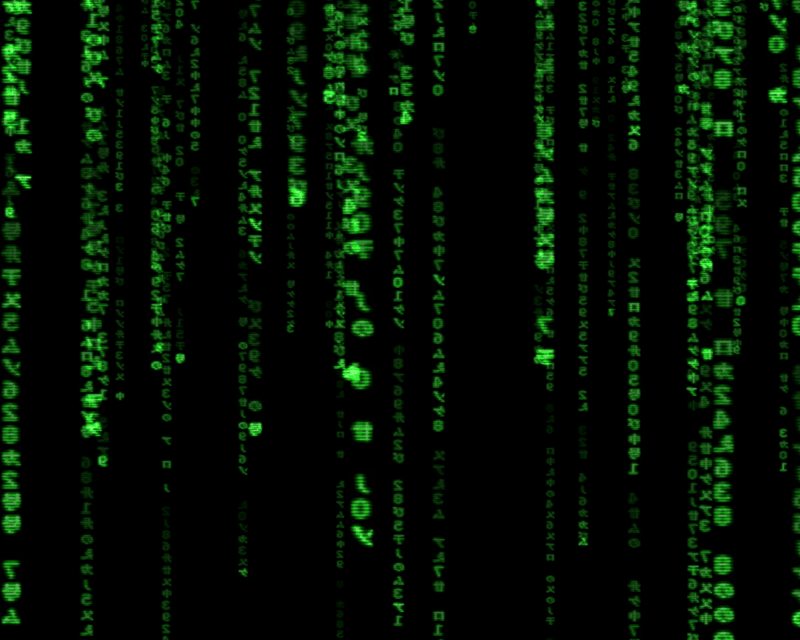
Bullet time changed everything.
When Neo dodged those bullets in slow motion, audiences realized action sequences could bend reality itself while still feeling grounded in character development.
The wire-fu techniques borrowed from Hong Kong cinema merged with cutting-edge visual effects, creating a whole new vocabulary for fight choreography.
Every superhero movie since owes something to this groundbreaking approach!
3. Crouching Tiger Hidden Dragon
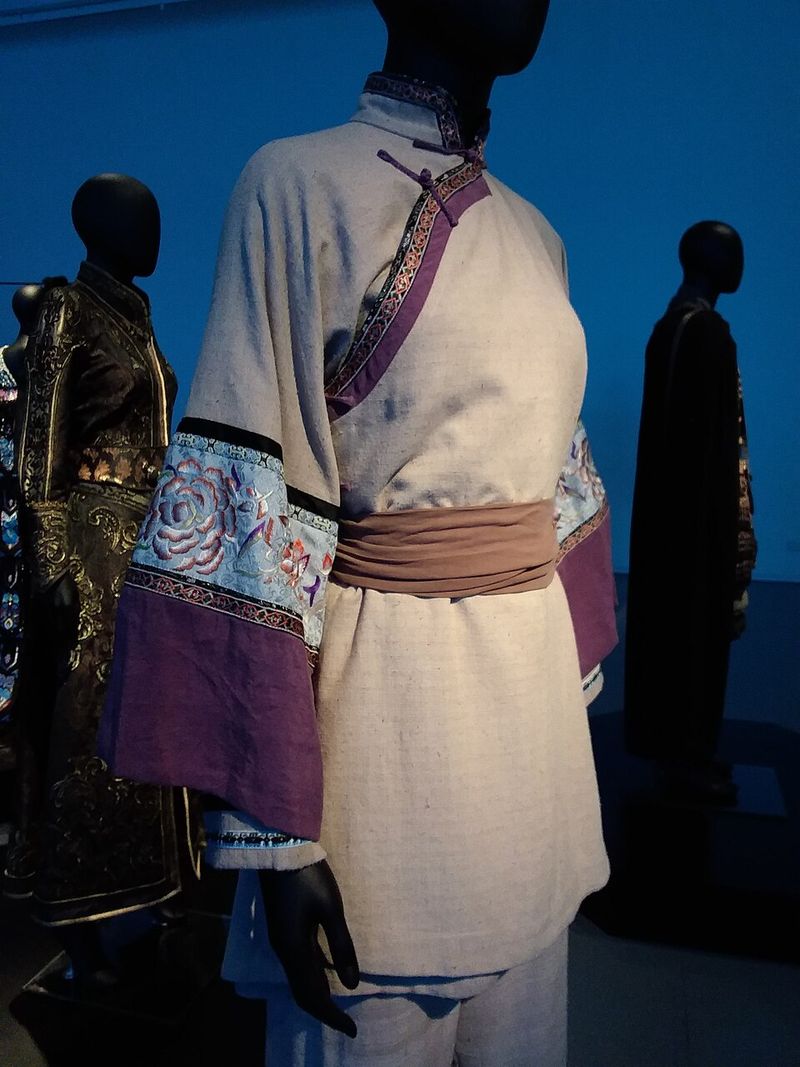
Ang Lee transformed martial arts into poetry with this visually stunning masterpiece.
Fighters glided across rooftops and danced through bamboo forests, making gravity seem like a polite suggestion rather than a rule.
The emotional depth combined with breathtaking wirework proved action films could win Oscars and touch hearts simultaneously.
How many movies make you cry during a sword fight?
4. The Raid
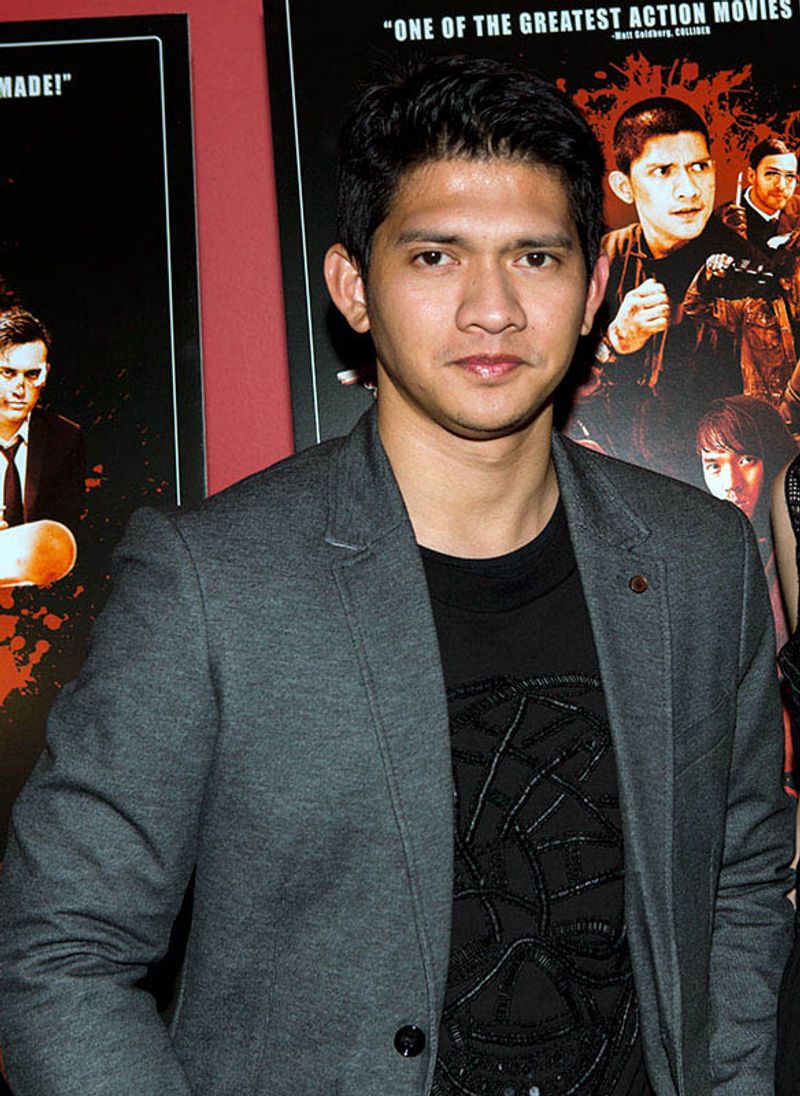
Indonesian silat exploded onto international screens with relentless intensity.
This claustrophobic thriller trapped elite cops inside a building filled with criminals, resulting in some of the most bone-crunching fight sequences ever filmed.
The practical stunts and real martial arts skills showcased made Western action movies suddenly feel soft by comparison.
Though brutal, the choreography displayed incredible athleticism and precision!
5. John Wick
Gun-fu became the new standard thanks to Keanu Reeves and his unstoppable quest for vengeance.
The film blended judo throws, precise marksmanship, and close-quarters combat into seamless sequences that felt like violent ballet.
Long takes without quick cuts let audiences actually see the choreography, respecting their intelligence.
Plus, who knew a pencil could be such an effective weapon?
6. Mad Max Fury Road
George Miller proved practical effects still reign supreme in the digital age.
Real vehicles flipping through the desert, actual stunt performers swinging between trucks, and relentless momentum created an adrenaline rush that CGI simply cannot replicate.
The choreography extended beyond fistfights to encompass entire vehicular warfare sequences.
If action movies were roller coasters, this one never stops climbing!
7. Die Hard
John McClane made vulnerability cool for action heroes.
Instead of invincible supermen, audiences got a regular cop who bled, limped, and genuinely struggled against overwhelming odds.
The realistic combat approach, with improvised weapons and desperate tactics, influenced decades of action filmmaking.
Yippee-ki-yay became more than a catchphrase; it represented a whole new hero archetype!
8. Hard Boiled
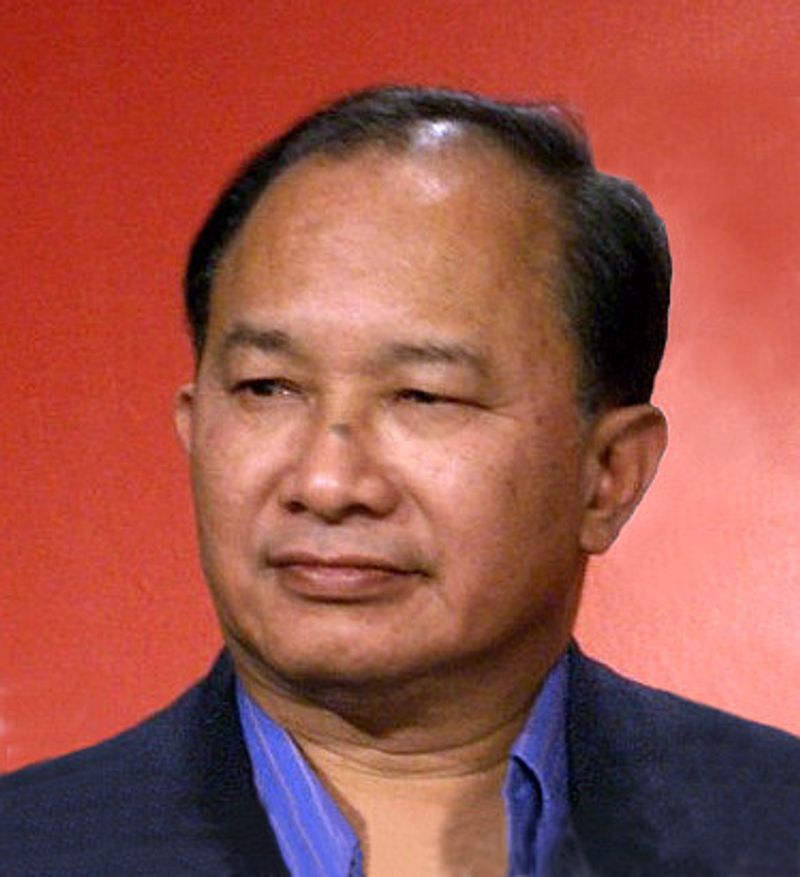
John Woo turned gunfights into operatic masterpieces with his signature style.
Dual-wielding pistols, dramatic slow motion, and doves flying through chaos became his trademarks that Hollywood eagerly borrowed.
The hospital shootout remains one of cinema’s longest and most ambitious single-take action sequences ever attempted.
However violent, there was undeniable artistry in every bullet fired!
9. Ong-Bak Muay Thai Warrior
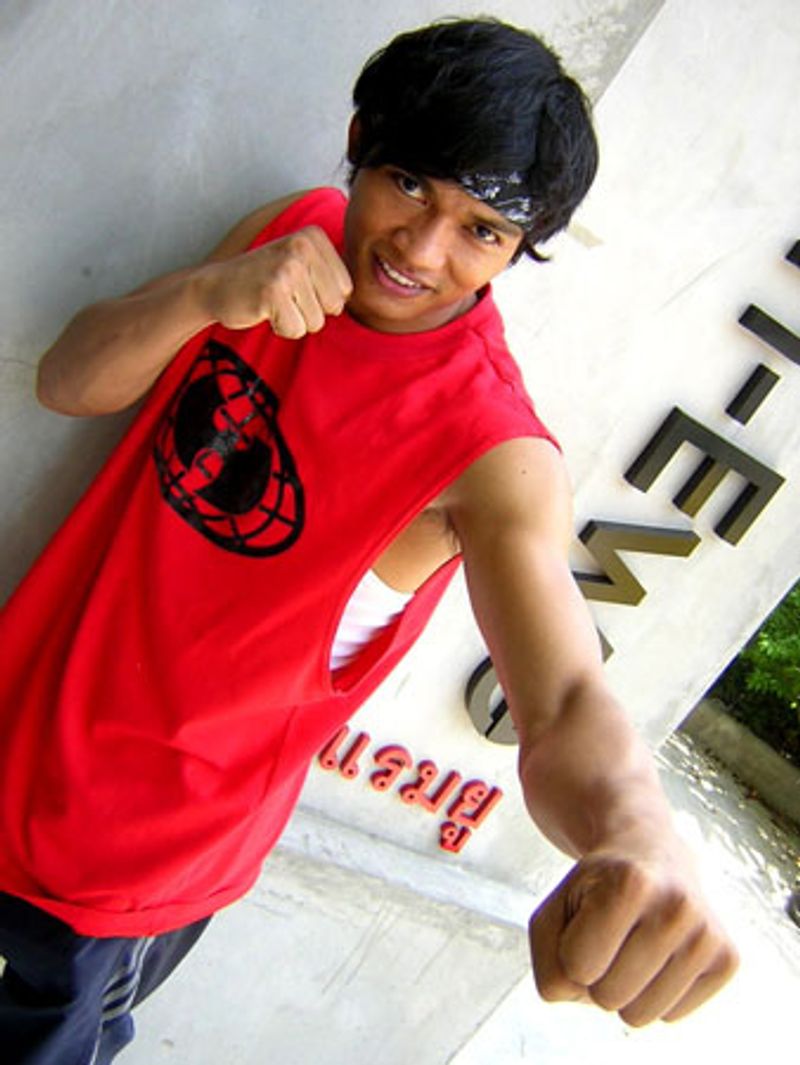
Tony Jaa announced his arrival by doing the impossible without wires or digital trickery.
His Muay Thai skills combined bone-breaking elbow strikes with acrobatic parkour through Bangkok streets, creating jaw-dropping moments that felt refreshingly authentic.
The commitment to practical stunts reminded audiences what real human athleticism could accomplish.
Where else do you see someone jump through coiled barbed wire?
10. Police Story
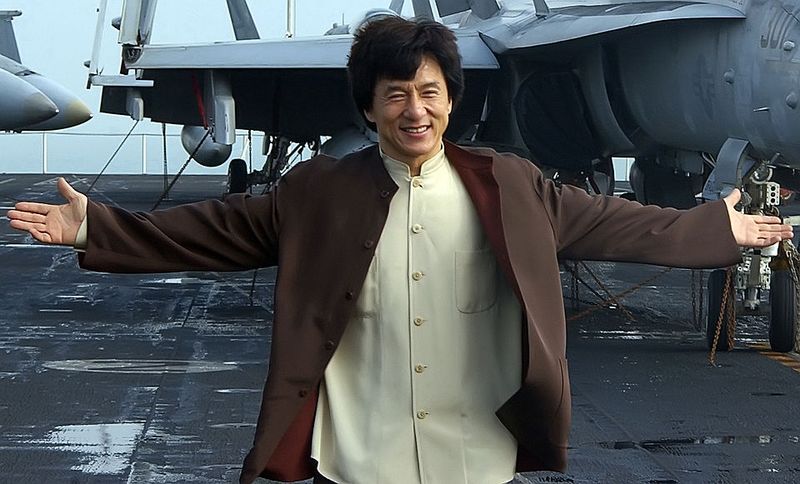
Jackie Chan risked his life sliding down a pole covered in exploding lights, setting the standard for commitment to action.
His unique blend of kung fu, slapstick comedy, and genuinely dangerous stunts created a style nobody else dared replicate.
The shopping mall fight sequence remains a masterclass in using environments creatively during combat.
Did you know Jackie does his own stunts?
11. The Bourne Identity
Shaky cam and rapid editing redefined modern spy thrillers when Jason Bourne used everyday objects as weapons.
The gritty, grounded approach to hand-to-hand combat made fights feel desperate and real rather than choreographed performances.
A pen became as deadly as any gun in Bourne’s trained hands.
Though controversial, this kinetic style influenced action cinematography for the next two decades!
12. Ip Man
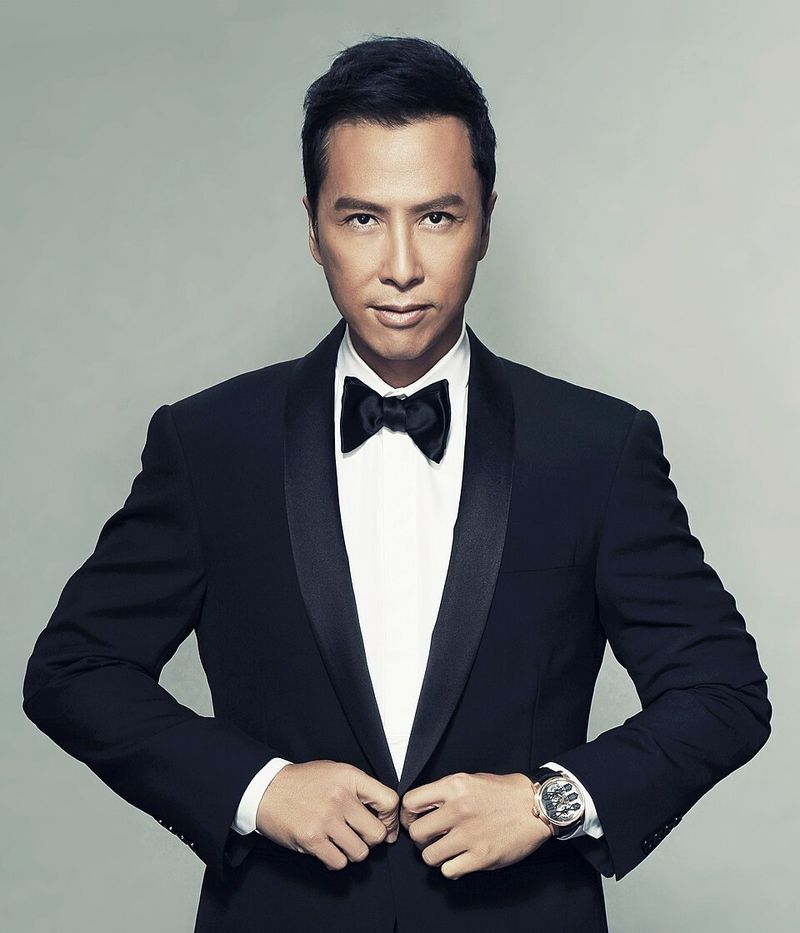
Wing Chun exploded in popularity after Donnie Yen portrayed Bruce Lee’s legendary teacher.
The rapid-fire punching techniques and close-range combat showcased a martial art most audiences had never seen before.
The fight against ten Japanese karate practitioners became an instant classic, blending historical drama with spectacular choreography.
If respect had a fighting style, it would look like this!
13. Hero
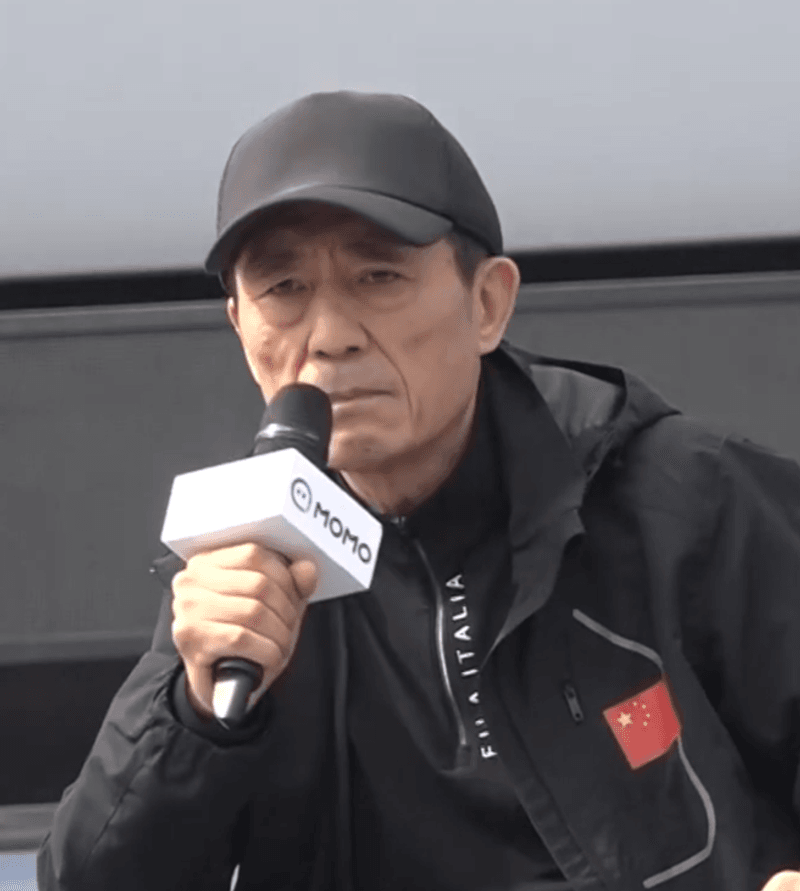
Zhang Yimou painted with colors and swords in this visually intoxicating masterpiece.
Each fight sequence featured different color palettes representing alternate versions of the same story, proving action could be intellectually engaging.
The combat floated between reality and fantasy, where warriors fought across lakes and through cascading autumn leaves.
However beautiful, every strike carried emotional weight and philosophical meaning!
14. Drunken Master
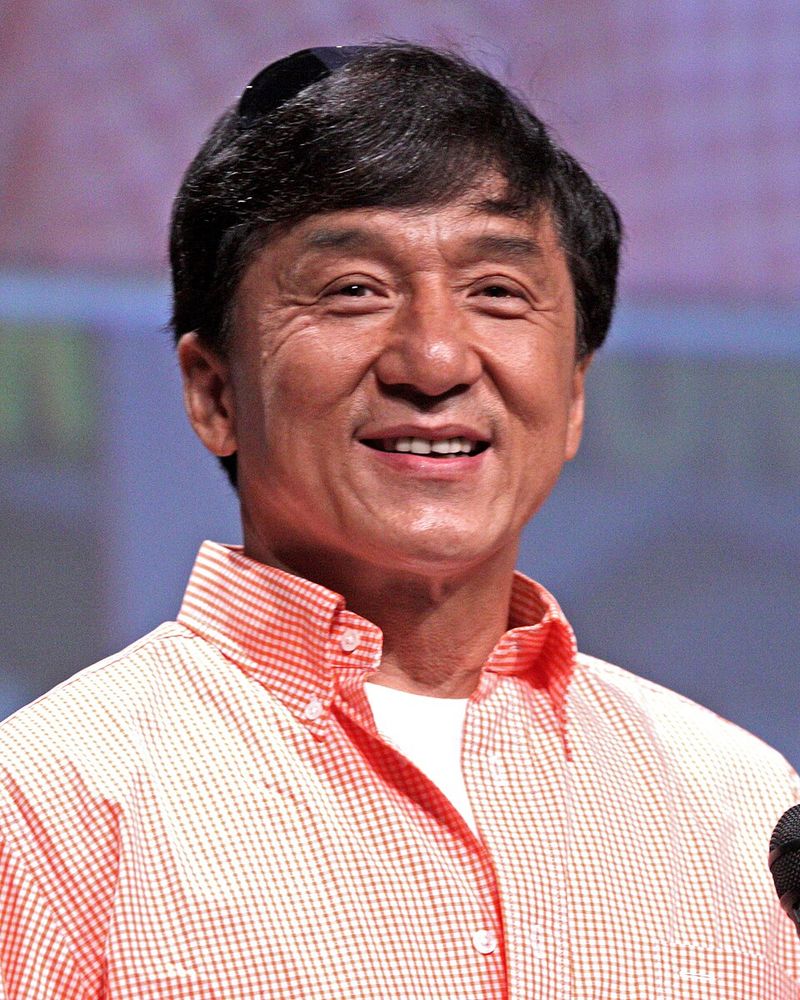
Jackie Chan stumbled and swayed his way through opponents using the unconventional Drunken Fist style.
The comedic approach to martial arts made fighting entertaining beyond just impressive moves, adding personality and humor to every exchange.
Training sequences became as important as actual fights, showing the dedication required to master such unusual techniques.
Who knew looking clumsy could be so effective?
15. Gladiator
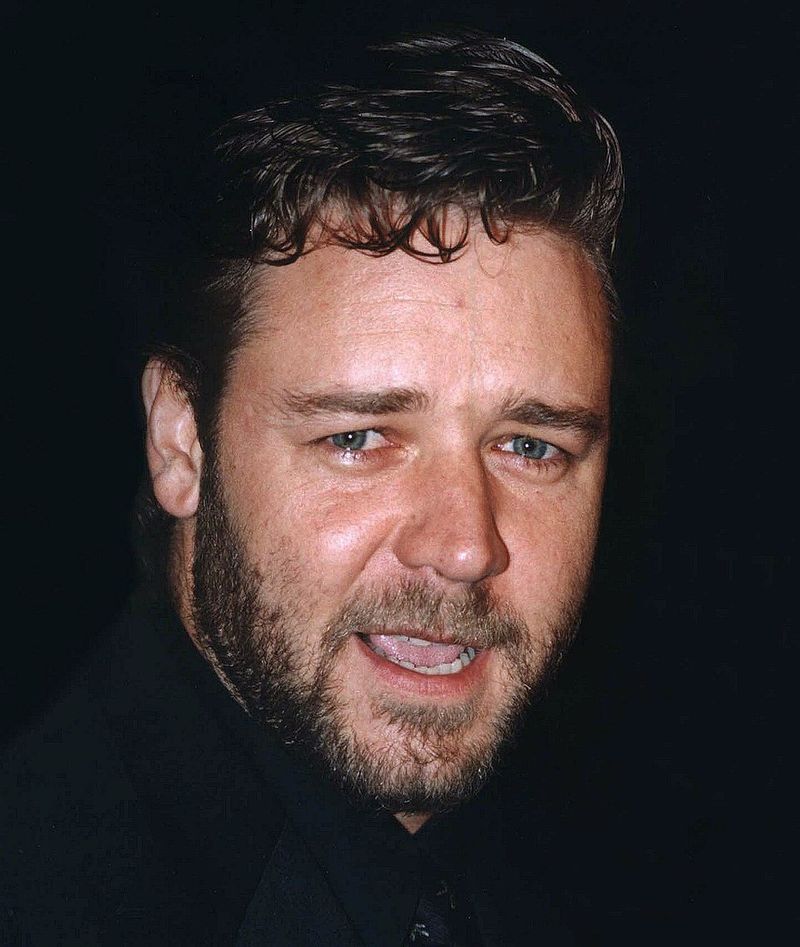
Ridley Scott brought ancient Roman combat to visceral life with dirt, blood, and raw brutality.
The Colosseum battles felt genuinely dangerous, with heavy weapons, shields clashing, and strategies mattering as much as strength.
Maximus proved that warrior choreography could serve character development rather than just spectacle.
Are you not entertained by this revolutionary approach to historical action?