Actors Who Addressed Past Roles With Public Apologies
Even the brightest Hollywood lights cast long shadows, and sometimes the roles actors played years ago come back into focus in ways nobody could have predicted.
Public apologies have become a way for performers to acknowledge past choices – lines, characters, or portrayals – that no longer align with their values or today’s cultural awareness.
Fans notice when actors confront the past honestly, and those moments often spark conversation, debate, and a deeper understanding of both the performer and the context in which the original work existed.
These apologies reveal the human side of fame, where mistakes meet lessons learned in full view.
1. Hank Azaria — Voicing Apu on The Simpsons
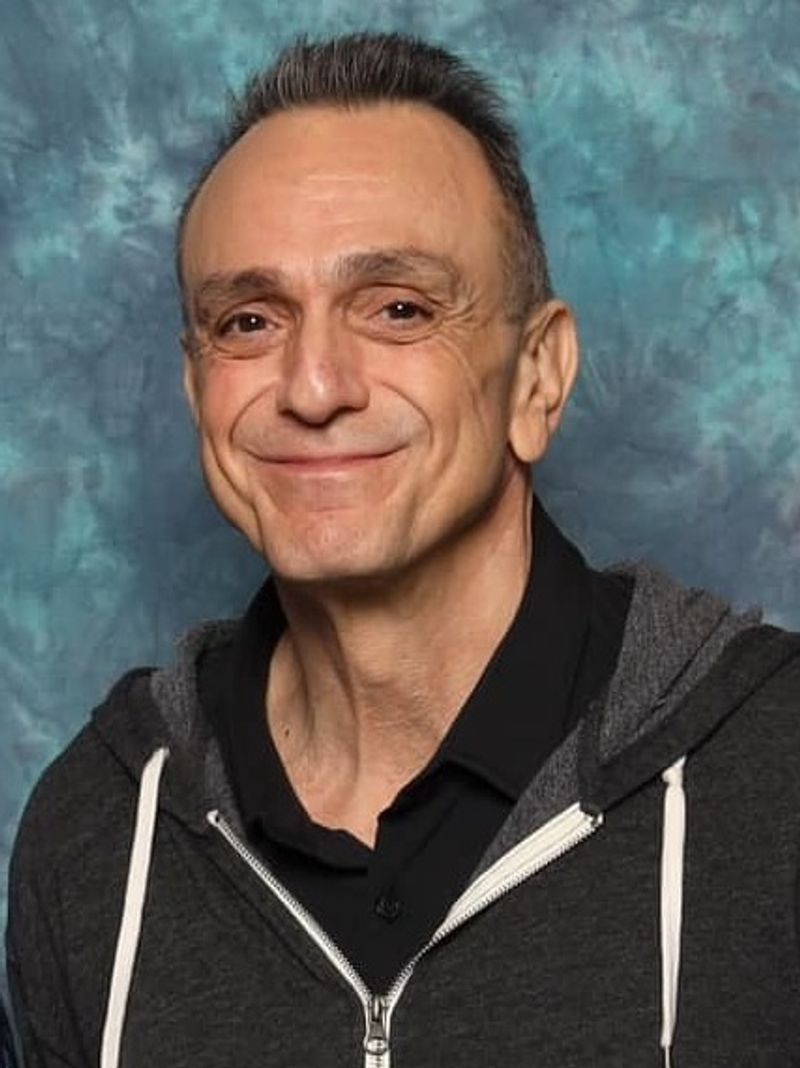
For decades, fans loved the convenience store owner on The Simpsons, but behind the laughs was a growing problem.
Voicing a character with a thick accent became controversial as people pointed out it reinforced harmful stereotypes about South Asian communities.
After listening to concerns from fans and activists, the actor decided to step away from the role entirely.
He publicly apologized and admitted he should have thought more carefully about the impact of his performance.
2. Scarlett Johansson — Rub & Tug Casting Controversy
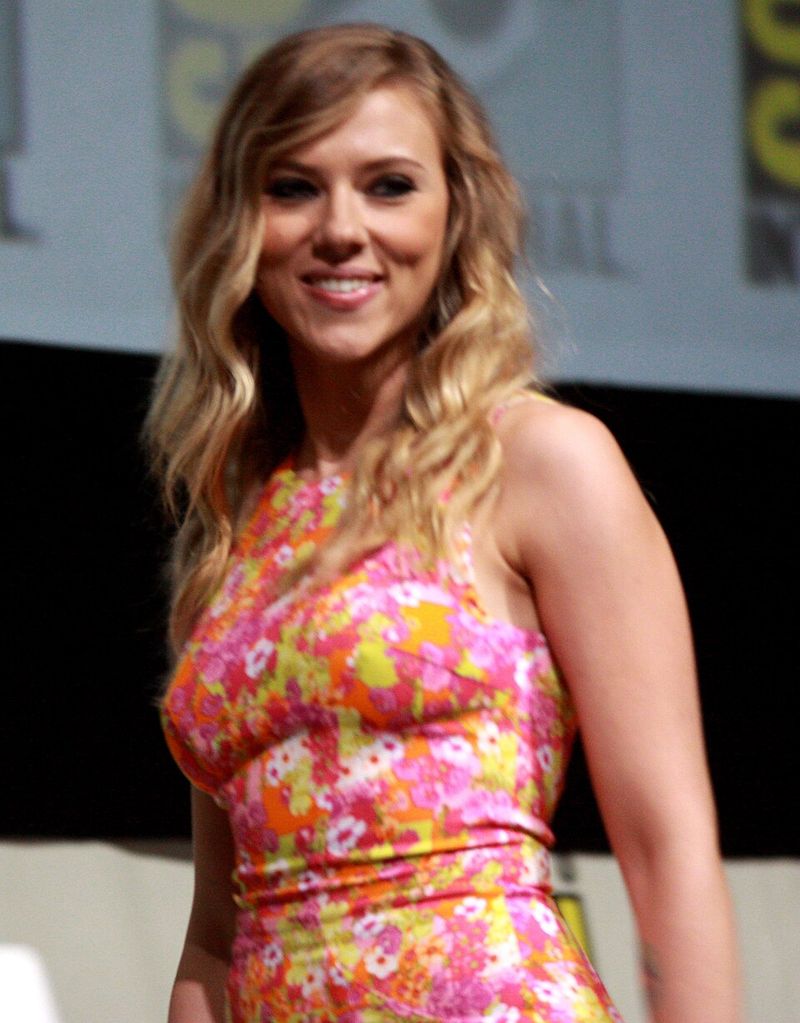
When this A-list star signed on to play a transgender man in a biopic, backlash erupted almost immediately.
Critics argued that a cisgender woman playing a trans man took an opportunity away from trans actors who rarely get major roles.
At first, she defended her choice, but public pressure mounted quickly.
Eventually, she withdrew from the project and issued an apology, acknowledging that the role should have gone to someone from the trans community.
3. Emma Stone — Aloha Whitewashing Backlash
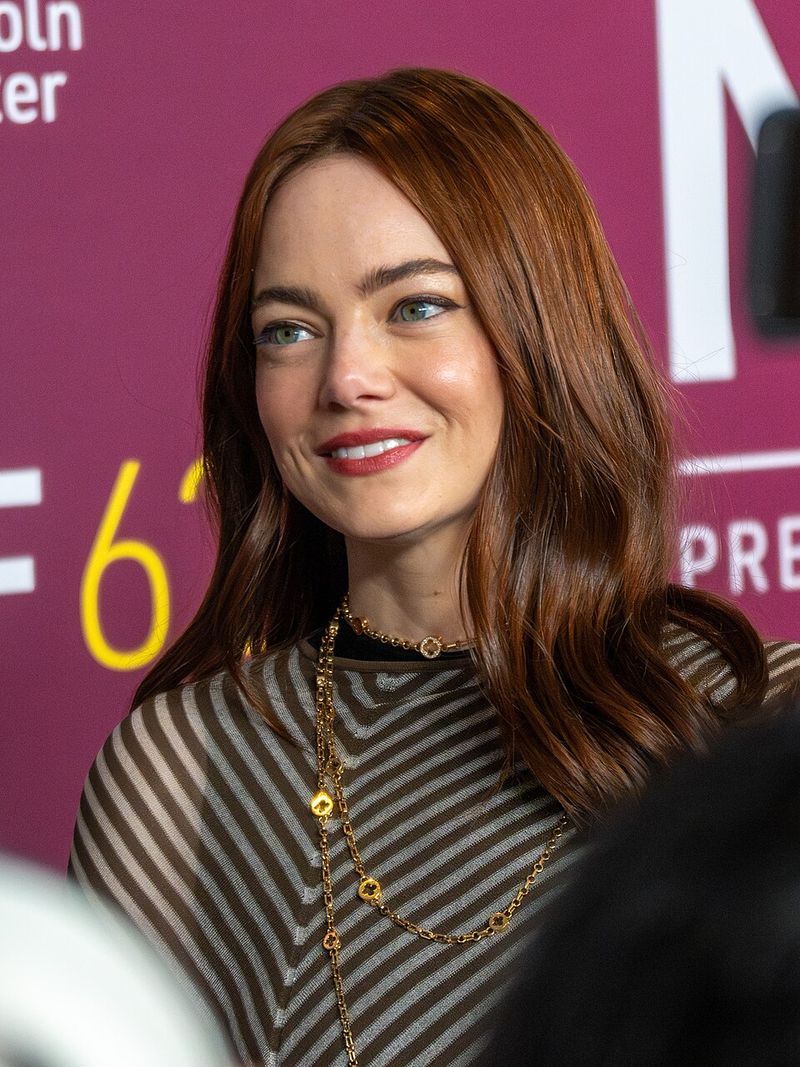
Playing a character who was part Chinese and part Hawaiian seemed like just another role until people started asking why a white actress was cast.
The film flopped, but the casting controversy stuck around much longer than the movie did.
Years later, during a major awards show, when the topic came up on stage, she was caught on camera mouthing a very sincere apology.
She later explained she felt terrible about taking a role that should have gone to someone who actually represented the character’s heritage.
4. Zoë Saldaña — Playing Nina Simone in Nina
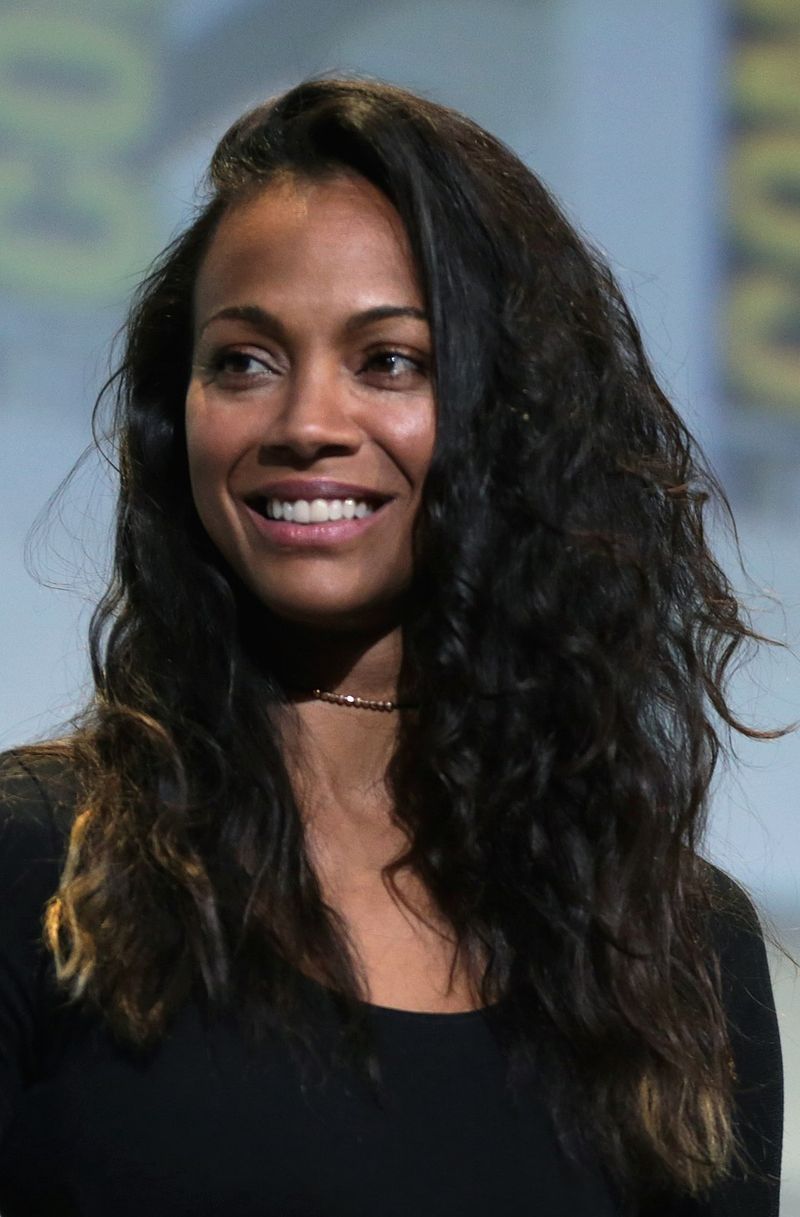
Taking on the role of a legendary singer sounds like a dream, but this casting choice turned into a nightmare.
Critics immediately pointed out that using makeup to darken her skin and change her features was deeply offensive and disrespectful to Nina Simone’s legacy.
The backlash was fierce, and eventually she spoke out about her regret. She apologized and admitted she should never have accepted the role because it wasn’t her story to tell.
5. Fisher Stevens — Short Circuit Brownface Performance
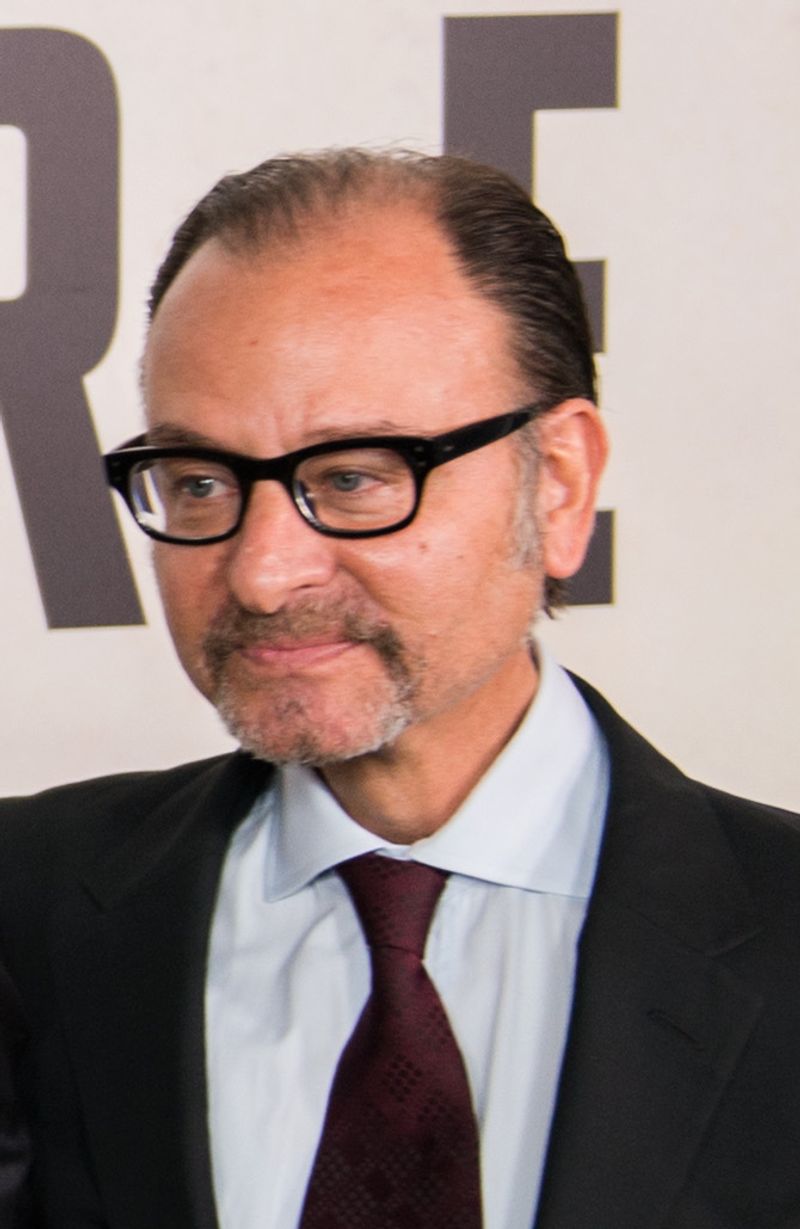
Back in the eighties, this actor played an Indian character using makeup and an exaggerated accent, and at the time nobody in Hollywood seemed to think twice about it.
Decades later, people definitely thought twice, and the criticism was loud and clear.
He eventually came forward and said he deeply regretted the role. He acknowledged that it was wrong and harmful, even if it seemed acceptable back then.
6. Alison Brie — Voicing Diane Nguyen on BoJack Horseman
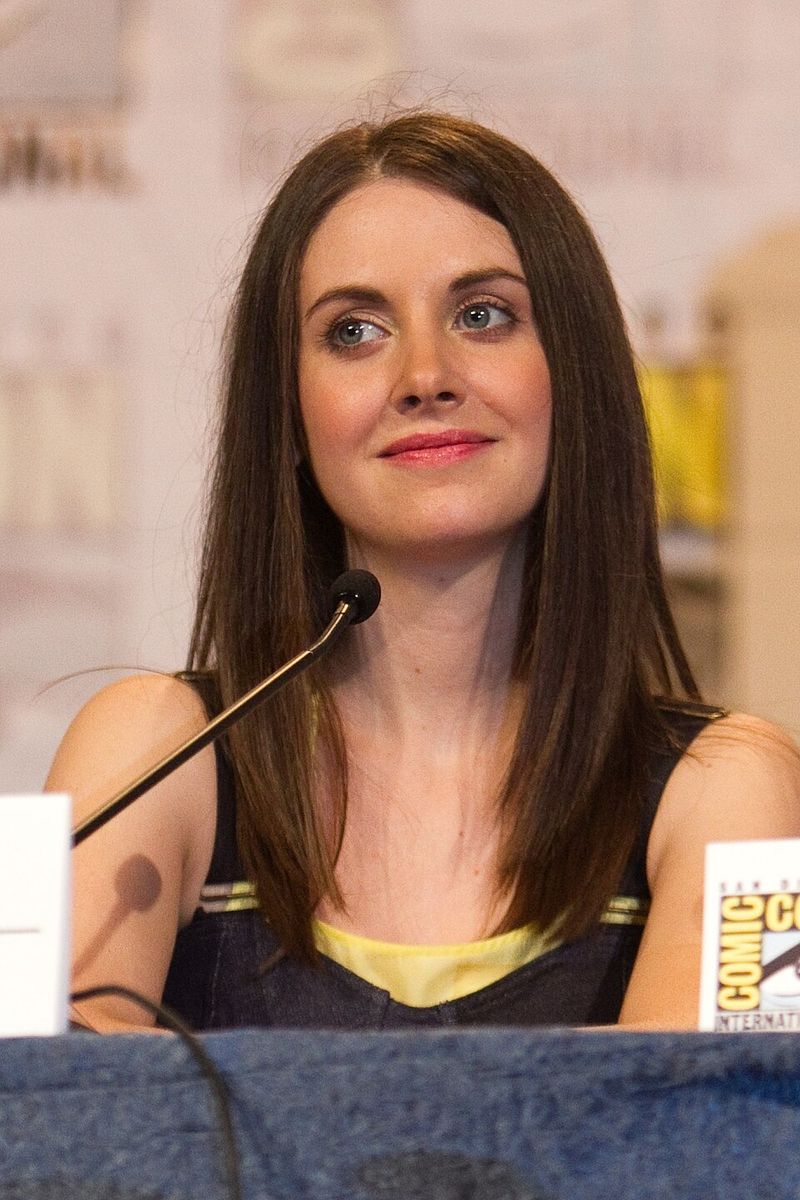
Voicing an animated character seems harmless until you realize the character is Vietnamese-American and you’re not.
This actress spent years bringing the beloved character to life, but eventually the conversation around representation caught up with her.
She posted a heartfelt statement expressing regret for taking a role that could have gone to a Vietnamese-American actor.
7. Jenny Slate — Stepping Down From Big Mouth
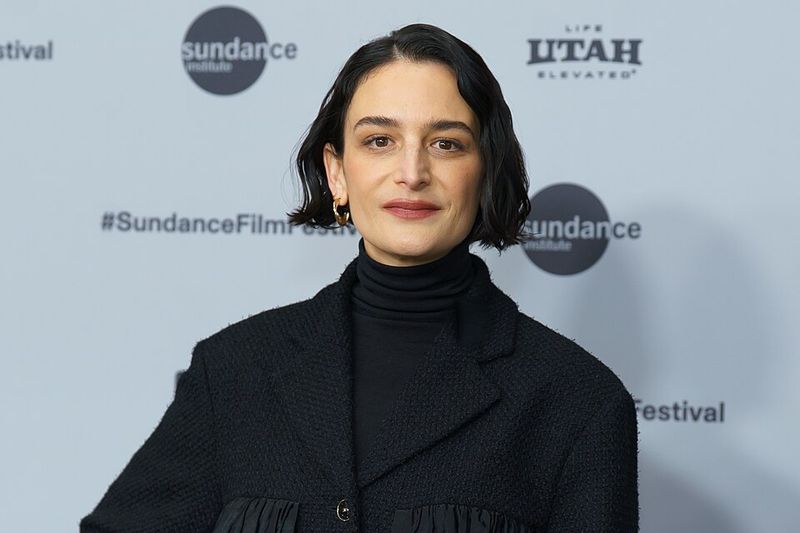
Voicing a Black character on an animated comedy seemed fun until the national conversation about race and representation exploded in 2020.
This comedian realized she was part of the problem, even though she never meant any harm.
She announced she was stepping down from the role and apologized publicly. She said Black characters should be played by Black actors, period.
Her decision was praised by many and helped push other shows to rethink their casting choices for animated series.
8. Kristen Bell — Leaving Central Park Voice Role

When a beloved actress voiced a biracial character on an animated show, fans didn’t immediately raise alarms.
But as awareness grew about authentic casting, she took a hard look at her role and decided it was time to step aside.
She publicly acknowledged that the character should be voiced by someone who shares that lived experience. Her decision to leave the show was voluntary and came with a sincere apology.
9. Mike Henry — Leaving Family Guy as Cleveland Brown
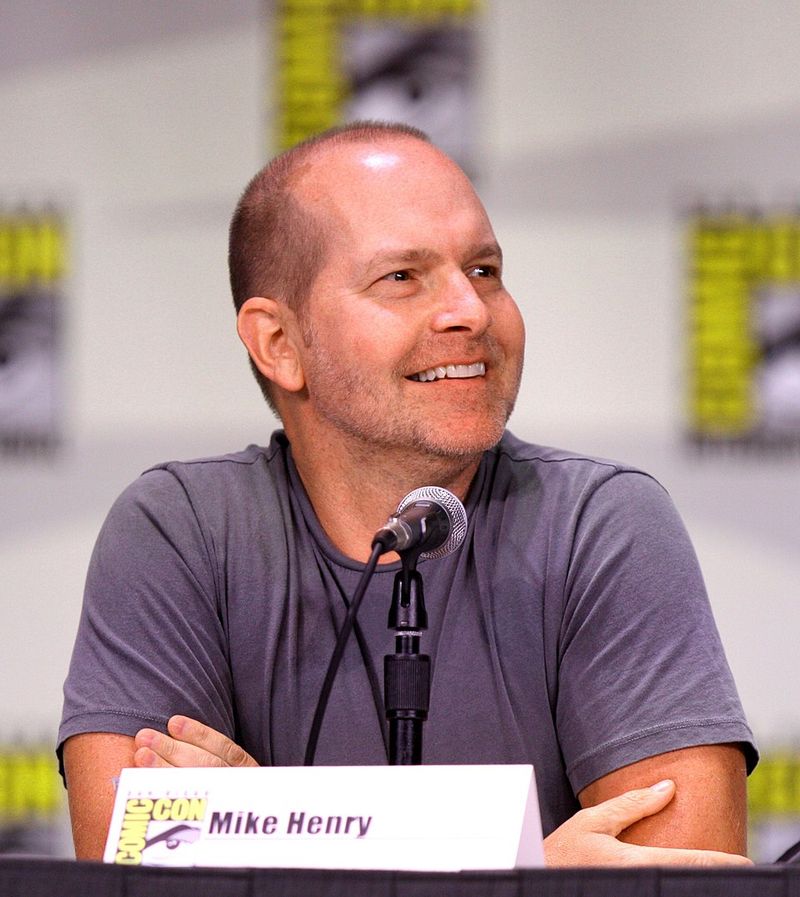
For more than two decades, this actor voiced one of the most recognizable Black characters on television. But in 2020, he decided it was time to pass the microphone to someone else.
He announced he was stepping down and explained that characters of color should be played by people of color. His statement was direct and didn’t make excuses.
The show eventually recast the role with a Black actor, marking a significant shift in how animated comedies handle diversity.
10. Tina Fey — 30 Rock Blackface Episodes Removed
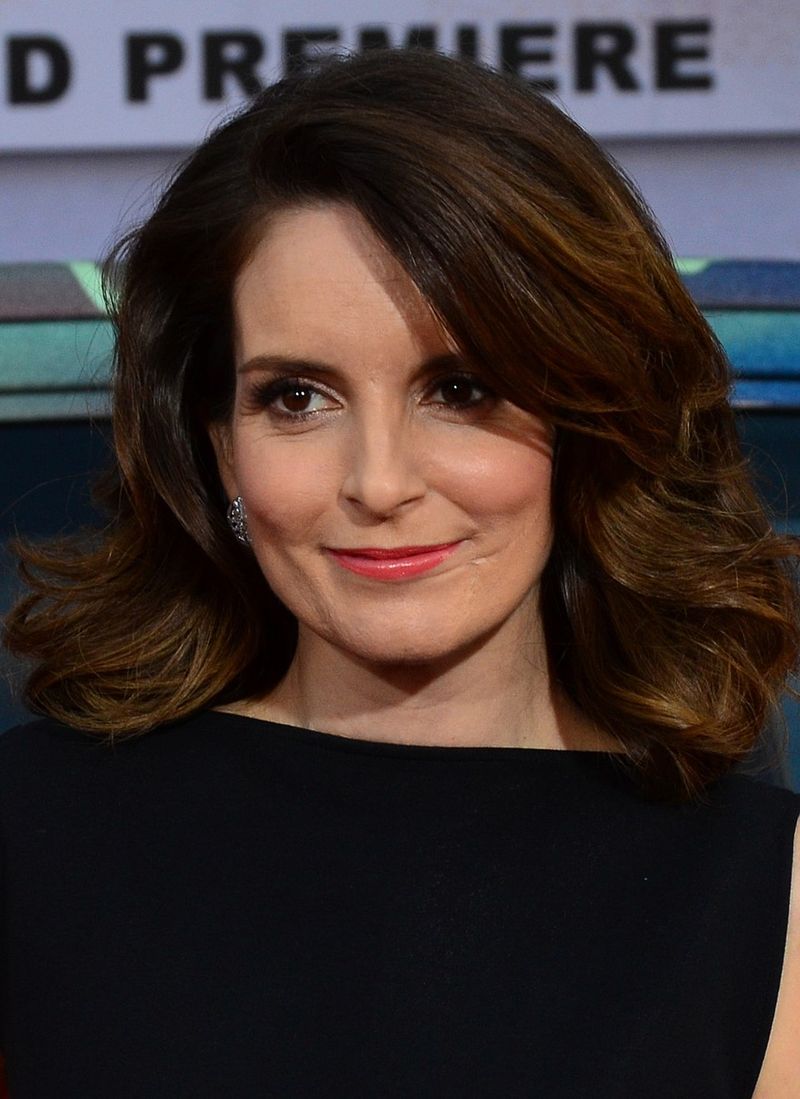
Comedy that seemed edgy and satirical years ago can look very different when society’s values shift.
This comedy legend created episodes that featured characters in racially insensitive makeup, meant to mock racism but ultimately crossing a line.
She requested that several episodes be pulled from streaming platforms and apologized for the harm they caused. She admitted that even satire can be hurtful and that the intent doesn’t erase the impact.
11. Jimmy Fallon — SNL Blackface Sketch Apology
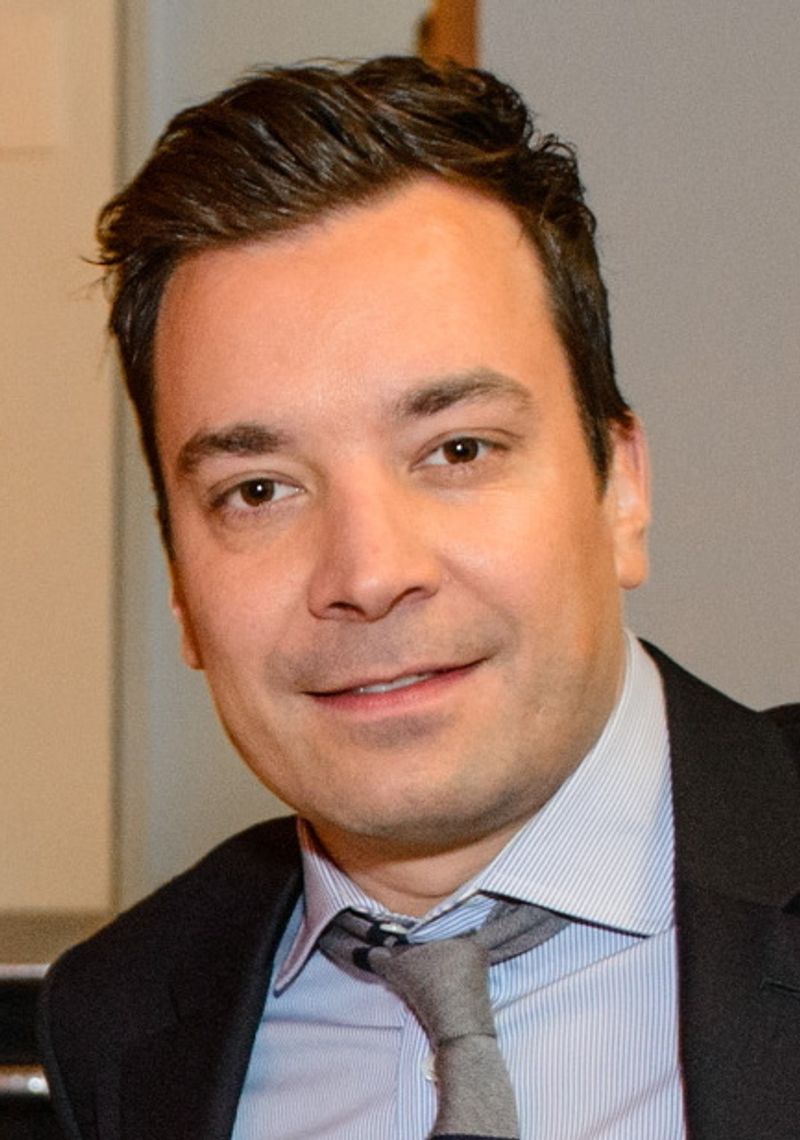
Old sketches have a way of resurfacing at the worst possible times.
When a clip from a comedy show went viral showing this host in racially insensitive makeup, the internet exploded with criticism.
He quickly issued an apology on social media, calling the sketch unacceptable and saying there was no excuse for it.
He acknowledged the hurt it caused and promised to do better.
12. Jimmy Kimmel — Apologizing for Past Sketches
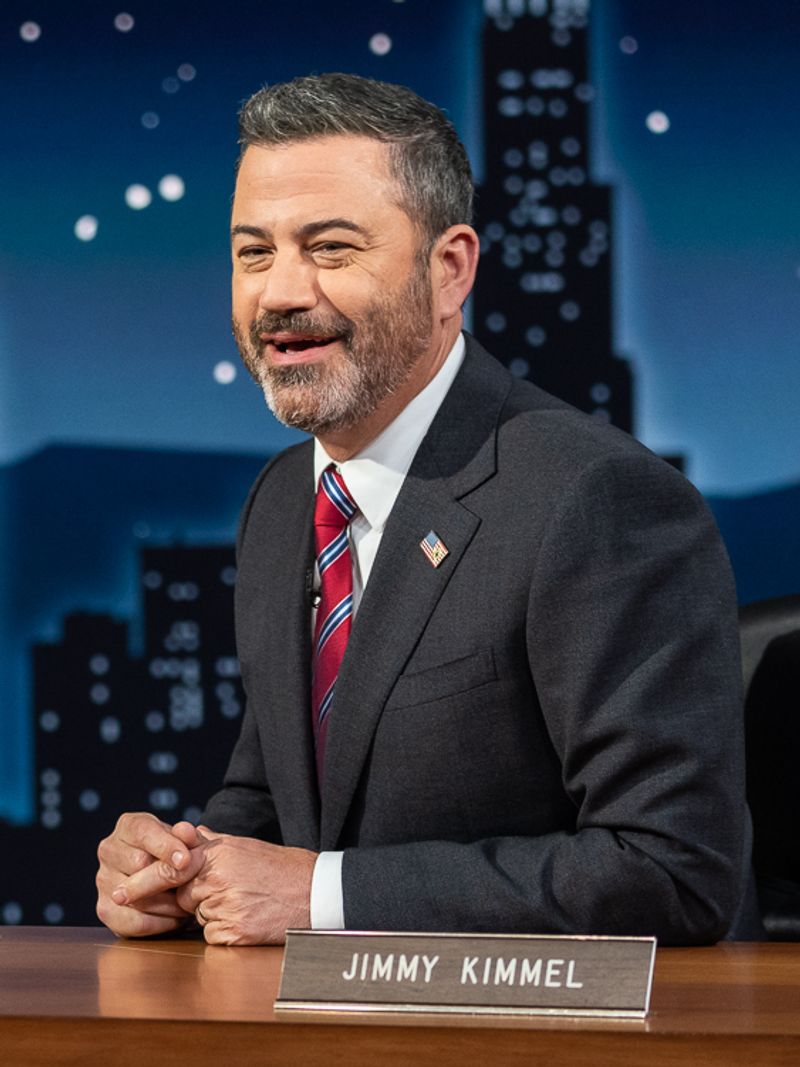
Another late-night host found himself facing backlash when old comedy sketches resurfaced online. The clips showed him in racially offensive makeup, and the public reaction was swift and harsh.
He released a lengthy apology statement, admitting the sketches were embarrassing and wrong. He said he was ashamed and asked for forgiveness.
The apology was sincere, but it also sparked debates about whether past comedy should define someone’s present career.
13. Sarah Silverman — Regret Over Past Comedy
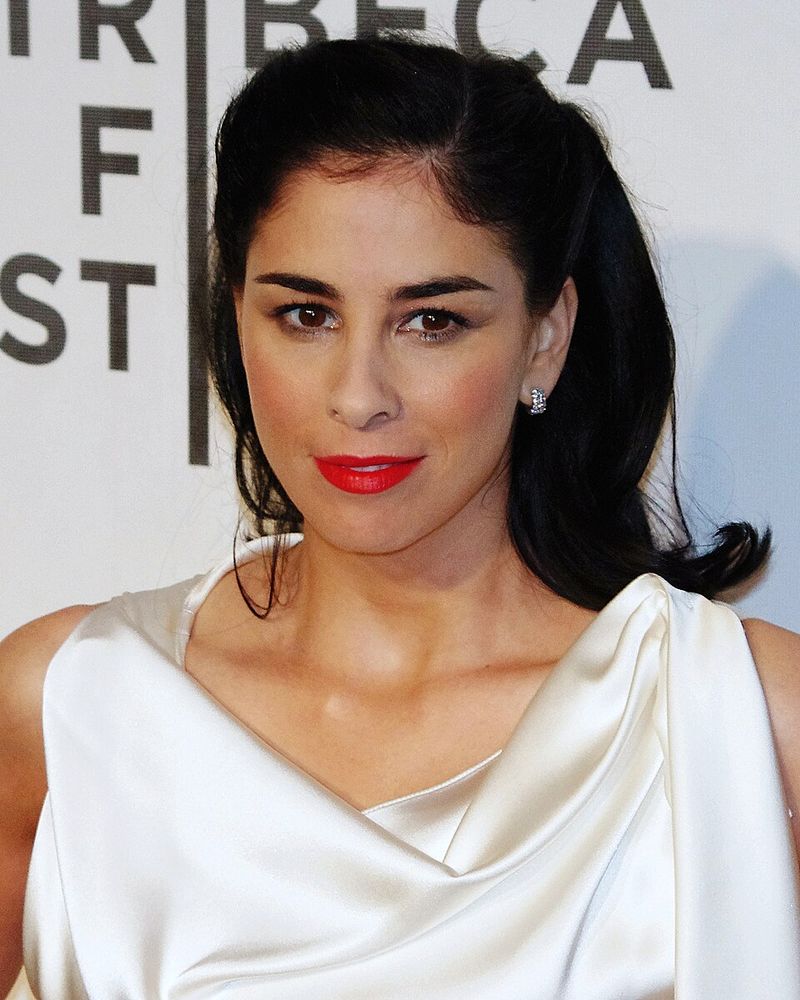
Pushing boundaries has always been part of this comedian’s brand, but some of her earlier work crossed lines that she later came to regret.
Sketches featuring racially insensitive makeup and slurs seemed edgy at the time but looked very different years later.
She spoke openly about her regret in interviews, explaining that comedy evolves and so do comedians. She acknowledged that some jokes age terribly and that growth means admitting when you’ve messed up.
14. Eddie Redmayne — The Danish Girl Casting Regret
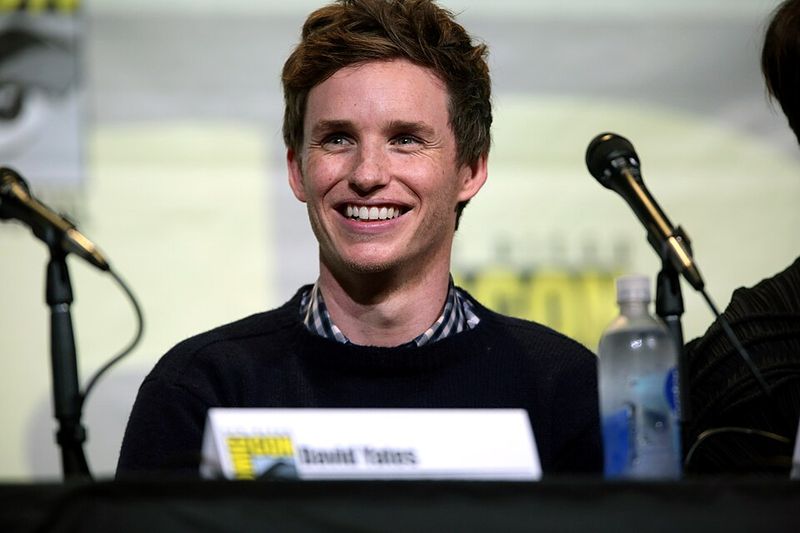
Playing a groundbreaking transgender woman in a period drama earned this actor awards buzz, but it also sparked major controversy.
Critics argued that a cisgender man playing a trans woman took away an opportunity from trans actors.
Years later, he admitted he wouldn’t take the role if offered today. He called it a mistake and said he understood why people were upset.
His statement was part of a larger shift in Hollywood toward more authentic casting for LGBTQ+ roles.
15. Rooney Mara — Pan’s Tiger Lily Whitewashing
Playing a Native American character when you’re not Native American is a recipe for controversy, and this actress learned that the hard way.
The casting choice was immediately criticized as another example of Hollywood whitewashing.
She later expressed strong regret about taking the role, acknowledging she was on the wrong side of the issue.
She admitted she should have known better and that the experience taught her to think more carefully about representation. Her apology was direct and didn’t make excuses.