10 Actors Who Mastered The Role Of Hamlet
Shakespeare’s Hamlet has captivated audiences for over four centuries, standing as one of literature’s most challenging and iconic roles. Playing the troubled Prince of Denmark demands mastery of philosophy, madness, revenge, and raw emotion, all expressed simultaneously.
Only a select group of performers have truly conquered this challenge, delivering interpretations that remain unforgettable on stages and screens worldwide.
Some actors tackled over 500 performances, fully inhabiting the role night after night, while others reimagined Hamlet for contemporary audiences, incorporating modern settings, gender-bending casting, or cinematic techniques that gave the story fresh urgency.
Each interpretation highlights a unique vision, emphasizing different facets of the prince’s complexity, from vulnerability to fury, intellect to confusion. Hollywood legends and innovative theater stars alike have elevated the character, proving why Hamlet continues to be the ultimate test of acting talent.
These ten performers showcase brilliance, courage, and artistry that keep the play alive and endlessly compelling for audiences today.
1. John Gielgud
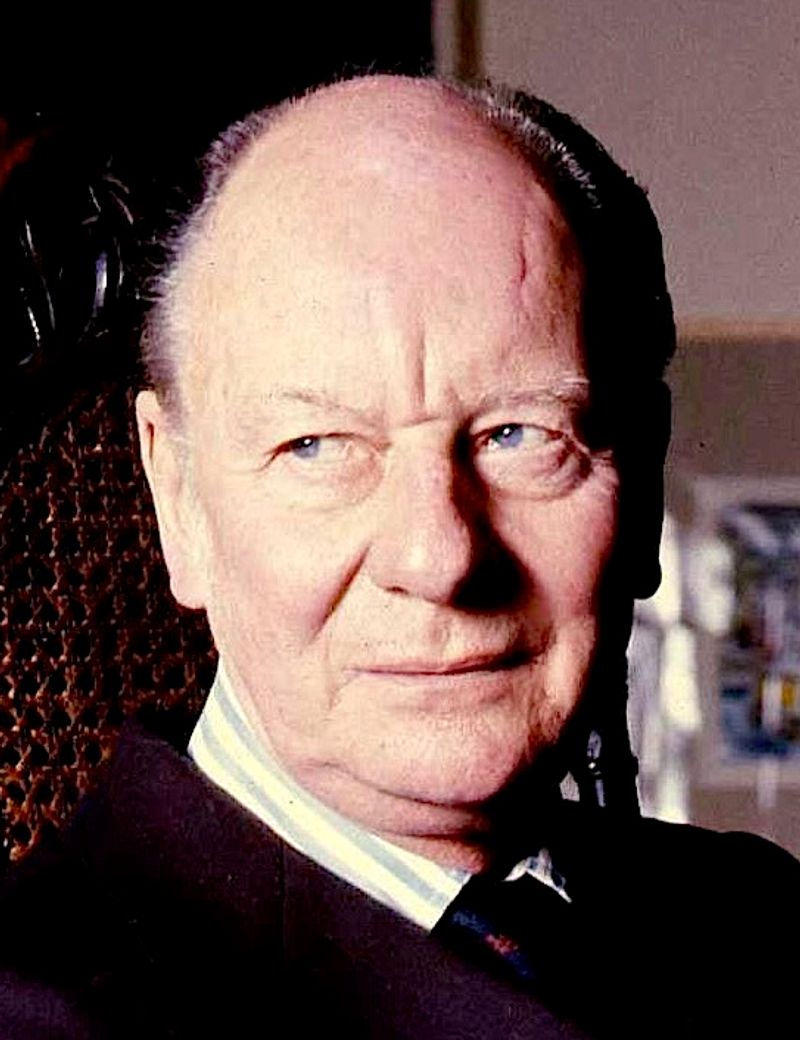
Playing Hamlet more than 500 times starting in 1930, Gielgud turned the role into his signature achievement. His voice alone could make audiences weep or lean forward in suspense.
Critics praised how he balanced the prince’s intellectual brilliance alongside his emotional turmoil.
Gielgud’s approach focused on poetry and precision rather than raw aggression. Every line felt carefully considered yet spontaneous.
His performances set a standard for decades, influencing countless actors who followed.
Even into his later years, Gielgud’s early Hamlet remained legendary. Directors and scholars still reference his interpretation when discussing the character’s complexity.
Few performers have ever matched his dedication or impact on the role.
2. Laurence Olivier
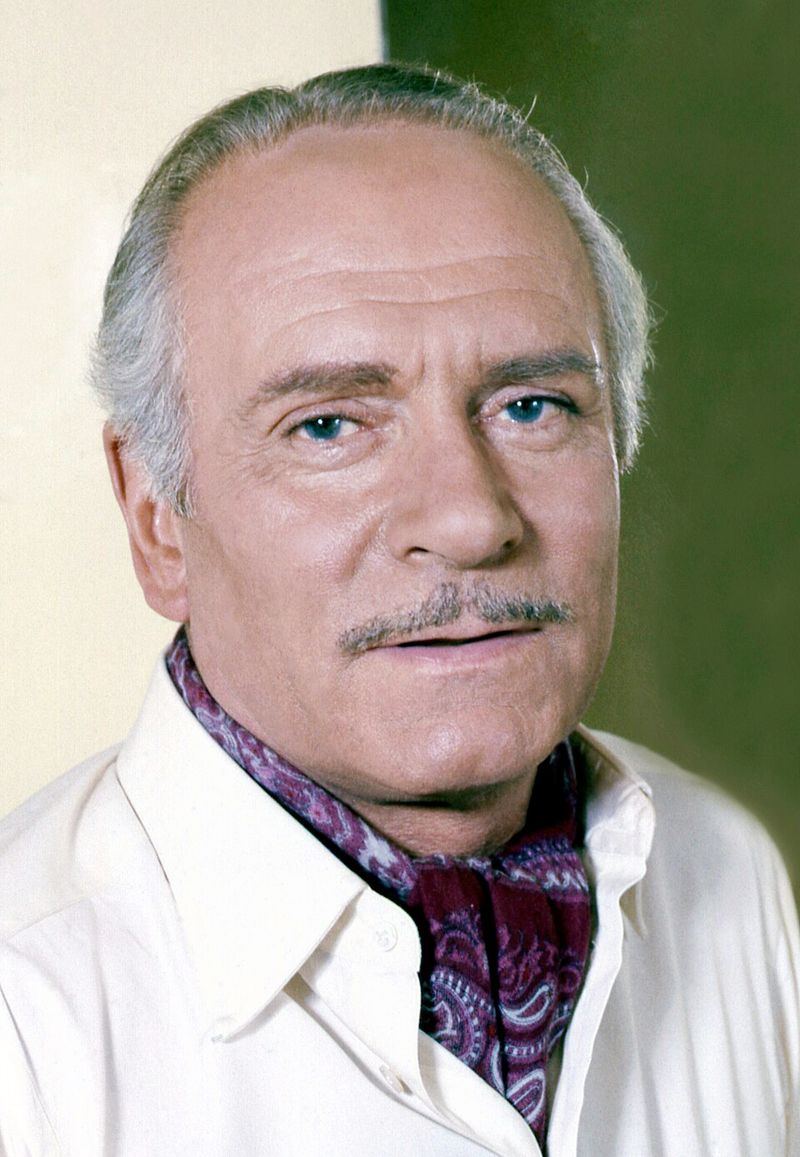
This 1948 film adaptation made history by winning Best Picture and Best Actor at the Academy Awards. Olivier emphasized the Oedipal psychology behind Hamlet’s relationships, especially concerning his mother Gertrude.
The movie brought Shakespeare to mainstream cinema like never before.
His portrayal leaned into the darkness and brooding intensity of the character. Olivier used close-ups and cinematic techniques to reveal inner thoughts impossible on stage.
The film remains a masterclass in adapting theater for the screen.
Many consider Olivier’s version definitive for understanding Hamlet’s psychological complexity. His performance influenced both film and theater productions for generations.
The movie continues inspiring actors tackling the role today.
3. Richard Burton
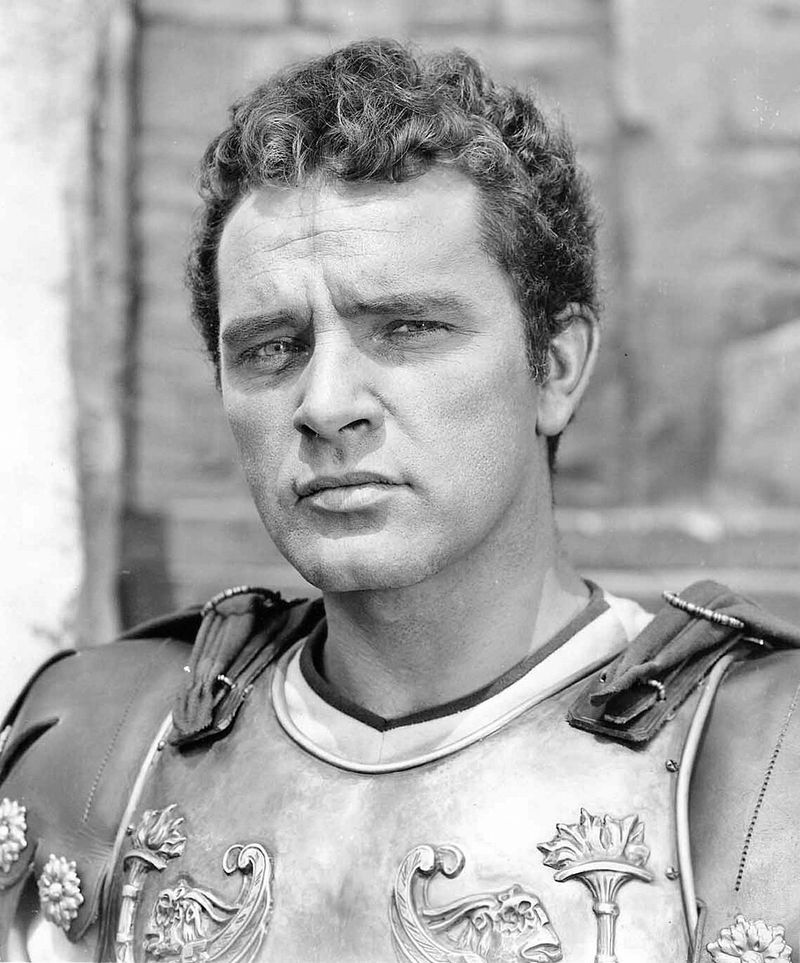
Burton’s 1964 Broadway run, directed by John Gielgud himself, became a cultural phenomenon. Audiences flocked to see the charismatic actor bring raw power and vulnerability to the Danish prince.
His performance was recorded on film for a limited theatrical release, preserving theatrical magic.
Unlike some interpretations, Burton played Hamlet as a man of action struggling against circumstances. His Welsh voice added musical quality to Shakespeare’s verse.
Critics noted how he made every soliloquy feel like a personal confession.
The production broke box office records and proved Shakespeare could thrill modern audiences. Burton’s intensity and star power made Hamlet accessible to people who normally avoided classical theater.
His approach remains a benchmark for emotionally charged performances.
4. Kenneth Branagh
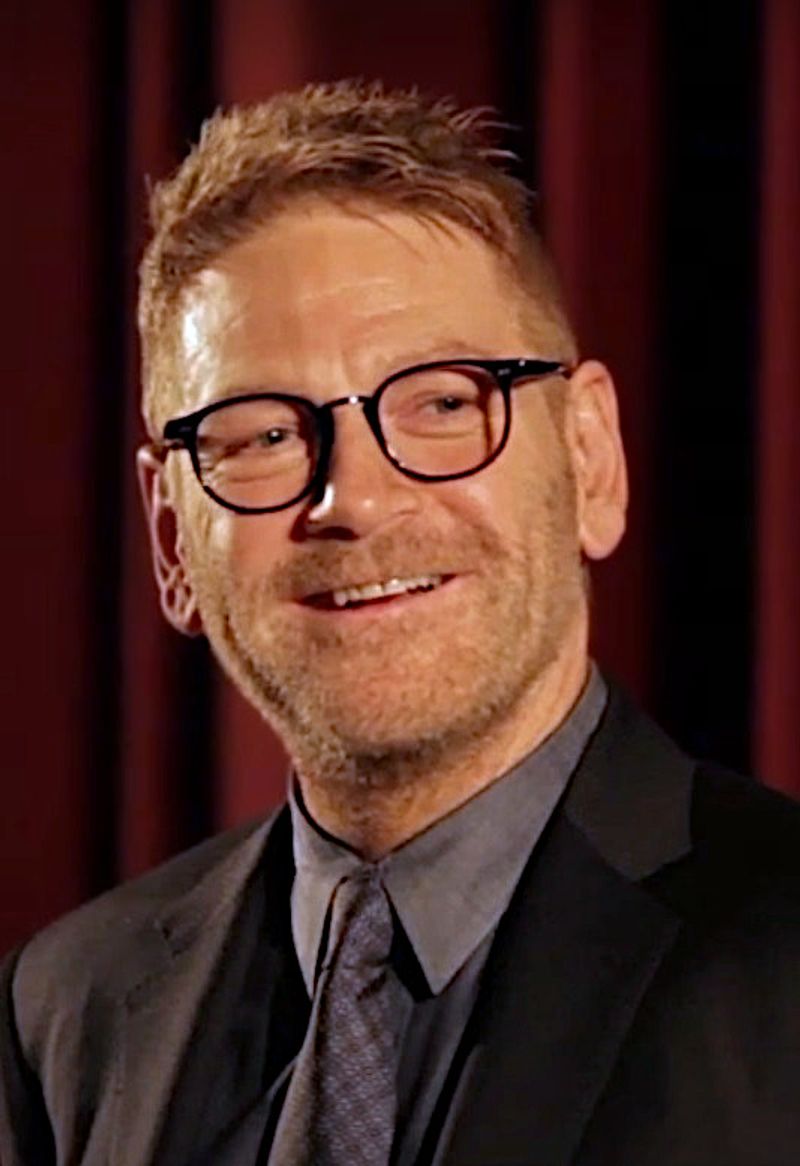
The 1996 film dared to include Shakespeare’s complete uncut text, running over four hours. A lavish visual spectacle brought the story to life while respecting every word of the original play.
The production featured an all-star cast including Kate Winslet, Robin Williams, and Billy Crystal. Hamlet appeared energetic and youthful, with action taking precedence over melancholy.
Mirrors and visual symbolism highlighted the character’s fractured psyche, while opulent sets transported viewers into a fully realized royal court. Directorial choices helped audiences follow the complex plot and relationships, making every scene clear and engaging.
The film demonstrated that Shakespeare could remain faithful to the text while delivering entertainment that resonates with contemporary viewers.
Every performance, every set detail, and every visual cue worked together to create an immersive cinematic experience that honors the original play while offering fresh excitement for modern audiences.
5. Ralph Fiennes
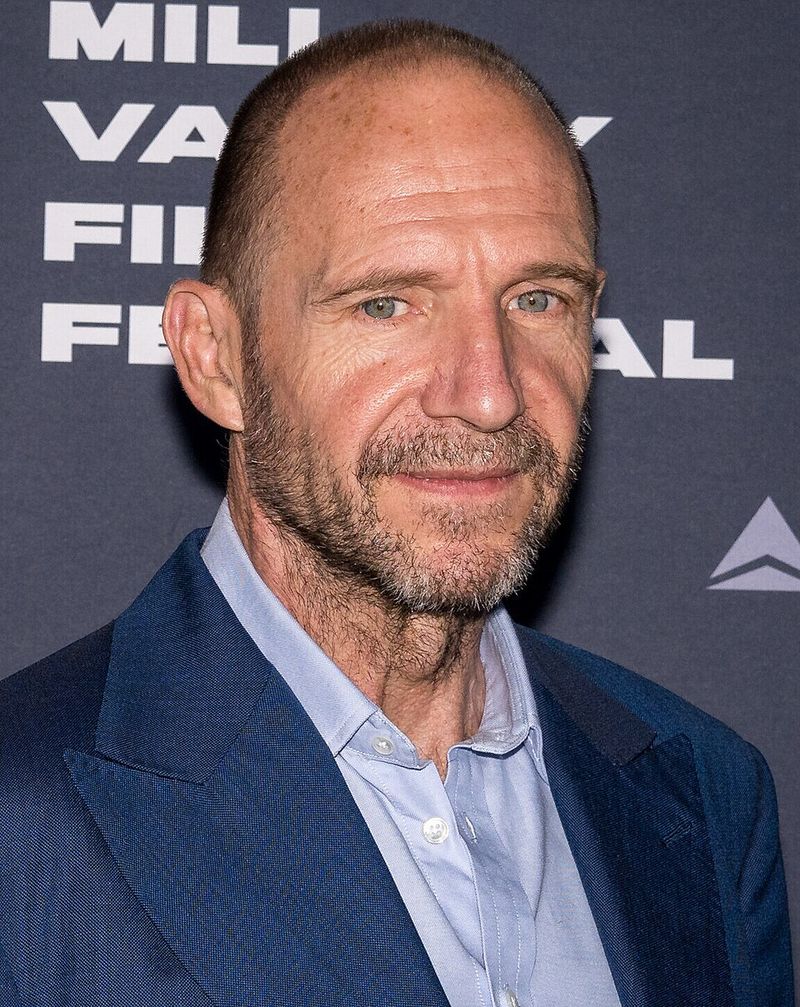
Fiennes’ 1995 performances in London and Broadway earned him a Tony Award for theatrical excellence. His Hamlet combined classical training alongside modern emotional authenticity.
Audiences described his portrayal as heartbreaking and intellectually rigorous simultaneously.
He explored the character’s descent into genuine madness rather than playing it as mere pretense. Fiennes’ physicality brought dangerous unpredictability to every scene.
His chemistry alongside other cast members made the family drama feel urgently real.
His interpretation influenced a generation of actors approaching Shakespeare. The production demonstrated how traditional staging could still feel fresh and relevant.
6. David Tennant
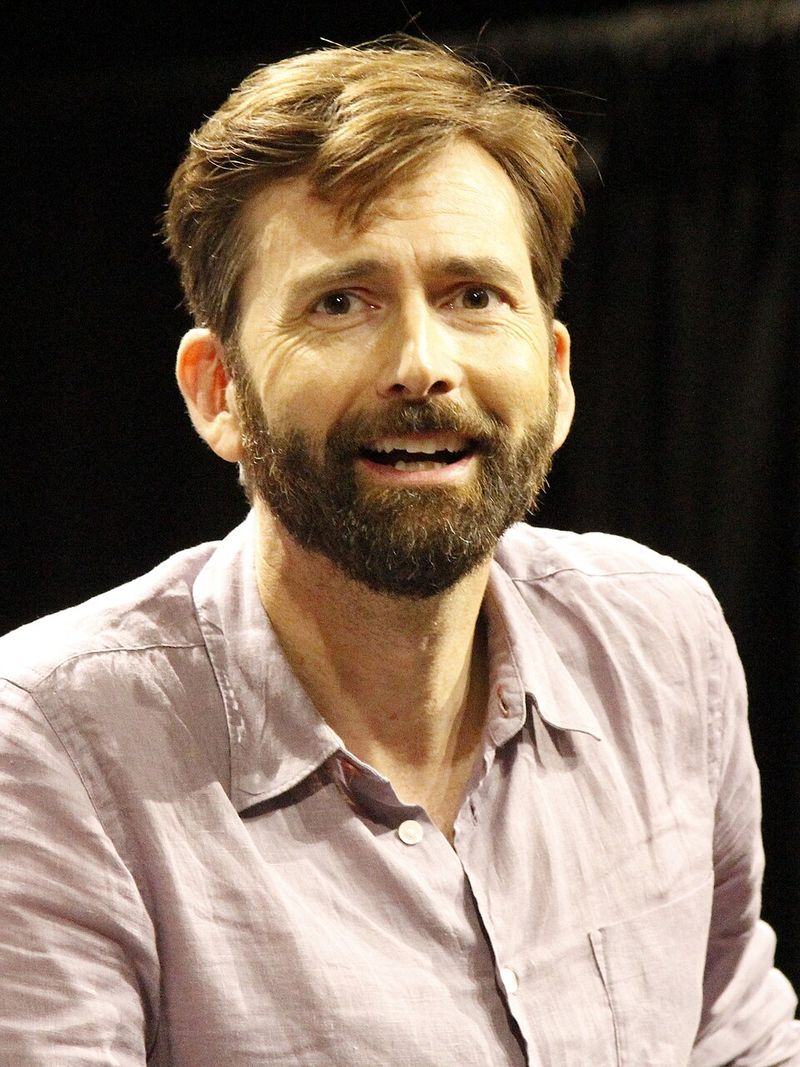
Tennant’s 2008 Royal Shakespeare Company performance brought punk-rock energy to the melancholy Dane. Fresh off his success as Doctor Who, he attracted younger audiences to Shakespeare.
His Hamlet felt like a modern college student thrust into impossible circumstances.
He emphasized the character’s dark humor and sarcasm alongside the tragedy. Tennant’s physical comedy and timing made even familiar scenes feel surprising.
Critics praised how he made four-hundred-year-old language sound conversational and immediate.
The production was filmed and broadcast, reaching audiences worldwide. Tennant proved classical roles could appeal to fans of contemporary television and film.
His interpretation remains popular for introducing Shakespeare to new generations of theatergoers.
7. Benedict Cumberbatch
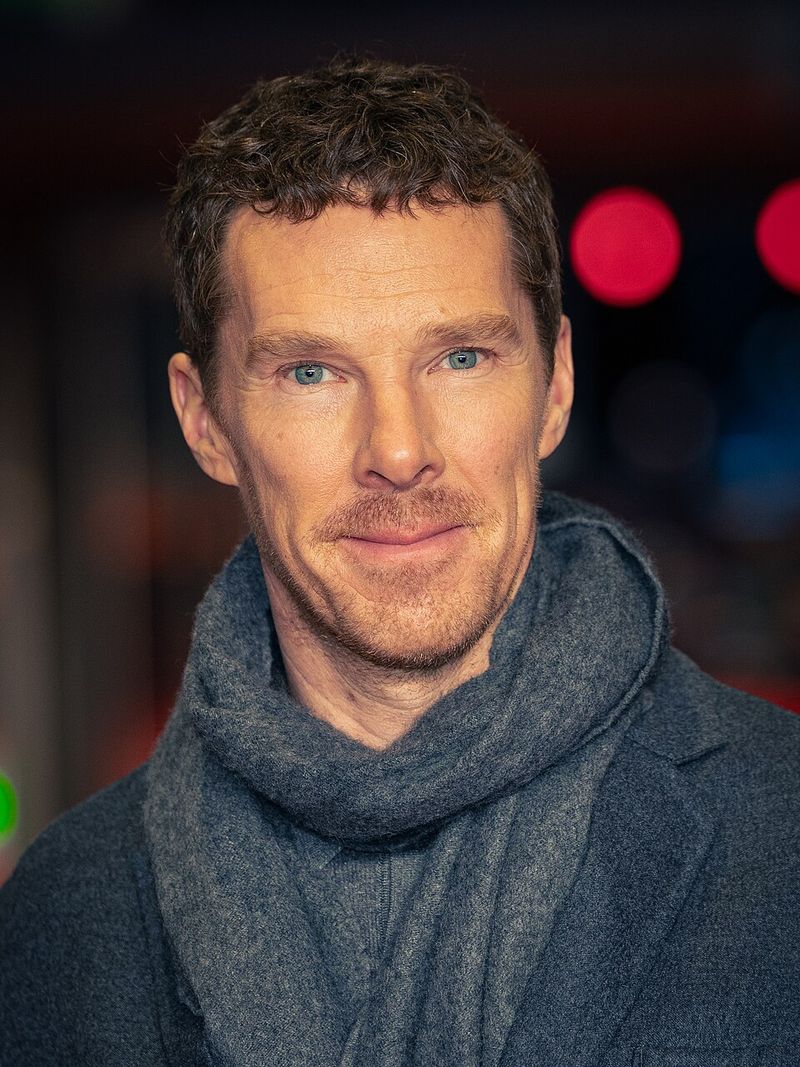
The 2015 London performance sold out instantly, becoming one of theater’s hottest tickets. Audiences described the portrayal as electrifying and sublime, capturing both vulnerability and danger.
Hamlet felt like a brilliant mind slowly unraveling under unbearable pressure. Psychological depth drew from experience playing complex characters on screen, while physicality ranged from manic energy to frozen stillness in key moments.
The production broadcast to cinemas globally, allowing millions to experience this interpretation. The approach emphasized Hamlet’s isolation and inability to trust anyone nearby, intensifying the tension and emotional weight of every scene.
The performance secured a place among definitive Hamlets of the 21st century, blending stage craft, film sensibility, and raw intensity to create an unforgettable theatrical experience.
8. Ethan Hawke
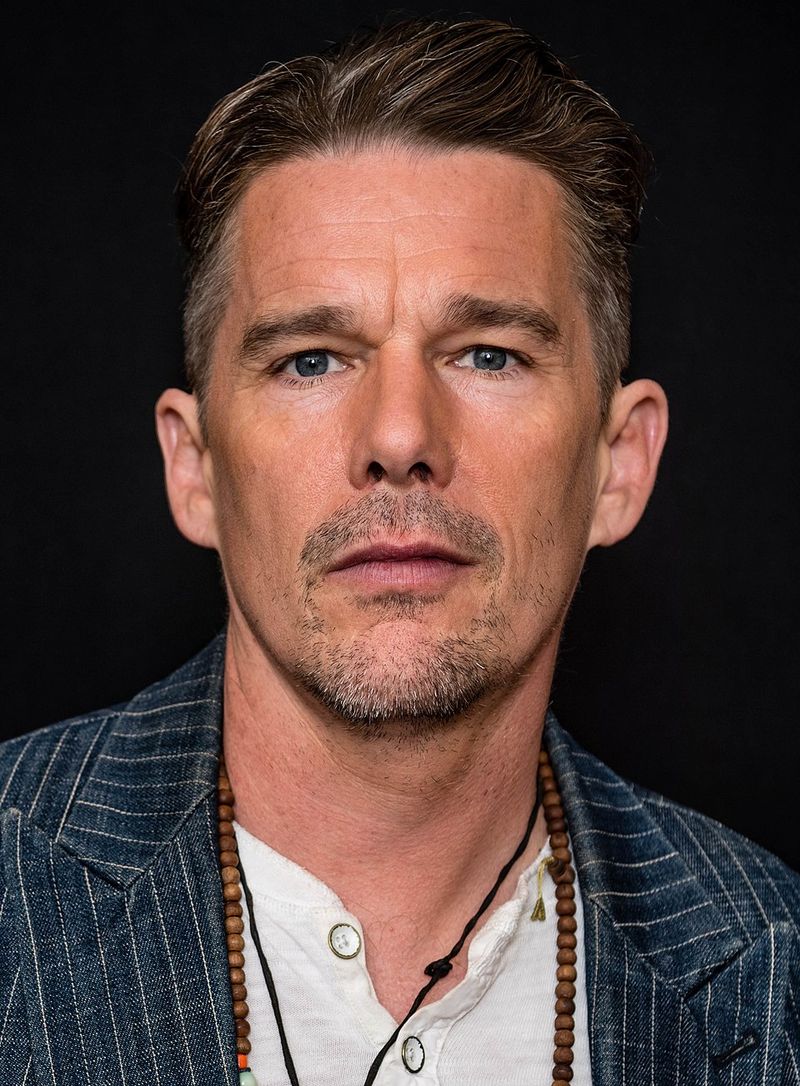
The 2000 film relocated Hamlet to modern Manhattan, reimagining Denmark as a sprawling corporate empire. The prince appears as a film student processing grief through video diaries.
Contemporary settings make Shakespeare’s themes of corruption and revenge feel urgent and relevant.
Laid-back delivery contrasts sharply with traditional theatrical approaches, emphasizing youth and confusion rather than intellectual superiority. Modern technology highlights how surveillance and media shape personal relationships.
Critics praised the bold reinterpretation even when execution felt uneven. The character becomes accessible to audiences who might be intimidated by period costumes and archaic language, making the story feel immediate, relatable, and alive.
9. Mel Gibson
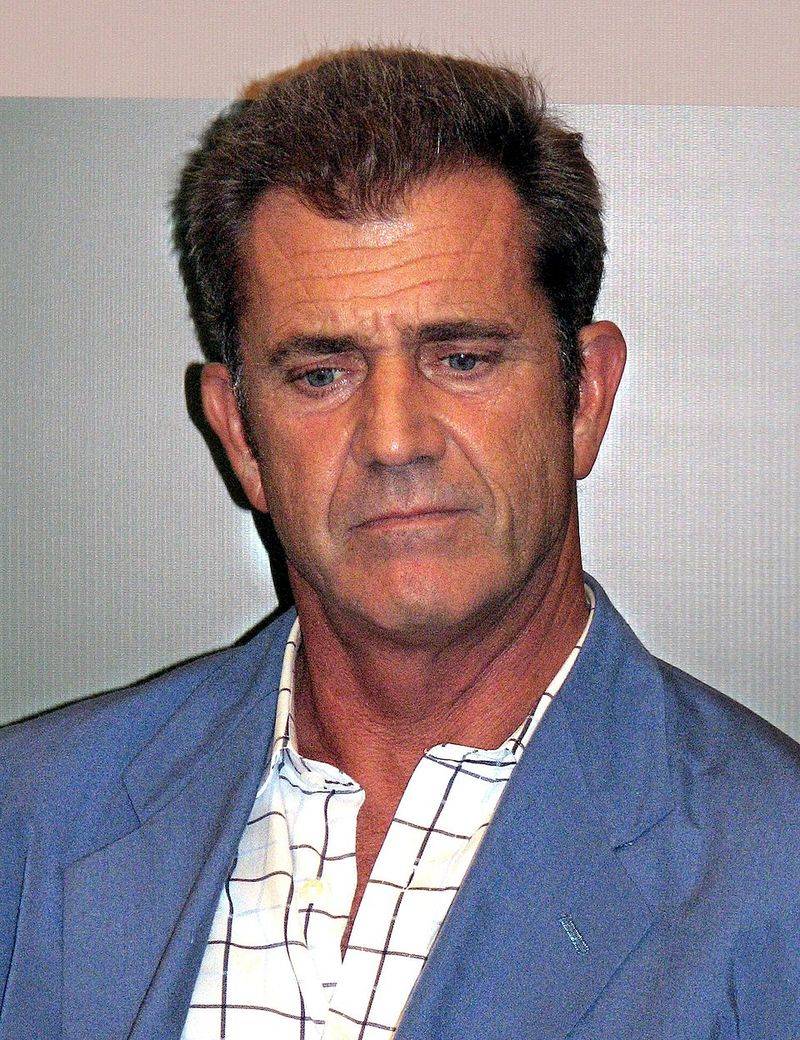
Gibson’s 1990 portrayal emphasized Hamlet as a man of action rather than indecisive philosopher. Coming off his success as an action star, he brought physical intensity to the role.
His interpretation focused on the revenge plot, making the character feel more like a warrior than a scholar.
Director Franco Zeffirelli streamlined the text to highlight dramatic confrontations and emotional moments. Gibson’s chemistry alongside Glenn Close as Gertrude added uncomfortable tension to their scenes.
His performance made Shakespeare accessible to audiences who typically avoided classical films.
Critics debated whether simplifying Hamlet’s complexity served or diminished the character. However, Gibson’s star power introduced countless viewers to Shakespeare for the first time.
His version remains popular for its straightforward storytelling and emotional accessibility.
10. Sarah Bernhardt
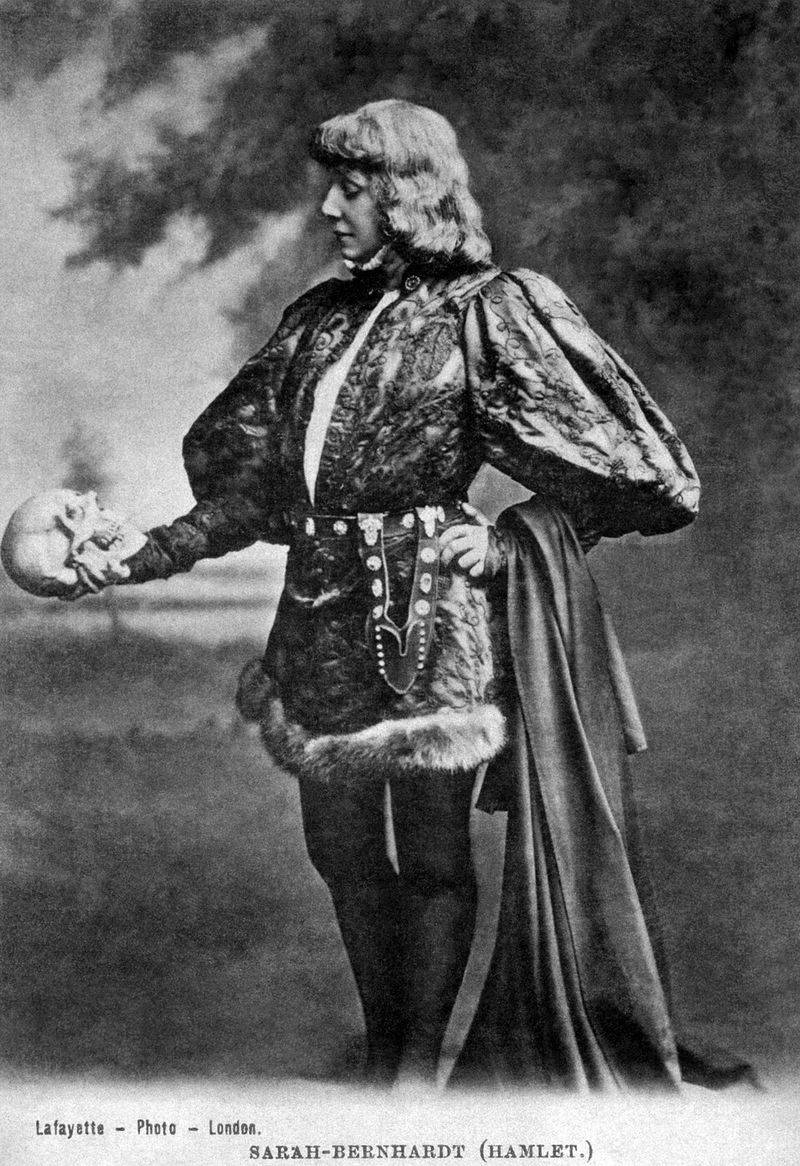
She shattered conventions by playing Hamlet as a woman in the early 20th century. Already considered the greatest actress of her era, Bernhardt tackled Shakespeare’s most demanding male role.
Her performance challenged assumptions about gender and acting ability in ways still resonating today.
At 55 years old, she brought maturity and life experience to the youthful prince. Critics initially skeptical found themselves mesmerized by her emotional depth and vocal control.
Bernhardt proved talent transcends traditional casting limitations.
Her interpretation influenced discussions about gender in theater for decades afterward. Modern productions featuring female Hamlets owe a debt to her pioneering courage.
Bernhardt demonstrated how great roles belong to great actors regardless of gender.