Actors Who Prefer To Skip Their Own Movies Entirely
Watching your own movie might sound like the easiest part of being in one, but plenty of actors seem to find the idea deeply uncomfortable.
For some, it is a matter of self-criticism kicking in too fast. For others, the whole experience feels too artificial or just plain unpleasant once they know every choice they made and every moment they wish had gone differently.
There is something oddly revealing about that kind of refusal.
Audiences see a finished performance, while the actor may still see the long shoot, the bad day, the scene that felt off, or the version they never quite got out of their head.
That gap makes this topic fun to explore, because it turns movie stardom into something much less glamorous and a lot more human.
Disclaimer: This article is intended for general informational and entertainment purposes only. Comments about actors’ viewing habits are based on publicly available interviews and reports, which may reflect personal preferences that change over time.
1. Michelle Williams

Few performers pour their soul into a role quite like Michelle Williams does, which is exactly why she refuses to watch the finished product.
Seeing herself on screen pulls her out of the emotional truth she worked so hard to build. It feels artificial to her, like reading your own diary out loud at a school assembly.
Williams has spoken openly about how self-watching creates unnecessary anxiety. If the performance is already done, why torture yourself replaying it?
She trusts the work, leaves it on set, and moves forward to the next creative challenge.
2. Leonardo DiCaprio
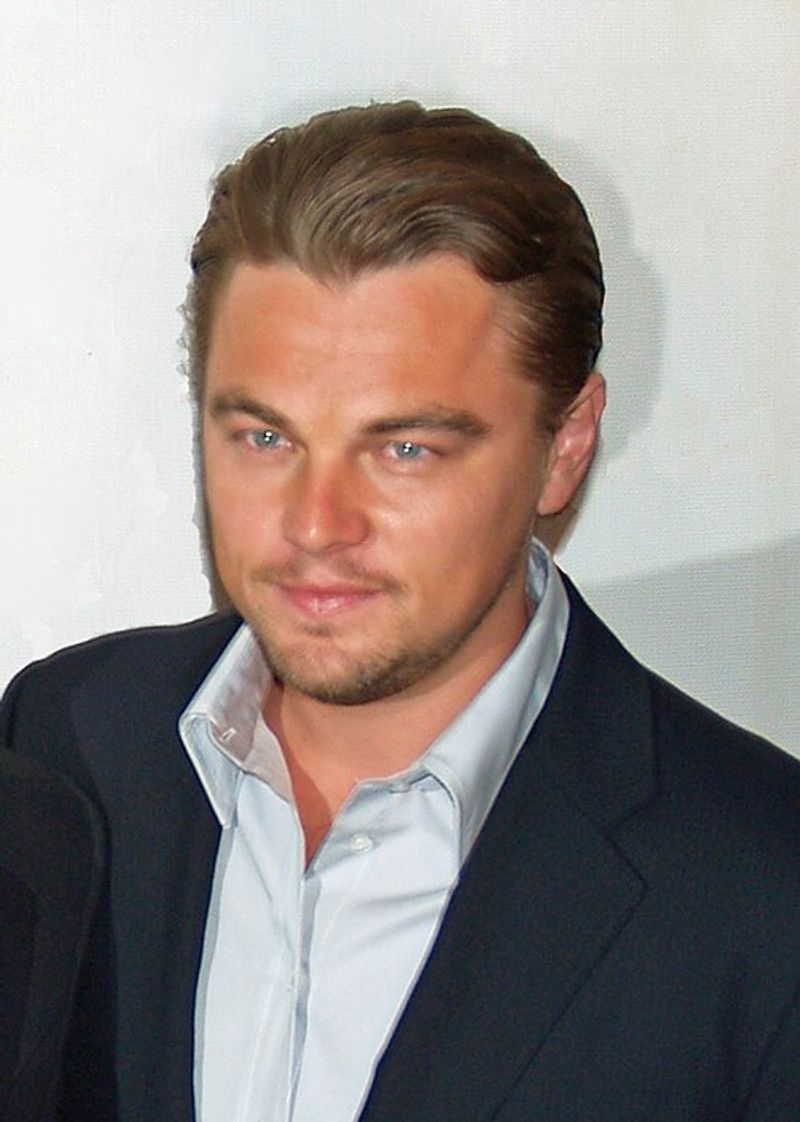
Here is a wild fact: one of the most celebrated actors alive rarely sits through his own films.
Leonardo DiCaprio has openly admitted that watching himself makes him deeply uncomfortable, almost like hearing your own voice on a voicemail and immediately wanting to disappear.
He believes the vulnerability required to act gets magnified tenfold when you watch it back. DiCaprio prefers channeling that energy into preparing for his next role instead.
Honestly, when you have a filmography like his, maybe skipping the reruns is a solid strategy.
3. Tom Hanks
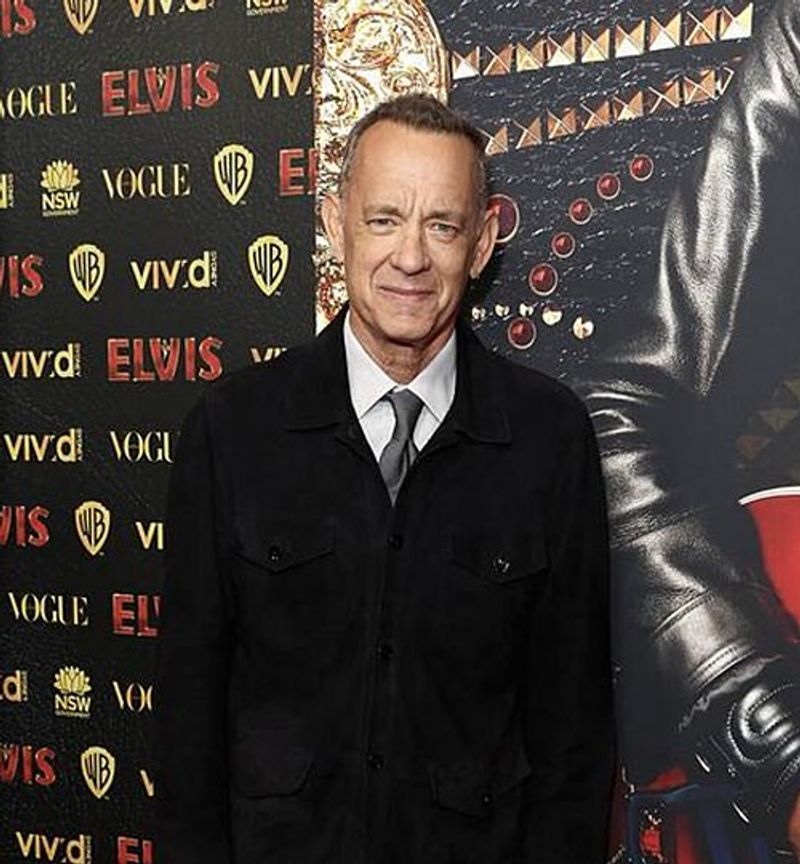
Tom Hanks once called watching his own movies a “horrible mistake,” and honestly, that quote deserves a trophy of its own.
America’s most beloved dad figure on screen would rather focus on what comes next than obsess over what already happened. Forward momentum is his superpower.
Hanks has explained that self-criticism kicks into overdrive the moment he sees himself perform. Every choice feels questionable in hindsight.
However, with two Academy Awards and a career spanning decades, maybe his strategy of looking ahead rather than backward is the real secret to his legendary staying power.
4. Matthew McConaughey
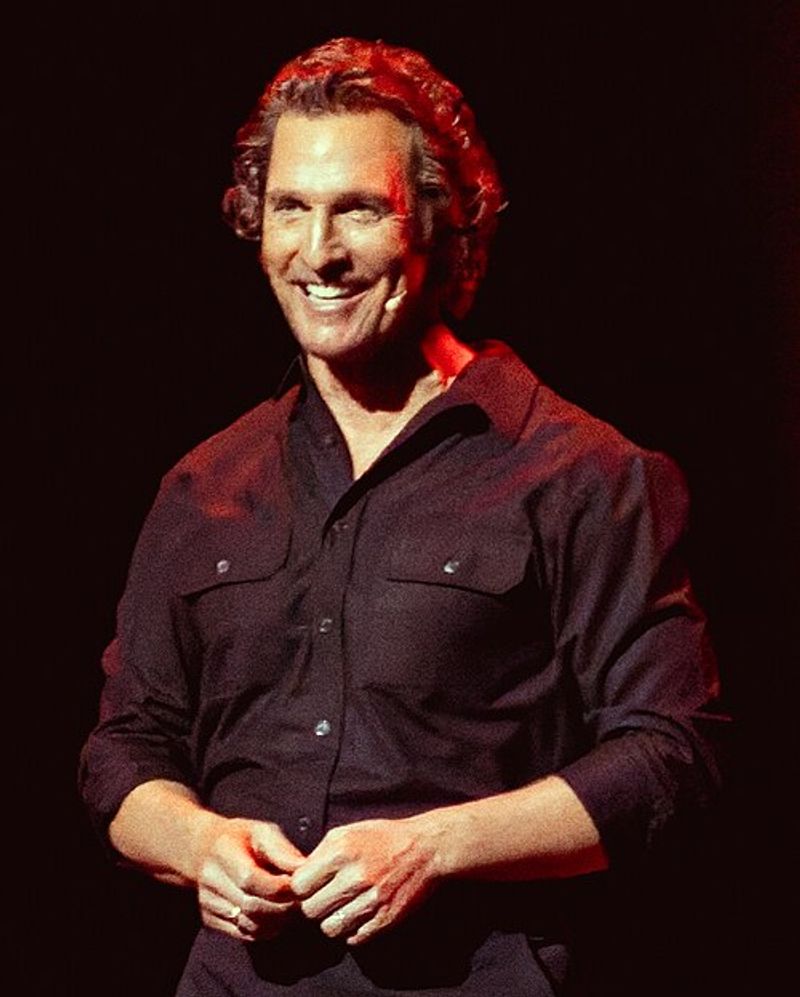
Alright, alright, alright… except when it comes to watching his own performances.
Matthew McConaughey has a surprisingly humble relationship with his work, preferring to experience filmmaking as a journey rather than a destination to rewind and critique.
His philosophy is refreshingly laid-back, which honestly tracks perfectly with his whole vibe.
McConaughey believes that watching yourself invites an internal critic that never fully shuts up. He would rather keep the memory of the experience pure.
For a man who reinvented his entire career during the so-called “McConaissance,” trusting his instincts clearly works wonders.
5. Edward Norton
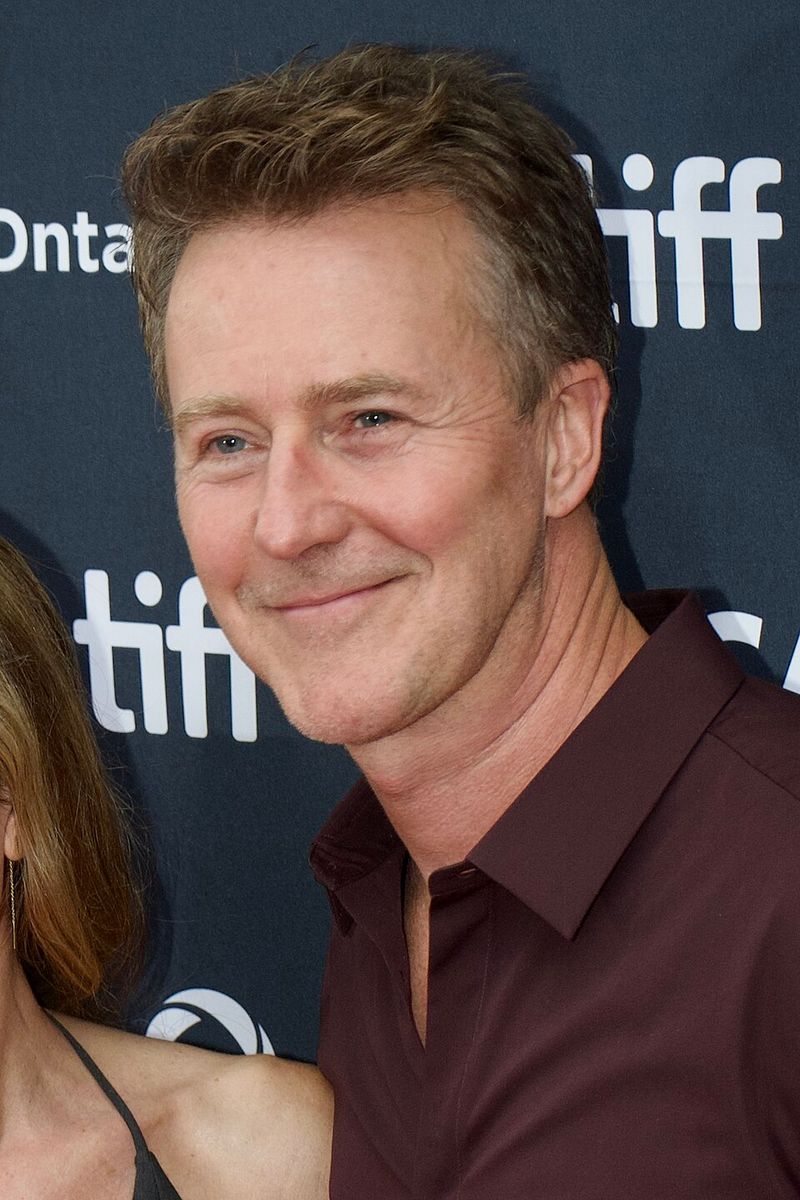
Known for thinking deeply about everything, Edward Norton takes a surprisingly simple approach to watching his own work: no thanks.
Norton has expressed that seeing himself on screen disrupts the internal logic he built for each character. It breaks the spell, basically.
Where most people see a finished film, Norton sees a thousand tiny decisions he might second-guess.
His performances in films like Fight Club and American History X are legendary precisely because he committed fully without looking back. That philosophy extends well beyond the editing room, apparently.
6. Michael Keaton

Michael Keaton played Batman twice and still does not want to sit in a theater and watch himself do it. If that is not the most gloriously unbothered energy you have ever heard, what is?
Keaton has long maintained a healthy distance from his finished films, preferring to keep the experience of making them separate from the business of watching them.
He finds self-analysis through screen-watching counterproductive to staying present as a performer.
Keaton’s ability to disappear completely into roles, from Beetlejuice to Birdman, suggests his no-replay policy might be the secret ingredient all along.
7. Keira Knightley
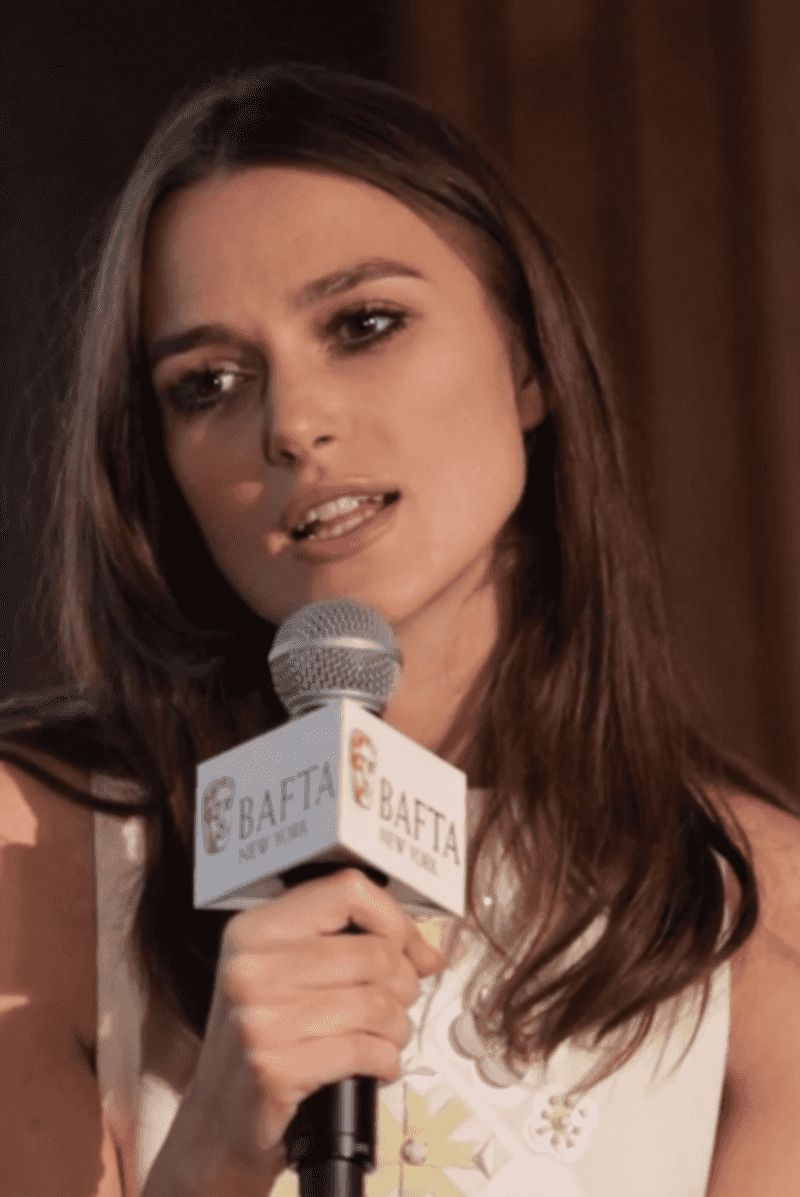
Refreshingly candid, Keira Knightley has explained that she avoids watching her own work because she finds it genuinely painful.
Not in a dramatic way, but in the deeply human way that most people feel when they hear themselves on a recording and immediately want to evaporate into the floor.
Knightley has specifically mentioned that seeing herself on screen triggers intense self-criticism that can linger long after the credits roll.
How does she cope? She focuses on the storytelling process itself rather than the polished product.
8. Robert Pattinson

Describing it as one of the most uncomfortable experiences imaginable, Robert Pattinson finds watching himself act especially challenging – a statement that carries weight from someone who spent years being chased by Twilight fans worldwide.
His discomfort is not false modesty either; Pattinson genuinely struggles to separate his critical brain from the emotional experience of viewing his own work.
He has admitted to covering his eyes or leaving the room during screenings of his own films.
Though his career choices since Twilight have been brilliantly daring and critically praised, Pattinson still prefers to keep his performances as living memories rather than frozen images to dissect.
9. Aunjanue Ellis-Taylor

Aunjanue Ellis-Taylor brings an extraordinary emotional depth to every role she takes on, which might explain why watching those performances back feels so exposing to her.
Putting raw vulnerability on film and then rewatching it is a bit like opening a time capsule of your most intense feelings. Not everyone wants to do that over popcorn.
Ellis-Taylor has spoken about how the creative act itself is where the real reward lives for her. Once a film wraps, her energy moves forward.
Her stunning work in King Richard proved that skipping the replay does absolutely nothing to diminish the brilliance of the performance itself.
10. Adam Driver

Coming straight from a theater background, Adam Driver approaches acting as a live, collaborative art form rather than a product to be reviewed afterward.
Watching himself on screen feels like reading stage notes after the curtain has already fallen; useful to some, but deeply distracting to him personally.
Driver has mentioned that self-viewing pulls his focus away from the relational, present-tense energy that makes his performances so magnetic.
His work in Marriage Story and The Force Awakens earned massive critical praise, yet he likely never sat through either film himself.
11. Daniel Radcliffe
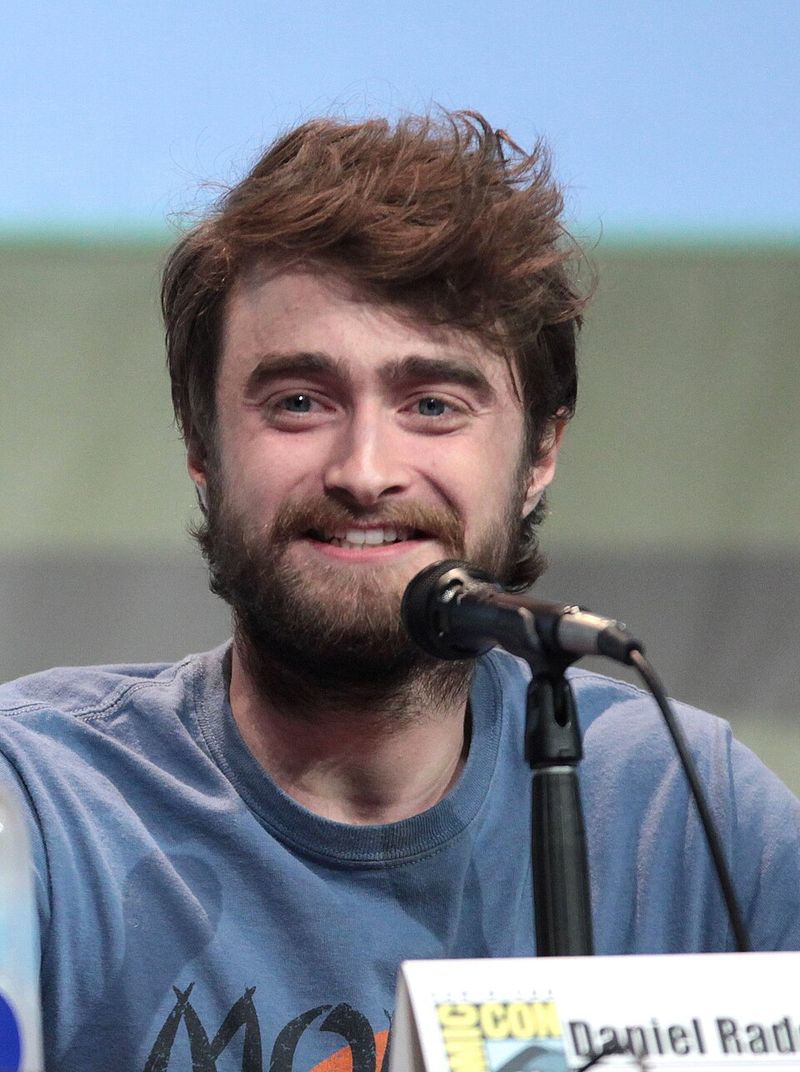
If you grew up watching Harry Potter, it might shock you to learn that Daniel Radcliffe himself largely skipped the series.
Watching himself age on screen from age eleven onward sounds like a magical experience, but Radcliffe has described it as something closer to watching home videos you never asked to see.
However, Radcliffe has been more open than most about the specific awkwardness of child actors watching their early work. He has noted that his voice, mannerisms, and choices feel foreign to him now.
12. Eric Roberts
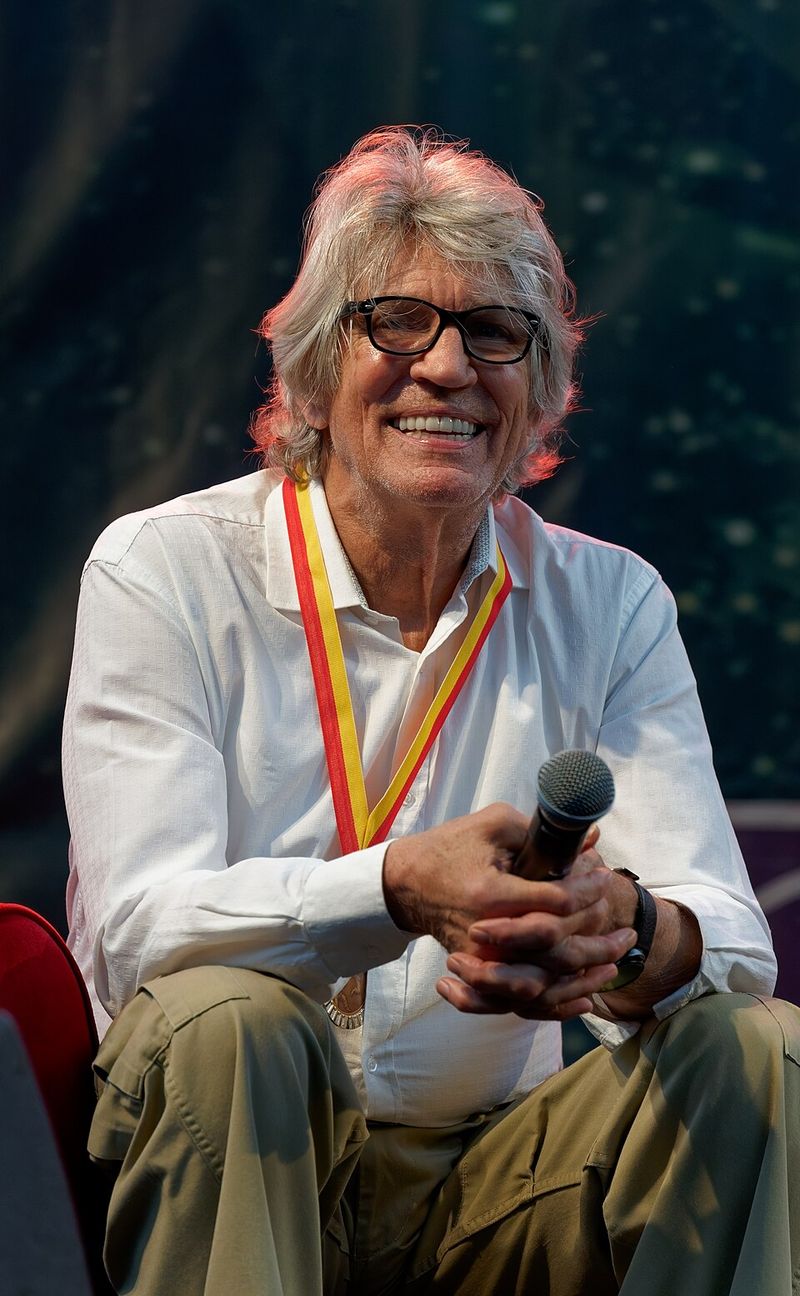
Eric Roberts has one of the most prolific filmographies in Hollywood history, with hundreds of credits to his name across decades of work.
Yet despite that extraordinary output, Roberts has expressed a clear preference for staying off his own couch when his movies air.
When you have starred in that many productions, maybe the sheer volume alone makes rewatching feel like homework.
Roberts has talked about how the creative process is his true passion, not the finished film. Each role is a separate chapter he writes and then closes.