10 Actors Who Played Two Standout TV Characters
Some actors are so good you watch them in one role and think, “Yep, that’s them forever” – then they step into another character and completely erase your memory of the first.
It’s time to revisit the TV roles that proved some actors are simply impossible to forget.
1. Bryan Cranston – Hal (Malcolm In The Middle) & Walter White (Breaking Bad)
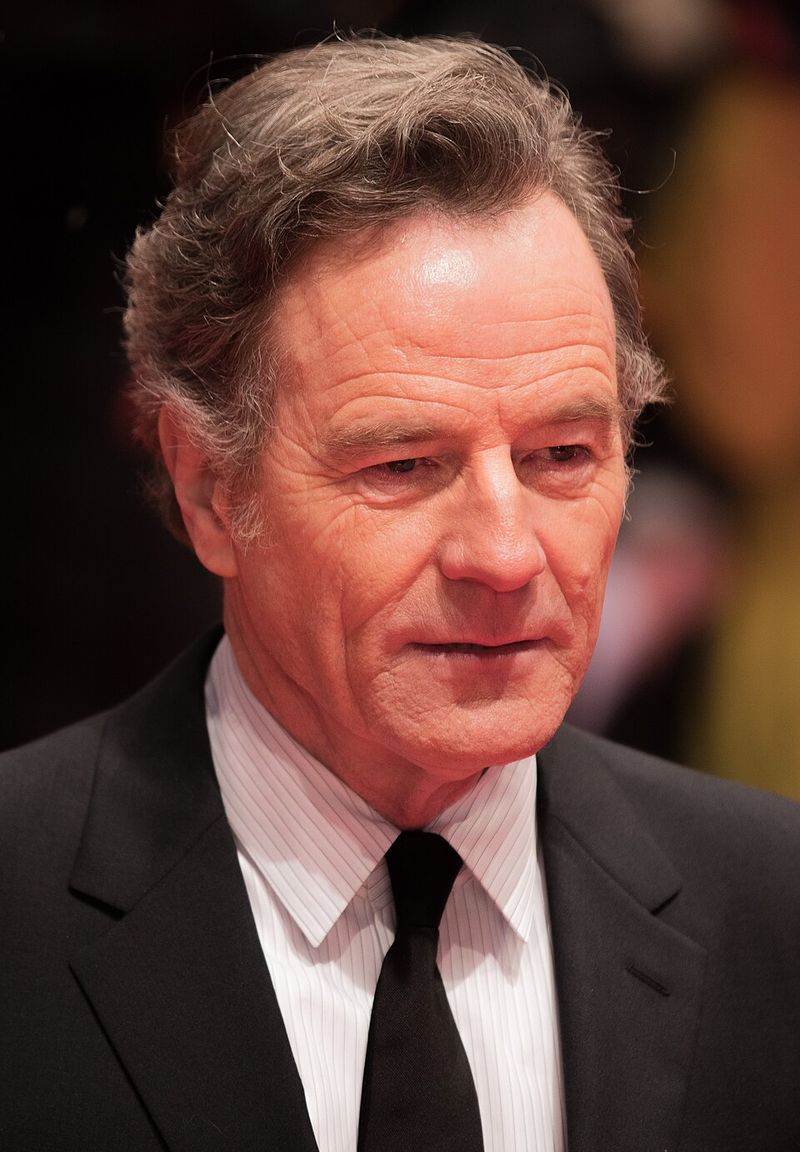
Wild contrast sits at the center of Bryan Cranston’s career: one decade featured a goofy sitcom dad, and the next introduced one of television’s most intimidating antiheroes. Bryan Cranston’s leap from Hal to Walter White became one of television’s most startling transformations.
Audiences who once laughed at Hal later watched Walter White become the center of one of television’s darkest character arcs.
He did more than switch roles. He reshaped expectations for television acting.
2. Julia Louis-Dreyfus – Elaine Benes (Seinfeld) & Selina Meyer (Veep)
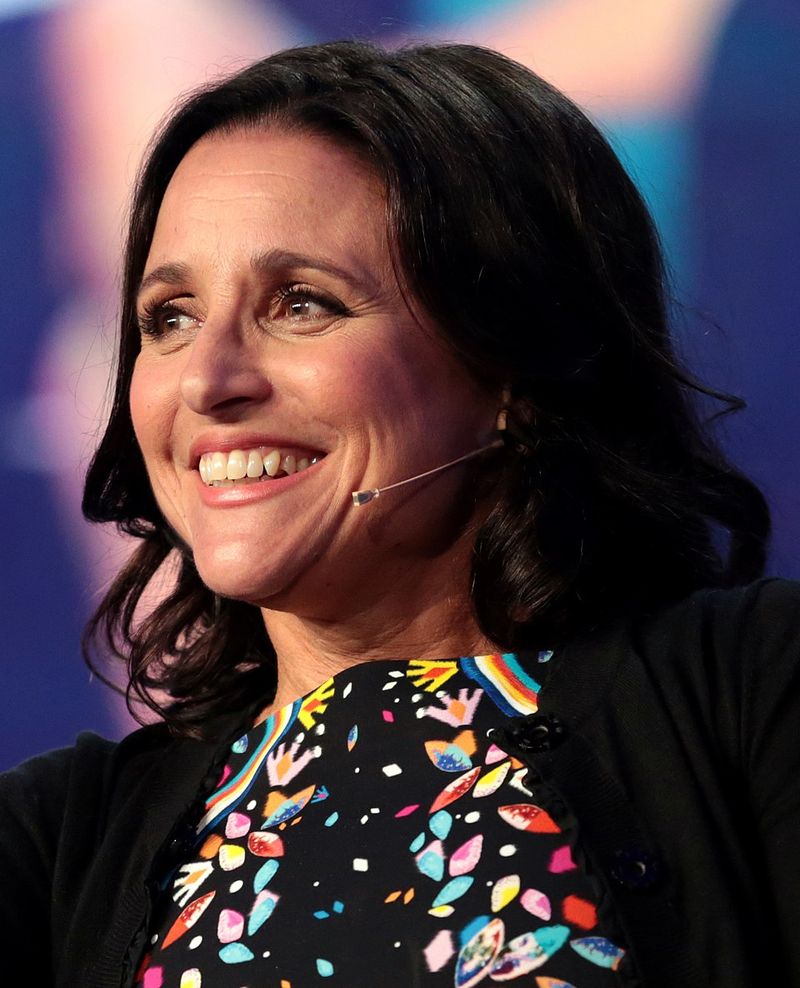
Nobody does exasperated quite like Julia Louis-Dreyfus, and television has been richer for it twice over.
Elaine Benes gave us the eye-roll and the legendary dance. Selina Meyer gave us the meltdown and the magnificent insult.
Both characters ran on ambition, bad luck, and razor-sharp timing. She’s basically the queen of the cringe comedy throne, and the crown fits perfectly.
3. Ted Danson – Sam Malone (Cheers) & Michael (The Good Place)

Television audiences first met Ted Danson behind the bar on Cheers in 1982, and Sam Malone quickly became one of the most memorable characters of the decade.
Charming, flawed, and endlessly watchable, Sam anchored countless stories in that Boston bar. Years later, Danson returned to television as Michael on The Good Place, an otherworldly architect whose unexpected warmth gave the character surprising depth.
A journey that stretches from a neighborhood sports bar to the afterlife demands real range, and both worlds ended up feeling strangely comfortable with him around.
4. Kelsey Grammer – Dr. Frasier Crane (Cheers/Frasier) & Tom Kane (Boss)

Nearly two decades of television featured Frasier Crane offering unsolicited advice across Seattle airwaves, and audiences adored every pompous moment. When Kelsey Grammer vanished into Tom Kane, a hard-edged Chicago mayor hiding a degenerative illness behind a controlled public image, the story took a dramatic turn.
Few tonal shifts on television have landed with such force.
One character calmly sipped sherry beside a fireplace. Another carried a far more dangerous kind of authority.
5. Jason Bateman – Michael Bluth (Arrested Development) & Marty Byrde (Ozark)
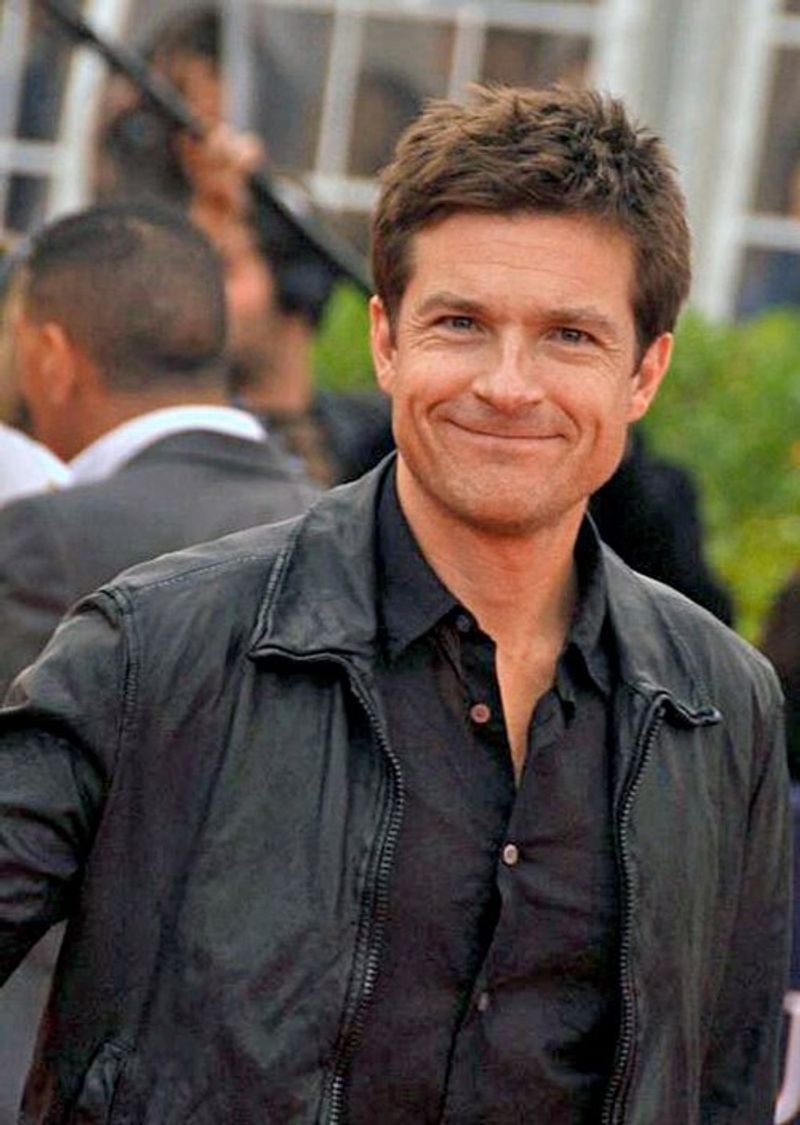
Keeping a straight face while everything collapsed around him became Jason Bateman’s specialty, and he pulled it off twice on completely different shows.
On Arrested Development, Michael Bluth dealt with a hilariously selfish family using patience so restrained it almost disappeared.
Across Ozark, Marty Byrde faced mounting pressure, criminal networks, and constant risk with that same controlled expression, only now survival sat at the center of every decision.
6. Tony Shalhoub – Adrian Monk (Monk) & Abe Weissman (The Marvelous Mrs. Maisel)
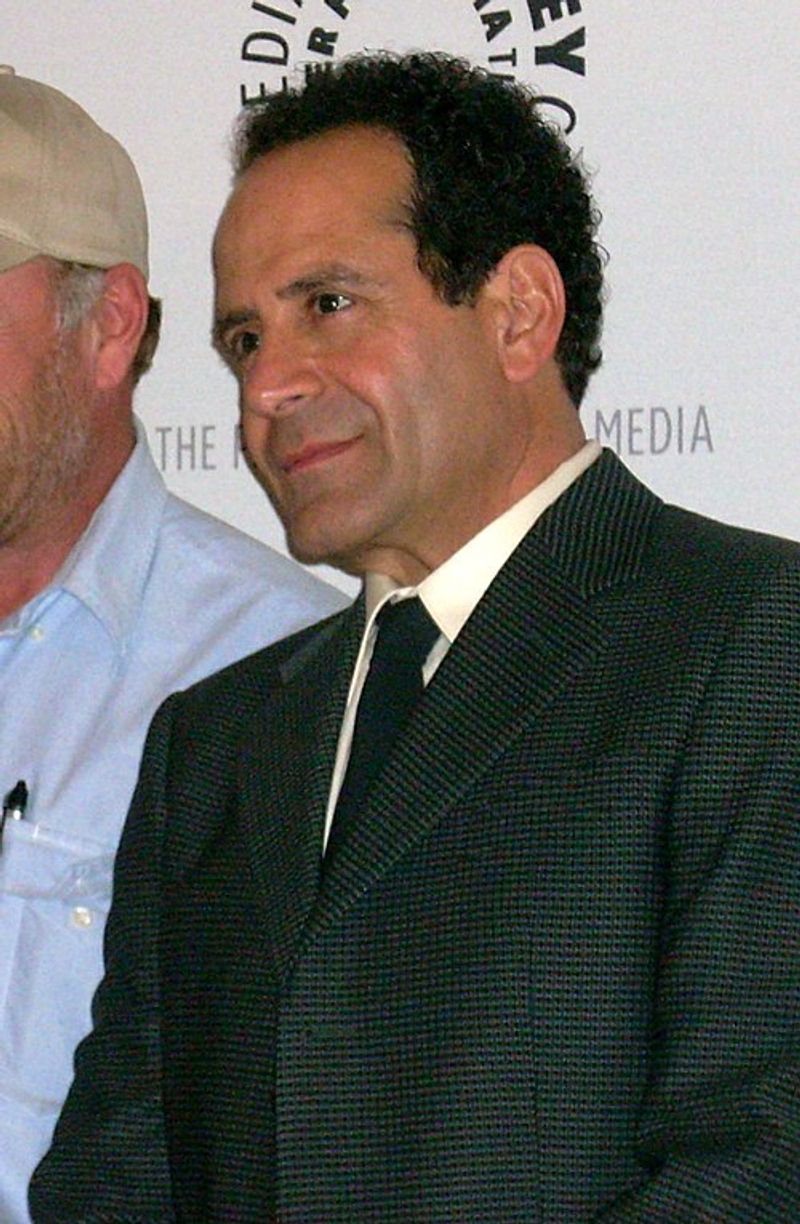
Careful step counting, relentless germ avoidance, and razor-sharp deductive instincts defined Adrian Monk, whose obsessive brilliance made every case impossible to look away from.
Years later, Tony Shalhoub returned as Abe Weissman, a Columbia professor who became a proud comedy groupie and greeted his daughter’s ambitions with warmth and cheerful confusion.
Both roles demanded remarkable nuance. Monk approached life with constant fear of the world.
Abe simply wanted a great deli sandwich and a front-row seat.
7. Walton Goggins – Boyd Crowder (Justified) & Baby Billy Freeman (The Righteous Gemstones)
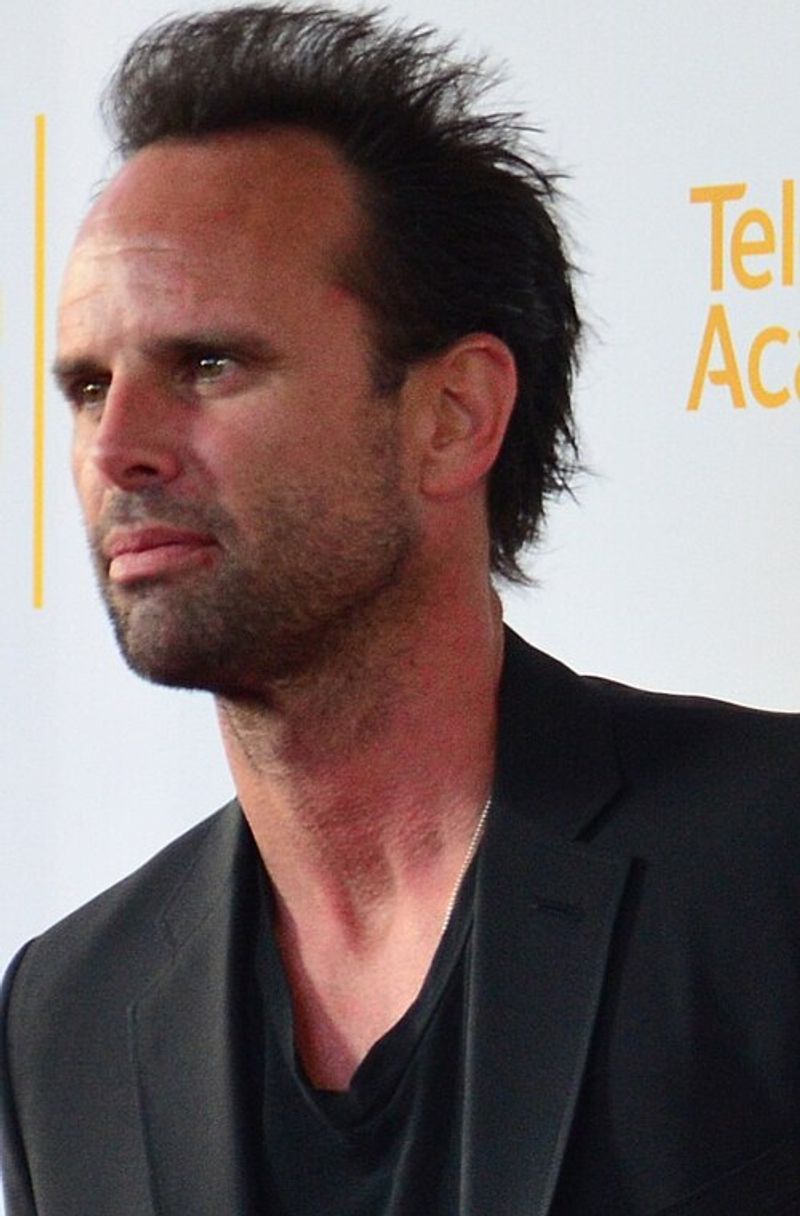
Scripture could roll off Boyd Crowder’s tongue right before a threat, and somehow the performance still made audiences root for him.
Sequins, wild ambition, and pure chaos define Baby Billy Freeman, a character who lands somewhere between gospel showman and charming con artist.
Southern storytelling finds perfect rhythm in Walton Goggins’ performances, played with the confidence of someone who understands every note. Both figures feel like visitors from a fever dream, yet neither stays long enough to wear out the welcome.
8. David Tennant – The Tenth Doctor (Doctor Who) & DI Alec Hardy (Broadchurch)
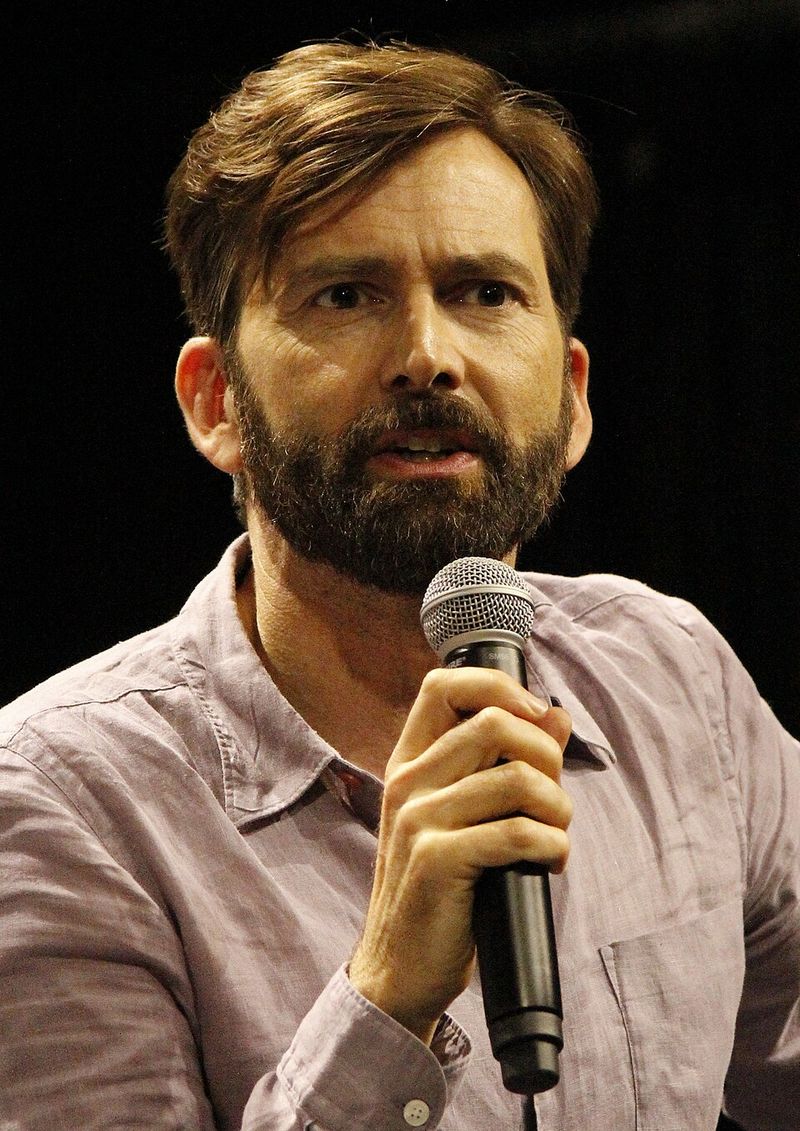
Arrival of the Tenth Doctor came with a sonic screwdriver and a grin bright enough to light up a galaxy.
Later, David Tennant swapped the TARDIS for a bleak coastal crime investigation while portraying DI Alec Hardy, a man held together by stubbornness and very little sleep. Distance between those performances shows remarkable emotional range.
9. Gillian Anderson – Dana Scully (The X-Files) & Margaret Thatcher (The Crown)
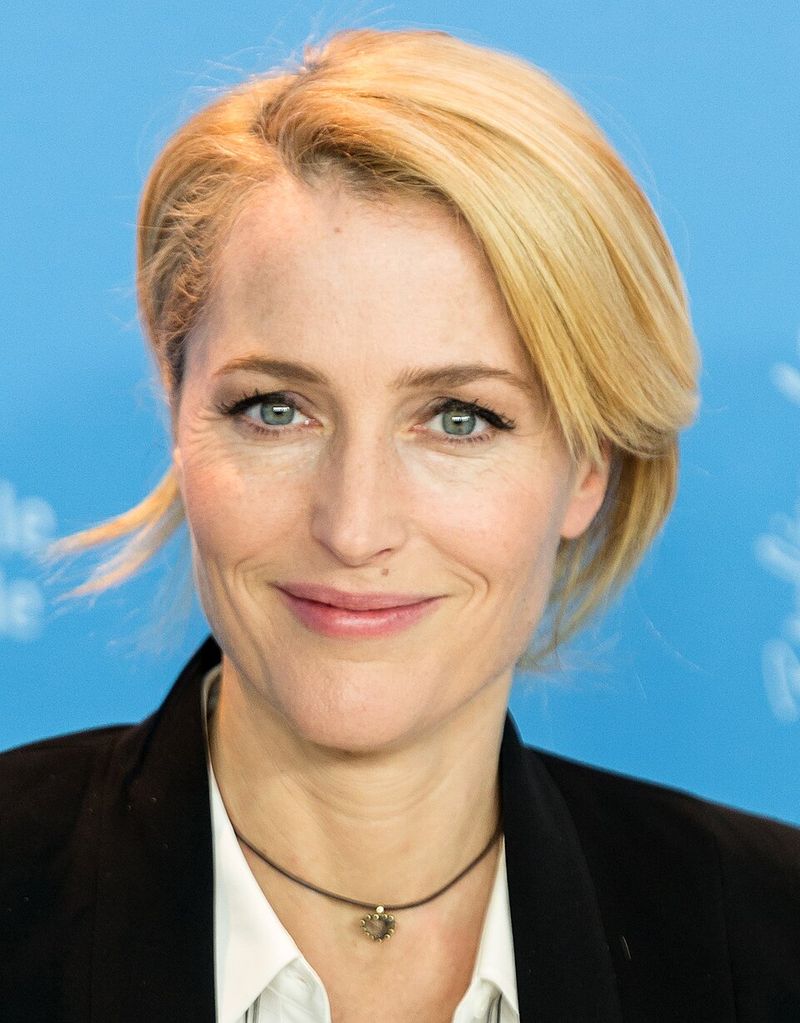
Cool scientific precision defined Dana Scully as she spent years investigating the unexplained, turning the character into one of television’s most influential portrayals of a female investigator.
Decades later, a transformation into Margaret Thatcher revealed Gillian Anderson in an entirely different light, delivering a performance so controlled and commanding that critics once again took notice.
Range like that stretches easily from alien conspiracies to 10 Downing Street, with both characters carrying the unmistakable authority of the smartest person in the room.
10. Jean Smart – Charlene Frazier Stillfield (Designing Women) & Deborah Vance (Hacks)

Charlene from Designing Women was sweet, wide-eyed, and quotably lovable in that perfectly 1980s way.
Fast forward to Hacks, and Jean Smart is absolutely electric as Deborah Vance, a legendary comedian refusing to fade gracefully into retirement. The character crackles with wit, vulnerability, and hard-won confidence.
Smart didn’t just have a second act. She headlined an entire sold-out second season of herself.
Important: This article is based on publicly available cast credits, series histories, and the lasting reputation of notable television performances.
Judgments about which roles count as standout pairings are editorial in nature and reflect a mix of cultural impact, critical regard, and audience memory.