13 Actors Who Went Deep Into Movie Roles
Some actors walk onto a set, deliver their lines, and call it a day.
Then there are those rare performers who vanish entirely into a role, so convincingly that even their co-stars start whispering, “Wait, who is this person again?”
Their dedication left audiences stunned and reminded everyone that true acting isn’t just performance, it’s a full-on transformation.
1. Robert De Niro – Raging Bull (1980)
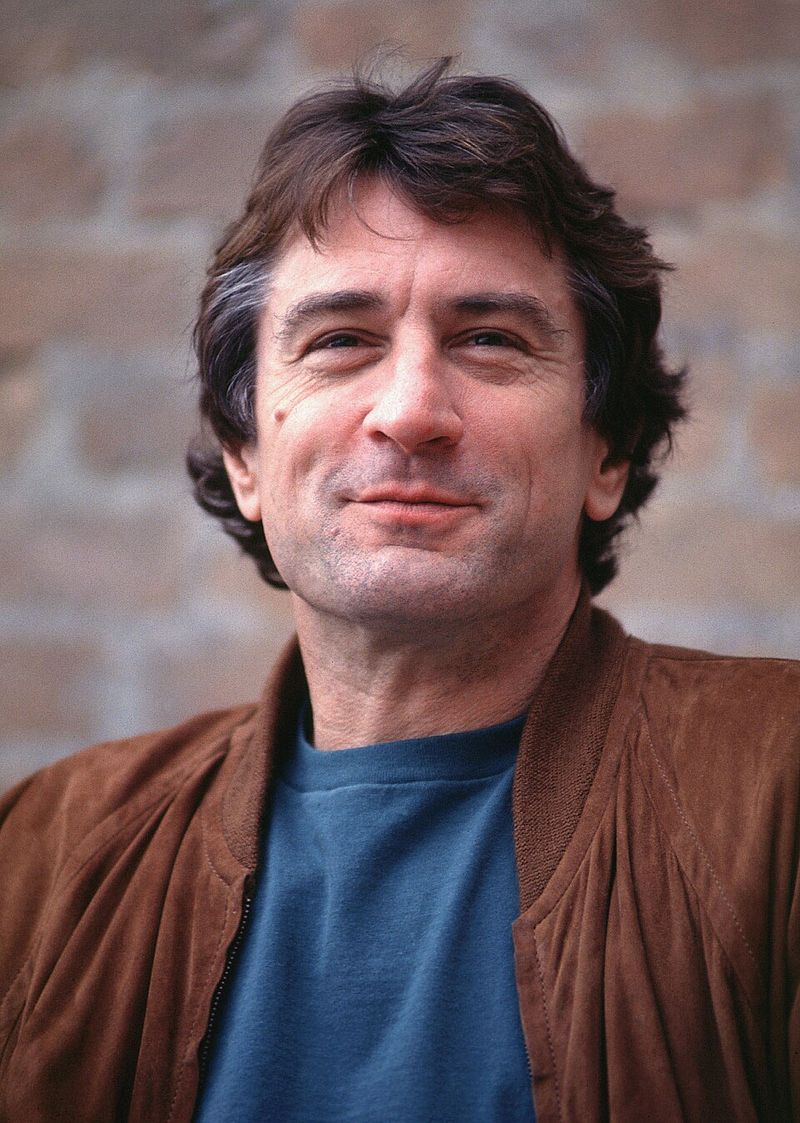
Training alongside Jake LaMotta, De Niro learned to box so convincingly that LaMotta said he could have fought professionally.
Then came the quieter, heavier chapter. He gained roughly 60 pounds to play the older LaMotta, letting the weight tell the story without a single word.
That two-phase physical commitment remains one of cinema’s most famous transformations.
2. Christian Bale – The Machinist (2004)
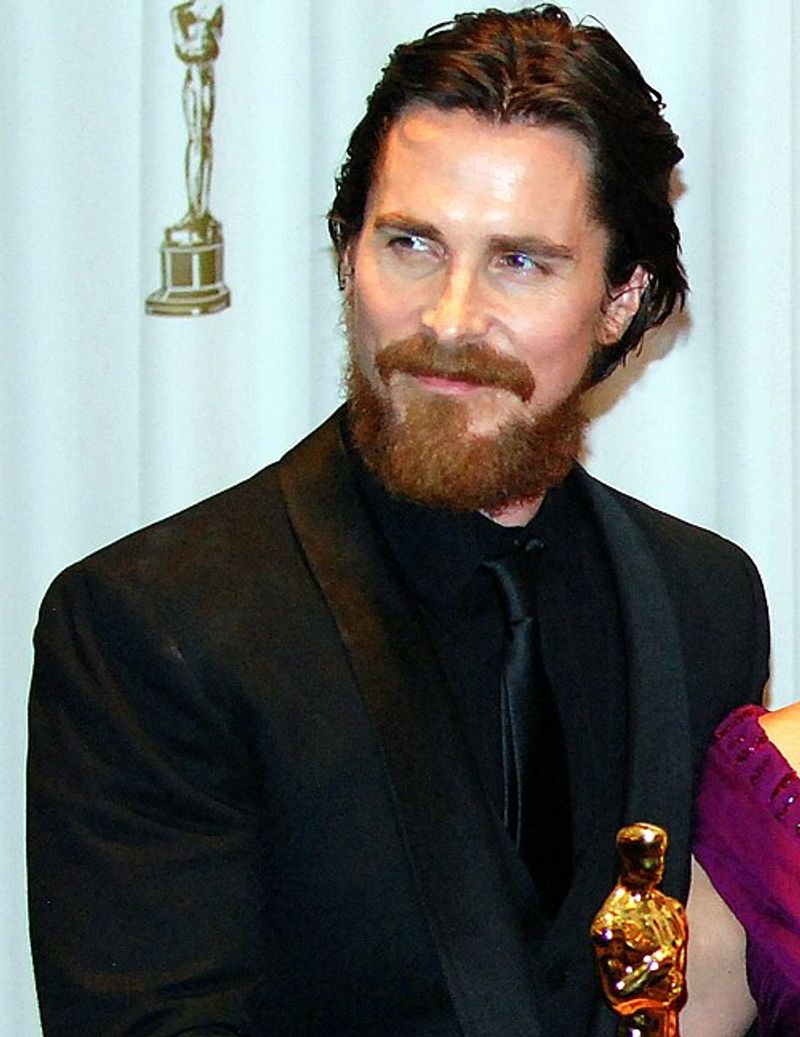
Christian Bale lost about 63 pounds for his role as Trevor Reznik in The Machinist. Severe weight loss created the hollow, sleepless figure audiences see on screen.
No costume trick or camera illusion shaped that unsettling silhouette.
Uncomfortable dedication turned the performance into something viewers rarely forget.
3. Charlize Theron – Monster (2003)

Radical transformation greeted audiences when Charlize Theron stepped on set looking nothing like her familiar screen image.
About 30 extra pounds, shaved eyebrows, and prosthetic teeth slowly built the figure of Aileen Wuornos from the outside in.
Physical changes pushed the performance toward a raw honesty that felt closer to documentary than drama. Academy voters eventually confirmed what viewers already knew.
Oscar night ended with the award going exactly where most people expected.
4. Daniel Day-Lewis – My Left Foot (1989)
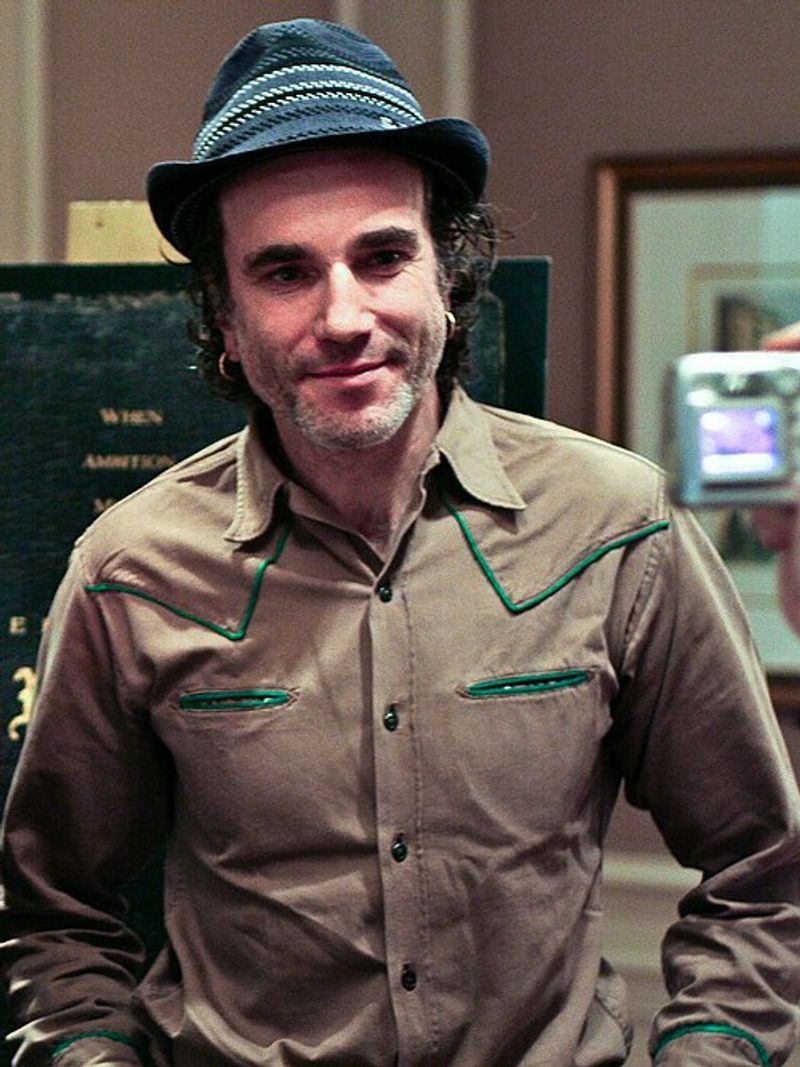
Between takes, Daniel Day-Lewis remained in the wheelchair while portraying Christy Brown in My Left Foot.
Standing up, stretching, or casually stepping away never happened during filming. Crew members assisted with meals and movement to maintain the physical reality of Brown’s condition.
It is still up for dispute today, but that degree of absorption stretched the line between performance and real experience.
5. Natalie Portman – Black Swan (2010)

Ballet training, swimming laps, and cross-training sessions stacked up hour after hour as filming approached.
Portman took on an intense training schedule that included ballet, swimming, and cross-training for months. The physical toll showed in every frame, giving Nina’s obsession a texture that no shortcut could replicate.
Watching her unravel on screen felt genuinely frightening.
6. Adrien Brody – The Pianist (2002)
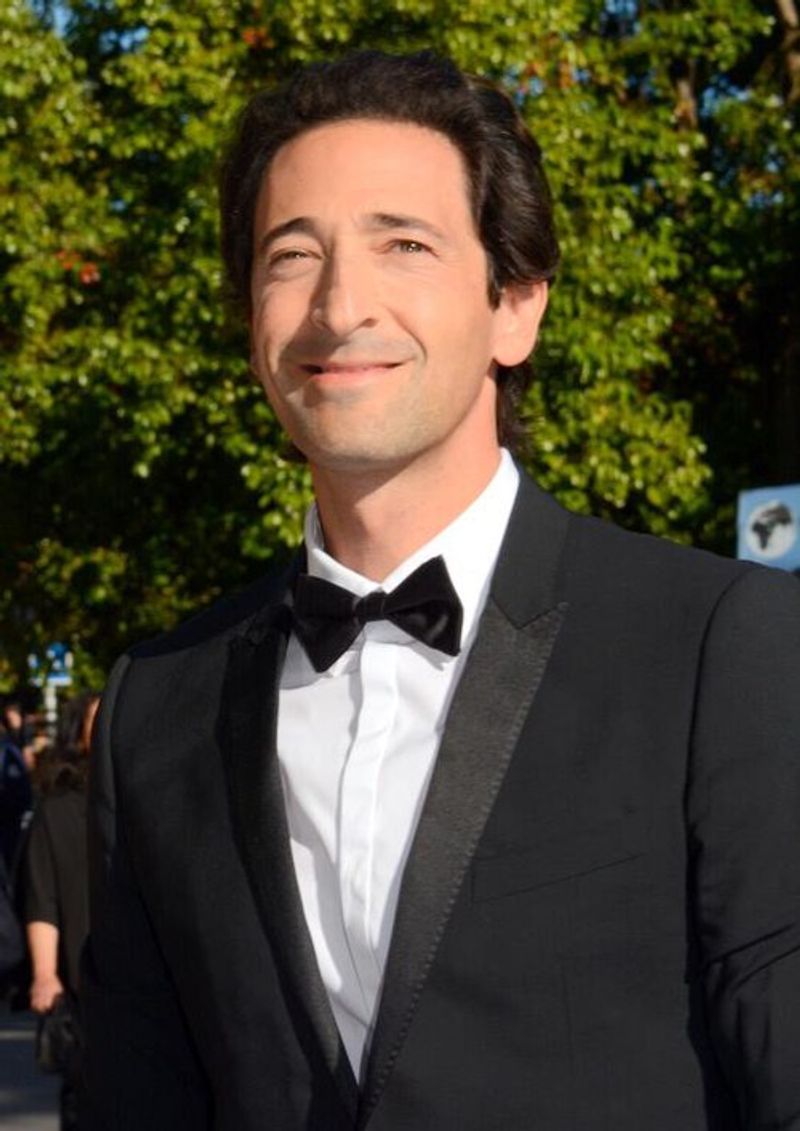
Isolation began long before filming when Adrien Brody gave up his apartment, sold his car, and stepped away from modern life. Daily piano practice stretched to four hours, slowly shaping his hands for the role.
In order to play the part, he also dropped weight.
That sparse, quiet routine added a fragile authenticity to Władysław Szpilman’s survival story. Oscar voters eventually recognized the depth of the transformation with the Academy Award.
7. Joaquin Phoenix – Joker (2019)
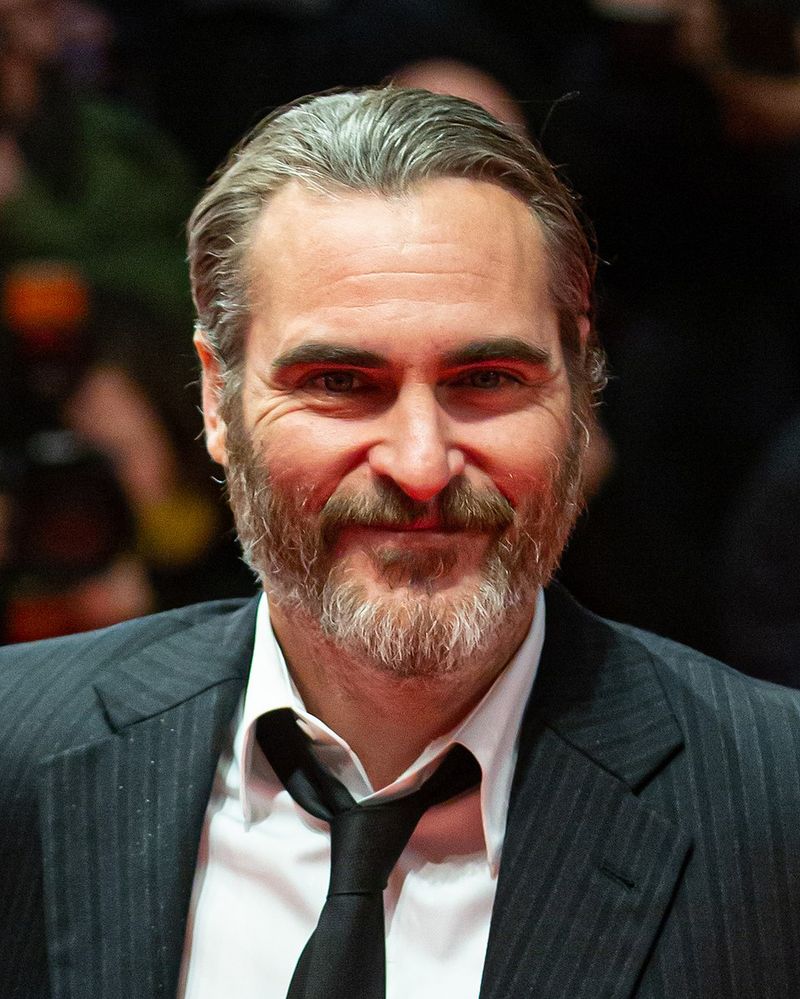
Fifty-two pounds lighter, Phoenix moved through Gotham’s grimy stairwells like a man whose body had turned against him.
The weight loss was not just a number. It shaped Arthur Fleck’s hunched walk, his labored laugh, and the way clothing hung off him like borrowed skin.
Because of such physique, the character seemed exceptionally vulnerable and vulnerable.
8. Matthew McConaughey – Dallas Buyers Club (2013)
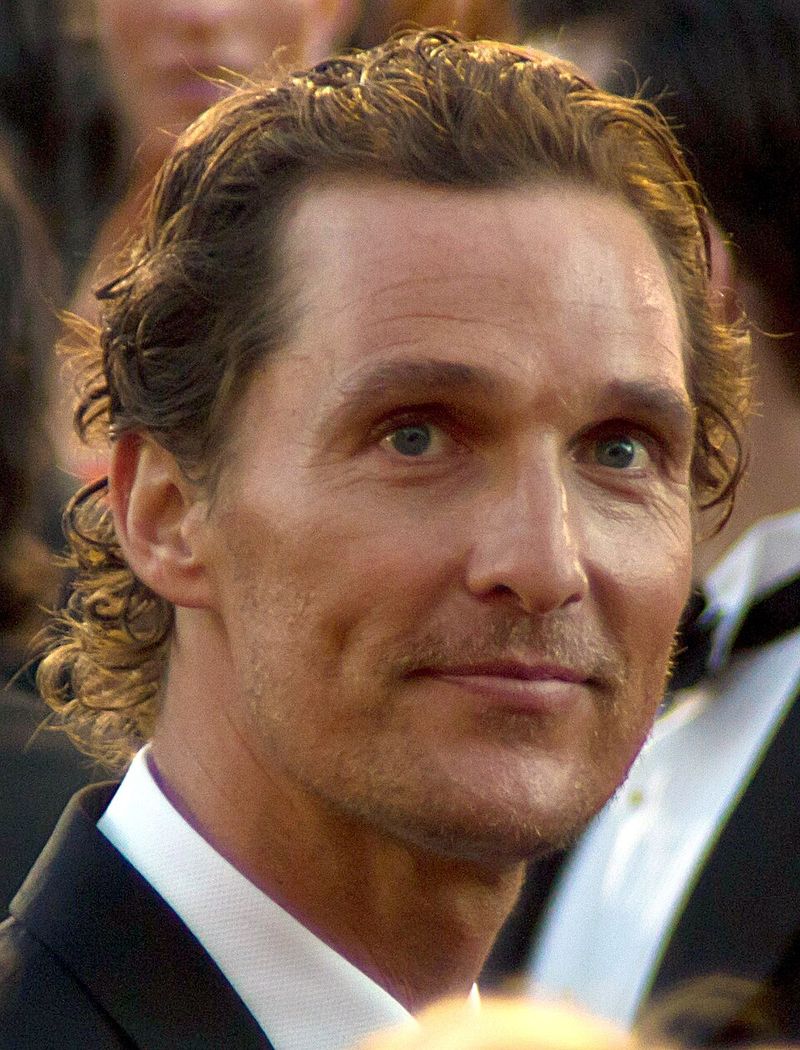
Nearly forty-seven pounds disappeared before Matthew McConaughey stepped in front of the camera for Dallas Buyers Club.
The physical change helped convey Ron Woodroof’s declining health without relying heavily on prosthetics.
Such a transformation reshaped how many viewers understood an actor once linked mostly with laid-back charm and beachside roles. Familiar smile remained, yet the man on screen felt completely different.
9. Anne Hathaway – Les Misérables (2012)
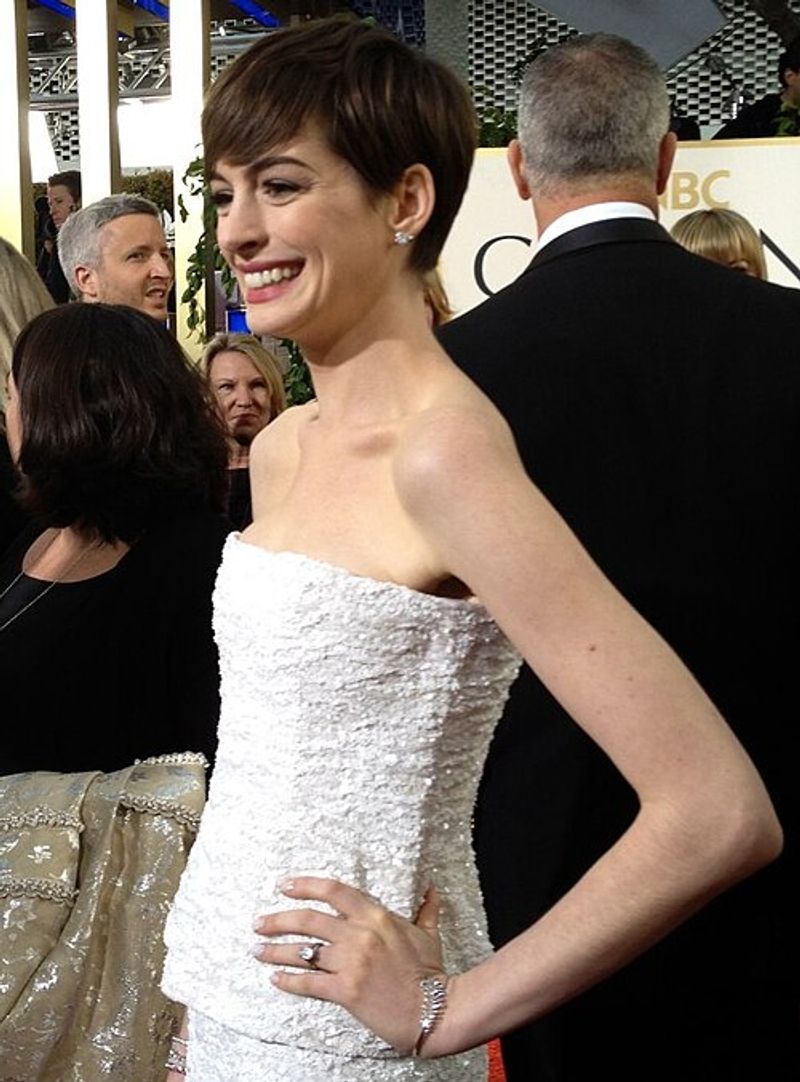
For the part, Anne Hathaway shed twenty-five pounds and consented to get her hair chopped on camera. On camera, Anne Hathaway allowed Fantine’s hair to be cut for real, and the atmosphere in the room changed instantly.
Instead of lip-syncing, she sang every line live during filming. Raw, cracked notes were captured exactly as they happened.
Watching the performance felt less like a scene and more like witnessing something deeply private.
10. Leonardo DiCaprio – The Revenant (2015)
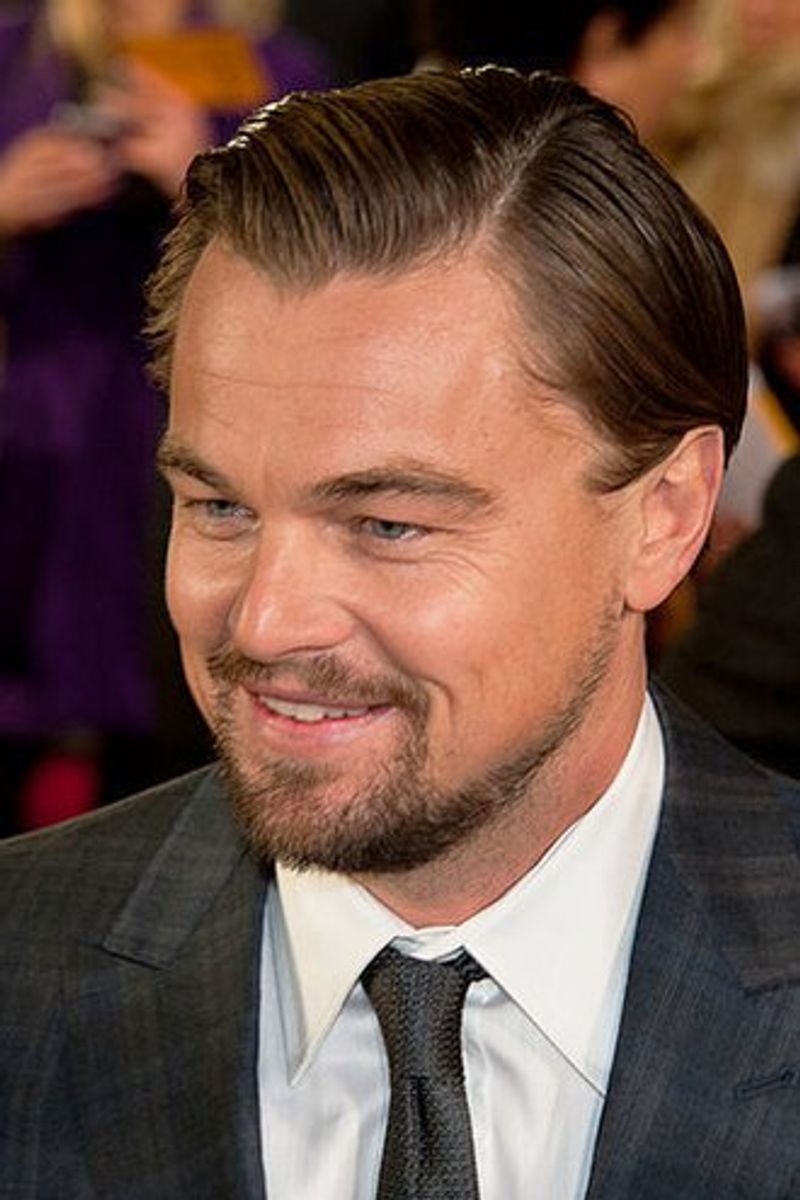
Raw bison liver appeared on camera when Leonardo DiCaprio chose authenticity while portraying Hugh Glass in The Revenant. Decision reflected a commitment to realism rather than a simple on-set stunt.
Production embraced brutal weather, natural lighting, and long outdoor shoots in freezing locations.
DiCaprio later described the project as the hardest film he had ever made, and the finished performance carries that weight.
11. Hilary Swank – Boys Don’t Cry (1999)
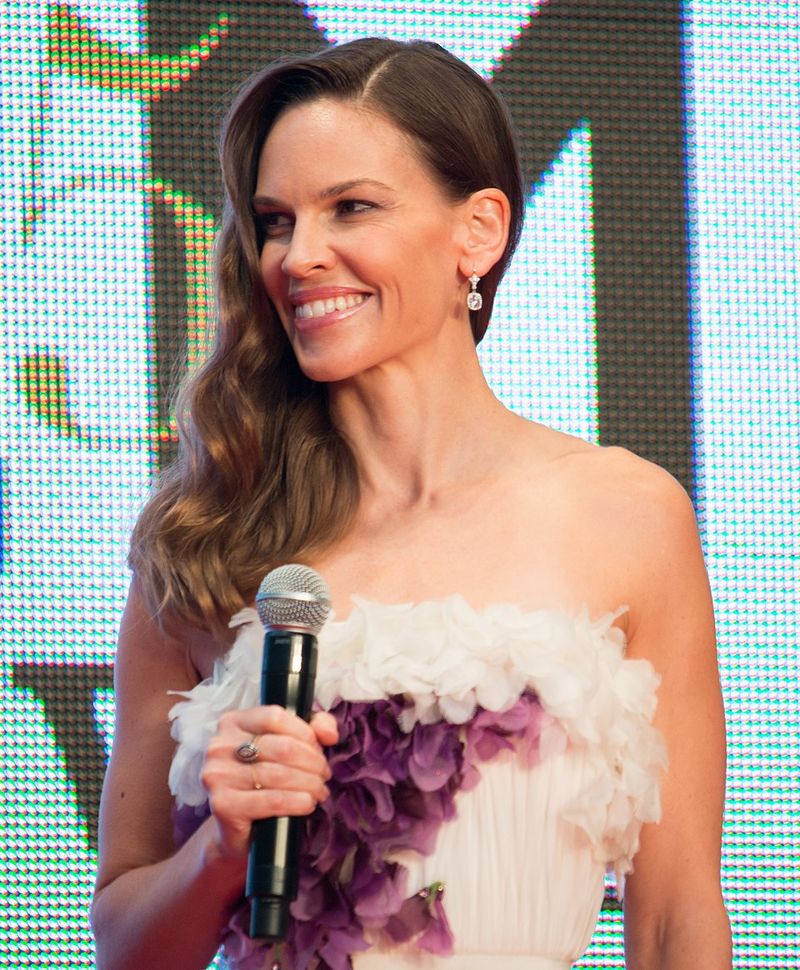
For about a month before filming, Hilary Swank lived day to day presenting as a man while preparing for Brandon Teena in Boys Don’t Cry.
Chest binding and careful shifts in everyday behavior shaped the foundation of the performance.
Careful preparation gave the portrayal a quiet authenticity that makeup alone could never create.
Recognition soon followed when Swank earned an Academy Award for Best Actress for the role.
12. Jamie Foxx – Ray (2004)
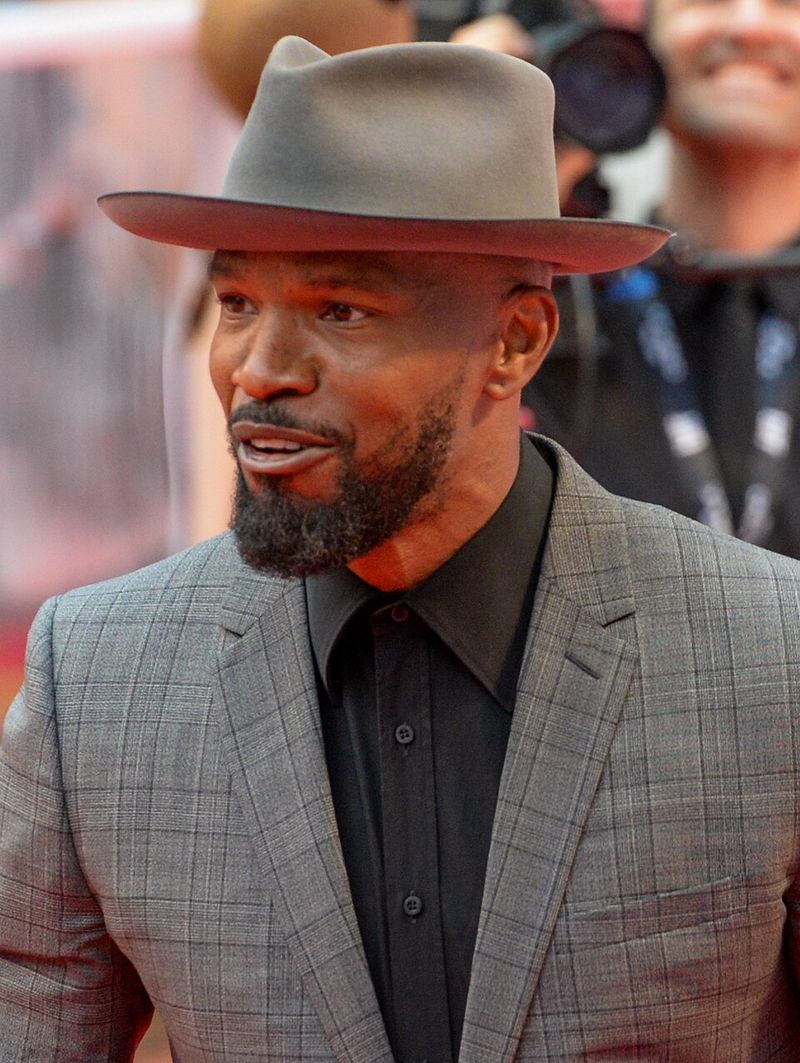
Obsessive study of archival footage shaped Jamie Foxx’s portrayal of Ray Charles. Every gesture and movement came from hours of watching the musician at work.
Prosthetics kept his eyes sealed for much of the shoot.
Moving across the set without sight forced him to rely on sound and instinct.
13. Jared Leto – Dallas Buyers Club (2013)
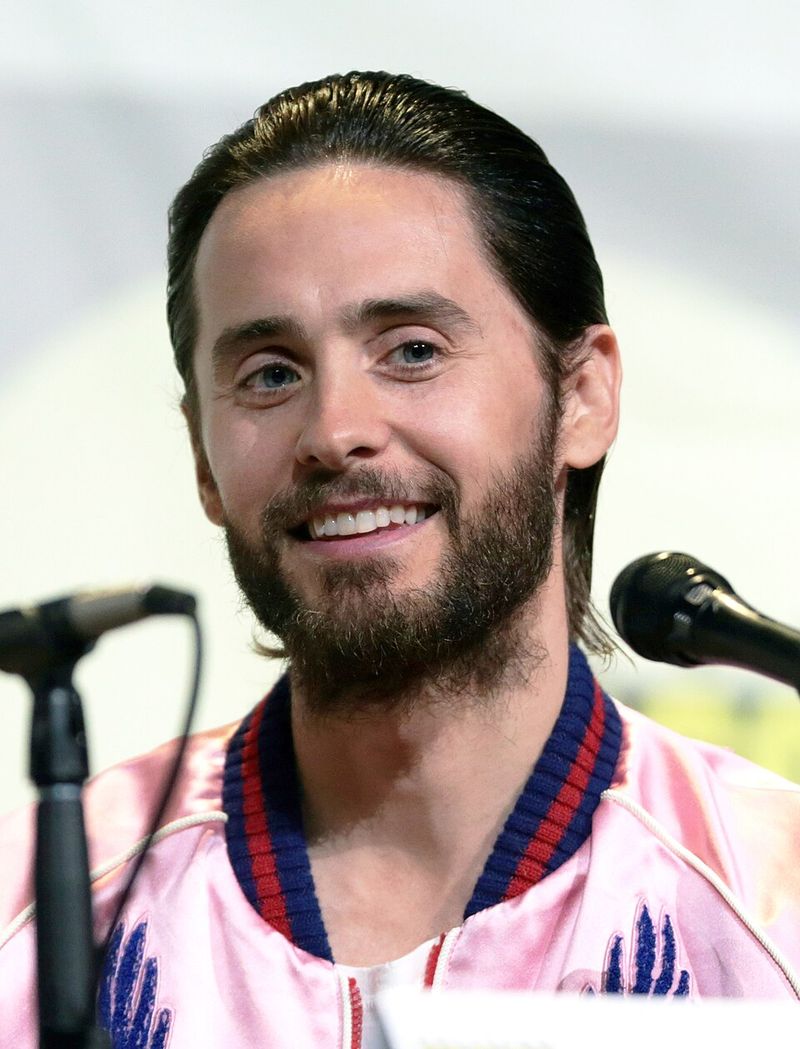
Leto shed about 30 pounds, shaved his eyebrows, waxed his body, and spent weeks finding Rayon’s voice before the cameras rolled.
Staying in character throughout filming meant the crew rarely interacted with Jared Leto the person. That full-time commitment gave Rayon a fragile, lived-in grace that turned a supporting role into the emotional heart of the film.
Important: This article is based on widely reported production histories, cast interviews, awards coverage, and retrospective accounts of notable film performances.
Descriptions of actors “going deep” into roles reflect editorial interpretation of documented physical preparation, performance methods, and on-set immersion.