20 Actors Whose Career Momentum Diverged From A-List Expectations
One breakout role can make someone look like the next big thing overnight. Early hits, magazine covers, and nonstop buzz once pointed certain actors straight toward superstardom.
Then the momentum slowed, projects missed the mark, or the spotlight simply moved on. Careers that seemed unstoppable took turns few saw coming, proving fame in Hollywood is never a sure bet.
Disclaimer: The article is presented for general informational and entertainment purposes and reflects public reporting and career commentary rather than private, inside-industry determinations.
Interpretations of career “momentum” can be subjective, and individual choices, market shifts, and studio strategies may all contribute to outcomes in ways not visible publicly.
20. Shia LaBeouf
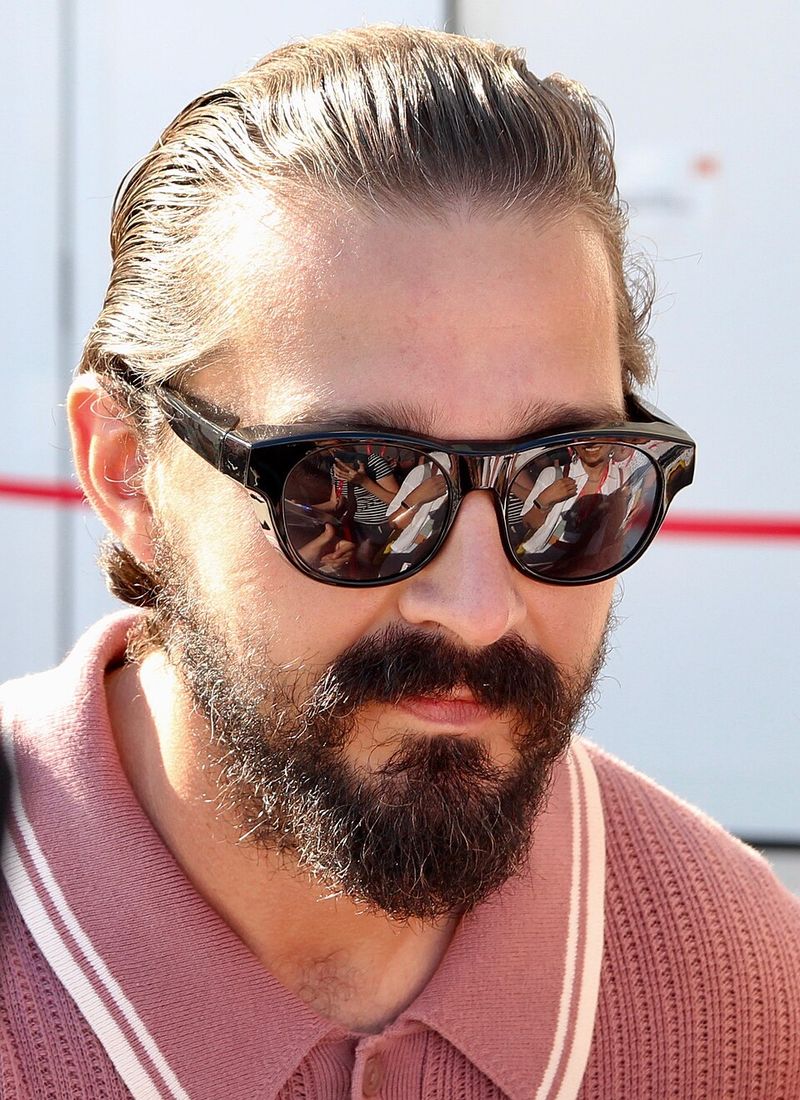
From Disney Channel kid to Spielberg’s chosen one, LaBeouf had everything going for him. He starred in the “Transformers” franchise and worked with legendary directors throughout his twenties.
Public attention shifted away from the work and toward off-screen headlines.
A series of public controversies and legal issues became part of the broader conversation around his career. Some projects and opportunities appeared to become more limited amid ongoing scrutiny.
His trajectory is often discussed as an example of how quickly public narrative can affect career momentum.
19. Hayden Christensen
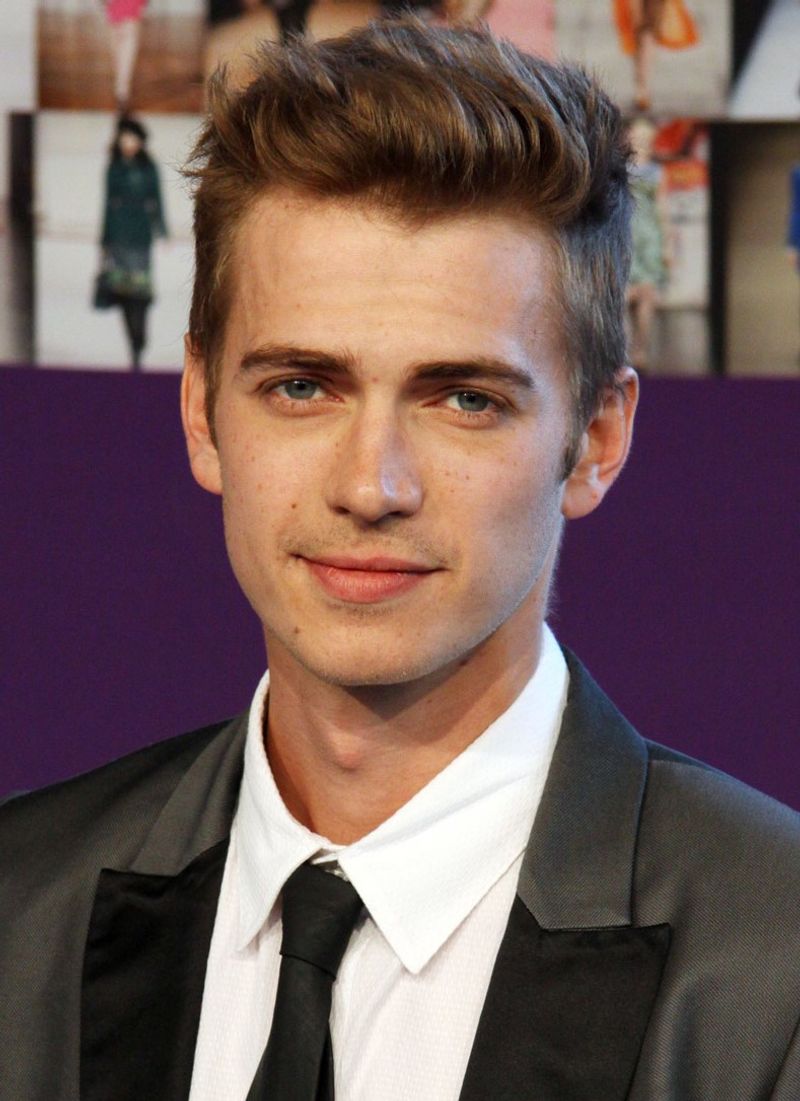
Landing the role of Anakin Skywalker should have launched a legendary career.
Unfortunately, the “Star Wars” prequels received harsh criticism, and much of it focused on Christensen’s performance. At the time, his performance drew heavy criticism, and later reassessments often point to broader creative choices, including dialogue and direction.
The negative reception made it difficult for him to escape Anakin’s shadow. He worked more selectively for a stretch and later returned to the Star Wars universe in Obi-Wan Kenobi.
18. Sam Worthington
Starring in a record-setting blockbuster does not automatically translate into personal superstardom.
Worthington led James Cameron’s “Avatar,” yet his personal fame never matched the movie’s success.
Outside Avatar, his mainstream profile did not rise at the same pace as the franchise’s box office footprint. Though “Avatar” sequels continue his involvement, he never became the superstar Hollywood expected.
17. Cuba Gooding Jr.
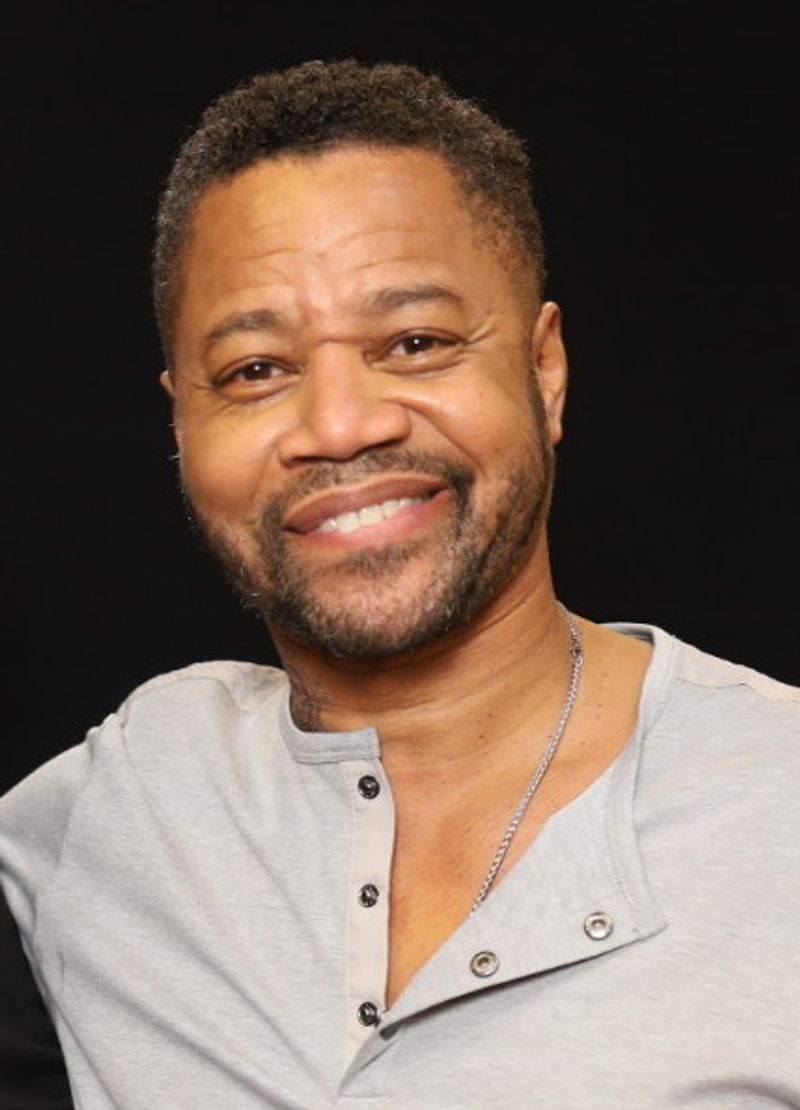
Winning an Oscar for “Jerry Maguire” should have guaranteed a legendary career.
Gooding’s energetic acceptance speech became iconic, and Hollywood seemed ready to offer him everything. Instead, he chose a series of poorly received projects and a shift toward lower-profile releases changed how audiences and critics viewed his trajectory.
By the time he appeared in direct-to-DVD movies, people wondered what happened to the talented actor who once shouted “Show me the money!”
16. Charlie Hunnam
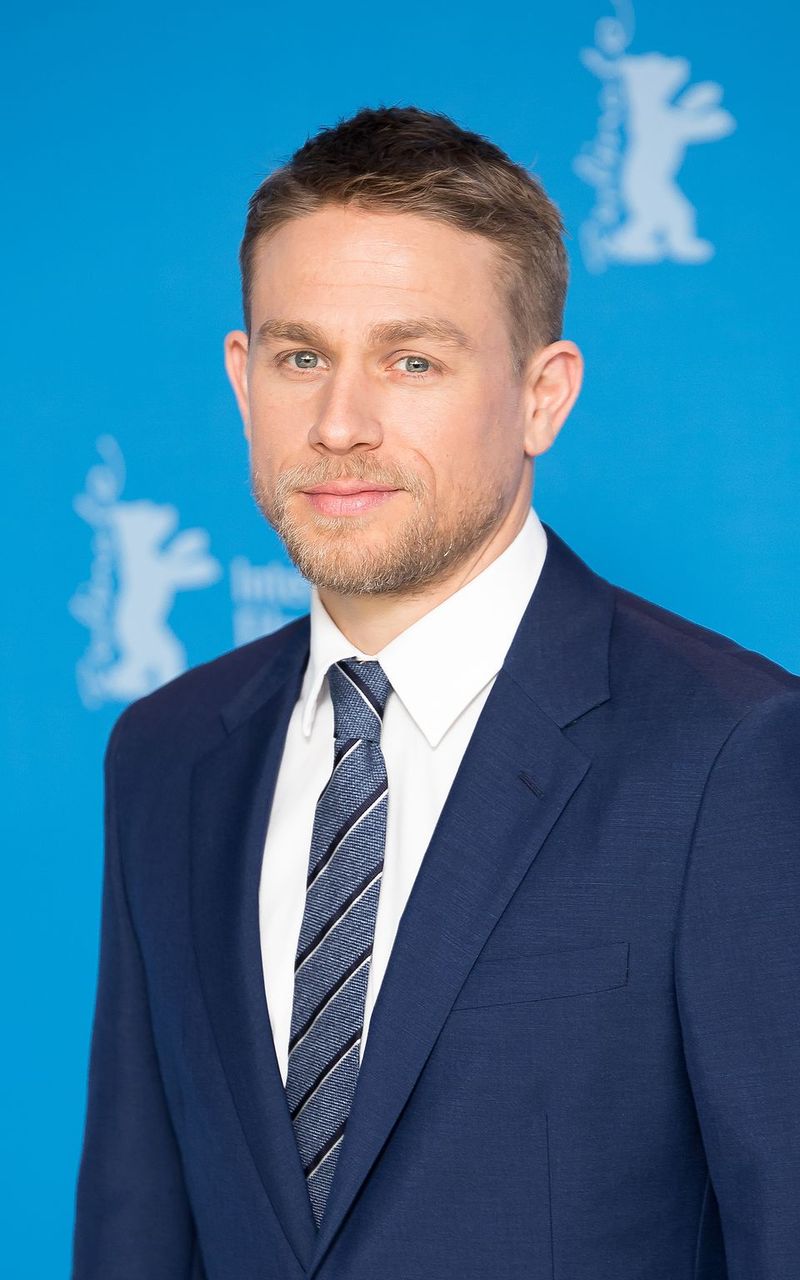
Leading “Sons of Anarchy” for seven seasons should have made Hunnam a movie star.
When he landed the lead in “Fifty Shades of Grey,” it seemed like his big break had finally arrived. Universal cited scheduling conflicts when he exited the role, and other reporting later suggested additional personal and publicity concerns were also part of the picture.
Fifty Shades drew mixed-to-negative critical response but performed strongly commercially. His subsequent film choices failed to connect with audiences, leaving him stuck between television success and movie stardom.
15. Taylor Kitsch
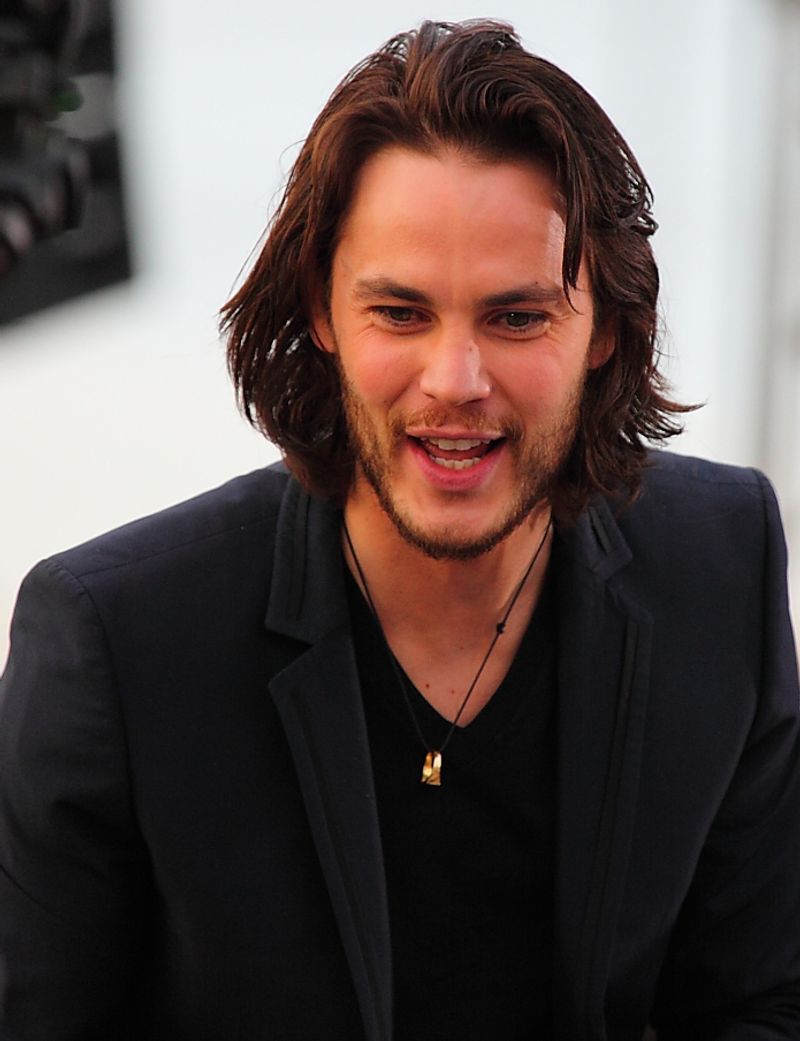
Remember when everyone expected him to become the next major action star?
Following his run on “Friday Night Lights,” Kitsch looked set for huge success. Studios rolled the dice on him with leading roles in “John Carter” and “Battleship,” and both turned into costly box office flops.
Back to back disappointments hurt his standing as a reliable box office draw. As a result, studios grew cautious about handing him big budget leads, but steady work in smaller films and series like “True Detective” kept his career moving.
14. Josh Hartnett
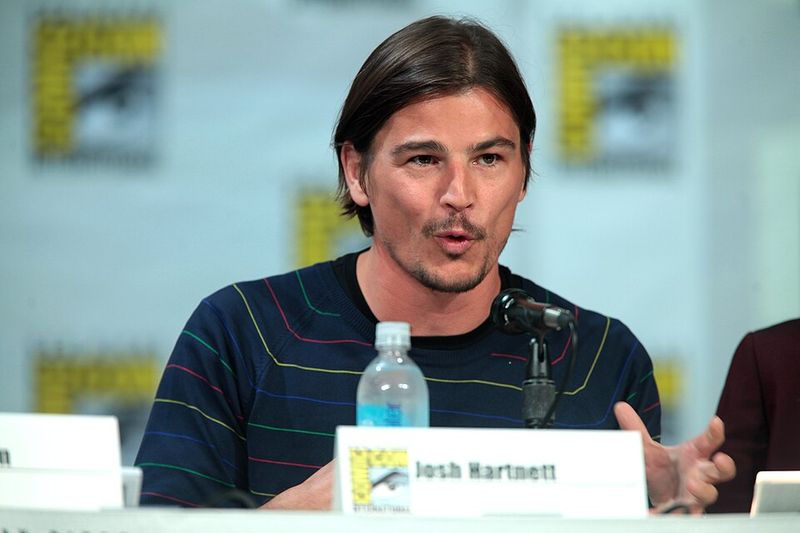
Hollywood practically handed this actor the keys to the kingdom in the early 2000s. Hartnett turned down major roles including Superman, Spider-Man, and Batman to avoid being typecast as a blockbuster leading man.
Instead of embracing mainstream stardom, he deliberately stepped back from the spotlight.
His decision to prioritize independent films and personal life over A-list fame was admirable but costly. While he maintained artistic integrity, the momentum that could have made him a household name gradually disappeared.
13. Taylor Lautner
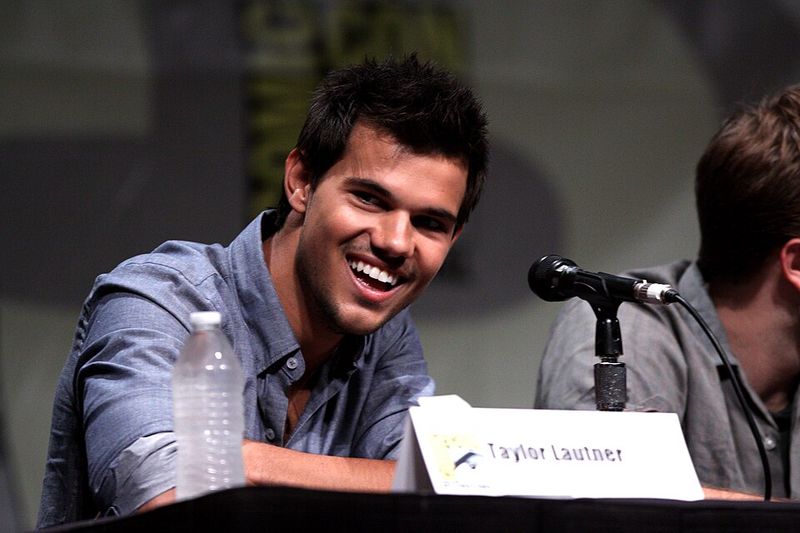
Fans around the world once screamed for this “Twilight” heartthrob. For the role of Jacob Black, Lautner reshaped his physique and quickly became a tabloid favorite and magazine cover regular.
Once the vampire saga wrapped, that wave of career momentum began to fade. Later efforts to break into action with films like “Abduction” struggled at the box office.
Without the franchise that launched him, studios saw that much of his appeal had been tied to a single role rather than lasting star power.
12. Katherine Heigl
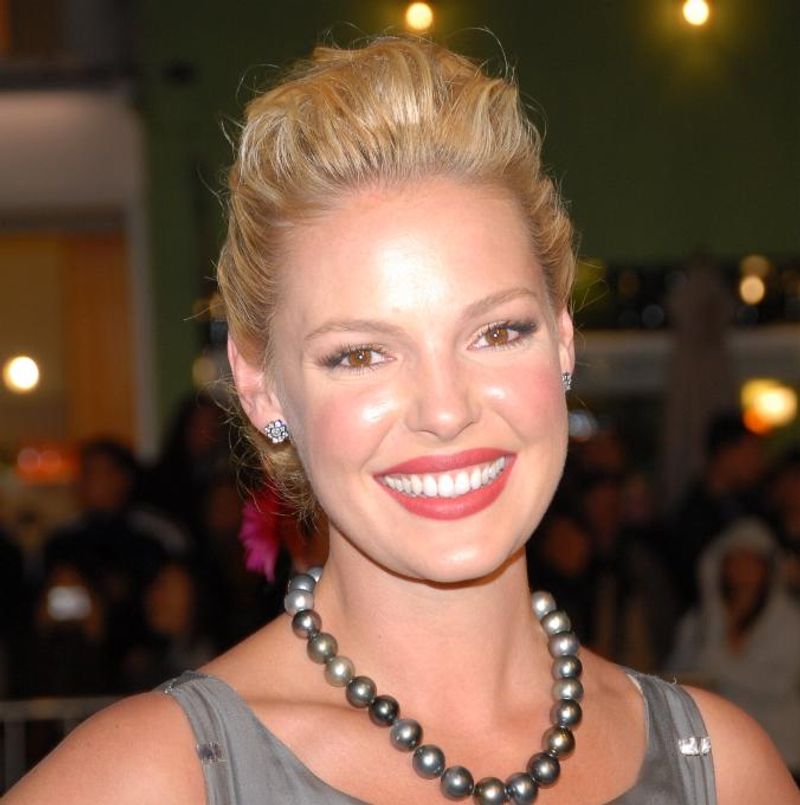
Winning hearts on “Grey’s Anatomy” made Heigl a television darling and romantic comedy queen.
She seemed unstoppable after “Knocked Up” became a hit, but then she publicly criticized the film for being s*xist.
Public comments about Knocked Up and Grey’s Anatomy contributed to a widely discussed ‘difficult’ narrative in the press, which she later said she regretted.
11. Freddie Prinze Jr.
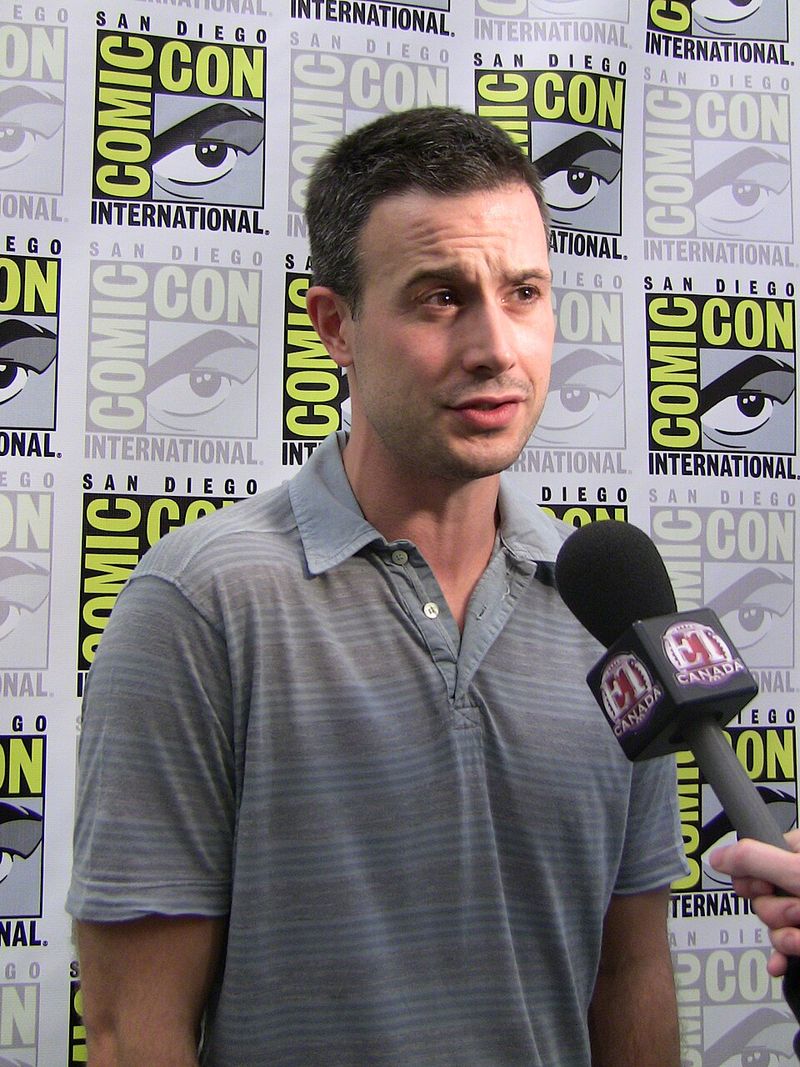
During the late 1990s, Prinze was the king of teen romantic comedies.
Films like “She’s All That” and “I Know What You Did Last Summer” made him a heartthrob and box office draw. When the teen movie trend faded, so did his career relevance.
Attempts to transition into action films failed spectacularly.
Eventually, he stepped away from acting to focus on family and voice work, seemingly at peace with not chasing the spotlight. His career serves as a reminder that some success is tied to specific moments in pop culture.
10. Mischa Barton

Prime time teen drama found its defining face when “The O.C.” turned Mischa Barton into a household name. As Marissa Cooper dominated pop culture, a long future in film and television seemed almost guaranteed.
Behind the scenes, personal struggles and widely reported incidents began to chip away at that rising momentum. By the time her character exited the series, the career upswing had already started to unravel.
Instead of a straightforward leap into film stardom, her post-series period was marked by heavy tabloid attention and widely reported personal challenges.
9. Eric Bana
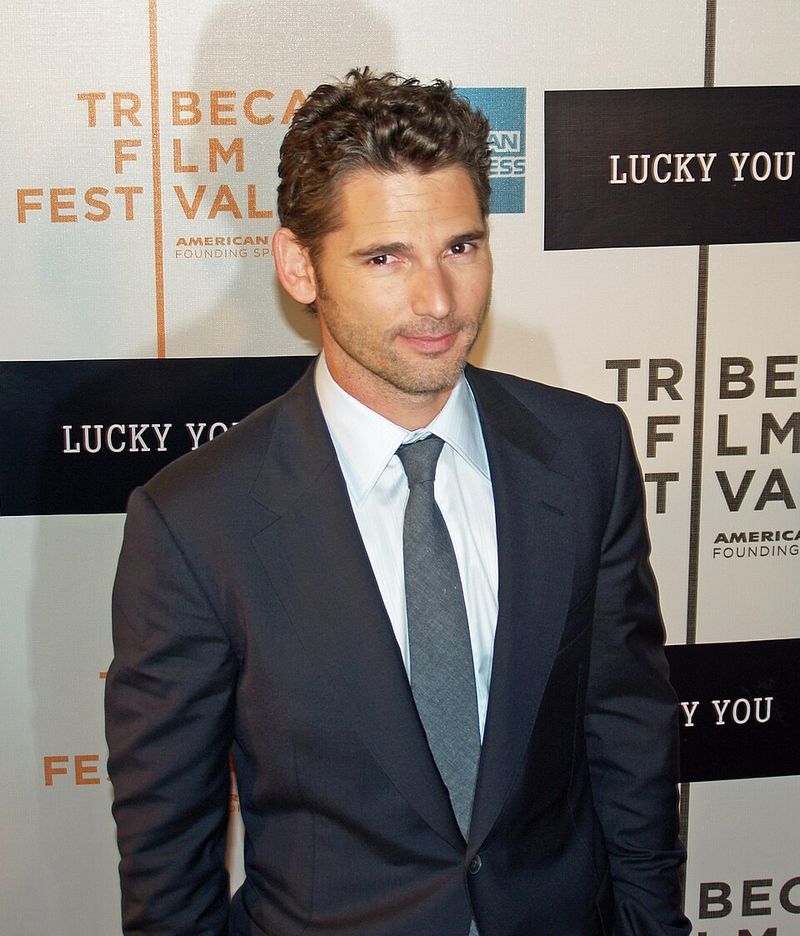
Honestly, Bana had all the tools to become a massive star.
After impressing audiences in “Black Hawk Down,” he landed the title role in Ang Lee’s “Hulk.” The film disappointed both critically and commercially, which hurt his chances at leading more blockbusters.
While he continued working steadily in quality films like “Munich” and “Troy,” he never quite broke through to superstardom. His career settled into a comfortable pattern of supporting roles rather than the A-list trajectory many predicted.
8. Clive Owen
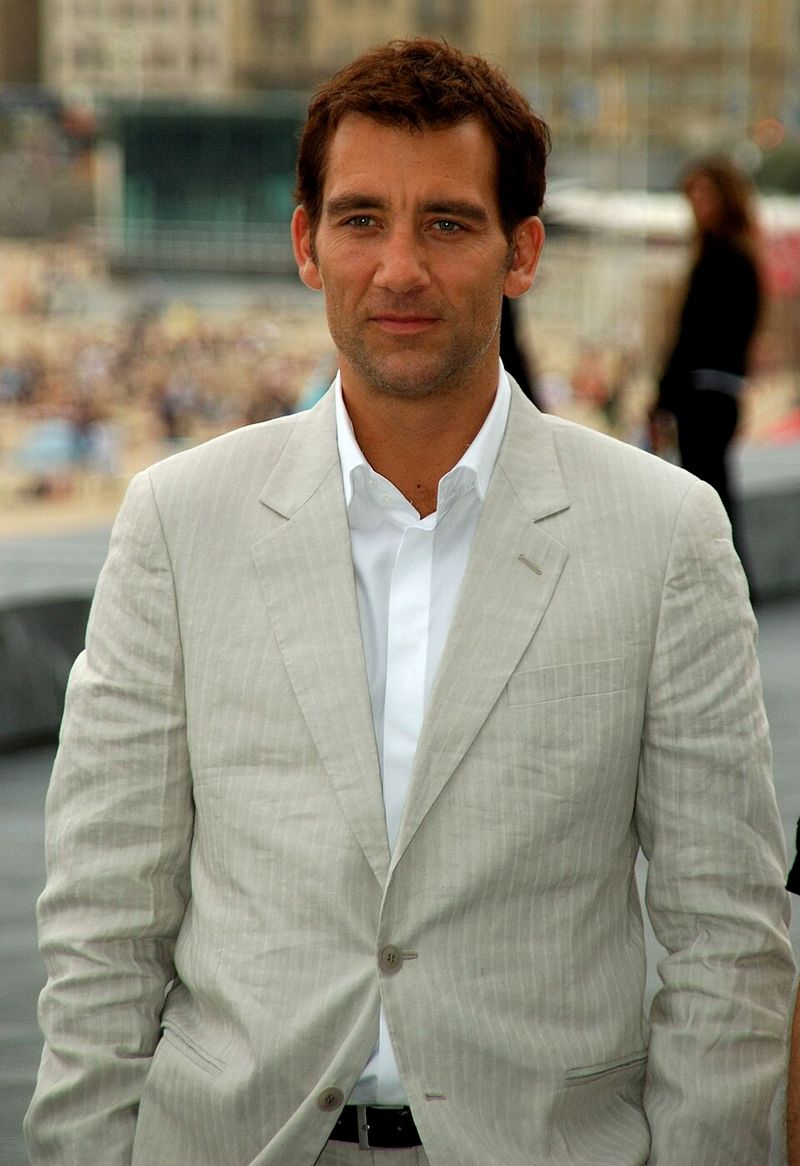
There was a moment when Owen seemed like the perfect replacement for Pierce Brosnan as James Bond. His cool demeanor and British accent made him a natural fit for sophisticated leading roles.
Despite strong performances in films like “Closer” and “Children of Men,” he never became the household name everyone expected.
Perhaps his intensity worked better in supporting roles than as a traditional leading man. Whatever the reason, Owen’s career remained respectable but never reached the stratospheric heights once predicted for him.
7. Jai Courtney
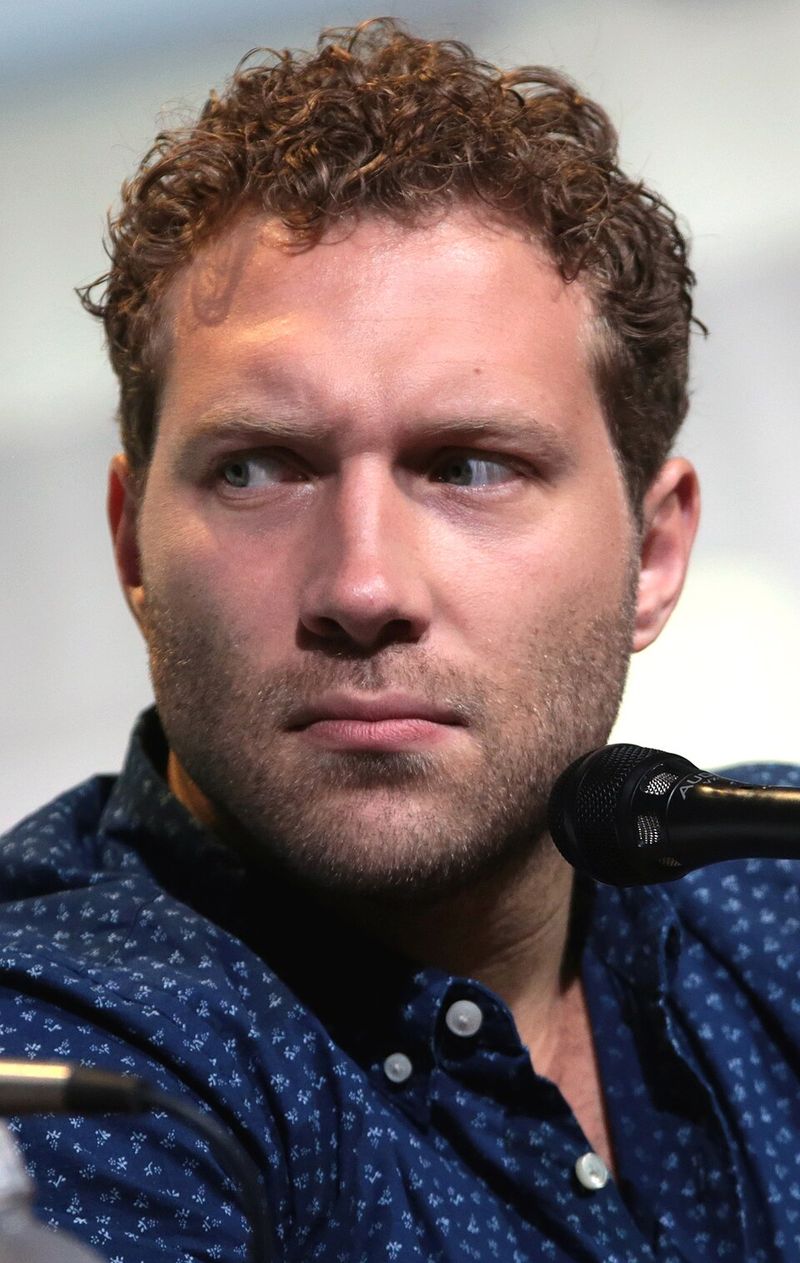
Despite roles in multiple major franchises, he did not become a consistent headline-leading star in the way studios sometimes aim for with franchise casting.
Hollywood kept casting him in big-budget films, apparently convinced he would eventually click with audiences. It never happened.
His performances lacked the spark that makes actors memorable, and despite all the opportunities, he became known as the guy you kind of recognize but can’t quite place.
6. Josh Lucas
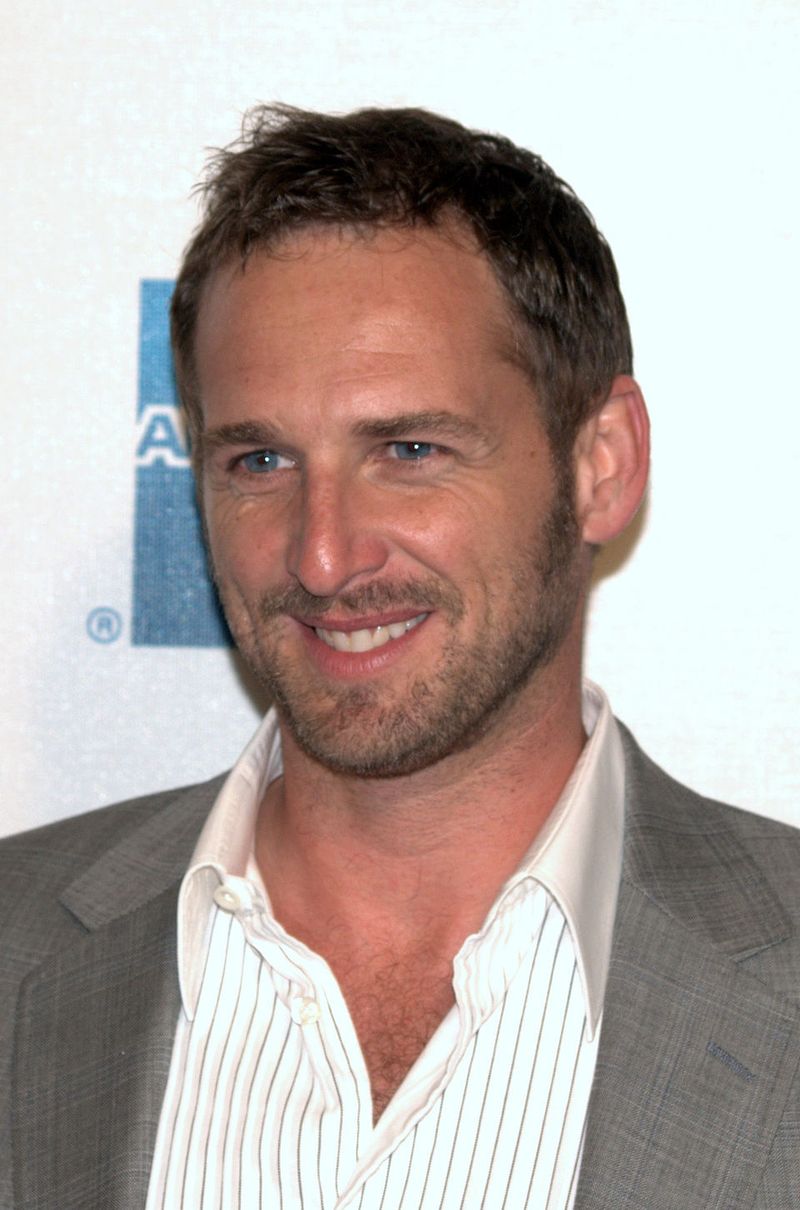
Does the name Lucas from “Sweet Home Alabama” ring a bell, especially opposite Reese Witherspoon. That romantic comedy hinted he might grow into a full fledged leading man.
Good looks and easy charm were there, yet the breakout roles that turn actors into household names never quite arrived.
Instead, his résumé filled with supporting parts in larger films and leading roles in smaller projects. Careers like his show how talent and timing do not always line up, leaving some performers steadily working without ever crossing into true superstardom.
5. Alex Pettyfer

Young, handsome, and British – Pettyfer seemed to have the formula for success.
After “I Am Number Four” positioned him as a potential franchise star, everything fell apart quickly.
Trade and major-outlet reporting at the time described friction and a difficult reputation, which he has disputed in later interviews. Hollywood is surprisingly small, and word travels fast about actors who create problems.
His reputation preceded him, making directors hesitant to cast someone who might disrupt production, regardless of how good he looked on camera.
4. Emile Hirsch
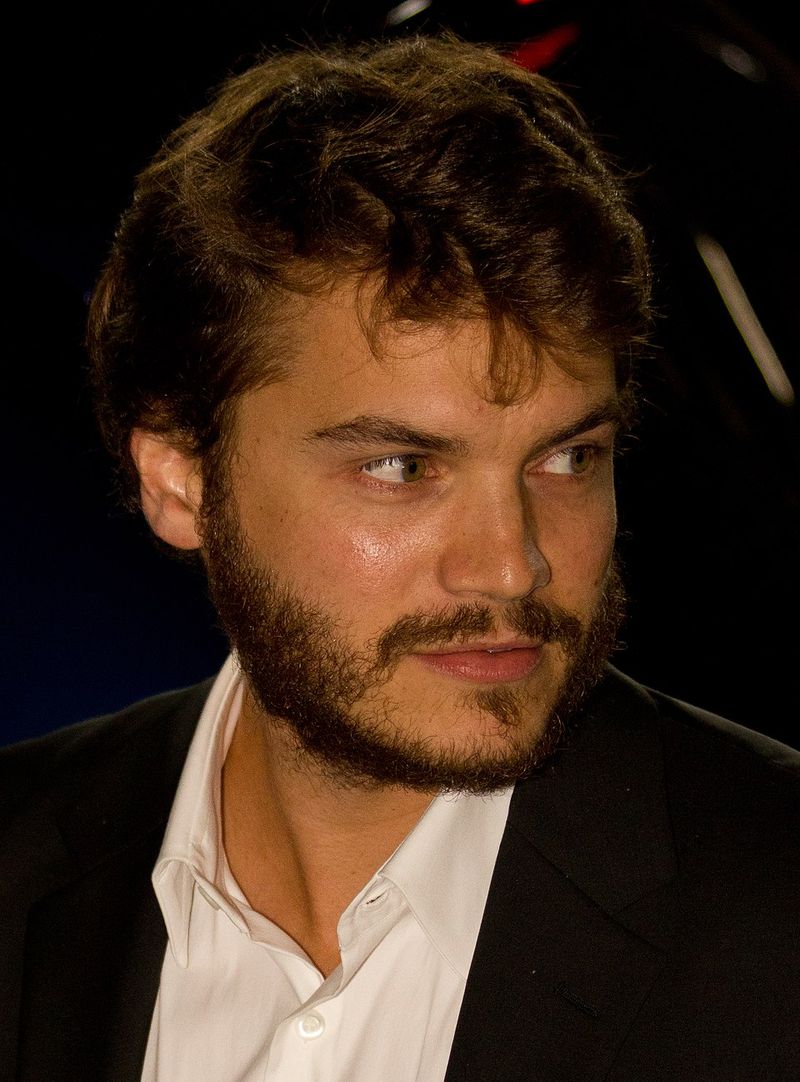
Breakthrough intensity in “Into the Wild” showed Emile Hirsch had the range for serious dramatic roles.
Critical praise followed, and a path toward more prestigious projects seemed wide open. Momentum faltered when “Speed Racer” arrived as a flashy gamble that struggled with audiences and underperformed commercially.
In 2015, he pleaded guilty to misdemeanor assault connected to an incident at Sundance, which became a significant career headwind.
3. Megan Fox

Fox became a global sensation as Mikaela in the “Transformers” franchise.
Her combination of beauty and attitude made her an instant icon, gracing magazine covers worldwide. After making a highly controversial comparison in a 2009 interview, reporting at the time said the remark contributed to her exit from the franchise.
While she has recently experienced a career resurgence, there were years when Hollywood refused to touch her, proving that burning bridges can have serious consequences.
2. Katie Holmes
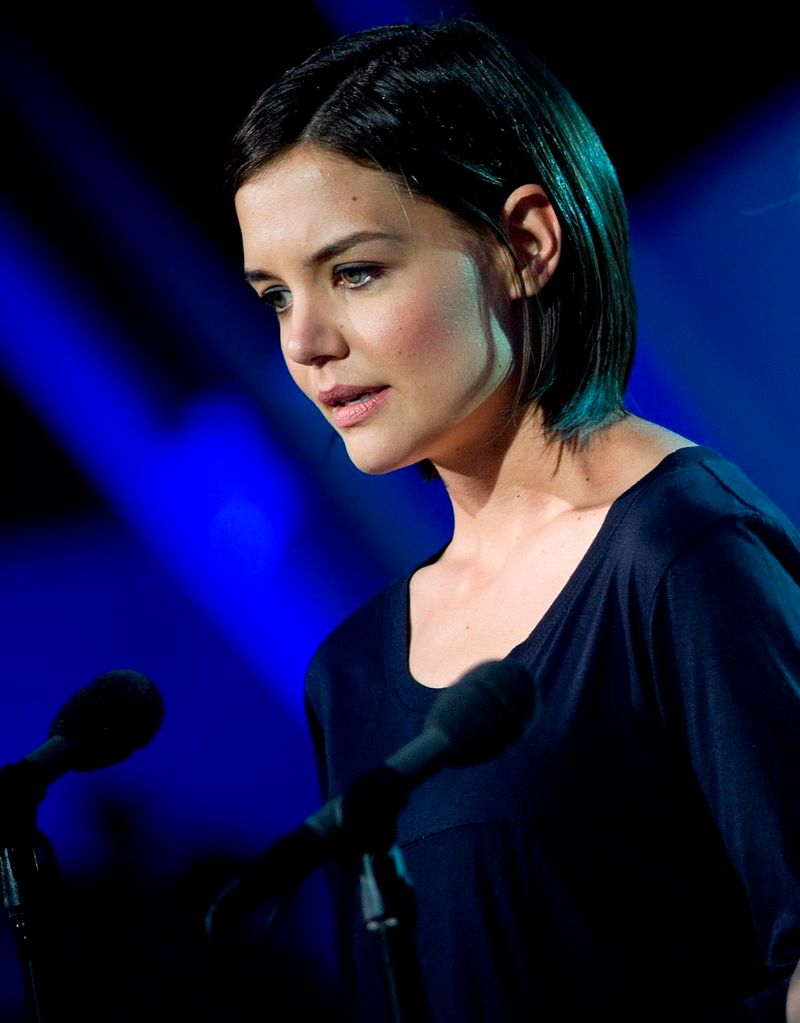
Early momentum pointed to a strong independent career long before headlines focused on her personal life.
“Dawson’s Creek” launched Katie Holmes into fame, and a role in “Batman Begins” hinted at even bigger opportunities.
Public attention around her marriage became a dominant storyline that often overshadowed coverage of her projects. By the time that chapter closed, years away from major roles made regaining career momentum far more difficult.
Instead of being defined primarily by film choices, her professional path became closely linked to the intense scrutiny of her personal life.
1. Brandon Routh
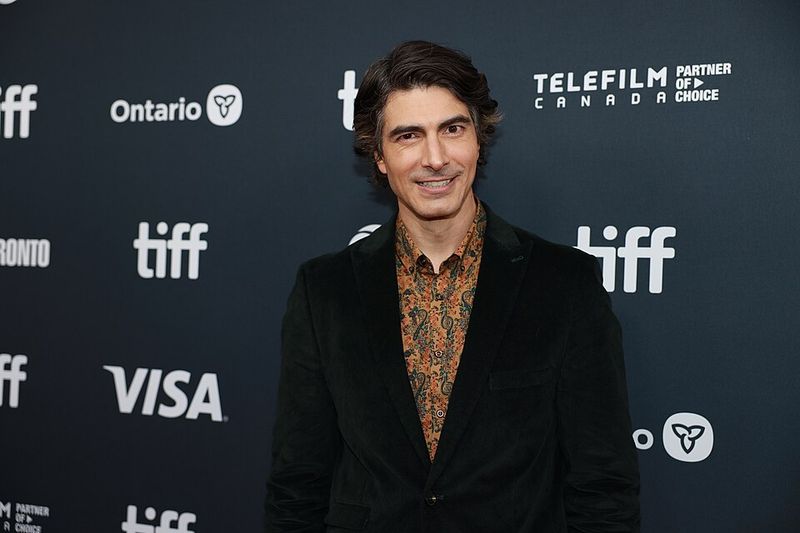
Playing Superman should have been the role of a lifetime for Routh.
“Superman Returns” positioned him as the heir to Christopher Reeve’s iconic portrayal, but the film underperformed and plans for sequels evaporated.
Hollywood rebooted the franchise with Henry Cavill instead, leaving Routh without his signature role.
He found steady work in television, particularly on “Legends of Tomorrow,” but never got another shot at movie stardom. Sometimes one disappointing blockbuster is all it takes to close doors permanently.