15 Actresses Who Called Out Toxic Masculinity But Still Fell For The Bad Boy Image
Hollywood has never been shy about speaking up.
From red carpets to social media posts, actresses have used their voices to call out toxic masculinity, double standards, and the unfair treatment women face in the industry and beyond.
But here’s the twist: some of these same stars have found themselves drawn to men with rebellious reputations, controversial pasts, or downright bad boy vibes.
It’s a fascinating contradiction that reminds us how complicated love, attraction, and personal growth can be, even for the most outspoken advocates.
1. Megan Fox
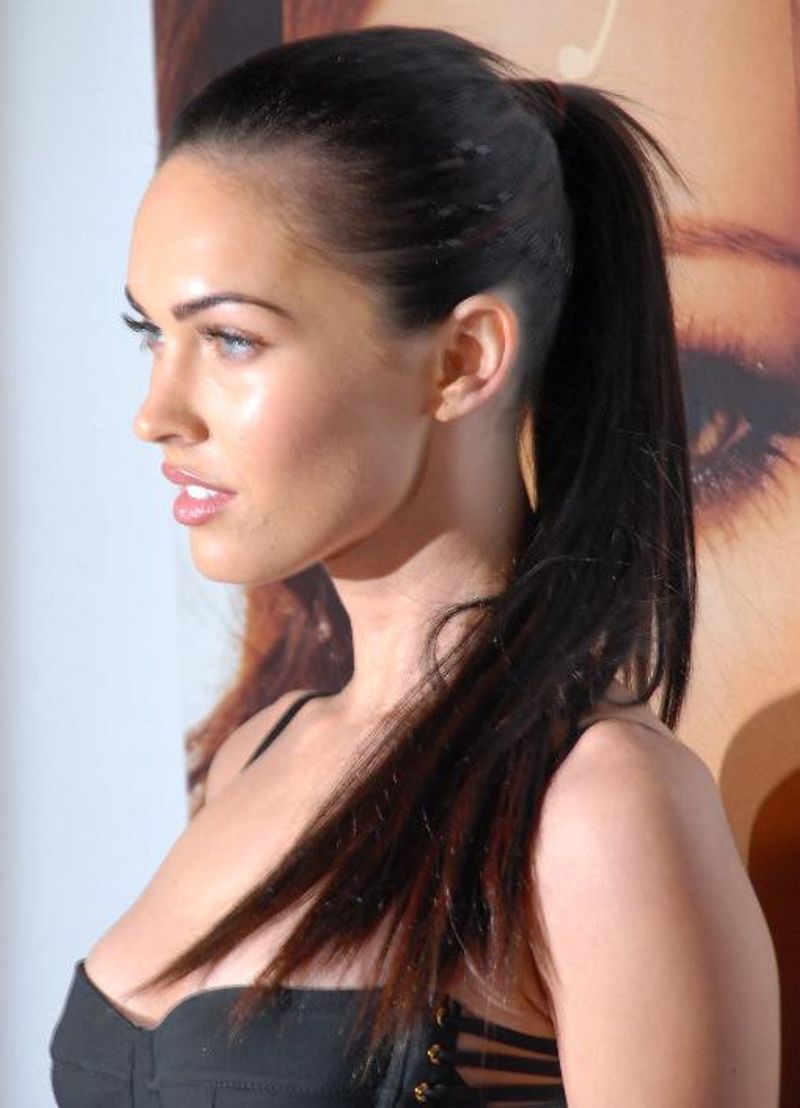
Outspoken about Hollywood’s misogyny, she didn’t hold back when describing how directors objectified her on set. Her criticisms of the industry’s treatment of women became headlines worldwide.
However, her relationship with musician Machine Gun Kelly raised eyebrows. Their intense public displays and unconventional rituals became tabloid fodder.
Critics questioned the contrast between her advocacy and her choice of partner, sparking endless debates about personal freedom versus public image.
2. Evan Rachel Wood
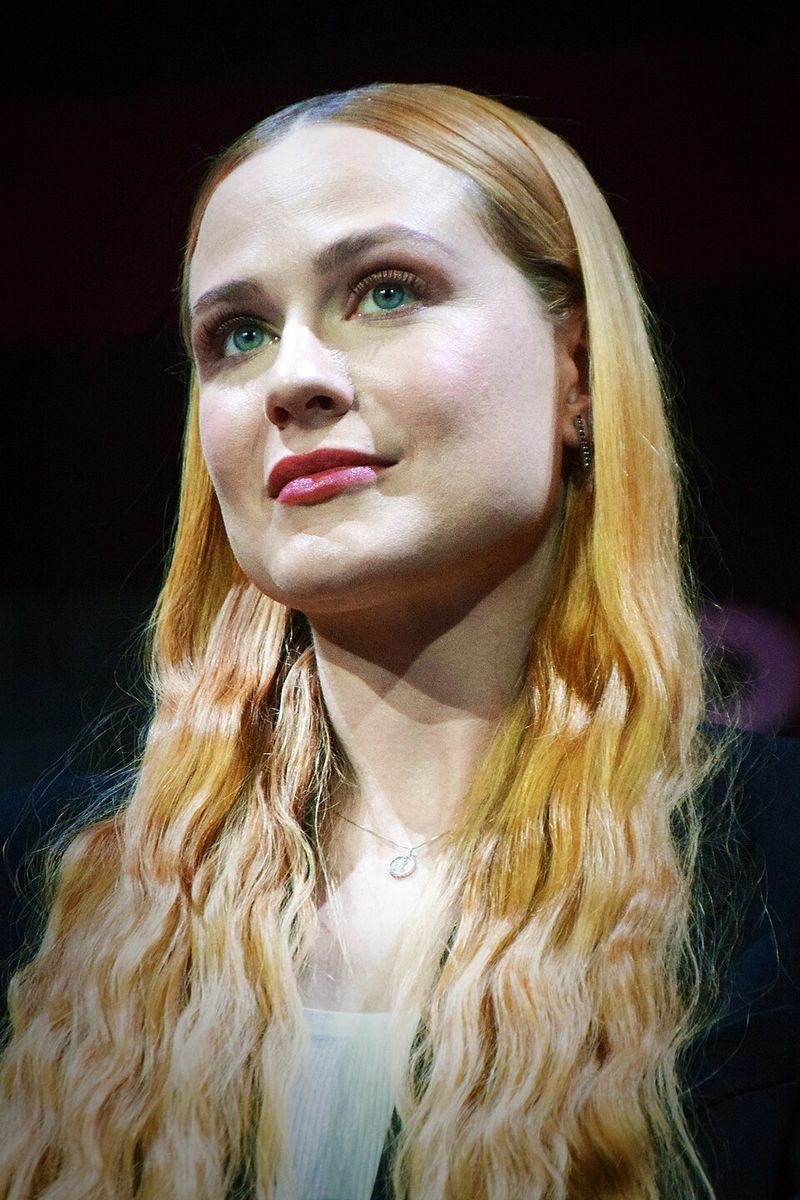
Testifying before Congress about domestic violence took courage most people can’t imagine. She became a powerful voice for survivors, advocating for legal reforms and protection.
Yet her past relationship with Marilyn Manson revealed the painful complexity of her journey.
The trauma she endured highlighted how even the strongest advocates can find themselves trapped in toxic dynamics.
3. Rihanna
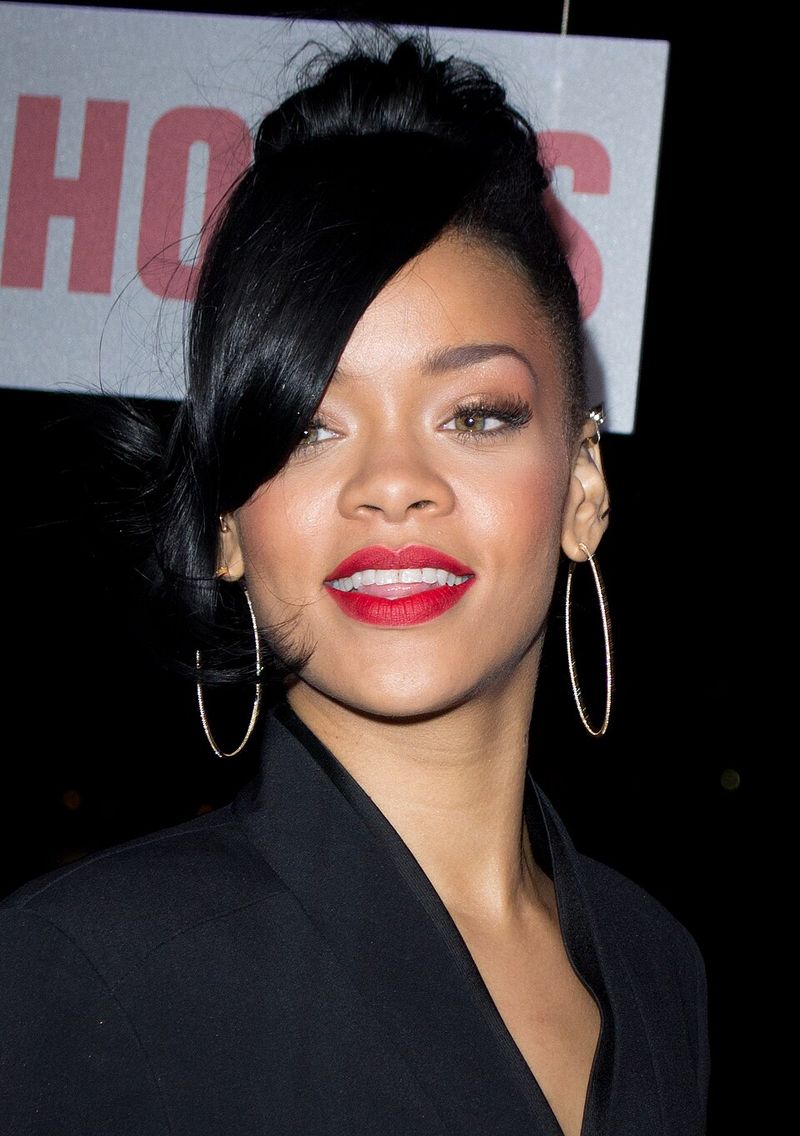
After surviving a highly publicized assault by Chris Brown, she became a symbol of resilience. Her openness about domestic violence helped countless women feel less alone in their struggles.
Though she’s primarily a musician, her acting roles and advocacy work made her a cultural icon.
Her brief reunion with Brown years later confused many fans. The decision illustrated how complicated feelings and healing don’t follow straight lines, even when the whole world is watching.
4. Julia Roberts
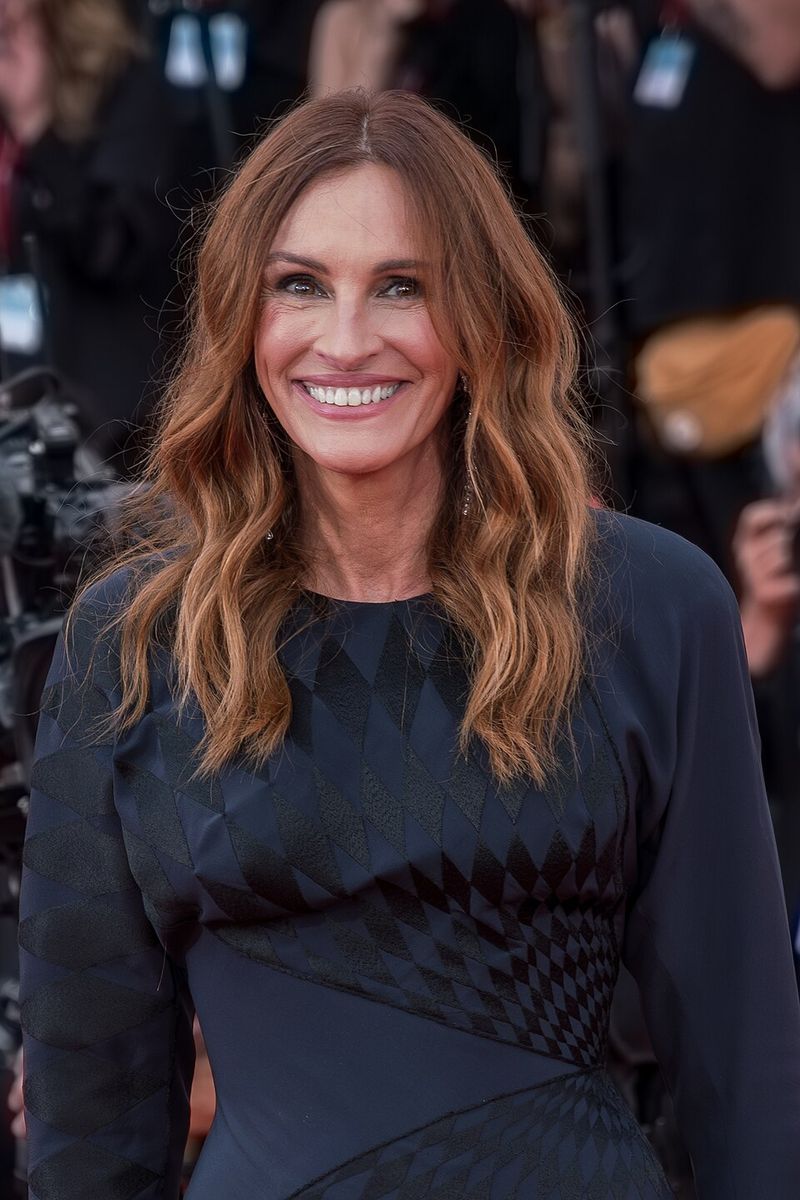
America’s sweetheart has never been afraid to discuss gender inequality in Hollywood. She’s championed equal pay and called out industry double standards for decades.
Her romance with Kiefer Sutherland in the early ’90s was anything but smooth. The engagement ended dramatically just days before their planned wedding.
Later, her relationship with actor Benjamin Bratt also had its share of public drama, proving that even rom-com queens struggle with real-life relationship choices.
5. Drew Barrymore
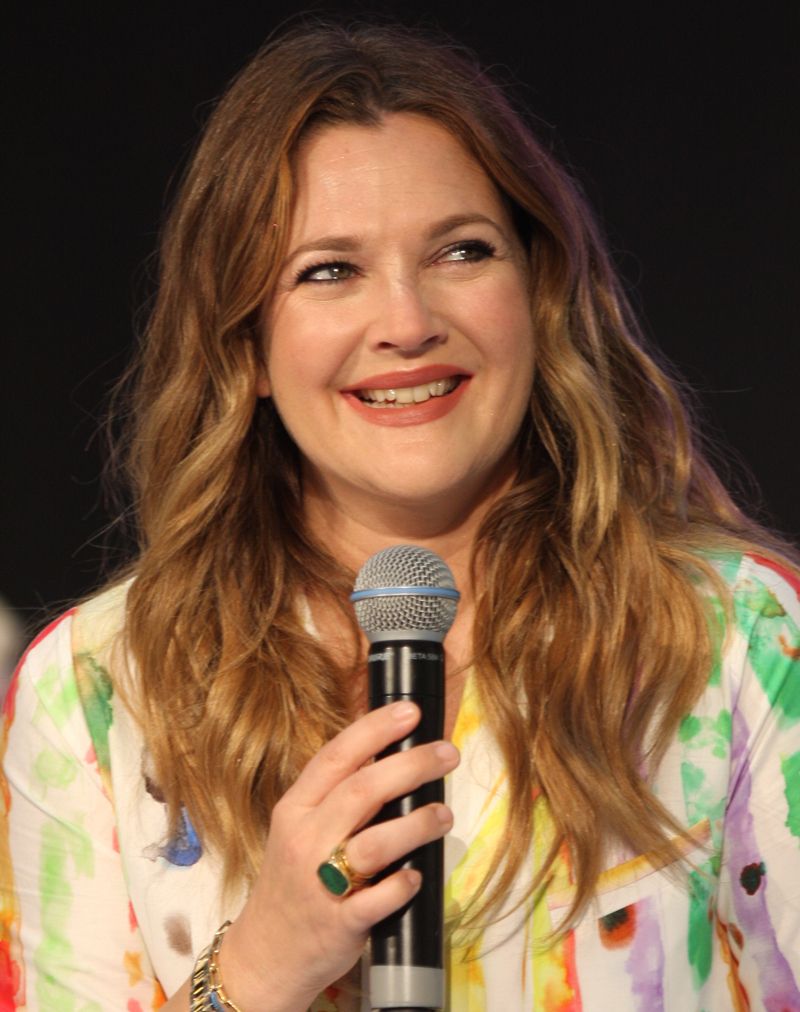
Growing up in the spotlight gave her unique insights into Hollywood’s dark side. She’s been vocal about the pressures young women face and the toxic environments that enable abuse.
Her early marriages to Jeremy Thomas and Tom Green were impulsive and short-lived. Both relationships reflected a pattern of seeking excitement over stability.
Barrymore herself has admitted her younger self was drawn to chaos, a common pattern among people healing from childhood trauma.
6. Kate Winslet
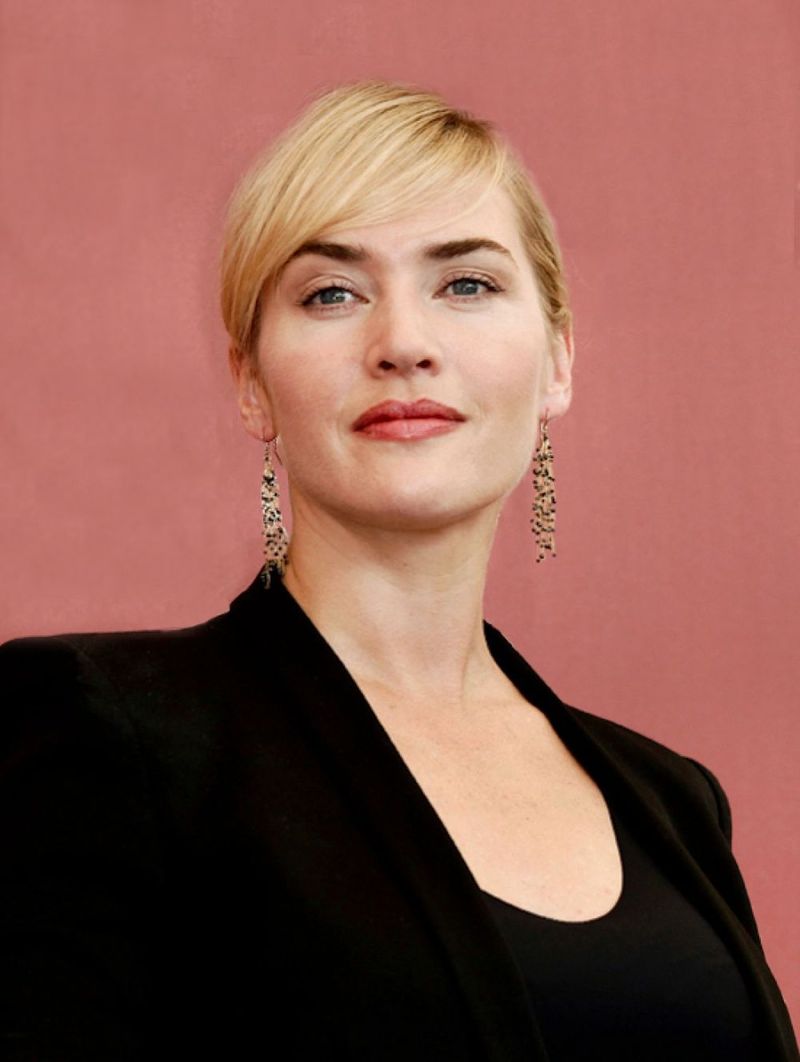
Criticizing Hollywood’s body-shaming culture became part of her mission. She’s refused to let directors digitally alter her appearance and spoken passionately about realistic beauty standards.
Her marriage to director Sam Mendes seemed stable from the outside, but the relationship ended after seven years. Earlier, her whirlwind romance with director Jim Threapleton also crashed quickly.
Winslet has acknowledged that her picker was off in her younger years, choosing intensity over compatibility more than once.
7. Jennifer Aniston
Tabloid treatment of her personal life made her an accidental spokesperson for women’s privacy rights.
She’s written powerful essays about media’s obsession with women’s bodies and relationships.
Her high-profile marriages to Brad Pitt and Justin Theroux both ended publicly. While neither man fits the traditional bad boy mold, the media circus surrounding both relationships was undeniably toxic.
8. Scarlett Johansson

Calling out journalists who ask inappropriate questions became her signature move.
She’s challenged interviewers who focus on her appearance rather than her craft, setting boundaries other actresses now follow.
Her relationship with actor Ryan Reynolds ended after just two years of marriage. Later, her romance with French journalist Romain Dauriac also fizzled out.
Both relationships started intensely but lacked long-term compatibility, a pattern that mirrors the bad boy attraction cycle many women experience.
9. Charlize Theron
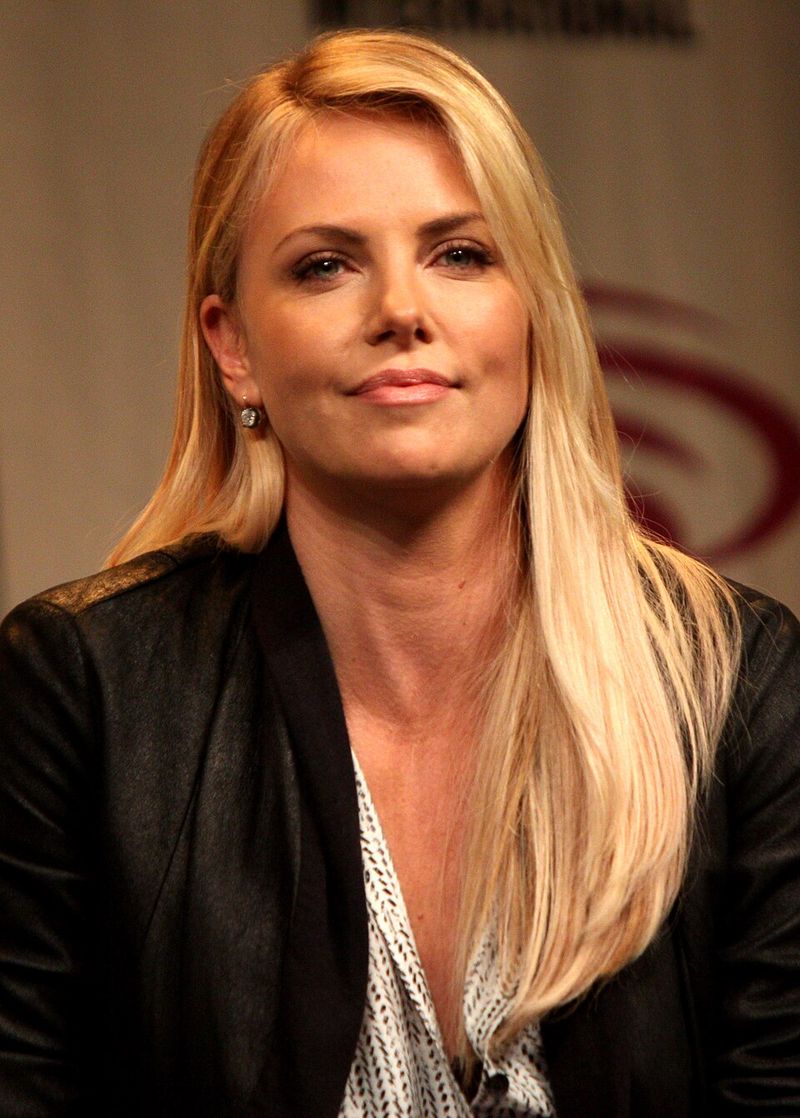
Surviving childhood trauma in South Africa shaped her advocacy against domestic violence. She’s produced documentaries and funded organizations that support abuse survivors worldwide.
Her relationship with Sean Penn raised questions among fans. Penn’s reputation for volatility and past legal troubles contrasted sharply with her public advocacy work.
Though the relationship ended before marriage, it highlighted how even the most self-aware people can fall for partners who represent unresolved patterns.
10. Winona Ryder
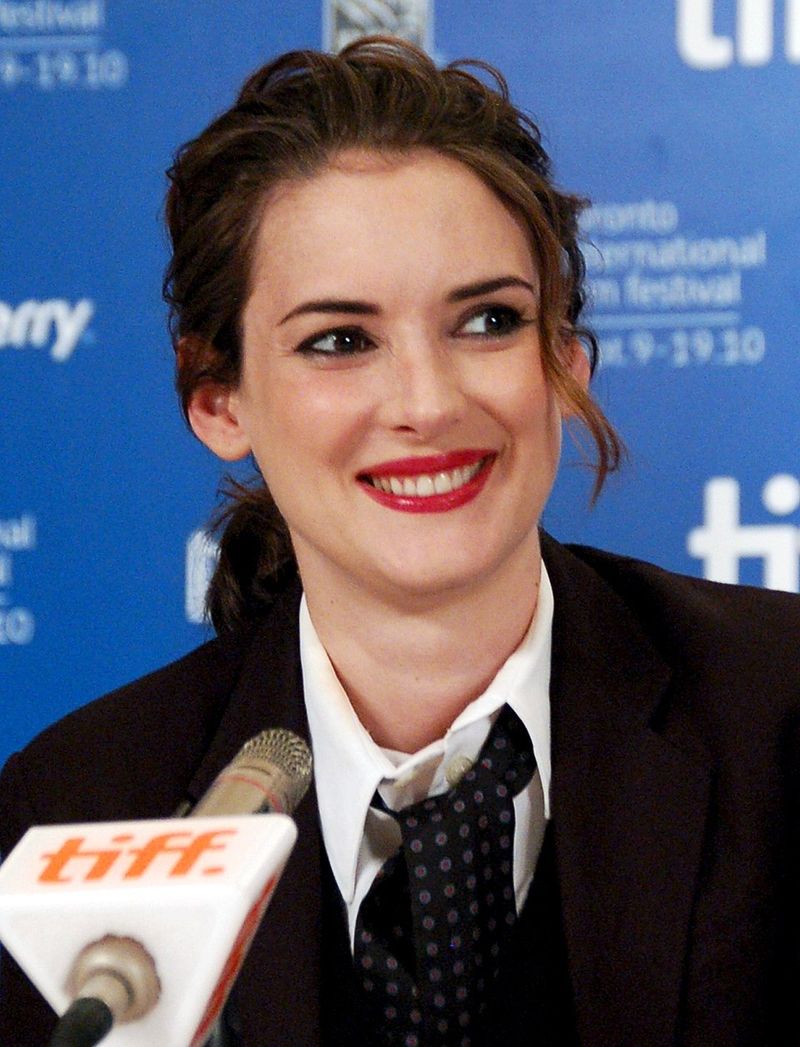
Long before social media activism existed, she spoke about Hollywood’s treatment of young actresses. Her career struggles after personal setbacks highlighted the industry’s unforgiving nature toward women.
Her relationship with Johnny Depp in the ’90s became legendary for its intensity. Matching tattoos and public declarations of eternal love ended in heartbreak.
Later relationships also followed passionate patterns. Ryder’s romantic history reflects a generation of women who equated intensity with true love.
11. Uma Thurman
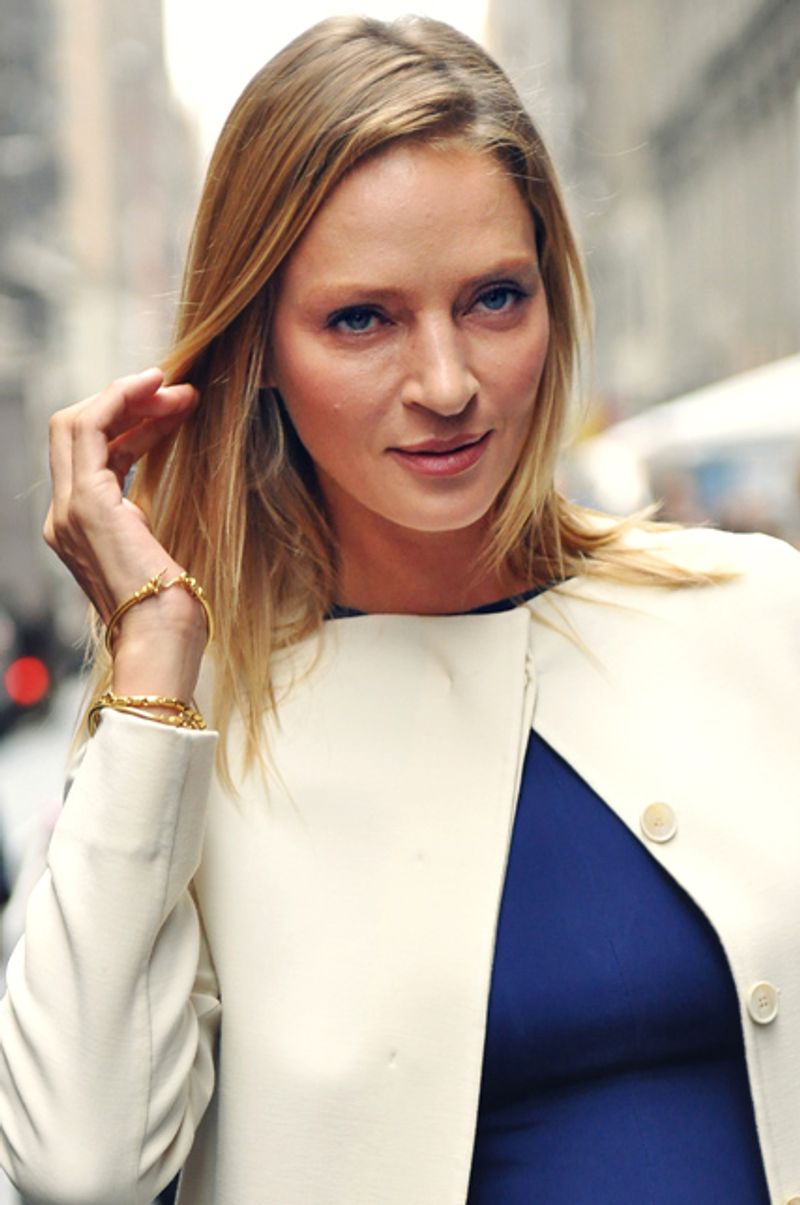
Speaking out about Harvey Weinstein took immense bravery. Her measured, powerful statements about industry abuse helped fuel the Me Too movement and encouraged other actresses to share their stories.
Her volatile relationship with director Quentin Tarantino blurred professional and personal boundaries for years. Additionally, her marriage to actor Ethan Hawke ended amid infidelity rumors.
Both relationships showed how talented, powerful women can still find themselves in situations that contradict their public values and self-image.
12. Rose McGowan
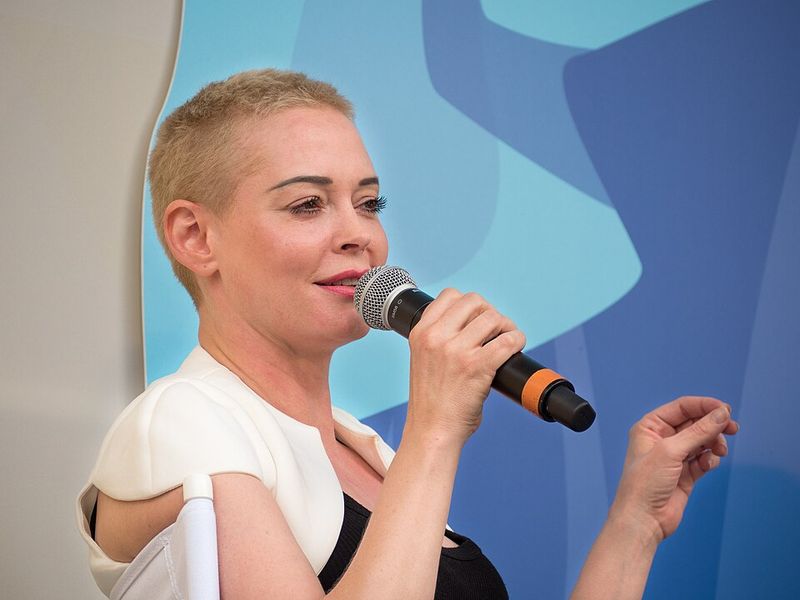
Few actresses have been as fearless in calling out Hollywood’s toxic culture. Her activism helped launch the Me Too movement, and she’s never backed down from naming powerful abusers.
Her engagement to Marilyn Manson in the ’90s seemed to contradict her later advocacy. Manson’s shocking stage persona and controversial reputation made the relationship tabloid gold.
McGowan has since discussed how young women often rebel through their relationship choices, seeking freedom in all the wrong places.
13. Kristen Stewart
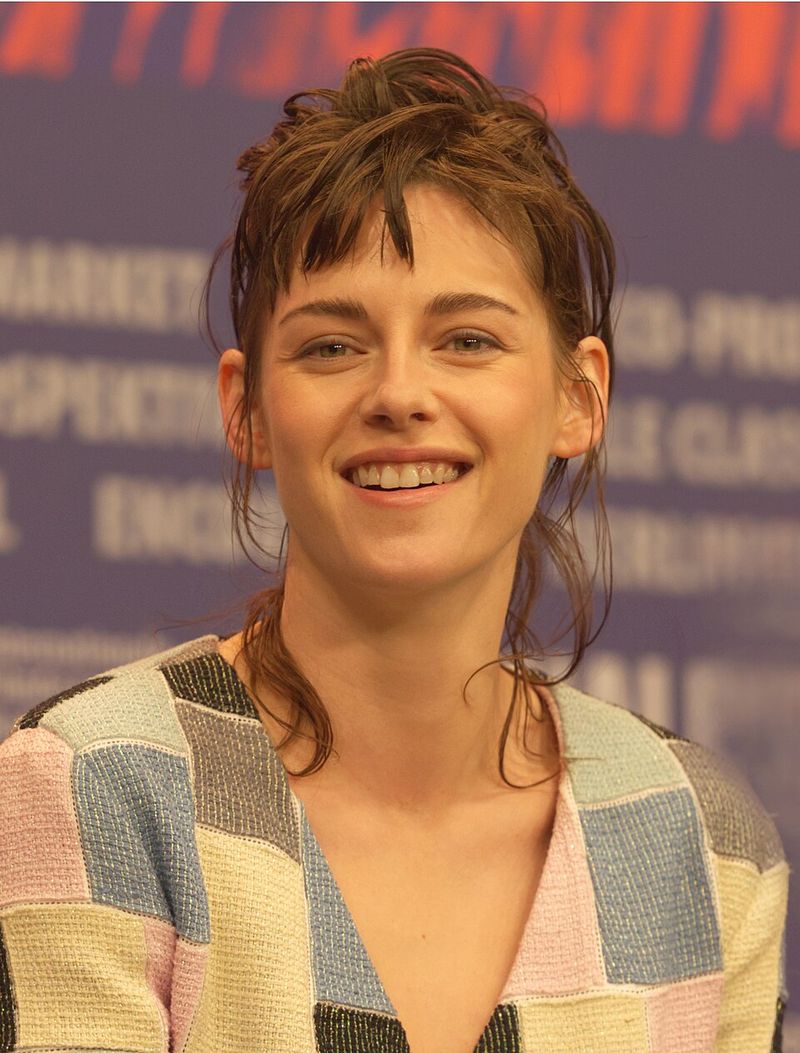
Challenging gender norms in Hollywood became her thing.
She’s spoken about the industry’s rigid expectations for women and openly discussed her fluid sexuality, breaking down barriers for younger actors.
Her affair with director Rupert Sanders while he was married created massive controversy. The scandal contradicted her image as an alternative, thoughtful actress.
Stewart later acknowledged the mistake, showing how even rebellious spirits can make choices that hurt others and themselves in equal measure.
14. Jennifer Lawrence
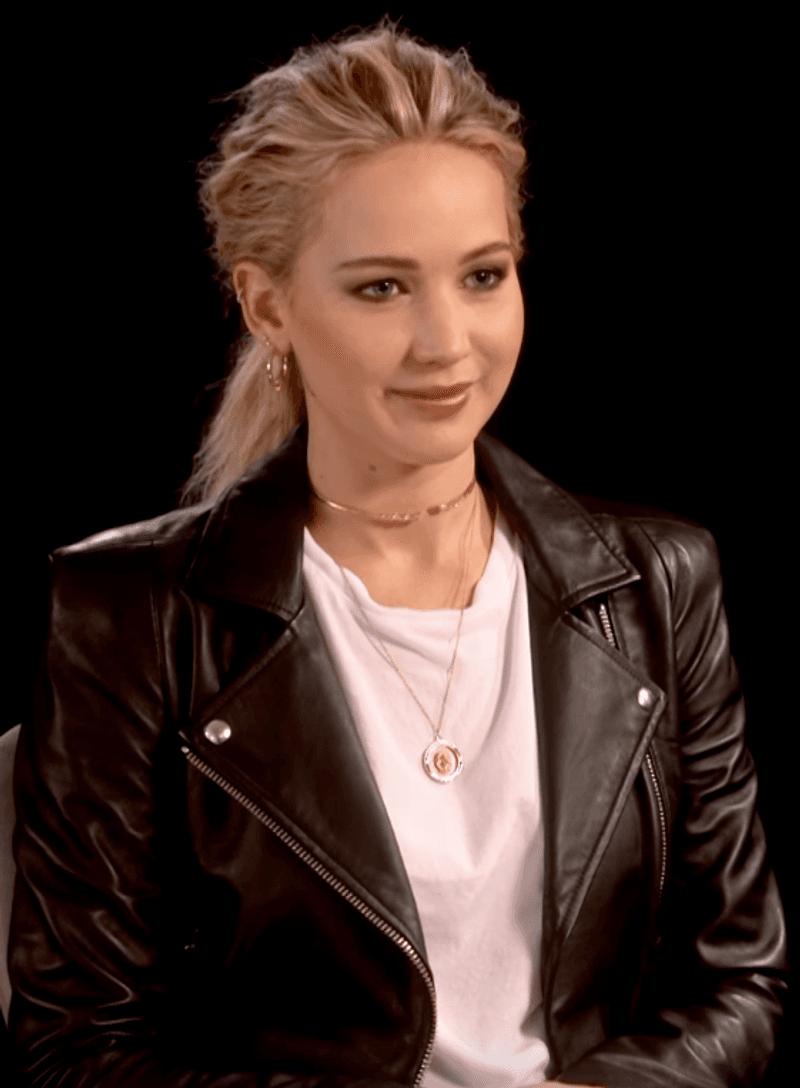
Fighting back against the gender pay gap made headlines worldwide.
After discovering she earned less than male co-stars, she wrote a powerful essay that changed industry conversations about equal compensation.
Her relationship with director Darren Aronofsky, who was 21 years older, raised eyebrows. The power dynamic inherent in dating your director seemed at odds with her feminist stance.
Lawrence later dated other controversial figures, showing that awareness of toxic patterns doesn’t automatically prevent falling into them.
15. Zoe Kravitz
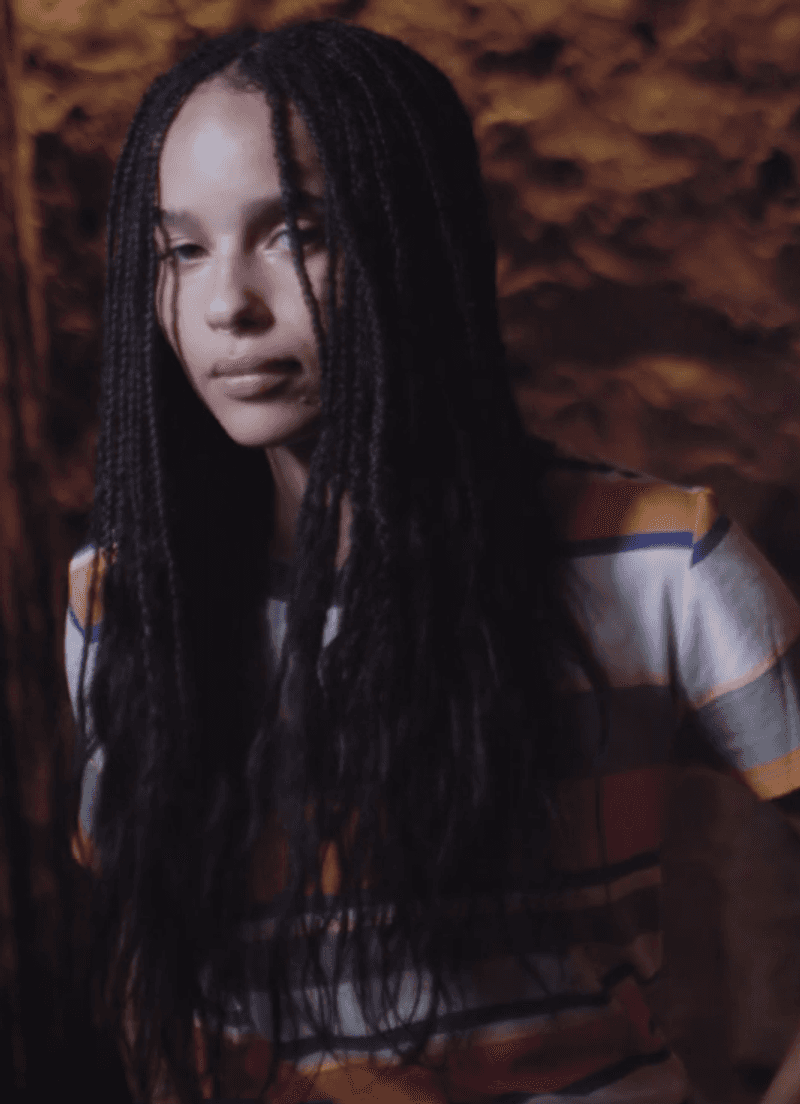
Growing up with famous parents gave her insight into celebrity culture’s dark side. She’s spoken about the pressure on women to be perfect and the industry’s obsession with youth and appearance.
Her marriage to actor Karl Glusman ended after just 18 months, followed by a high-profile relationship with Channing Tatum. Both relationships started intensely but lacked staying power.
Kravitz represents a younger generation still figuring out how to balance feminist values with the very human tendency to choose excitement over stability.