10 Actresses Who Prefer Techniques Other Than Method Acting
Total immersion is not the only road to a powerful performance.
Plenty of accomplished actresses rely on careful preparation, strong instincts, and teamwork to shape unforgettable characters.
Craft and creativity often matter more than staying in character between takes. Great acting can feel completely real without spilling over into real life.
Note: This article draws on published interviews and public remarks about acting approaches, which can be paraphrased or summarized differently across outlets. Acting techniques are personal, can change over time, and any examples here reflect individual preferences rather than a single “right” way to perform.
1. Elisabeth Moss
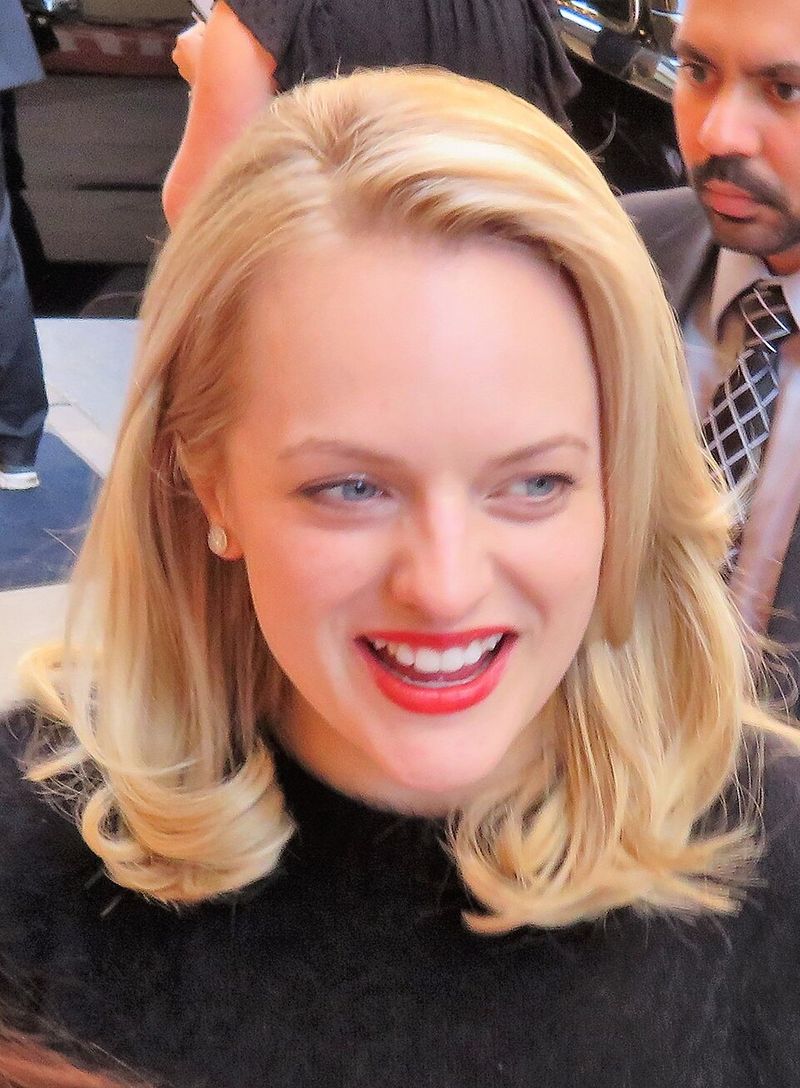
Instinct takes the driver’s seat when Elisabeth Moss steps onto a set.
She has openly stated that method acting isn’t her approach, preferring instead to trust her gut feelings and natural reactions. Moss believes that authenticity comes from within, not from living as a character between takes.
Her performances in shows like The Handmaid’s Tale showcase how powerful instinctive acting can be. Instead of staying in character all day, she turns it on when cameras roll and switches back to herself once the director yells cut.
2. Natalie Portman
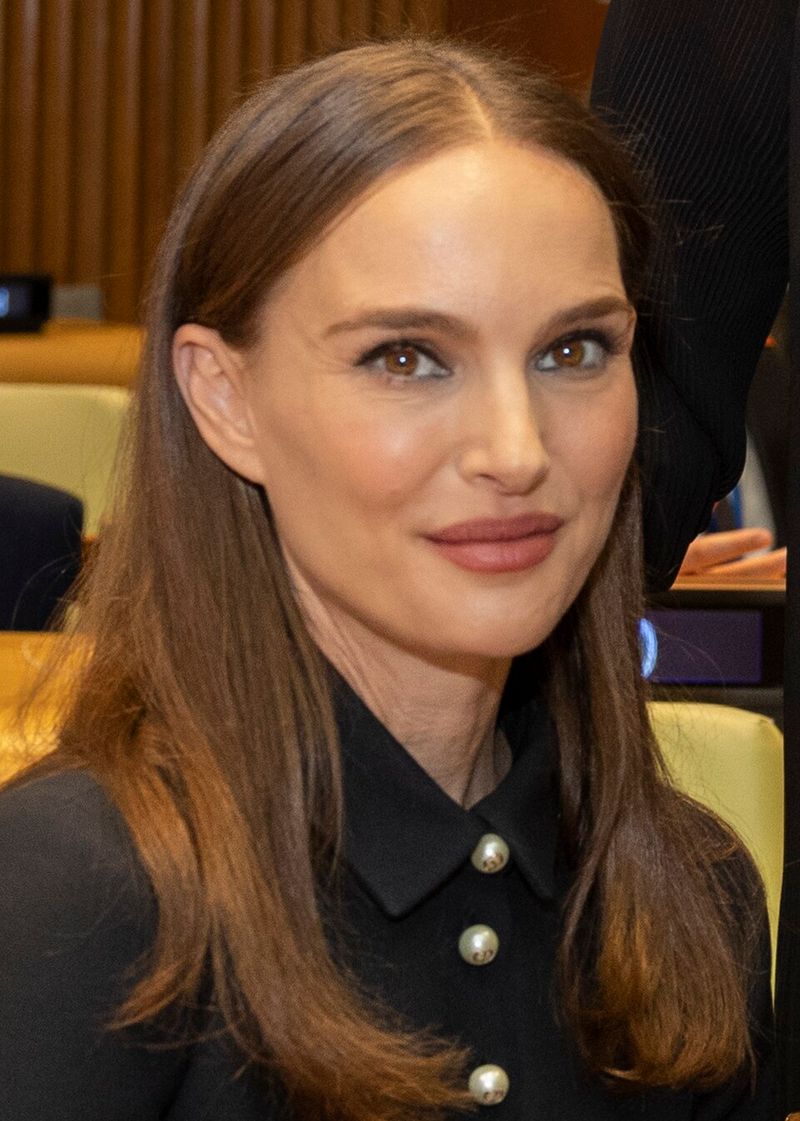
Method acting has never been her default, and she has described extreme immersion as something many performers, especially women with limited flexibility, often cannot afford.
Portman has talked about acting as work that still requires boundaries, not an all-consuming lifestyle. That practical mindset helps keep performance-focused intensity on set, while protecting real life after the cameras stop.
Strong roles can still land with full emotional force, even when the process stays disciplined and intentional.
3. Marion Cotillard
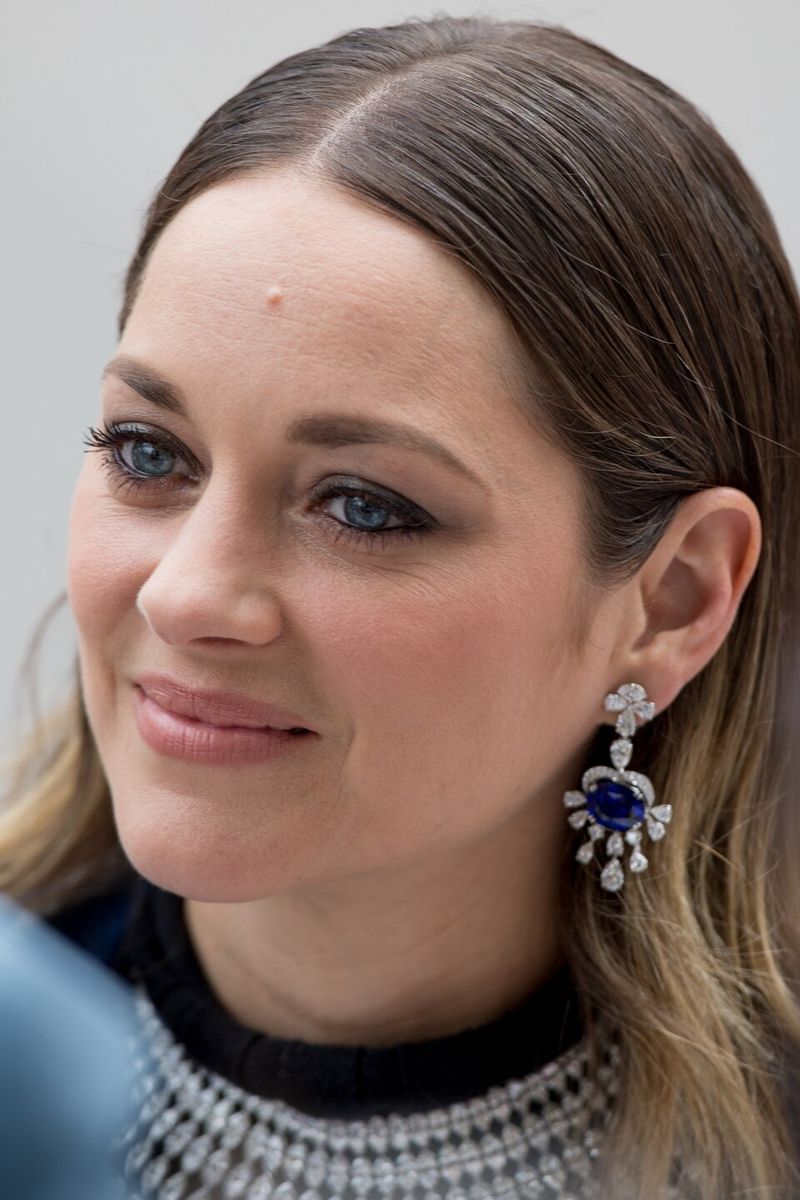
Honestly, Marion Cotillard knows that filming can affect you without becoming a method.
The French actress has explained that while she doesn’t practice method acting, the experience of shooting certain scenes can still leave an emotional imprint.
She acknowledges this impact while maintaining healthy boundaries.
Cotillard prepares thoroughly for roles through research and rehearsal. Her Oscar-winning performance as Édith Piaf proved that deep preparation and temporary emotional vulnerability create stunning results without requiring an actress to lose herself completely in a role.
4. Saoirse Ronan
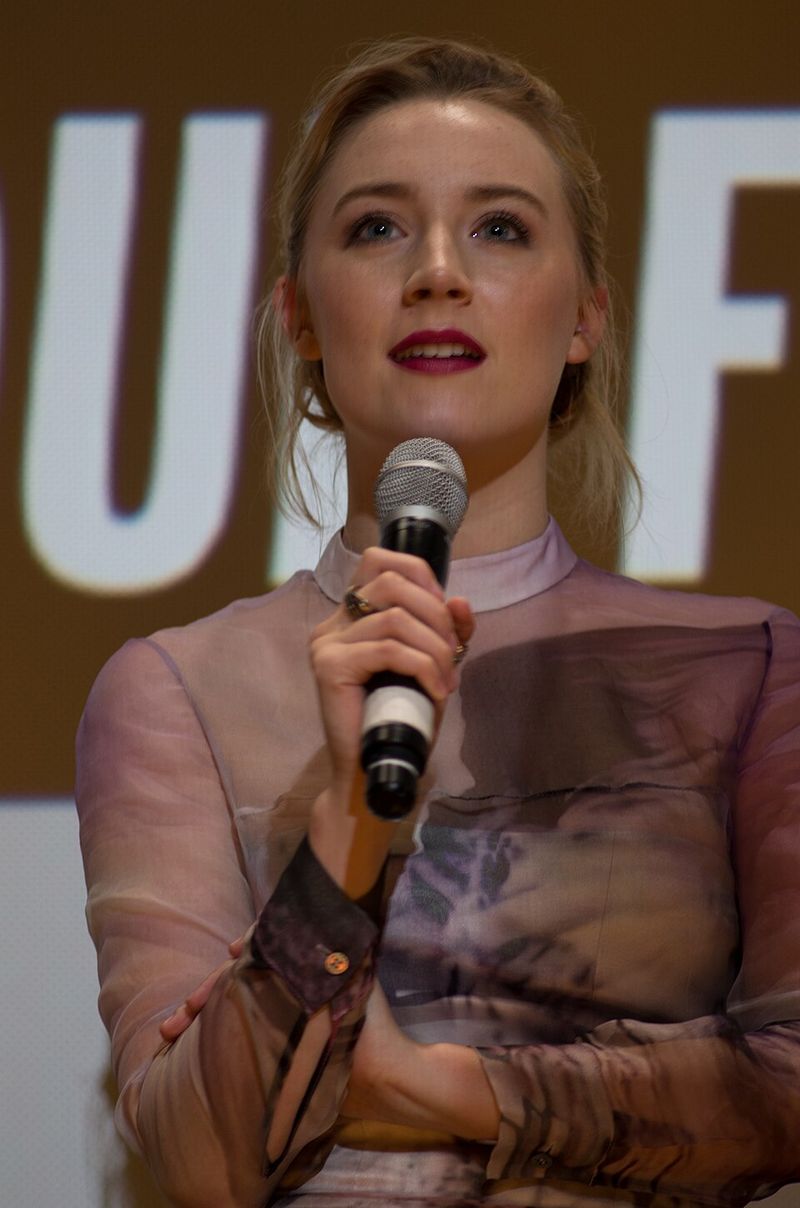
“Not in any shape or form” sums up how Saoirse Ronan views method acting.
A strong belief in acting as a craft with a major technical side shapes that mindset, placing emphasis on skill rather than total immersion. Each role gets approached the way a carpenter handles woodwork, with precision, practice, and respect for the tools of the trade.
Multiple Oscar nominations show how technical excellence can still produce deeply emotional performances. From a teenage girl in Sacramento to a 1940s writer in Brooklyn, characters come to life through careful study instead of off-camera role living.
5. Rose Byrne
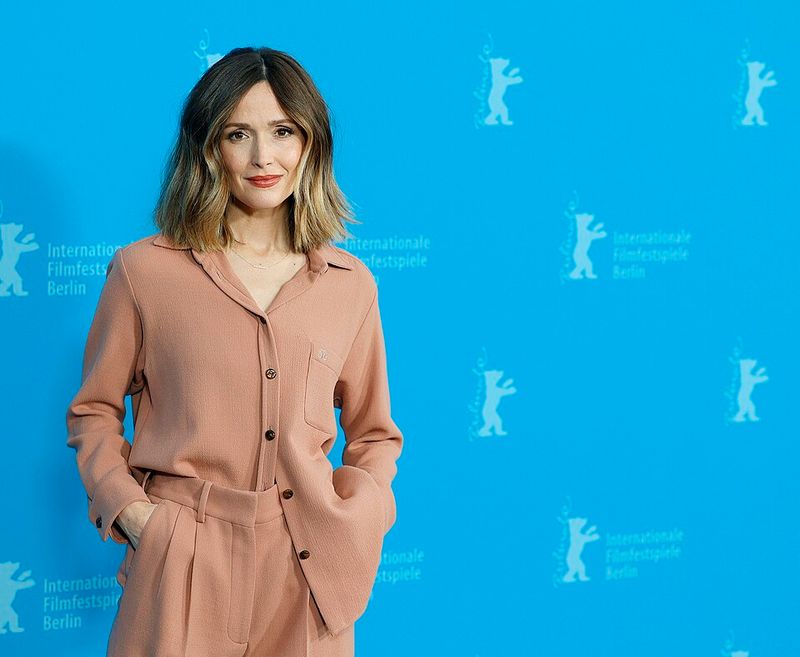
Rose Byrne has said she is not a method actor ‘in that sense,’ preferring to stay responsive in the moment instead of living as a character off camera.
She has clarified that she’s not a method actor “in that sense,” instead relying on reacting truthfully to what unfolds in front of her.
The Meisner technique teaches actors to respond genuinely to their scene partners rather than planning emotions in advance.
Byrne’s versatility across comedy and drama proves this reactive approach works brilliantly. From Bridesmaids to serious roles, she stays present in the moment, building chemistry and authenticity through real-time connection rather than pre-lived character experiences.
6. Elizabeth Olsen

Actually, Elizabeth Olsen draws a clear line between Stanislavski and modern method acting.
She has stated she’s not a method actor at all, understanding the difference between the original Russian techniques and what “method acting” has become in contemporary practice. Stanislavski emphasized imagination and emotional memory as tools, not lifestyle choices.
Olsen’s portrayal of Wanda Maximoff spans years of Marvel films, yet she never stayed in character between takes.
Her grounded approach allows her to access powerful emotions while maintaining perspective, proving that superhero roles don’t require superhuman dedication off-screen.
7. Carice Van Houten
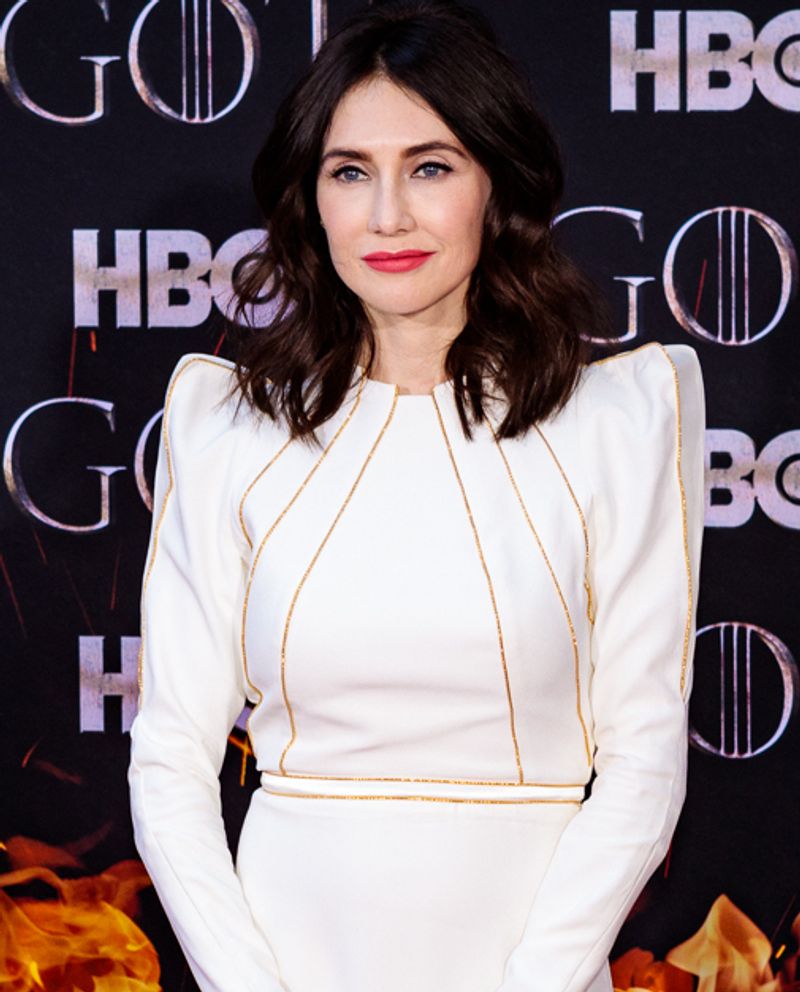
Trusting instincts sits at the core of Carice van Houten’s acting philosophy.
The Dutch actress has explained that method acting is not her path, choosing instead to stay aware of each role while letting intuition shape performance choices. Understanding a character’s psychology matters, yet taking that mindset home never enters the picture.
Haunting work as Melisandre in Game of Thrones demanded powerful dramatic moments. Careful preparation and clear awareness made those scenes land, proving that playing a mystical priestess does not require living like one once the cameras stop rolling.
8. Huma Qureshi
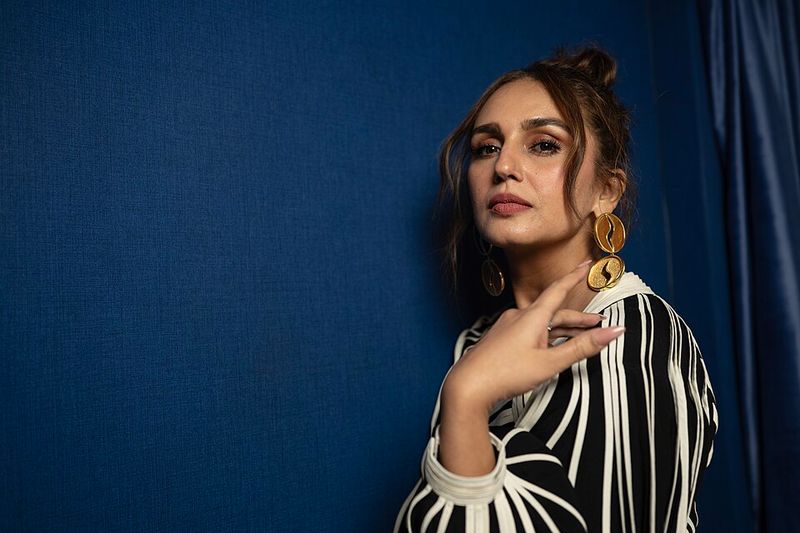
“Switching on and switching off” captures Huma Qureshi’s clear, no-nonsense approach to acting.
An instinctive performer by nature, the Indian actress has made it clear that method acting is not part of the process. Full commitment happens during a scene, followed by an immediate return to everyday life once the moment ends.
Such a practical technique fits perfectly with the fast pace of film production. Work in both Bollywood and international projects shows how emotionally layered performances can come to life without taking characters home, proving that strong boundaries can expand rather than limit an actor’s range and depth.
9. Sophie Nélisse
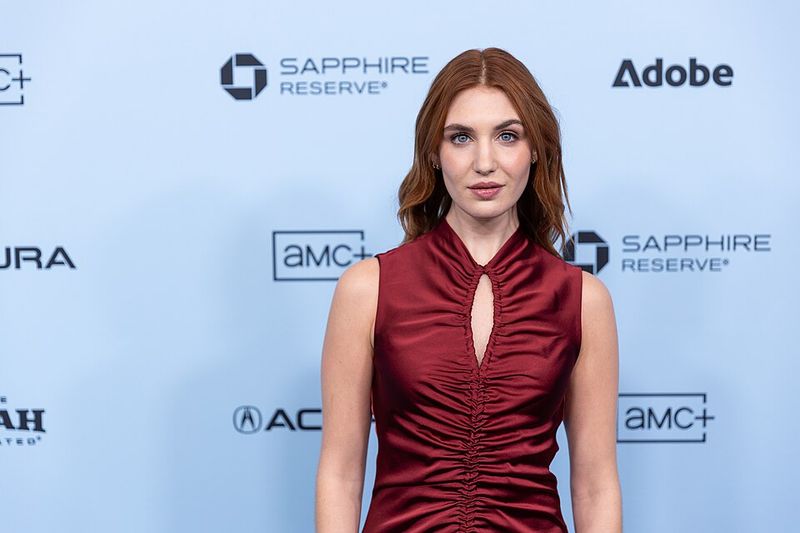
How does a young actress handle intense emotions like anger during filming?
Sophie Nélisse has explained that she’s not a method actor and focuses on separating herself from difficult emotions once a scene wraps. This healthy boundary helps her avoid carrying negative feelings beyond the set.
Nélisse’s breakout role in The Book Thief required deep emotional work at a young age.
Her ability to access and then release these feelings shows maturity beyond her years, proving that even younger performers can develop sophisticated techniques that prioritize both craft and wellbeing.
10. Lindsay Duncan
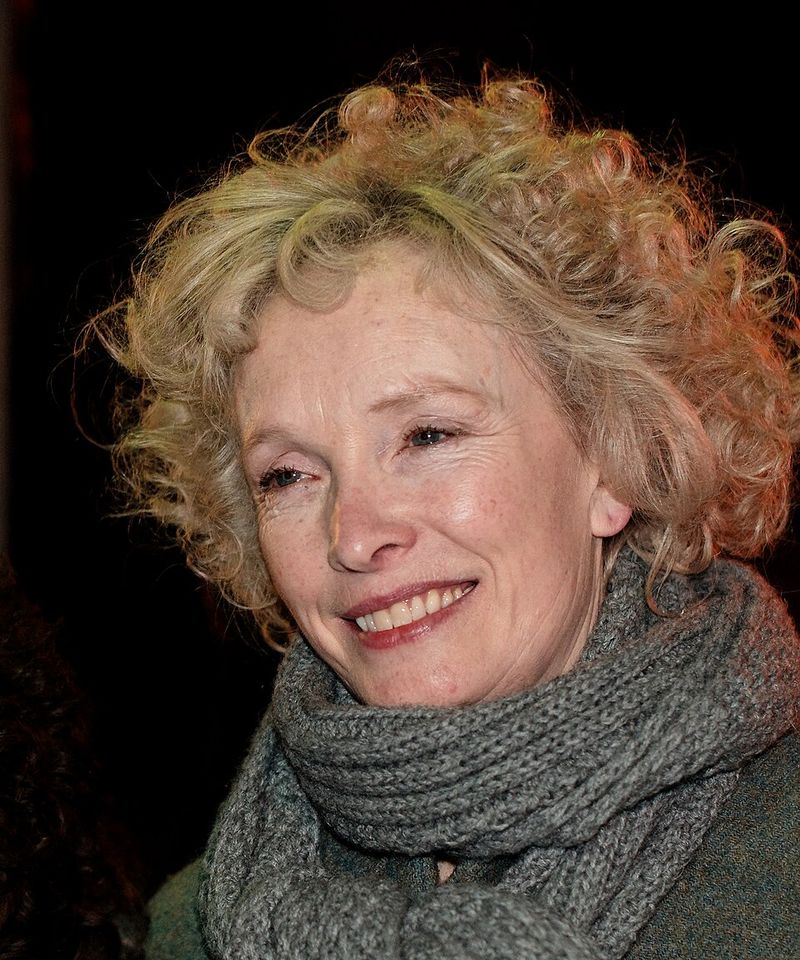
“No intention of living it out” is Lindsay Duncan’s firm stance on method acting.
The veteran British actress focuses on bringing honesty to her work so she can leave it at work when the day ends. Duncan believes that truthful performance comes from skill and preparation, not from blurring the lines between actress and character.
Throughout decades of stage and screen work, Duncan has proven that classical training and professional discipline create powerful performances. Her approach emphasizes that acting is a job – an important, creative job – but still one that shouldn’t consume your entire existence or identity.