20 Actresses Whose Careers Evolved Beyond Typecasting
Hollywood loves a label, but some actresses looked at the box and said, “no thanks, I’m booked elsewhere.”
After getting known for one type of role, they swerved hard, grabbed unexpected parts, and showed range that probably made casting directors sweat a little.
Drama, comedy, action, offbeat indie projects that made festival crowds pay attention, they did it all and made it look easy. Turns out the only box they belong in is the one holding their awards… and maybe their snacks on set.
Note: This article is intended for general informational and entertainment purposes, highlighting publicly known performances and career pivots across film and television.
20. Meryl Streep
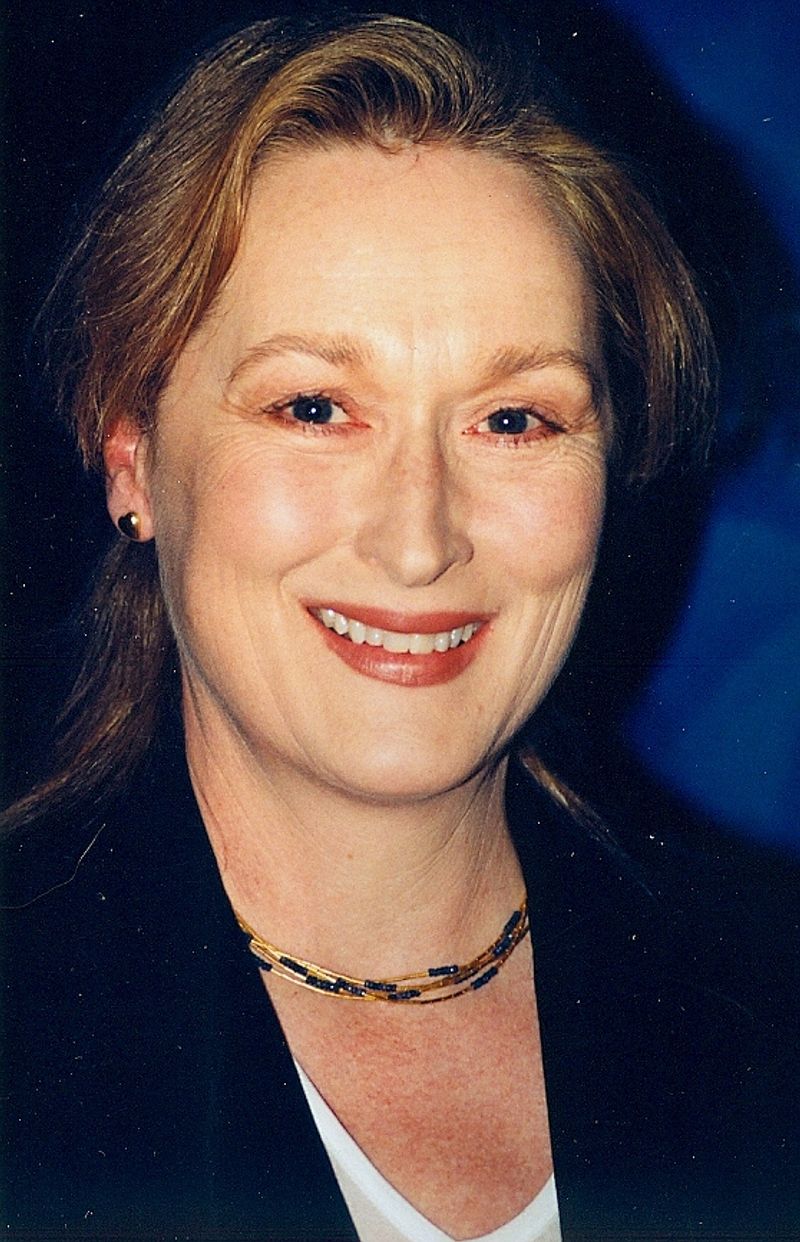
Early in her career, some industry voices underestimated how magnetic she could be as a lead.
Streep proved them wrong by becoming the most Oscar-nominated actor ever, playing everything from a Holocaust survivor to Margaret Thatcher to a witch.
She turns accents into art and disappears into characters so completely that audiences forget they are watching the same person.
Her secret weapon is curiosity about people who live nothing like her. Whether she is singing in a musical or running a fashion magazine, Streep makes every role feel like the first time she has ever acted.
19. Cate Blanchett
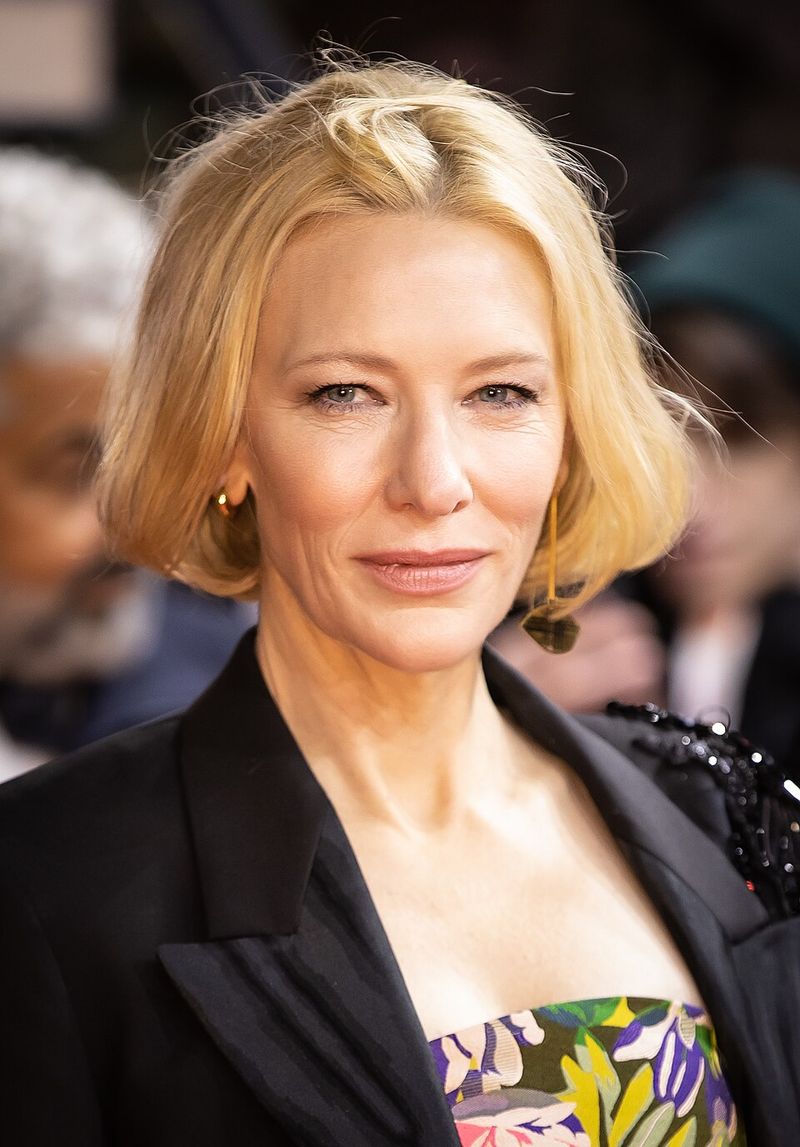
Early audiences met Cate Blanchett as an ethereal elf in fantasy epics before she stunned viewers by portraying Bob Dylan in a daring music biopic. Chameleon like instincts let her move easily between royalty, drifters, and everything in between.
Sharp intelligence shapes each performance, even when the material itself falls short.
Choosing roles that feel risky keeps her work feeling alive more than two decades into a remarkable career.
18. Nicole Kidman
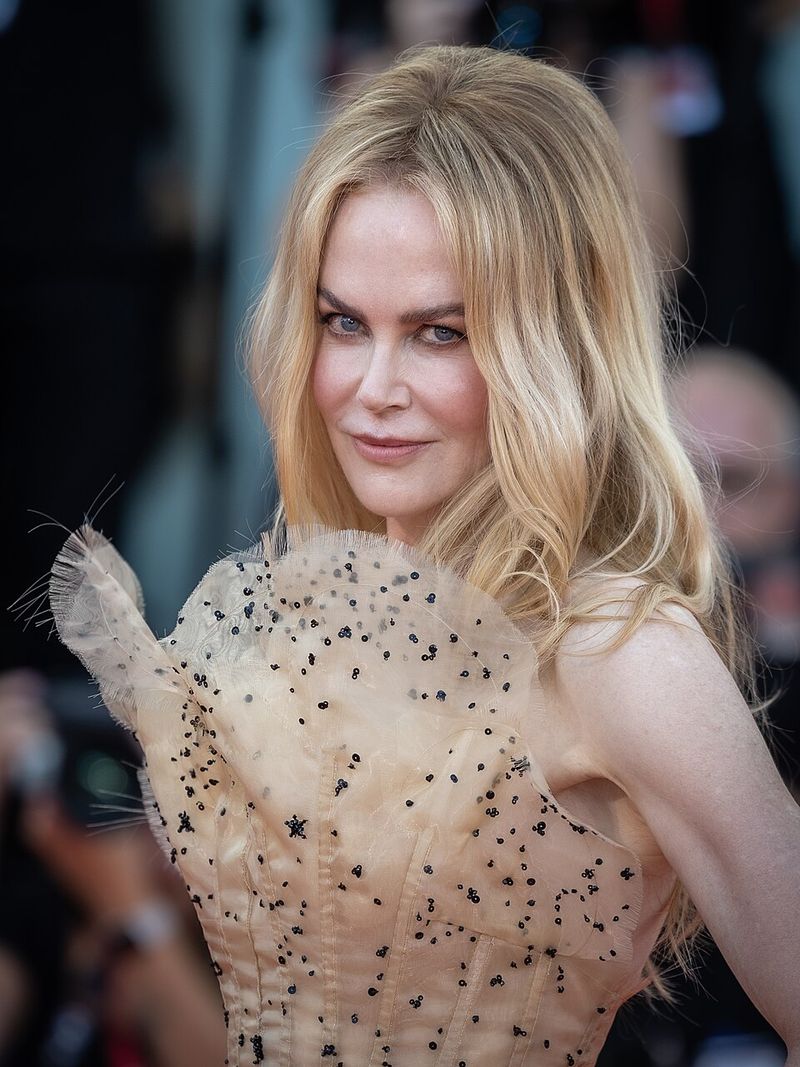
Studios wanted her to play the pretty wife forever.
Kidman had other plans, taking roles that required fake noses, bad wigs, and zero glamour. She went from rom-com sweetheart to playing damaged women in dark thrillers that made audiences uncomfortable.
Her willingness to look unglamorous opened doors other actresses her age never got. Whether she is a grieving mother or a mysterious woman with secrets, Kidman commits so hard that you forget she was ever in romantic comedies at all.
17. Charlize Theron
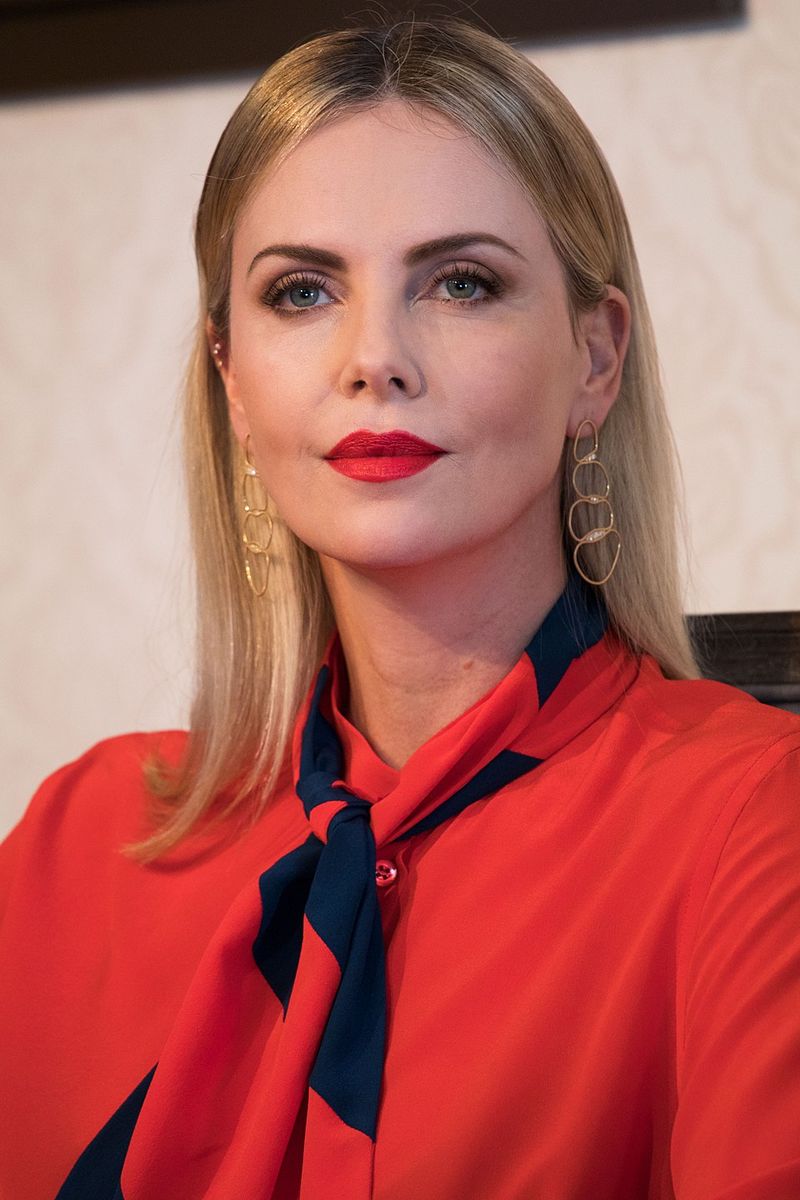
Everyone saw her as just another pretty face in forgettable thrillers.
Theron gained weight, wore prosthetics, and transformed into real-life criminal Aileen Wuornos, winning an Oscar and changing her career forever. She followed that by shaving her head for an action film and doing her own stunts in brutal fight scenes.
Her fearlessness about her appearance makes directors trust her with complex roles. Theron treats beauty like a costume she can put on or take off depending on what the character needs.
16. Natalie Portman
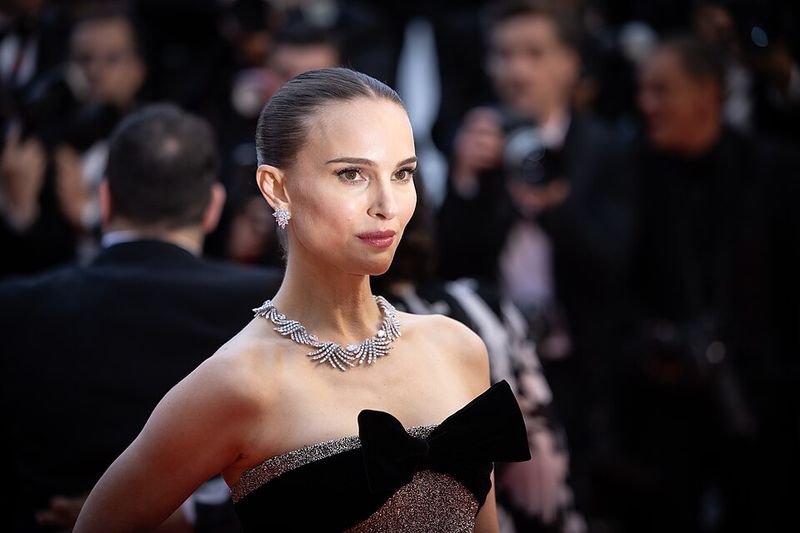
Few child actors manage to outgrow their earliest fame, yet Natalie Portman carved a very different path.
Career turns carried her from teen roles to a Harvard degree and eventually to Academy Award recognition, with choices spanning science fiction, psychological thrillers, and demanding biographical work. Extreme physical commitment marked her preparation for the ballerina role in Black Swan, where intense training and total physical discipline helped shape the character’s unraveling.
Fluency efforts and creative control followed, including learning Hebrew for A Tale of Love and Darkness and stepping behind the camera when the industry offered limited opportunities.
Careful selection of projects reflects an intelligence that shows up consistently in the work she chooses.
15. Viola Davis
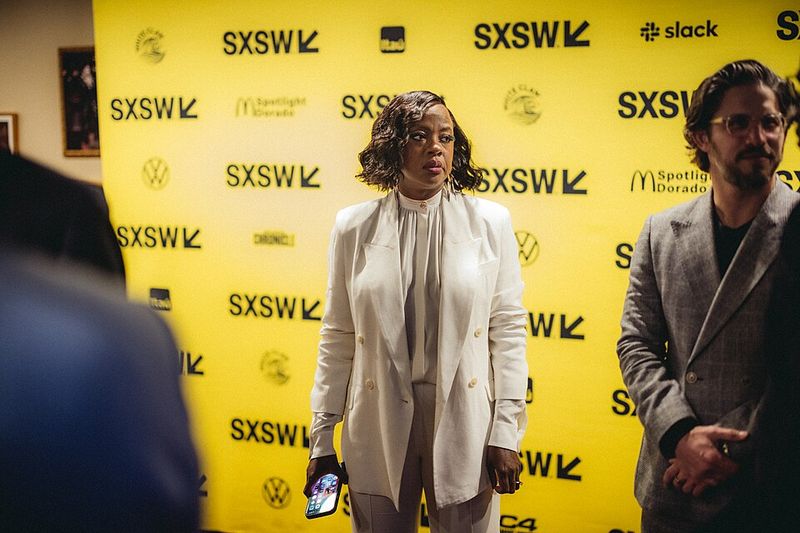
For a long stretch, casting decisions funneled Viola Davis into parts as maids and struggling mothers.
Rather than disappearing into the margins, she turned each performance into something unforgettable and kept pressing for deeper material until the industry responded.
Milestones followed when she became the first Black performer to earn the Triple Crown of Acting with an Oscar, an Emmy, and a Tony, bringing lawyers, warriors, and legendary performers to life along the way.
Powerful emotional presence often leads directors to expand scenes once they see what she brings to the screen. Desire to portray women who are messy and complicated, not confined to quiet suffering, continues to shape the roles she chooses.
14. Anne Hathaway
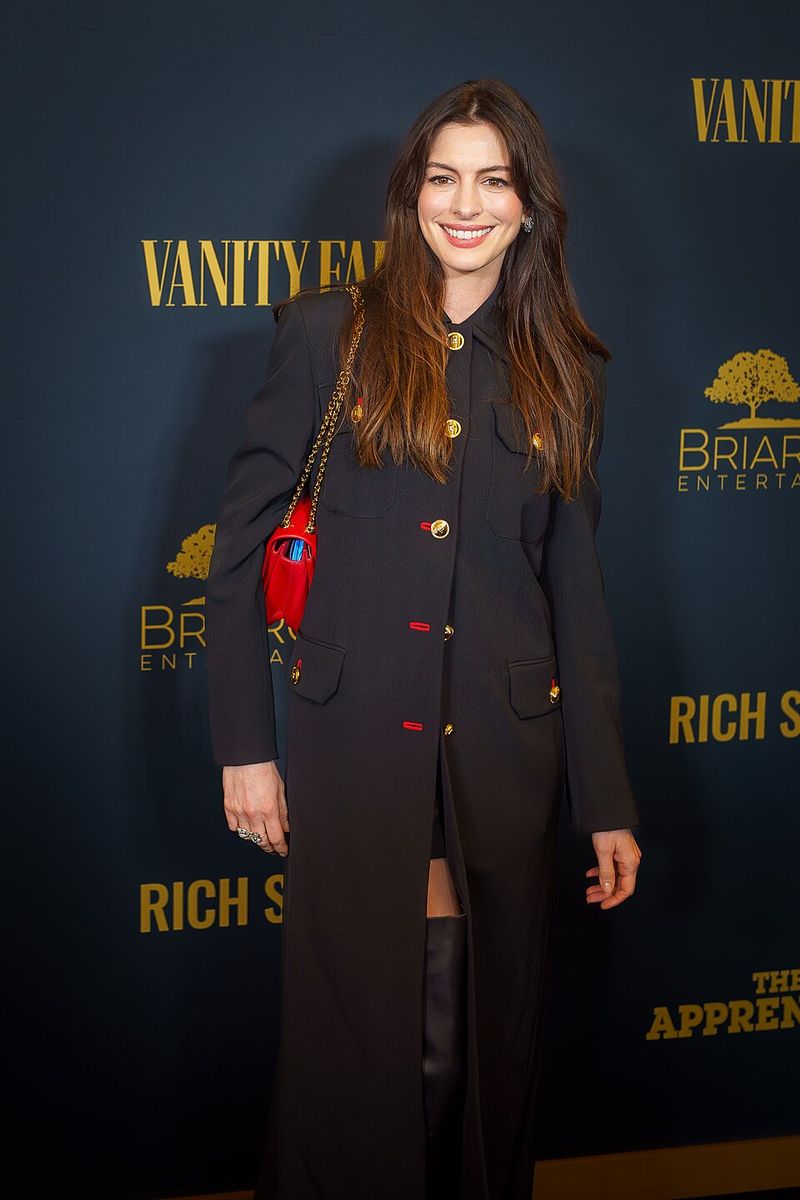
Early fame in princess roles led some critics to label Anne Hathaway as overly perky. A dramatic turn came when she cut her hair on camera, lost significant weight, and sang live for her Oscar winning role as Fantine in Les Misérables.
Subsequent projects saw her play a con artist, a space traveler, and a recovering addict, showing range across genres and tones.
Willingness to portray flawed or unlikable characters sets her apart from performers focused only on audience approval.
Hathaway has said letting go of constant public judgment allowed her to enjoy her work far more.
13. Reese Witherspoon
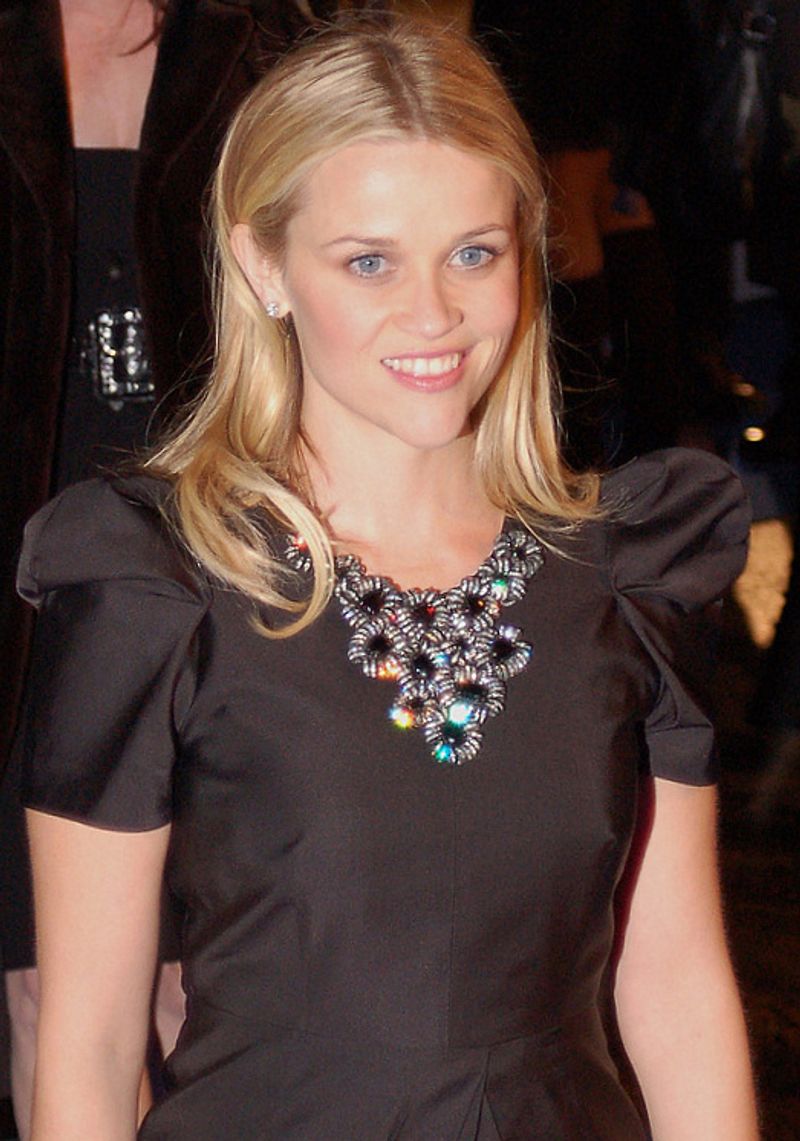
After playing bubbly blondes for years, Witherspoon wanted something darker. She played a woman hiking alone through grief and danger, earning an Oscar nomination for Wild and respect from critics who had written her off.
Then she started her own production company to create roles Hollywood was not writing.
Witherspoon now controls what stories get told and who tells them. Her business savvy turned her from actress to mogul, proving she was always smarter than the characters she played.
12. Emma Stone
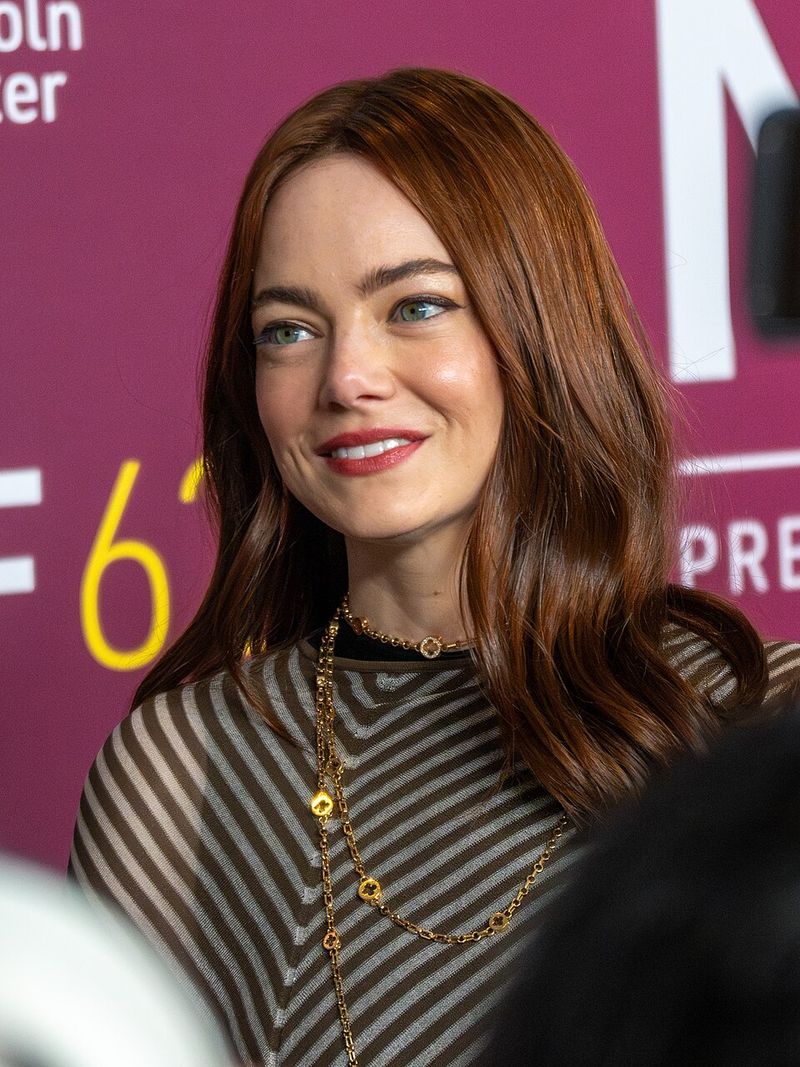
Early screen time often placed Emma Stone in teen comedies as the quirky best friend.
Distinctive husky delivery and offbeat timing made her stand out, yet she kept chasing roles with more emotional weight. Playing a struggling actress in La La Land, a determined tennis player in Battle of the Sexes, and a resurrected woman in Poor Things showed how far her range could stretch.
With each project, distance grew between her and the familiar girl next door image.
Stone has shared that scripts which initially confuse her often turn out to be the most creatively rewarding.
11. Margot Robbie
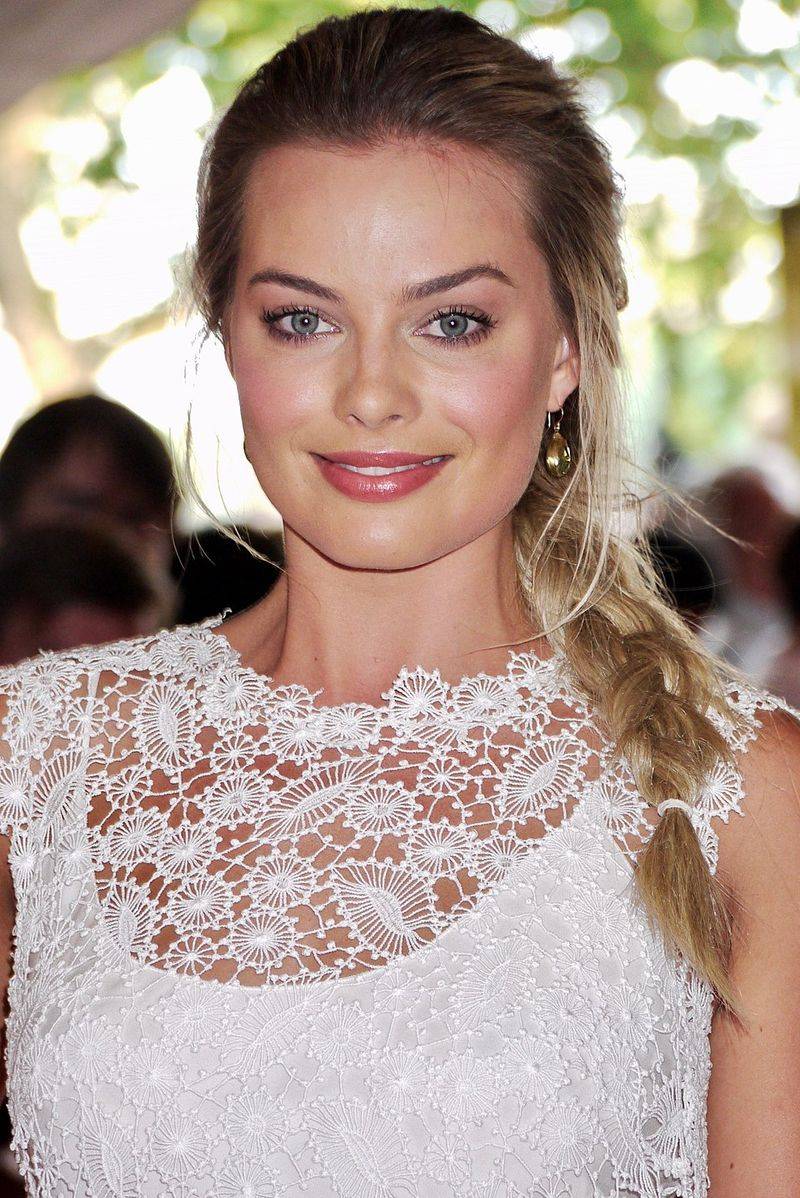
Early industry perception boxed Margot Robbie into eye candy roles after her breakout as a trophy wife.
Rather than fight that label head on, she redirected the attention into layered performances as a disgraced figure skater, a morally messy antihero, and later the iconic doll at the center of Barbie, which she also produced.
Behind the scenes, her production company has championed female driven stories that major studios often overlook. Sharp awareness of image lets her treat beauty as a creative tool instead of a limiting stereotype.
Consistently surprising role choices have become part of her professional signature.
10. Zendaya
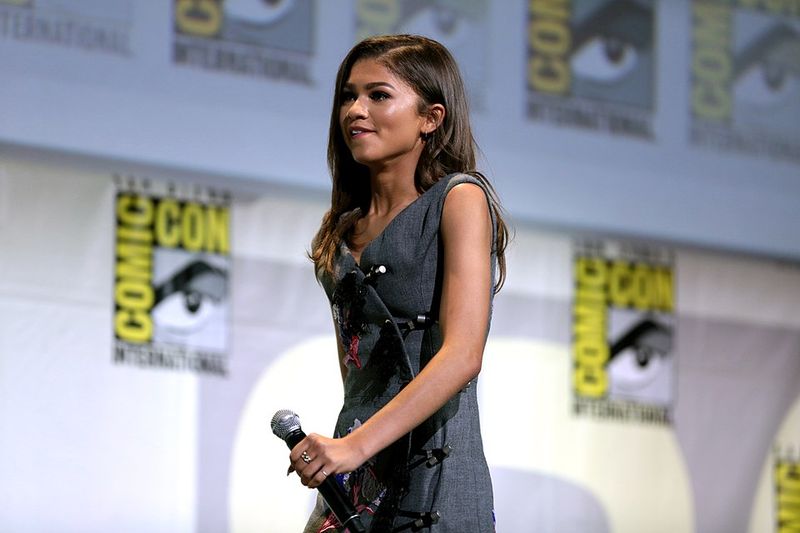
Starting on a kids’ channel, Zendaya could have stayed in safe, wholesome roles.
Instead, she played a troubled teen navigating a troubled, high-stakes storyline in a raw, unflinching drama that shocked people who remembered her from Disney shows. She followed that with science fiction epics and romantic dramas that showcased her range.
Her fashion choices get as much attention as her acting, but Zendaya uses that spotlight to pick challenging projects. She proves that young actresses do not have to wait decades to be taken seriously.
9. Lupita Nyong’o
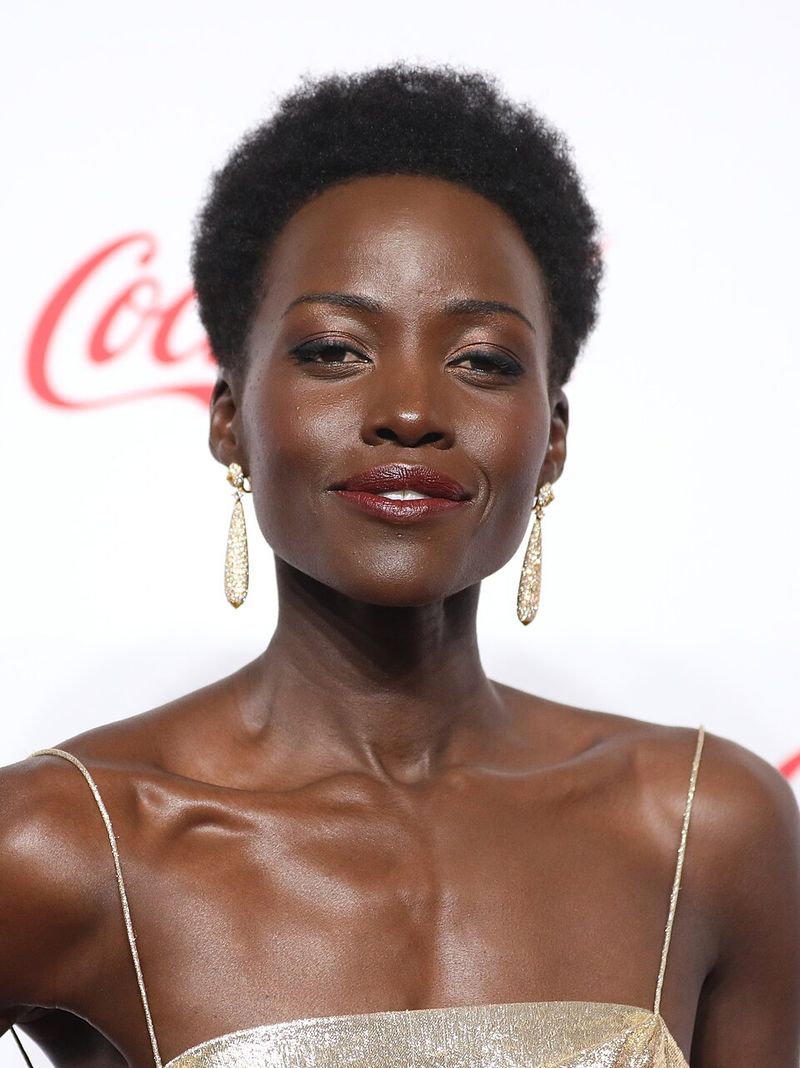
An Academy Award arrived with her first major film performance for Lupita Nyong’o, a moment that could have boxed her into similar roles. Instead, she pivoted toward horror, big budget action, and voice acting projects that allowed her to vanish fully into each character.
Playing dual roles in Us proved she could be both terrifying and deeply emotional within the same story.
Nyong’o has spoken about wanting to portray women from across the globe rather than the narrow range often offered by Hollywood. Unpredictable choices continue to keep audiences curious about where her career will go next.
8. Brie Larson
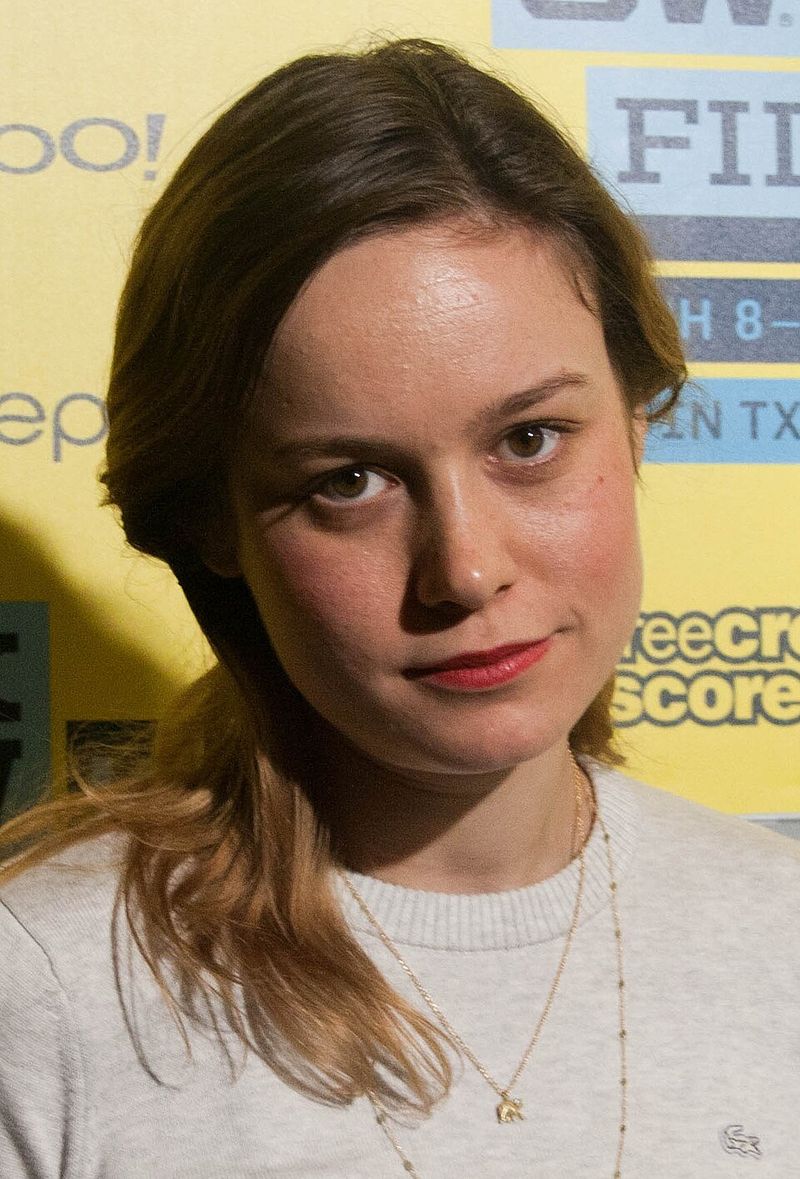
Critics barely noticed Larson until she played a woman held captive with her son.
That performance won her an Oscar and changed everything, leading to a superhero franchise and directing opportunities.
She went from indie darling to action star without losing her edge, bringing emotional depth to roles that could have been one-dimensional. Larson directs films now too, telling stories about women Hollywood usually ignores.
Her career proves that one great role can rewrite your entire future if you are ready for it.
7. Melissa McCarthy
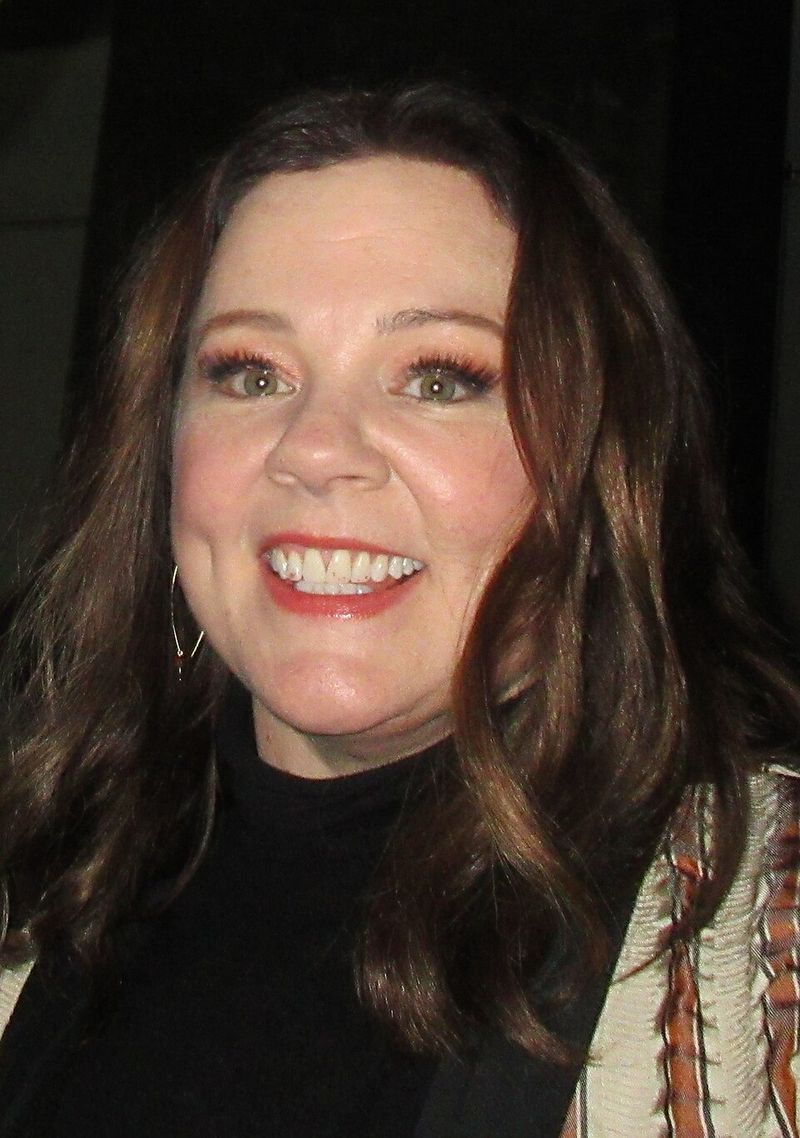
Early studio casting steered Hollywood toward seeing Melissa McCarthy as the funny best friend, a lane she did not stay in for long. Standout work in those supporting roles impressed filmmakers enough that scripts soon began centering her instead.
A dramatic shift arrived with her portrayal of a literary forger in Can You Ever Forgive Me?, a performance that earned awards attention and reset industry expectations.
Building her own production company opened space to create comedies where women could be messy, flawed, and truly funny without becoming the punchline.
Growing influence in the industry also widened opportunities for performers who fall outside Hollywood’s narrow traditional mold.
6. Jennifer Aniston
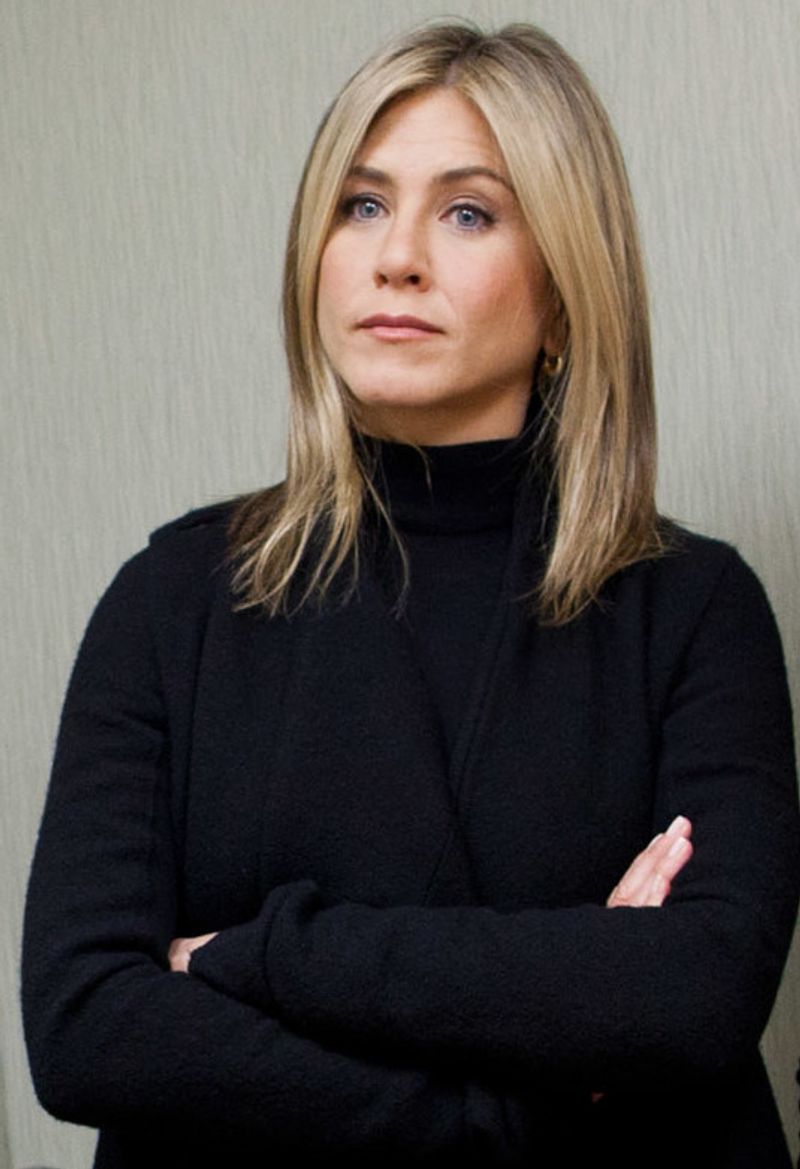
After a decade as America’s favorite sitcom character, Aniston struggled to be seen as anything else.
She took unglamorous roles as a woman in chronic pain and a therapist with her own personal struggles, earning critical praise she never got for romantic comedies. Her production company now develops complex female characters for streaming platforms.
Aniston says she stopped chasing likability and started chasing truth, which made her work more interesting. She proves that sitcom stars can have second acts if they are willing to risk it.
5. Regina King
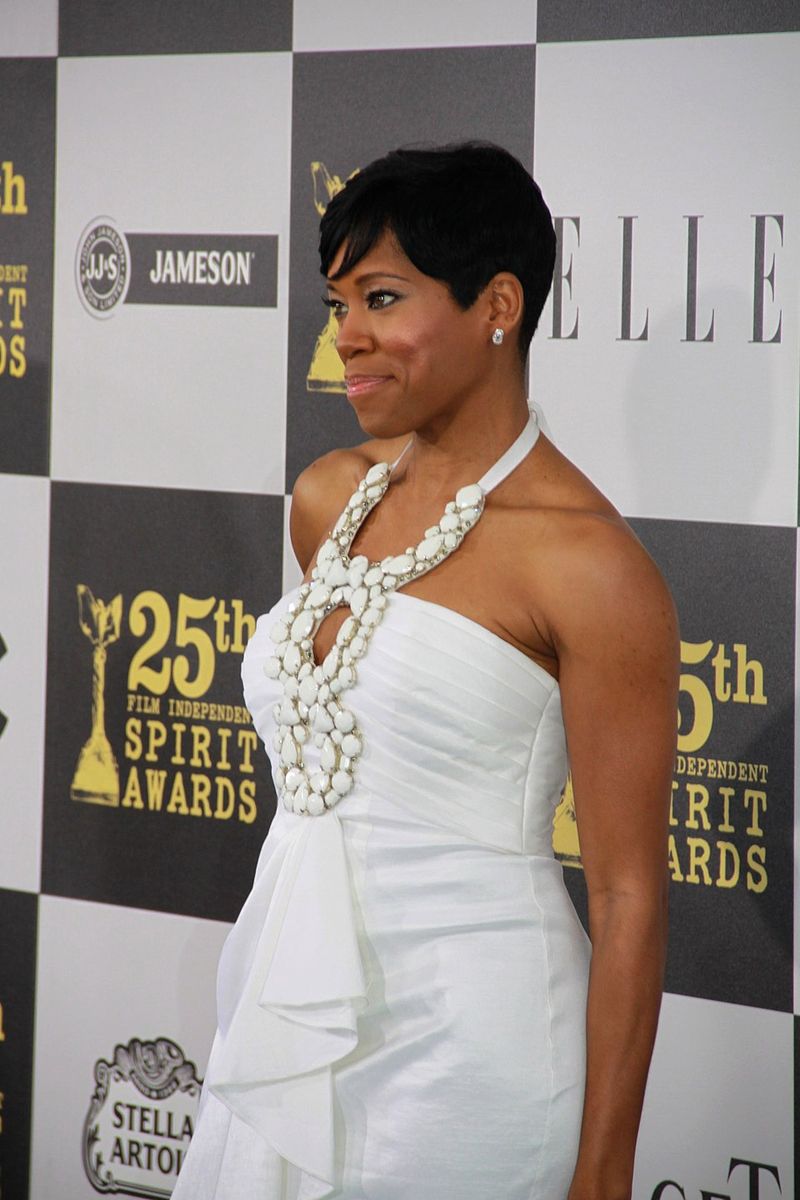
King spent years in supporting roles, always excellent but rarely the focus. She kept working until Hollywood finally caught up, giving her leads in films and shows that showcased her range.
Then she won an Oscar and started directing, telling stories about Black life with nuance and complexity.
Her directing debut earned critical raves and proved she had been ready to lead for decades. King says she wants to create opportunities for other actresses who are tired of waiting their turn.
4. Olivia Colman
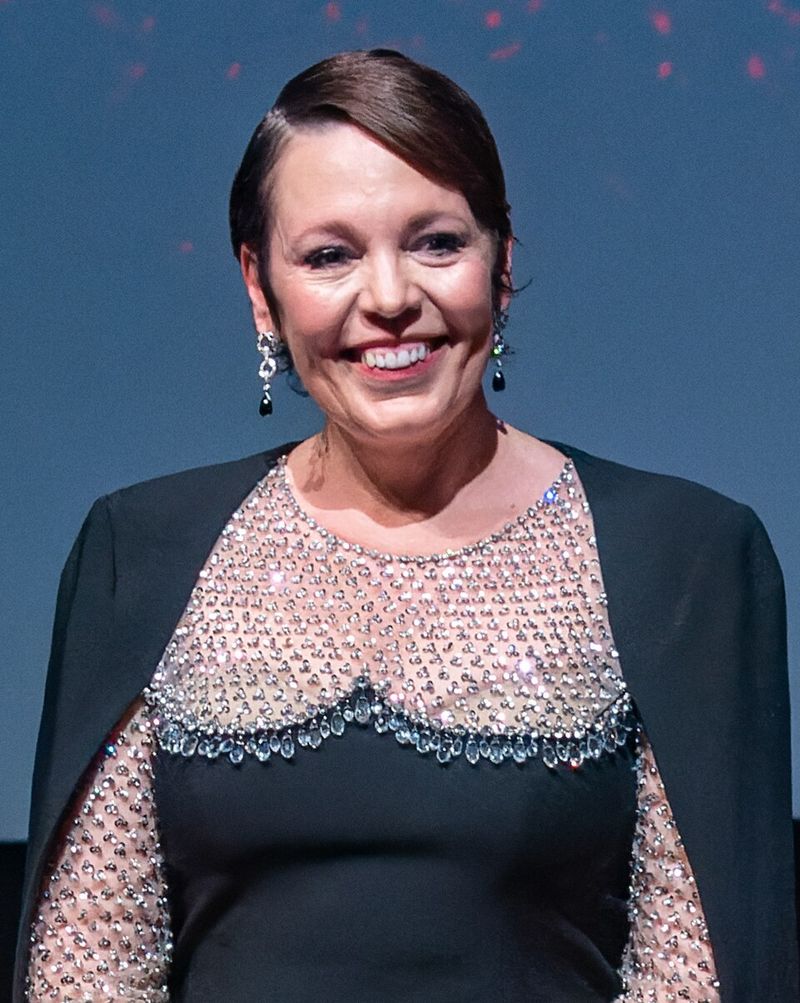
British audiences first recognized Olivia Colman for her sharp comedic work on television long before major film roles arrived. Later performances as a monarch in The Favourite, a desperate mother in The Lost Daughter, and a woman unraveling under pressure revealed a remarkable dramatic range and led to Academy Award recognition.
Natural, every person warmth lets her feel equally convincing as royalty or someone next door.
Colman has often said she never imagined becoming a film star and still approaches success with visible surprise. A career that blossomed later than expected offers encouragement to performers who fear their opportunity has already passed.
3. Sandra Bullock
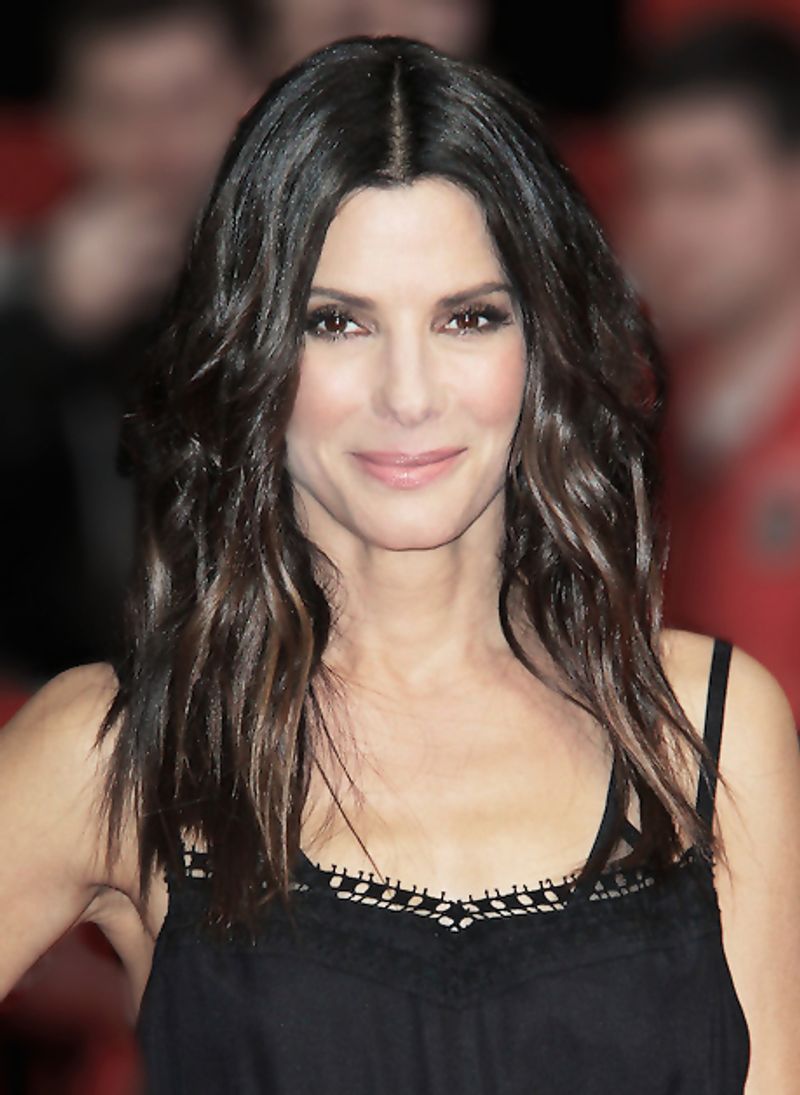
Bullock ruled romantic comedies for so long that people forgot she could do anything else.
Then she played a woman fighting to survive in space, a mother protecting her children from monsters, and a woman rebuilding her life after prison, earning Oscars and respect.
Her choices got braver as she got older, proving that actresses over 40 can still open movies. Bullock says she stopped worrying about being likable and started having more fun with complicated women.
Her career longevity is rare in Hollywood.
2. Jessica Chastain
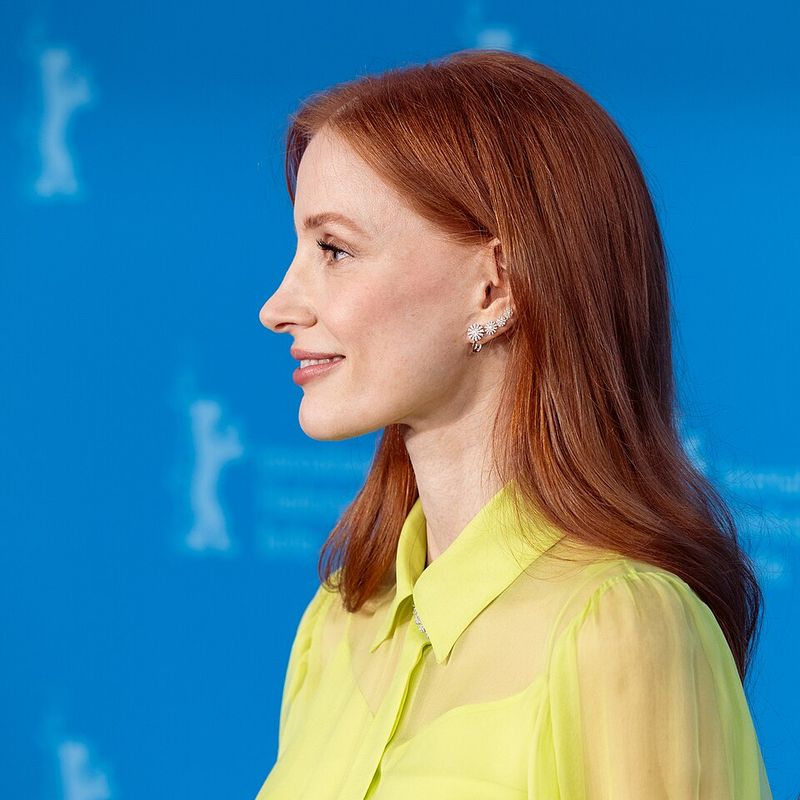
Recognition came later than usual, with major roles arriving once Jessica Chastain was already in her thirties.
Momentum built quickly as she portrayed a determined CIA analyst in Zero Dark Thirty, a fragile Southern woman in The Help, and a charismatic televangelist in The Eyes of Tammy Faye, leading to multiple Academy Award nominations and a win.
Fierce focus on screen gives each character a sense of urgency and emotional weight.
Work behind the camera includes producing projects that highlight women’s stories while turning down parts that feel regressive. Waiting years for momentum seems to have shaped her mindset, with every opportunity treated as one worth fully committing to.
1. Halle Berry
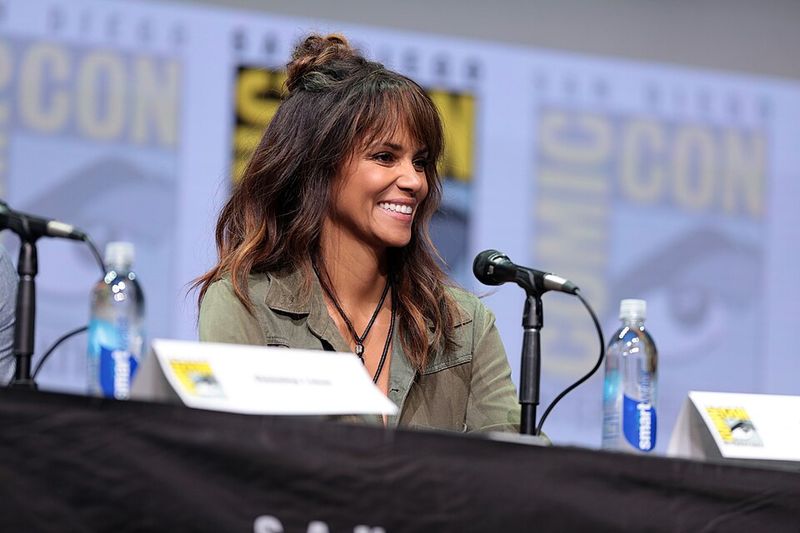
Berry made history as the first Black woman to win a Best Actress Oscar, but Hollywood still tried to limit her to certain types of roles. She fought back by playing action heroes, complicated mothers, and women on the edge of sanity.
Her willingness to do her own stunts in her 50s proves she is not slowing down.
Berry directs now too, telling stories about bruised women who refuse to stay down. Her career spans decades and shows no signs of stopping anytime soon.