20 African-American Actors Who Took Roles Far Outside Their Comfort Zone
Safe choices rarely change careers, and some of the most memorable turns happen when an actor steps into a role that feels genuinely unexpected.
For many African-American performers, that kind of swing can mean leaving behind a familiar screen persona, taking on a genre nobody associates with them, or embracing a character with uncomfortable edges.
Sometimes the risk is physical. Sometimes it is emotional. Sometimes it is simply the decision to be unlikable, unglamorous, or hard to read.
Comfort zones exist for a reason. Audiences latch onto what they already know, studios repeat what already sells, and typecasting can feel like a quiet trap dressed up as opportunity.
Breaking that pattern takes nerve and smart timing.
1. Denzel Washington in Malcolm X
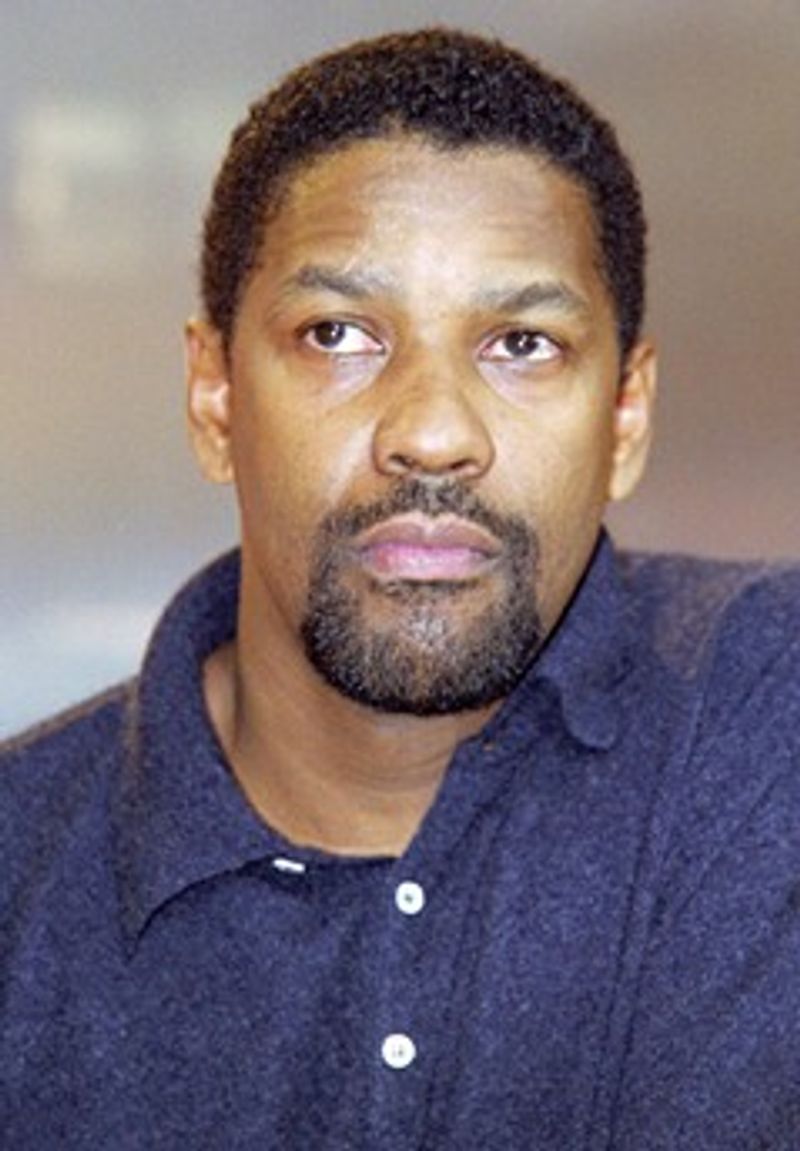
Bringing Malcolm X to the big screen meant carrying the weight of an entire movement on your shoulders.
He spent months studying Malcolm’s speeches, mannerisms, and evolution as a leader.
The role demanded fierce intensity mixed with intellectual precision, qualities that required Washington to dig deeper than ever before.
Every gesture had to honor a man who meant everything to so many people.
His transformation was so complete that audiences forgot they were watching an actor at all.
2. Halle Berry in Monster’s Ball
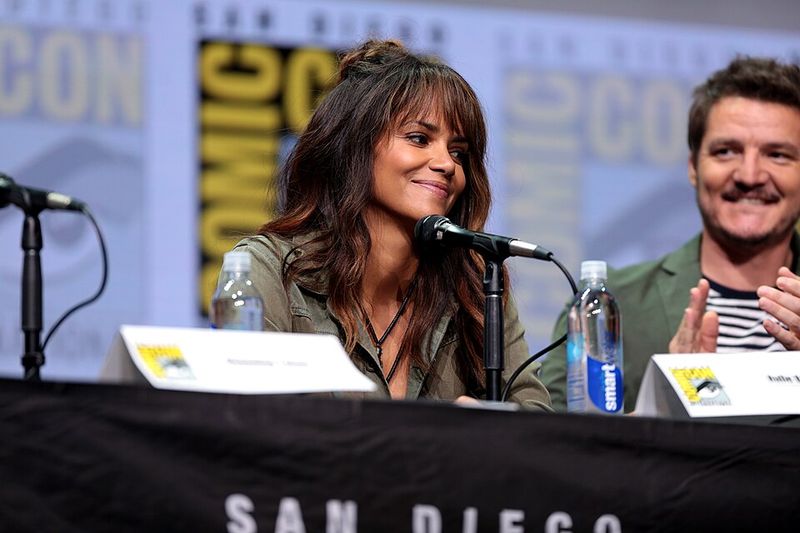
Raw doesn’t even begin to describe what Halle Berry poured into this performance.
She stripped away every protective layer to portray a grieving mother navigating poverty, loss, and unexpected connection.
Berry leaned hard into vulnerability, letting pain show in ways that felt almost uncomfortably real.
Critics and audiences alike recognized this wasn’t just acting . it was a complete surrender to the character’s broken reality.
3. Mo’Nique in Precious
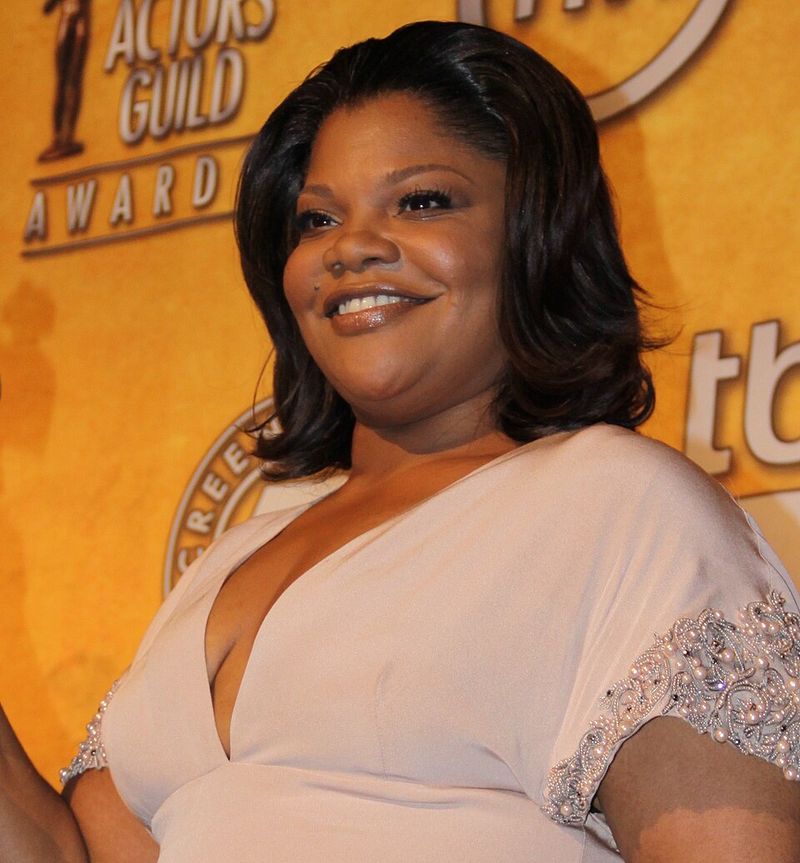
Known for making people laugh, Mo’Nique flipped the script entirely when she took on one of cinema’s most monstrous mother figures.
Playing Mary Jones meant becoming someone audiences would despise, a character built from cruelty and selfishness.
The performance needed fearlessness because there was nothing likable or redeemable to hide behind.
Mo’Nique dove into the darkness without hesitation, creating a villain who felt terrifyingly real.
4. Jamie Foxx in Ray
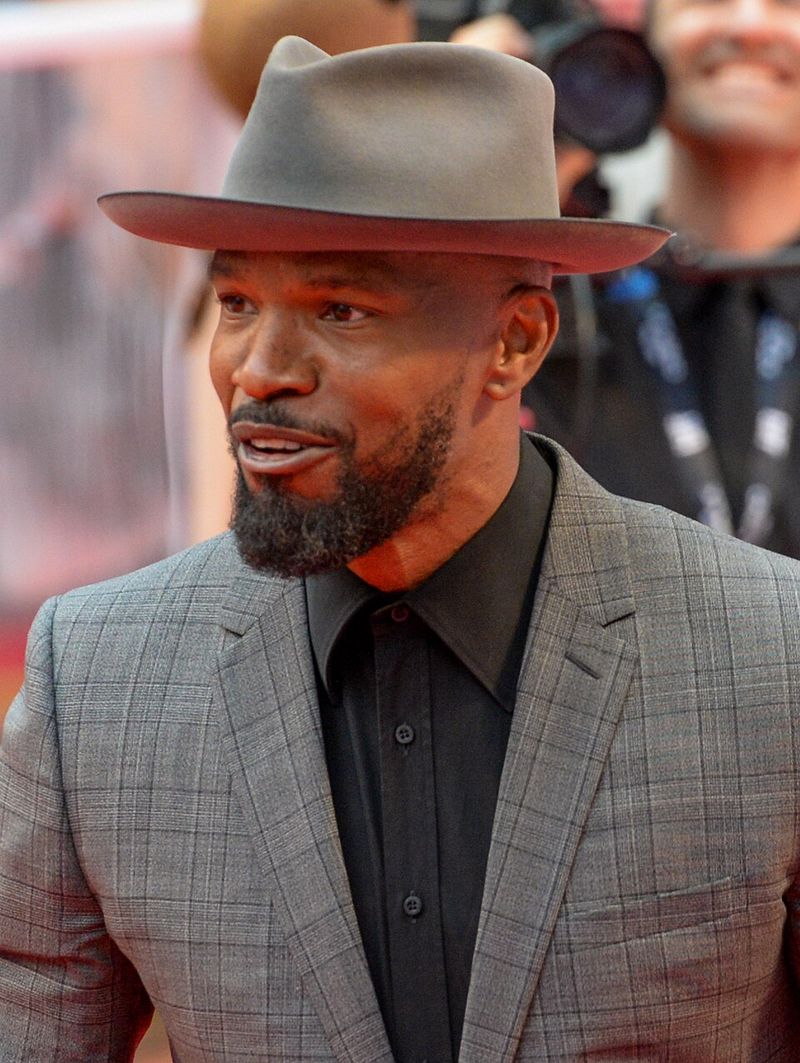
Becoming Ray Charles demanded nailing the voice, the gait, and the lightning-in-a-bottle musicianship all in the same breath.
Jamie Foxx spent months learning piano and studying Charles’s mannerisms until they became second nature.
The role required him to perform with his eyes closed, relying entirely on body language and sound to convey emotion.
His dedication resulted in one of the most believable musical biopics ever filmed.
5. Forest Whitaker in The Last King of Scotland
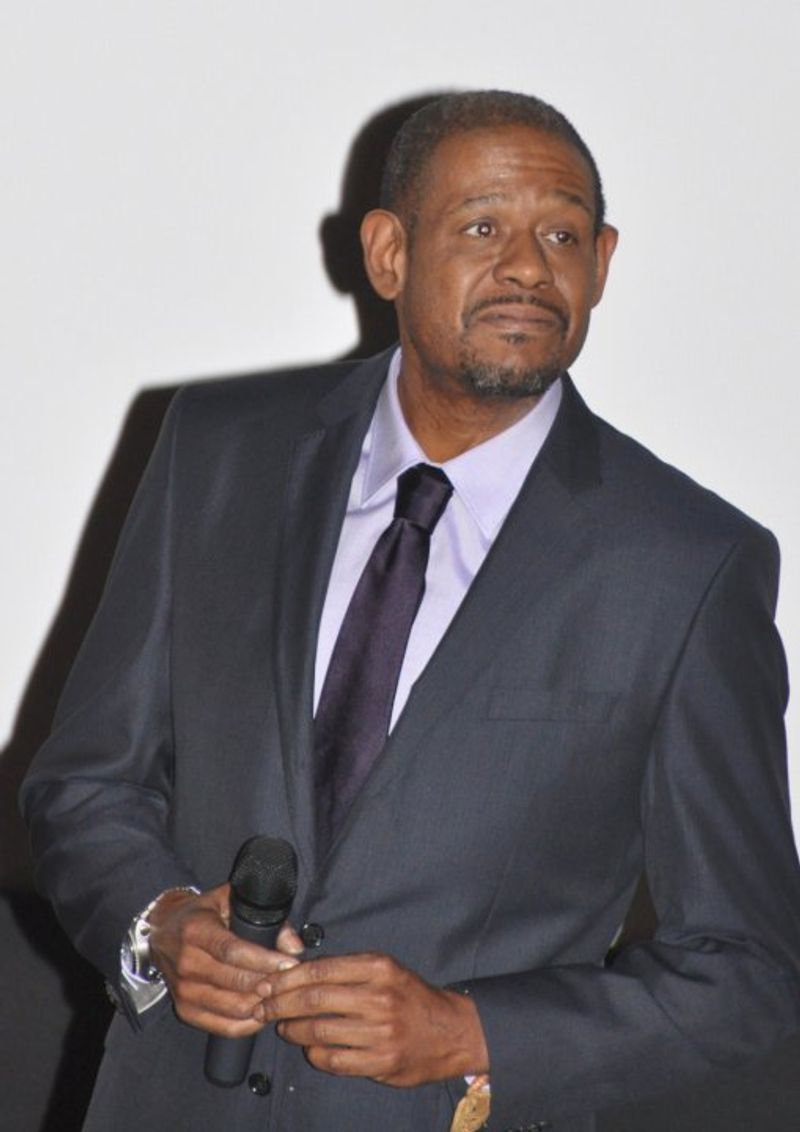
Playing a real-life dictator known for brutality and charm can only mean one thing – walking a terrifying tightrope.
Forest Whitaker spent months in Uganda perfecting Idi Amin’s accent and studying his unpredictable personality shifts.
The role asked for explosive energy mixed with sudden tenderness, creating a portrait of power gone horrifyingly wrong.
His fearless choices earned him an Oscar and cemented this as career-defining work.
6. Viola Davis in The Help
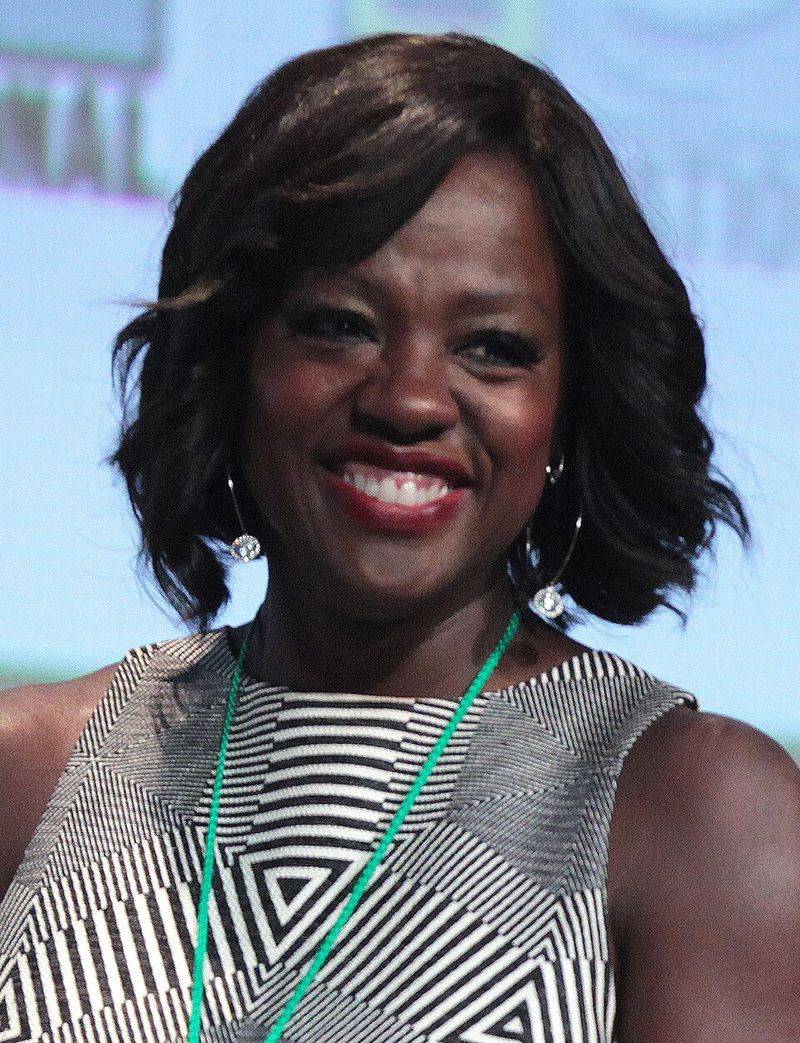
Balancing humor, dignity, and deep pain required Viola Davis to create a character who felt like someone’s actual grandmother.
Her portrayal of Aibileen Clark became the emotional anchor of the entire film.
Davis brought quiet strength to scenes that could have felt preachy, instead making them achingly human.
She navigated the complexities of a woman who loved children who weren’t hers while facing daily indignities.
7. Lupita Nyong’o in Us
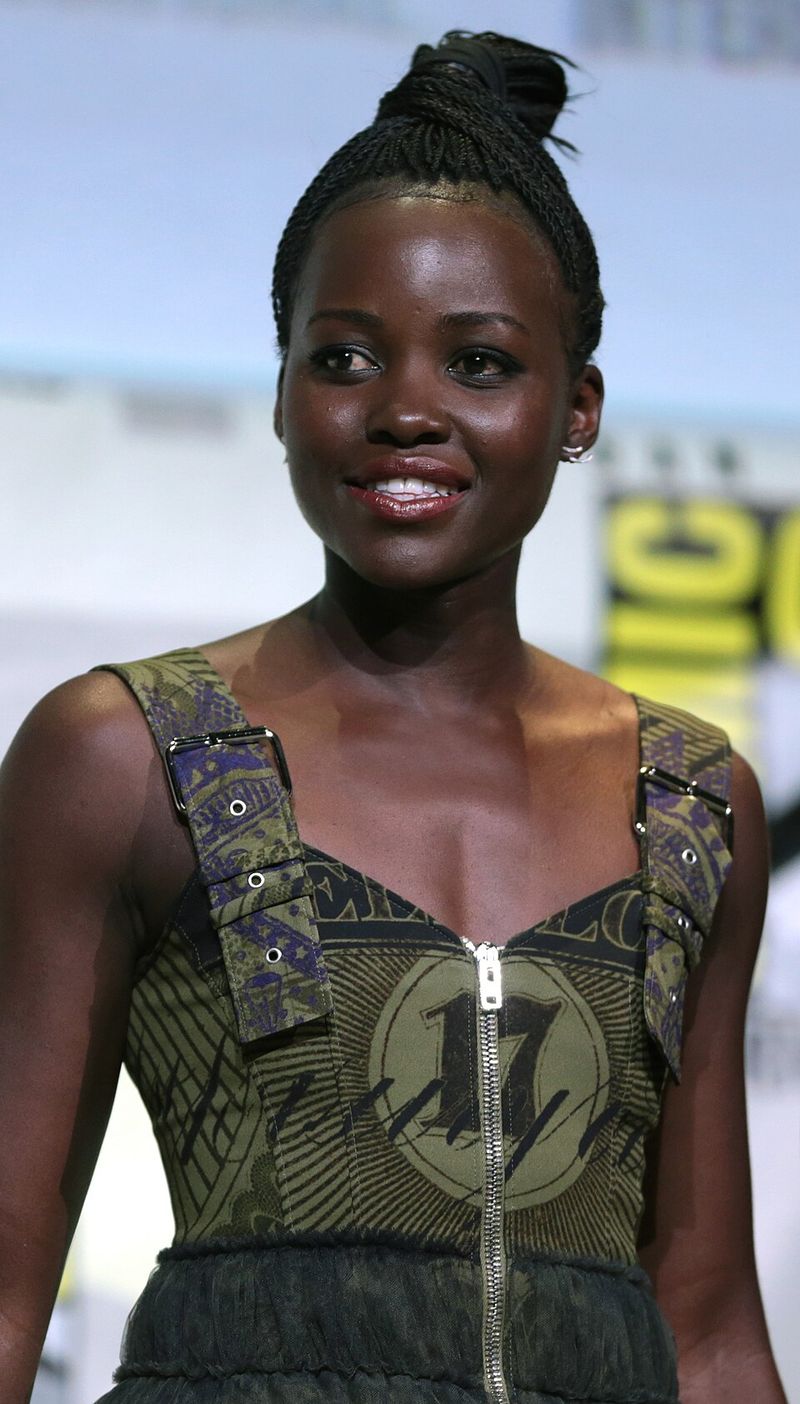
Playing two completely different versions of the same person in a horror film? That’s nightmare-level difficulty.
However, Nyong’o successfully created distinct physicalities and voices for both Adelaide and Red, making them feel like separate beings.
The role needed horror-movie intensity mixed with emotional vulnerability, plus the ability to terrify audiences with just a raspy whisper.
Her dual performance proved she could dominate any genre she touched.
8. Regina King in Watchmen
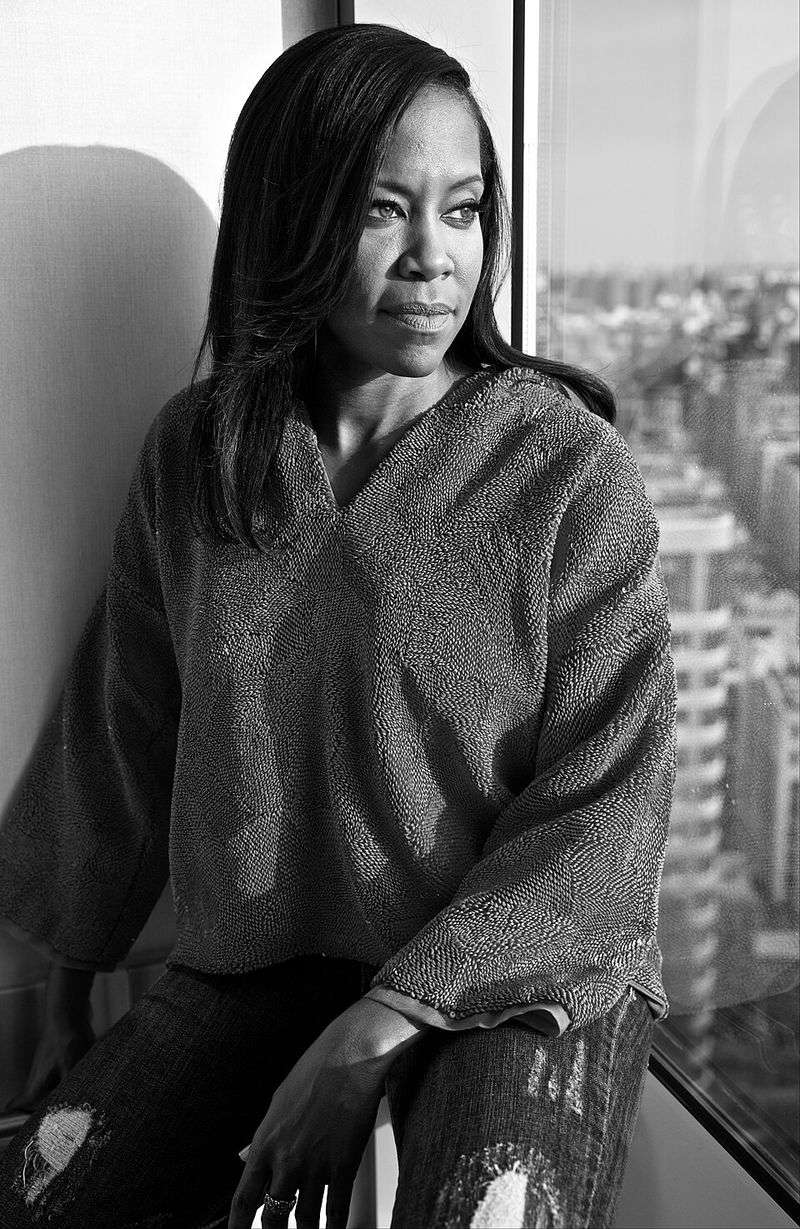
Jumping from prestige dramas into a superhero series with action sequences and sci-fi mystery? That’s a major gear shift.
The role mixed fight choreography with deep emotional grounding, requiring her to be both action hero and wounded soul.
King brought gravitas to a genre that doesn’t always demand it, proving comic book adaptations can be just as complex as any drama.
9. Angela Bassett in What’s Love Got to Do with It
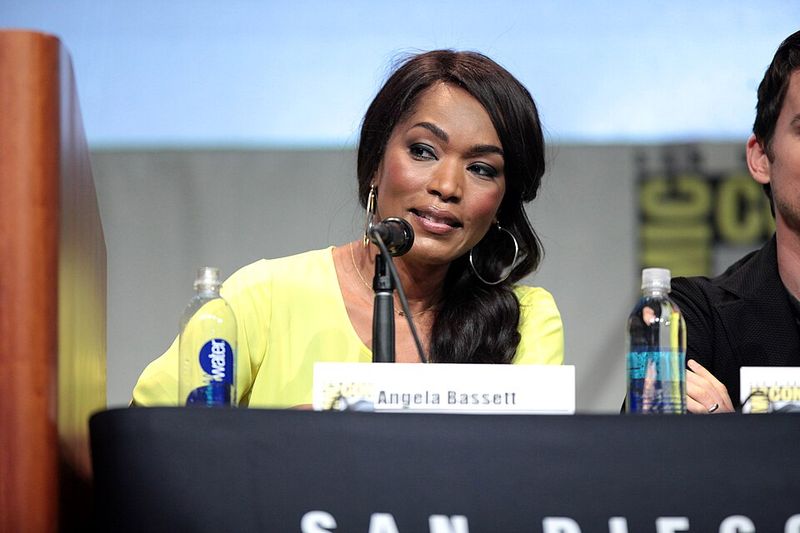
Embodying a living legend meant Angela Bassett had to match Tina Turner’s electrifying stage presence and survive brutal emotional scenes.
She spent months building muscle and learning complex dance routines to physically transform into the rock icon.
Beyond the physicality, Bassett had to portray domestic abuse with heartbreaking authenticity, making audiences feel every moment of pain.
10. Don Cheadle in Hotel Rwanda
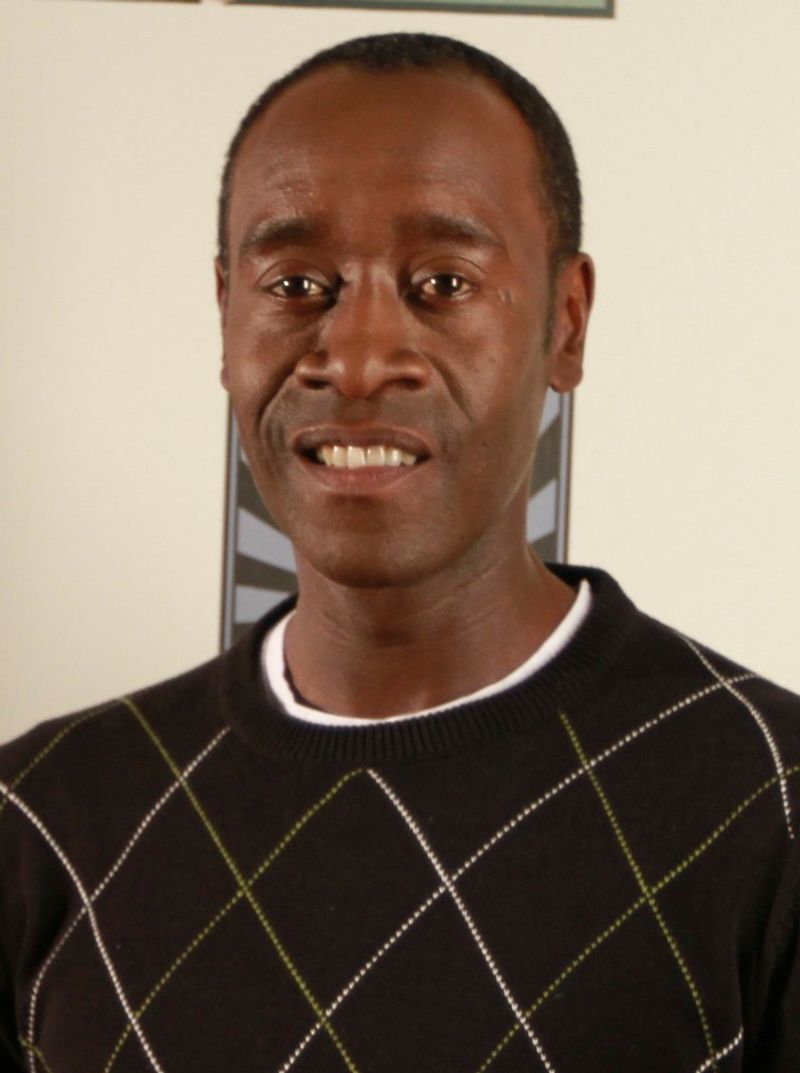
Playing a real-life hero amid one of history’s darkest chapters pushed Don Cheadle to show moral urgency with restraint, never tipping into melodrama.
His portrayal of Paul Rusesabagina showed quiet leadership in the face of unimaginable horror.
Cheadle navigated the tension of a man trying to save lives while maintaining composure under impossible pressure.
11. Eddie Murphy in Dreamgirls
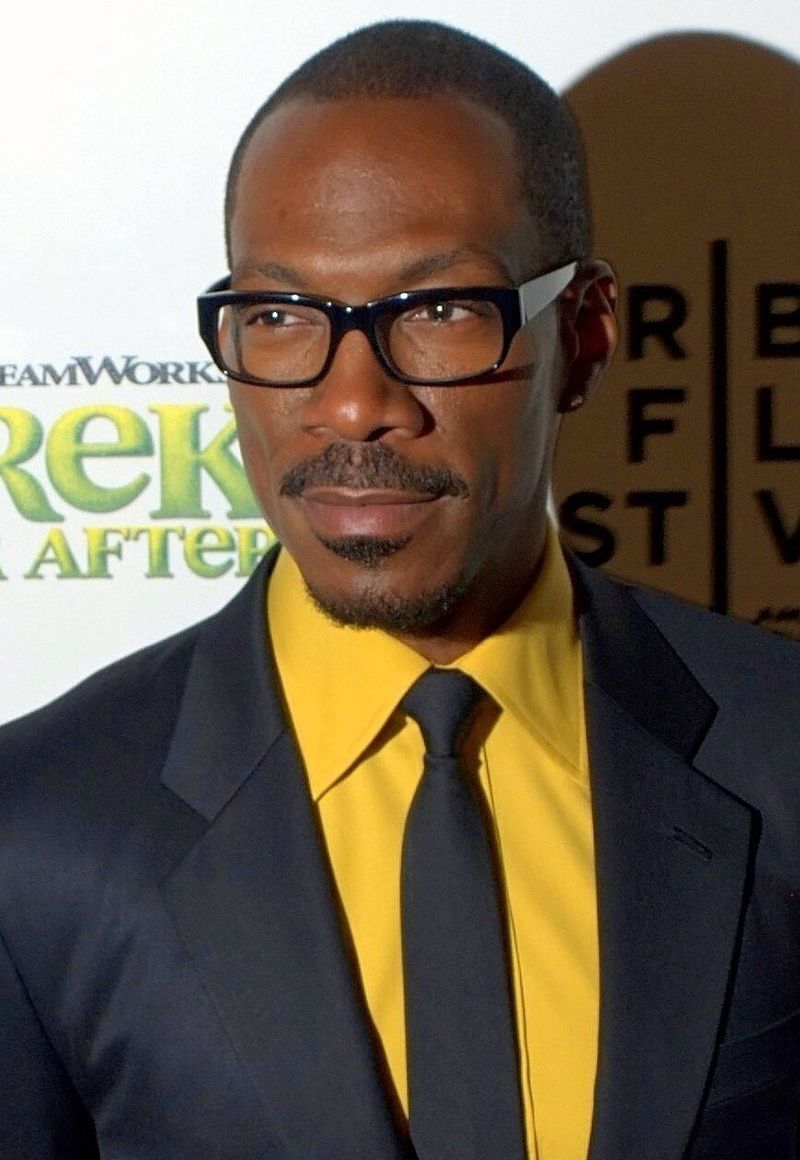
Trading laughs for a bitter, tragic arc asked of Eddie Murphy had to weaponize his charisma in completely new ways.
His portrayal of James “Thunder” Early showed a performer’s rise and devastating fall.
Murphy brought dramatic weight to a role that required musical credibility and emotional darkness his comedy work never demanded.
The performance reminded everyone that comedic timing and dramatic instincts often come from the same deep well.
12. Whoopi Goldberg in The Color Purple
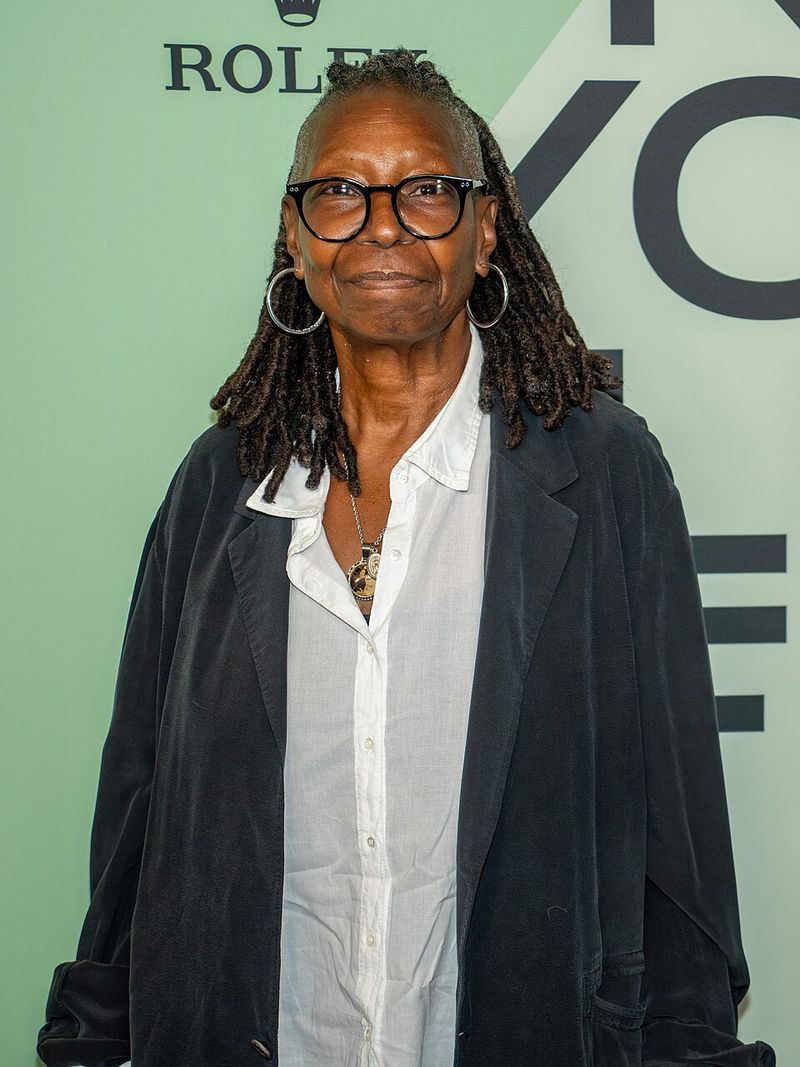
Before she became America’s favorite talk show personality, Whoopi Goldberg delivered a gut-punch dramatic debut as Celie.
She had to portray decades of abuse and gradual empowerment with heartbreaking authenticity.
Goldberg’s performance stood miles away from the comedic persona she’d later become known for, proving her dramatic chops from day one.
This role announced her as a force who could do absolutely anything on screen.
13. Octavia Spencer in Ma
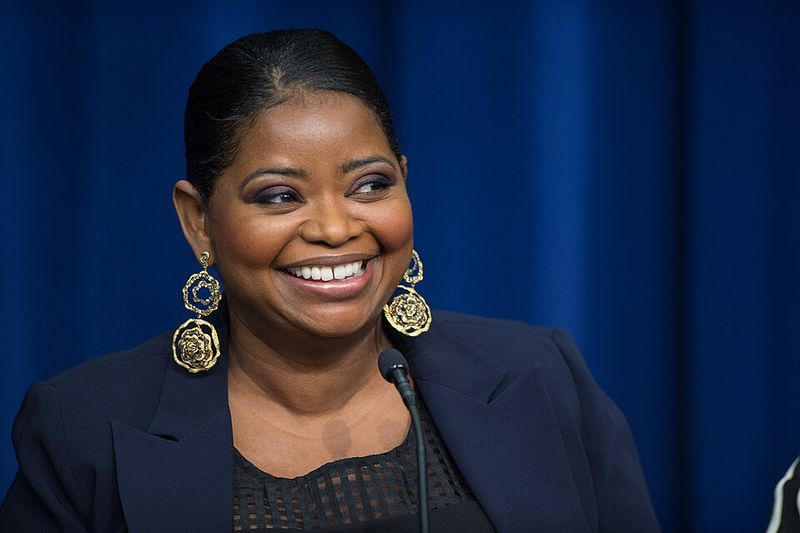
Pivoting from beloved supporting characters to full-on horror villain? That takes guts.
Octavia Spencer’s portrayal of Sue Ann in Ma showed a deliberately unsettling edge that felt worlds away from her usual warmth.
The role required her to be charming and terrifying in equal measure, luring teenagers into danger with a smile.
14. Samuel L. Jackson in Django Unchained
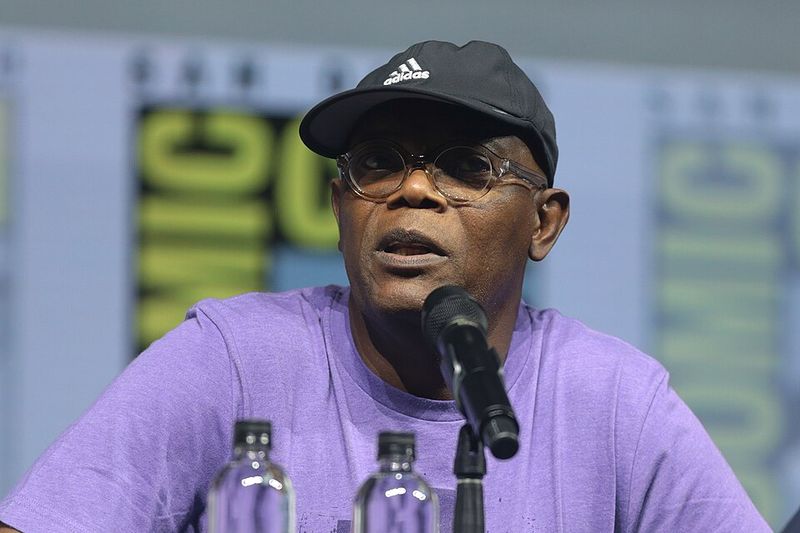
Playing one of cinema’s most despicable characters meant Samuel L. Jackson had to make audiences recoil instead of cheer.
Jackson brought vicious intelligence to a role designed to spark uncomfortable conversations about complicity and survival.
He had to embody a specific kind of evil that felt historically real and morally complex.
15. Idris Elba in Luther
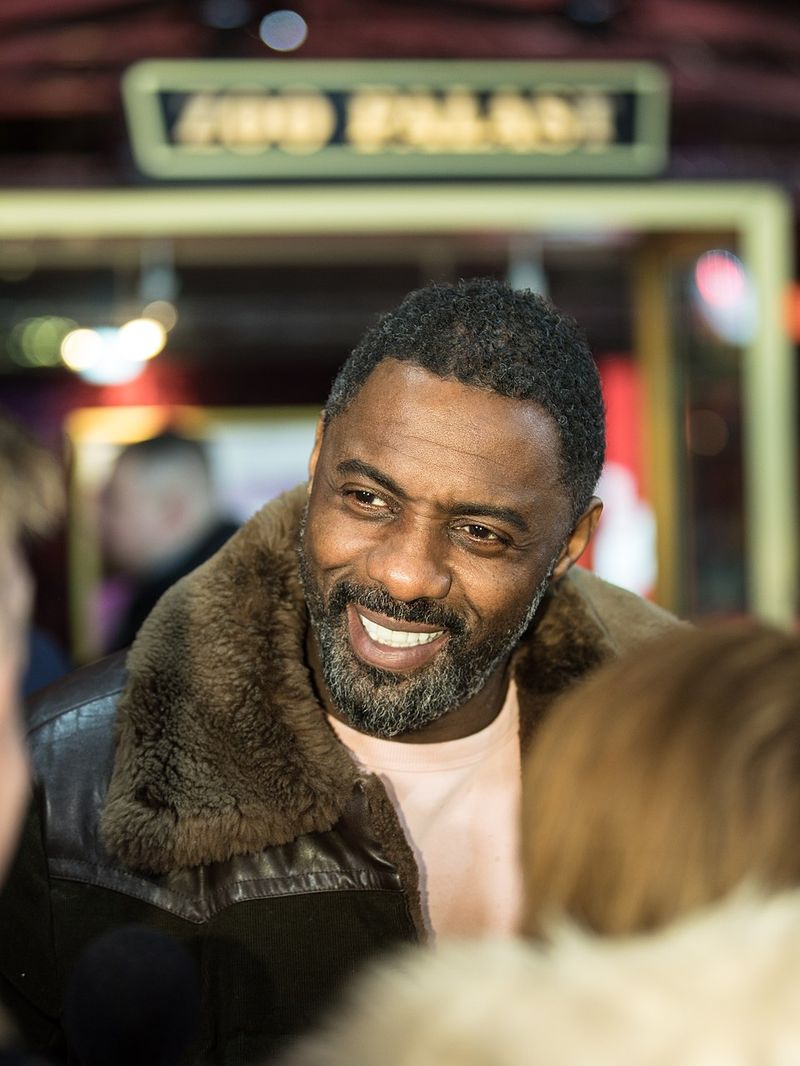
Trading suave charm for psychological torment, Idris Elba created one of television’s most haunted detectives.
His portrayal of John Luther showed a brilliant mind constantly battling darkness both external and internal.
Luther’s moral compromises and emotional devastation needed an actor willing to look broken and exhausted for years.
16. Daniel Kaluuya in Get Out
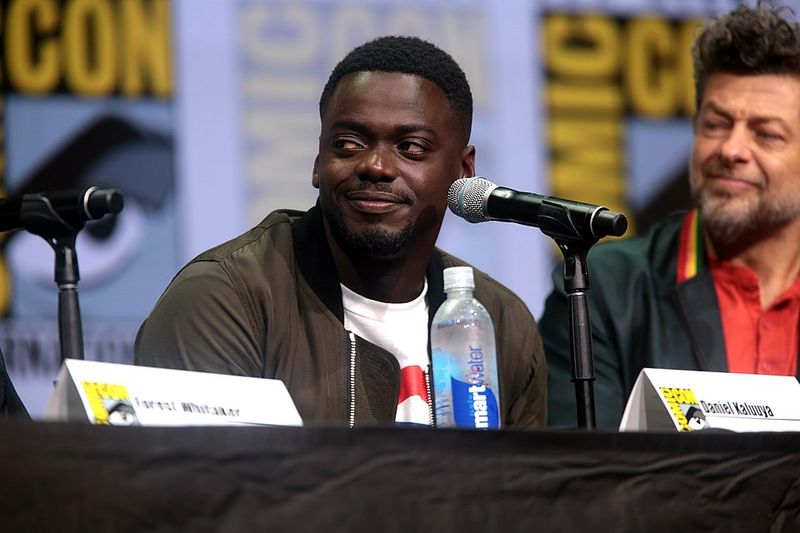
Leading a horror story with sharp social undercurrents pushed Daniel Kaluuya to juggle raw fear with a steady, quietly alert presence.
Kaluuya navigated layers of discomfort – racial microaggressions mixed with genuine supernatural danger – with remarkable precision.
The role wanted to make audiences feel his growing dread through small reactions and mounting tension.
His performance turned Get Out into a cultural phenomenon rather than just another scary movie.
17. Chadwick Boseman in Get on Up
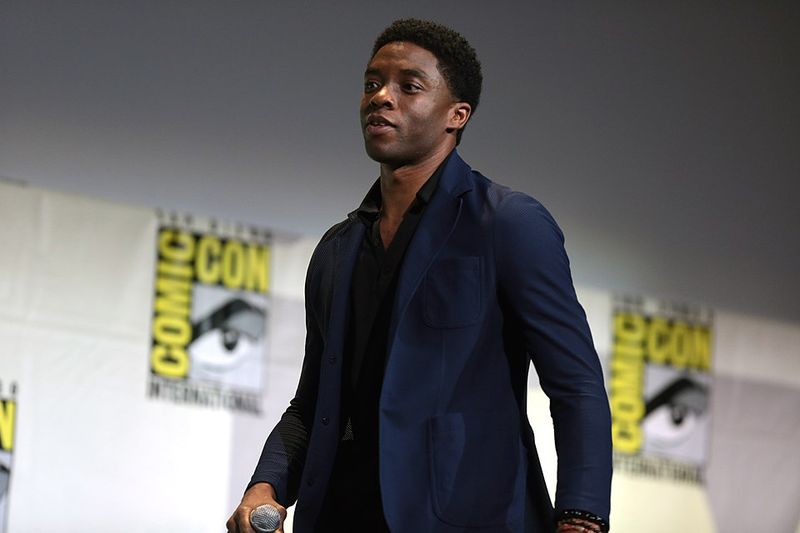
Capturing the Godfather of Soul pushed Chadwick Boseman to nail the explosive physicality, the rasped-out vocals, and the long arc of a life that changed across decades.
Boseman studied Brown’s signature stage moves until he could replicate them with authentic swagger and energy.
The role asked for him to show both the icon’s charisma and the flawed human underneath the legend.
His kinetic performance proved he could disappear completely into characters that felt larger than life.
18. Queen Latifah in Chicago
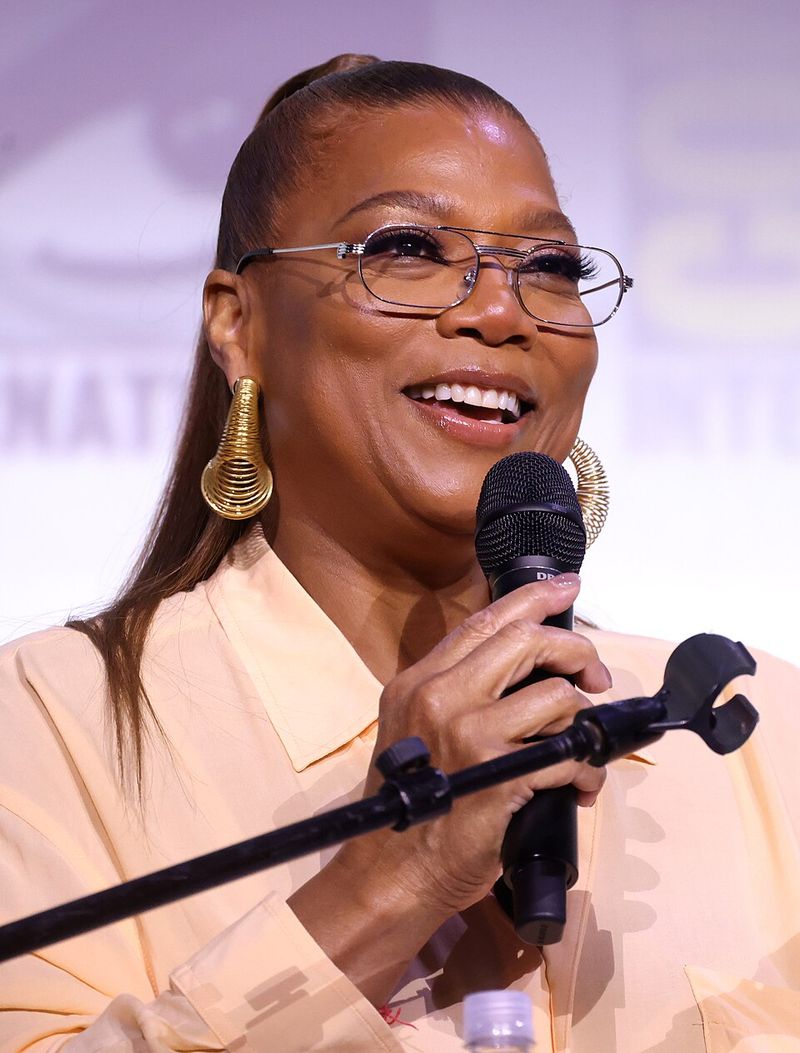
Stepping into a Broadway-style musical pushed Queen Latifah to deliver razor-sharp timing and stage-level presence.
Her take on Matron “Mama” Morton called for owning the big musical moments with the cool confidence of a seasoned theater pro.
Latifah brought both humor and menace to a character who runs her prison like a business, singing all the while.
Her performance proved her versatility extended far beyond rap and romantic comedies.
19. Leslie Odom Jr. in One Night in Miami
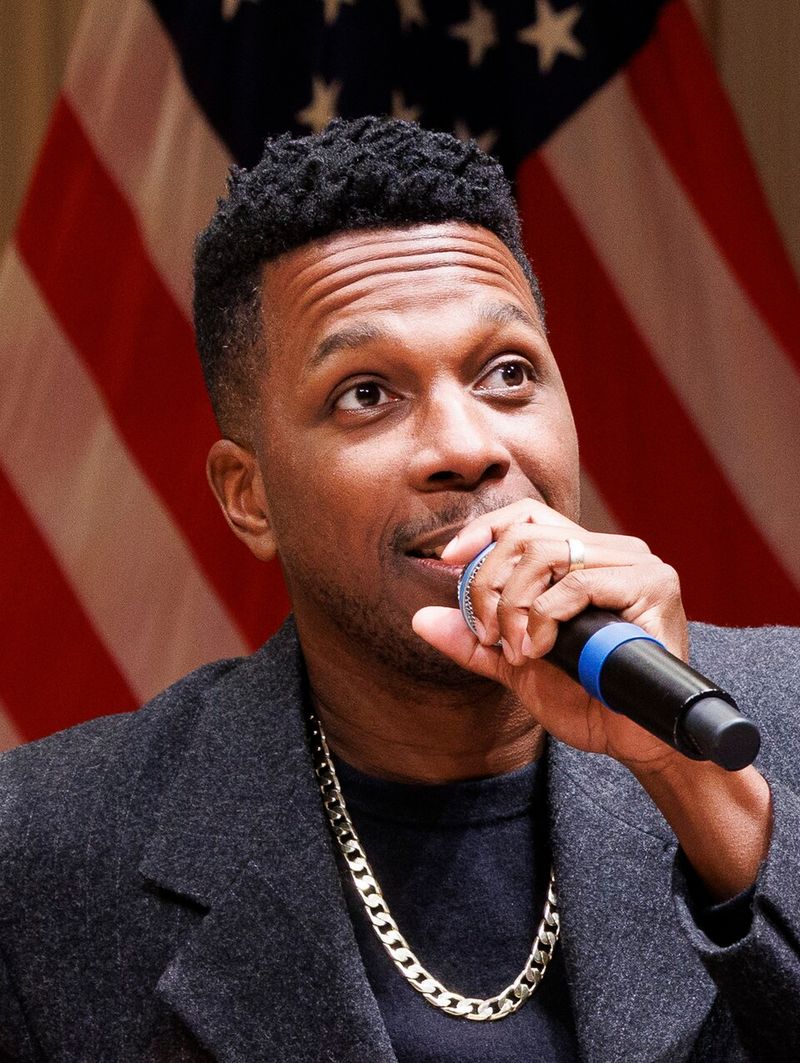
Portraying one of music history’s most notorious abusers pushed Laurence Fishburne to craft a villain built to disturb, not charm.
The film locked four icons in a room for intense conversation about race, art, and responsibility.
Odom brought musical credibility and intellectual weight to a role that asked for both performance chops and dramatic stillness.
20. Laurence Fishburne in What’s Love Got to Do with It
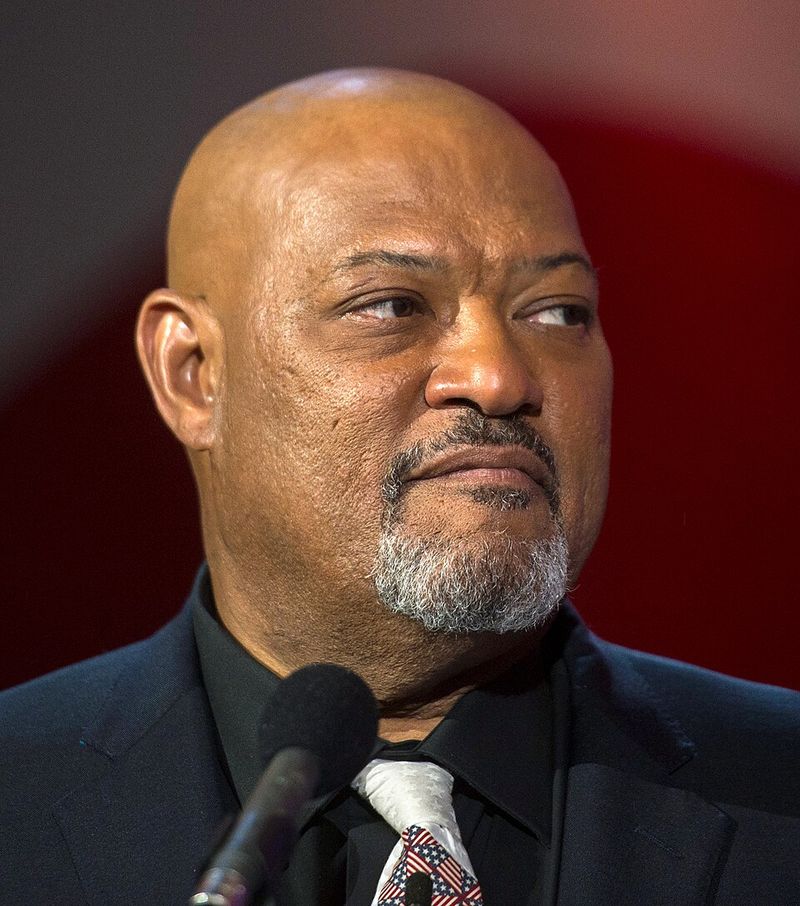
Taking on one of music’s most infamous abusers required Laurence Fishburne to shape a character designed to unsettle, not seduce.
Fishburne brought uncomfortable realism to scenes of domestic violence that made audiences squirm in their seats.
His fearless commitment to showing Ike’s ugliness made the film’s emotional impact hit even harder.