20 Album Closers That Redefined The Final Track
The last track is where the album either bows politely or kicks the door on its way out.
Forty minutes of buildup can rise or fall on those final few minutes. Some bands fade gently.
Others drop an emotional gut-punch, stretch into epic outros, or slip in a quiet masterpiece that rewrites everything you just heard.
Twenty unforgettable album closers prove one thing: sometimes the best moment comes right before the silence.
Note: Selections and commentary in this list reflect an editorial view of how certain final tracks function as album-ending statements, based on widely documented track sequencing and commonly recognized cultural impact.
1. The Beatles – A Day In The Life (Sgt. Pepper’s Lonely Hearts Club Band)
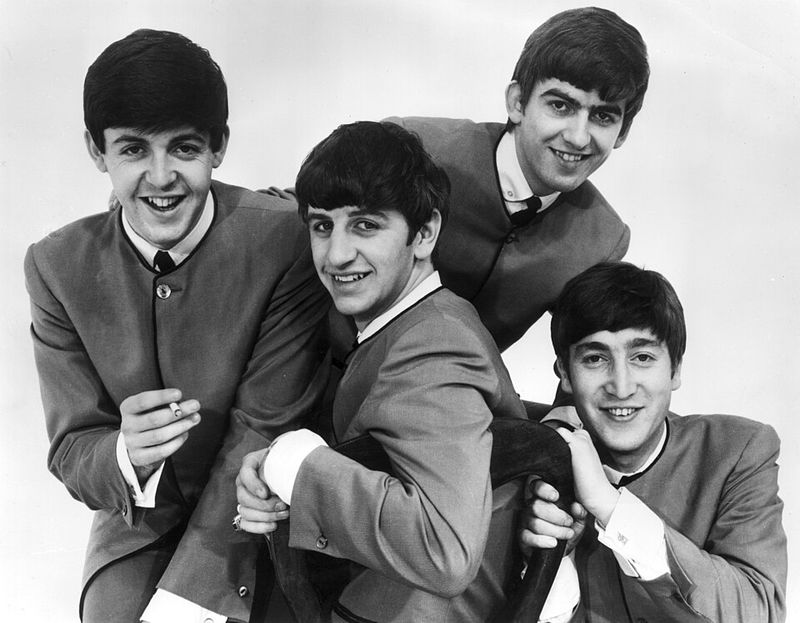
Song begins with a slow swell, gathering force like a wave poised to break. John Lennon’s hushed verses drift into Paul McCartney’s brighter interlude, before an orchestral crescendo surges and resolves into a lingering piano chord that seems to suspend time.
Four musicians from Liverpool transformed a closing track into a seismic musical statement.
Defiance of convention pulses through every section, reflecting a group determined to stretch beyond familiar limits.
2. The Beatles – The End (Abbey Road)
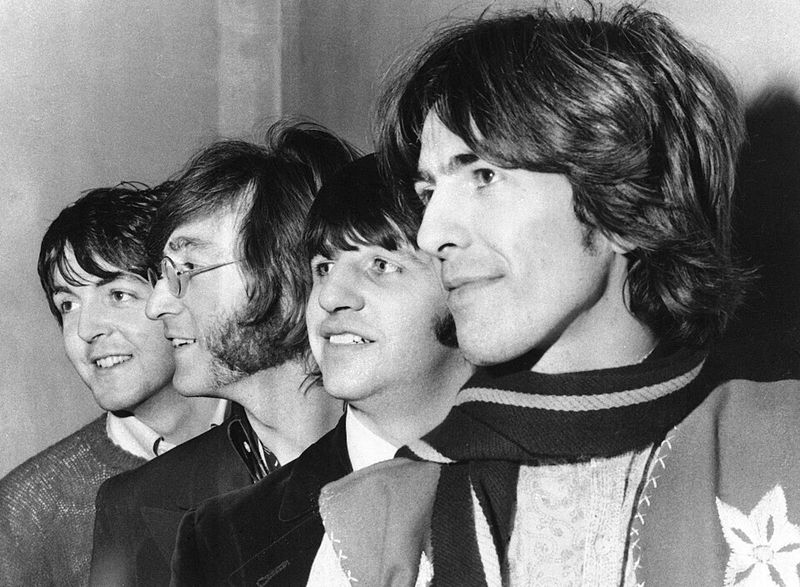
They literally called it “The End,” and boy, did they mean it. The song features all four Beatles trading guitar solos like old friends passing around stories at a bonfire, then Ringo gets his only drum solo on a Beatles record.
One of the most often cited quotes in rock is Paul’s assertion that the love you give and receive is equal. Abbey Road’s grand finale is ‘The End’ – with ‘Her Majesty’ serving as a brief postscript.
3. Pink Floyd – Eclipse (The Dark Side Of The Moon)
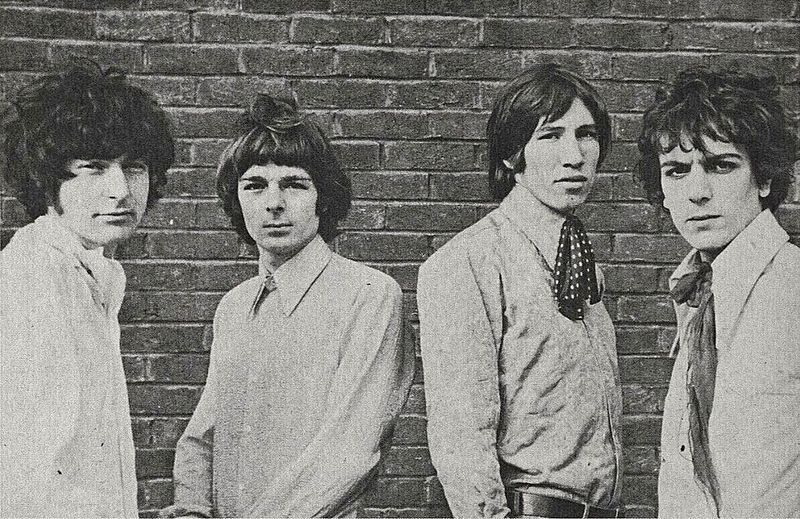
Every element converges within this brief two-minute finale. Following an album steeped in existential reflection, “Eclipse” gathers its themes into a sweeping declaration that everything under the sun exists in harmony.
Choir rises, heartbeat reappears, and earlier musings on time, money, and madness suddenly align with striking clarity. Experience resembles watching puzzle pieces lock together beneath vaulted ceilings.
Pink Floyd demonstrated that a closing track could function as a philosophical resolution rather than a simple fade into silence.
4. Led Zeppelin – When The Levee Breaks (Led Zeppelin IV)
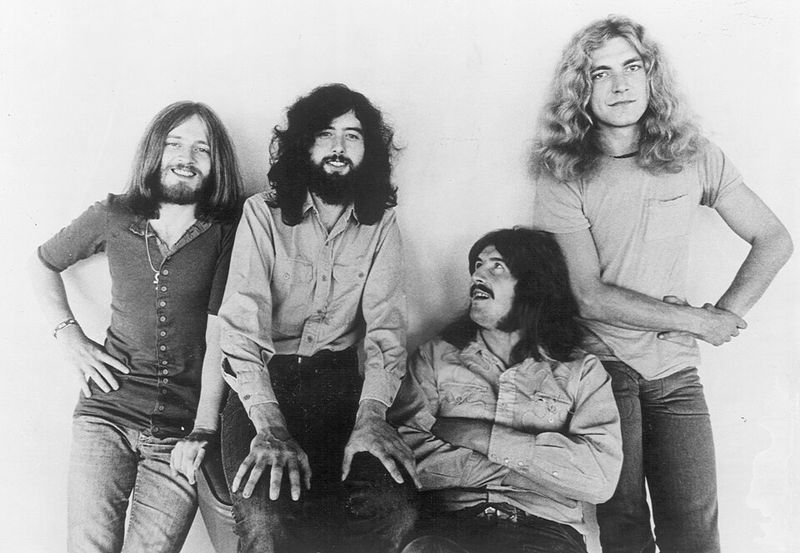
John Bonham’s drums roll with the force of thunder echoing inside a cavern.
Seven-minute blues workout surges forward as Jimmy Page’s guitar reverberates with canyon-wide resonance.
Robert Plant’s harmonica cuts through the mix like a distant train whistle slicing through fog. For the closing statement on Led Zeppelin IV, scale mattered, and the band answered with a performance that feels elemental and untamed.
Generations of rock drummers have chased that cavernous drum tone, rarely matching its raw power.
5. Bob Dylan – Desolation Row (Highway 61 Revisited)
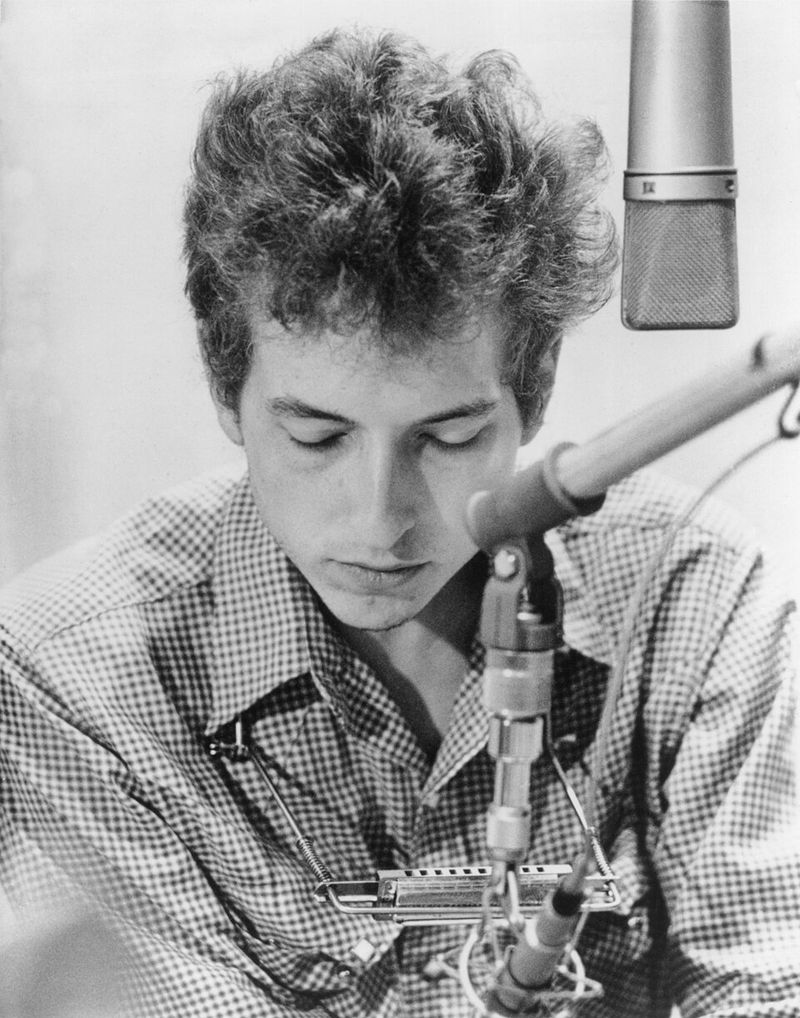
Eleven minutes unfold with Bob Dylan sketching one of the strangest street corners ever put to song.
Einstein dressed as Robin Hood, Cinderella sweeping, and Ophelia wandering Desolation Row create a surreal parade of familiar figures in unfamiliar poses.
Acoustic guitar maintains a steady pulse while Dylan delivers verse after verse without circling back on himself. Closing track on Highway 61 Revisited stretches into a narrative marathon that expanded expectations for how bold and unconventional an album finale could be.
6. Joni Mitchell – The Circle Game (Ladies Of The Canyon)
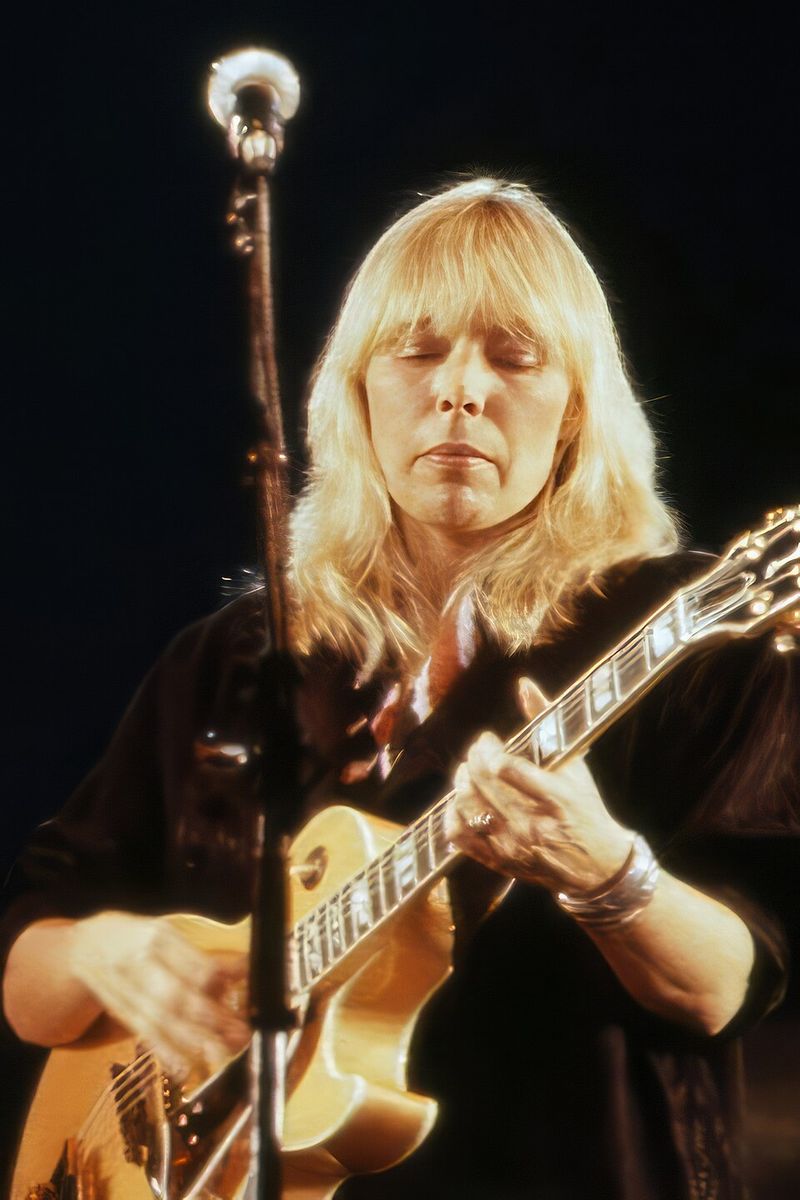
Time keeps moving, seasons keep changing, and kids keep growing up too fast.
Mitchell’s gentle finger-picking and that carousel melody capture childhood slipping away like sand through your fingers. The chorus about painted ponies going up and down feels both joyful and heartbreaking, which is pretty much how life works.
Ladies of the Canyon ends with wisdom wrapped in a lullaby. It’s the musical equivalent of your mom saving your old drawings in a shoebox.
7. David Bowie – Rock ‘N’ Roll Suicide (The Rise And Fall Of Ziggy Stardust And The Spiders From Mars)
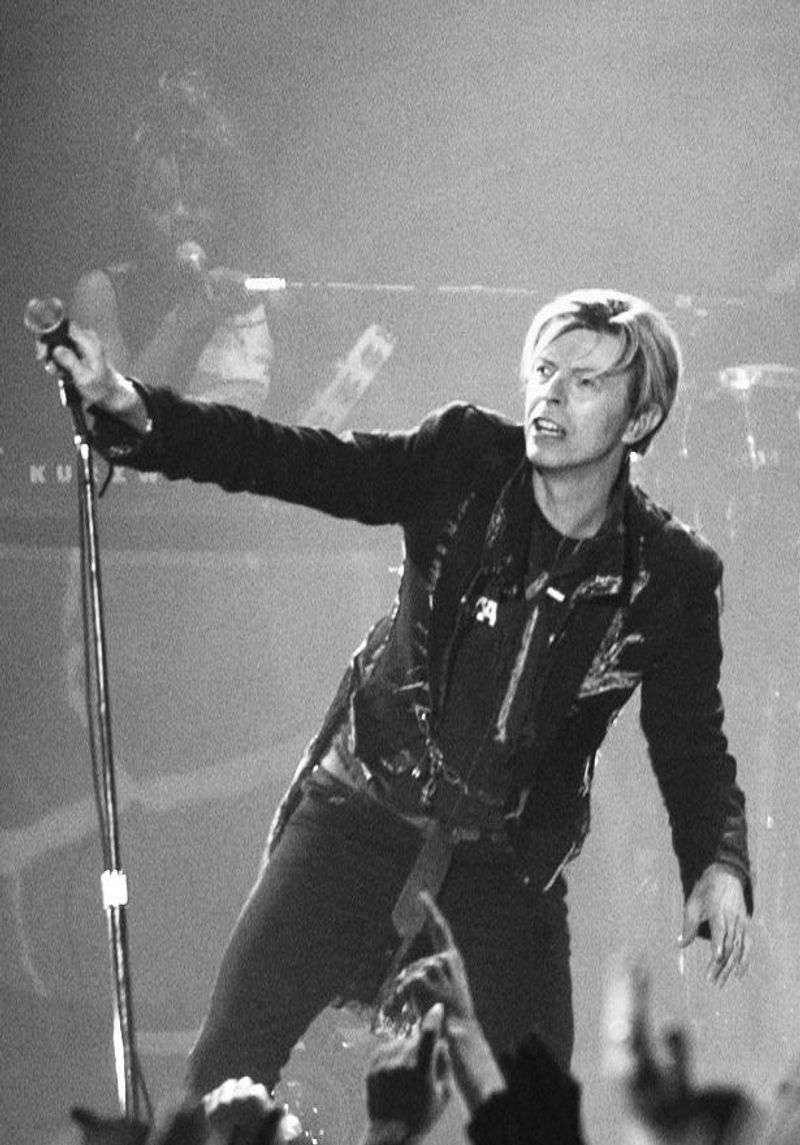
Ziggy Stardust’s saga concludes with David Bowie seeming to reach through the speakers in a final gesture.
Gradual rise from hushed vulnerability to sweeping orchestration frames a declaration that no listener stands alone. Performance feels theatrical and expansive, yet remains emotionally direct at its core.
Rock’s most celebrated extraterrestrial persona steps away with a message about human connection that continues to stir audiences.
Few farewells have carried such dramatic weight or felt so essential to the story being told.
8. Bruce Springsteen – Jungleland (Born To Run)
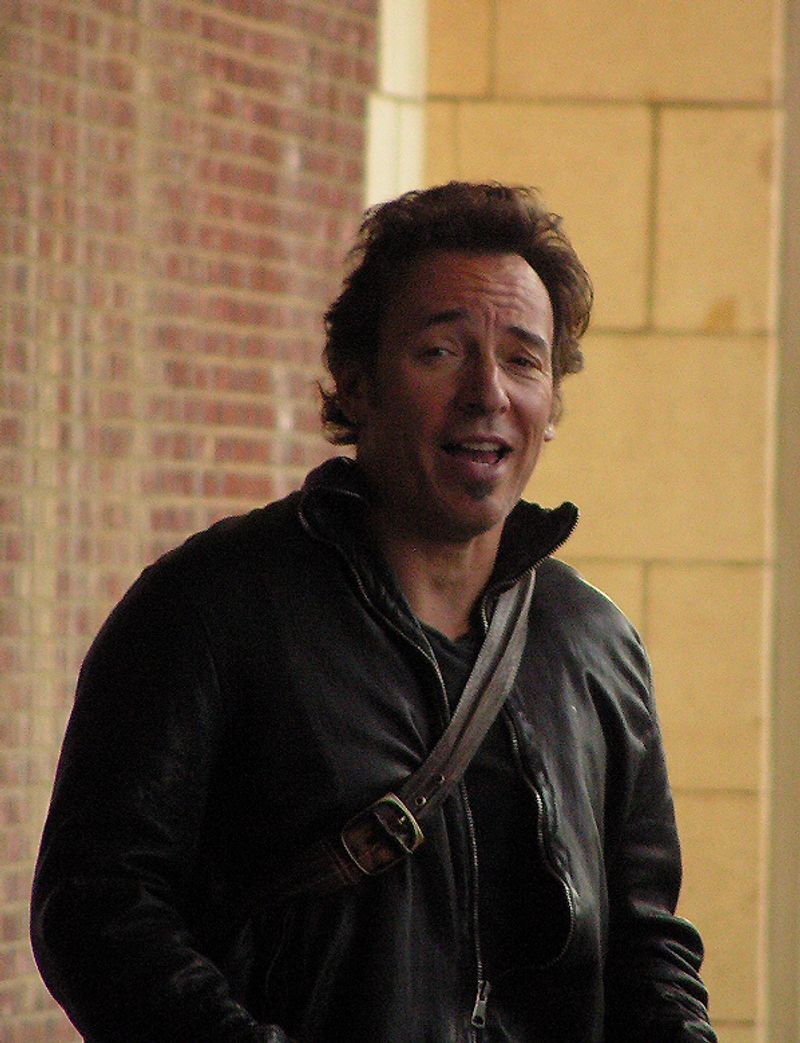
Nine and a half minutes unfold across Jersey streets, doomed romance, and Clarence Clemons pushing his saxophone to the edge. Bruce Springsteen shapes the album’s closing track like a full-length film, complete with vivid characters and a tragic resolution.
Magic Rat, barefoot girl, and the looming presence of the Maximum Lawmen populate a sweeping urban drama lit by streetlamps.
No other finale would have suited Born to Run quite like this cinematic statement, a reminder that rock songs can carry the scope of novels.
9. U2 – 40 (War)
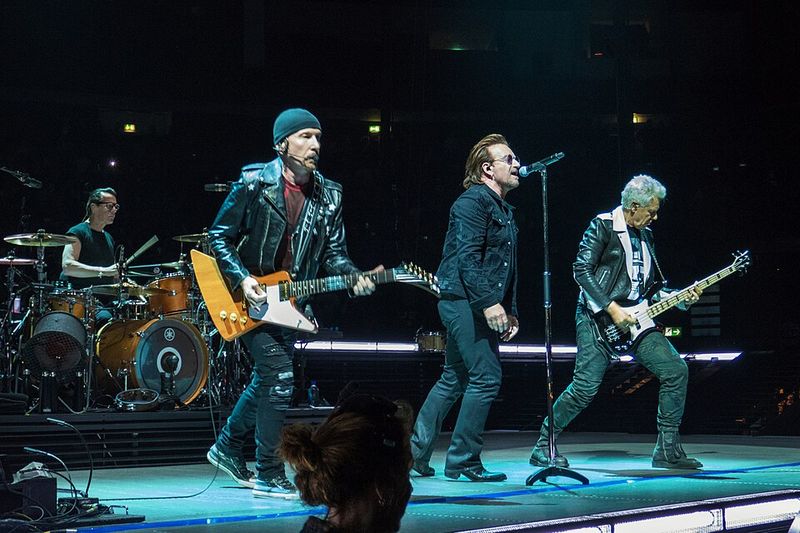
Drawing from Psalm 40, this closing track finds U2 at their most pared-back and reflective.
Echoing guitar from the Edge frames Bono’s urgent vocal, while repeated lines gradually shift into something that feels like a communal prayer. Rather than finishing with confrontation, War concludes on a note of openness and cautious hope.
During concerts, the song often extended beyond the band’s exit as audiences continued the refrain on their own.
10. The Clash – Train In Vain (London Calling)
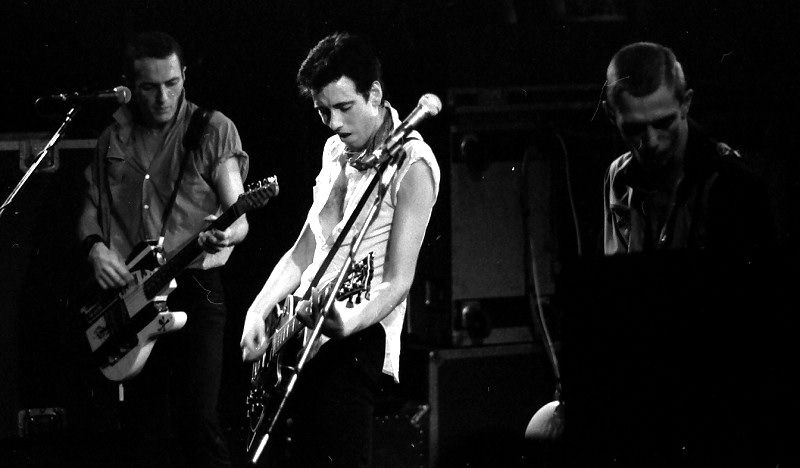
This closer almost didn’t make the album at all.
Squeezed onto London Calling at the last second, “Train in Vain” became one of their biggest hits, a straight-up love song from a punk band that usually sang about revolution. Joe Strummer’s voice cracks with real heartbreak over a groove that could get played at a middle school dance.
The Clash proved that even rebels need to write about getting dumped sometimes, and album closers don’t always have to be planned.
11. Talking Heads – This Must Be The Place (Naive Melody) (Speaking In Tongues)
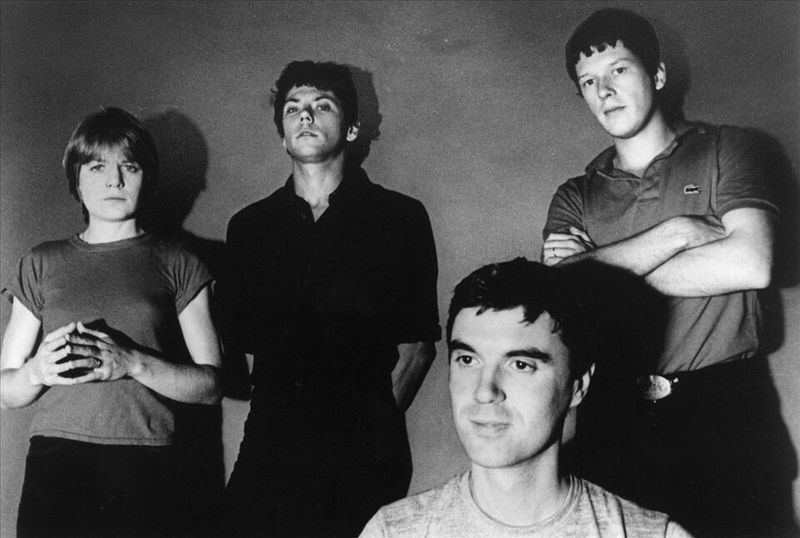
David Byrne crafted a love song that captures the sensation of being in love. Shimmering guitars glide over a rhythm section that pulses like a steady heartbeat, while Byrne delivers lines about home existing wherever his partner stands.
Closing moments of Speaking in Tongues reveal Talking Heads at their most open and gentle.
Following an album driven by anxious energy and art-school experimentation, the finale settles with quiet reassurance. Relief in those final notes resembles slipping off tight shoes after a long and unpredictable day.
12. Joy Division – Decades (Closer)

Haunting barely captures the atmosphere of this final track. Lines about past and future folding into each other drift through the song as synthesizers pulse with a distant, mechanical glow.
Release of Closer followed Curtis’s death, casting “Decades” in an especially somber light.
More than six minutes unfold in a restrained, glacial arrangement that resists easy resolution. Final moments feel like a door sealing shut for good, beautiful in execution and quietly devastating.
13. The Smiths – Some Girls Are Bigger Than Others (The Queen Is Dead)
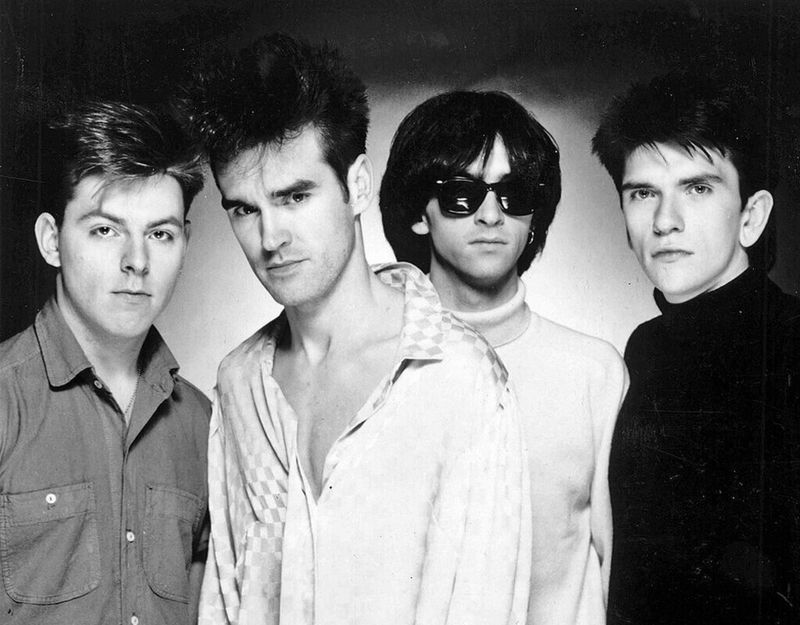
After an album full of heavy topics, The Smiths go out with something surprisingly light and playful.
Morrissey sings about physical differences with his usual clever wordplay while Johnny Marr’s guitar jangles like wind chimes on a perfect afternoon. The Queen Is Dead ends with a wink instead of a statement.
It’s proof that not every great album needs a dramatic conclusion. Sometimes you just need a catchy tune about how people come in different sizes.
14. The Cure – Untitled (Disintegration)

No title, but plenty of feeling – Robert Smith’s vocals drift through a foggy, slow-burn finale spilling out for over six minutes.
Robert Smith’s guitar floats over keyboards that sound like fog rolling in at dawn, building to a climax that never quite arrives but somehow satisfies anyway. Disintegration ends without saying goodbye because some emotions don’t have names.
The Cure showed a closing track can carry enormous weight even when it refuses neat resolution. It’s like watching the sun set in slow motion while sitting alone on a beach.
15. Nirvana – All Apologies (In Utero)

Kurt Cobain’s voice carries a weary tone that feels both gentle and quietly heartbreaking. Swaying like a restless lullaby, the song circles around repeated apologies and a lingering question about identity.
Closing moments of In Utero blend resignation with a fragile sense of acceptance.
“All in all is all we are” emerged as one of grunge’s most frequently quoted refrains.
Weight of those final lines resembles someone finally setting down a burden carried for far too long.
16. Radiohead – The Tourist (OK Computer)

After an entire album about technology and alienation, Radiohead tells everyone to slow down.
The drums shuffle, Thom Yorke’s voice drifts through the mix, and the message is simple: hey man, take it easy. OK Computer ends with a reminder to breathe and look around.
The final seconds feature a bell ringing like someone checking if you’re still there. It’s the perfect comedown after one of rock’s most intense albums, like stretching after a long drive.
17. Miles Davis – Flamenco Sketches (Kind Of Blue)
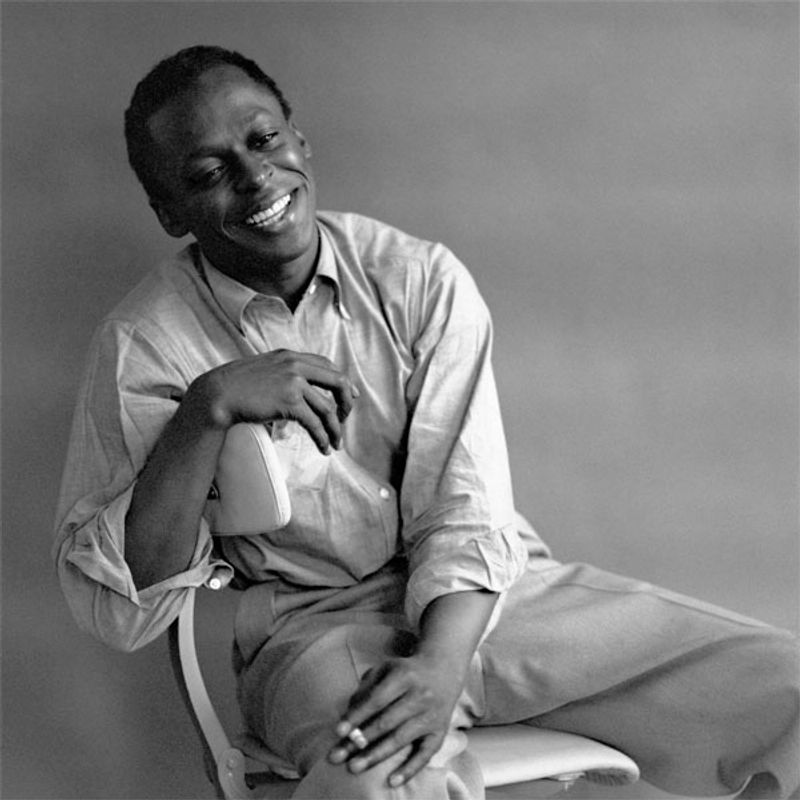
Modal improvisation drifts across five scales rather than cycling through traditional chord changes.
Over a shared harmonic landscape, each musician steps forward in turn, layering color and texture while space remains open and fluid. Closing stretch of Kind of Blue captures Miles Davis and his ensemble in quiet, intuitive dialogue.
“Flamenco Sketches” reshaped expectations for how an album might conclude, offering reflection instead of resolution.
18. Stevie Wonder – Another Star (Songs In The Key Of Life)
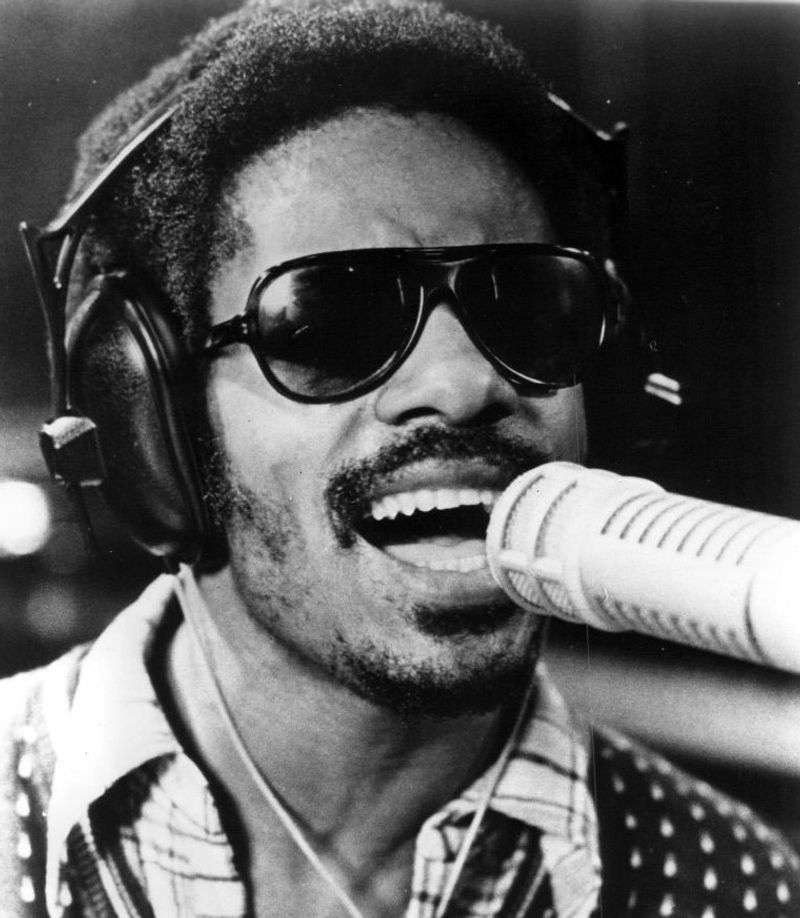
Following a sprawling double album of landmark songs, Stevie Wonder closes with celebration instead of restraint. Bright Latin rhythms pulse beneath cascading horns and layered keyboards as he sings about love shining everywhere like distant stars.
Final moments of Songs in the Key of Life radiate optimism and remind listeners that another chance is always possible.
Eight minutes of groove unfold without apology, stretching the joy rather than cutting it short.
19. Fleetwood Mac – Gold Dust Woman (Rumours)
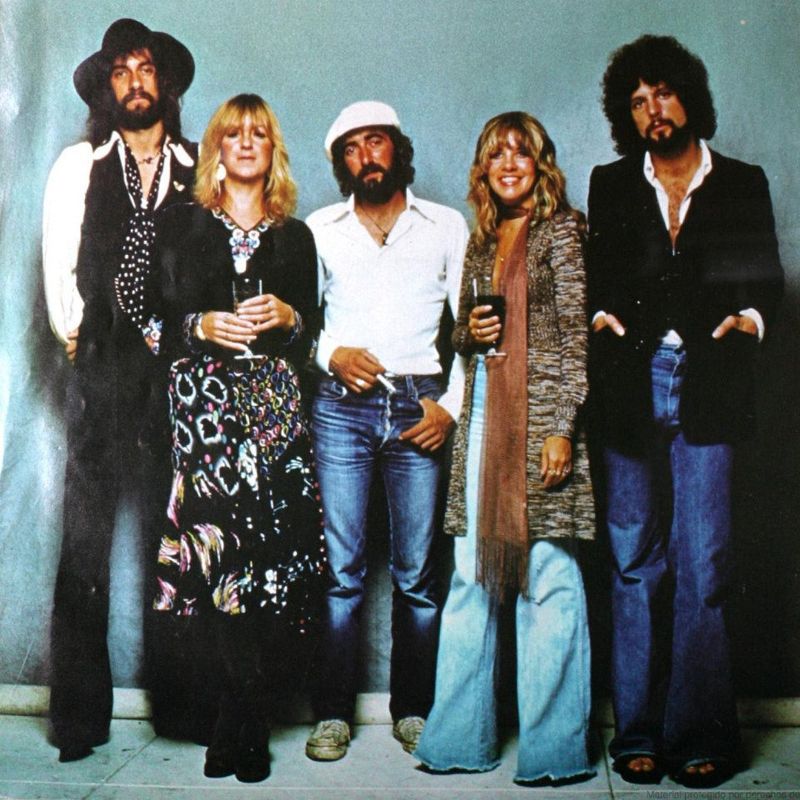
Stevie Nicks delivers her lines like a fortune teller offering a cautionary vision. Scraping, shimmering guitars move at a slow burn while she narrates a descent into excess and illusion.
Closing stretch of Rumours settles into shadow after an album shaped by romantic turbulence.
“Gold Dust Woman” refuses neat resolution, lingering in a haze that feels hypnotic and uneasy. Final impression suggests that some stories end without comfort or clarity, leaving echoes instead of answers.
20. Marvin Gaye – Inner City Blues (Make Me Wanna Holler) (What’s Going On)
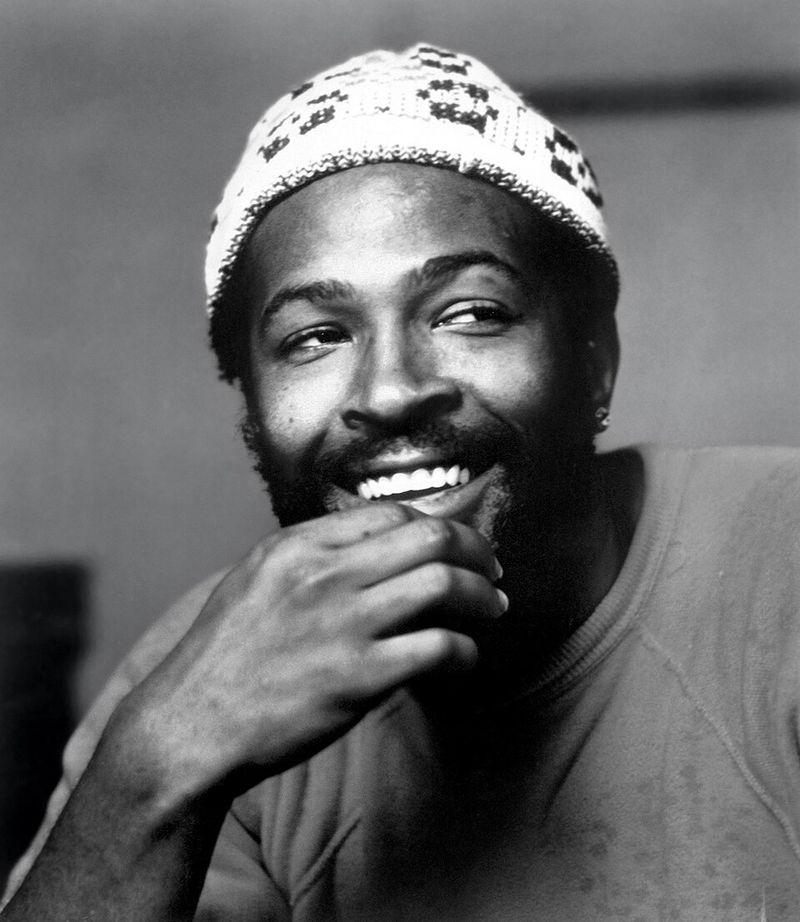
Frustration, poverty, and injustice all wrapped up in the smoothest groove imaginable.
Gaye sings about inflation, unemployment, and policing and violence over jazz-inflected soul that makes you want to dance and cry simultaneously. What’s Going On ends with the album’s heaviest topic delivered with heartbreaking beauty.
The way Gaye repeats “makes me wanna holler” becomes a protest anthem sung in a whisper. It’s proof that the most powerful closers don’t need to shout to make you listen.