15 Albums That Helped Launch Entire Music Genres
Some albums do a lot more than succeed. They sound unlike anything else in the room, and suddenly the rest of music has to catch up.
That kind of record does not merely influence a few bands or inspire a temporary wave of copycats. It changes the vocabulary.
New sounds start spreading, old rules loosen up, and artists everywhere begin borrowing pieces of something that did not even feel fully possible until that album landed.
You are looking at turning points, the moments when a record hit hard enough to open a brand-new lane and convince everyone else to start driving in it.
These albums helped create entire genres, which is a very flashy way for a record to refuse staying in its own era.
Disclaimer: This article is intended for general informational and entertainment purposes only. Assessments of an album’s role in shaping or helping launch a music genre reflect editorial perspective based on historical commentary, critical analysis, and publicly available sources, and interpretations may vary.
1. Ramones — Ramones (1976) – Punk Rock
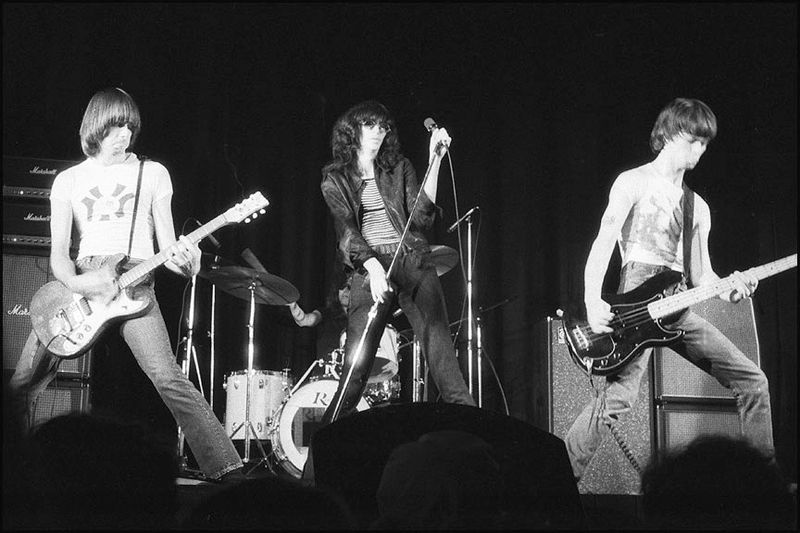
Fast, loud, and gloriously short, each track on this debut clocked in under three minutes.
Before the Ramones showed up, rock had gotten a bit too fancy for its own good. Long solos, orchestras, concept albums… the Ramones said “nope” and played 14 songs in 29 minutes flat.
That razor-sharp speed became the heartbeat of punk rock. Bands across the world heard it and thought, “We can do that!” Suddenly, you didn’t need years of music school to start a band.
2. Black Sabbath — Black Sabbath (1970) – Heavy Metal
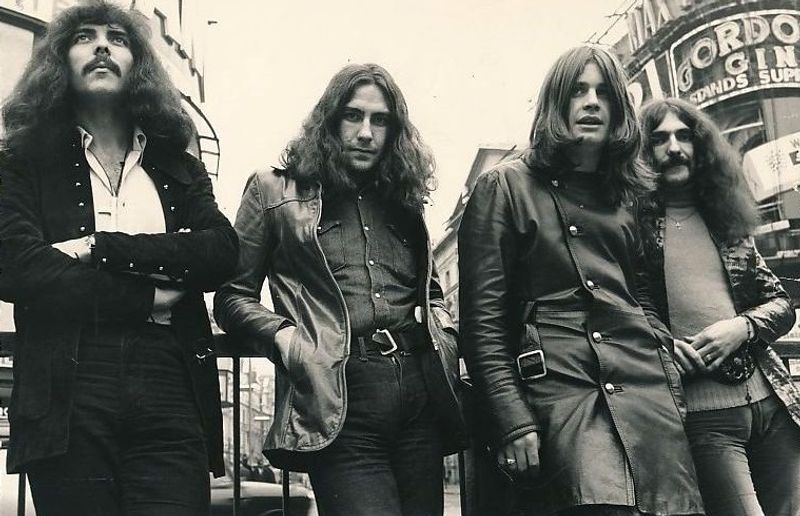
Recorded in just two days for a budget of around 600 pounds, this album somehow invented an entire genre.
The opening track starts with a church bell and a thunderstorm, then drops a guitar riff so heavy it practically has its own gravitational pull.
Heavy metal was born right there. Ozzy Osbourne and bandmates from Birmingham, England brought a dark, thunderous sound the world had never heard.
Fun fact: the band named themselves after a Boris Karloff horror film. Spooky origins for a spooky genre, honestly pretty perfect.
3. Nirvana — Nevermind (1991) – Grunge’s Mainstream Breakthrough
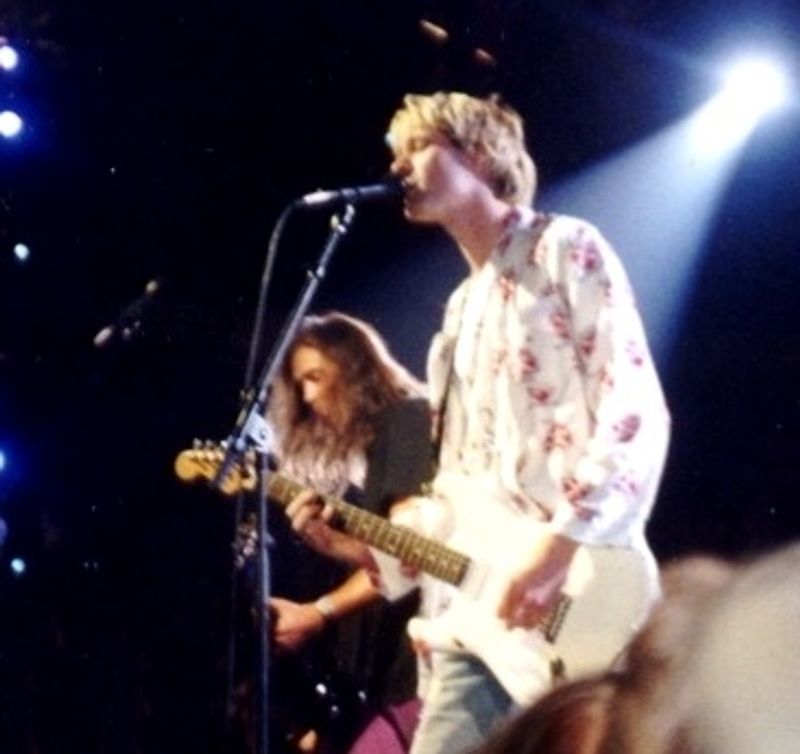
Here’s a wild fact: Nirvana’s label expected to sell maybe 250,000 copies. “Nevermind” sold 30 million. Nobody saw that coming, not even the band.
Kurt Cobain’s raw, emotionally honest songwriting connected with an entire generation that felt ignored by glossy pop music.
Grunge went from Seattle’s rainy underground straight to the global mainstream almost overnight. Flannel shirts became fashion. Distorted guitars replaced synthesizers on radio.
The 1980s pop era basically packed its bags and left.
4. N.W.A — Straight Outta Compton (1988) Gangsta Rap / West Coast Hip-Hop Surge
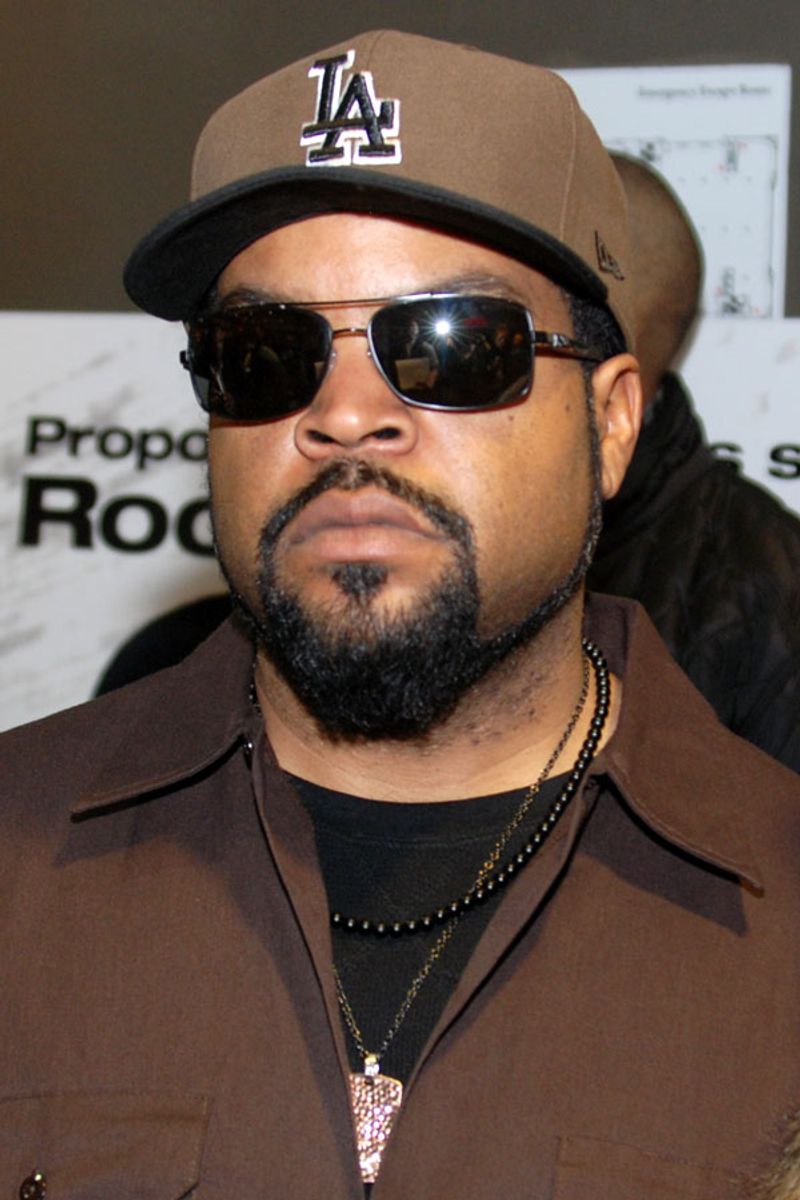
Straight out of Compton, California, this album hit like a news broadcast that mainstream media refused to air.
N.W.A rapped about real life in their neighborhood with unflinching honesty, and the music industry had no idea what to do with it.
Gangsta rap and West Coast hip-hop exploded from this one record. Ice Cube, Dr. Dre, and Eazy-E were documenting a reality.
The FBI actually sent a warning letter about the album.
5. Portishead — Dummy (1994) – Trip-Hop
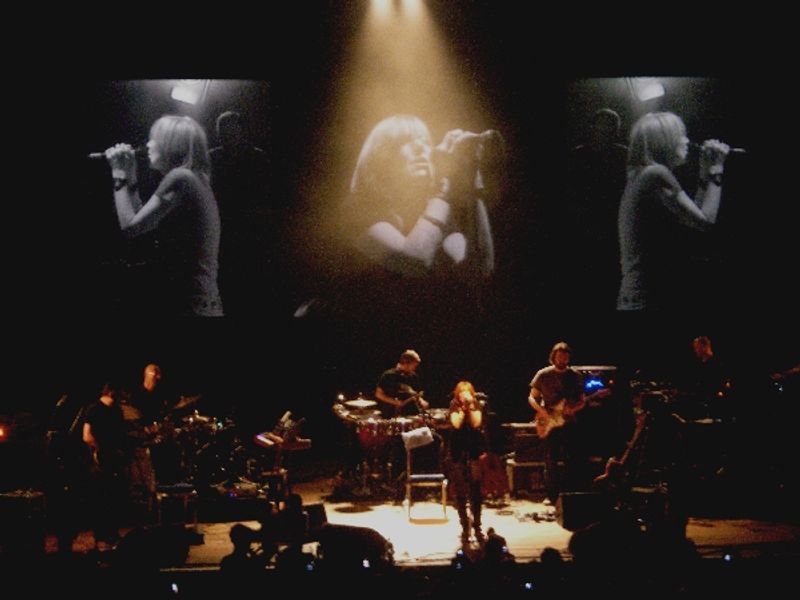
Imagine if jazz, hip-hop, film noir soundtracks, and a midnight rainstorm all fell in love. That’s roughly what “Dummy” sounds like.
Portishead, from Bristol, England, created something so unique that critics had to invent a new genre name just to describe it: trip-hop.
Beth Gibbons’s haunting vocals floated over scratchy beats and cinematic strings, creating music that felt like a beautiful daydream you couldn’t quite shake. “Dummy” won the Mercury Prize in 1995.
6. Kraftwerk — Autobahn (1974) – Electronic Pop’s Early Template
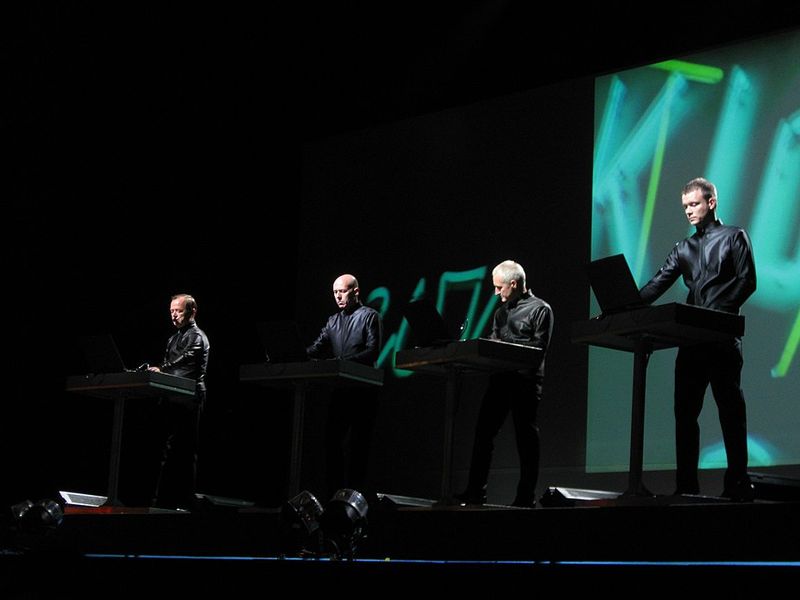
Four German musicians sat down with synthesizers and drum machines and basically wrote the instruction manual for modern electronic music.
The title track, “Autobahn,” runs over 22 minutes and mimics the hypnotic feeling of driving endlessly down a highway.
Electronic pop, synth-pop, techno, and even early hip-hop production all owe something to what Kraftwerk started here. David Bowie called them one of his biggest inspirations.
When you consider how much of today’s music is electronically produced, this album’s fingerprints are basically everywhere.
7. King Crimson — In the Court of the Crimson King (1969) – Progressive Rock
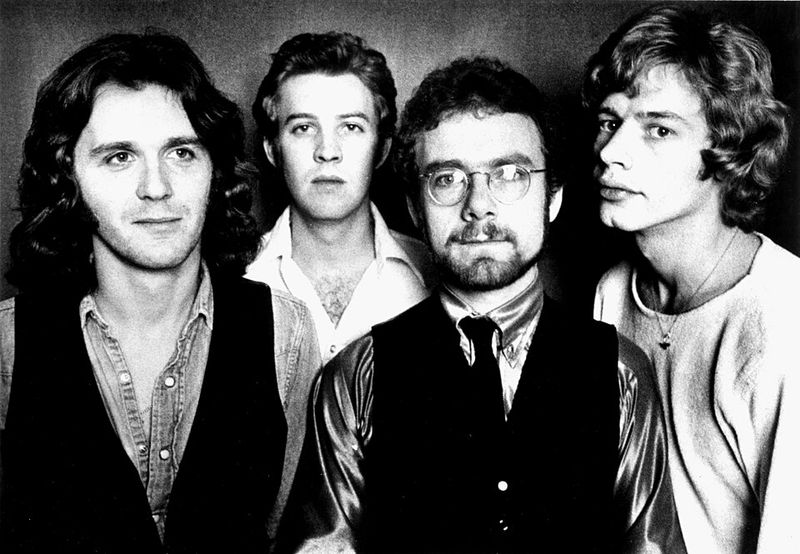
Progressive rock needed a birth certificate, and this album signed it in 1969.
King Crimson combined classical music structure, jazz improvisation, and rock instrumentation in ways that genuinely confused radio programmers.
How do you categorize a 12-minute song with a mellotron choir? “In the Court of the Crimson King” proved that rock could be ambitious and deeply artistic without losing its emotional punch.
Yes, Genesis, and Emerson, Lake and Palmer all pointed to this album as the blueprint.
8. Roxy Music — Roxy Music (1972) – Glam/Art Rock Hybrid
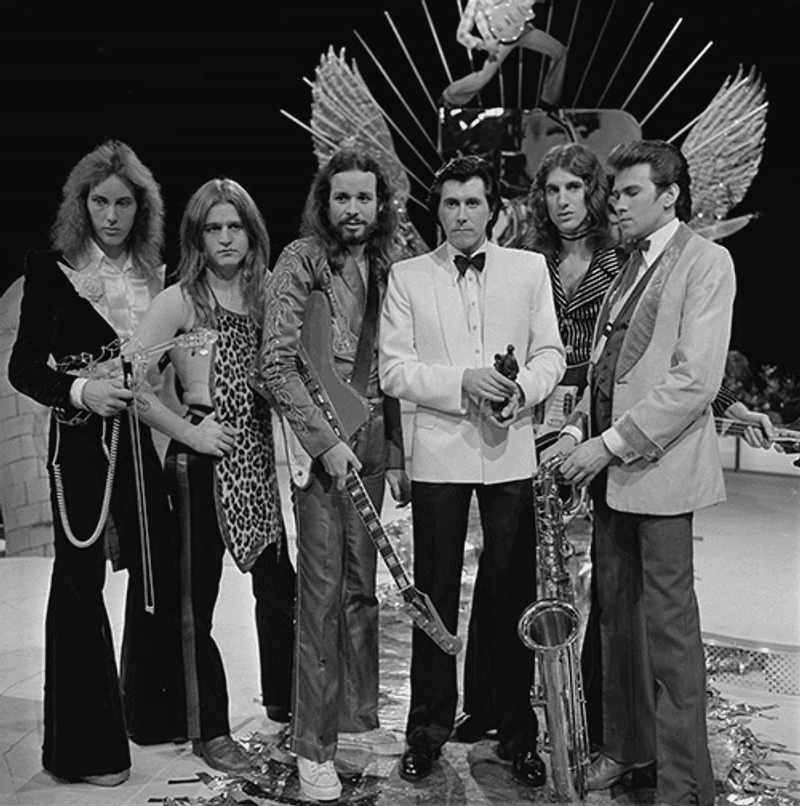
Roxy Music arrived in 1972 looking like they’d stepped off a spaceship dressed for a film premiere.
Brian Ferry’s theatrical vocals met Brian Eno’s experimental synthesizer textures, creating something that didn’t fit any existing category. Glam? Art rock? Futurist pop? Yes, all of it, somehow.
This debut album helped define the art rock movement and planted seeds for everything from new wave to synth-pop.
Eno left after just two albums, but the influence kept spreading. If you’ve ever loved a band that felt theatrical and weird in the best possible way, Roxy Music probably inspired them.
9. The Velvet Underground & Nico — The Velvet Underground & Nico (1967) – Avant-Rock / Proto-Alternative Foundation
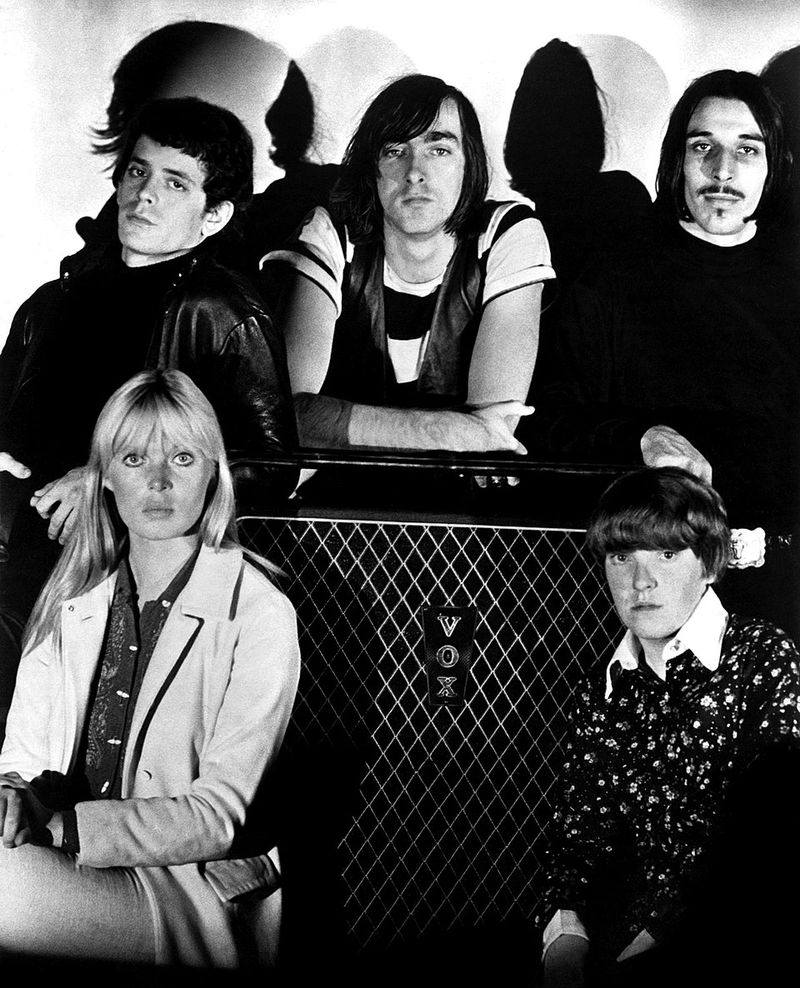
Produced by Andy Warhol, this album reportedly sold only 30,000 copies in its first five years.
However, as the legendary saying goes, everyone who bought it started a band. That’s not quite literally true, but it feels like it might be.
Raw, experimental, and emotionally unfiltered, this record laid the groundwork for alternative rock, punk, and indie music decades before those genres had names.
Lou Reed’s storytelling was unlike anything radio played. Songs about outsiders and complicated feelings resonated with anyone who ever felt like they didn’t quite fit the world around them.
10. The Velvet Underground — White Light/White Heat (1968) – Proto-Punk
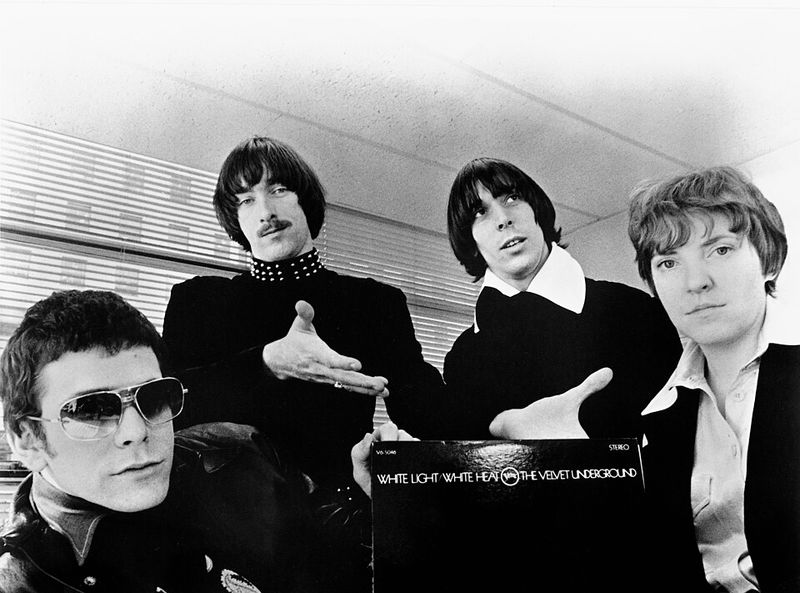
If the first Velvet Underground album was a whisper from the underground, “White Light/White Heat” was a full-volume scream.
Released just a year later, this record pushed noise, feedback, and chaos to places rock music had never dared to go.
The 17-minute track “Sister Ray” alone sounds like it’s trying to escape the speakers. Proto-punk found its most fearless expression here.
Bands like the Stooges, the New York Dolls, and eventually the entire punk explosion drew energy from this record’s refusal to be comfortable.
11. Joy Division — Unknown Pleasures (1979) – Post-Punk Atmosphere And Indie Template
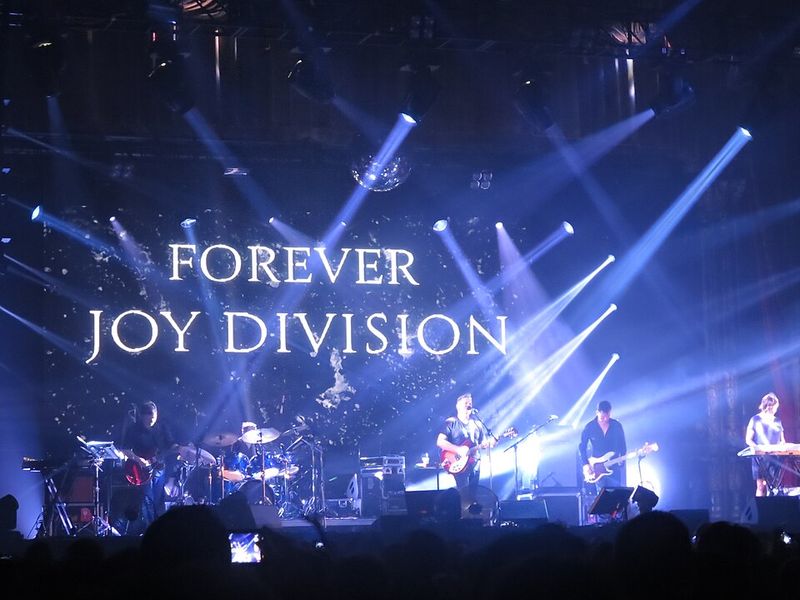
That iconic album cover – white lines on black, representing a pulsar star’s radio waves – tells you everything about Joy Division’s approach.
Science, darkness, and beauty all in one image. Inside, the music matched perfectly.
“Unknown Pleasures” created the emotional template for post-punk and indie rock. Ian Curtis’s baritone voice over Peter Hook’s melodic bass lines felt like nothing else in 1979.
The band came from Manchester, England, and their influence stretched far beyond Britain.
12. My Bloody Valentine — Loveless (1991) – Shoegaze Landmark
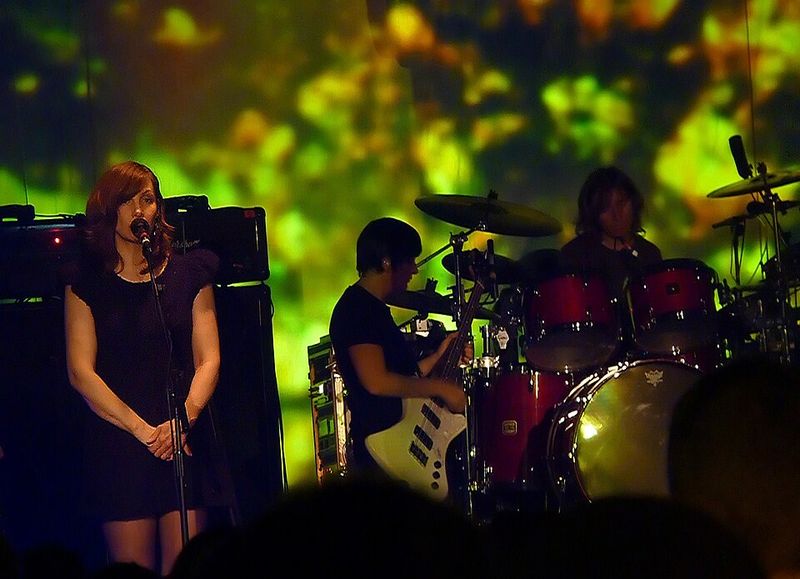
“Loveless” reportedly cost around 250,000 pounds to record and nearly bankrupted its label.
Kevin Shields spent years perfecting a guitar sound so thick and textured it felt more like a weather system than music. Worth every penny, if you ask shoegaze fans.
Where traditional rock kept melodies clean, My Bloody Valentine buried them in layers of tremolo-warped guitar and ethereal vocals. Shoegaze became its own universe because of this album.
Even today, producers reference “Loveless” when trying to create that lush, dream-like wall of sound that makes you feel weightless.
13. Sunny Day Real Estate — Diary (1994) – Second-Wave Emo / Midwest Emo Touchstone
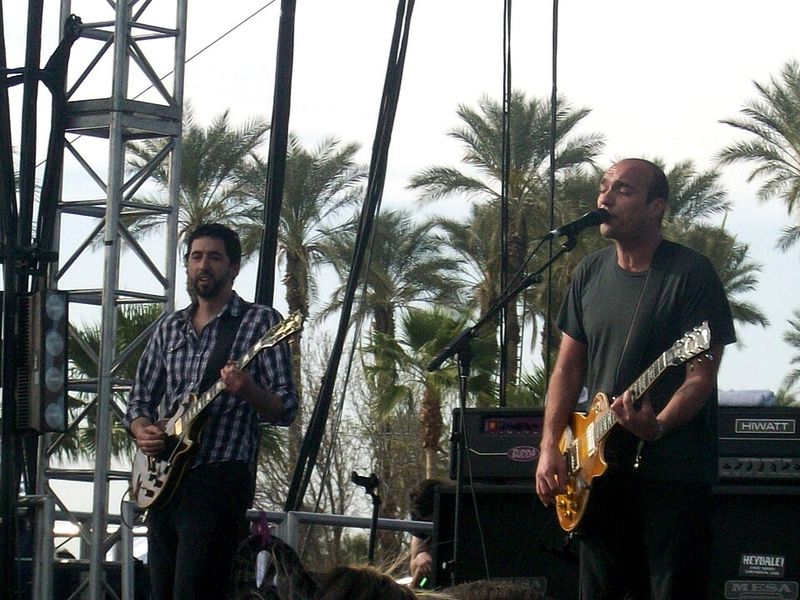
Emo had existed in some form since the mid-1980s, but “Diary” gave it a soul.
Sunny Day Real Estate came out of Seattle – yes, the same city as Nirvana – and created something more inward, more vulnerable, and more melodically rich than anything the scene had offered before.
Jeremy Enigk’s soaring vocals and the band’s dynamic shifts from whisper-quiet to full-force became the second-wave emo playbook.
Bands like Dashboard Confessional, Saves the Day, and early Taking Back Sunday all lived in the emotional territory “Diary” mapped.
14. The Stone Roses — The Stone Roses (1989) – Madchester / Baggy
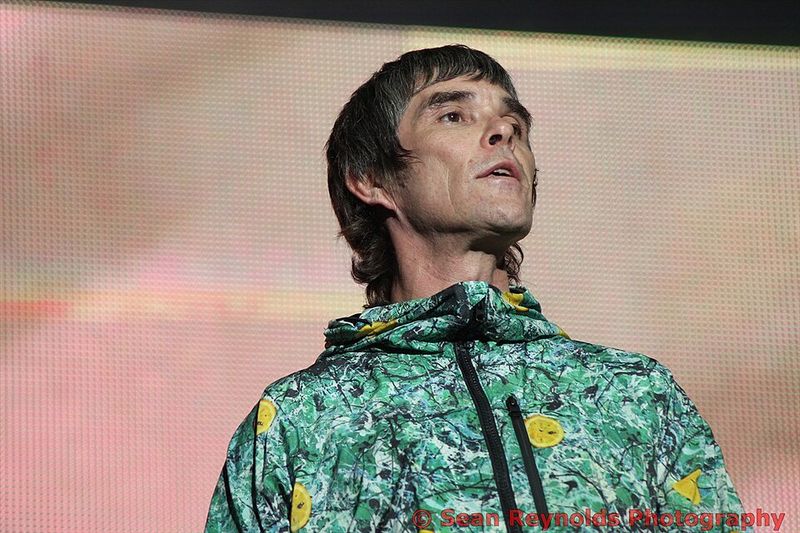
Manchester in the late 1980s was buzzing with something electric, and The Stone Roses bottled it perfectly.
Their debut mixed jangly guitar pop with danceable rhythms and Ian Brown’s effortlessly cool vocals, creating the “Madchester” sound that took the UK by storm.
How big was the impact? The Stone Roses headlined a 1990 concert at Spike Island with 27,000 fans – a generation-defining moment.
The album bridged the gap between indie rock and dance culture, inspiring Oasis, Blur, and the entire Britpop movement.
15. Jimi Hendrix Experience — Are You Experienced? (1967) – Psychedelic Rock Explosion
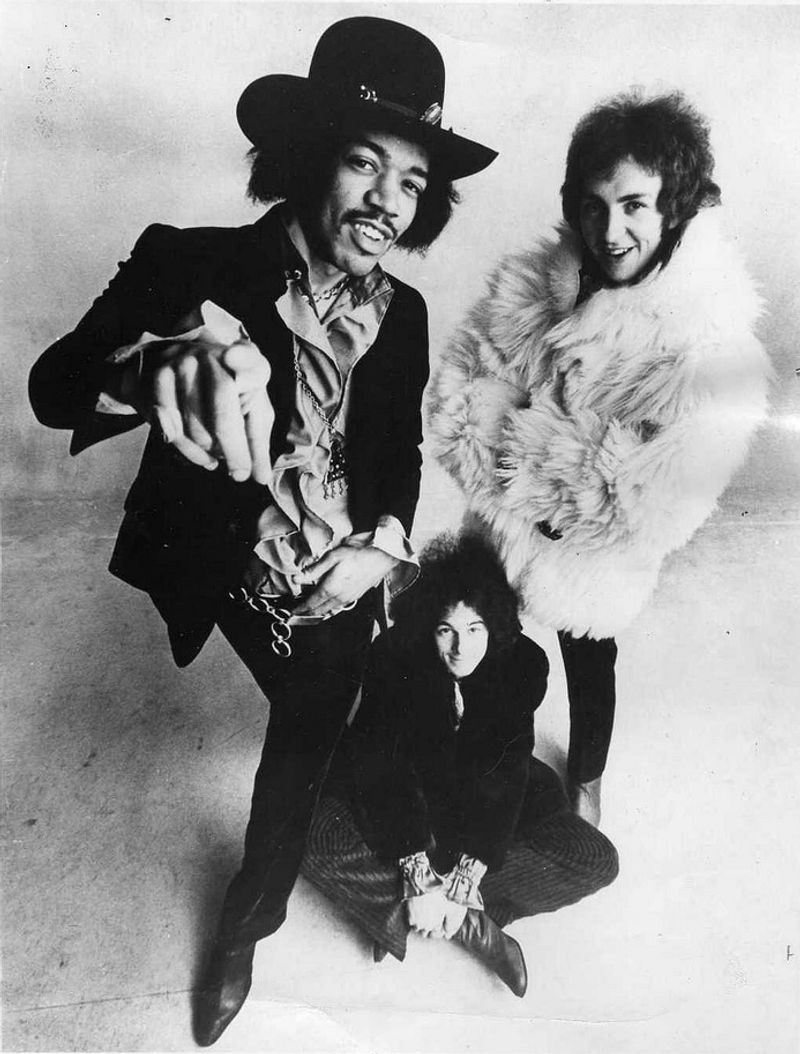
When “Are You Experienced?” dropped in 1967, guitarists everywhere had to sit down and reconsider everything they thought they knew.
Jimi Hendrix played the instrument like nobody before him, bending notes, using feedback creatively, and coaxing sounds from a Stratocaster that seemed physically impossible.
Psychedelic rock found its greatest champion here. The album fused blues, rock, and pure sonic experimentation into something that felt genuinely otherworldly.
From “Purple Haze” to “Foxy Lady,” every track was a statement.