15 Ambitious Movies That Struggled To Fully Deliver
Big swings are part of what makes movies exciting.
Ambitious films chase scale, ideas, and tone changes that safer projects never even attempt, and that courage can be thrilling even before the opening weekend. Not every swing connects, though.
A story can reach for something grand and still land unevenly, with pacing that wobbles, themes that don’t quite lock in, or a finale that can’t match the promise of the setup.
That doesn’t mean the effort was pointless. Plenty of these titles remain fascinating, loaded with impressive craft or one bold choice that keeps people debating them long after the credits.
This article ranks ambitious movies that struggled to fully deliver, focusing on projects where the vision was clear, the execution was complicated, and the results ended up more interesting than flawless.
Disclaimer: Evaluations of film “ambition” and “delivery” are inherently subjective and can vary by viewer taste, genre expectations, and critical context. This article is provided for general informational and entertainment purposes.
1. Heaven’s Gate (1980)
Few films in Hollywood history have crashed and burned quite as publicly as this one.
Director Michael Cimino had just won the Oscar for The Deer Hunter, so studios handed him a blank check. Bad idea.
The film ran so wildly over budget and schedule that it nearly bankrupted United Artists entirely.
At nearly four hours long, audiences and critics walked out scratching their heads. However, a director’s cut later earned some respect.
2. Dune (1984)

Frank Herbert’s Dune is one of the most beloved sci-fi novels ever written, so naturally Hollywood wanted a piece of that action.
Director David Lynch, known for his bizarre and brilliant style, took the helm. What followed was a visually strange, deeply confusing film that satisfied almost no one.
Lynch himself later disowned it, which tells you something.
The story crammed years of complex lore into two hours and left audiences completely lost. Still, its wild aesthetic has earned it a cult following of dedicated fans who appreciate its weirdness.
3. Waterworld (1995)

Imagine spending $175 million to build a floating movie set in the middle of the Pacific Ocean. That is exactly what happened here, and the production was a legendary disaster.
Storms destroyed sets, Kevin Costner’s earring fell into the ocean repeatedly, and the budget spiraled out of control.
The finished film is actually a decent action adventure, but it never had a chance against its own reputation. Critics piled on before it even opened.
Though it eventually turned a profit through home video, its theatrical flop status became a pop culture punchline for years.
4. The Postman (1997)

Kevin Costner apparently did not learn his lesson from Waterworld.
Two years later, he directed and starred in this three-hour post-apocalyptic epic about a wandering drifter who restores hope by delivering mail. Yes, really. Mail.
The concept is actually kind of touching when you think about it. However, the film is painfully slow, self-serious, and way too long for its own good.
Audiences and critics were merciless.
It won five Razzie Awards including Worst Picture.
5. The Bonfire of the Vanities (1990)
Tom Wolfe’s sharp, satirical novel about greed and race in 1980s New York was considered nearly unfilmable. Director Brian De Palma decided to prove everyone wrong.
He did not exactly succeed.
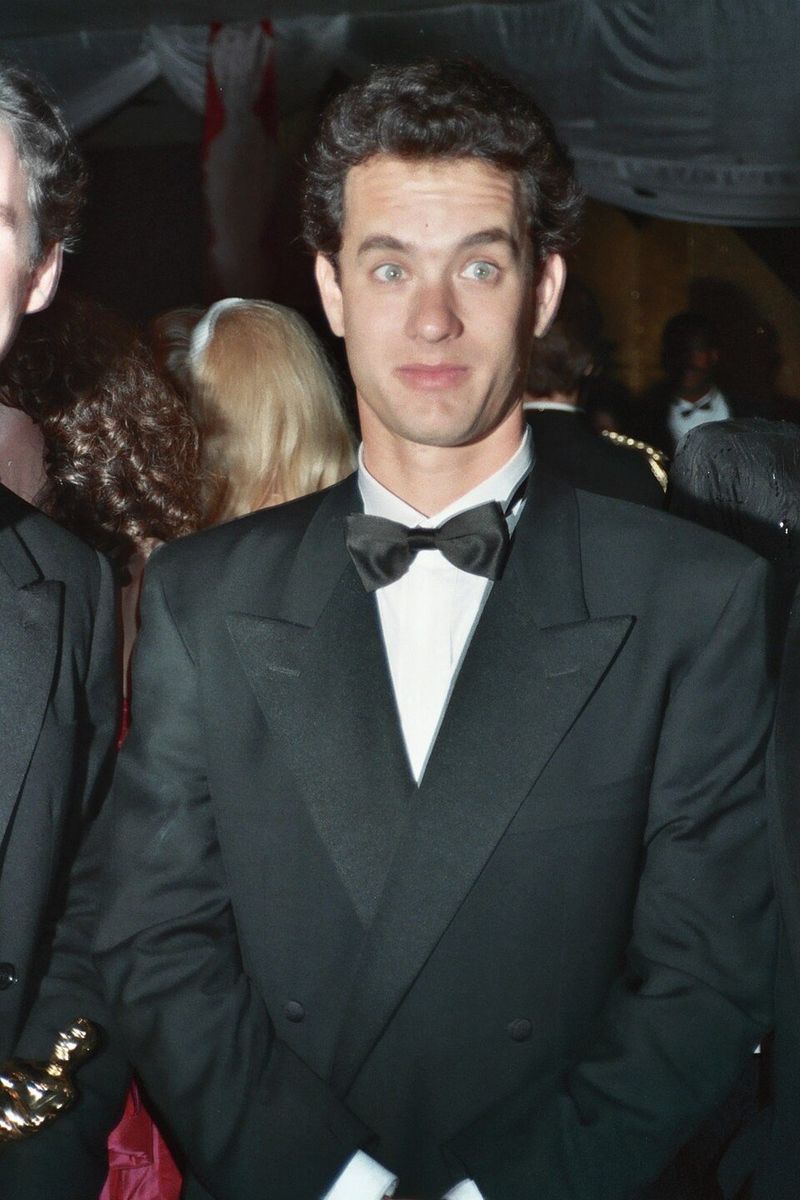
The casting choices alone caused controversy before filming even began. Tom Hanks was seen as too likable for the morally bankrupt lead role, and critics agreed loudly.
The film fumbled Wolfe’s biting social commentary and turned a razor-sharp story into a toothless mess.
6. The League of Extraordinary Gentlemen (2003)
On paper, this sounds absolutely incredible.
Take iconic Victorian literary heroes like Captain Nemo, Dracula’s Mina Harker, the Invisible Man, and Allan Quatermain and put them all in one action movie. What could go wrong?
Quite a lot, as it turned out.
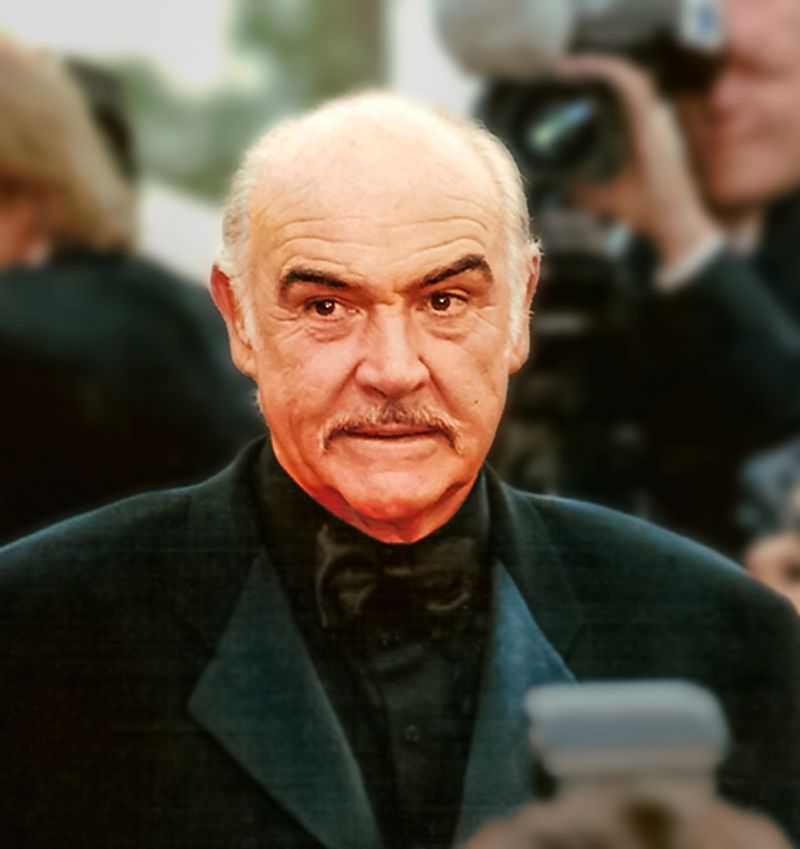
The film was so chaotic and poorly executed that Sean Connery retired from acting afterward and never returned to the screen.
7. Alexander (2004)
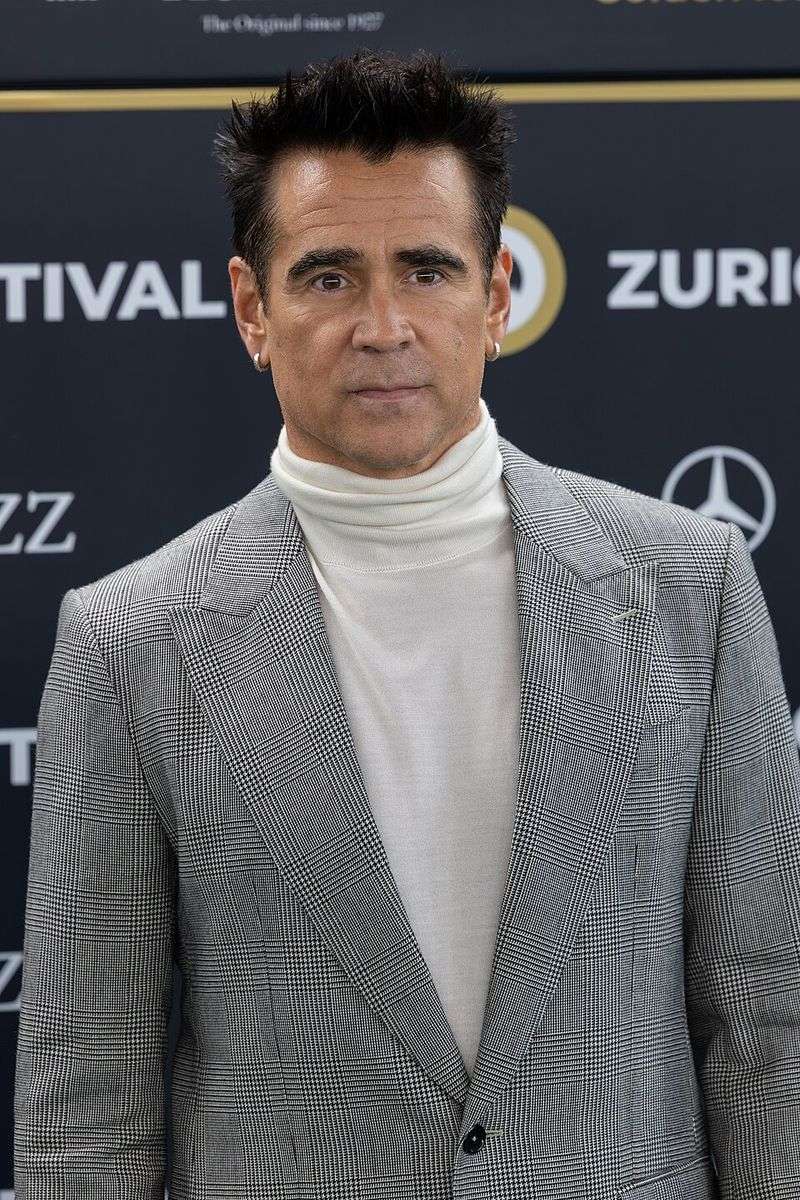
Years of development went into Oliver Stone’s film about Alexander the Great, one of history’s most fascinating conquerors.
The result was a bloated, confusing epic that could not decide what kind of movie it wanted to be. Was it a war film? A psychological portrait? A family drama? All three, apparently, and none of them well.
Colin Farrell did his best, but critics were brutal. The film flopped badly in the United States, though it performed better overseas.
8. Kingdom of Heaven (2005)
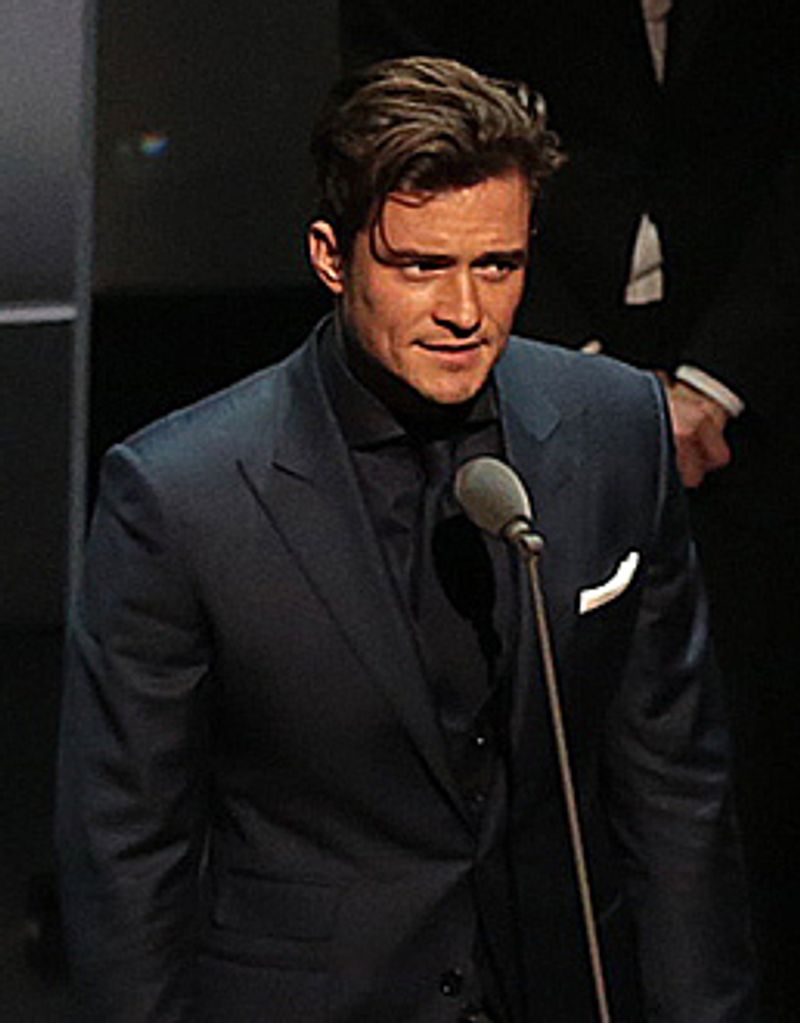
Ridley Scott directing a Crusades epic starring Orlando Bloom sounds like a guaranteed blockbuster. The theatrical version, however, left audiences cold and critics unimpressed.
Characters felt flat, motivations were murky, and the emotional core of the story never quite clicked.
Here is the twist though: the director’s cut, released later on DVD, is genuinely excellent. Adding nearly 45 minutes restored character arcs and depth that made the story finally breathe.
If you have only seen the theatrical version, the director’s cut feels like an entirely different and far superior film.
9. The Golden Compass (2007)

A masterpiece of fantasy literature, His Dark Materials is a trilogy by Philip Pullman – dark, philosophical, and deeply imaginative.
The film adaptation had a massive budget, a great cast including Nicole Kidman and Daniel Craig, and enormous expectations. Then it landed with a quiet thud.
The studio reportedly stripped away much of the story’s challenging religious commentary to avoid controversy, which gutted the very soul of the source material.
Plans for sequels were scrapped immediately. Years later, a BBC series finally did the books proper justice.
10. Watchmen (2009)
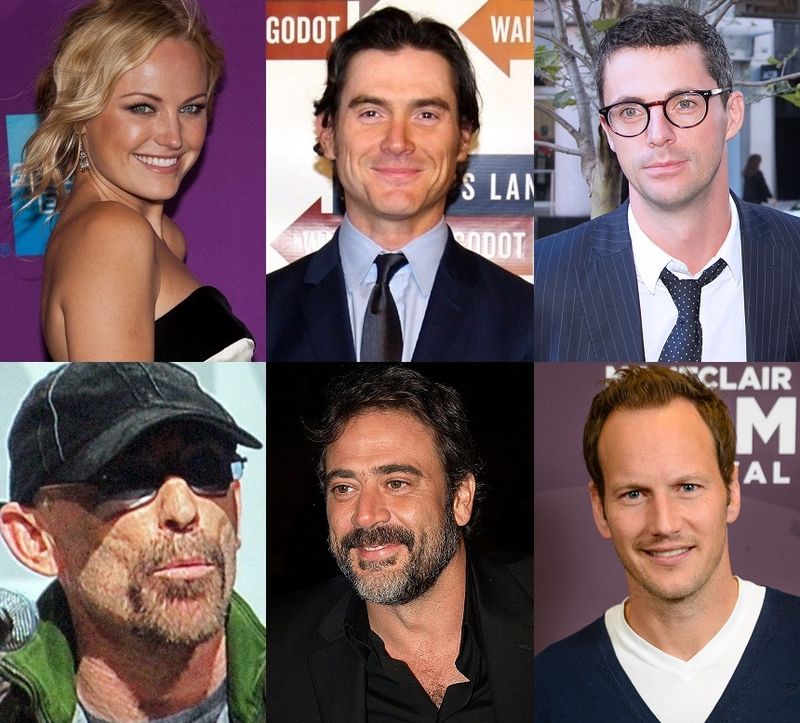
Alan Moore’s graphic novel Watchmen was famously declared unfilmable.
Zack Snyder accepted that challenge with full confidence and delivered a visually stunning adaptation that looked almost panel-for-panel perfect on screen.
So why does it feel like something is missing? The film is technically impressive but emotionally cold, more interested in recreating images than capturing the novel’s deeper ideas about power and heroism.
If you have read the comic, you will appreciate the craft. If you have not, the story feels distant and hard to connect with.
11. The Lovely Bones (2009)

Fresh off The Lord of the Rings trilogy, Peter Jackson tackled Alice Sebold’s haunting novel about a girl watching over her family from heaven. The potential was enormous. The result was deeply divisive.
Jackson leaned hard into the visual spectacle of the afterlife sequences, creating genuinely breathtaking imagery.
However, the emotional weight of the story, the grief, the rage, the justice, got buried under all that visual noise.
Mark Wahlberg and Rachel Weisz gave their best, but the film felt like two different movies fighting each other.
12. Tron: Legacy (2010)
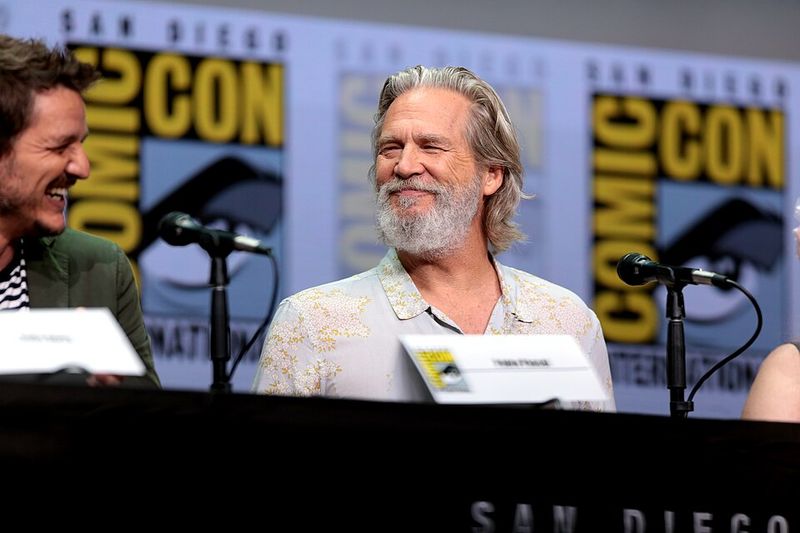
Few sequels arrive with as much visual swagger as this one.
The neon-soaked digital world of the Grid looked absolutely stunning in IMAX 3D, and the Daft Punk soundtrack was an instant classic that people still blast today.
However, once the light cycles stopped racing and the music faded, the story underneath felt thin and uninspired. Jeff Bridges was charming, but the script gave him little to work with.
The film prioritized aesthetic over substance at nearly every turn. It is the cinematic equivalent of a gorgeous gift box with nothing inside.
13. Sucker Punch (2011)

Zack Snyder built a film entirely around the concept of escapism, layering fantasy action sequences inside a grim real-world story about a young woman trapped in an institution.
The action set pieces are jaw-dropping and wildly creative, blending samurai, dragons, World War II, and robots into one visual buffet.
Where it stumbled was in its emotional core. The characters felt more like video game avatars than real people, and the story’s feminist themes were undermined by its own visual choices.
14. John Carter (2012)

Here is some wild trivia for you: the story of John Carter, a Civil War soldier transported to Mars, was written in 1912 by Edgar Rice Burroughs and directly inspired Star Wars, Avatar, and countless other sci-fi classics.
So when Disney finally adapted it, expectations were sky high. Unfortunately, the film felt oddly dated despite its massive budget.
The marketing was confusing, the title was changed multiple times, and audiences had no idea what they were watching.
15. Cloud Atlas (2012)

The Wachowskis and Tom Tykwer co-directed this sprawling adaptation of David Mitchell’s celebrated novel, weaving together six storylines across centuries, from the 1800s to a post-apocalyptic future. T
Tom Hanks, Halle Berry, and Hugh Grant each play multiple roles across the eras, which is either fascinating or distracting depending on who you ask. The film runs nearly three hours and demands serious attention.
Some viewers called it a masterpiece. Many others called it exhausting.
If a movie can be both admirable and unwatchable at the same time, Cloud Atlas is the perfect example.