21 American Waterfalls That Look Straight Out Of A Dream
America hides some of the most jaw-dropping waterfalls on the planet, and they’re not all in famous national parks.
Towering cascades that plunge hundreds of feet and secret gems tucked away in forests create natural wonders that feel like something out of a fantasy movie.
Planning an adventure or simply daydreaming about beautiful places? Get ready to discover waterfalls so stunning they’ll make you question if they’re even real.
1. Amicalola Falls, Georgia
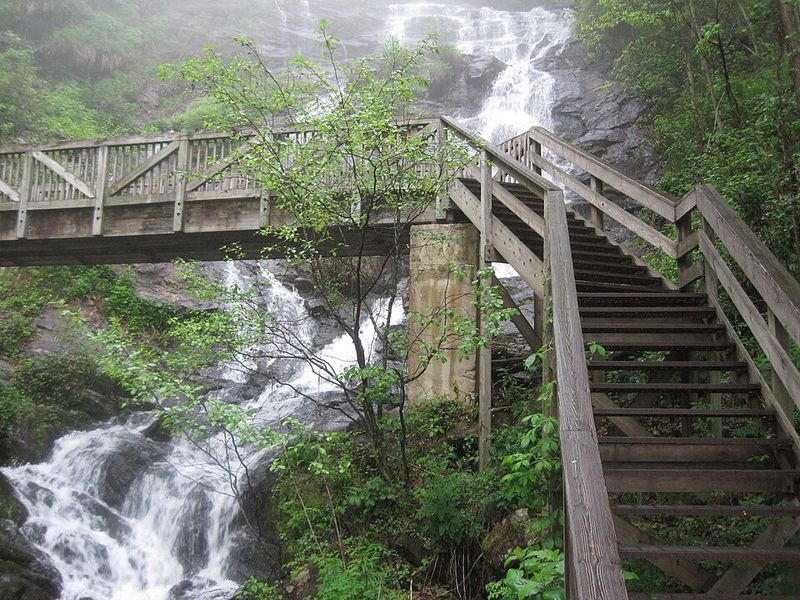
Standing tall at 729 feet, this Georgia giant claims the title of the state’s tallest waterfall and one of its Seven Natural Wonders.
The Cherokee name translates to “tumbling waters,” which is pretty much the perfect description when you see it in person. Hikers can tackle the steep trail to the top or take the easier route and enjoy viewing platforms along the way.
Just saying, the mist on your face at the base feels like nature’s air conditioning on a hot summer day.
2. Kaaterskill Falls, New York
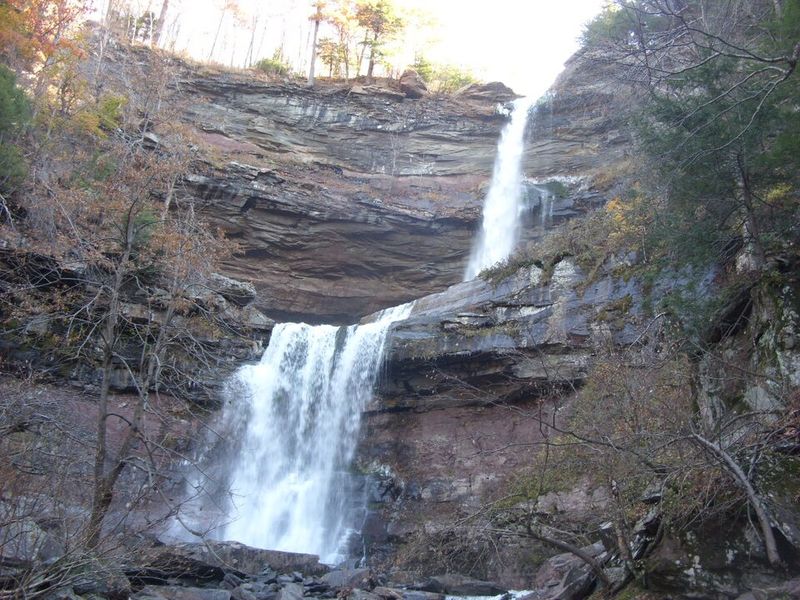
This two-stage stunner in the Catskill Mountains drops a combined 260 feet, making it one of the tallest waterfalls in the Eastern United States.
Artists from the Hudson River School painted it obsessively in the 1800s, basically making it Instagram-famous before Instagram even existed. The upper tier plunges into a pool before cascading down the second drop, creating double the drama.
However, be careful on the trail since the rocks can get slippery, especially after rain or during spring melt.
3. Havasu Falls, Arizona
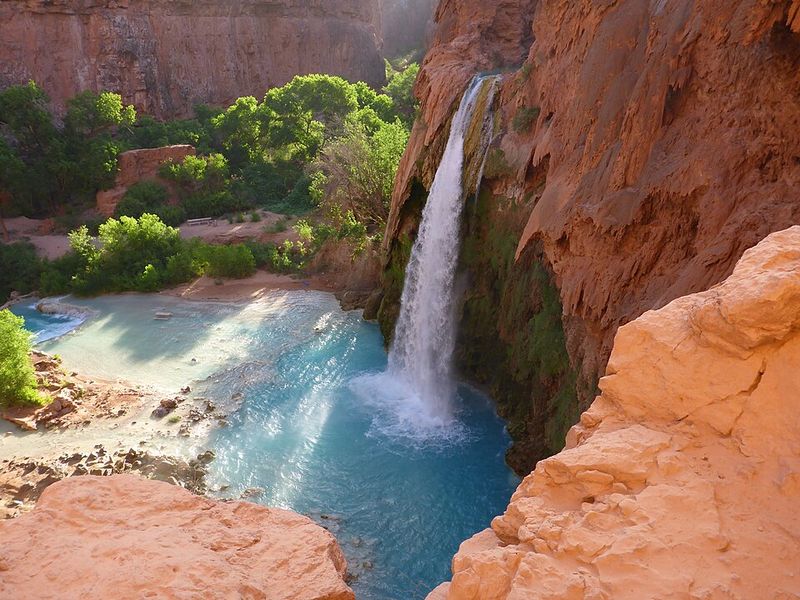
Imagine turquoise water tumbling 100 feet into a pool so blue it looks Photoshopped, and you’ve got Havasu Falls.
Located on the Havasupai Reservation in the Grand Canyon, this waterfall requires a permit and a challenging 10-mile hike to reach. The vibrant blue-green water comes from high mineral content, creating a color that seems impossible in the middle of the desert.
Though the journey is tough, camping near this oasis feels like discovering a hidden paradise that few people get to witness.
4. Multnomah Falls, Oregon
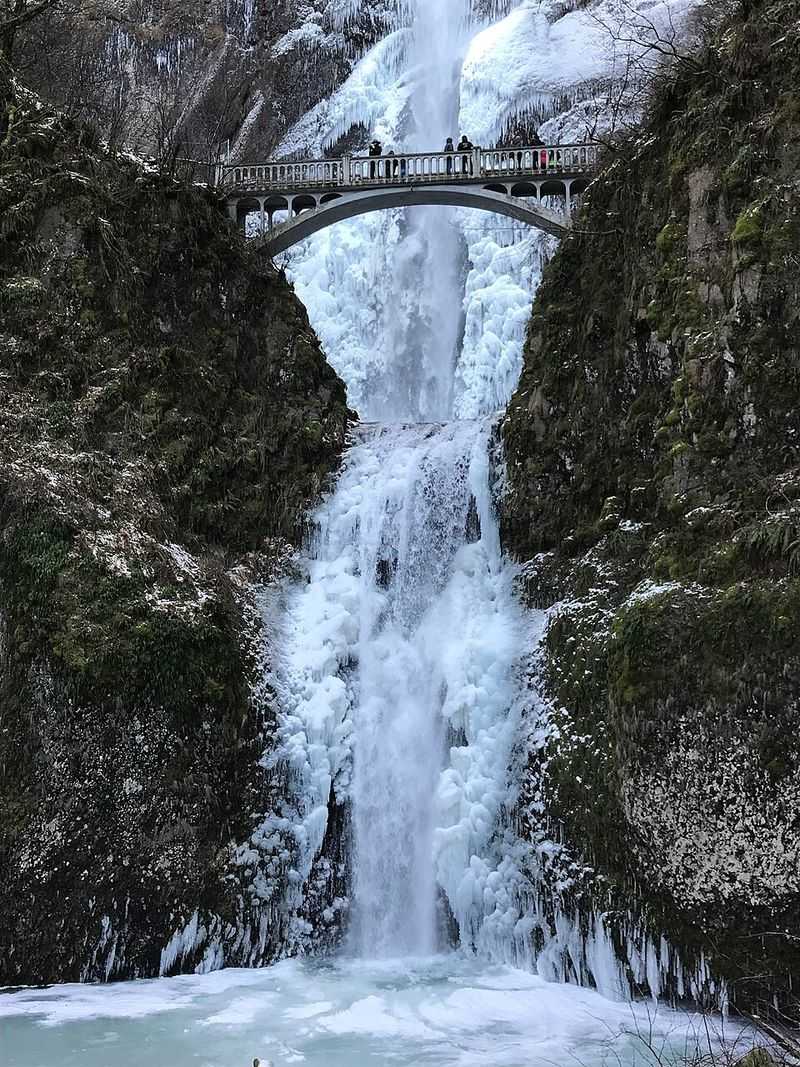
At 620 feet tall, Multnomah Falls is Oregon’s tallest waterfall and one of the most photographed spots in the Pacific Northwest.
The iconic Benson Bridge sits perfectly positioned between the upper and lower tiers, giving you a front-row seat to the cascading action. You can see it right from the parking lot, but the short hike to the bridge is totally worth it for that up-close experience.
Fun fact: the falls flow year-round, fed by underground springs, so it’s gorgeous no matter when you visit.
5. Yosemite Falls, California
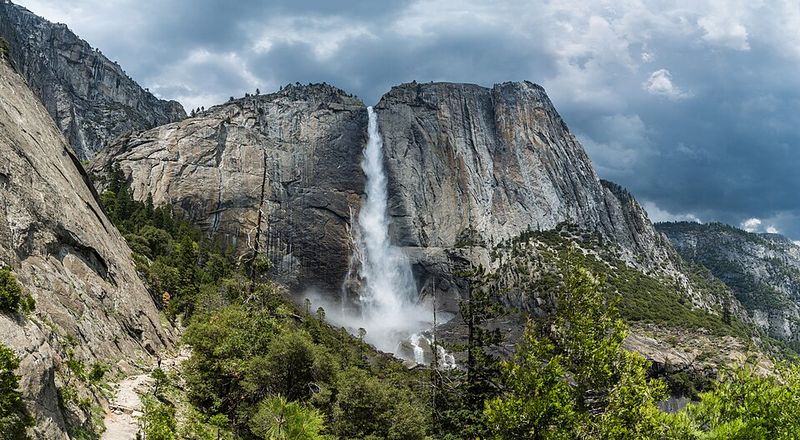
Yosemite Falls drops an absolutely wild 2,425 feet in three separate sections, making it the tallest waterfall in North America.
Peak flow happens in late spring when snowmelt turns it into a thundering giant that you can hear from miles away. By late summer, it sometimes dries up completely, which might sound disappointing but actually shows you the dramatic seasonal changes in nature.
If you’re feeling ambitious, the 7.2-mile round-trip hike to the top rewards you with incredible valley views.
6. Dry Falls, North Carolina
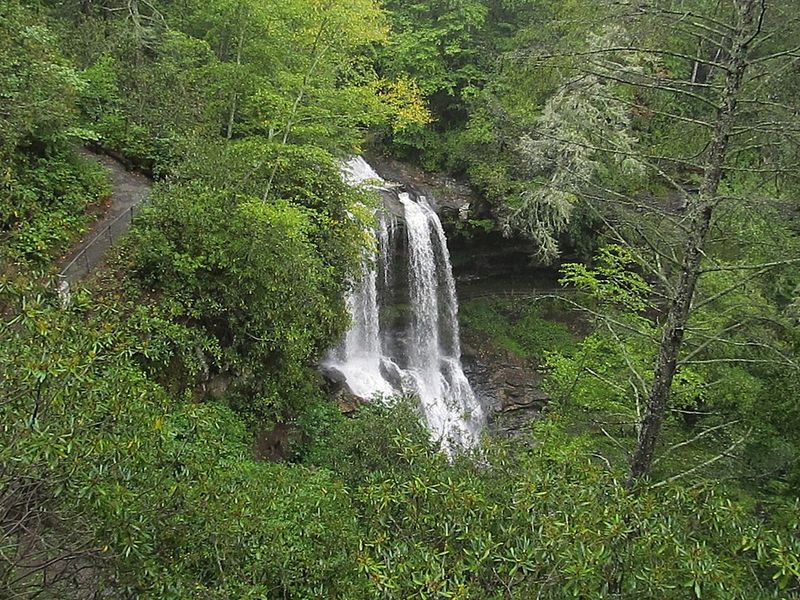
Located in Nantahala National Forest, this 65-foot waterfall earned its quirky name because you can walk behind it and stay completely dry.
A rock shelter creates a natural walkway behind the falling water, giving you a behind-the-scenes view that feels like a secret passage. The short, easy trail makes it perfect for families with kids or anyone who wants waterfall magic without a brutal hike.
How cool is it to see the world through a curtain of water without getting soaked?
7. Shoshone Falls, Idaho
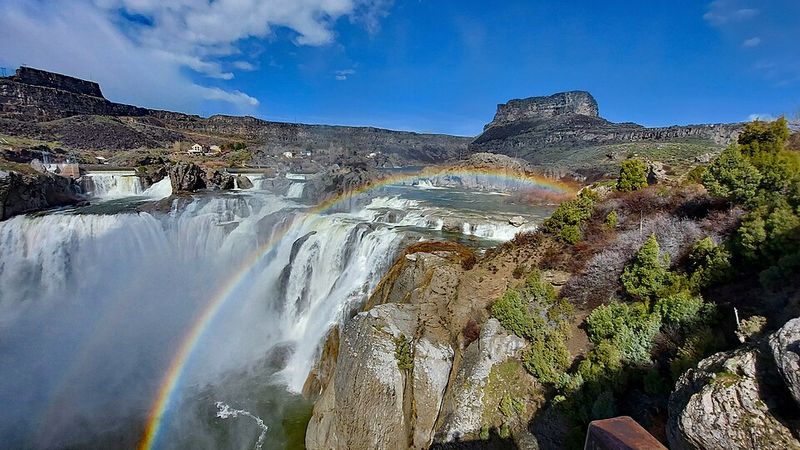
Sometimes called the “Niagara of the West,” Shoshone Falls plunges 212 feet over a 900-foot-wide cliff on the Snake River.
That’s actually 45 feet taller than Niagara Falls, so maybe Niagara should be called the “Shoshone of the East” instead. Spring is prime viewing time when snowmelt creates massive flow, though irrigation can reduce it significantly by summer.
The viewing platform sits right above the canyon rim, offering superhero-level views of the thundering cascade below.
8. Mineral Springs Waterfall, North Dakota
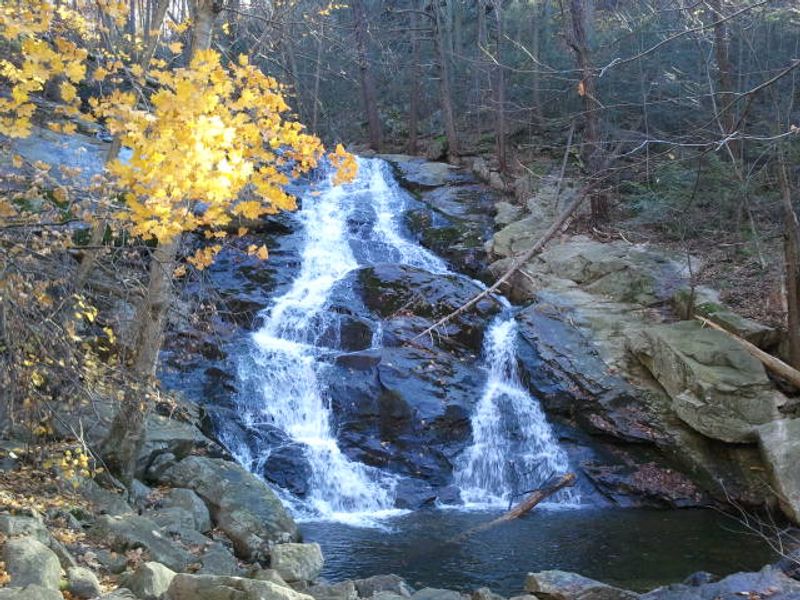
As the only registered natural waterfall in North Dakota, this 8-foot cascade might be small but it’s mighty special.
Fed by an underground spring in the Sheyenne River State Forest, the water flows year-round regardless of rainfall or drought. The surrounding forest creates a peaceful, hidden-gem vibe that makes you feel like you’ve discovered something secret.
Though it won’t take your breath away with height, its rarity and constant flow make it a unique treasure worth seeking out in the prairie state.
9. Palouse Falls, Washington
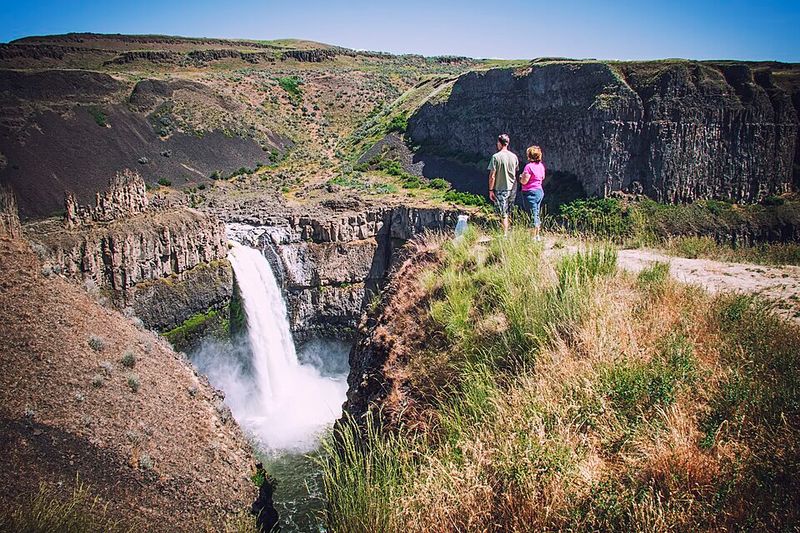
Palouse Falls drops 198 feet into a circular basin carved by ancient Ice Age floods that reshaped the entire region.
The dramatic canyon walls and swirling pool below look like something from a sci-fi movie set on an alien planet. Washington State chose it as the official state waterfall in 2014, and honestly, it’s easy to see why.
Sunset photography here is legendary since the light hits the canyon walls and creates golden-hour magic that photographers dream about.
10. Cumberland Falls, Kentucky
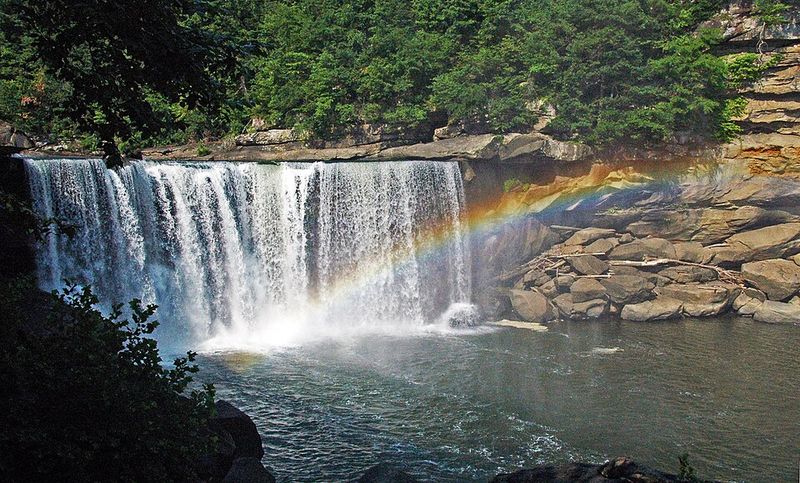
Known as the “Niagara of the South,” Cumberland Falls stretches 125 feet wide and drops 68 feet over a sandstone cliff.
Here’s something wild: on clear nights during a full moon, you can see a rare moonbow, which is basically a rainbow made by moonlight. Cumberland Falls is one of only two places in the Western Hemisphere where this phenomenon occurs regularly.
The state park surrounding it offers camping, hiking, and plenty of spots to sit and watch the constant flow of water.
11. Niagara Falls, New York
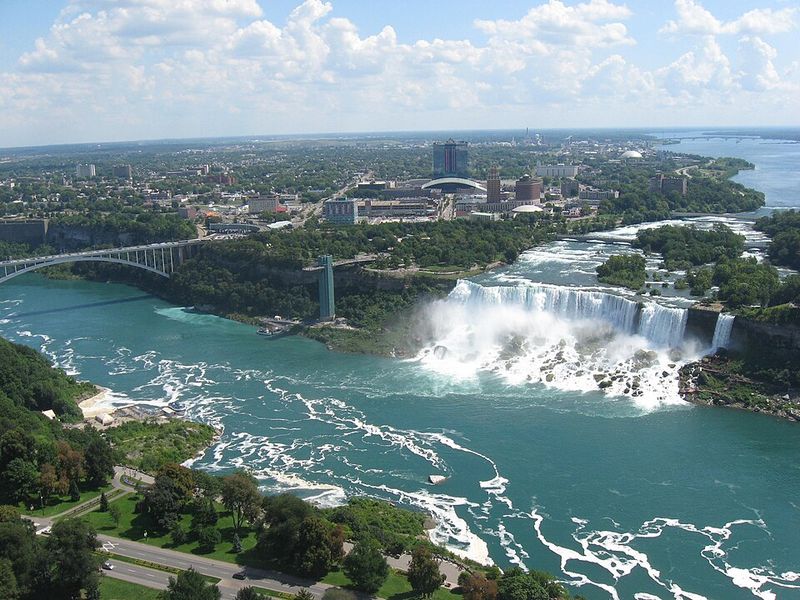
Straddling the U.S.-Canada border, Niagara Falls isn’t the tallest but it’s definitely one of the most powerful waterfalls in North America.
About 750,000 gallons of water thunder over the edge every second during peak flow, creating a roar you can hear from miles away. The Maid of the Mist boat tour takes you right into the mist zone, where you’ll get absolutely drenched but also feel the raw power up close.
Though it’s super touristy, standing at the edge watching that much water fall is still genuinely awe-inspiring.
12. Akaka Falls, Hawaii
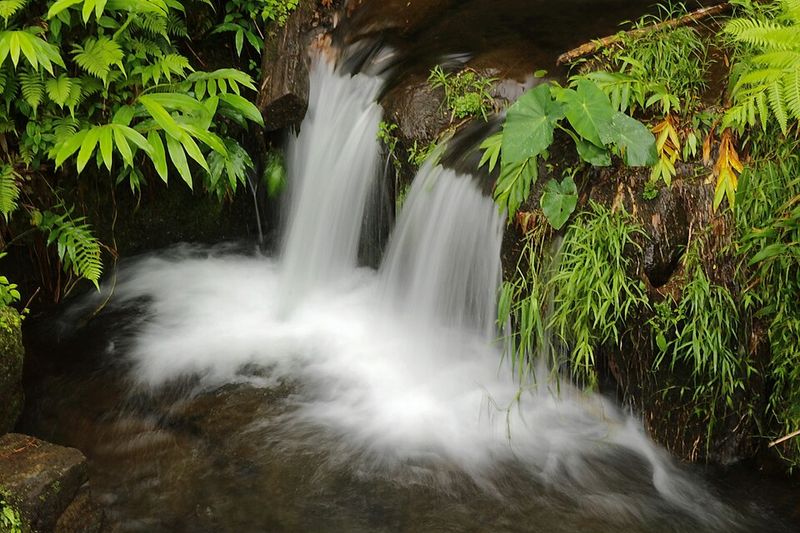
Akaka Falls plunges 442 feet through a lush tropical rainforest on the Big Island, surrounded by wild orchids and bamboo groves.
The easy 0.4-mile paved loop trail takes you through jungle scenery so green and vibrant it feels like Jurassic Park without the dinosaurs. You’ll also pass the 100-foot Kahuna Falls along the way, making it a two-for-one waterfall adventure.
If you’re visiting Hawaii, this is one of those must-see spots that delivers on the tropical paradise promise without requiring serious hiking skills.
13. Bridal Veil Falls, Colorado
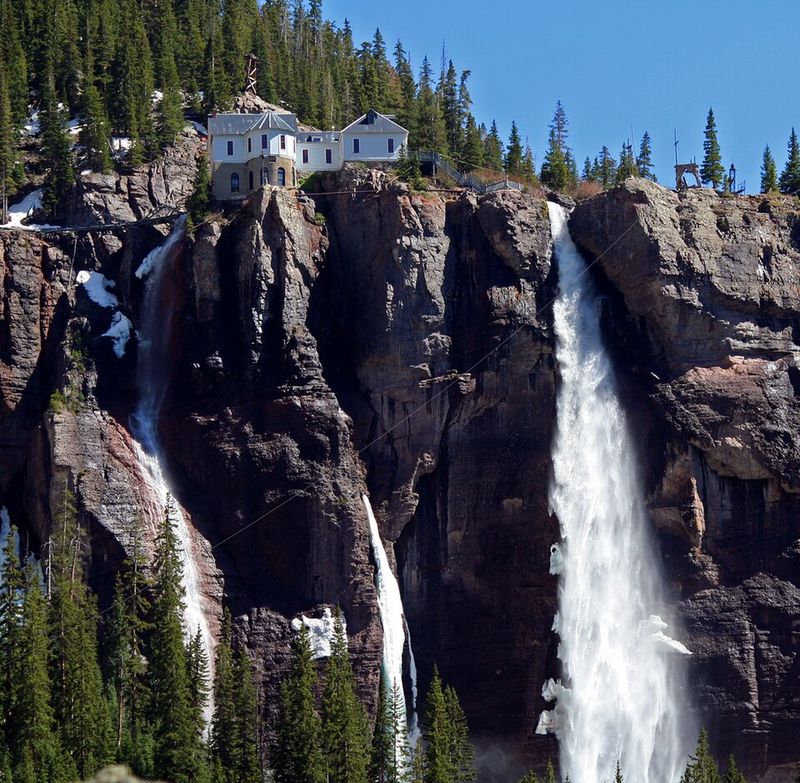
At 365 feet tall, Bridal Veil Falls near Telluride is Colorado’s tallest free-falling waterfall, and it’s absolutely stunning year-round.
The challenging four-wheel-drive road to reach it is an adventure itself, winding up steep switchbacks with heart-stopping drop-offs. In winter, the frozen waterfall becomes an ice climbing destination for adrenaline junkies who apparently think climbing frozen water sounds fun.
A historic power plant sits at the top, built in 1907, adding a cool human history element to the natural beauty.
14. Tahquamenon Falls, Michigan
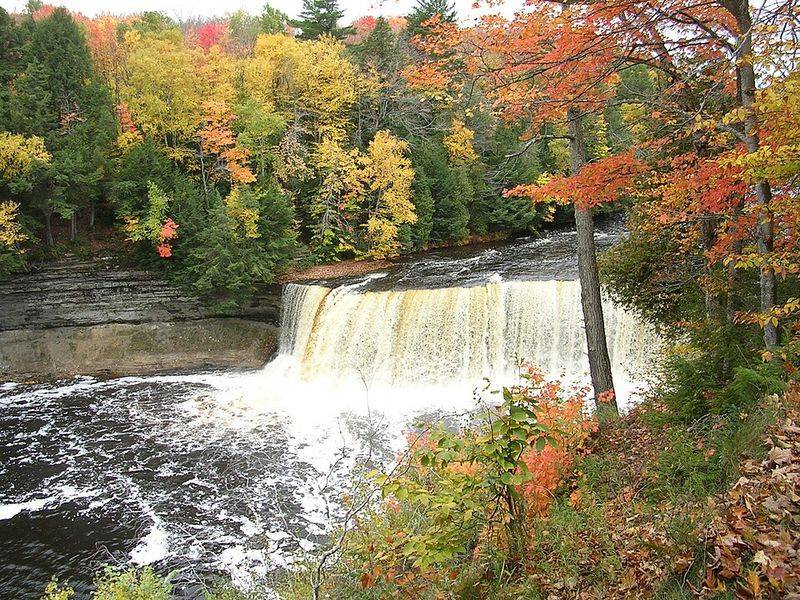
Tahquamenon Falls in Michigan’s Upper Peninsula is one of the largest waterfalls east of the Mississippi, stretching nearly 200 feet wide.
The water has a distinctive amber color from tannins leached from cedar swamps upstream, giving it a root beer appearance. Upper Falls drops about 50 feet with a flow of up to 50,000 gallons per second during peak spring runoff.
Lower Falls, located four miles downstream, cascades around an island and offers a totally different but equally beautiful experience for waterfall fans.
15. Burney Falls, California
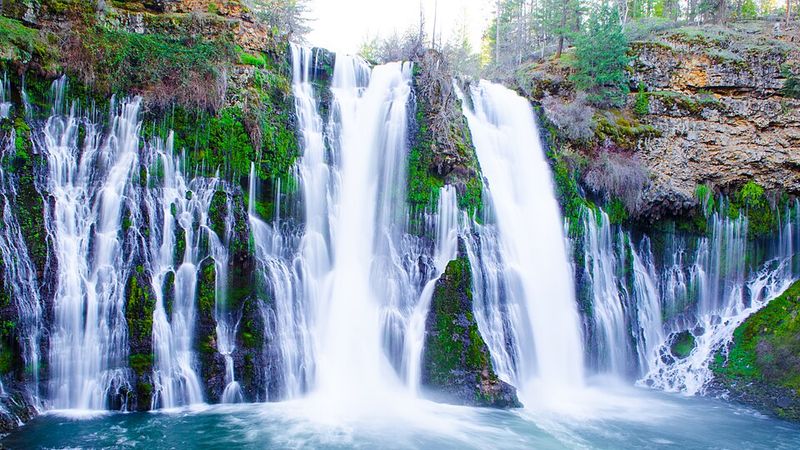
Theodore Roosevelt called Burney Falls the “Eighth Wonder of the World,” which is pretty high praise from a president who saw a lot of America.
At 129 feet tall, it’s not the highest, but 100 million gallons of water flow over and through the volcanic rock daily. Springs emerge from the cliff face itself, creating a misty curtain effect that makes the waterfall look even fuller and more magical.
McArthur-Burney Falls Memorial State Park surrounds it, offering camping, swimming, and trails through beautiful Northern California forest.
16. Snoqualmie Falls, Washington
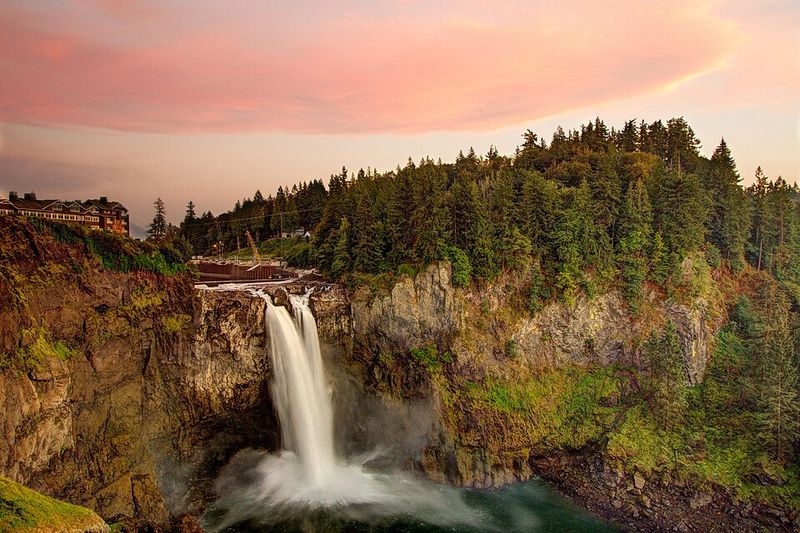
Snoqualmie Falls drops 268 feet, making it 100 feet taller than Niagara, though most people don’t realize that fun fact.
If you watched Twin Peaks, you’ve already seen it since the falls appeared in the opening credits of the cult classic show. The viewing platform sits right at the top, offering easy access and incredible views without any hiking required.
A hydroelectric plant built in 1898 still operates inside the rock, producing enough power for about 16,000 homes while keeping the waterfall flowing beautifully.
17. Linville Falls, North Carolina
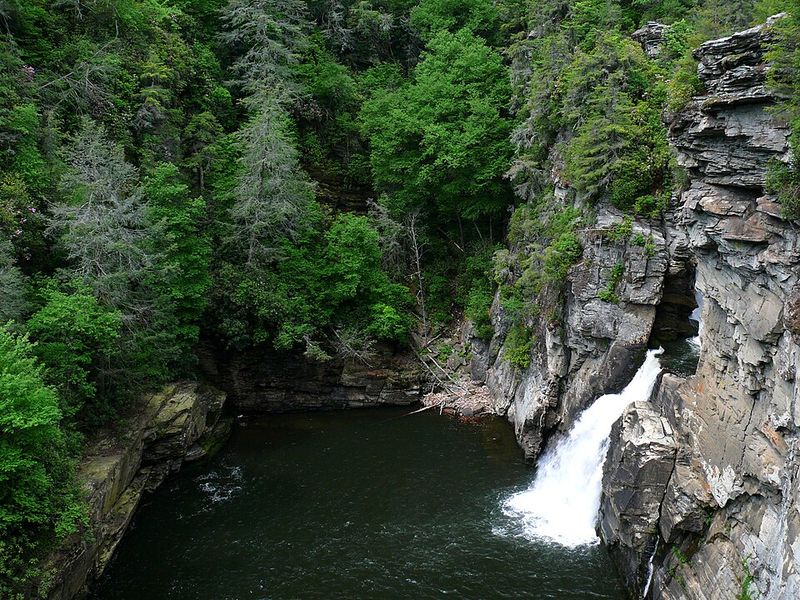
Linville Falls tumbles through a rugged gorge in the Blue Ridge Mountains, creating multiple cascades that photographers absolutely love.
Several different trails lead to various overlooks, each offering a unique perspective on the falls and the dramatic 2,000-foot-deep Linville Gorge. The upper falls drop 12 feet, then the lower falls plunge 90 feet into the gorge, creating a two-part spectacle.
Where else can you see a waterfall from above, below, and at eye level all in one visit by taking different short trails?
18. Taughannock Falls, New York
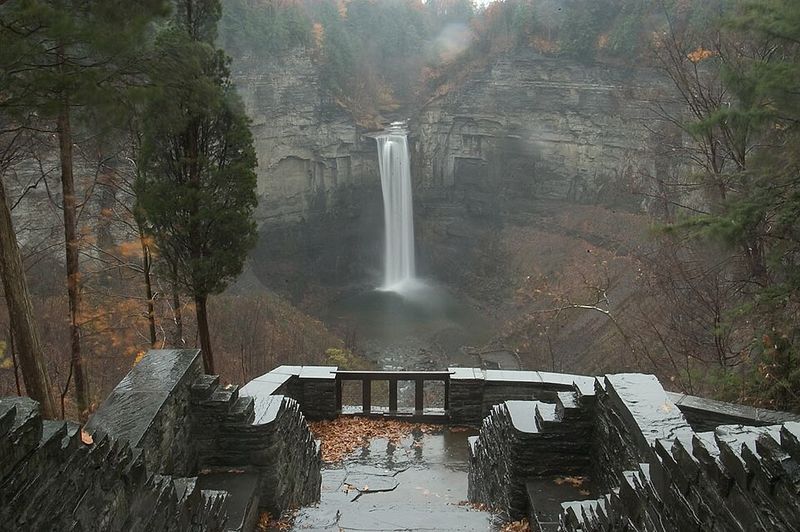
Taughannock Falls near Ithaca plunges 215 feet in a single vertical drop, making it 33 feet taller than Niagara Falls.
The gorge trail leads you right to the base where you can stand in the amphitheater-like basin and feel absolutely tiny. Surrounding cliffs tower 400 feet high, creating a natural cathedral that amplifies the sound of falling water into something almost musical.
In winter, ice formations build up around the falls, sometimes creating a frozen cone at the base that looks straight out of Frozen.
19. Vernal Fall, California
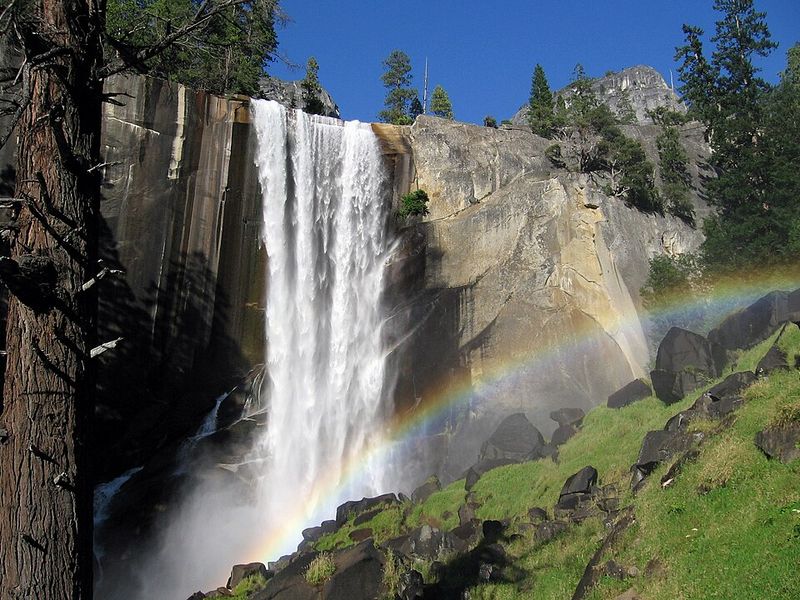
Vernal Fall in Yosemite drops 317 feet and creates so much mist that the trail to the top is literally called the Mist Trail.
Expect to get soaked climbing the granite staircase carved right next to the falling water, especially during spring runoff. The rainbow that forms in the mist on sunny days is almost guaranteed, making every wet step totally worth it for that magical moment.
Though the 3-mile round trip is steep and challenging, reaching the top and seeing the Merced River plunge over the edge is absolutely unforgettable.
20. Fairy Falls, Wyoming
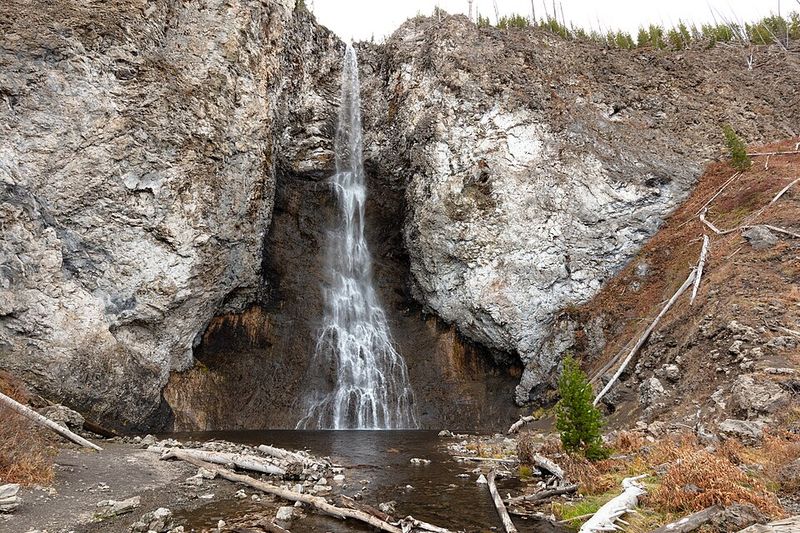
Fairy Falls in Yellowstone National Park drops 200 feet in a delicate ribbon that truly lives up to its magical name.
The relatively flat 5-mile round-trip hike takes you through forest and meadows before revealing the falls in a peaceful, less-crowded setting. If you’re up for extra adventure, a steep side trail leads to overlooks of Grand Prismatic Spring, the park’s most colorful geothermal feature.
Just saying, combining a gorgeous waterfall with thermal pools in one hike makes this one of Yellowstone’s best-kept secrets for adventurous visitors.
21. Brandywine Falls, Ohio
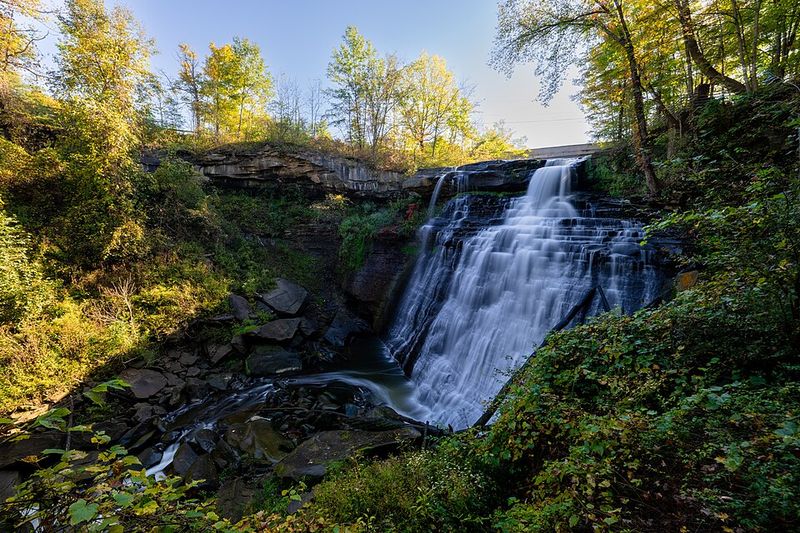
Brandywine Falls drops 65 feet over layers of Berea Sandstone in Cuyahoga Valley National Park, creating a beautiful tiered cascade.
The easy boardwalk trail leads to multiple viewing platforms, making it accessible for visitors of all ages and abilities. Did you know that a historic inn once stood near the falls, and guests would enjoy the view while sipping tea in the 1800s?
Today, you can still capture that same peaceful vibe without the tea party, and the falls flow beautifully year-round through changing seasons.