10 Reasons Americans Are Skipping Las Vegas For Vacation
Las Vegas once stood as the ultimate escape, a glowing desert fantasy built on luck, lights, and late nights. Travelers arrived chasing jackpots, endless buffets, and the thrill of pushing their luck one more round.
Yet the mood has shifted. Prices for rooms, shows, and even a simple drink now hit harder than a losing hand, turning what used to feel like a carefree splurge into a calculated risk. Crowds have grown thicker, lines longer, and the easygoing charm of wandering from casino to casino feels harder to find.
Many visitors also crave more authentic experiences, swapping neon overload for destinations with culture, nature, or a slower rhythm. Even longtime fans notice that the classic Vegas magic feels stretched, replaced by polished luxury that doesn’t always match the original spark. Add in rising resort fees and constant upsells, and the excitement can start to fade before the first spin. Still, the city hasn’t lost its pulse, it just demands a different kind of player now.
Ready to test your luck, or cash out and explore somewhere new?
1. The Sky-High Cost of Everything
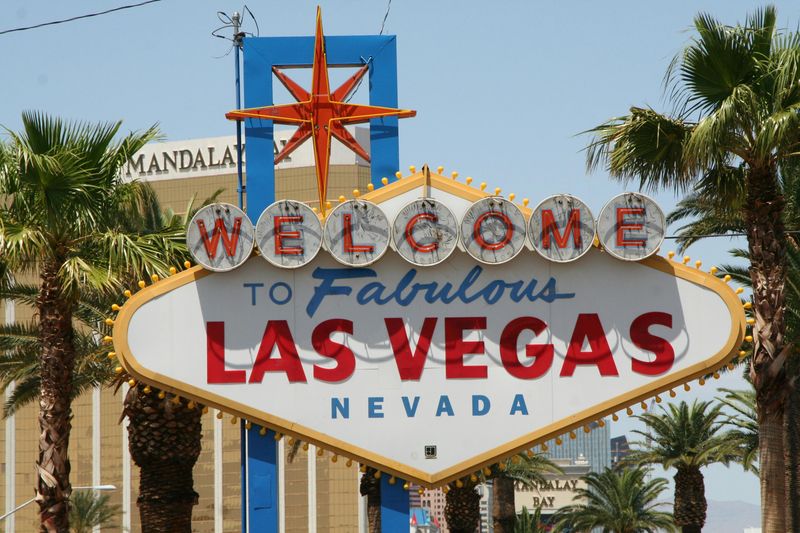
A simple weekend in Las Vegas can drain a wallet faster than a broken slot machine. Hotel rates have skyrocketed, and mandatory resort fees quietly tack on $50 or more per night before checkout.
Parking? Not free.
Water at the pool? Definitely not free.
Visitors now report spending hundreds more than expected, turning a fun escape into a financial headache. Food prices on the Strip have gone from splurge-worthy to just plain outrageous.
How does a city once celebrated for cheap buffets end up charging $30 for a breakfast sandwich? Budget travelers have officially left the building.
2. Gambling Is No Longer Exclusive to Vegas

Once upon a time, Las Vegas held the golden ticket to legal gambling in America. Sports betting and casino games were practically its superpower, like Batman owning Gotham.
Not anymore.
Over 30 U.S. states now allow some form of legal sports betting, and online casino apps have exploded in popularity. Why fly across the country and pay for a hotel when a poker game is literally one tap away on a phone?
The thrill of gambling no longer requires a plane ticket. For many Americans, the living room has become the new casino floor, minus the cigarette smell.
3. Millennials and Gen Z Want Real Experiences
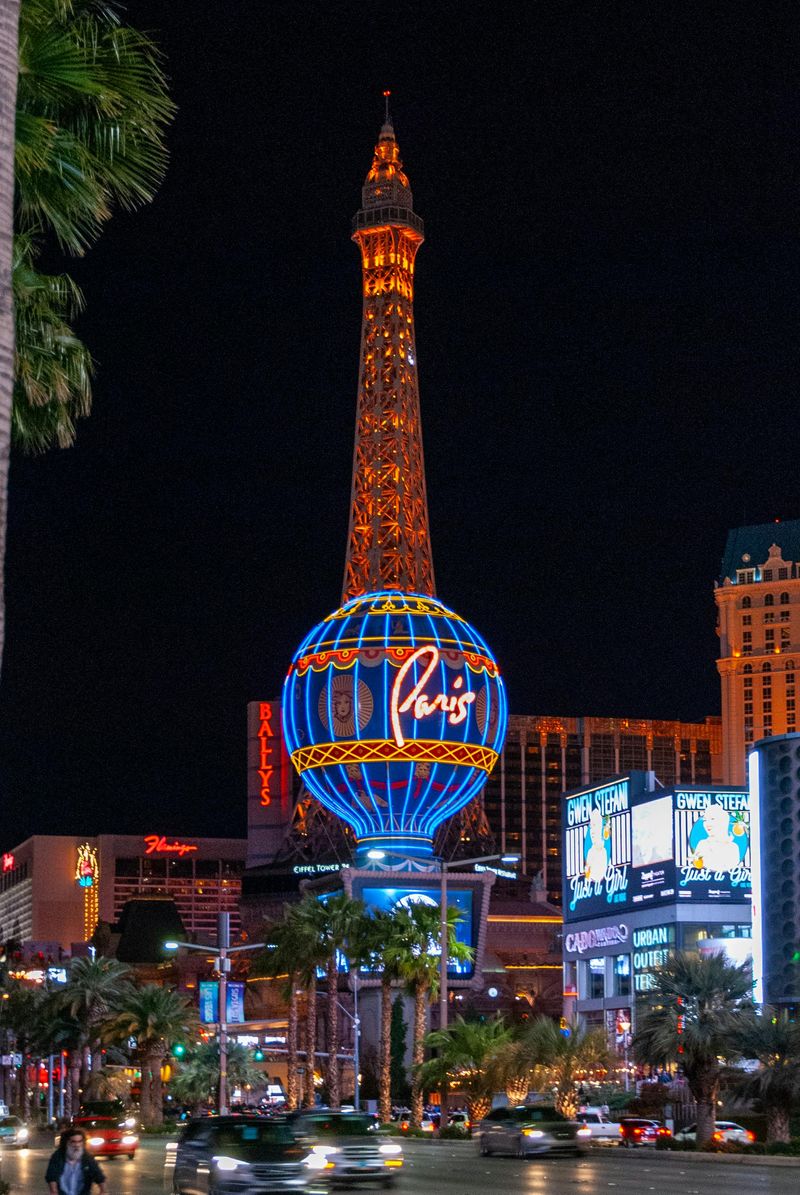
Younger travelers are flipping the script on what a vacation should look like. Millennials and Gen Z are trading neon lights for mountain trails, choosing national parks, cultural festivals, and local food scenes over glitzy casinos and cover-charge nightclubs.
Surveys consistently show younger generations value authentic experiences over flashy entertainment. Connecting with nature, learning about new cultures, and creating meaningful memories rank far higher on priority lists.
Vegas, no matter how many celebrity residencies it books, struggles to compete. If a vacation does not feel real or meaningful, younger travelers will simply scroll past it and book a flight to Sedona instead.
4. Economic Uncertainty Is Changing Priorities
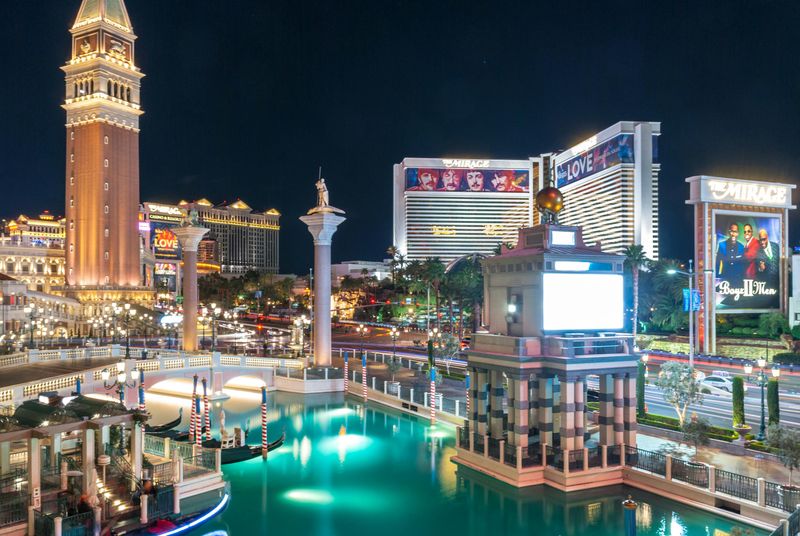
Inflation hit American households hard, and leisure travel was one of the first casualties. Groceries, gas, and rent are consuming bigger chunks of paychecks, leaving far less room for discretionary spending like Vegas trips.
According to economists, Las Vegas is experiencing its worst tourism slump since the 2008 financial crisis. When money is tight, a trip built almost entirely around spending feels like a risky move.
Families are choosing staycations, road trips, or budget-friendly beach towns instead. Financial stress does not exactly pair well with a city whose entire business model revolves around encouraging people to spend more than planned.
5. Other Destinations Offer More for Less
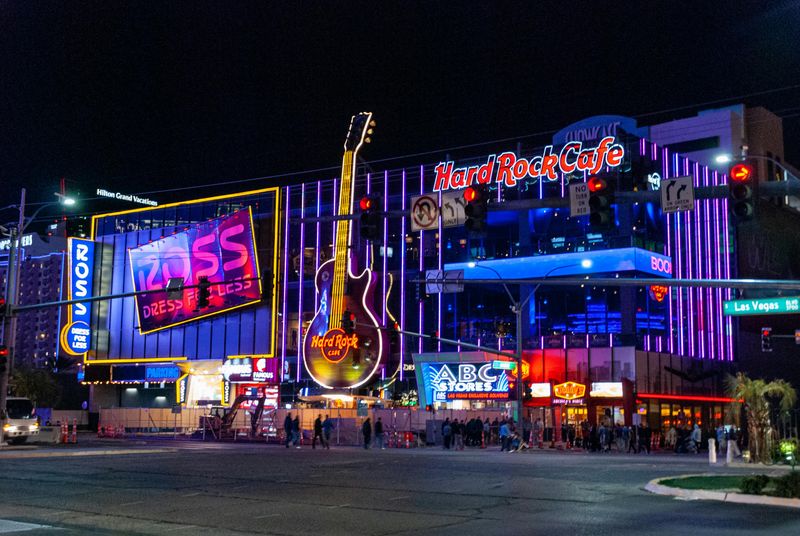
Cities like Nashville, New Orleans, Asheville, and Savannah are stealing Las Vegas’s thunder, and honestly, good for them. Music, history, incredible food, and walkable neighborhoods offer a richer experience at a fraction of the cost.
International options have also expanded dramatically. Mexico, Costa Rica, and parts of Europe now compete fiercely for American vacation dollars, often delivering more authentic adventures at lower price points.
Vegas, stuck in a loop of casino floors and overpriced shows, struggles to keep up. Travelers want variety and value, and a growing lineup of destinations is happily delivering exactly what Las Vegas used to promise but no longer consistently delivers.
6. Resort Fees and Hidden Charges Feel Like a Trick
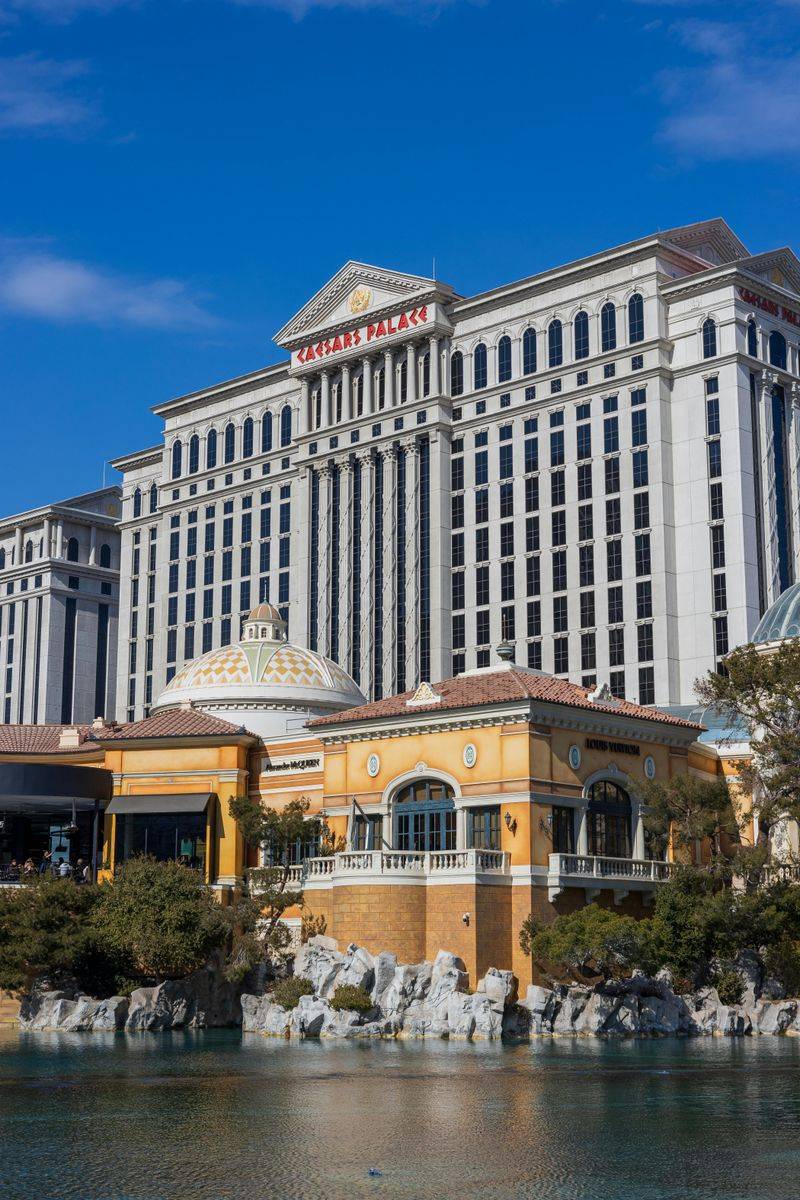
Nobody enjoys a surprise bill, especially on vacation. Las Vegas hotels have become infamous for stacking fees on top of fees, resort charges, destination fees, parking surcharges, and amenity taxes that only appear at checkout.
Guests who booked a room advertised at $89 per night have walked away paying double after all the add-ons. Travel review sites are flooded with complaints about deceptive pricing practices.
Transparency matters to modern travelers, and a city that feels like it is constantly trying to sneak extra charges onto a bill loses trust fast. Fool a traveler once, shame on the hotel.
Fool them twice? They book somewhere else entirely.
7. International Tourism Has Taken a Hit Too
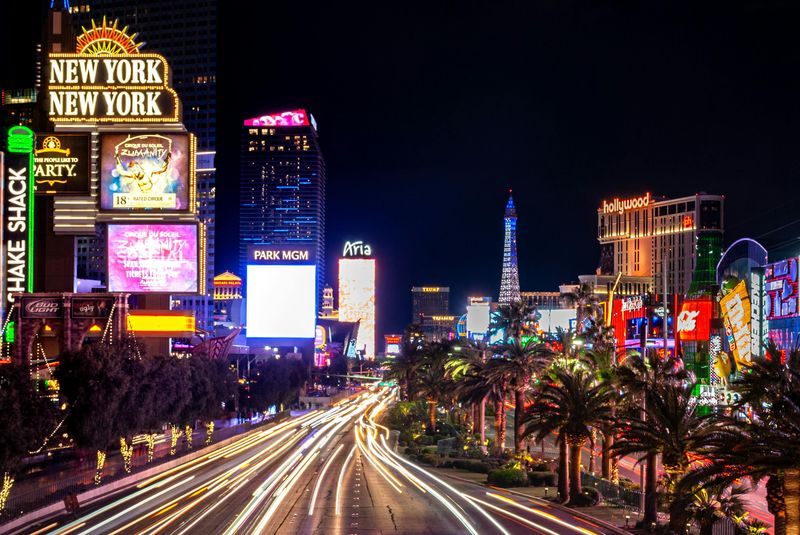
Las Vegas does not just rely on American visitors to keep its lights on. International tourists, especially from Canada, the United Kingdom, and Asia, have historically poured billions into the local economy.
Stricter travel policies and global economic uncertainty have put a serious dent in overseas arrivals.
Canadian visitors, once among the most loyal Las Vegas fans, have pulled back significantly due to tensions and currency concerns. Fewer international guests means quieter casino floors, emptier restaurants, and a noticeably different energy on the Strip.
A city famous for its electric buzz starts to feel a little flat when the international crowd stays home.
8. Entertainment Value Has Dropped Noticeably
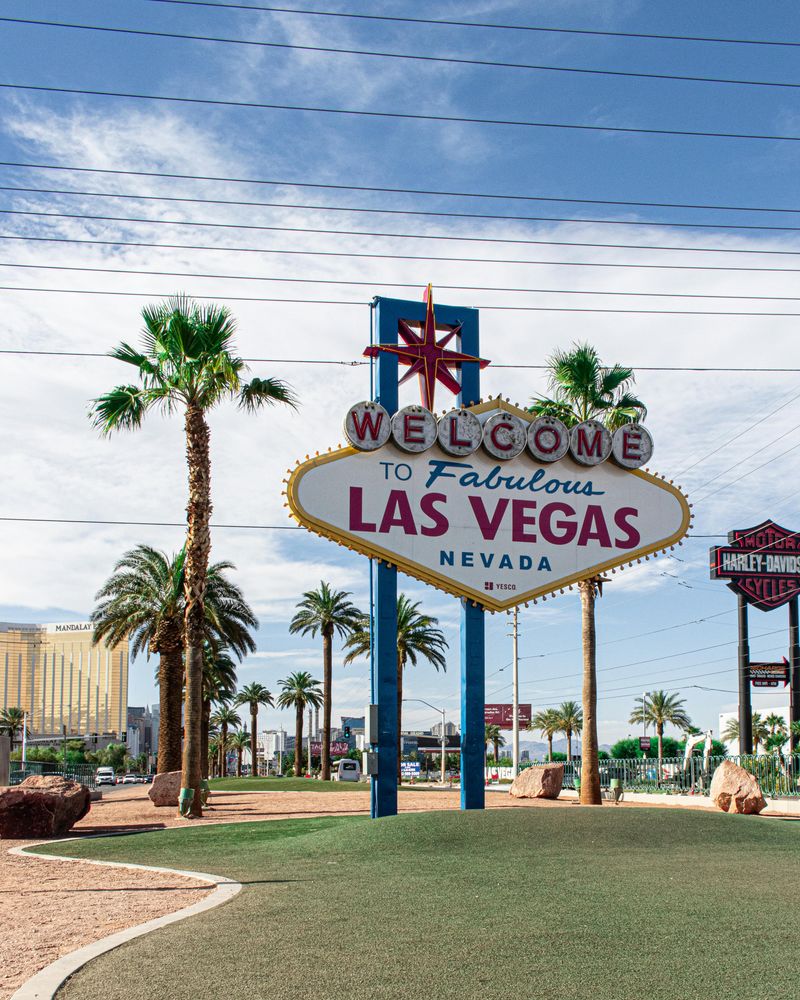
Vegas built its legend on world-class entertainment, Cirque du Soleil, legendary headliners, and jaw-dropping magic shows. However, many visitors now feel the entertainment lineup has grown stale, overpriced, or just not worth the hassle of a full trip.
Ticket prices for big shows can easily hit $200 or more per person, and reviews frequently note that the experience does not always match the cost. Streaming services, massive concerts in home cities, and local entertainment scenes have raised the bar for what feels like a special night out.
If the show can come to you, why travel all the way to Nevada just to sit in an overpriced seat?
9. The Heat Is Becoming a Real Problem
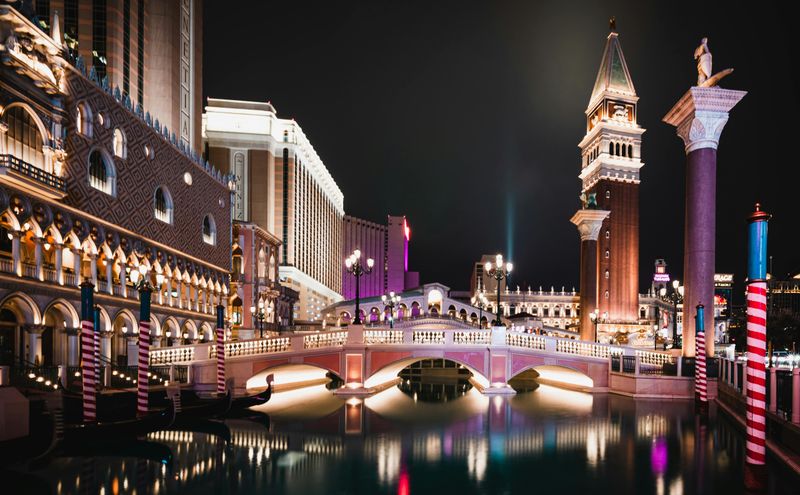
Las Vegas summers have always been hot, but recent years have pushed temperatures into genuinely dangerous territory. The Mojave Desert city regularly records highs above 110 degrees Fahrenheit during peak summer months, making outdoor sightseeing feel less like fun and more like surviving a superhero heat trial.
Climate change has intensified heat waves across the Southwest, and travelers are paying attention. Families traveling with kids or older adults are especially cautious about extreme heat exposure.
When a city’s outdoor experience becomes a health risk for several months of the year, the appeal fades quickly. Cool mountain towns and coastal destinations suddenly look a whole lot more inviting by comparison.
10. Social Media Is Exposing the Reality
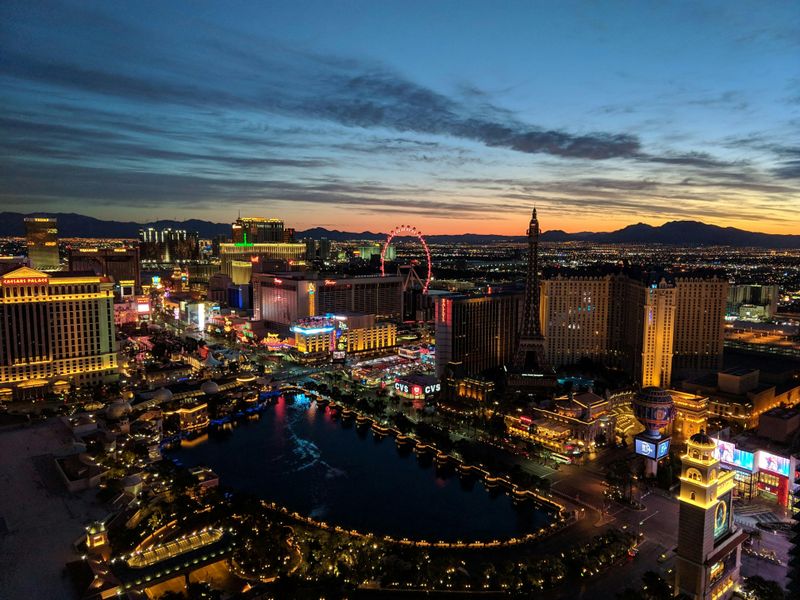
Social media used to be Vegas’s best marketing tool. Flashy Instagram posts and YouTube vlogs made the city look endlessly glamorous.
However, the internet giveth and the internet taketh away.
Honest travel influencers and viral review videos now showcase the long lines, the aggressive upselling, the underwhelming room conditions, and the shocking receipts. TikTok and Reddit threads are filled with travelers warning others about what really happens when the neon glow fades.
Transparency has become the new travel currency, and Las Vegas is struggling to keep up appearances. When millions of people can see behind the curtain before ever booking a trip, the magic trick loses a little of its sparkle.