America’s Favorite Food Obsessions And The Ones That Didn’t Stick
American taste buds are always on the move, and right now they’re taking us on a wild ride through the grocery store.
Some foods are flying off the shelves faster than limited edition sneakers, while other trends are getting the boot like last season’s fashion fails.
From old school ingredients making surprise comebacks to fancy foods we’re collectively rolling our eyes at, the food world is constantly changing and keeping us all guessing what’s next.
Disclaimer: Food trends vary widely by region, personal preference, and cultural background, so not every item will reflect every American’s experience.
These insights are based on general observations and popular trends, not definitive rules.
The list is meant for fun, light commentary and may evolve as tastes continue to change.
1. Beef Tallow Makes A Sizzling Return
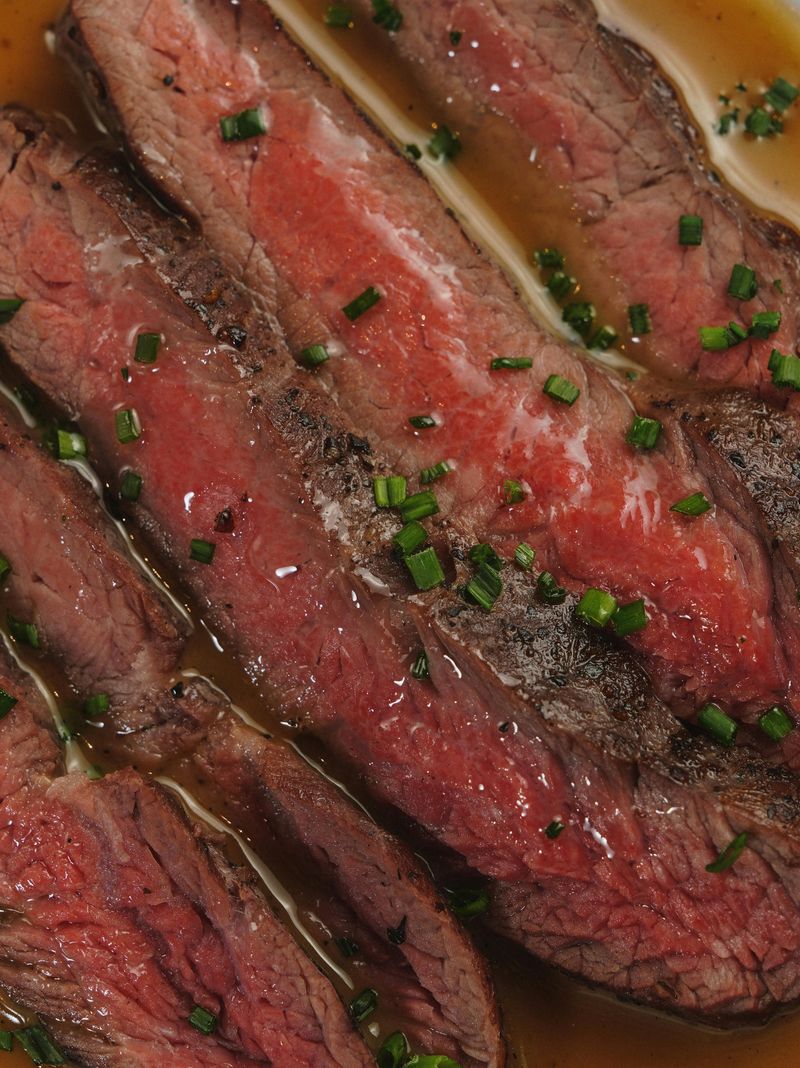
Your grandma was onto something when she cooked with beef tallow back in the day.
This old fashioned fat is staging a comeback that would make any superhero jealous.
Restaurants and home cooks are rediscovering what made traditional cooking so delicious.
Beef tallow has a super high smoke point, which means you can crank up the heat without setting off your smoke alarm.
It gives food a rich, savory flavor that vegetable oils just can’t match.
Fast food chains are even bringing back tallow fries because people remember how amazing they used to taste.
You can find beef tallow cooking sprays, tallow based skincare products, and even tallow candles now.
Health conscious eaters appreciate that it’s a whole food ingredient without weird chemicals or processing.
Some folks say it’s better for you than highly processed seed oils.
The trend is growing faster than a beanstalk in a fairy tale.
Home cooks are rendering their own tallow from local butchers, turning it into a fun weekend project.
It stores well in the fridge and adds incredible flavor to roasted vegetables, steaks, and homemade fries that taste like childhood memories.
2. Fiber Enriched Foods Are Everywhere
Gut health is having its moment in the spotlight like a Broadway star.
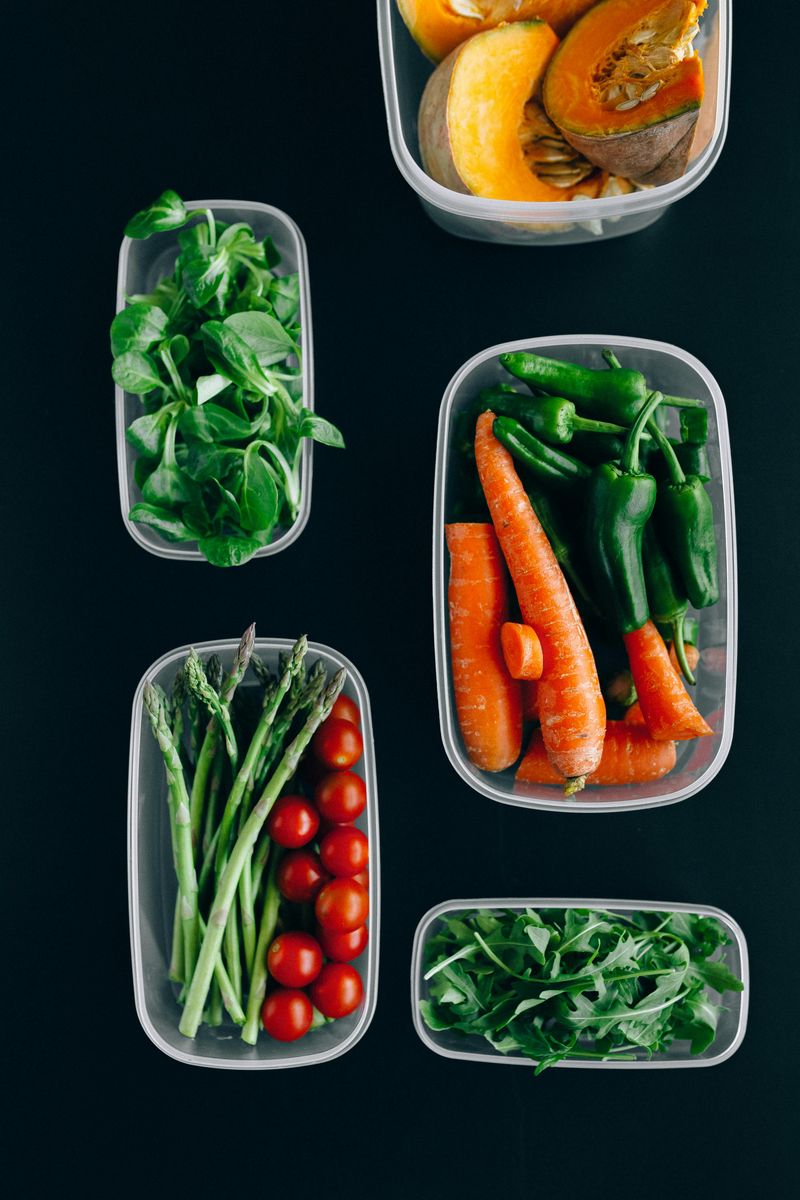
Americans are loading up their carts with fiber enriched everything because science keeps telling us our digestive systems need more love.
Suddenly fiber isn’t boring anymore, it’s basically a celebrity nutrient.
Grocery store shelves are packed with high fiber pasta that tastes surprisingly normal.
Companies are sneaking extra fiber into crackers, granola bars, cereals, and even bread without making them taste like cardboard.
Some brands are getting creative with chickpea flour, lentil pasta, and ancient grains that pack serious fiber power.
Prebiotic sodas are the cool new kids on the beverage block.
These fizzy drinks promise to feed the good bacteria in your gut while satisfying your soda cravings.
They come in fun flavors like strawberry vanilla and ginger lemon, making healthy choices feel like treats.
Doctors recommend adults get around twenty five to thirty grams of fiber daily, but most Americans fall way short.
These enriched foods make hitting that target easier without forcing anyone to eat mountains of broccoli.
Your gut bacteria throw a little party every time you choose fiber rich options, just saying.
3. Celebrating Female Farmers

Women are cultivating crops and raising livestock with serious skill, and finally people are paying attention.
Female farmers are stepping into the spotlight on product packaging, brand stories, and social media campaigns.
Their hard work deserves recognition like a standing ovation at a rock concert.
More consumers want to know where their food comes from and who grows it.
Brands are featuring female farmers in their marketing because shoppers connect with real people and authentic stories.
These farmers aren’t just pretty faces on packages, they’re running successful agricultural operations with expertise and passion.
Female led farms often focus on sustainable practices, organic methods, and community connections.
Many sell directly to customers through farmers markets, CSA programs, and online platforms.
Supporting these farmers means supporting diversity in agriculture and helping break down old fashioned barriers.
The movement goes beyond feel good marketing.
Organizations are providing resources, land access, and training specifically for women in farming.
Young women are choosing agriculture as a career path, bringing fresh ideas and innovative techniques to the field.
This trend represents real change in an industry that’s been male dominated for generations, and it’s about time everyone noticed.
4. Tropical Fruits Take Over
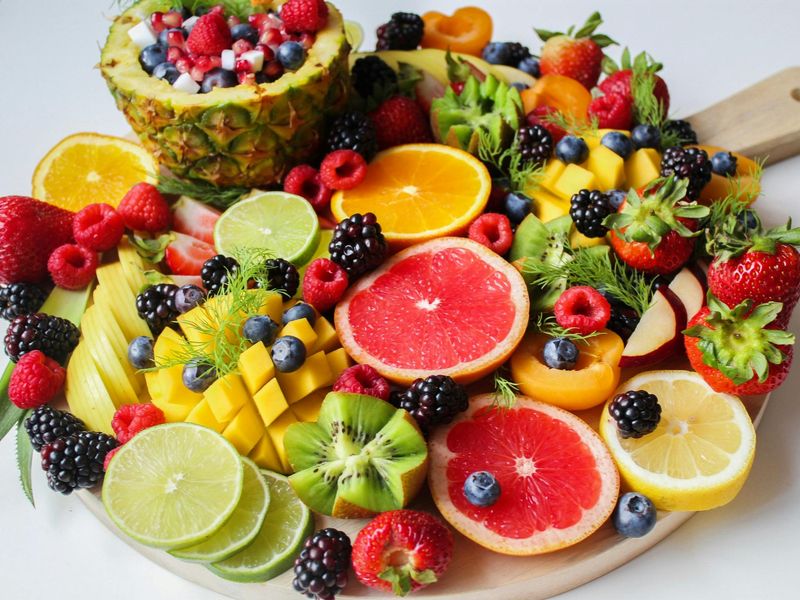
Guava, mango, passion fruit, and pineapple are showing up everywhere like they own the place.
American palates are going tropical in a big way, craving those bright, sunny flavors even in the middle of winter.
These fruits are no longer exotic rarities hiding in specialty stores.
Smoothie shops are blending tropical fruits into every creation imaginable.
Restaurants are adding mango salsa to tacos and passion fruit glaze to desserts.
Even coffee shops are getting in on the action with guava lattes and pineapple refreshers that transport you to a beach vacation with every sip.
Grocery stores now stock fresh tropical fruits year round thanks to improved shipping and global supply chains.
Home cooks are experimenting with these fruits in salads, grilled dishes, and homemade popsicles.
The natural sweetness means less added sugar, which makes parents and dentists equally happy.
Tropical fruits pack serious nutritional punches with vitamins, antioxidants, and fiber.
Guava has more vitamin C than oranges, which is pretty impressive for a fruit that looks like a lumpy green ball.
These flavors work in both sweet and savory dishes, giving cooks endless creative possibilities that never get boring.
5. Cottage Cheese Comeback
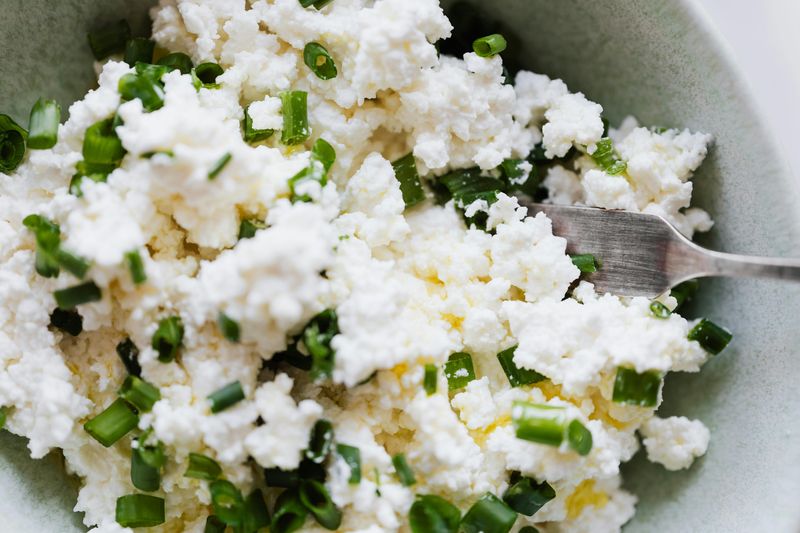
Cottage cheese is experiencing a glow up that nobody saw coming.
This lumpy dairy product that your parents ate in the eighties is suddenly cool again, especially with younger generations.
Social media turned it into a viral sensation faster than you can say protein packed snack.
High protein diets are driving the cottage cheese craze.
One cup delivers around twenty five grams of protein, making it a champion for muscle building and staying full longer.
Athletes, fitness enthusiasts, and regular folks trying to eat healthier are all jumping on the cottage cheese train.
Creative recipes are changing cottage cheese’s boring reputation.
People blend it into smoothies for extra creaminess, use it as a pasta sauce base, or bake it into high protein desserts.
Some folks even freeze it with fruit for a healthy ice cream alternative that actually tastes good.
The texture that once turned people away is now getting love for its unique consistency.
Companies are making smoother versions and fun flavored varieties with everything from pineapple to savory herbs.
Cottage cheese is proof that any food can make a comeback with the right marketing and a little imagination.
6. Spicy Everything Everywhere

Americans are turning up the heat like they’re competing in a fire breathing contest.
Spicy foods aren’t just popular, they’re absolutely dominating the snack aisle and restaurant menus.
Hot sauce collections are becoming as common as shoe collections, and people wear their spice tolerance like a badge of honor.
Every chip brand now offers a flaming hot version of their classic flavors.
Restaurants are adding spicy challenges that make grown adults cry happy tears.
Even candy companies are experimenting with chili mango and spicy chocolate combinations that sound weird but somehow work.
Science says spicy foods trigger endorphin releases in your brain, which basically means eating hot peppers gives you a natural high.
That explains why people keep reaching for spicier options even when their mouths are on fire.
The burn becomes addictive in the best possible way.
International cuisines bringing authentic heat are more accessible than ever.
Thai, Indian, Korean, and Mexican restaurants aren’t toning down their spice levels anymore because Americans are ready for the real deal.
Hot honey is drizzled on pizza, sriracha goes on everything, and ghost pepper challenges flood social media with entertaining reactions that make everyone laugh.
7. Nostalgic Snacks Are Back
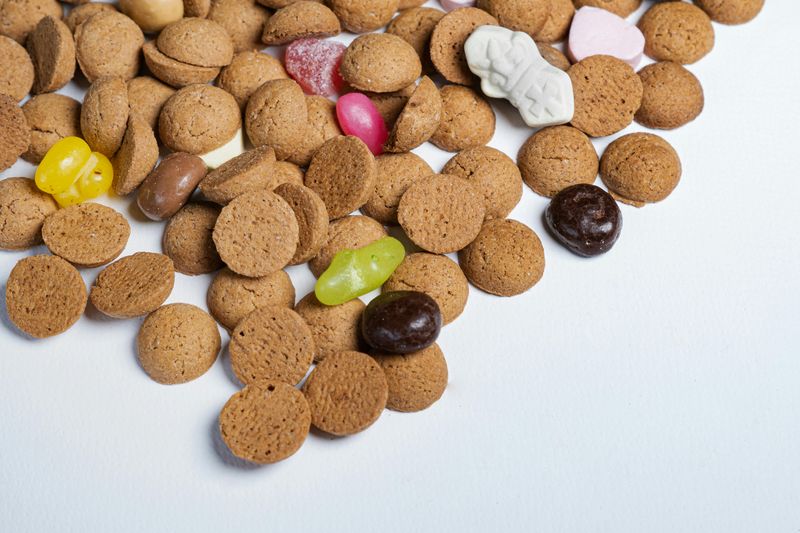
Remember those snacks from your childhood that made lunchtime feel like a party?
They’re making triumphant returns to store shelves, and millennials are losing their minds with joy.
Companies figured out that nostalgia sells better than any fancy new flavor could ever hope to.
Dunkaroos came back after years of absence, causing actual celebrations on social media.
Gushers, Fruit Roll Ups, and other fruit snacks that defined the nineties are still going strong.
Even discontinued cereals are getting second chances because enough people signed online petitions demanding their return.
Food companies know that adults with disposable income will absolutely buy snacks that remind them of simpler times.
These treats transport people back to elementary school cafeterias and Saturday morning cartoons.
The taste might not be exactly as remembered, but the emotional connection is real and powerful.
New versions sometimes get modern updates with natural ingredients or less sugar to appeal to health conscious parents.
But the core experience stays the same because that’s the whole point.
Sharing these snacks with your own kids creates sweet full circle moments that feel like passing down tiny delicious traditions from one generation to the next.
8. Plant Based Meats Evolve
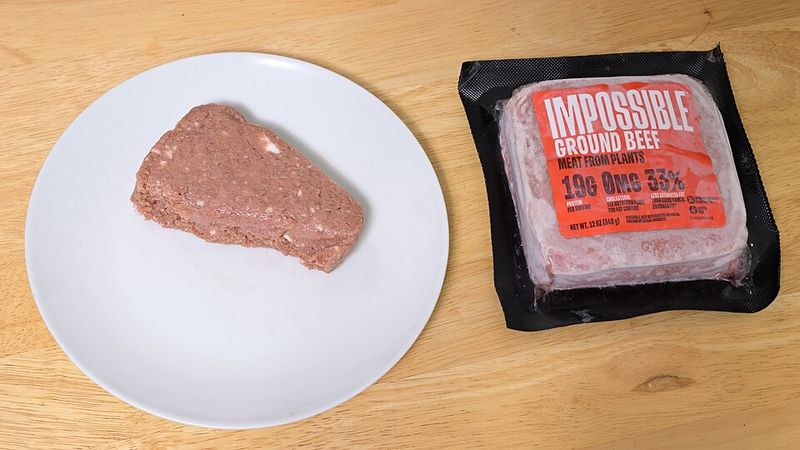
Plant based meats have come a long way from the hockey puck veggie burgers of the past.
Today’s versions actually fool meat eaters at cookouts, which is pretty impressive for something made from peas and beans.
Technology and food science teamed up to create alternatives that sizzle, bleed, and taste shockingly similar to real meat.
Major fast food chains now offer plant based options on their regular menus.
Beyond Burgers and Impossible Whoppers aren’t hiding in the vegetarian section anymore, they’re competing directly with beef.
Grocery stores stock plant based chicken nuggets, sausages, and ground meat that home cooks use in everyday recipes.
Environmental concerns are driving many people toward these alternatives.
Producing plant based proteins uses way less water and creates fewer greenhouse gases than raising livestock.
Some folks aren’t going fully vegetarian but are reducing meat consumption by swapping in plant based options a few times weekly.
The taste and texture keep improving as companies refine their recipes.
Newer products nail the juicy, savory experience that makes meat so satisfying.
Critics still exist, but even skeptics admit these alternatives have gotten remarkably good at mimicking the real thing without any animals involved in the process.
9. Butter Boards Steal The Show
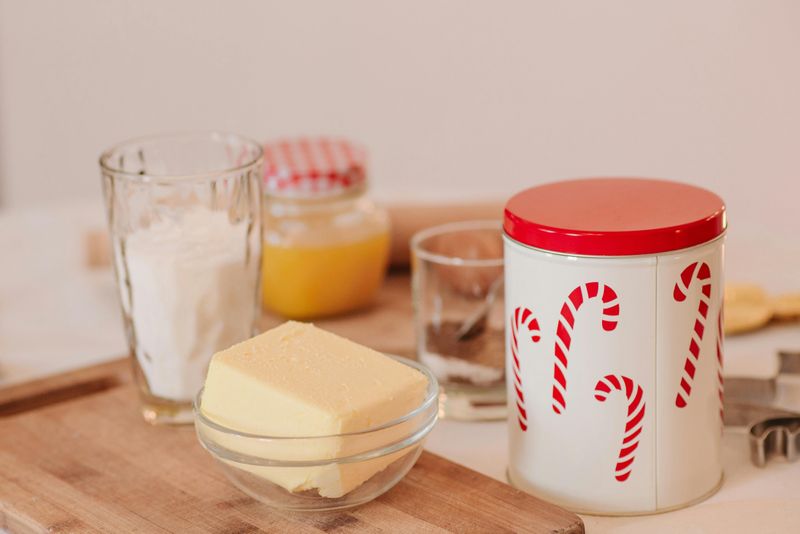
Charcuterie boards got a rich, creamy cousin that took social media by storm.
Butter boards are exactly what they sound like, and they’re way more exciting than plain butter on bread.
People are getting wildly creative with softened butter spread on wooden boards and topped with everything imaginable.
The concept is simple but brilliant.
Spread room temperature butter across a board, then add toppings like flaky sea salt, honey, herbs, edible flowers, or crushed nuts.
Guests tear off pieces of bread and swipe them across the butter canvas, getting different flavor combinations with each bite.
Food bloggers and home entertainers went absolutely bonkers for this trend.
Instagram filled with gorgeous butter board photos that looked more like art installations than appetizers.
The visual appeal combined with customizable flavors made butter boards perfect for parties and special occasions.
Some critics questioned the hygiene of communal butter spreading, which is fair enough.
Others pointed out that butter boards use a lot of butter, which isn’t exactly light on calories.
But fans argue that sharing food brings people together, and butter makes everything better, so why not combine those truths into one delicious centerpiece that sparks conversation and joy?
10. Functional Mushrooms Go Mainstream

Mushrooms are having a moment that goes way beyond pizza toppings.
Functional mushrooms like lion’s mane, reishi, and chaga are popping up in coffees, smoothies, and supplements everywhere.
These aren’t the mushrooms you find in your salad, they’re special varieties that people use for potential health benefits.
Mushroom coffee sounds weird but has developed a devoted following.
Companies blend regular coffee with powdered mushrooms that supposedly provide calm energy without jitters.
The mushroom flavor is subtle enough that most people can’t even taste it, which makes the whole thing less intimidating for newcomers.
Advocates claim these mushrooms boost brain function, reduce stress, and support immune health.
Scientific research is still catching up to all the claims, but traditional medicine has used medicinal mushrooms for thousands of years.
Modern consumers are rediscovering ancient wisdom and packaging it in convenient capsules and drink mixes.
Grocery stores now have entire sections dedicated to mushroom based products.
You can find mushroom jerky, mushroom hot chocolate, and even mushroom skincare.
Whether the benefits are real or placebo doesn’t seem to matter much to fans who swear these fungi changed their lives for the better in measurable ways.
1. Goodbye Overpriced Tinned Fish

Fancy tinned fish had its fifteen minutes of fame and now it’s swimming away.
For a while there, you couldn’t scroll through foodie social media without seeing gold leafed sardines and artisanal anchovies costing more than a nice dinner.
The trend jumped the shark when people started treating canned fish like luxury jewelry.
Influencers were hosting tinned fish parties with imported Portuguese sardines and Spanish mackerel that cost twenty dollars per tiny tin.
Regular sardines work just fine for most purposes, and people are realizing that paying premium prices for preserved fish feels a bit ridiculous.
The novelty wore off faster than you can say omega three fatty acids.
Tinned fish itself isn’t going anywhere because it’s practical, shelf stable, and nutritious.
But the over the top luxury versions with fancy packaging and celebrity endorsements are losing their appeal.
Consumers are choosing quality tinned fish at reasonable prices instead of falling for marketing hype.
The whole thing became a perfect example of food trends going too far too fast.
Tinned fish is great for quick meals and emergency pantry supplies, but it doesn’t need gold leaf or a fancy pedigree.
Sometimes simple is better, and Americans are remembering that common sense beats food snobbery every single time.
2. Specialized Kitchen Gadgets Get The Boot

Kitchen gadget collections are shrinking as people realize they don’t need seventeen different tools that each do one thing.
Remember when everyone wanted a Ninja Creami to make homemade ice cream?
Many of those machines are now collecting dust in cabinets because the cleanup hassle outweighs the frozen treat excitement.
Single purpose gadgets seemed amazing in online videos but turned out to be more trouble than they’re worth.
Avocado slicers, banana cutters, and strawberry hullers take up drawer space while regular knives do the same jobs just fine.
The minimalist movement is helping people question whether they really need special equipment for every tiny kitchen task.
Complicated gadgets require specific preparation, special storage, and annoying cleanup procedures.
The Ninja Creami needs ingredients frozen overnight in special containers, then requires thorough washing of multiple parts.
Most people would rather just buy ice cream or use a simple blender for similar results with way less effort.
Versatile tools are winning over specialized ones as people value simplicity and space.
A good chef’s knife, a reliable blender, and basic pots and pans handle most cooking needs beautifully.
Kitchens are becoming more functional and less cluttered as Americans finally admit they don’t need every gadget that goes viral on social media feeds.
3. Water Bottle Collections Are Over
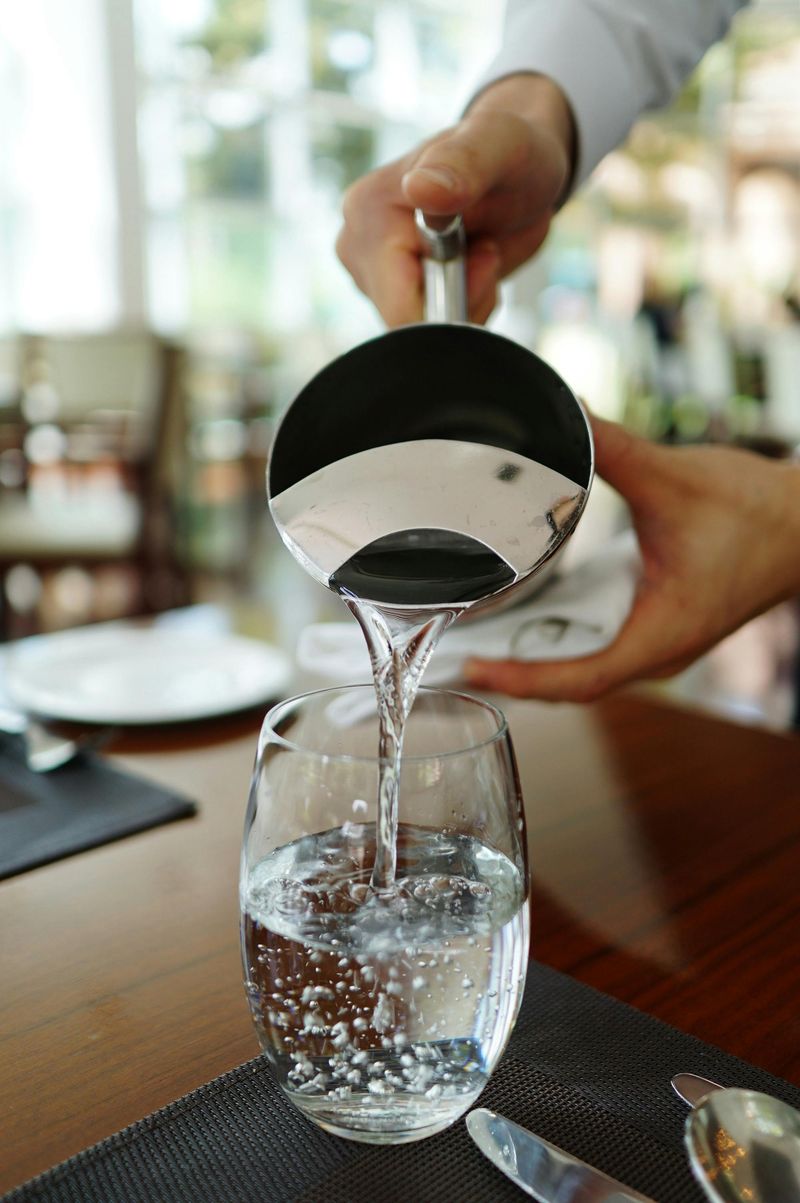
Collecting water bottles became a strange hobby that nobody really needed.
At some point people started treating Hydroflasks, Yetis, and Stanley cups like collectible action figures, buying multiple bottles in different colors and sizes.
The environmental irony of hoarding reusable bottles wasn’t lost on everyone, but the trend kept growing anyway.
Stanley cups exploded in popularity with limited edition colors causing actual stampedes at stores.
People camped out for special releases like they were buying concert tickets.
The obsession reached peak absurdity when adults fought over Valentine’s Day pink Stanleys at Target stores nationwide.
Now reality is setting in as people look at their cabinets full of expensive water bottles and question their choices.
One good reusable bottle serves the same purpose as twenty bottles.
The whole point of reusable bottles was reducing waste, but collecting them defeats that purpose entirely and creates clutter instead.
Environmental awareness is finally catching up to consumer behavior.
People are using the bottles they already own instead of buying new ones every season.
The trend is shifting toward actually reusing things rather than just collecting reusable items.
Sometimes the best purchase is no purchase at all, which is a lesson that applies to way more than just water bottles.
4. Caviar Everything Loses Its Sparkle
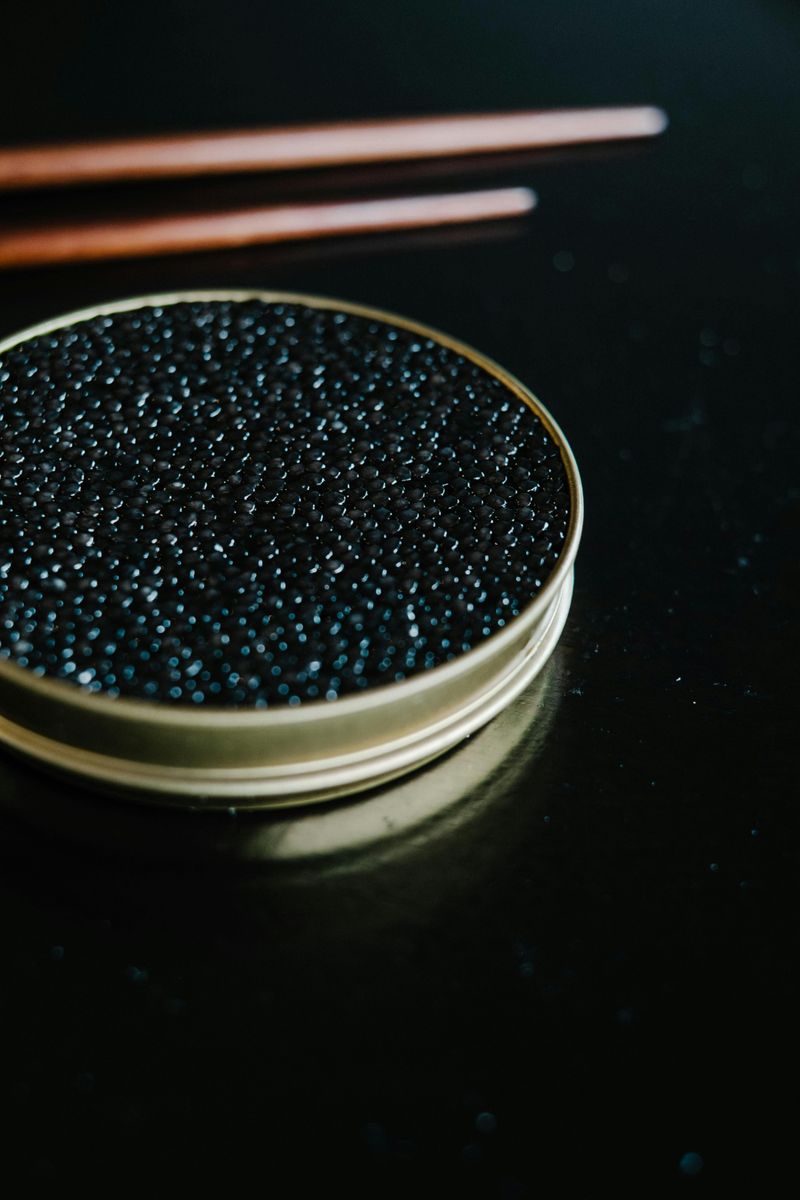
Putting caviar on everything was peak food excess that finally ran its course.
For a hot minute there, chefs were adding caviar to pizza, burgers, donuts, and other foods that absolutely did not need fish eggs.
The trend confused luxury with good taste, and people are remembering that more expensive doesn’t automatically mean better.
Caviar belongs on blinis with crème fraîche or maybe on fancy appetizers at special occasions.
Slapping it on a hot dog or french fries just wastes good caviar and makes the original food worse.
The delicate briny flavor gets lost when paired with bold flavors that overpower it completely.
Instagram drove much of this trend as restaurants competed for the most outrageous over the top dishes.
Photos of caviar covered everything got likes and shares, but most people took one bite and realized the combination was actually kind of gross.
Visual appeal doesn’t equal delicious eating, which is a hard lesson for social media obsessed food culture.
Caviar will always have its place in fine dining and special celebrations.
But the everyday casualization of luxury ingredients diluted what made them special in the first place.
Americans are developing more sophisticated palates that appreciate ingredients used thoughtfully rather than slapped on randomly for shock value and expensive bragging rights that nobody really cares about anymore.
5. Fermented Foods Find Their Fans
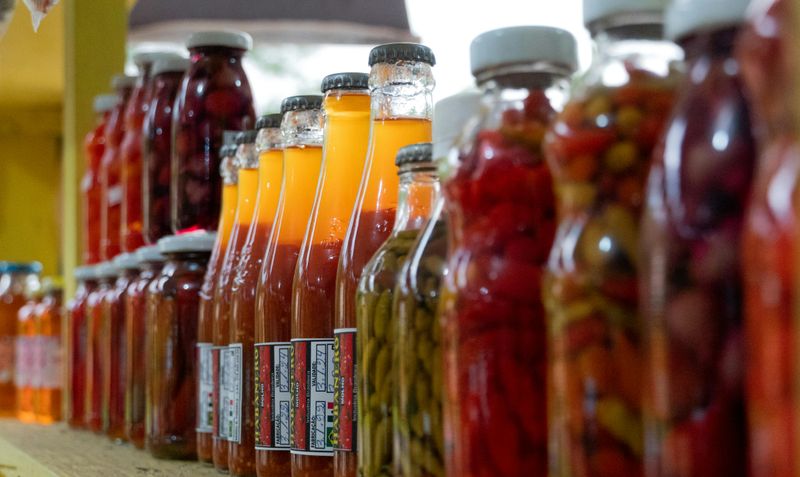
Fermentation is ancient food preservation magic that modern Americans are finally embracing.
Kimchi, sauerkraut, kombucha, and other fermented foods are flying off shelves as people discover the tangy, complex flavors and potential health benefits.
Your gut bacteria are throwing parties every time you eat these probiotic rich foods.
Grocery stores now dedicate entire refrigerated sections to fermented products.
Kombucha comes in dozens of flavors from ginger lemon to lavender berry.
Kimchi isn’t just for Korean restaurants anymore, it’s topping burgers, mixing into fried rice, and adding zing to grain bowls at trendy lunch spots.
The science behind fermentation fascinates home cooks who are trying DIY projects.
Making your own sauerkraut or pickles feels like conducting delicious science experiments in your kitchen.
The process is surprisingly simple, requiring mainly time, salt, and patience while beneficial bacteria do all the hard work.
Fermented foods support digestive health by introducing good bacteria to your gut microbiome.
They’re also packed with vitamins and can help with nutrient absorption.
The sour, funky flavors take some getting used to if you’re new to fermented foods, but most people develop a genuine love for that distinctive taste that adds excitement to otherwise boring meals and snacks.