17 America’s Historic Cities That Make Ideal Weekend Getaways
History feels more alive when you can walk right through it.
Cobblestone streets, old brick storefronts, and town squares that have seen centuries of change create the kind of weekend escape that doesn’t require a packed itinerary to feel meaningful.
The best part is how quickly you can feel transported, even on a short trip.
This guide highlights seventeen American cities where the past still has presence and a weekend goes a long way.
1. Charleston, South Carolina
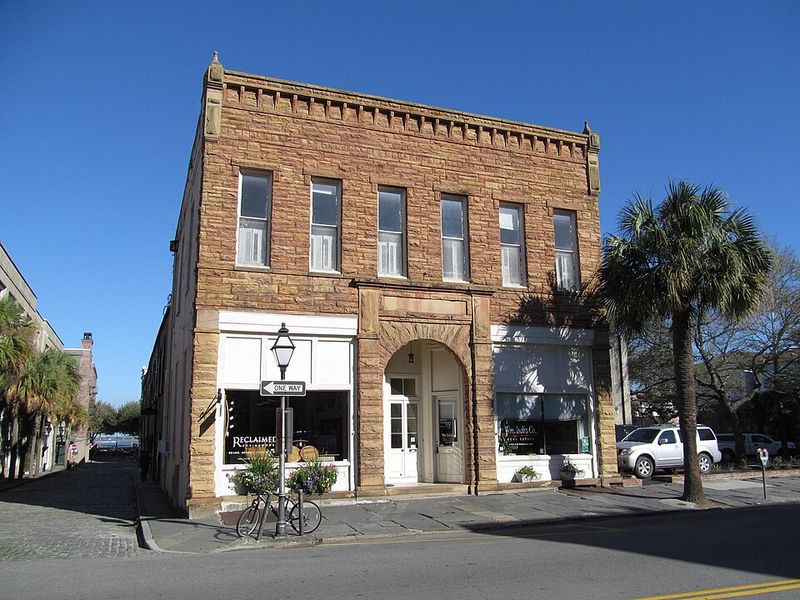
Cobblestone streets wind past pastel-colored mansions that have watched over the harbor since before the Civil War.
Rainbow Row’s iconic facades practically beg for photographs, while Fort Sumter sits just offshore, silently guarding where the first shots of war rang out.
Southern hospitality isn’t just a saying here; it’s served alongside shrimp and grits at cozy restaurants tucked into historic buildings.
2. Savannah, Georgia
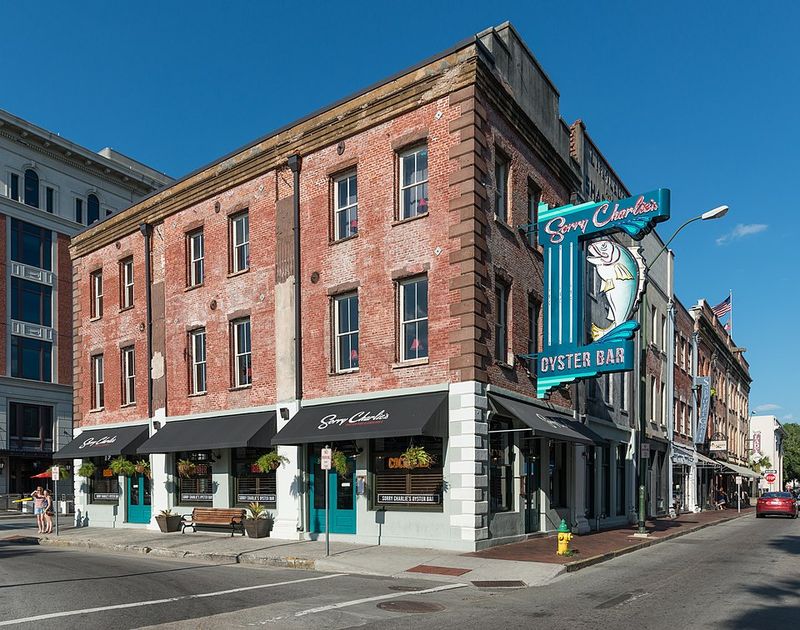
Twenty-two lush squares break up this city like emerald jewels in a Victorian necklace.
Each one offers shaded benches under sprawling live oaks where you can rest between exploring antebellum homes and quirky museums.
Ghost tours wind through moonlit streets after dark, sharing spine-tingling tales from centuries past.
By day, browse River Street’s shops housed in converted cotton warehouses, where you can still see the original brick and ironwork from the 1800s.
3. Williamsburg, Virginia
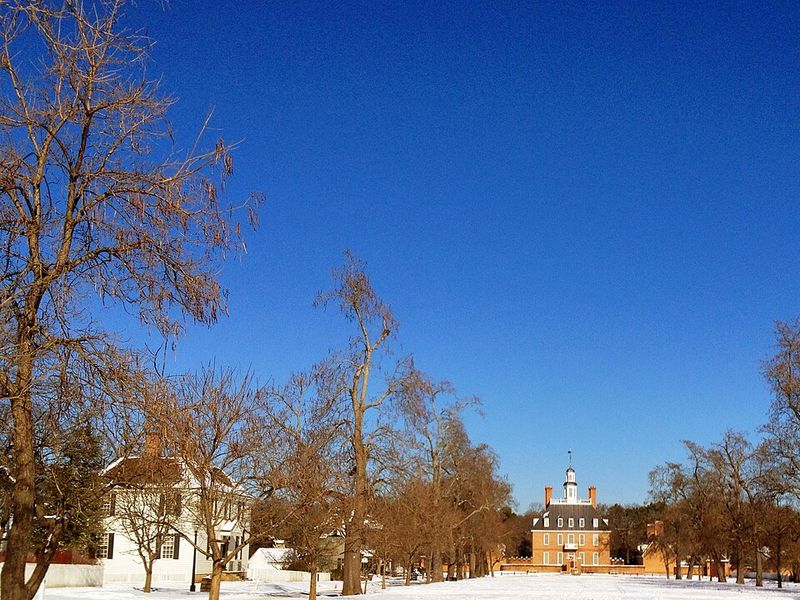
Step through the gates and suddenly it’s 1776 again.
Costumed interpreters practice blacksmithing, candle-making, and other colonial crafts while staying completely in character, even when you ask about their thoughts on modern politics.
The Governor’s Palace gardens bloom with heritage flowers that colonists actually grew centuries ago.
Kids love the interactive experiences, from trying on period costumes to sampling 18th-century recipes.
4. St. Augustine, Florida
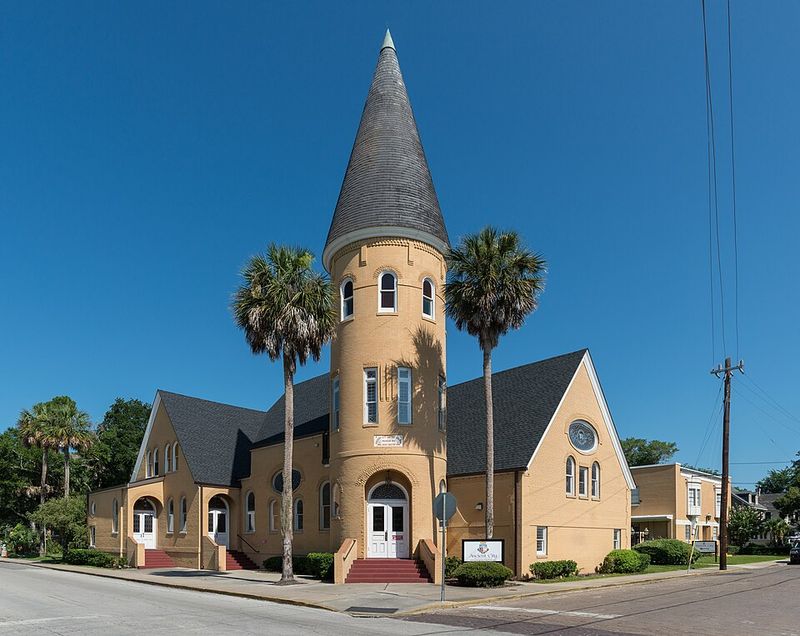
Founded in 1565, this sun-soaked city proudly wears its crown as America’s oldest continuously occupied European settlement.
Castillo de San Marcos still stands guard over Matanzas Bay, its coquina stone walls having survived pirate attacks and British sieges for over three centuries.
Narrow lanes lined with Spanish colonial architecture lead to hidden courtyards where fountains bubble peacefully.
5. Boston, Massachusetts

Follow the red brick Freedom Trail like breadcrumbs through Revolutionary history.
Paul Revere’s house still stands in the North End, squeezed between Italian bakeries that fill the air with the scent of fresh cannoli and espresso.
Faneuil Hall marketplace hums with energy, just as it did when colonists gathered to protest British taxes.
Climb aboard the USS Constitution, the world’s oldest commissioned warship still afloat, and imagine sailors battling pirates in 1812.
6. Annapolis, Maryland

Sailboats bob in the harbor like a forest of white masts, while midshipmen in crisp uniforms march across the Naval Academy grounds.
The Maryland State House, crowned by America’s largest wooden dome built without nails, served as the nation’s capital for a brief but important period in 1783.
Narrow colonial streets wind uphill from the waterfront, lined with 18th-century homes where signers of the Declaration once lived.
7. Santa Fe, New Mexico
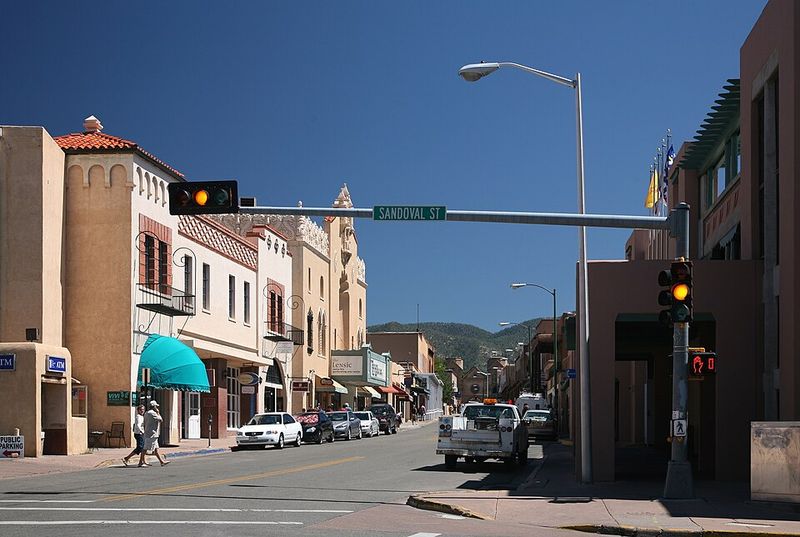
Adobe buildings glow like honey in the high-desert sunlight.
Founded in 1610, Santa Fe blends Spanish colonial, Native American, and Anglo influences into something uniquely enchanting that you won’t find anywhere else.
The Palace of the Governors, America’s oldest continuously occupied public building, now hosts Native artisans selling handmade jewelry and pottery under its portal.
Canyon Road’s galleries showcase everything from traditional santos to contemporary masterpieces.
8. San Antonio, Texas
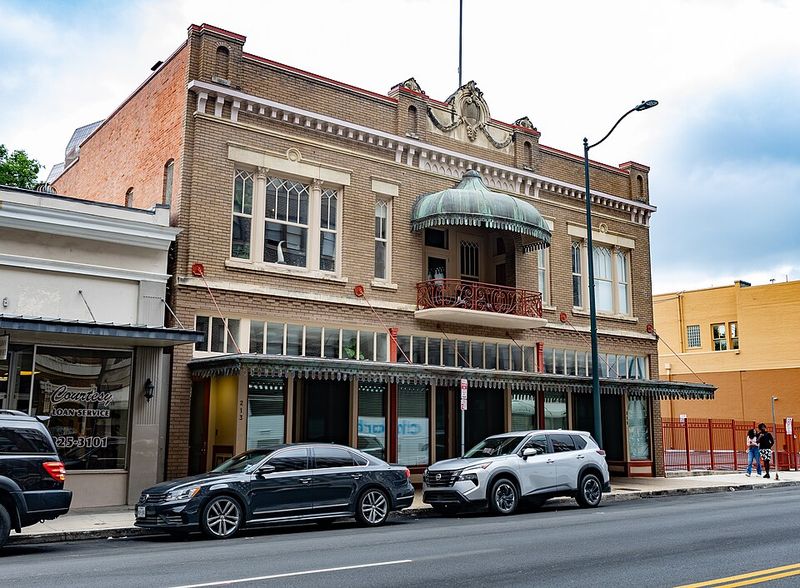
Remember the Alamo?
You’ll never forget it once you stand before this humble mission where 189 defenders made their legendary last stand in 1836.
The limestone walls still echo with their courage and sacrifice.
But San Antonio offers more than one mission; four others dot the landscape, forming a UNESCO World Heritage Site.
9. Newport, Rhode Island
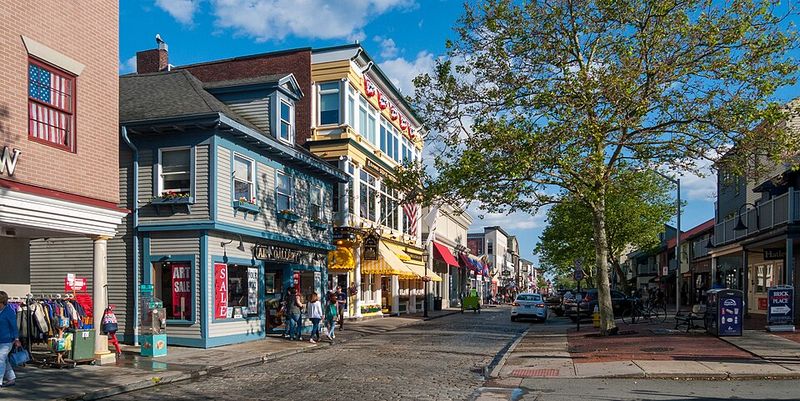
Gilded Age mansions perch along the coastline like elaborate wedding cakes, showcasing how America’s wealthiest families summered in outrageous luxury.
The Breakers alone contains 70 rooms dripping with marble, gold leaf, and crystal chandeliers that’ll make your jaw drop.
But Newport’s history stretches back further than the robber barons.
Colonial-era buildings cluster near the harbor, and the Cliff Walk offers stunning ocean views while passing mansion backyards.
10. Philadelphia, Pennsylvania
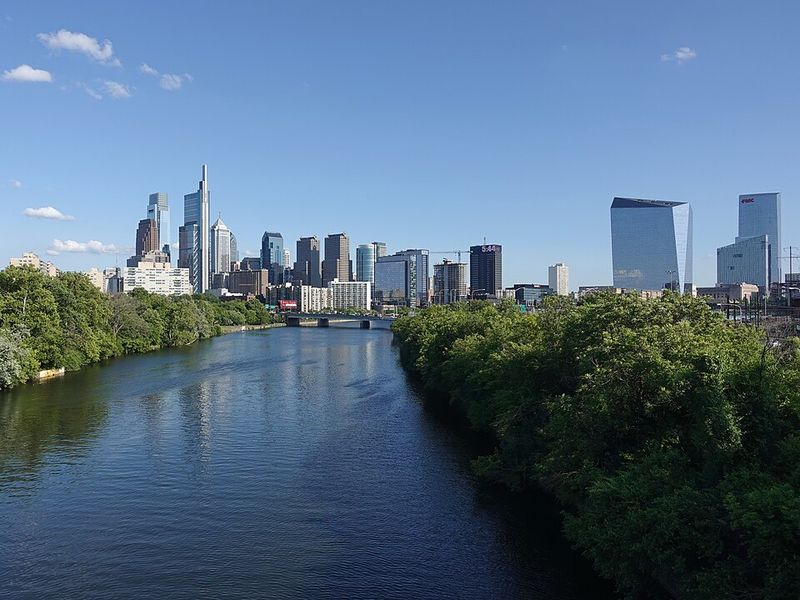
Stand where America was born.
Independence Hall’s Assembly Room looks almost exactly as it did when the Founding Fathers signed the Declaration of Independence and debated the Constitution within these walls.
The Liberty Bell’s famous crack tells its own story of resilience and imperfection.
Wander through Elfreth’s Alley, the nation’s oldest continuously inhabited residential street, where tiny colonial homes have sheltered families since 1702.
11. Natchez, Mississippi
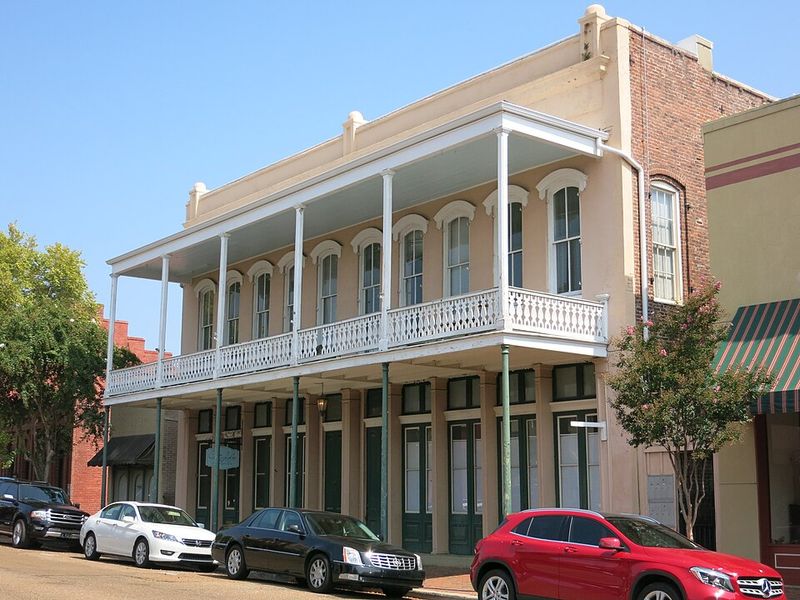
Perched high on bluffs above the Mississippi River, Natchez escaped Civil War destruction, leaving more antebellum mansions intact here than anywhere else in America.
Stanton Hall and Longwood showcase both the grandeur and complicated legacy of plantation life.
Spring and fall pilgrimage seasons open private homes to tours, revealing original furnishings and family stories passed down through generations.
12. Harpers Ferry, West Virginia
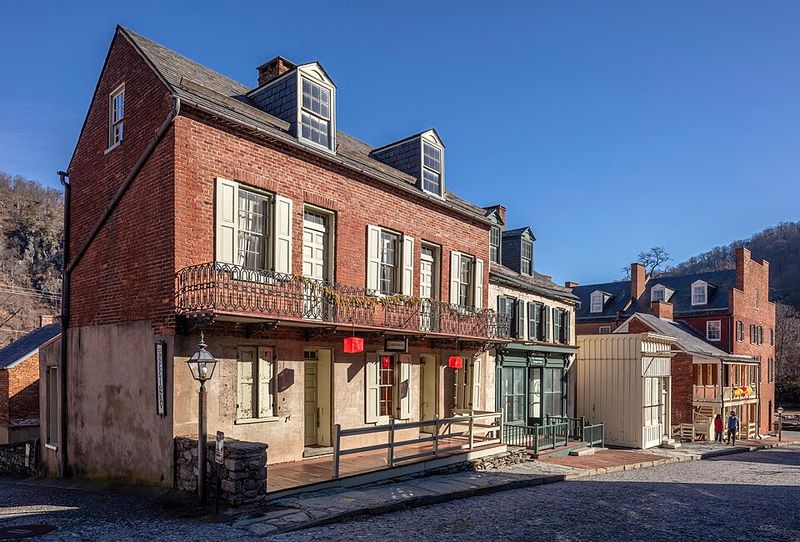
Two rivers meet dramatically here, carving through the Appalachian Mountains in a scene Thomas Jefferson once called worth a voyage across the Atlantic.
John Brown’s famous 1859 raid on the federal armory sparked events that led directly to the Civil War.
Restored 19th-century buildings now house museums and shops along steep, narrow streets that climb the hillside.
Hiking trails connect to the Appalachian Trail, offering panoramic views where three states touch.
13. New Orleans, Louisiana
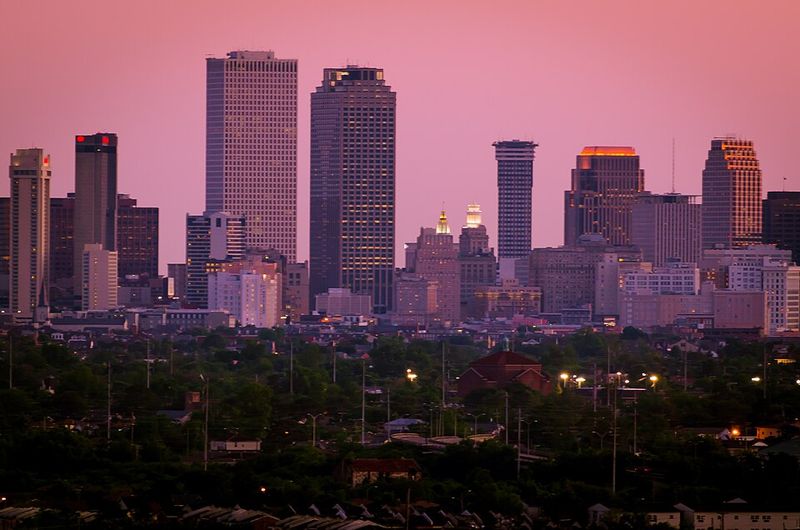
Jazz spills from doorways like liquid gold, mixing with the aroma of beignets and chicory coffee.
The French Quarter’s wrought-iron balconies create intricate shadows on sun-bleached buildings that have weathered hurricanes and celebrations for three centuries.
Cemetery tours reveal above-ground tombs that look like miniature cities of the dead.
Jackson Square artists capture the city’s spirit on canvas while fortune-tellers read palms nearby.
14. Gettysburg, Pennsylvania
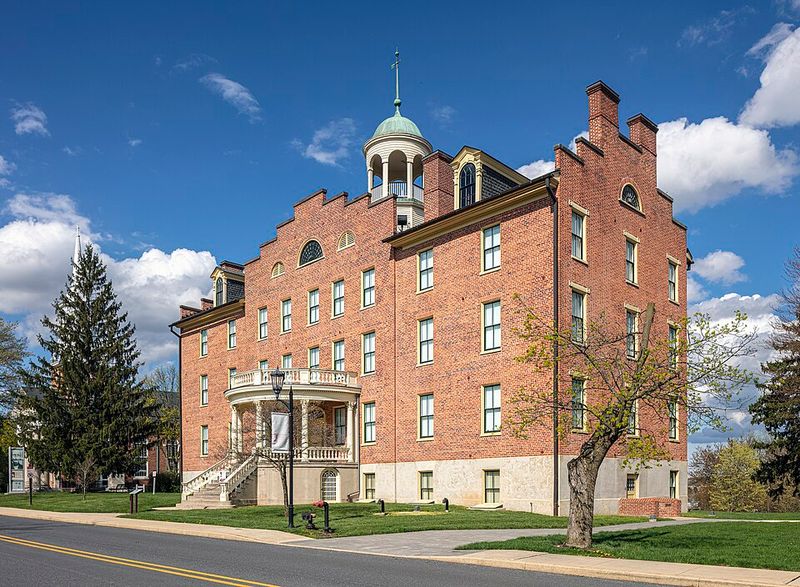
Walk the hallowed ground where 51,000 soldiers fell during three brutal July days in 1863.
Monuments and memorials dot the rolling farmland, marking where regiments fought and where the course of American history pivoted toward Union victory.
The battlefield tour takes hours but feels essential, especially when you stand at Little Round Top or Pickett’s Charge.
Downtown Gettysburg’s brick buildings witnessed the battle’s chaos and later hosted President Lincoln before his famous address.
15. New Bern, North Carolina
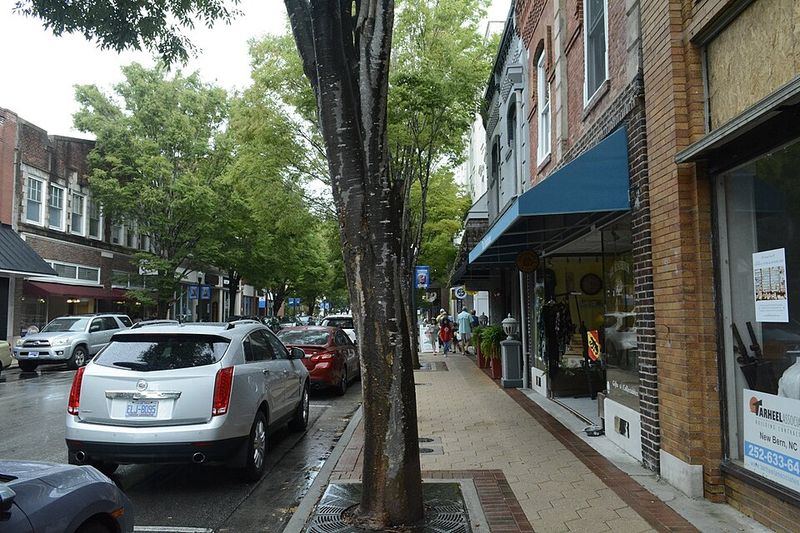
North Carolina’s colonial capital might not grab headlines, but that’s part of its understated charm.
Tryon Palace, reconstructed to its 1770s glory, showcases how royal governors lived before independence fever swept through.
Swiss and German settlers founded New Bern in 1710, and their influence shows in the architecture and town planning.
Pharmacist Caleb Bradham invented Pepsi-Cola here in 1898, and you can visit the birthplace of this iconic beverage.
16. Vicksburg, Mississippi
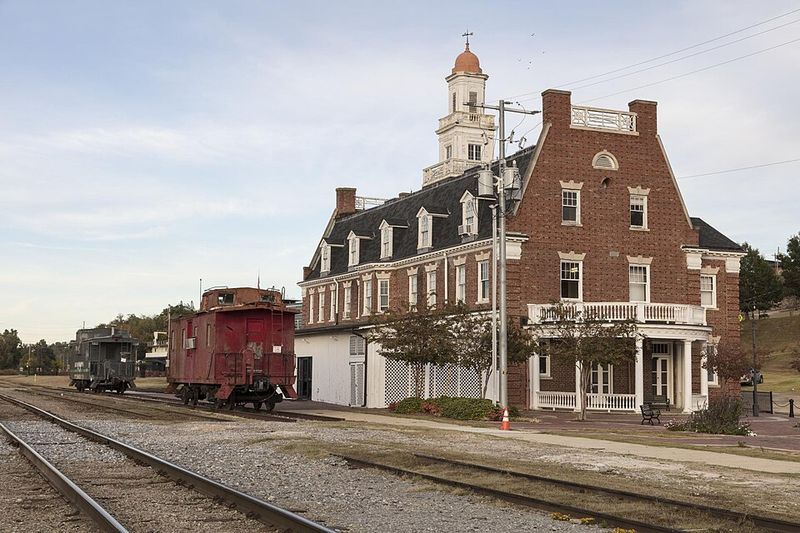
Grant’s 47-day siege in 1863 nearly starved this strategic river city into submission.
The National Military Park preserves the battlefield where Union victory split the Confederacy and gave the North control of the Mississippi River.
Antebellum homes survived the siege, and many still show battle scars from cannon fire.
The Old Courthouse Museum towers over downtown, offering exhibits that tell both military and civilian stories.
17. Galena, Illinois
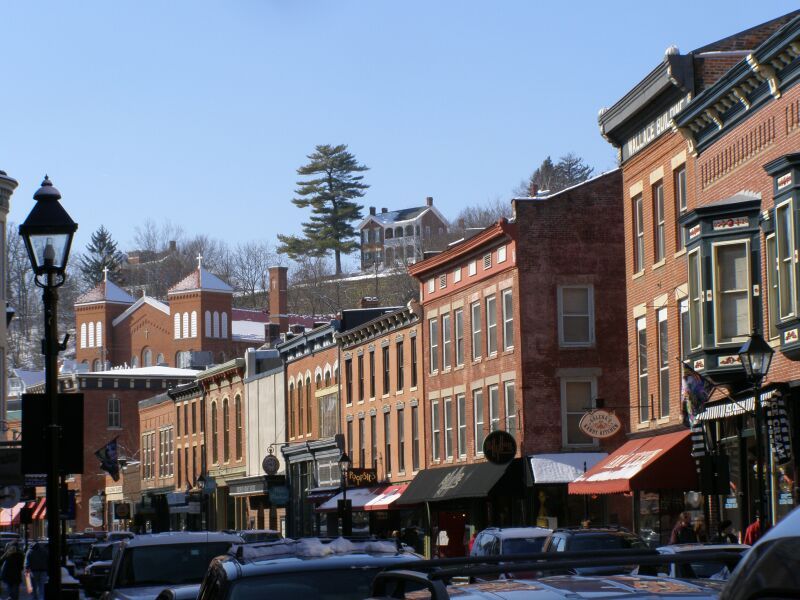
Tucked into rolling hills near the Mississippi River, this perfectly preserved 19th-century town looks like a movie set.
Main Street’s brick buildings cascade down a steep hillside, virtually unchanged since Ulysses S. Grant returned home a Civil War hero in 1865.
Lead mining made Galena wealthy in the 1800s, funding the elaborate Italianate and Queen Anne homes that still grace residential streets.