How America’s Love For Fast Food Has Evolved Over Time
America’s romance with fast food is a story written in grease-stained wrappers and drive-thru receipts.
What started as a novelty for road-trippers has transformed into a billion-dollar empire that shapes how we eat, socialize, and even think about convenience.
Burgers, fries, and milkshakes have become cultural icons, reflecting shifts in technology, health trends, and our ever-changing lifestyles.
1. White Castle Pioneers Mass-Produced Burgers In 1921
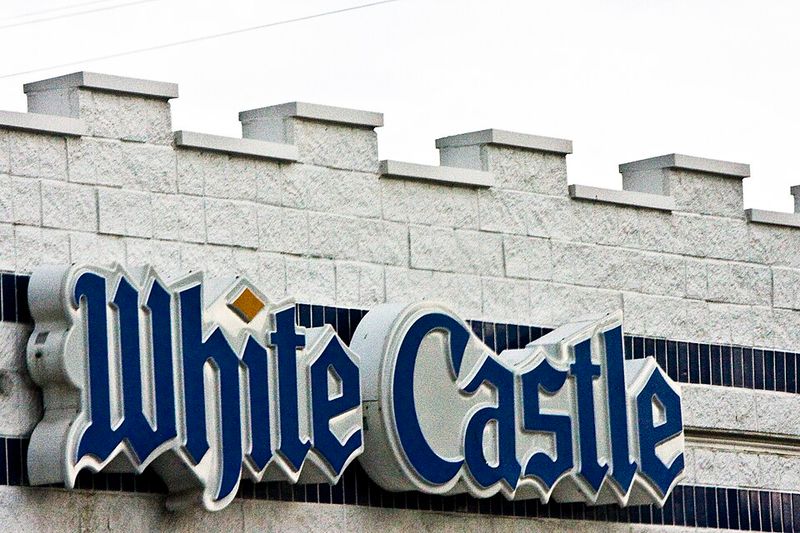
Wichita, Kansas became ground zero for a food revolution when White Castle opened its doors nearly a century ago.
Founders Billy Ingram and Walter Anderson didn’t just sell hamburgers—they engineered a system.
Standardized patties, spotless kitchens, and five-cent sliders convinced Americans that fast food could be clean, reliable, and delicious.
Cars were becoming common, and hungry drivers needed fuel that matched their pace.
White Castle answered that call with architectural charm—tiny castle-shaped buildings that looked like fortresses of flavor.
2. Drive-In Restaurants Capture Car Culture In 1930s
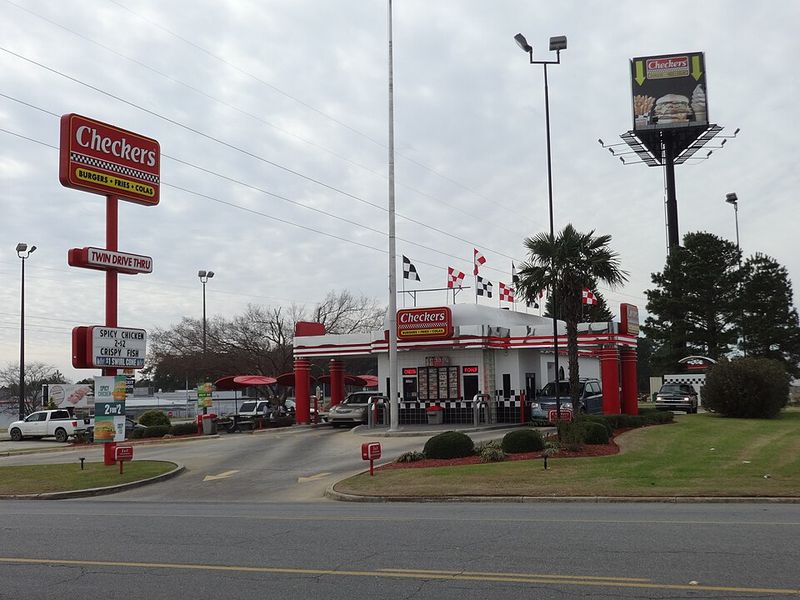
Carhops on roller skates zipped between Fords and Chevys, balancing trays like acrobats.
Drive-ins transformed eating into entertainment, merging meals with America’s obsession with automobiles.
Families could dine without leaving their vehicles, enjoying burgers and root beer floats under glowing neon signs.
Sonic and A&W became household names by perfecting this theatrical dining experience.
Radio jingles and chrome bumpers defined an era where convenience met spectacle, and every parking spot felt like a front-row seat to progress.
3. McDonald Brothers Revolutionize Speed With Speedee Service System
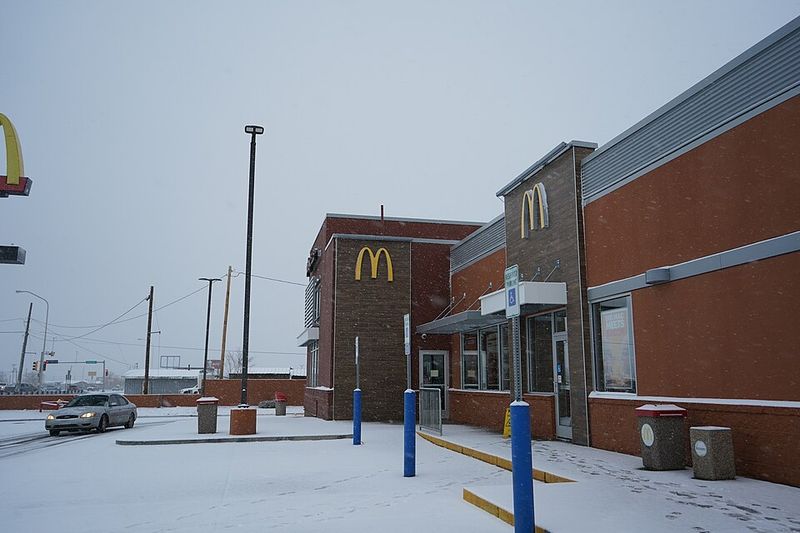
San Bernardino witnessed culinary engineering when Dick and Mac McDonald reimagined their restaurant in 1940.
Assembly lines weren’t just for factories anymore—burgers, fries, and shakes moved through stations with military precision.
Workers specialized in single tasks, slashing wait times and costs.
Paper wrapping replaced plates, and customers ordered at windows instead of sitting at tables.
Efficiency became delicious, and competitors scrambled to copy a formula that turned food into fast food, forever altering American dining habits with ruthless simplicity.
4. Ray Kroc Franchises McDonald’s Into National Phenomenon
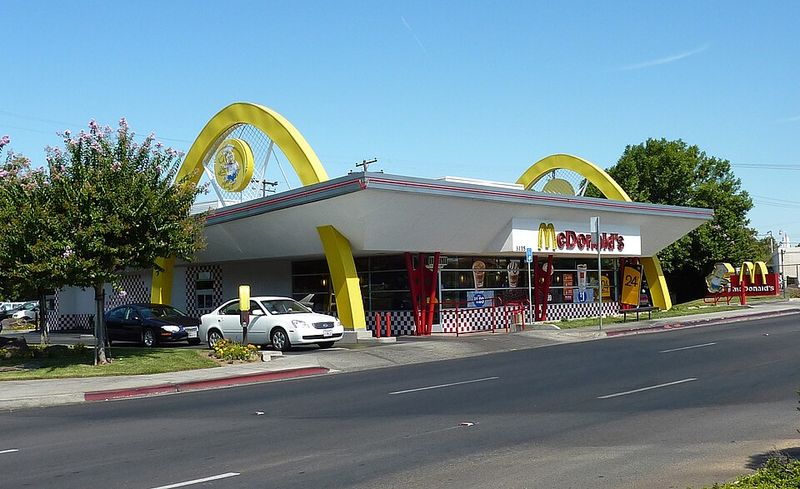
Ray Kroc didn’t invent McDonald’s, but he multiplied it like wildfire across America.
After visiting San Bernardino in 1954, Kroc saw potential beyond burgers—he envisioned an empire built on consistency.
Franchising allowed rapid expansion while maintaining strict quality controls.
Every McDonald’s looked identical, tasted identical, and operated identically, whether in Maine or California.
Golden arches became more recognizable than most state flags, and Kroc’s relentless ambition transformed regional diners into global landmarks, proving that replication could be revolutionary.
5. Burger King Introduces Flame-Broiling As Competitive Edge
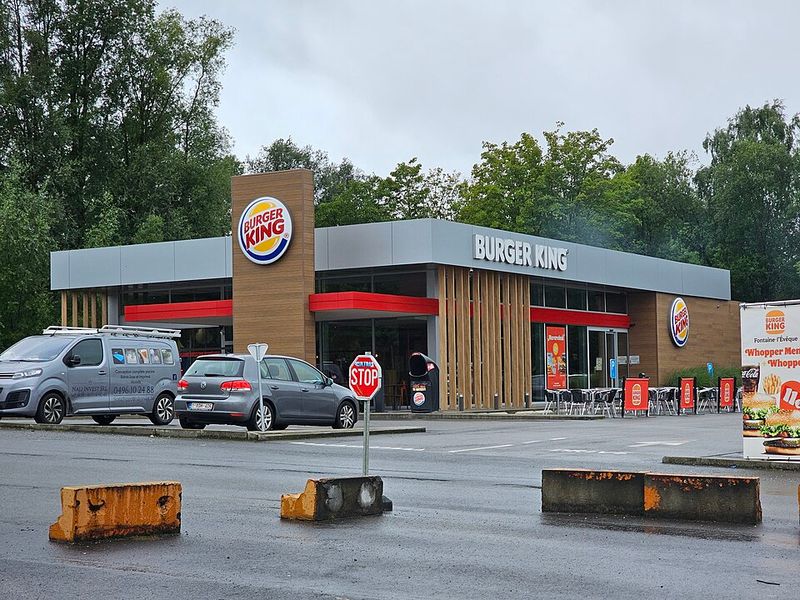
Flame-broiled patties became Burger King’s battle cry against McDonald’s fried dominance.
Founded in Miami in 1954, Burger King differentiated itself with grilled flavor and customization options.
“Have it your way” wasn’t just a slogan—it was permission to reject conformity in an industry built on sameness.
Charred grill marks and smoky aroma offered sensory experiences McDonald’s couldn’t replicate.
Competition forced innovation, and suddenly Americans had choices, preferences, and fierce loyalties to burger joints that reflected personal identity as much as hunger.
6. Kentucky Fried Chicken Perfects Pressure-Cooked Recipe
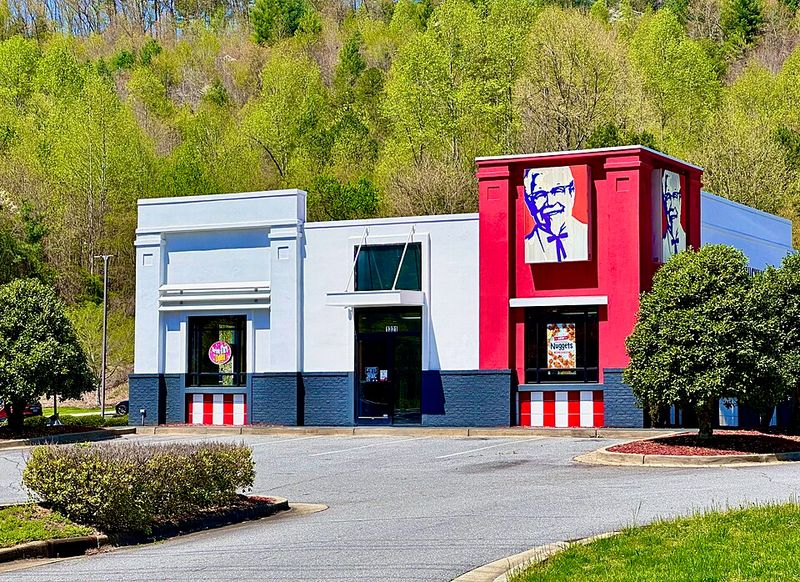
Colonel Harland Sanders didn’t look like a fast-food pioneer—he looked like someone’s eccentric grandpa.
But his pressure-cooked chicken, seasoned with eleven secret herbs and spices, became legendary.
Sanders franchised his recipe across America, personally visiting locations to ensure quality.
White suits and Southern charm masked ruthless business instincts.
KFC proved fast food didn’t require burgers, expanding American palates beyond beef and introducing fried chicken buckets as shareable family meals that turned dinner into events worth gathering around.
7. Taco Bell Brings Mexican-Inspired Fast Food Mainstream
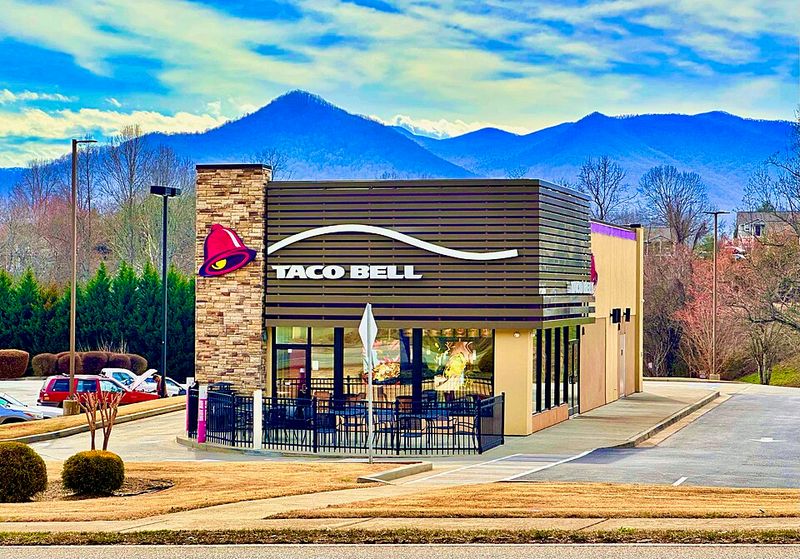
Glen Bell opened his first Taco Bell in Downey, California, gambling that Americans would embrace Mexican flavors.
Tacos, burritos, and tostadas were exotic to many suburbanites in 1962, but affordability and convenience erased hesitation.
Bell adapted recipes for speed and American tastes, creating fusion food before anyone called it that.
Crunchy shells and seasoned beef became gateway drugs to broader culinary exploration.
Taco Bell didn’t just sell food—it sold adventure, proving fast food could cross cultural borders and expand beyond burgers and fries.
8. McDonald’s Adds Breakfast Menu With Egg McMuffin
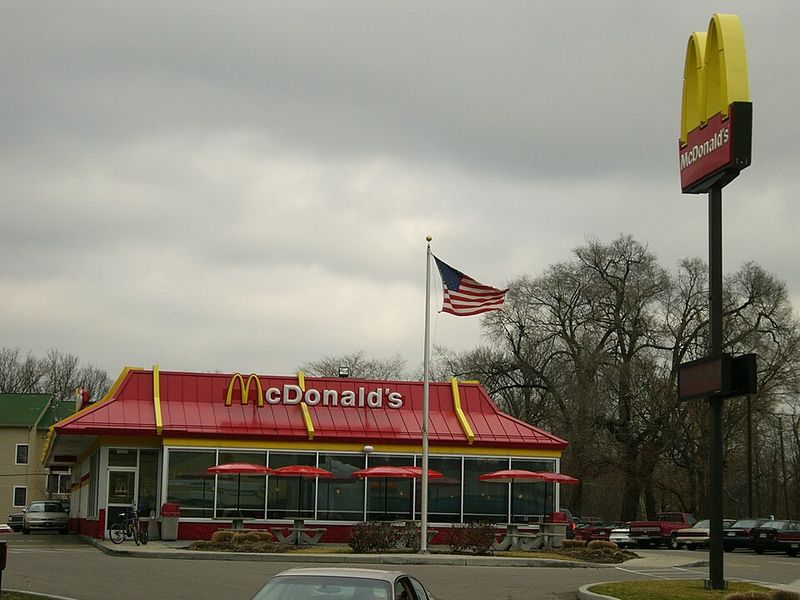
Herb Peterson, a California franchisee, invented breakfast history by sandwiching eggs between English muffins.
McDonald’s launched nationwide breakfast in 1972, colonizing mornings previously dominated by diners and donut shops.
Commuters could grab hot meals without leaving their cars, revolutionizing morning routines.
Hash browns and hotcakes joined the lineup, transforming McDonald’s from lunch-and-dinner destination into all-day empire.
Breakfast menus became profit machines, and competitors rushed to offer their own morning options, forever linking fast food with sunrise as much as sunset.
9. Drive-Thru Windows Become Industry Standard Feature
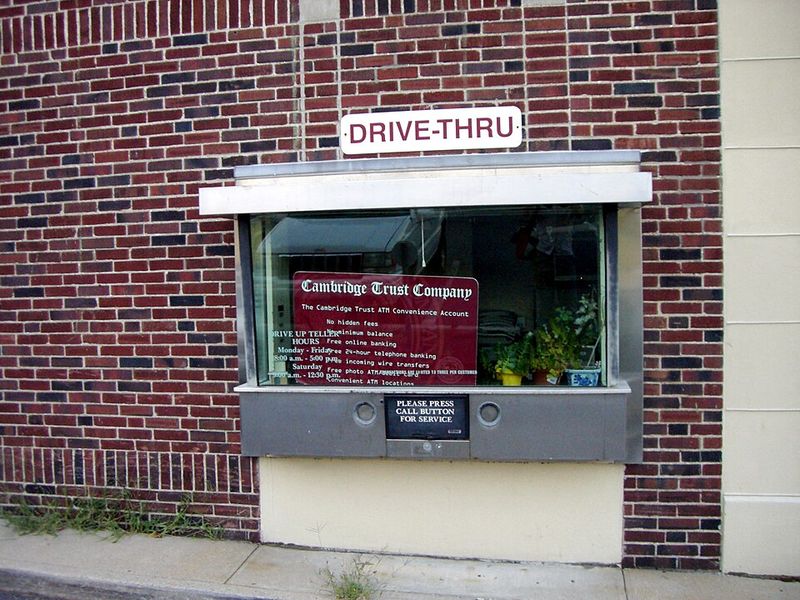
Drive-thru windows eliminated even minimal human interaction, perfecting convenience to almost absurd levels.
Customers never left their vehicles, ordering through intercoms and receiving bags through windows.
Wendy’s pioneered modern drive-thru designs in 1970, and competitors quickly followed.
Speed became measurable—restaurants tracked seconds per transaction like Olympic times.
Drive-thrus reshaped architecture, workflows, and expectations, making fast food faster and cementing America’s preference for efficiency over experience, where meals arrived without ever stepping outside climate-controlled comfort.
10. Value Menus Emerge During Economic Recessions
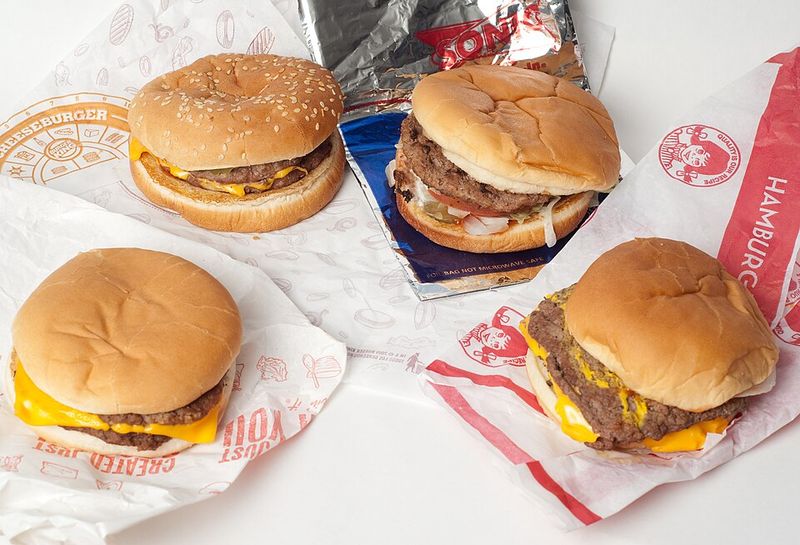
Economic downturns forced chains to compete on price, birthing value menus that promised full meals for pocket change.
Wendy’s introduced dollar menus, and competitors countered with their own budget offerings.
Suddenly, anyone could afford fast food, regardless of financial circumstances.
Value menus democratized dining, ensuring hamburgers and fries remained accessible even during tough times.
Chains sacrificed margins for volume, betting that cheap food would build loyalty.
Americans responded enthusiastically, proving that affordability mattered as much as taste in shaping dining decisions.
11. Wendy’s Fresh Never Frozen Beef Campaign Shifts Marketing
Dave Thomas became television’s most recognizable pitchman, promising Wendy’s used fresh, never frozen beef.
Marketing shifted from speed to quality, challenging assumptions about fast-food ingredients.
Square patties symbolized refusal to cut corners—literally.
Thomas’s folksy charm and transparency built trust during an era when consumers grew skeptical of corporate messaging.
Wendy’s proved differentiation didn’t require revolutionary products, just honest communication about existing practices.
Fresh beef became competitive advantage, and authenticity sold as effectively as discounts or convenience ever could.
12. McDonald’s Expands Globally With Localized Menu Adaptations
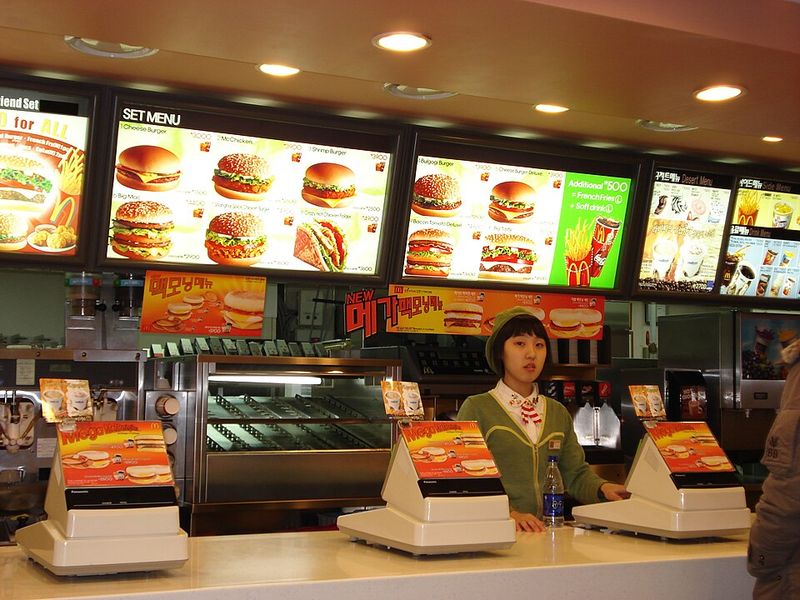
Golden arches appeared in Moscow, Tokyo, and Mumbai, but menus adapted to local tastes.
McDonald’s served McAloo Tikki in India, teriyaki burgers in Japan, and beer in Germany.
Globalization required cultural sensitivity—beef-free options in Hindu regions, halal preparations in Muslim countries.
Fast food became glocal, maintaining brand consistency while respecting regional preferences.
International expansion proved American fast food wasn’t just exportable—it was adaptable, morphing to fit diverse palates while spreading Western dining habits across continents.
13. Supersize Portions Peak Before Health Backlash Begins
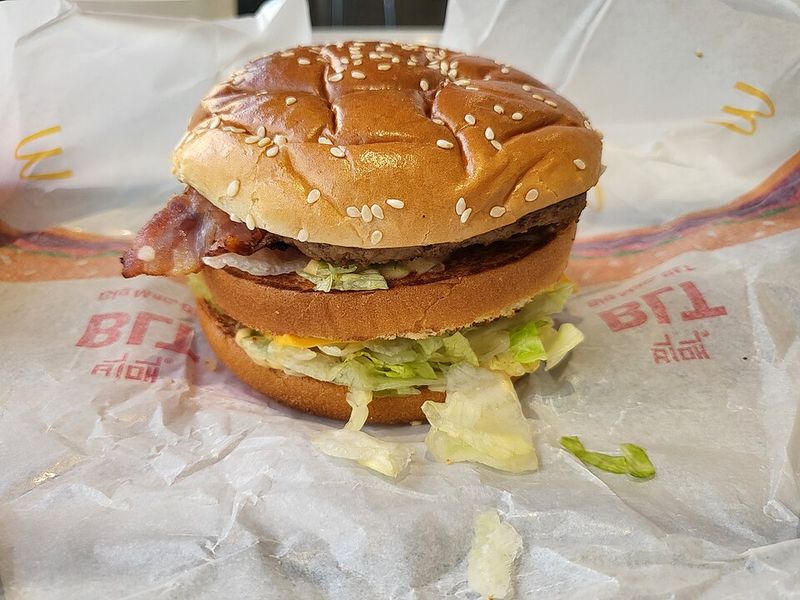
Bigger became better as chains competed on portion sizes, offering supersized meals with calorie counts approaching daily requirements.
Americans embraced excess, equating value with volume.
Sixty-four-ounce sodas and bucket-sized fries normalized gluttony, reflecting cultural attitudes that celebrated abundance.
Margins improved—larger sizes cost pennies more but sold for dollars extra.
Supersizing peaked before documentaries and health advocates questioned whether bigger actually meant better, foreshadowing coming conflicts between convenience, affordability, and wellness that would redefine fast food’s future.
14. Chipotle Pioneers Fast-Casual Dining Category
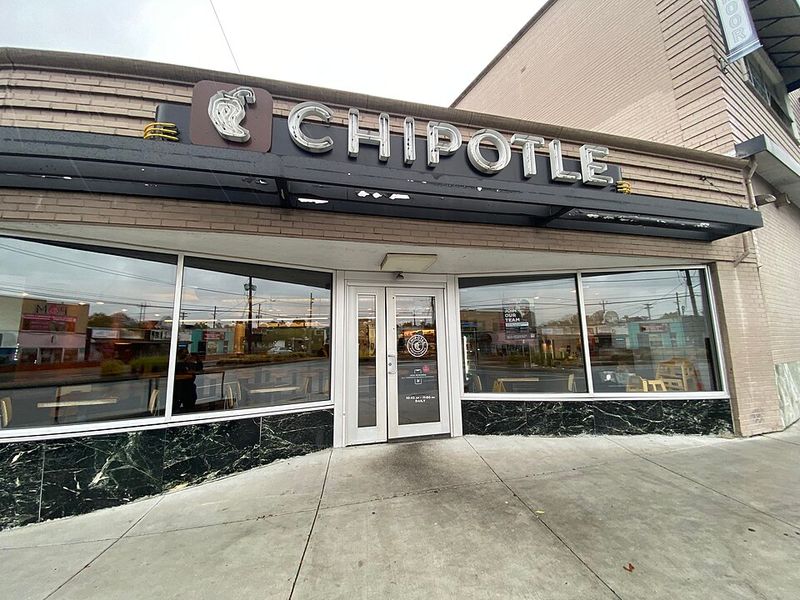
Steve Ells opened Chipotle in Denver, blurring lines between fast food and real restaurants.
Visible kitchens, fresh ingredients, and customizable orders elevated expectations beyond pre-wrapped burgers.
Fast-casual dining offered speed without sacrificing quality—or at least the perception of quality.
Customers watched workers assemble burritos before their eyes, creating transparency and theater simultaneously.
Chipotle’s success spawned imitators across cuisines, proving Americans would pay premiums for freshness, choice, and experiences that felt healthier, even when calorie counts told different stories.
15. Subway Promotes Itself As Healthier Fast Food Alternative
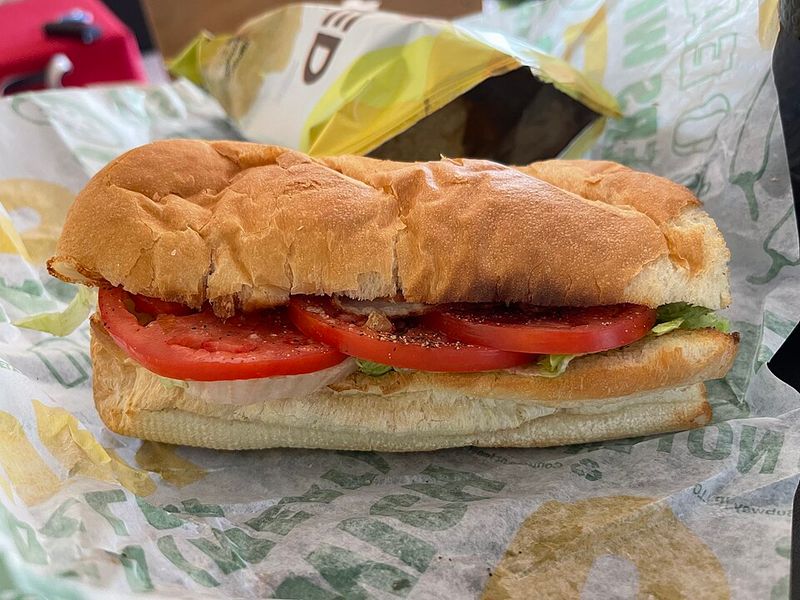
Jared Fogle became Subway’s unlikely spokesperson, claiming sandwich-based weight loss transformed his life.
Subway positioned itself as guilt-free fast food, emphasizing fresh vegetables and lean proteins over fried everything.
Marketing highlighted customization and portion control, appealing to health-conscious consumers seeking convenient options.
Sandwiches felt lighter than burgers, even when calorie counts rivaled competitors.
Subway’s health halo attracted millions, proving perception mattered more than nutrition facts, and that fast food could rebrand itself by simply swapping buns for bread and fryers for toasters.
16. Super Size Me Documentary Sparks National Health Debate
Morgan Spurlock ate nothing but McDonald’s for thirty days, documenting his declining health on camera.
“Super Size Me” became cultural lightning rod, forcing Americans to confront fast food’s consequences.
McDonald’s eliminated supersize options shortly after, and chains scrambled to add salads and fruit.
Public perception shifted—fast food transformed from convenient treat to potential health hazard.
Documentaries rarely change industries, but Spurlock’s film did, proving visual evidence of bodily harm could accomplish what nutritionists’ warnings never could, fundamentally altering marketing strategies.
17. Menu Transparency Laws Require Calorie Count Disclosures
Ignorance became illegal when regulations forced chains to display calorie information on menus.
Suddenly, customers confronted numerical consequences of their choices before ordering.
A Big Mac meal’s calorie count rivaled entire daily recommendations, printed in fonts impossible to ignore.
Transparency aimed to empower informed decisions, though whether people changed behavior remained debatable.
Chains adapted by introducing lower-calorie options, creating illusions of health alongside traditional offerings.
Numbers didn’t eliminate cravings, but they added guilt, fundamentally changing fast food’s psychological landscape.
18. Mobile Apps And Online Ordering Transform Customer Experience
Smartphones became ordering devices as chains launched apps promising convenience, rewards, and customization.
Customers could browse menus leisurely, modify orders precisely, and skip lines entirely.
Mobile ordering integrated with drive-thrus and curbside pickup, eliminating human interaction altogether.
Apps tracked preferences, suggested favorites, and gamified loyalty with points and badges.
Technology didn’t just speed up fast food—it personalized it, creating digital relationships between brands and consumers that extended beyond transactions into ongoing engagement, making restaurants accessible anywhere smartphones reached.
19. Third-Party Delivery Services Bring Restaurants To Doorsteps
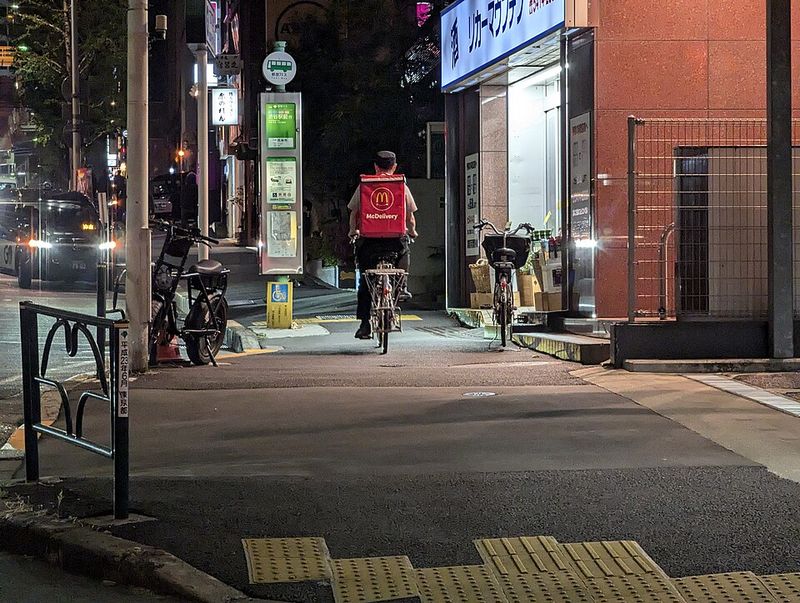
DoorDash, Uber Eats, and Grubhub transformed living rooms into dining rooms.
Fast food reached customers who never left couches, expanding accessibility beyond drive-thrus and dine-in.
Delivery fees and markups didn’t deter consumers valuing convenience above savings.
Chains partnered with platforms, sacrificing margins for reach.
Pandemic lockdowns accelerated adoption, normalizing delivery as default rather than luxury.
Fast food became even faster—not because preparation improved, but because restaurants came to customers instead of vice versa, reshaping industry economics and expectations.
20. Plant-Based Meat Alternatives Enter Mainstream Menus
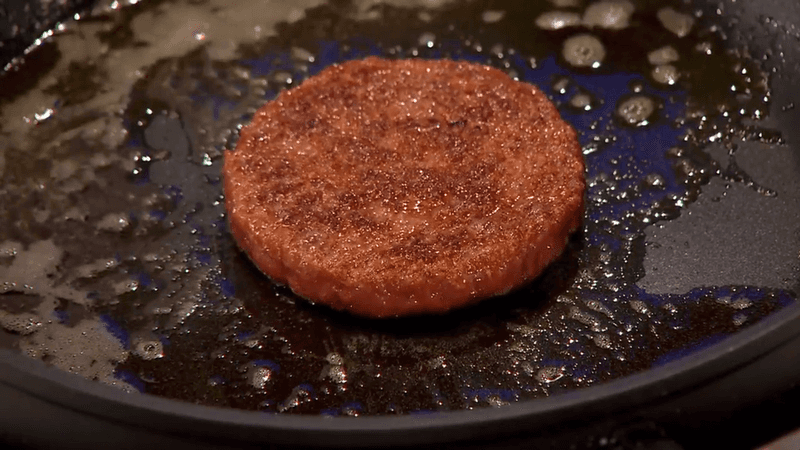
Impossible Whoppers and Beyond Meat patties invaded menus, promising burger experiences without actual beef.
Plant-based proteins targeted flexitarians and environmentally conscious consumers, not just vegetarians.
Chains bet on sustainability trends, offering alternatives that mimicked meat’s taste and texture.
Marketing emphasized innovation and choice rather than sacrifice.
Adoption rates varied—some embraced meatless options enthusiastically, others remained skeptical.
Regardless, plant-based menus signaled industry acknowledgment that future fast food might look dramatically different, accommodating diverse dietary preferences and environmental concerns simultaneously.
21. Ghost Kitchens Operate Without Traditional Storefronts
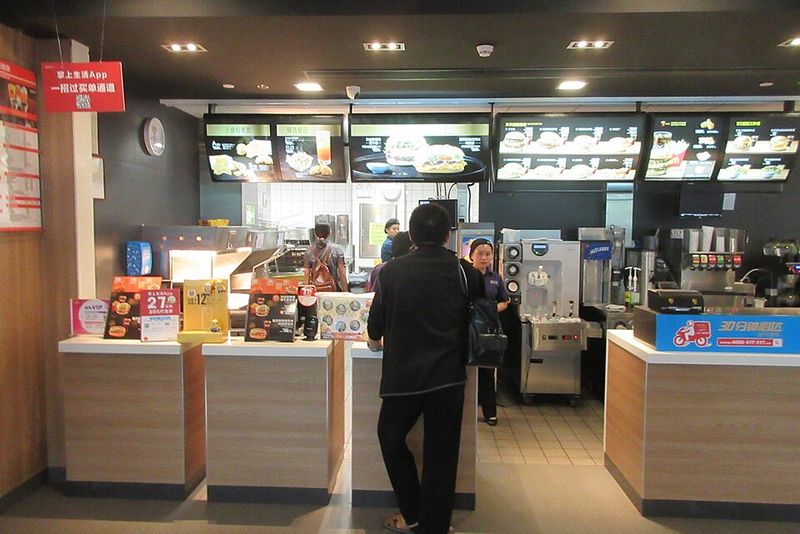
Restaurants without dining rooms emerged, existing solely to fulfill delivery orders.
Ghost kitchens slashed overhead by eliminating real estate, servers, and ambiance.
Brands operated from industrial warehouses, cooking exclusively for apps.
Some locations housed multiple virtual restaurants under one roof, maximizing efficiency.
Customers never saw these kitchens, ordering from brands that existed only digitally.
Ghost kitchens represented fast food’s logical extreme—pure function without form, where food materialized from invisible sources, challenging traditional notions of what restaurants even were.
22. Social Media Influencers Shape Menu Trends And Viral Items
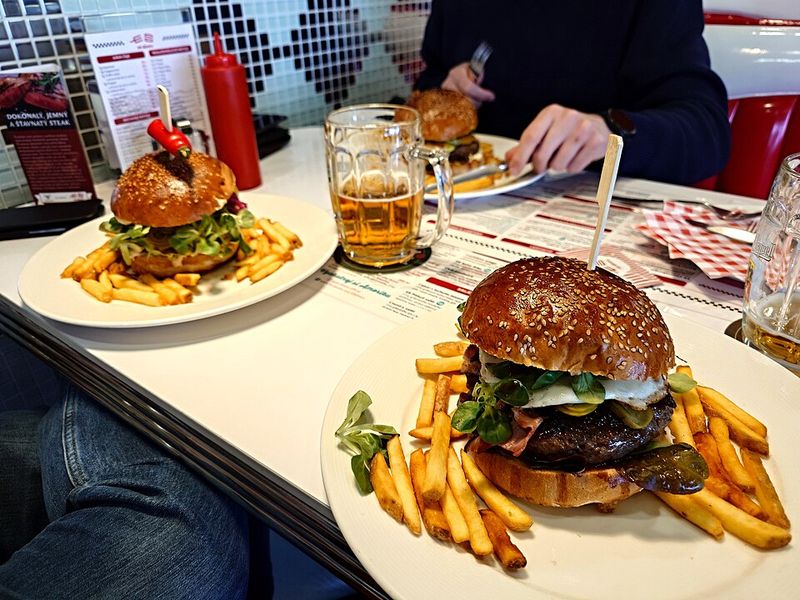
TikTok and Instagram transformed menu items into viral sensations overnight.
Influencers reviewed products for millions, their opinions shaping demand more than traditional advertising.
Chains created Instagram-worthy items—colorful, photogenic, shareable.
Travis Scott and BTS collaborated on celebrity meals, blending fast food with pop culture.
Social media democratized food criticism while amplifying trends at unprecedented speeds.
A single viral video could sell out regional menu items nationwide, proving digital influence now dictated what Americans ate as much as taste or convenience ever did.
23. Automation And Kiosks Replace Human Cashiers
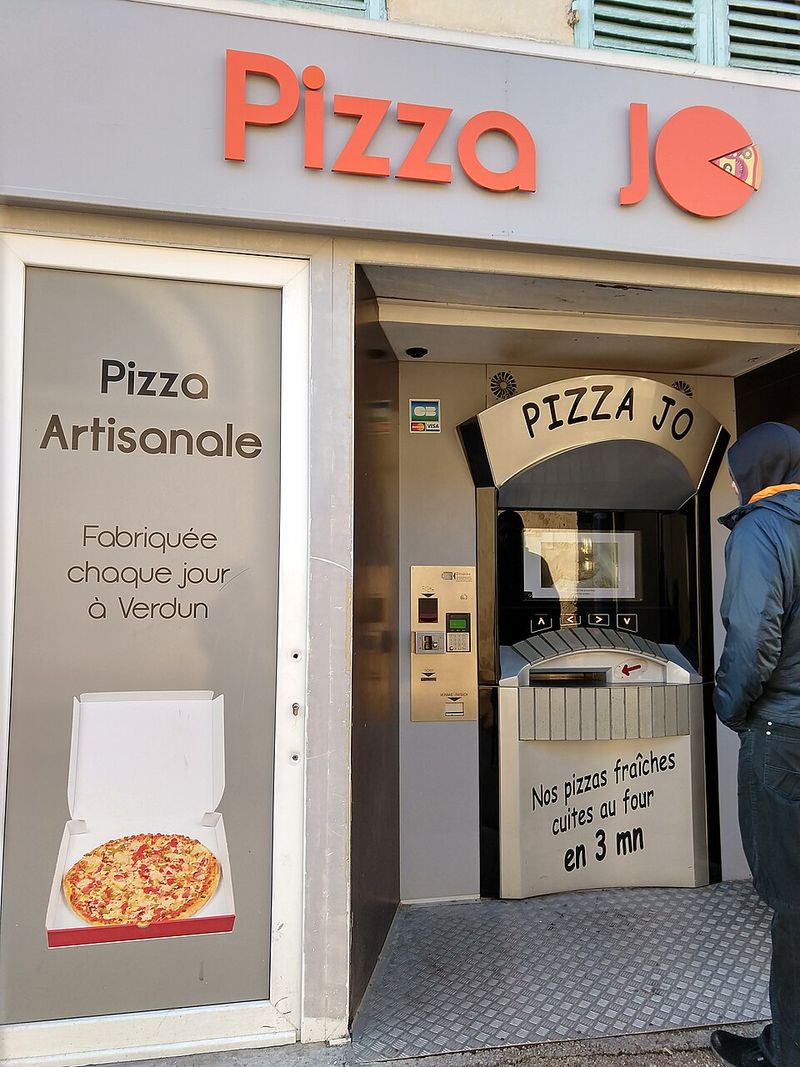
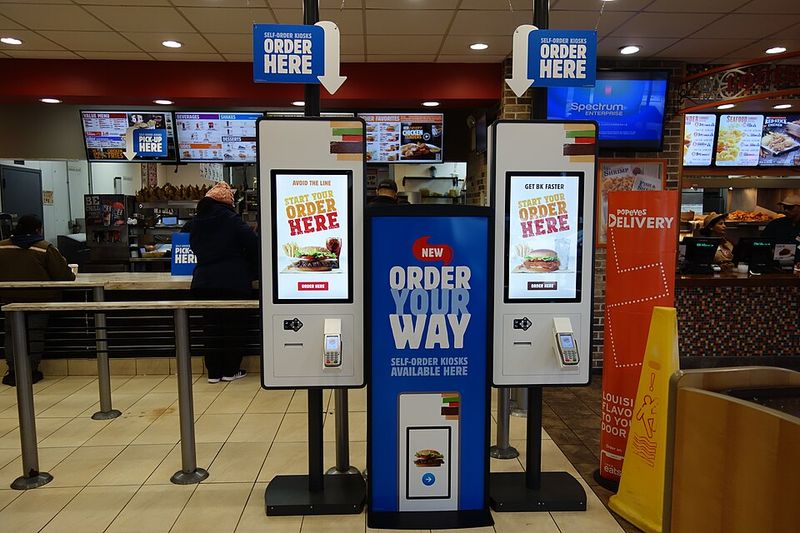
Touchscreen kiosks replaced cashiers, letting customers input orders without human interaction.
Automation promised accuracy, speed, and labor cost reductions.
McDonald’s and others invested heavily in technology, redesigning restaurants around self-service.
Workers shifted from front counters to kitchens and delivery coordination.
Kiosks upsold more effectively than humans, suggesting extras without judgment.
Customers adapted quickly, especially younger generations comfortable navigating screens.
Automation represented fast food’s future—fewer employees, more technology, and experiences optimized for efficiency rather than hospitality, fundamentally changing industry employment and customer interactions.
24. Sustainability Initiatives Address Environmental Concerns
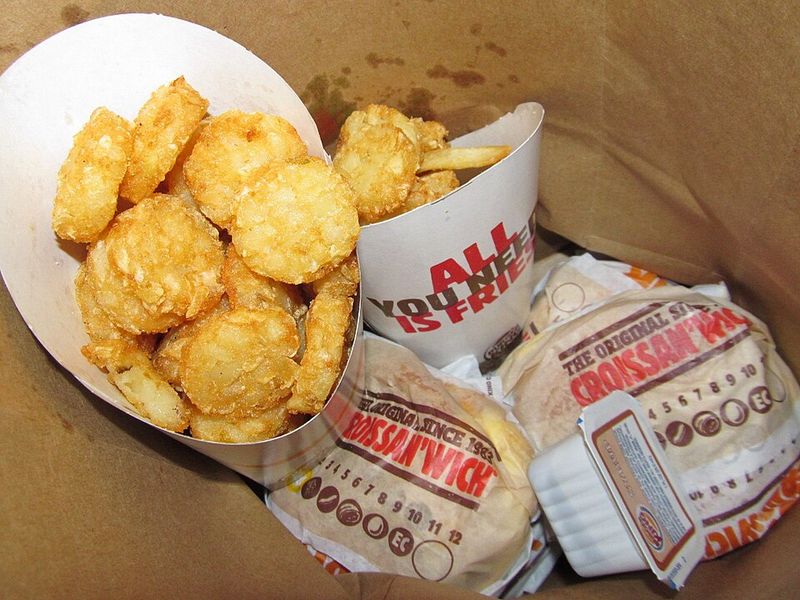
Plastic straws became villains as chains adopted paper alternatives and compostable packaging.
Sustainability initiatives targeted environmentally conscious consumers demanding corporate responsibility.
McDonald’s pledged carbon-neutral operations, while others sourced cage-free eggs and sustainable seafood.
Marketing emphasized green credentials, though critics questioned whether changes were substantive or performative.
Packaging redesigns reduced waste, and some locations installed recycling stations.
Environmental concerns reshaped industry practices, proving fast food couldn’t ignore climate conversations, even if solutions remained imperfect and implementation inconsistent across franchises.
25. Pandemic Accelerates Contactless Service And Curbside Pickup
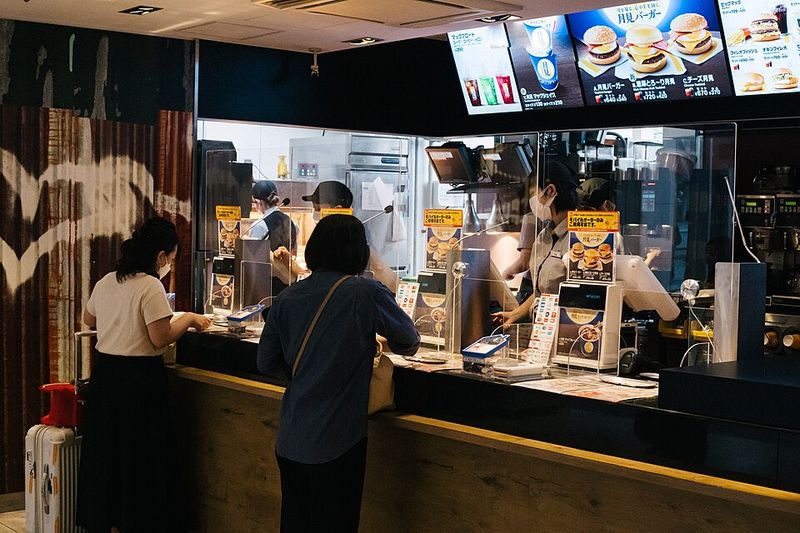
COVID-19 forced rapid adoption of contactless transactions and curbside delivery.
Dining rooms closed, drive-thrus became lifelines, and restaurants scrambled to accommodate new safety expectations.
Mobile ordering surged as customers avoided indoor spaces.
Plexiglass barriers and masked workers became standard.
Chains that adapted quickly thrived; others struggled.
Pandemic permanently altered behaviors—many customers never returned to dining rooms, preferring convenience of car-based pickup.
Fast food proved remarkably resilient, its drive-thru infrastructure perfectly suited for socially distanced dining during unprecedented global crisis.