19 Animated Films Many Mistake For Disney Movies
Magic shows up, the music swells, and suddenly everyone assumes Disney must be behind it.
Beautiful animation, emotional moments, and talking animals doing a little too much for comfort all line up so perfectly it feels official. Then the credits roll, and surprise, a whole different studio just pulled off something that fooled almost everyone.
1. Anastasia (1997)
Ask almost anyone who grew up in the late nineties, and they will swear Anastasia was a Disney film.
Don Bluth and Gary Goldman directed this Fox Animation Studios musical for 20th Century Fox, complete with Broadway-worthy songs and a villain straight out of a much darker fairy-tale tradition. The ballroom sequence alone could fool any Disney fan on a cozy Saturday morning rewatch.
Anya and Dimitri remain one of animated history’s most underrated romantic duos.
2. The Swan Princess (1994)
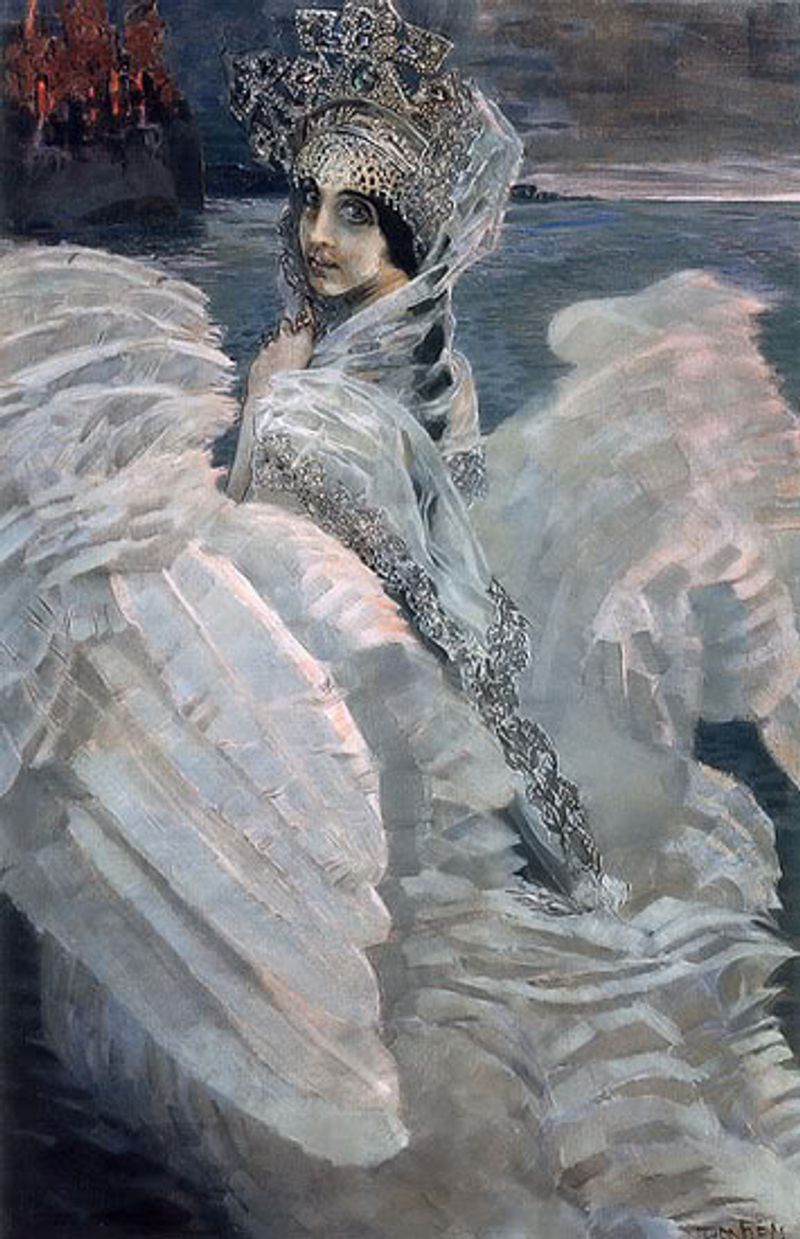
Turning into a swan every sunset feels like a Disney pitch that somehow landed at a completely different studio.
Nest Entertainment and Rich Animation Studios backed the fairy-tale romance under director Richard Rich, packing in catchy songs, a dashing prince, and a genuinely menacing sorcerer.
Audiences sat there expecting a Disney logo to appear before the opening credits even finished rolling. One awkward line, “what else is there?”, ended up becoming legendary for all the wrong reasons.
3. The Prince Of Egypt (1998)
DreamWorks Animation arrived with serious ambition when it released this biblical epic, and audiences were floored by its scale.
The parting of the Red Sea sequence is genuinely one of the most breathtaking moments in all of animation, Disney or otherwise. Many viewers assumed the Mouse House was behind such an emotional, sweeping story about brothers torn apart by destiny.
“When You Believe” by Whitney Houston and Mariah Carey sealed the film’s legendary status forever.
4. The Road To El Dorado (2000)
DreamWorks took a lighter, more mischievous route with The Road to El Dorado, a musical adventure about con artists Tulio and Miguel stumbling into the legendary city of gold.
Songs by Elton John and Tim Rice, bright hand-drawn animation, and a buddy-comedy rhythm gave it the kind of polished studio sheen many people associate with Disney.
Even so, its humor and historical-adventure setup gave it a personality all its own.
5. The Land Before Time (1988)

Little Foot’s journey to the Great Valley is the kind of emotional gut-punch that sneaks up on you like a forgotten calendar reminder.
Steven Spielberg and George Lucas produced this Don Bluth tearjerker, giving it a pedigree that made every parent assume Disney had something to do with it. The film’s gentle themes of loss and friendship landed with incredible sincerity for a 1988 release.
No animated film before or since has made a leaf quite so heartbreaking.
6. An American Tail (1986)

Tiny immigrant mouse searching for his family in a big, unfamiliar country creates an emotional setup that easily feels like a Disney production.
Warmth and visual richness carry the film, with direction from Don Bluth under Universal Pictures matching anything coming out of Burbank at the time. Lullaby “Somewhere Out There” lingers for decades, quietly returning while parents pack school lunches long after first hearing it.
7. All Dogs Go To Heaven (1989)
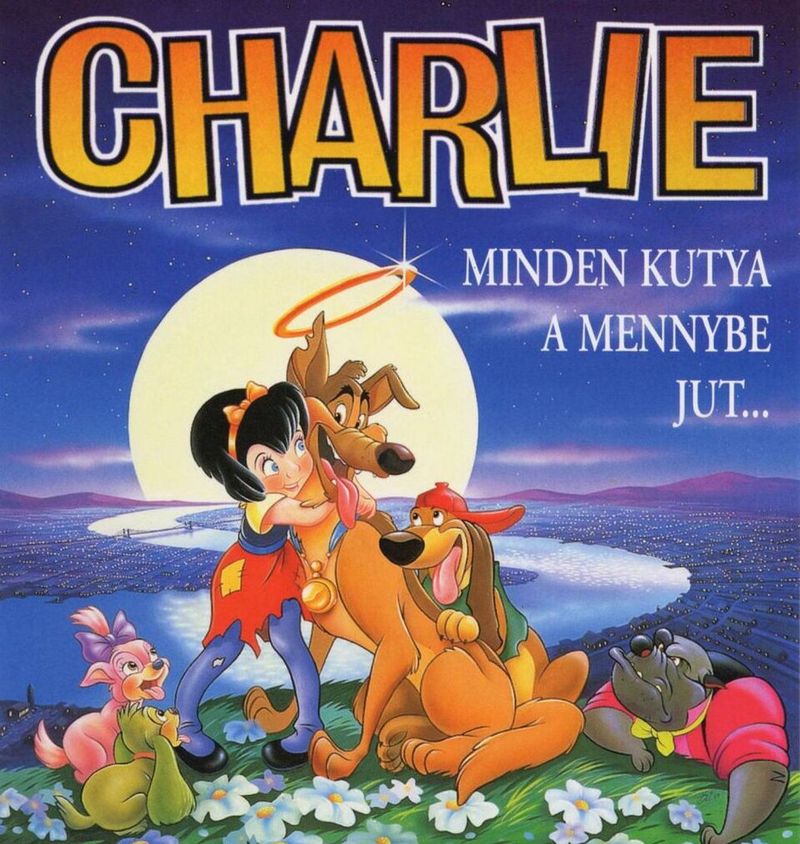
Fast-talking dog escapes heaven to chase revenge, then slowly discovers something worth living for. Heavy emotional weight lands inside a kids’ movie, and somehow it all works.
Don Bluth brought a surprisingly dark core to this MGM release, wrapped in colorful animation and jazzy New Orleans energy.
Themes of redemption ran deep enough that many families assumed a certain mouse-eared studio had signed off on it. Charlie Barkin still stands as one of animation’s most complicated and lovable antiheroes.
8. Thumbelina (1994)
Somewhere between a music box and a fairy tale, Thumbelina arrived in theaters and immediately got shelved in the Disney section of everyone’s memory.
Don Bluth directed this Warner Bros. release with sweeping romance and lavish visuals that felt straight out of the Disney Renaissance era.
Barry Manilow’s songs gave the film a theatrical warmth that made comparisons to Beauty and the Beast almost unavoidable. Tiny heroine, enormous heart.
9. Rock-A-Doodle (1991)

Elvis-inspired rooster leaves the farm to chase rock stardom, while a young boy sets out to bring him back home and save the day.
Full variety-show energy drives the production from Sullivan Bluth Studios, with Don Bluth blending live-action sequences and bright, theatrical animation into something bold and unusual.
Sunny, musical personality gives the film a tone that easily feels like it could have slipped out of the Disney vault on a rainy Tuesday. Chanticleer’s towering pompadour practically earns its own Hall of Fame plaque.
10. FernGully: The Last Rainforest (1992)
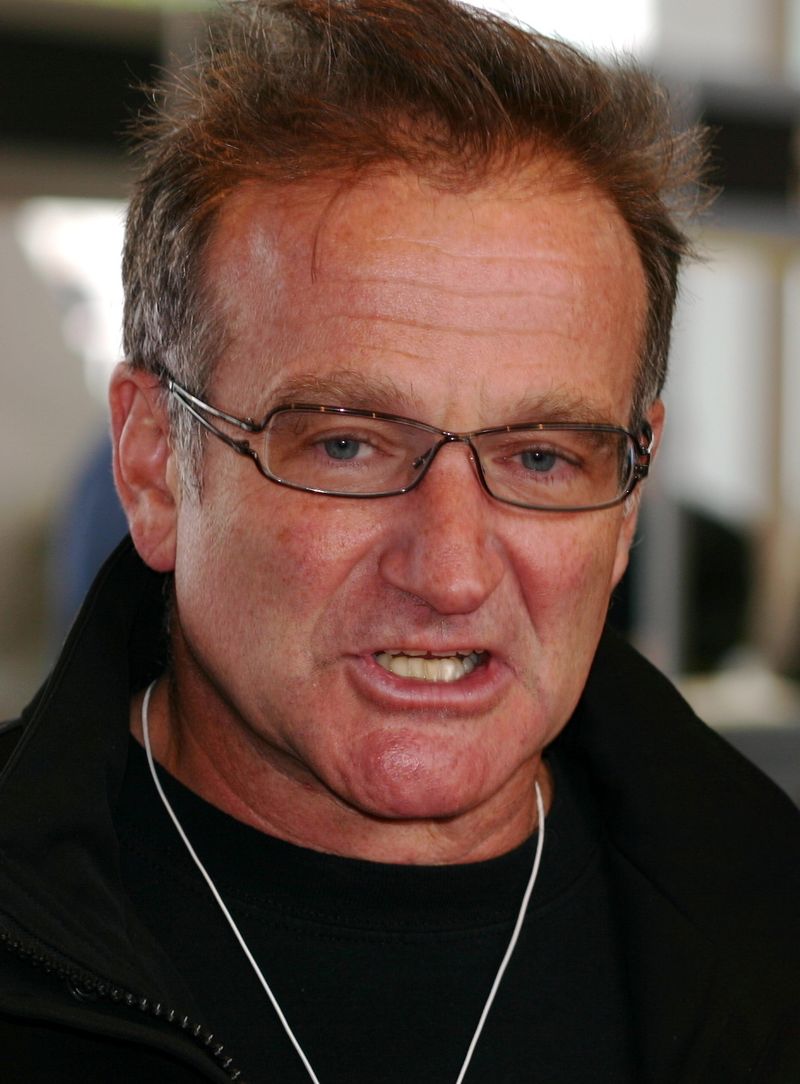
Long before animated films made environmentalism feel cool, FernGully was already asking kids to care about trees, fairies, and the cost of logging.
Visual lushness defined this Australian-American co-production from FAI Films, while Robin Williams brought manic energy to Batty Koda and Tim Curry voiced the film’s villain, Hexxus. Crysta the fairy feels like she belongs in the same universe as Tinker Bell.
“Hexxus” belting out “Toxic Love” remains one of animated cinema’s most delightfully intense moments.
11. Quest For Camelot (1998)
Warner Bros. clearly wanted a piece of the Disney Renaissance magic when it greenlit this Arthurian adventure in 1998.
Kayley, a spirited young woman determined to recover Excalibur, felt so familiar to Disney’s lineup of headstrong heroines that its Disney-like fantasy setup made it easy for some viewers to remember it that way later. The film had original songs, a talking two-headed dragon, and a blind forest hermit who somehow stole every scene.
Garret and Devon and Cornwall make for one gloriously chaotic trio.
12. The Last Unicorn (1982)

Melancholy, strange, and achingly beautiful, The Last Unicorn unfolds like a half-remembered dream drifting out of a childhood afternoon.
Haunting tone sets the film apart, with Rankin/Bass Productions adapting Peter S. Beagle’s novel into something far removed from Disney’s usual style at the time.
Fairy-tale bones and emotional depth still echo strongly enough to leave audiences assuming the House of Mouse had a hand in it. The soundtrack by America added another distinctive layer to the film’s dreamlike mood.
13. Balto (1995)
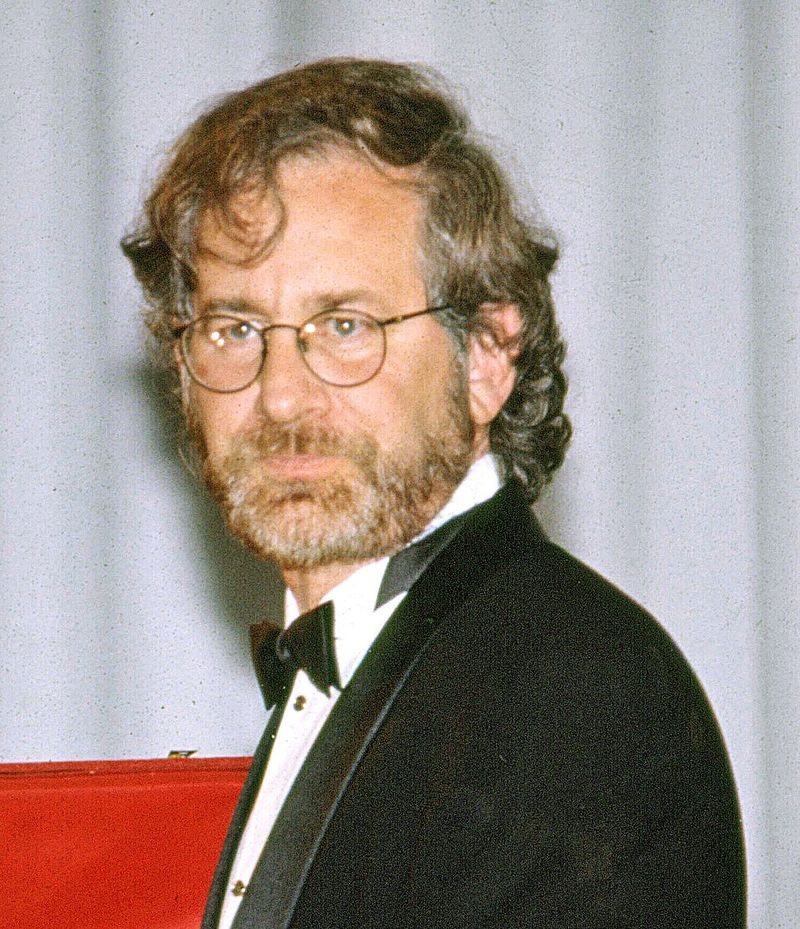
Loosely inspired by the true story of Balto and the 1925 serum run to Nome, Balto reached theaters with a kind of earnest heroism that feels like Disney but came from Universal Pictures.
Steven Spielberg’s Amblin Entertainment produced this hand-drawn film, and snowy Alaskan visuals give it a sweeping, cinematic feel.
A half-wolf identity struggle adds surprising emotional depth for a family story. Tension from that race against the storm still makes palms sweat even during a calm Sunday rewatch.
14. Titan A.E. (2000)
Earth being destroyed early in the film immediately sets a tone that feels nothing like a typical Disney opening. Audiences still found themselves checking the credits for a familiar castle logo while Titan A.E. unfolded.
Traditional animation and early CGI blend together in this Fox feature, with Don Bluth and Gary Goldman shaping a space adventure that carries real stakes.
Box office numbers fell short at release, yet a devoted cult following built up steadily over the years. Cale Tucker deserved a better opening weekend.
15. The Pebble And The Penguin (1995)

Hubie the penguin just wants to give a special pebble to the girl of his dreams before the big villain swoops in. Relatable, honestly.
Don Bluth and Gary Goldman brought this MGM feature to life with bright Antarctic colors and a surprisingly catchy Barry Manilow soundtrack.
Fairy-tale romance structure paired with an underdog hero made it a natural fit for the Disney mistaken-identity pile. Drake lands as the kind of animated villain who can genuinely annoy you on a Monday morning.
16. Sinbad: Legend Of The Seven Seas (2003)
Full swashbuckling energy drives this Mediterranean adventure, landing somewhere between Aladdin at sea and a clash with a goddess of chaos.
Cool confidence defines Eris, with Michelle Pfeiffer’s voice performance giving the villain a presence that feels almost untouchable.
Hand-drawn animation already felt rare by 2003, which gave the film a classic Disney throwback quality for plenty of unsuspecting viewers. Banter between Sinbad and Marina snaps with the kind of energy that keeps every scene moving.
17. Once Upon A Forest (1993)

Three small woodland creatures race to save their friend from a toxic spill, and the whole story plays like a gentle nature lesson wrapped in a cozy storybook.
Hand-drawn charm and quiet warmth define this Hanna-Barbera environmental fable, familiar enough to land it in the “probably Disney” section of many childhood memories. Wider release never quite came, despite how easily it could have found an audience.
Abigail, Russell, and Edgar feel like the kind of trio made for homework breaks.
18. Spirit: Stallion Of The Cimarron (2002)

Spirit himself does not speak dialogue, with the film instead relying on visual storytelling and Matt Damon’s narration. Pulling that off takes real craft, and the result lands as something far more powerful than expected.
DreamWorks delivered a breathtaking blend of hand-drawn animation and CGI in this frontier epic, with Bryan Adams’ soundtrack adding an emotional punch that sent many viewers toward the Disney section at the video store.
Spirit’s expressive eyes handle more acting than most human characters ever manage. Final freedom run lands with the easy, open feeling of a perfect Friday afternoon.
19. The Iron Giant (1999)
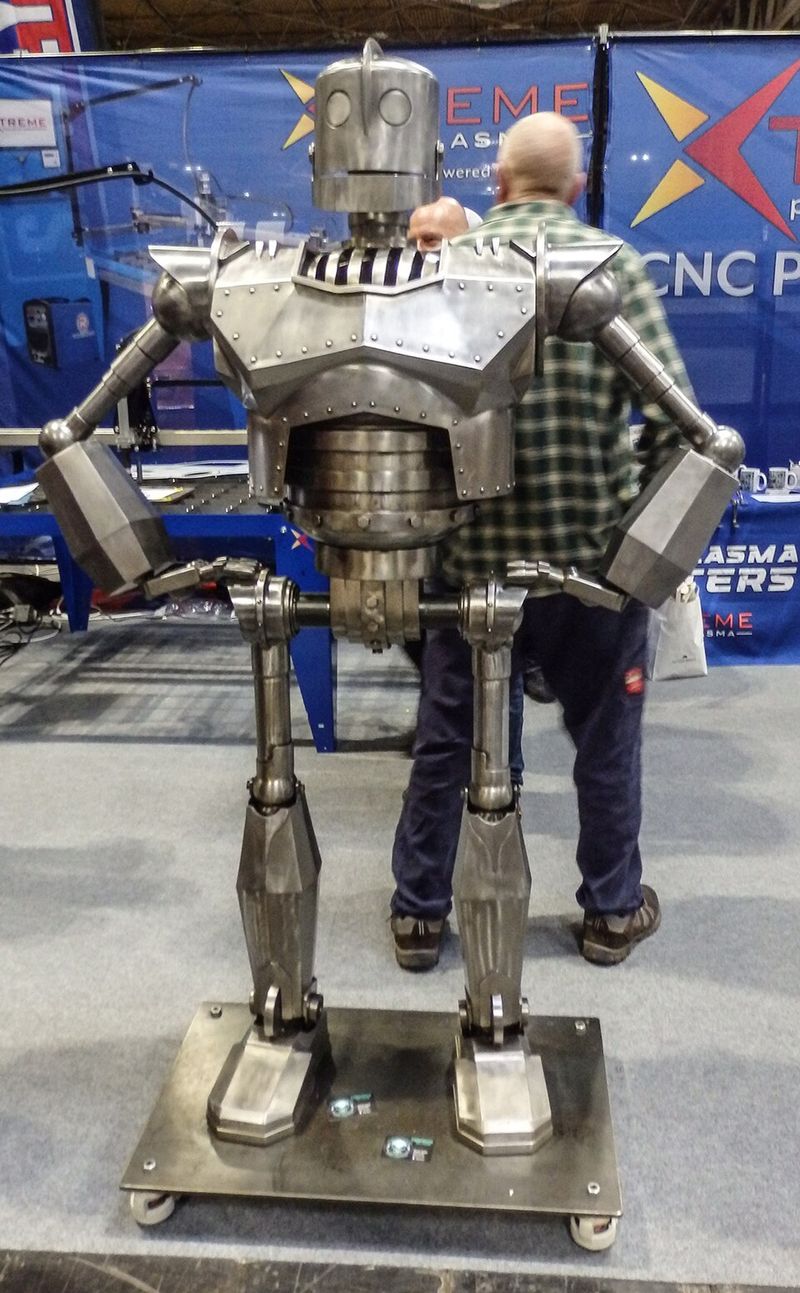
A giant robot falls from space, befriends a lonely kid, and teaches everyone watching something quietly profound about identity and choice.
Brad Bird directed this Warner Bros. masterpiece with a Spielbergian heart and a visual style so lush and warm that families everywhere assumed the Disney castle would appear before the first frame. The film underperformed at the box office on release but later became a widely celebrated animated classic.
“You are who you choose to be” hits harder every single time.
Important: This article is intended for general informational and entertainment purposes and reflects broad pop-culture memories about animated films often mistaken for Disney releases.