8 Anime Antagonists Whose Logic Was Hard To Argue With
Not every villain in anime is purely evil or completely wrong.
Some antagonists present arguments so logical and well-thought-out that they make us question our own beliefs about right and wrong.
These characters challenge heroes with philosophies that are surprisingly hard to dismiss, making their stories all the more compelling.
1. Light Yagami – Death Note

Imagine finding a notebook that could eliminate criminals with just a name.
Light believed the world needed cleansing from evil, and his Death Note gave him that power.
His vision of a crime-free utopia sounded appealing on paper.
Many viewers found themselves nodding along to his early reasoning, even if his methods grew increasingly dark.
The debate between justice and playing god became the show’s central conflict.
2. Madara Uchiha – Naruto Shippuden
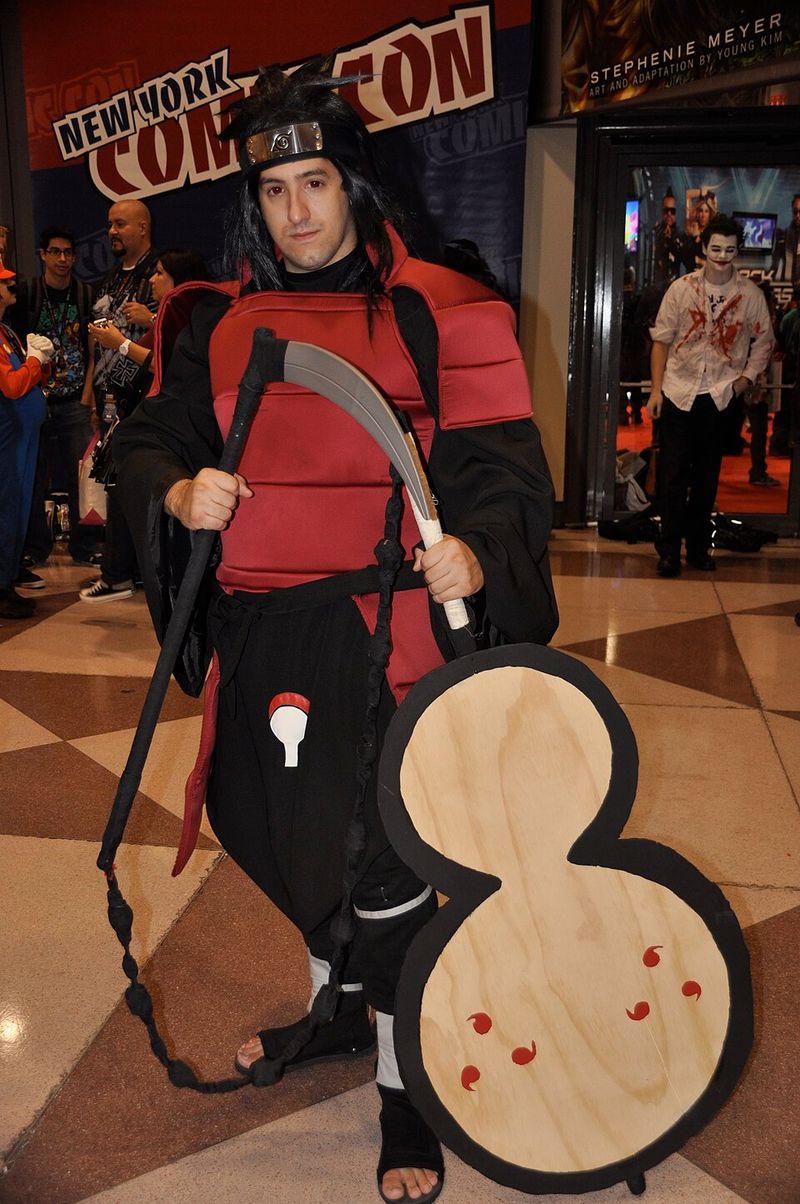
Why endure a flawed reality when you could create a perfect dream world?
Madara’s Infinite Tsukuyomi would trap everyone in personalized illusions where all their dreams came true.
No more suffering, war, or disappointment – just eternal happiness.
The philosophical question became whether blissful ignorance beats harsh reality.
His solution to human suffering was radical but addressed genuine problems with existence itself.
3. Satsuki Kiryuin (early arc) – Kill la Kill

Absolute control through fear and hierarchy defined Satsuki’s academy.
She created a brutal social system where the strong ruled and the weak served.
Her methods seemed cruel, but she was secretly preparing students to fight a greater threat.
Sometimes harsh discipline and social Darwinism serve larger purposes.
Her strategic ruthlessness concealed protective intentions that justified temporary oppression.
4. Annie Leonhart – Attack on Titan

Fighting for a chance to reunite with her father drove Annie’s every action.
She openly admitted she’d sacrifice anyone to achieve that single goal.
Her brutal honesty about self-interest was refreshingly realistic.
Most people would prioritize loved ones over strangers, even if they won’t admit it.
Annie simply said aloud what many secretly feel about their priorities.
5. Char Aznable – Mobile Suit Gundam
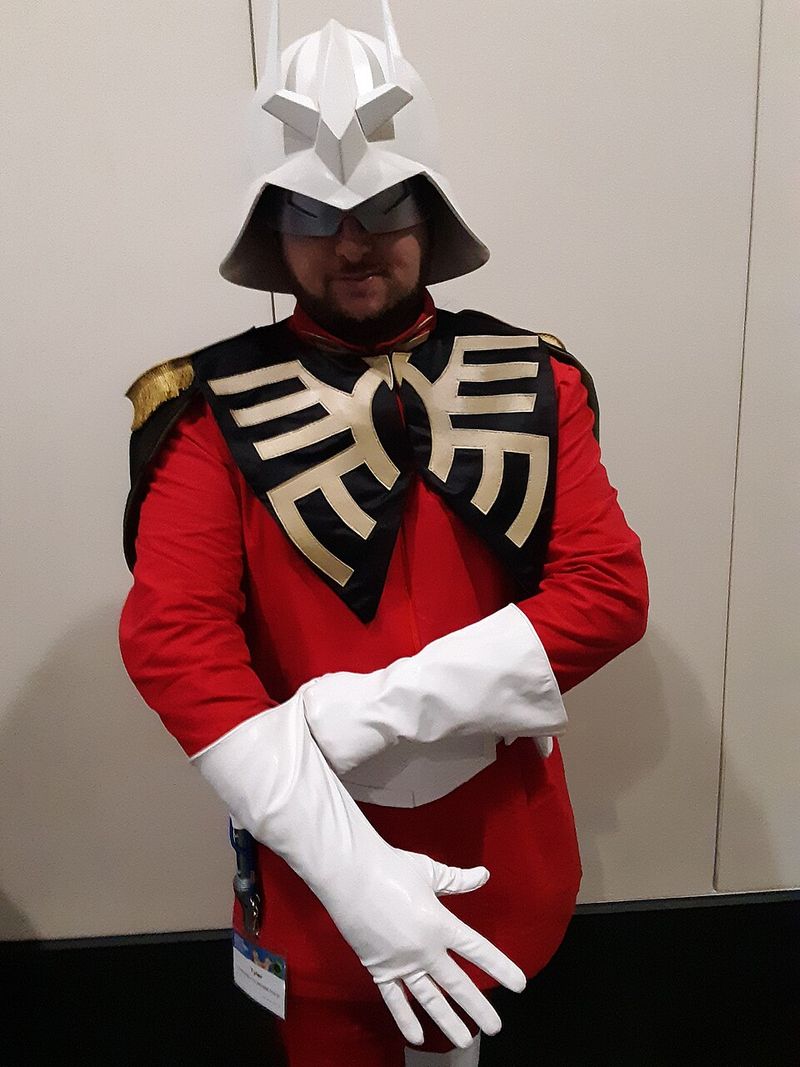
Humanity’s corruption of Earth justified extreme measures in Char’s view.
He believed forcing everyone into space colonies would save the planet and evolve humanity.
Environmental destruction was accelerating, and Earth’s governments showed no signs of changing.
His eco-terrorism had a logical foundation, even if his methods were catastrophic.
Saving the planet sometimes requires unthinkable sacrifices.
6. Griffith – Berserk
Dreams require sacrifice, but how much is too much?
Griffith believed his vision of creating a kingdom justified any cost, including betraying his closest friends.
From a utilitarian perspective, sacrificing dozens to save thousands makes mathematical sense.
His ambition represented the extreme end of consequentialist ethics.
The question remains whether any dream justifies such monstrous means.
7. Lelouch (during certain arcs) – Code Geass
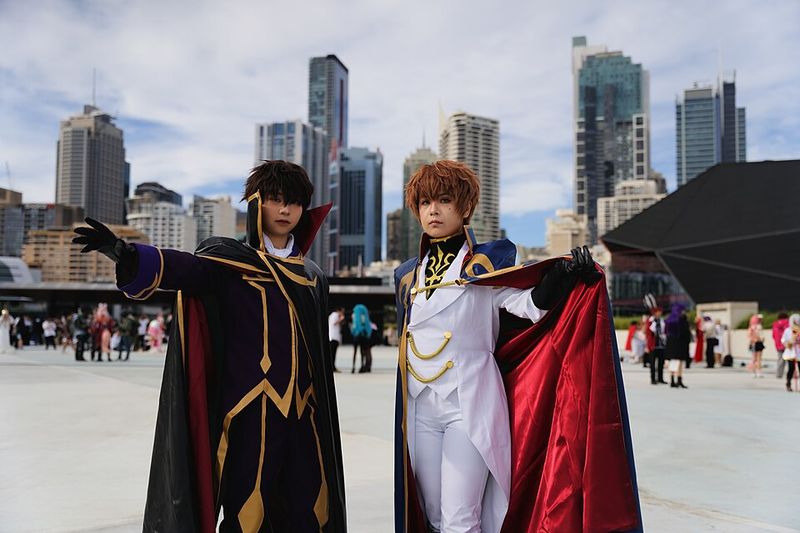
Rebellion against oppressive empires rarely succeeds through peaceful means.
Lelouch used manipulation, sacrifice, and morally gray tactics to liberate his conquered nation.
His argument was simple: you can’t defeat tyranny by playing nice.
Sometimes achieving justice requires becoming temporarily villainous.
The ends justifying the means became his operational philosophy, creating fascinating ethical dilemmas throughout.
8. Makoto Shishio – Rurouni Kenshin
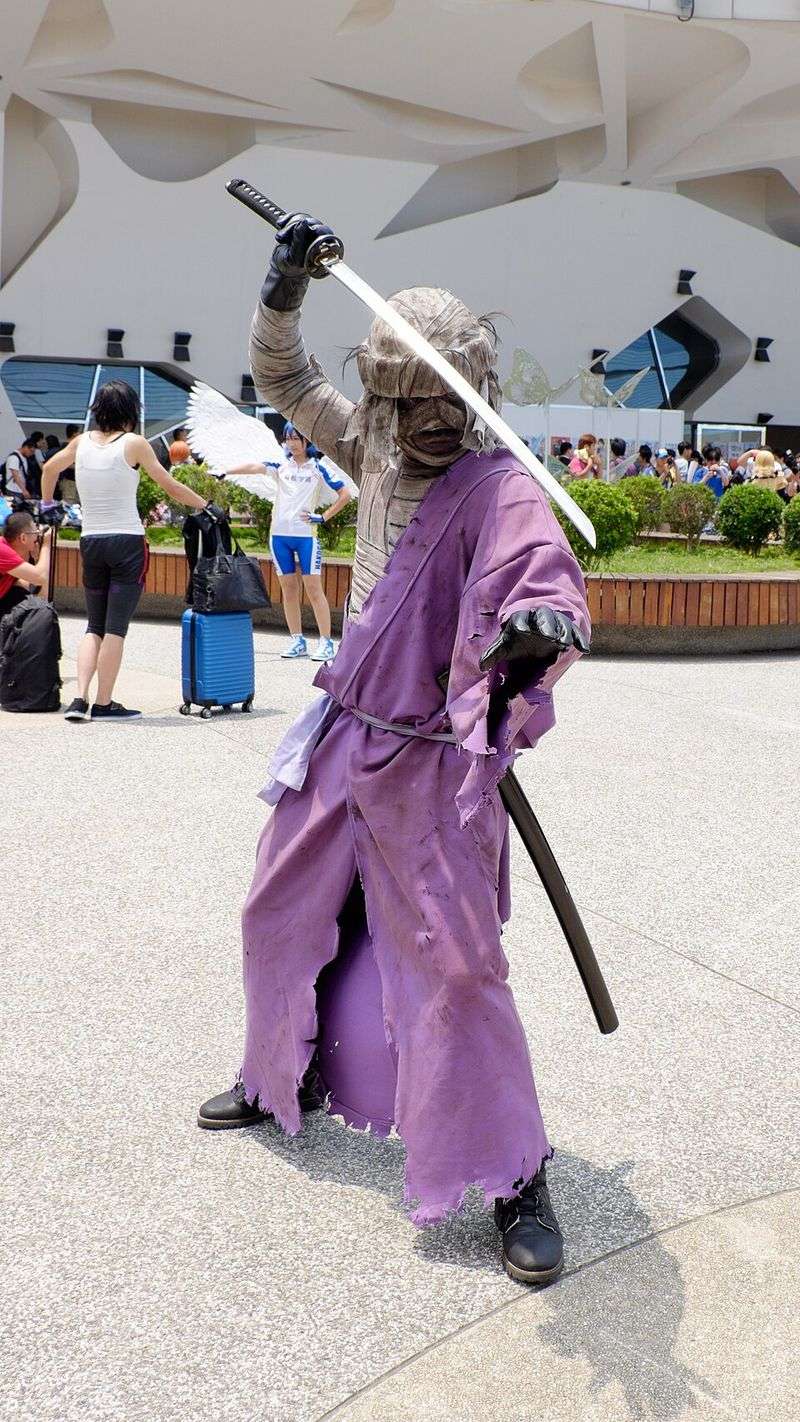
Betrayed and burned alive by his own government, Shishio survived through sheer willpower.
His philosophy that the strong should rule and the weak should perish came from personal betrayal.
Japan’s Meiji government preached equality while practicing corruption and hypocrisy.
His survival-of-the-fittest ideology challenged their false idealism with brutal honesty.
Sometimes victims of injustice make the most compelling critics.