17 Anime Villains Heroes Struggle To Put Away
Some villains go down once and stay there.
Others treat defeat like a suggestion and keep coming back like they forgot to read the script.
Power, planning, or just pure refusal to stay gone keeps them in the fight, and somehow every round feels harder than the last.
1. Frieza
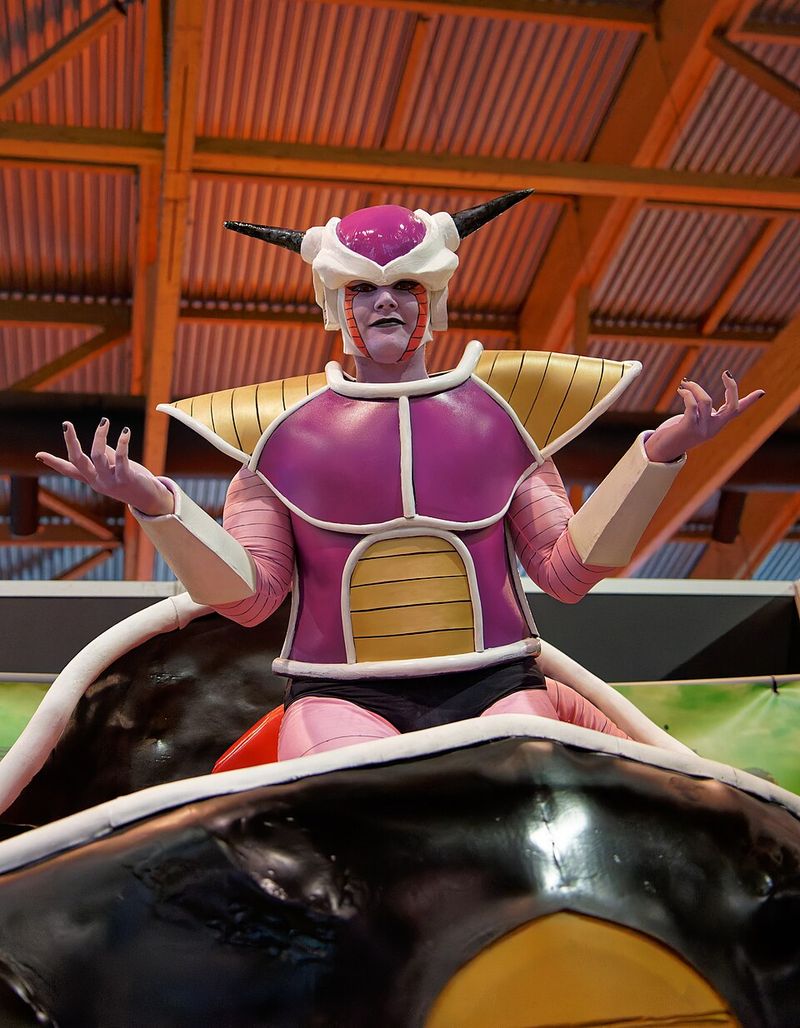
Cold, calculating, and wearing a smirk like it costs extra, Frieza is the kind of villain who treats total destruction like a display of power.
Goku powered up to Super Saiyan for the first time just to deal with this guy, and even that barely sealed the deal. Frieza kept coming back across multiple arcs, movies, and a whole new series like a bad habit nobody can shake.
The emperor of evil never clocks out.
2. Cell
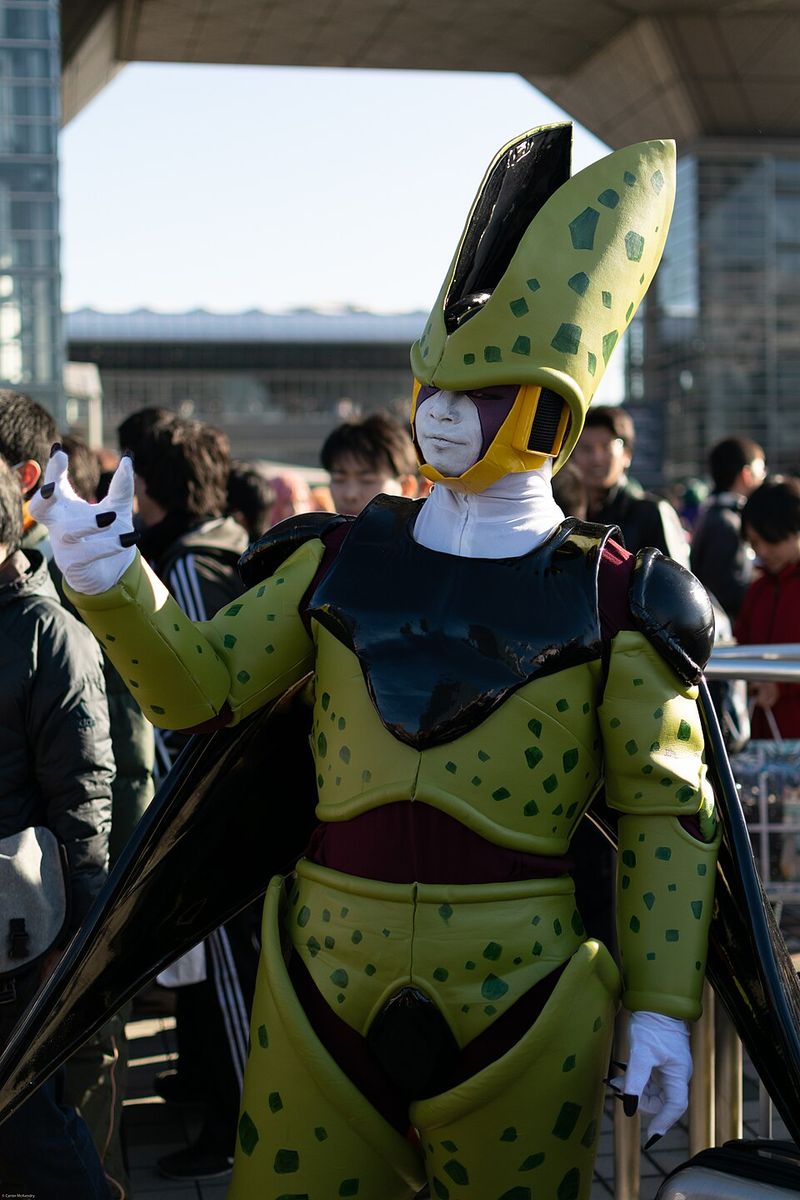
Built from the DNA of the world’s greatest fighters, Cell arrived like a science experiment gone gloriously wrong, absorbing androids and growing stronger with every meal.
Cell Games arc stretched tension so thin viewers could barely breathe while watching Gohan finally snap.
Even after being blasted to atoms, regeneration from a single cell kept him in play, as if survival came built into every molecule. Science class never looked this unnerving.
3. Majin Buu
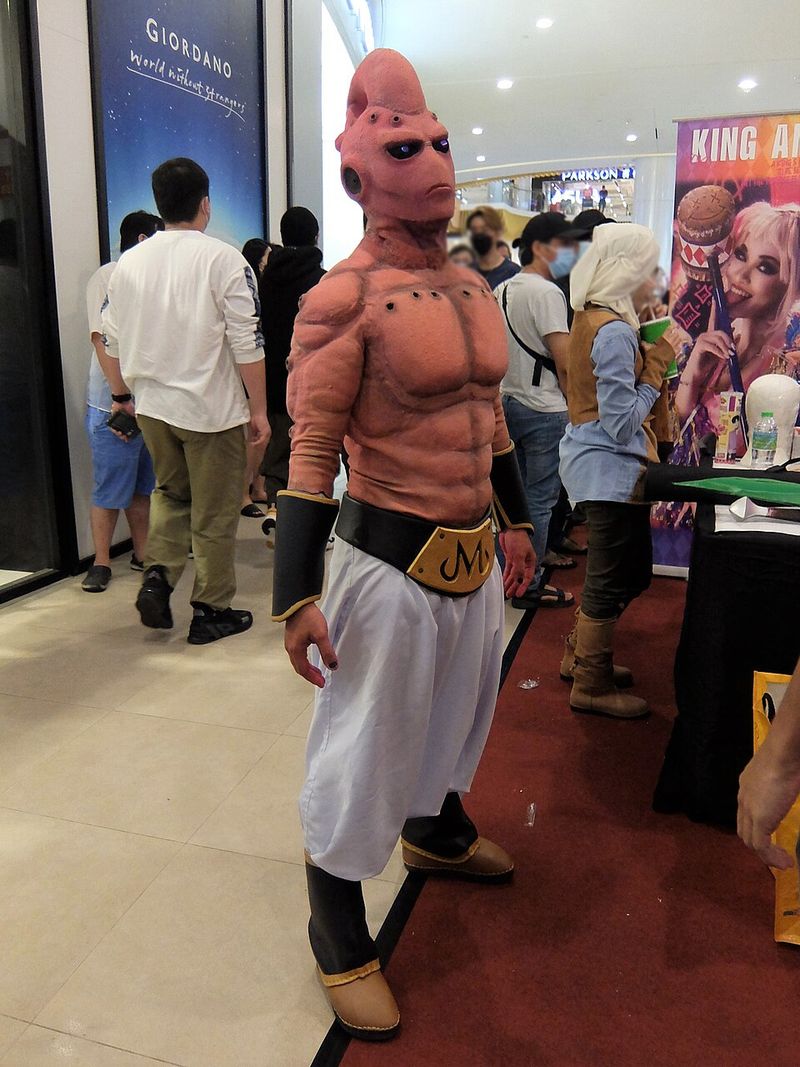
Looking like a bubblegum mascot gone completely off the rails, Majin Buu makes turning entire cities into candy feel even more unsettling. Fusion, spirit bombs, and every trick in the playbook came into use before real progress happened.
Buu kept splitting into new, angrier versions of himself, making the whole threat worse every time.
Even Buu’s strangest abilities still felt dangerous.
4. Goku Black
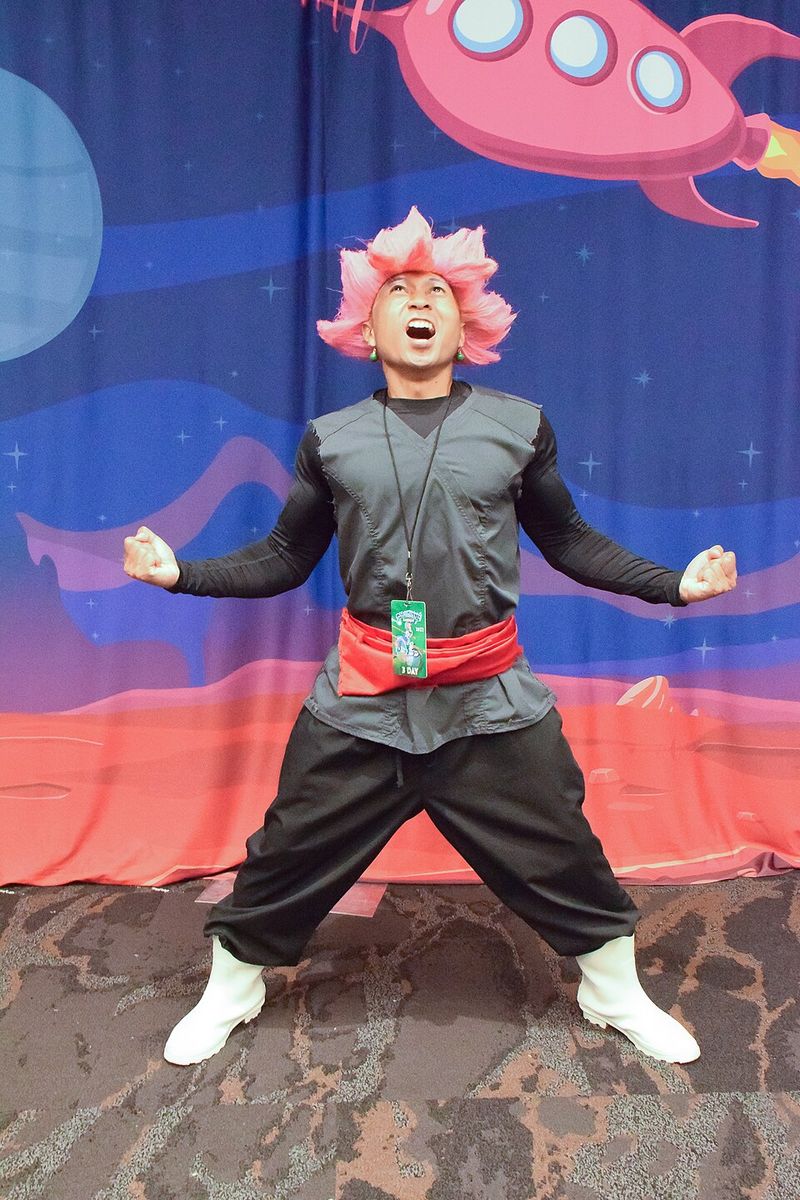
Favorite hero reappears with a darker purpose, wearing the same face and using the same moves in a way that feels deeply unsettling. Goku Black adds a new layer of dread because every fight carries a personal edge no other villain quite matched.
Paired with Zamasu, the duo turns the future timeline into a bad place that takes divine intervention to untangle. That familiar face makes the whole threat feel even more personal.
5. Orochimaru
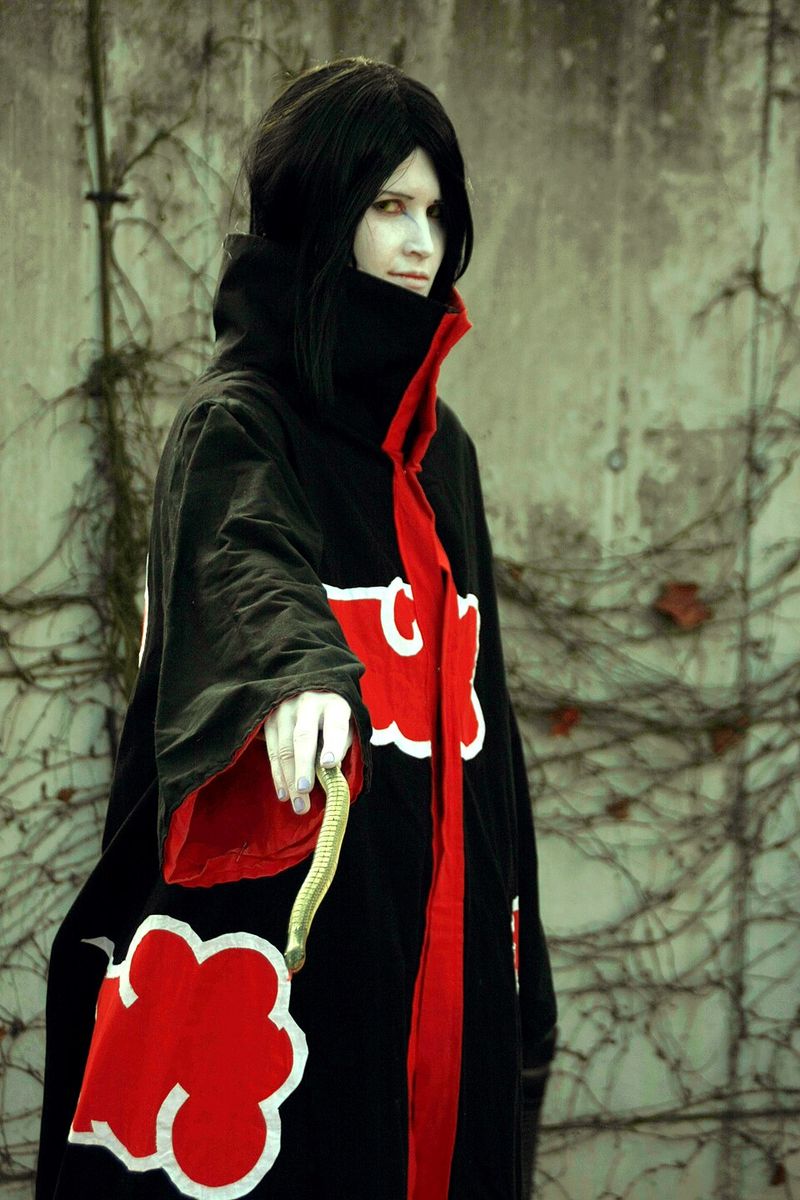
Nobody in the ninja world has caused more long-term chaos from the shadows than Orochimaru, the ninja who turned immortality research into a long-running source of chaos.
Stopping him felt nearly impossible because he could abandon bodies, transfer himself into new hosts, and later return even after apparent defeat. Even after years of storylines, he never fully switched sides or fully got stopped, just sort of… hovered nearby.
Snakes have never felt so personal.
6. Madara Uchiha
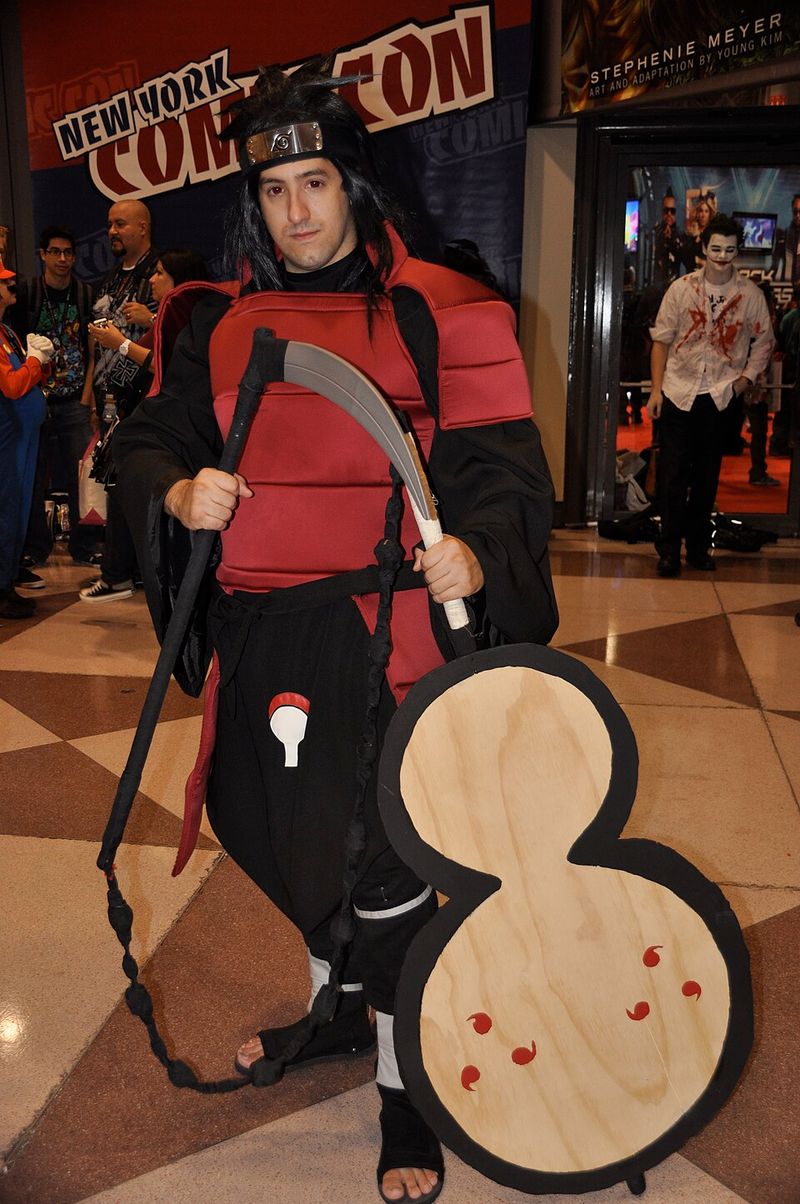
Walking onto the battlefield and casually smacking an entire army of shinobi like they were napkins feels like Madara’s version of a warm-up.
Power on that level forced opponents into desperate measures involving cheating life, divine intervention, and plans decades in the making.
Every fight became a masterclass in despair, leaving even the strongest heroes looking dramatically outmatched. Legends earn their reputation for a reason.
7. Obito Uchiha / Tobi
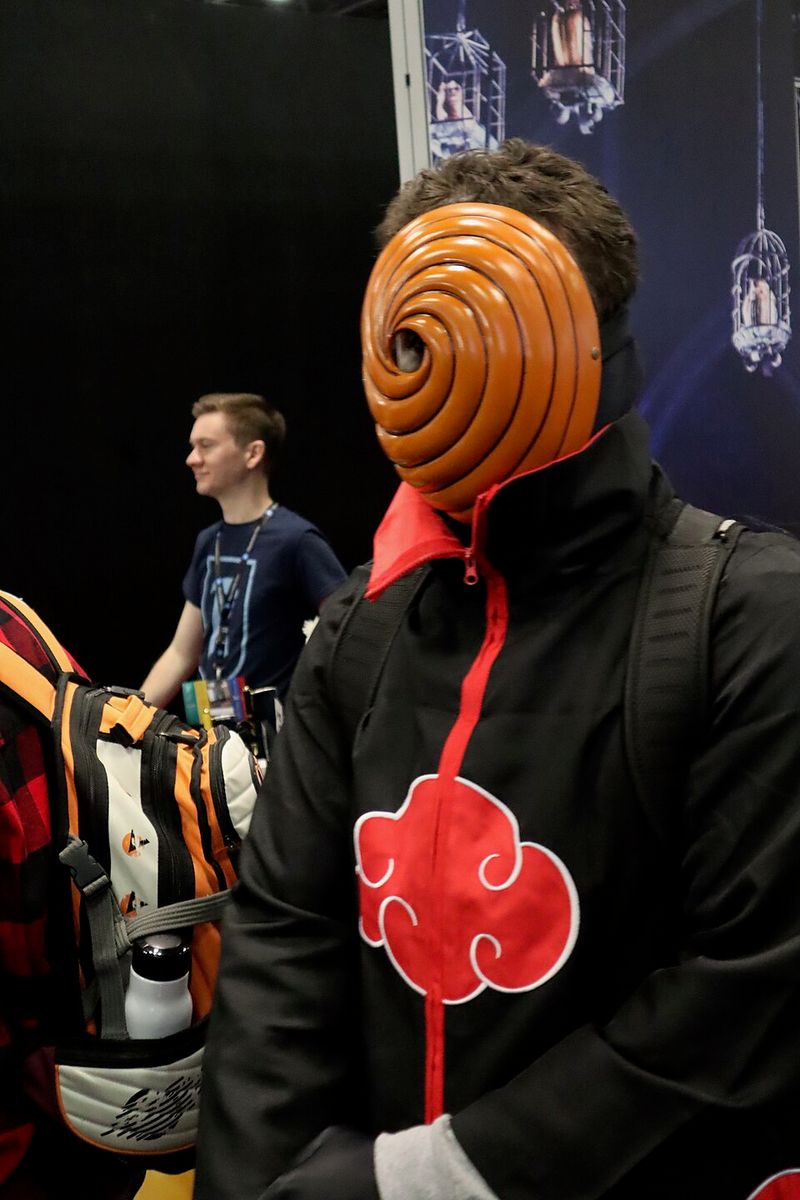
Goofy sidekick energy carried him through a long stretch of the series, which made the identity reveal land like a gut punch. True role behind nearly every major tragedy only made the shift harsher, with grief hidden behind a mask and a plan aimed at ending the world.
Ability to phase through physical attacks already feels bad enough, and the emotional history underneath gives every fight even more weight.
Grief becomes the most dangerous weapon.
8. Itachi Uchiha
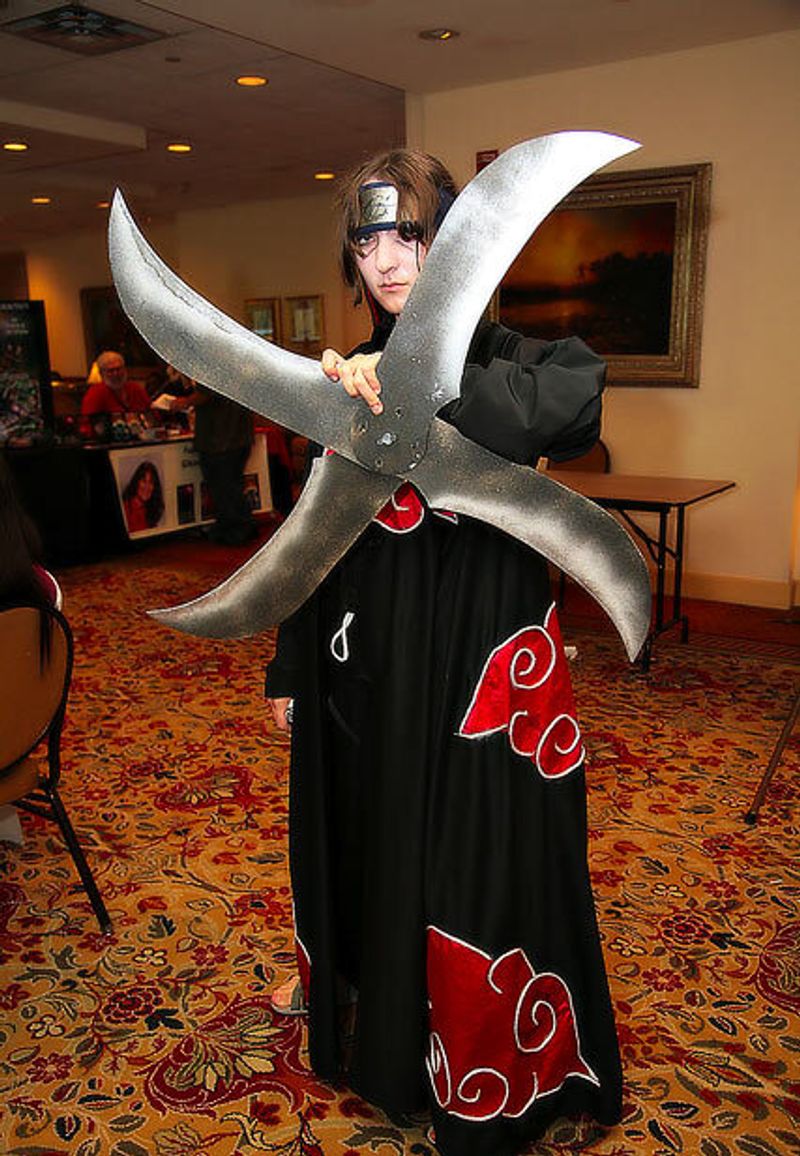
For most of the series, a heartbreaking, and oddly heroic villain emerges in the form of Itachi, which is a very full schedule.
Struggles to understand him, let alone stop him, defined much of what Naruto and Sasuke faced against someone always ten moves ahead of everyone else in the room.
With every genjutsu, the effect feels like opening a door into someone’s worst memory at full volume. Playing the villain demands real sacrifice.
9. Deidara
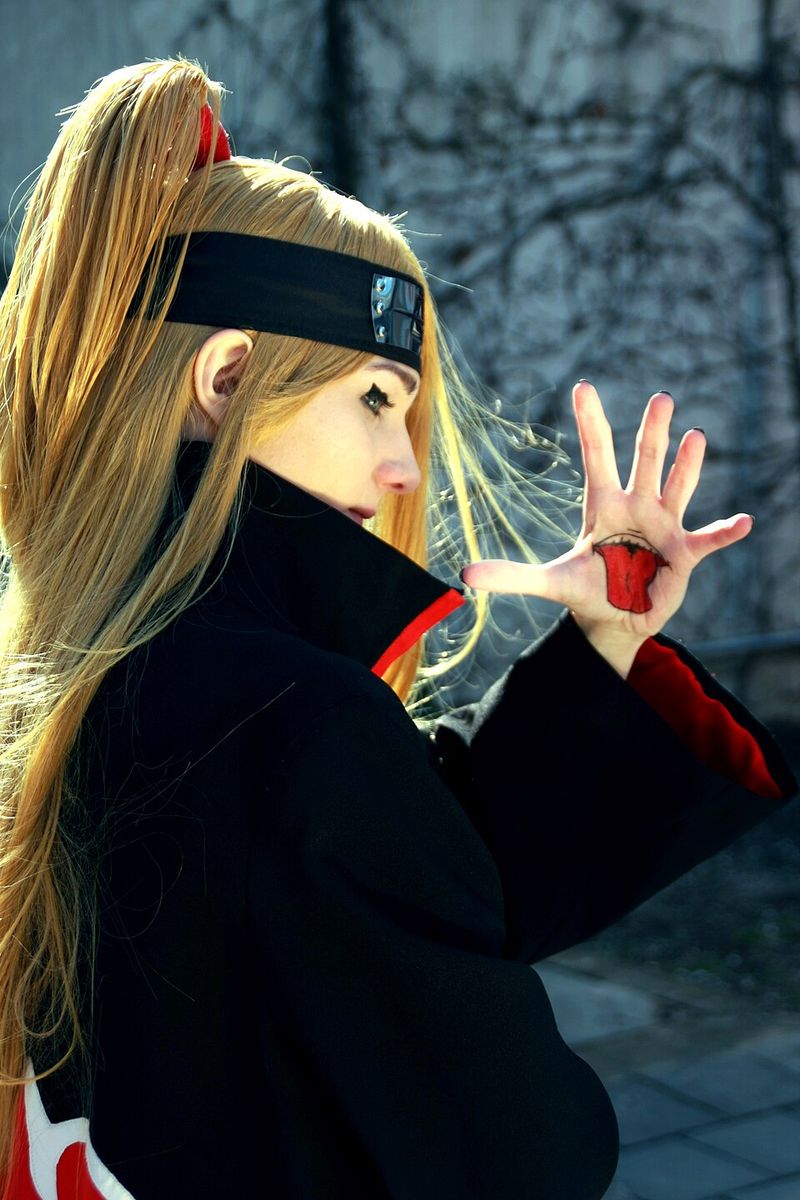
Art is an explosion, and nobody in the Akatsuki lived that philosophy harder than Deidara, who turned clay sculptures into devastating powers with a cheerful grin.
His battles were chaotic, fast, and visually spectacular, making him one of the hardest Akatsuki members to pin down in a fight. Even his final move leaned fully into self-destruction, because going out in style was always the whole point.
Commitment to the craft, honestly.
10. DIO
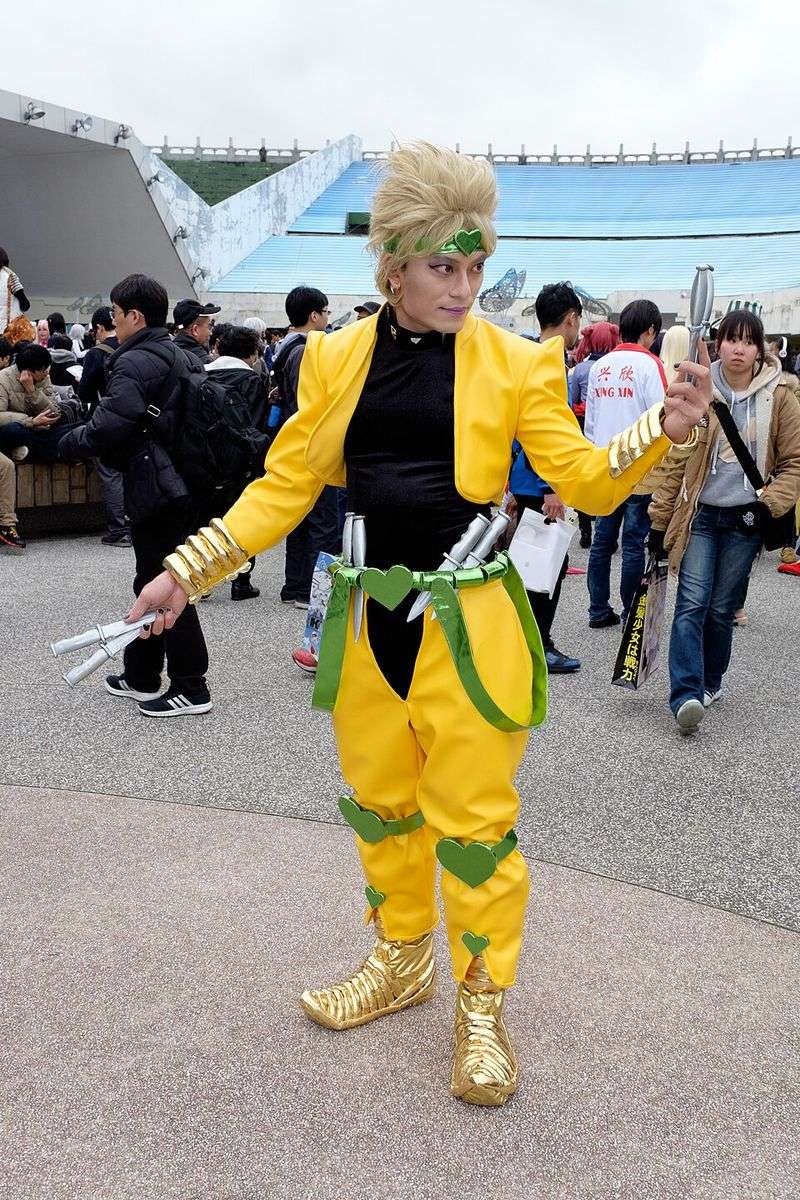
If you know, you know, and if not, picture a vampire with a god complex, a stolen body, and the power to stop time itself.
Century of plotting and power-building turns the chase into a globe-spanning drama as the Joestar family keeps closing in.
Final battle ranks among the most nail-biting in anime, pushing every second to the edge. Time stops for no one, except DIO.
11. Yoshikage Kira
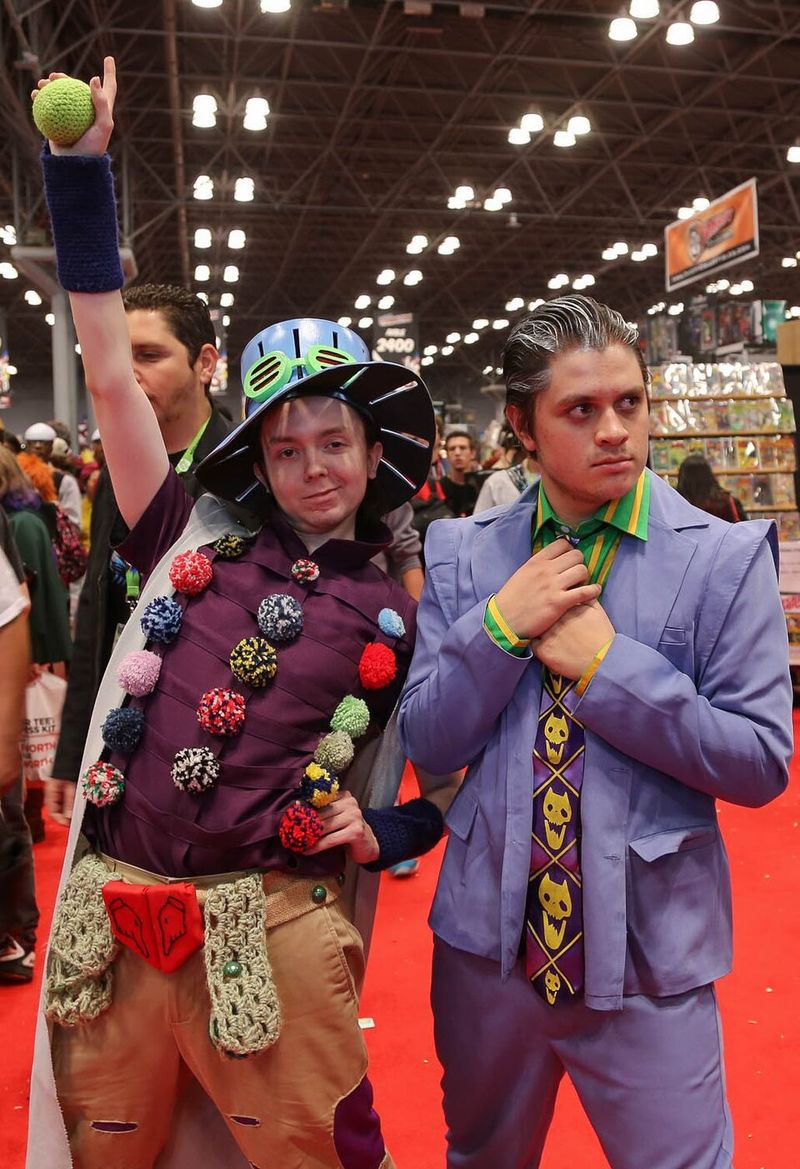
Most anime villains arrive with dramatic flair, while Kira preferred a quiet life, which somehow made him far more chilling than anyone shouting about world domination.
With Killer Queen, his Stand could turn anything into a bomb, and a time-resetting ability made every attempt to catch him feel like an inescapable loop. In a suburban setting, ordinary details like a broken nail or a stranger’s face start to feel genuinely ominous.
Normal becomes the scariest costume.
12. Griffith
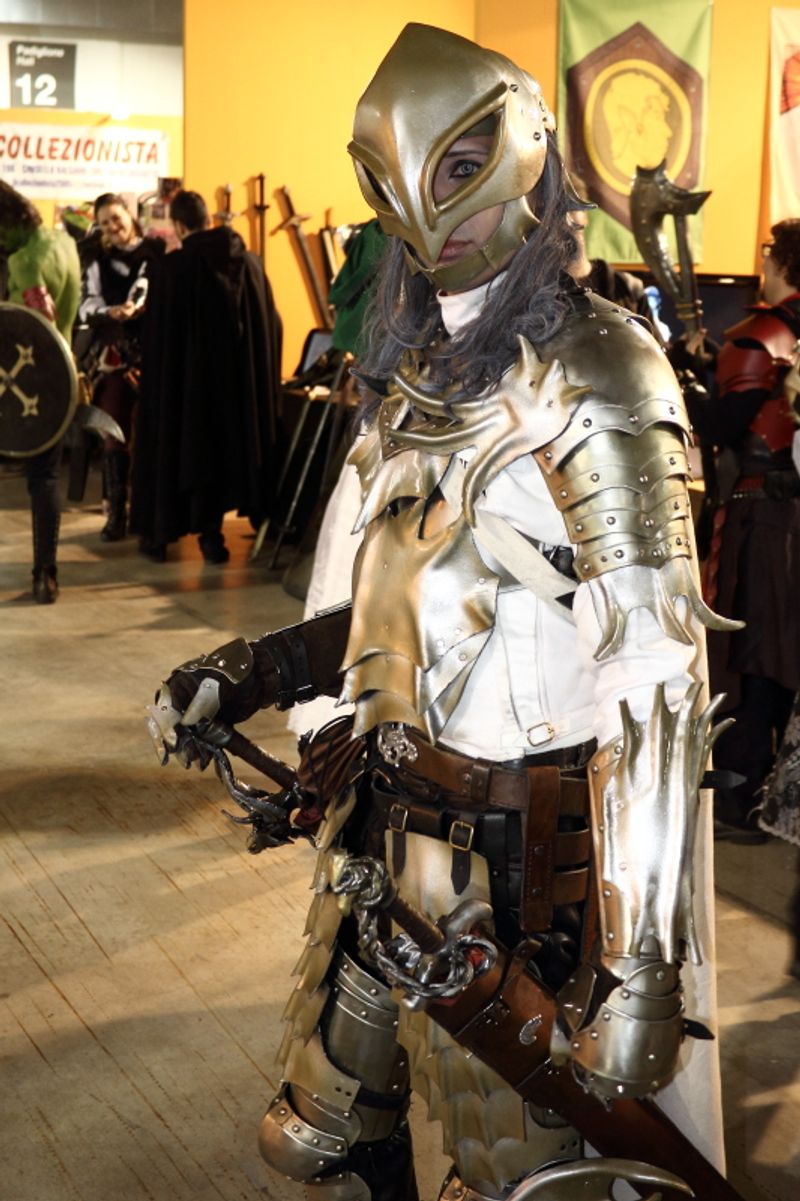
Few betrayals in anime history hit as hard as Griffith’s, a man who sacrificed everyone who trusted him to become a god, and then had the nerve to look serene about it.
His transformation into Femto during the Eclipse is one of the darkest sequences ever animated, leaving Guts broken in ways that take the entire rest of the series to even begin addressing. Griffith is the villain who made fans question whether hope itself was safe.
Beauty can be the sharpest blade.
13. Ryomen Sukuna
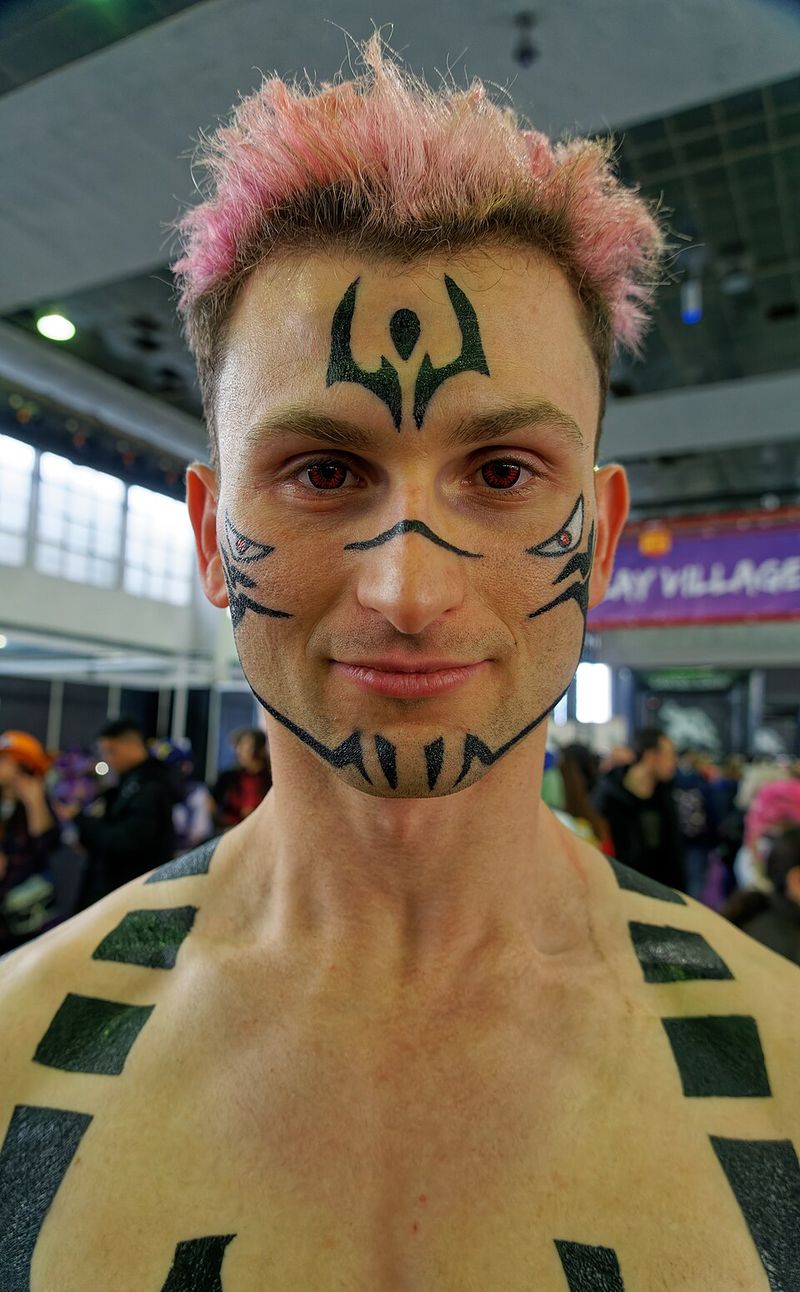
King of curses skips monologues, ignores negotiations, and treats power-up sequences like background noise, giving every scene with Sukuna a real sense of danger.
Life inside Yuji Itadori plays out like the world’s worst roommate situation, with control slipping at the worst possible moments and opponents getting dismantled without effort.
Even the strongest sorcerers treat a confrontation with Sukuna like a near-impossible risk. Kings do not explain themselves.
14. Makima
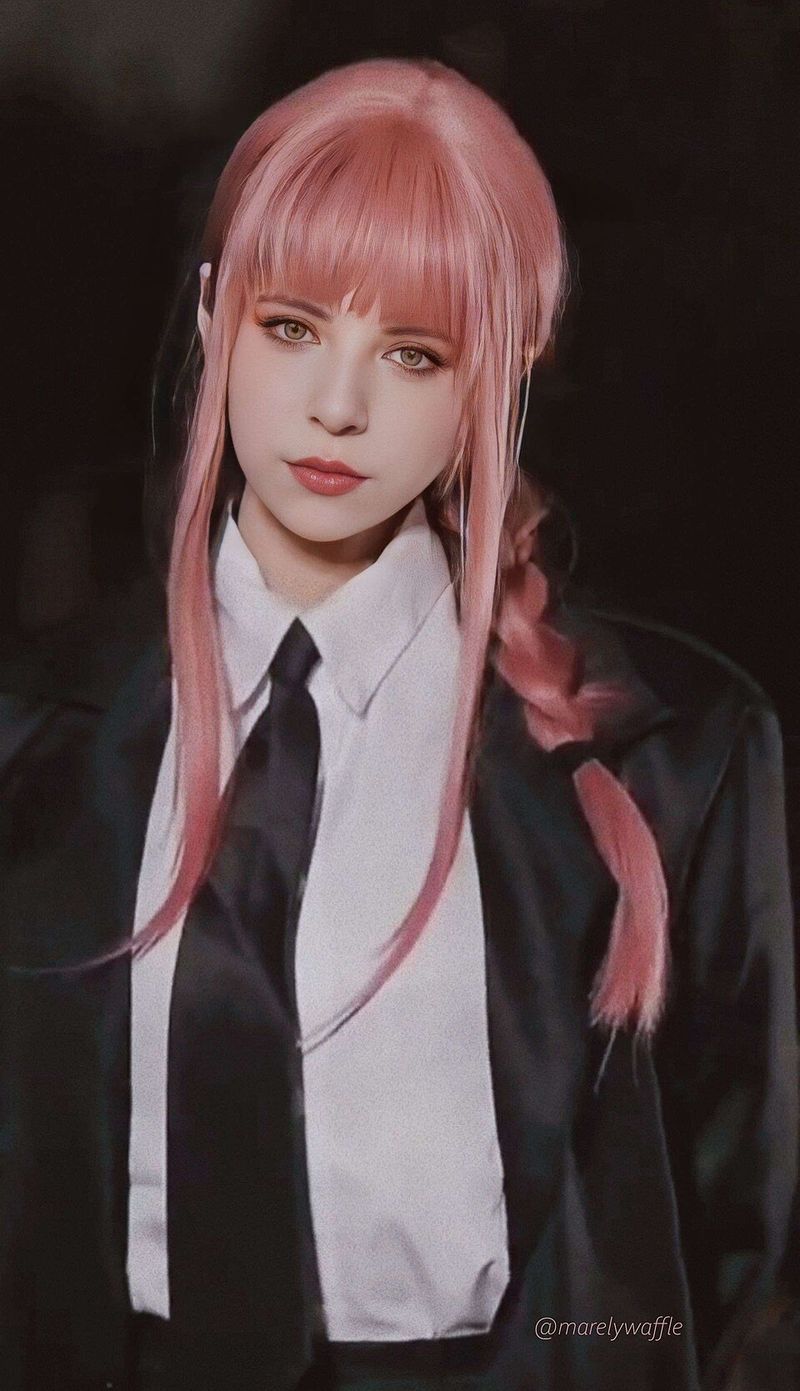
A calm smile carried through every terrible act makes Makima far more frightening than any amount of screaming or theatrics ever could.
With the ability to control anyone weaker and a form of regeneration that feels almost impossible to overcome, she remains untouchable for most of the series.
Denji’s eventual solution lands as creative, tragic, and strangely poetic in a way only Chainsaw Man can deliver. Control ends up wearing a very friendly face.
15. Sosuke Aizen
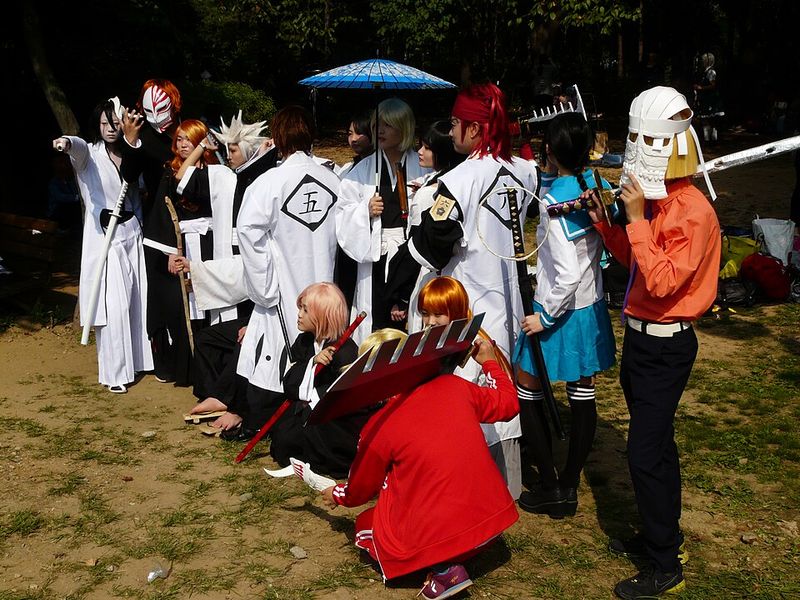
For years, a quiet figure sat in the background of Soul Society, wearing glasses and a kind smile while secretly orchestrating one of the most elaborate deceptions in anime history.
With a Zanpakuto capable of controlling all five senses, any fair fight became impossible by design.
Even after defeat and sealing, new layers of the plan kept surfacing, as if the game had never really ended. Quiet figures always have a plan.
16. Shishio Makoto
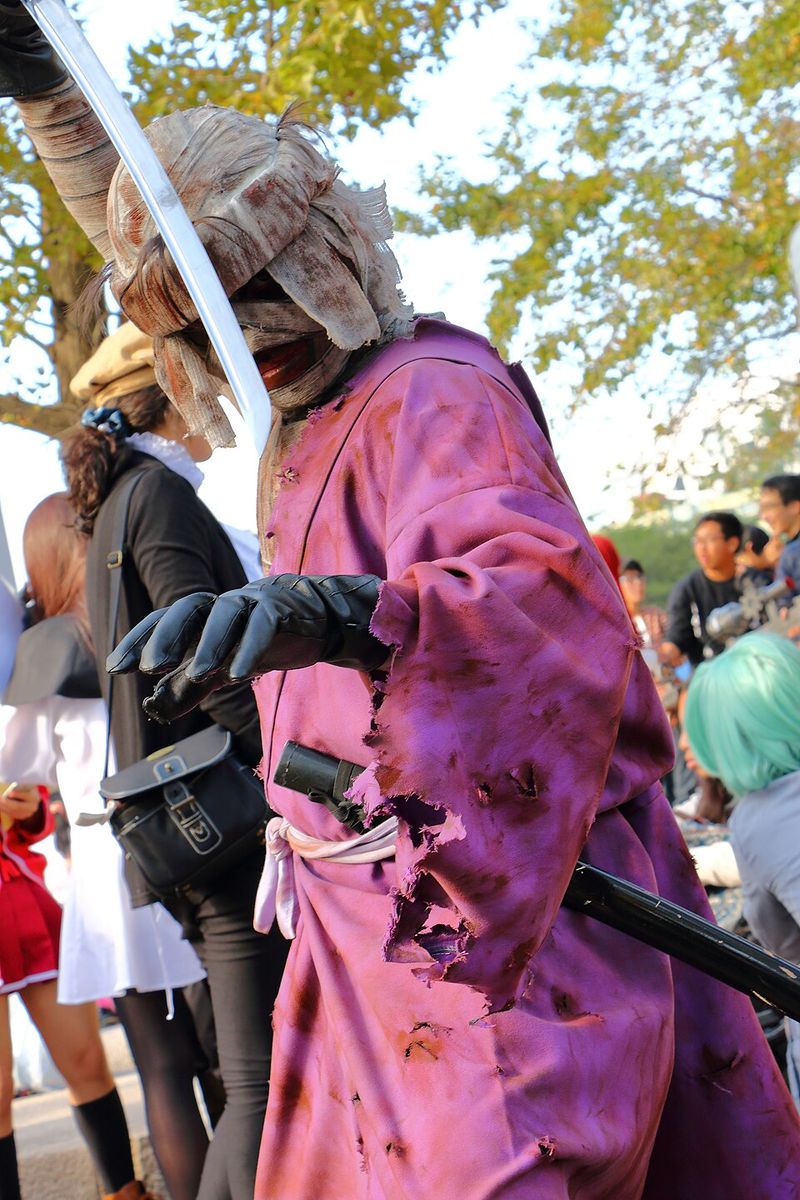
Bandages cover a body marked by extreme burns that permanently limit him, creating a presence that feels like a n*ghtmare carried out of the Meiji era with a precise grudge and an unnerving sword.
Shishio Makoto fights within limits his own body imposes, unable to sweat, turning every prolonged clash into a ticking clock for both sides.
Kenshin pushes further in this confrontation than in almost any other battle across the series. Survival itself becomes a weapon.
17. Naraku
Slippery, scheming, and allergic to staying dead, Naraku spent nearly the entire InuYasha series weaving webs of manipulation that trapped nearly every character in the show at some point.
Every time InuYasha’s group thought they were close to finishing things, Naraku shed a body part, created a new puppet, or revealed another layer of the plan nobody had noticed yet. Chasing him was like trying to catch smoke with your bare hands on a windy morning.
Naraku is defined by manipulation, patience, and refusal to go away.
Note: This entertainment feature reflects editorial analysis of anime antagonists whose powers, survival mechanisms, or narrative roles made them especially difficult to defeat for good.
Because many long-running anime series later reframe certain characters, judgments about who qualifies as a true villain can vary by arc, adaptation, or viewer interpretation.