
Anne Heche’s 7 Standout Movies And 4 That Missed The Mark
Hollywood careers can feel like a roller coaster, and Anne Heche certainly had her share of steep climbs and sudden dips.
One film shows off sharp talent and earns critics’ applause, while the next leaves audiences scratching their heads and checking the exit signs. Stories ahead take an honest look at where her filmography truly shines and where it occasionally trips over its own red carpet.
1. Standout: Walking And Talking (1996)

Before the big studio machines came calling, this quiet little gem proved Heche could anchor a sharp, emotionally honest story.
Director Nicole Holofcener gave the film a lived-in warmth, like overhearing your best friend vent over coffee. The film was warmly received by critics and quickly established Heche as a compelling screen presence.
Few early indie features feel this assured and natural.
2. Standout: Donnie Brasco (1997)

Standing alongside Al Pacino and Johnny Depp would challenge most actors, yet Anne Heche meets the moment without hesitation.
Supporting work from her performance adds emotional grounding to a film already packed with tension and grit.
Donnie Brasco remains one of the best-regarded crime dramas of its period. Presence from Heche gives the story an extra layer of humanity.
3. Standout: Wag The Dog (1997)

Sharp political satire drives Wag the Dog. Direction from Barry Levinson delivers a clever story about manufactured media spectacle and public distraction.
Prominent supporting role placed Anne Heche alongside Dustin Hoffman and Robert De Niro. Strong reception followed, and the film is still widely praised for its sharp writing and unnervingly timely satire.
With biting humor and clever media instincts, Heche maintained a high profile during a peak career phase.
4. Standout: Return To Paradise (1998)

Quiet reputation sometimes hides a film that deserves far more attention. Return to Paradise explores moral responsibility and the strain of friendship with a sincerity many thrillers never attempt.
With a humble profile, the film still managed to win a warm reception.
Anne Heche fills her scenes with real urgency, giving the dilemma a raw and personal edge.
5. Standout: Cedar Rapids (2011)

By 2011, ensemble comedies lived or died by their bench depth, and Cedar Rapids had plenty.
Heche slipped into this quirky indie world naturally, matching the film’s offbeat rhythm beat for beat. Critics responded warmly to the ensemble, and Heche fits neatly into the film’s offbeat comic tone.
It remains one of the more likable ensemble comedies of that period.
6. Standout: Rampart (2011)

Dark, uncomfortable, and deliberately unglamorous atmosphere surrounds Rampart, the kind of project that reminded audiences Anne Heche never stopped pursuing serious work.
The corrupt-cop story led by Woody Harrelson gives the ensemble cast room to work in a tense, abrasive register.
Serious supporting presence from Heche adds another layer of tension to the film’s uneasy world. Challenging, dark roles continue to captivate her, as this performance demonstrates.
7. Standout: Catfight (2016)
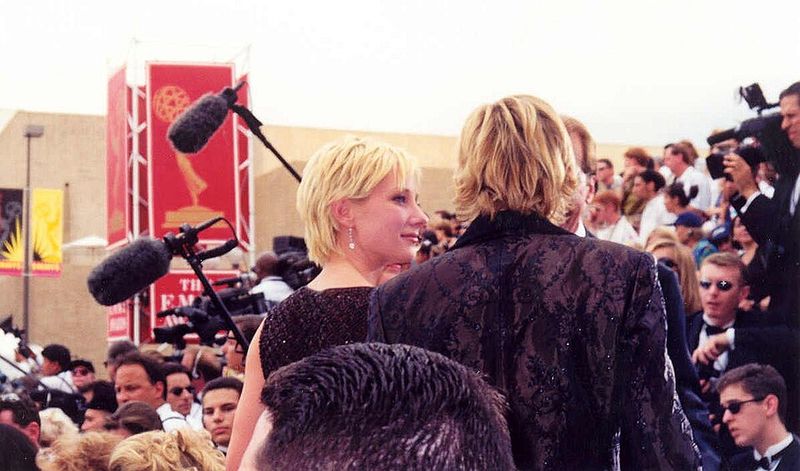
Late-career critical bright spots are rare, so Catfight deserves its flowers.
The dark comedy was weird, sharp, and deliberately chaotic in all the right ways. A 74% Rotten Tomatoes score confirmed that Heche still had the comedic instincts to make risky material land with style.
Even late in her career, Heche shone brilliantly in sharp, combative material.
8. Unremarkable: Psycho (1998)

Attempting a shot-for-shot remake of Hitchcock’s classic was always a risky bet.
Critical reactions turned sharply negative, and the remake was widely seen as an unnecessary experiment. Anne Heche approached Janet Leigh’s famous role with clear professionalism and commitment.
No amount of professionalism could counter the remake’s fundamental problem: it scarcely justified being made.
9. Unremarkable: Volcano (1997)

Summer disaster trend carried Volcano straight into theaters with lava, chaos, and citywide panic. Lead role from Tommy Lee Jones anchored the spectacle as Los Angeles faced an impossible geological nightmare.
Studio visibility certainly boosted attention, yet reception proved more divided.
Its 49% Rotten Tomatoes score reflects that mixed reception. Seen as a visual spectacle above all, the film left critics wanting more depth.
Impressive spectacle arrived in full force, while deeper storytelling remained thinner beneath the surface.
10. Unremarkable: I Know What You Did Last Summer (1997)

Commercial success does not always arrive with glowing critical praise, and this slasher hit proved that rule quite clearly. Strong ticket sales quickly turned the film into a box-office standout during its release.
Measured against Anne Heche’s stronger projects from the late 1990s, her appearance here remained relatively small, offering limited space to make a lasting impression.
11. Unremarkable: Six Days, Seven Nights (1998)

Pairing Harrison Ford with a tropical island setting looked like an easy win on paper, yet the results never quite matched the promise.
Despite its breezy ambitions, the film drew a mixed response and currently holds a 40% Rotten Tomatoes score. Anne Heche and Ford share genuine chemistry on screen, but the script repeatedly lets the spark slip away.
Resulting adventure feels less like an exciting escape and more like a missed connecting flight.
Important: This article is based on publicly available film credits, review-aggregation data, critical consensus, and retrospective coverage of Anne Heche’s screen career.
Judgments about which titles count as standouts or lesser entries are editorial interpretations shaped by critical reception, role significance, and lasting reputation.



.jpg)

.jpg)


.jpg)

.jpg)

_(cropped).jpg)