12 Artists The Industry Championed Without Long-Term Buzz
Everyone remembers the superstars, but plenty of artists once arrived with major backing and equally big expectations. Billboards.
Radio deals. Magazine covers.
And still, the spotlight moved on. These artists had everything except staying power.
1. Ashlee Simpson

Back in the mid-2000s, Ashlee Simpson seemed to be everywhere at once, with a reality show, a hit debut album, and a widely watched performance spot before she had even turned 21.
Late-night comedians feasted on the Saturday Night Live lip-sync mishap, but the music itself had edge and energy. Her debut album sold more than five million copies worldwide.
Few young stars received a bigger early push. Once the headlines changed, however, staying power proved much harder to hold onto.
2. Samantha Mumba

Out of Dublin came Samantha Mumba, whose debut single broke into the top five on both sides of the Atlantic, a rare feat for any newcomer. Label support was clearly there from the start.
Magazine covers followed, along with a role in a Hollywood film, and everything pointed toward a long run in the spotlight.
Then the energy seemed to vanish almost overnight. Momentum slipped away, and the second album faded with barely any noise at all.
3. Orianthi

Michael Jackson personally chose Orianthi to be his lead guitarist for the This Is It tour, which was about as strong an industry endorsement as a rising guitarist could receive.
Her single According to You charted well and showed off serious pop instincts alongside her shredding skills.
Guitar heroines are rare, and she had the chops to fill that space. Somehow, a blockbuster solo career never materialized the way everyone expected.
4. Kat DeLuna

Pure movement was built into “Whine Up,” the kind of song that could turn walking through the front door into an instant dance break.
Kat DeLuna brought a huge voice and a dancehall-pop sound that felt easy to market and even easier to sell. Her label pushed hard, and the song became a genuine international hit.
Even with all that working in her favor, the follow-through never matched the launch. Few pop careers felt more ready-made for a longer run.
5. Jay Sean

History was on Jay Sean’s side when “Down,” featuring Lil Wayne, made him the first UK urban act ever to top the Billboard Hot 100 and the first British act to do so since Coldplay in 2008. That kind of moment usually opens the door to years of major-label momentum.
Cash Money Records had him, radio embraced the sound, and the numbers backed the push.
Instead, later releases never reached the same height. Before long, attention had shifted elsewhere, as it so often does in pop.
6. Daniel Bedingfield
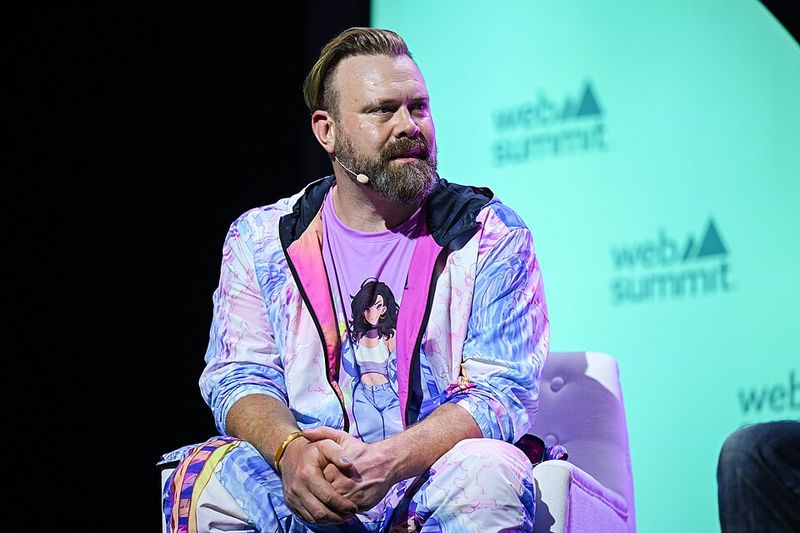
Bedroom-pop success stories were not nearly as common when Daniel Bedingfield recorded “Gotta Get Thru This,” then watched it rise all the way to number one in the UK.
Press and fans loved the homemade angle, but the songs themselves gave him staying power early on. His ballads also showed emotional depth that many polished pop acts never manage to fake.
Commercially, though, the long game never fully happened. Early promise was obvious, yet the momentum gradually leveled off.
7. Natalia Kills
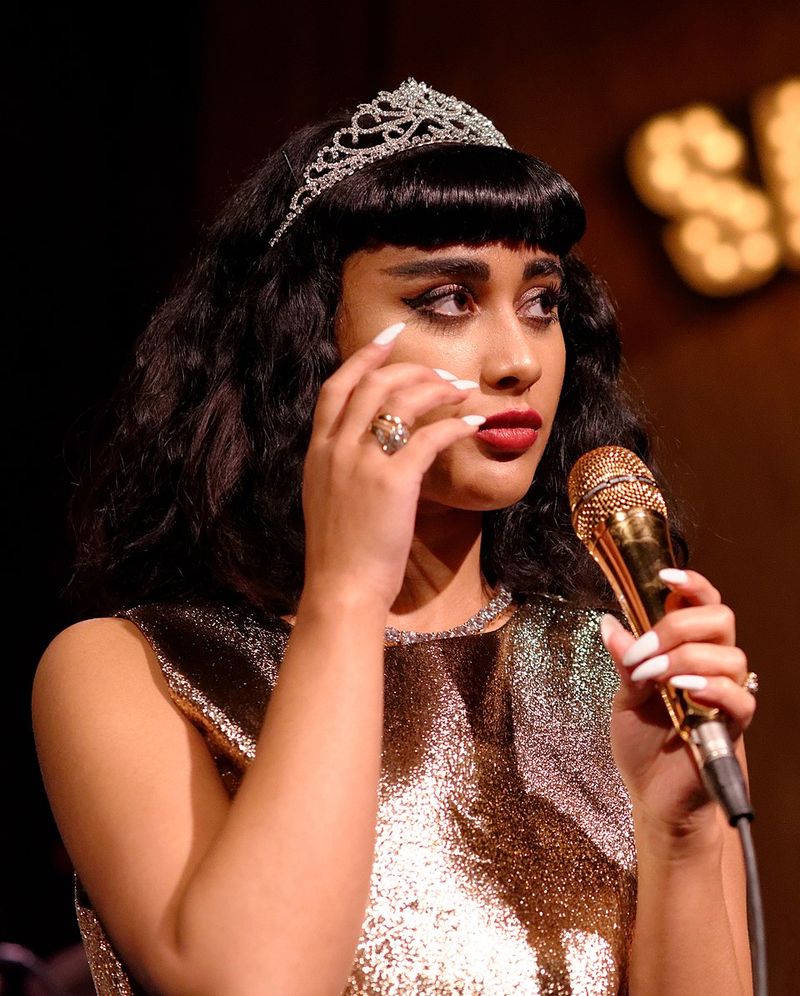
Dark pop with a sharp visual identity helped Natalia Kills stand apart, and a debut album released through will.i.am’s label gave her a serious platform.
Critics responded well to Mirrors, and her aesthetic felt distinct in a field crowded with safer, more familiar choices.
For a while, the runway looked real rather than temporary. After one highly public controversy on television, that momentum cracked in a way her career never truly recovered from.
8. Neon Hitch

Nothing about Neon Hitch was easy to forget, which made her label’s description of her as part pop star and part carnival feel strangely accurate.
Warner Bros. gave her meaningful backing, major collaborations came through, and her circus-pop image built a loyal niche following. Her voice only added to the sense that something big was being built.
Yet the full debut album never officially arrived. In the end, the whole rollout seemed to disappear before the tent was fully raised.
9. Jesse McCartney

For plenty of teen listeners in 2004, “Beautiful Soul” felt unavoidable in the most polished, radio-friendly way possible.
Looks, training, and an acting-based fanbase gave Jesse McCartney an advantage that most first-time pop acts could only hope for. His label also treated him like someone built for a long commercial run.
Growing past that teen-idol phase proved much harder.
Each release brought smaller peaks, and adult audiences never fully followed.
10. JoJo

At just thirteen, JoJo became the youngest solo artist to top Billboard’s Mainstream Top 40 chart, and her voice made that achievement feel completely earned.
Then the story took a frustrating turn.
Blackground Records kept her tied up in a legal dispute for years, preventing new music from reaching the public.
Few careers show the gap between talent and timing more clearly. Her ability never disappeared, but those stalled years changed the whole trajectory.
11. Blu Cantrell

Revenge songs do not get much more memorable than “Hit ’Em Up Style,” which gave listeners a bold, satisfying anthem with real attitude behind it.
Arista Records positioned Blu Cantrell as a major R&B presence, and the early returns justified that confidence. Bittersweet followed with polished production and strong vocals throughout.
Radio, however, moved on quickly.
What looked like the start of a bigger second act ended up stopping short.
12. Cassie
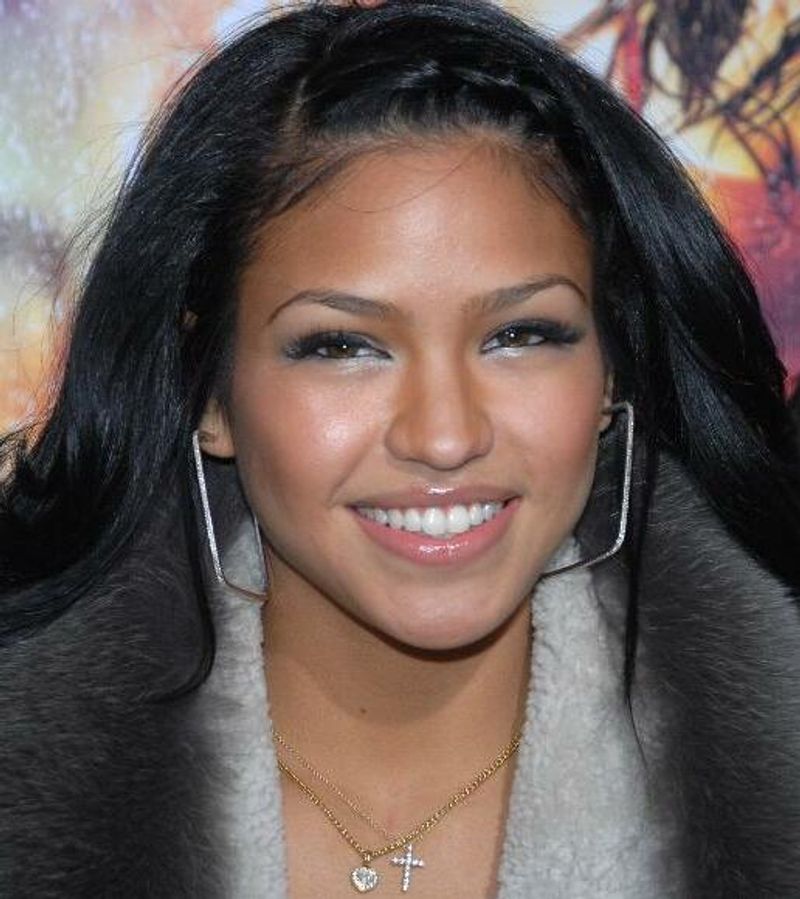
Cassie’s self-titled debut single Me and U was so smooth it practically had its own satin finish, and Bad Boy Records treated her like the label’s next signature star.
The single went platinum and her look became genuinely iconic, inspiring a half-shaved hairstyle that spread across every campus within months.
A full album rollout stalled repeatedly, and the music world kept moving without her. She remained in the cultural conversation, just never quite on her own musical terms.
Note: This article revisits artists who received major label support, strong media visibility, or early chart momentum but did not sustain the same level of mainstream attention over time. Because music careers can be shaped by label disputes, changing trends, public controversies, and shifting audience tastes, commercial outcomes do not always reflect talent or influence alone.
The piece is intended as an entertainment-focused retrospective on pop-industry momentum and public visibility.