Austin, Nevada And The Rugged Quiet That Defines Its Silver-Age Past
High on Nevada’s lonelier stretches, Austin rises out of the desert with a rugged calm that feels almost timeless.
Sunlight settles on old buildings, wind slips through narrow streets, and the quiet carries the weight of stories shaped by its silver-age roots.
It’s a place defined not by noise or crowds, but by the steady, enduring character of the high desert itself.
The Silver Rush That Started It All
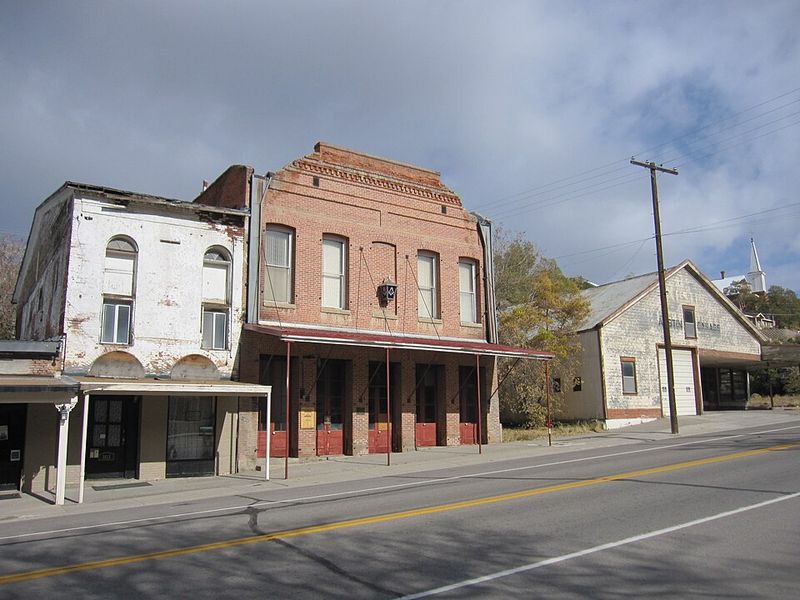
Back in May 1862, a Pony Express station keeper named William Talcott stumbled upon silver ore that would change everything.
His discovery sparked one of Nevada’s most significant mining booms, drawing thousands of prospectors to these remote mountains.
Within months, Austin transformed from empty wilderness into a bustling camp filled with fortune seekers.
The rush created instant wealth for some and heartbreak for others.
Reuel Colt Gridley And His Famous Sack of Flour
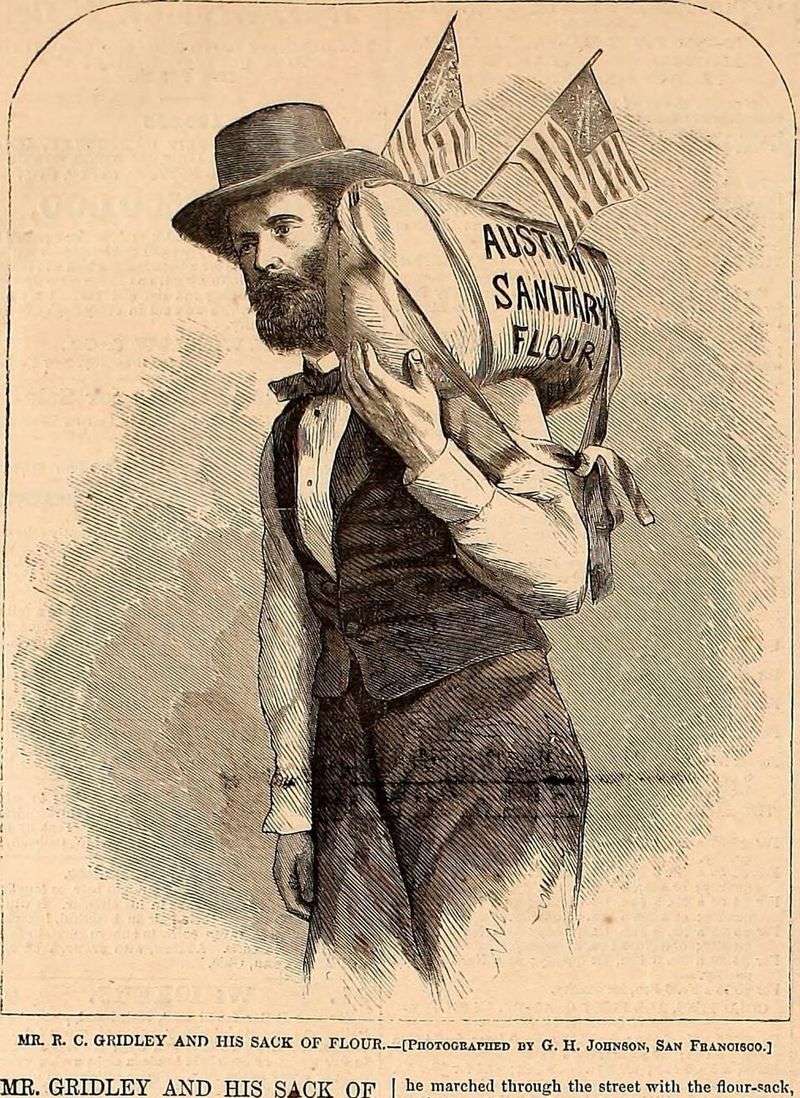
One of the most bizarre stories from Austin involves a flour sack that raised over $275,000 for charity.
Reuel Gridley lost an election bet and had to carry a 50-pound flour sack through town while his opponent’s band played.
Instead of ending there, Gridley auctioned the sack repeatedly across the country.
Each buyer donated it back for another auction, benefiting Civil War relief efforts nationwide.
Gridley Store Building
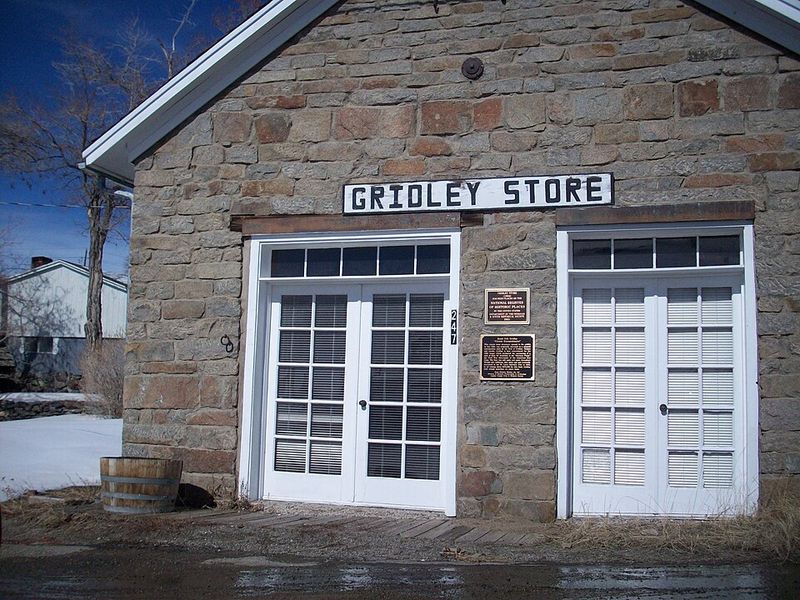
Named after the famous flour sack man, the Gridley Store building represents typical commercial architecture from Austin’s prosperous period.
Its thick brick walls kept interiors cool during scorching summers and warm during frigid winters.
General stores like this served as community hubs where miners bought supplies, exchanged gossip, and received mail.
The building’s survival showcases superior construction methods that outlasted countless wooden structures destroyed by fire or decay.
Stokes Castle Standing Tall
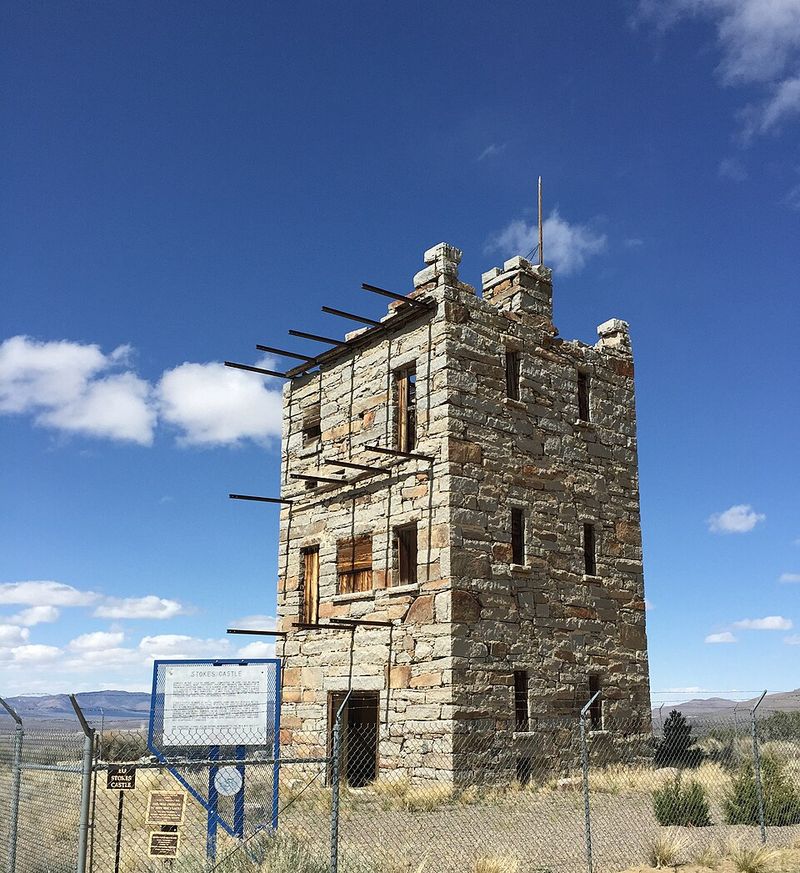
Rising from the desert like something from a fairy tale, Stokes Castle is a three-story granite tower built in 1897.
Mining magnate Anson Phelps Stokes constructed this unusual summer home modeled after Roman towers he admired in Italy.
The family only used it for a few months before abandoning it completely.
Today, visitors can explore the exterior and imagine life in this peculiar desert mansion.
St. Augustine’s Catholic Church
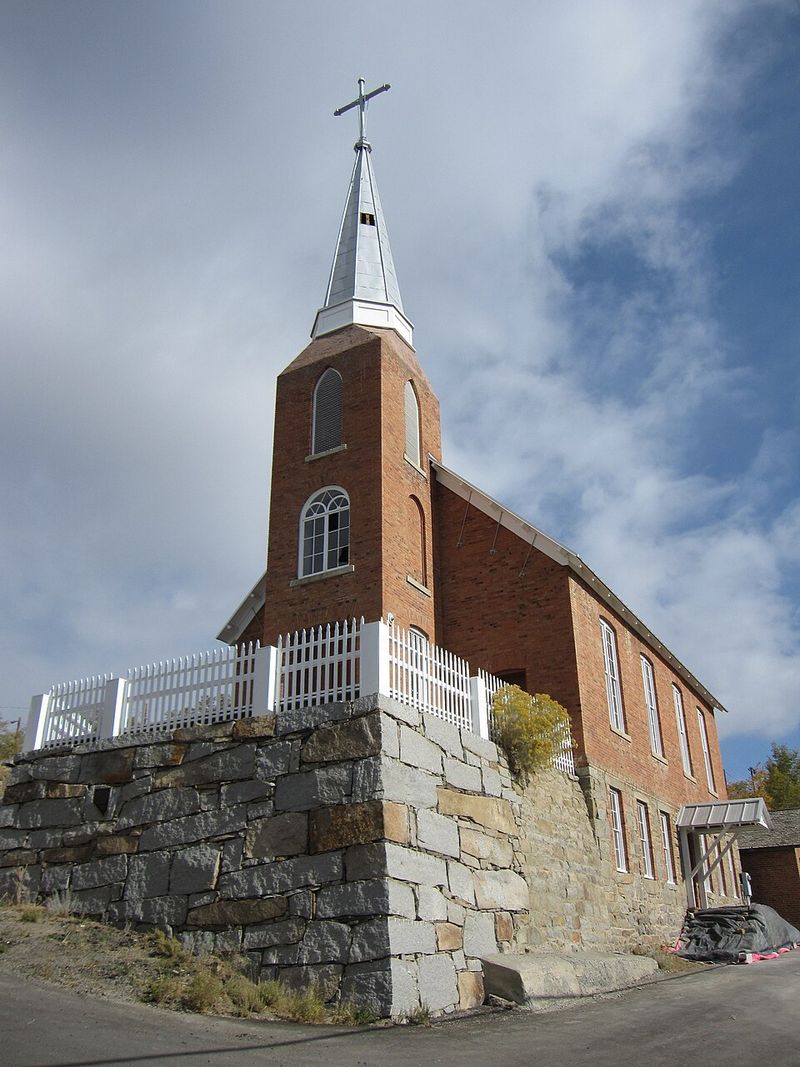
Perched dramatically on a hillside, St. Augustine’s stands as Nevada’s oldest Catholic church still holding services.
Built in 1866, its white steeple pierces the sky like a beacon visible for miles around.
The church required massive effort to construct at such elevation.
Parishioners hauled materials up the steep slope by hand, demonstrating their dedication to creating a spiritual home in this rugged frontier town.
The International Hotel
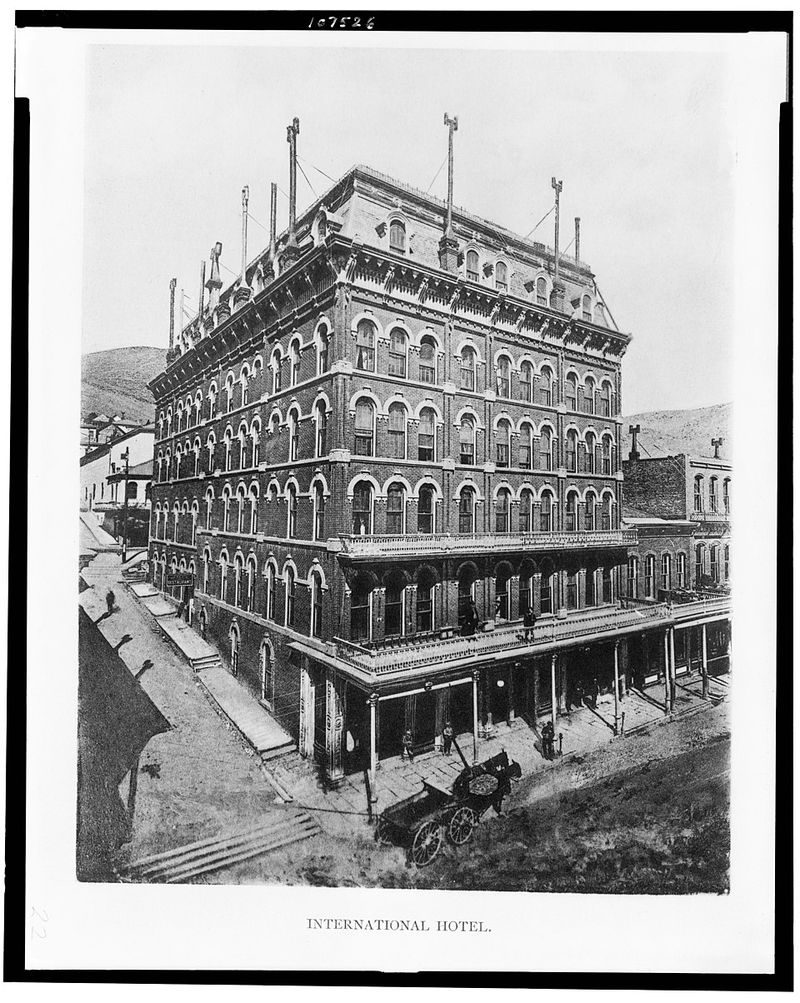
Mark Twain himself supposedly stayed at this impressive three-story brick establishment during Austin’s glory days.
The International Hotel represented luxury in the middle of nowhere, offering weary travelers comfort after long desert journeys.
Though no longer operating as a hotel, the building remains an architectural treasure.
Its sturdy construction has weathered over 150 Nevada winters, proving the craftsmanship of frontier builders.
Population Decline Through The Decades
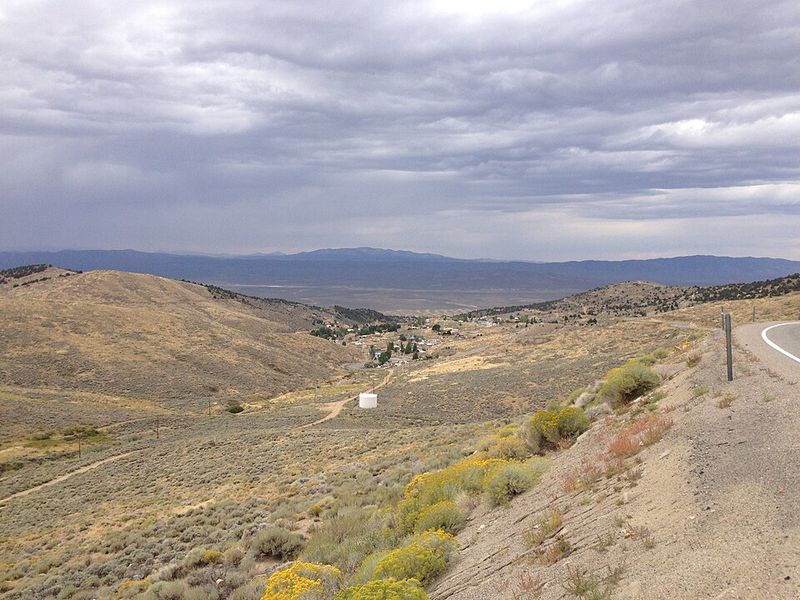
Austin’s population tells a story of boom and bust typical of mining towns.
From nearly 10,000 residents in the 1860s, the town now hosts fewer than 200 permanent inhabitants.
When silver prices dropped and mines played out, families packed up and moved to newer boomtowns.
Those who remained developed a special resilience and fierce pride in their community.
The Toiyabe Range Backdrop
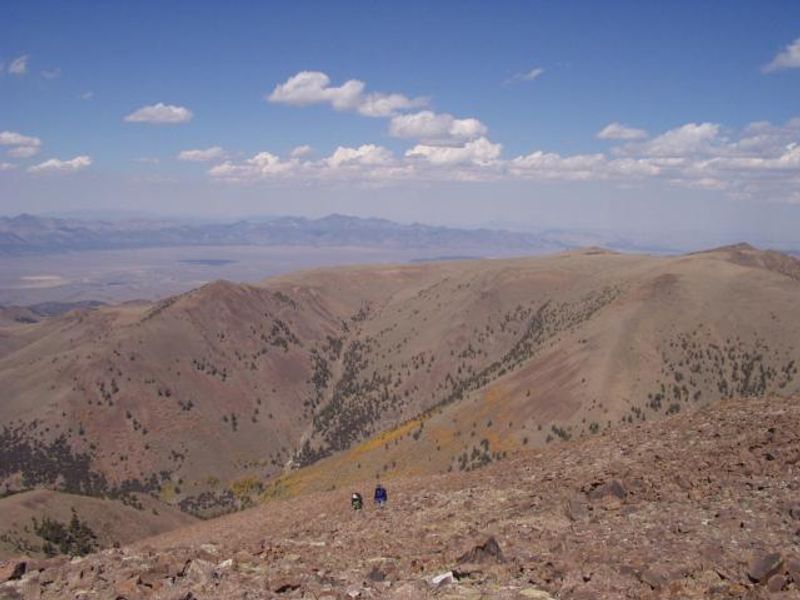
Austin sits at 6,575 feet elevation on the western slope of the Toiyabe Range, surrounded by some of Nevada’s most dramatic mountain scenery.
These ancient peaks provided the silver that built the town and continue to define its character.
The mountains create a microclimate with cooler temperatures than surrounding deserts.
Snow blankets the peaks in winter while summers remain surprisingly pleasant for Nevada standards.
Highway 50 The Loneliest Road
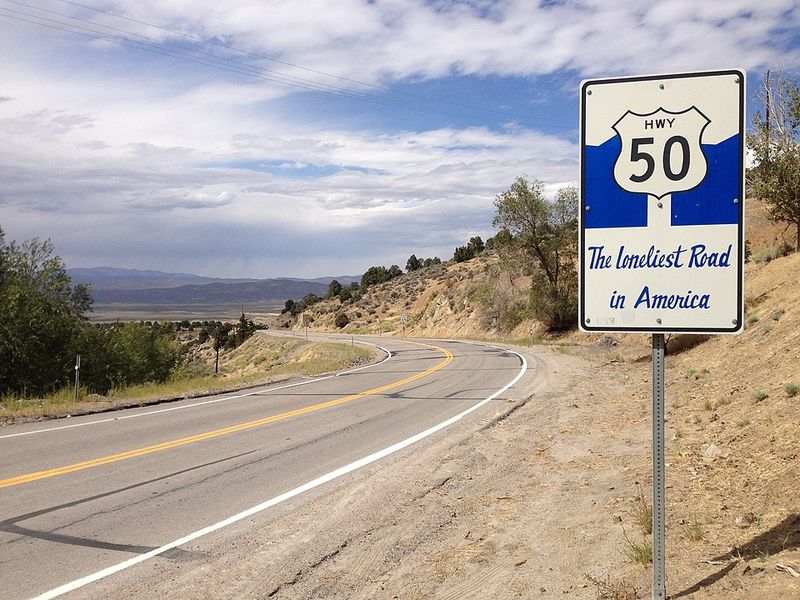
Austin serves as one of the few outposts along Highway 50, famously dubbed America’s Loneliest Road by Life magazine in 1986.
This designation, meant as criticism, became a point of pride and tourism draw.
Travelers brave enough to cross Nevada on this route find Austin a welcome sight after miles of emptiness.
The town offers food, fuel, and fascinating history for road-weary adventurers.
Historic Courthouse Still Standing
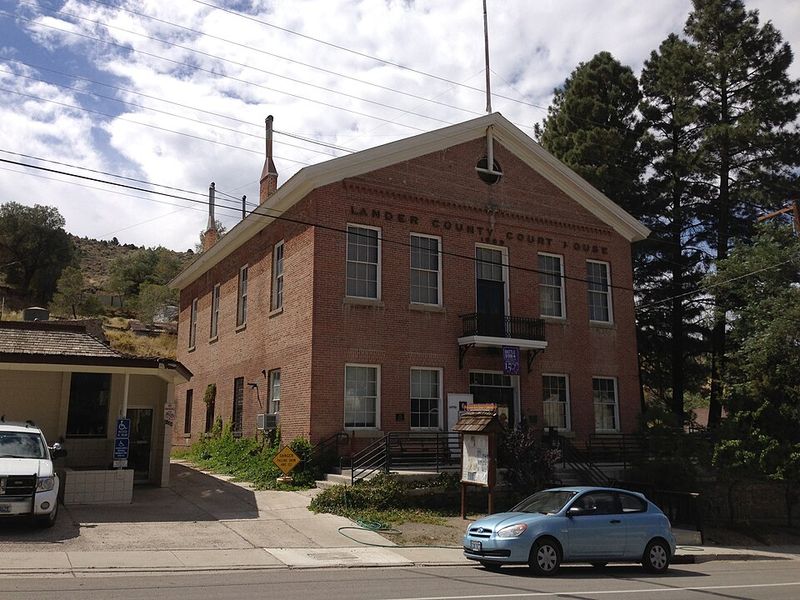
Built in 1869, the Lander County Courthouse served as the center of justice and government for this vast Nevada county.
Its brick construction and classical design brought Eastern sophistication to the Wild West frontier.
The building cost $25,000 to construct, an enormous sum for the era.
Today it houses a museum where visitors explore artifacts and stories from Austin’s remarkable past.
Photography and Film Location Appeal
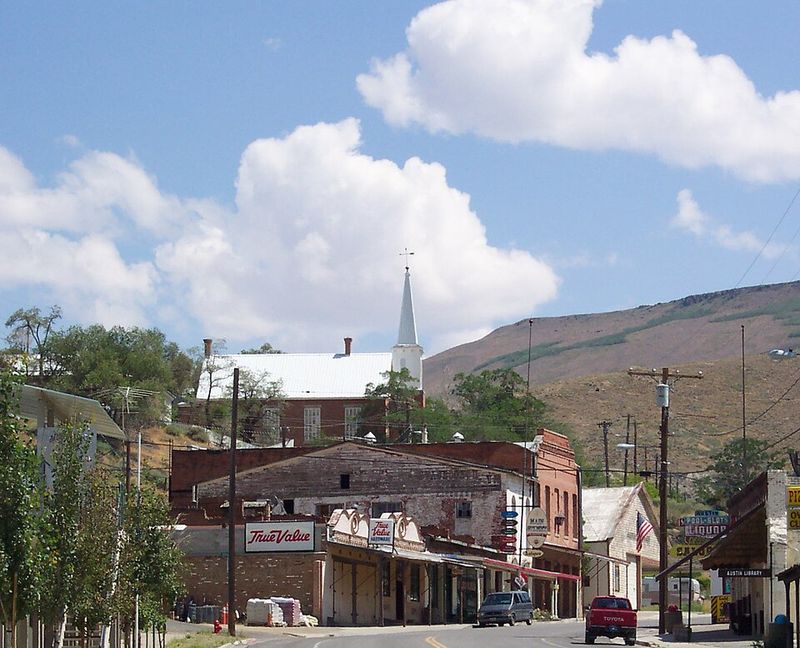
Austin’s authentic Western atmosphere attracts photographers and filmmakers seeking genuine frontier settings.
Unlike reconstructed tourist towns, Austin’s weathered reality provides unmatched visual character.
The combination of Victorian buildings, mountain backdrop, and high desert landscape creates stunning compositions.
Both professional photographers and casual visitors find endless subjects, from architectural details to sweeping vistas.
The town’s photogenic qualities help maintain its visibility and tourism appeal.