17 Baby Boomer Musicians Who Deserve Far More Love Than They Get
Baby Boomer music gets treated a little like a crowded yearbook. A few legendary names keep ending up in the center of every conversation while other artists, just as fascinating in their own way, are left smiling from the edges.
That is where things get unfair. Plenty of musicians from that generation helped shape the sound, mood, and attitude of their era, yet they rarely get the same lasting affection as the usual untouchable icons.
Their songs still hit, their stories still have texture, and their influence did not disappear just because the spotlight drifted elsewhere.
Giving them more love is about making room for talent that never should have slipped so far out of the conversation in the first place.
1. Patti Smith: The Punk Poet Who Changed Everything
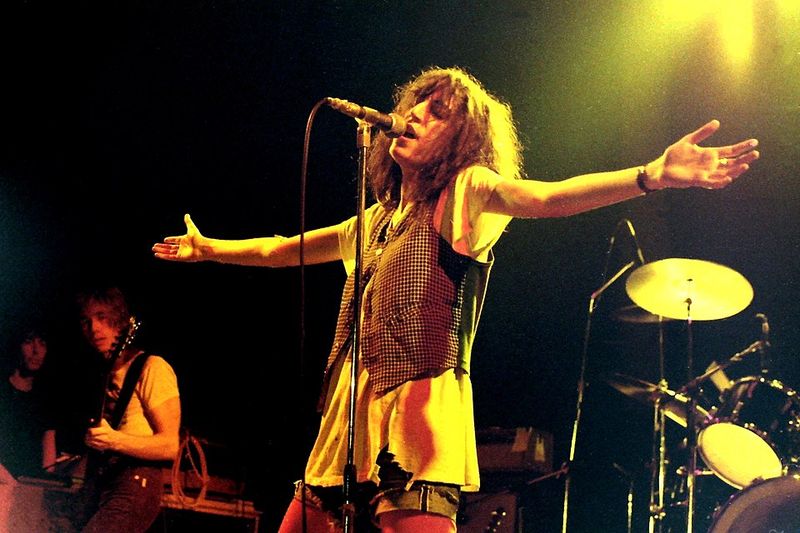
Before punk had a rulebook, she was already tearing it up.
Patti Smith blended poetry and rock in a way that felt genuinely dangerous, like someone had handed a library card to a lightning bolt.
Her 1975 debut album “Horses” is one of the most fearless records ever made.
Smith shaped generations of artists from R.E.M. to PJ Harvey, yet her name still gets skipped in casual “greatest” conversations.
2. John Prine: The Songwriter Who Made You Laugh And Cry Simultaneously
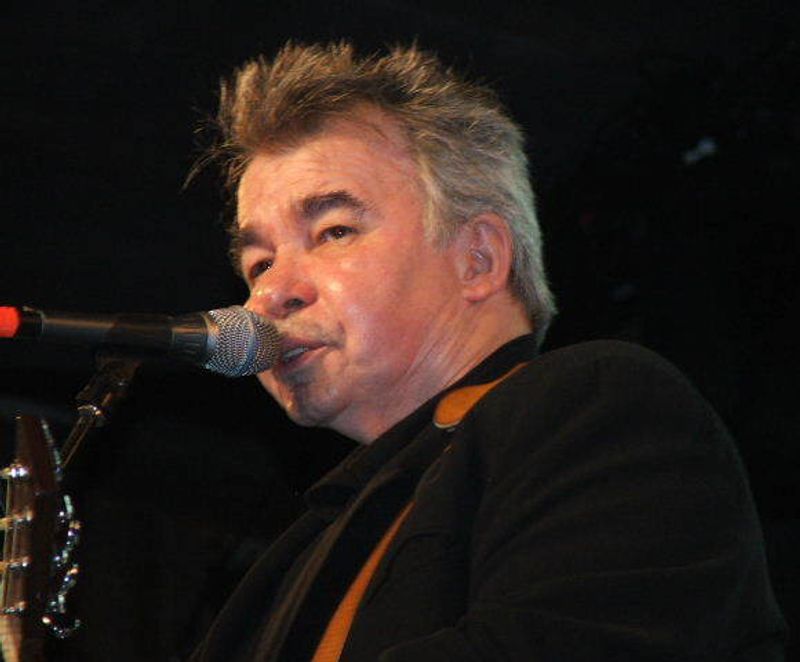
Imagine Mark Twain picking up a guitar and writing country songs. That is essentially John Prine.
His lyrics carried the kind of wit that sneaks up on you, making you chuckle at line three and then absolutely wrecking you by line six. The man had a gift that most songwriters only dream about.
Songs like “Angel from Montgomery” and “Sam Stone” prove he could tackle heavy subjects without ever losing warmth.
Bob Dylan called him “pure genius.” If that endorsement does not send you straight to a playlist, nothing will.
3. Laura Nyro: The Songwriter Behind Songs You Already Know
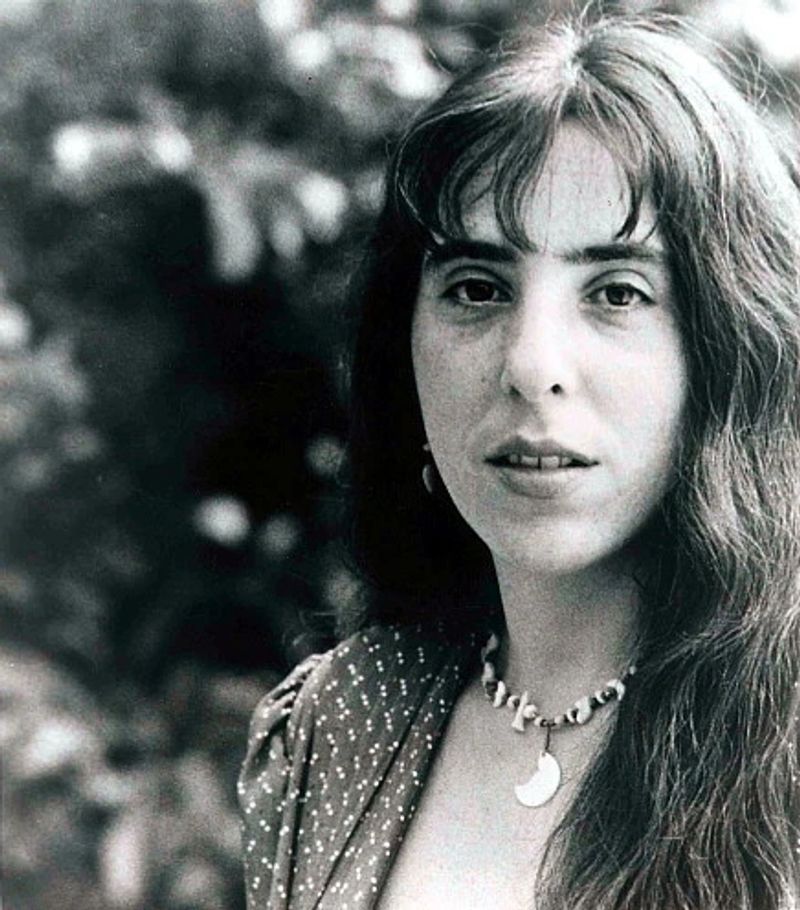
Here is a fun game: name a hit from the late 1960s. Chances are decent that Laura Nyro wrote it.
“Stoney End,” “Eli’s Comin'” – all hers, all made famous by other artists. Her own recordings were even better, layered with gospel, jazz, and raw emotional power that felt years ahead of their time.
Somehow her actual name recognition never caught up to her enormous influence. Elton John, Bette Midler, and Labelle all owe her a huge debt.
4. Warren Zevon: Way More Than Just Werewolves
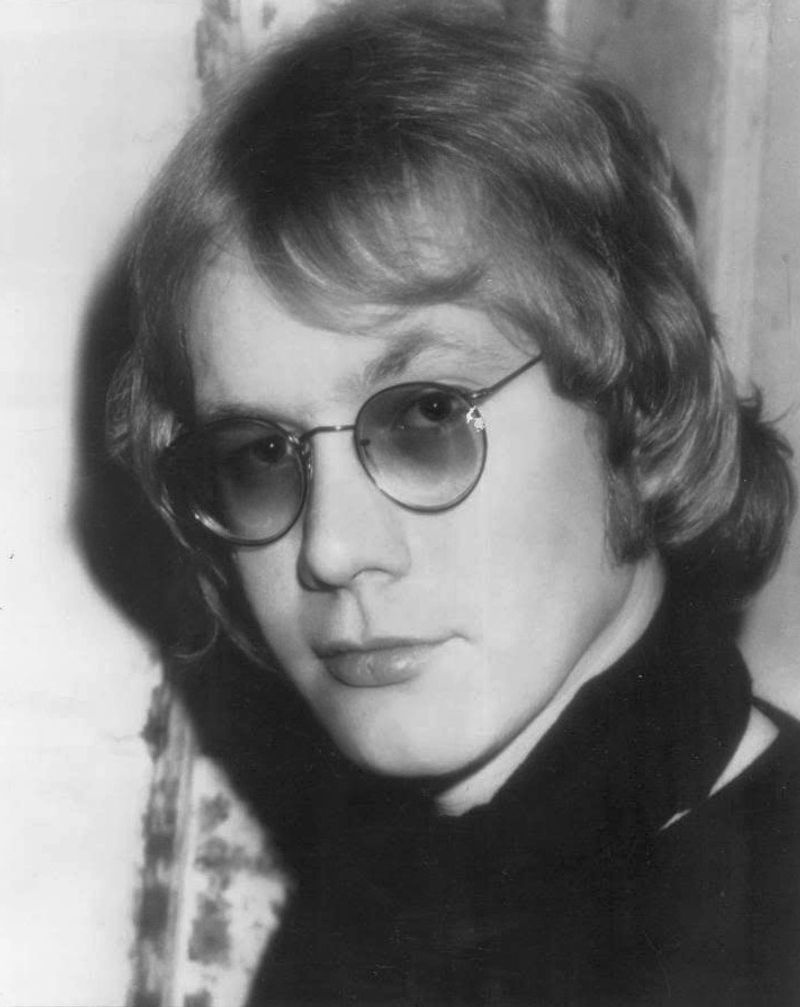
Yes, he wrote “Werewolves of London.” Yes, it is a certified banger. However, reducing Warren Zevon to that one track is like judging a bookstore by its window display.
His catalog is full of sharp, darkly funny, genuinely brilliant rock songs that dig deep into American mythology and human failure.
“Lawyers, Guns and Money,” “Carmelita,” and “Roland the Headless Thompson Gunner” showcase a storyteller operating at a completely different level.
5. Todd Rundgren: Pop Genius, Producer, And Certified Eccentric
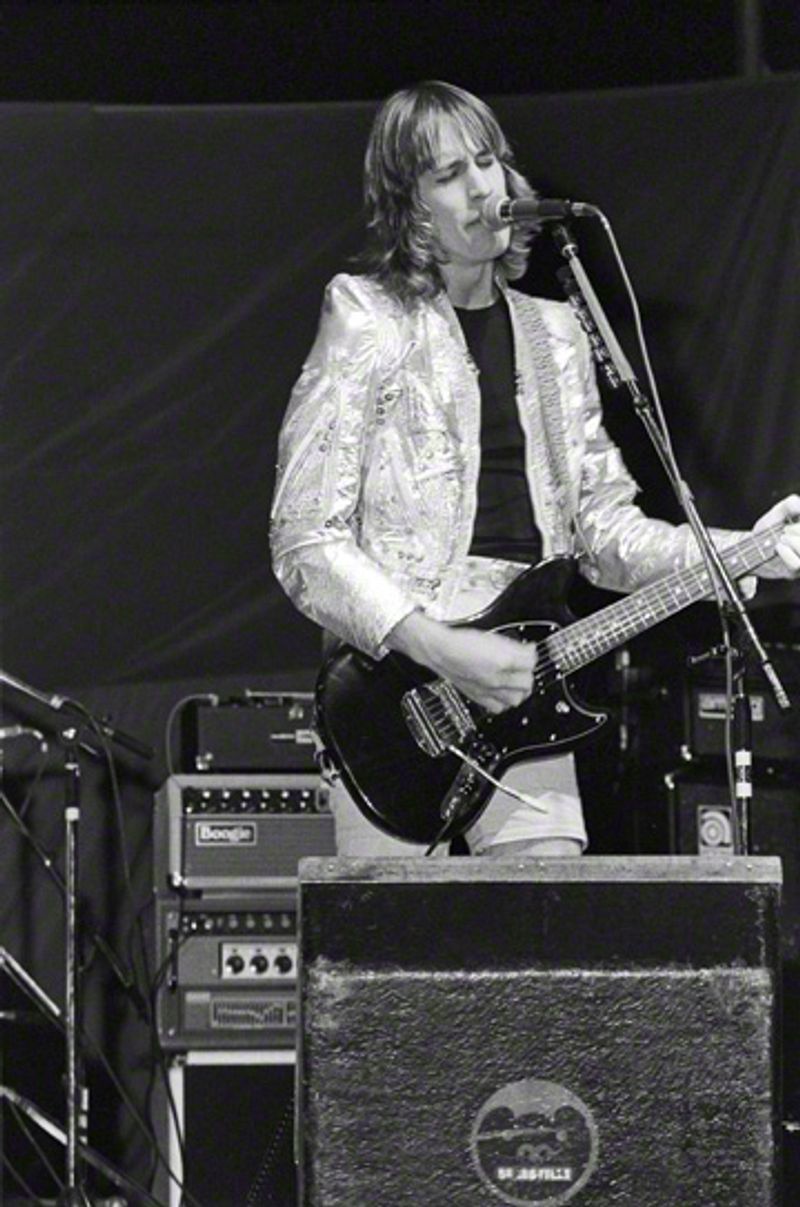
Todd Rundgren once recorded an entire album by playing every single instrument himself, then produced landmark records for Meat Loaf, Hall and Oates, and XTC. That kind of range is almost absurd.
His own hits like “Hello It’s Me” and “I Saw the Light” are pure pop perfection that still sound fresh today.
Beyond the hits, his experimental albums pushed boundaries that most mainstream artists would not dare approach.
If pop music were a school, Rundgren would be teaching three different classes simultaneously.
6. Brian Eno: The Man Who Invented The Sound Of Modern Music
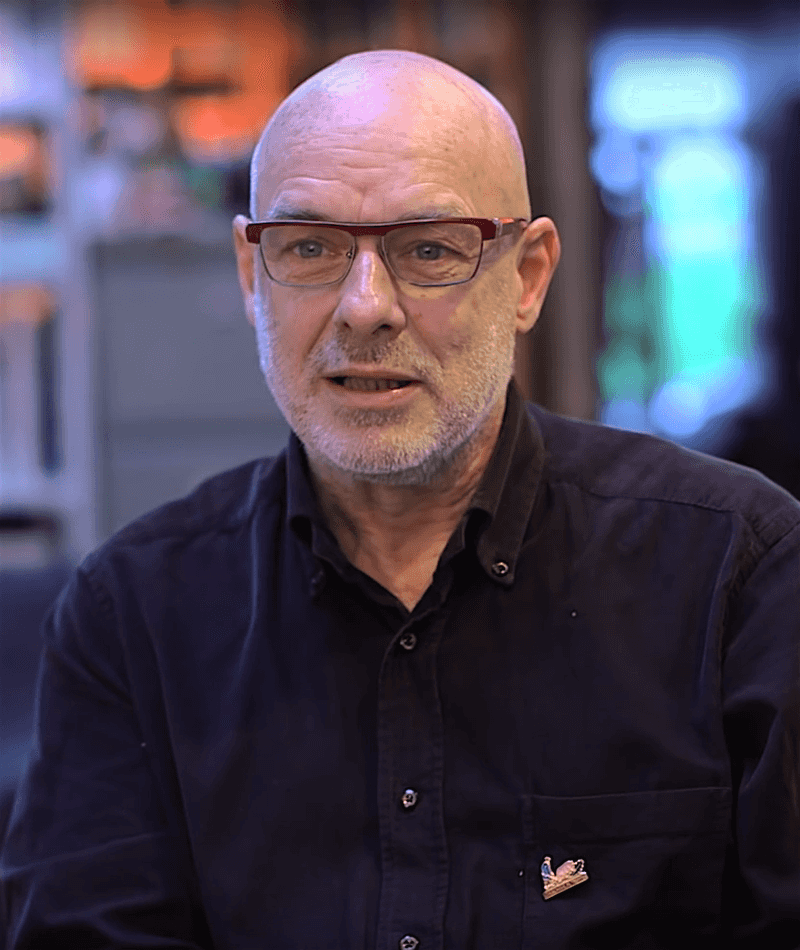
Without Brian Eno, modern music would sound dramatically different, and that is not an exaggeration.
He practically invented ambient music as a genre, then went on to produce David Bowie’s Berlin Trilogy, Talking Heads, and U2’s biggest albums. That production resume alone is jaw-dropping.
However, his own solo work like “Another Green World” and “Music for Airports” changed what people thought music could even be.
Calling him just a producer is like calling Einstein just a teacher.
7. Richard Thompson: The Guitar Hero Most People Have Never Heard Of
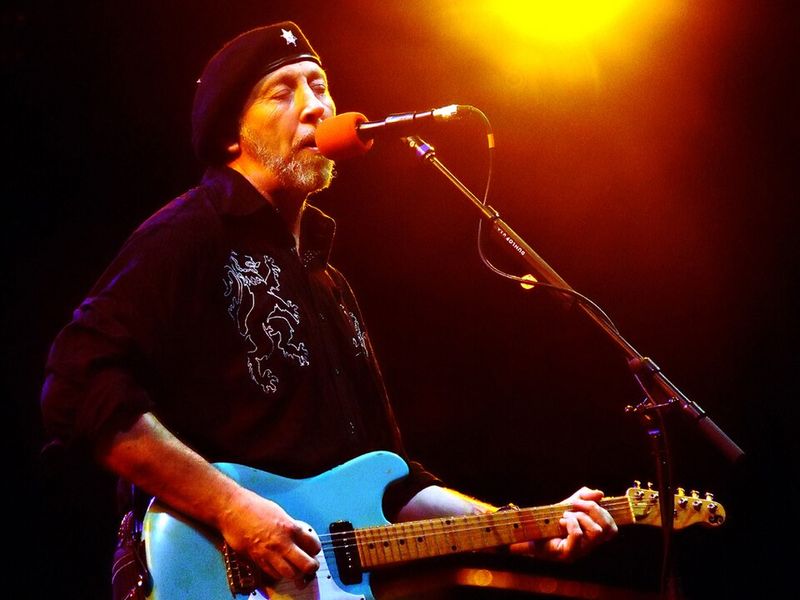
Ask any serious guitarist who they consider elite and Richard Thompson’s name will appear almost immediately.
His playing combines Celtic folk, rock, and jazz in ways that are technically breathtaking and emotionally devastating at the same time. Rolling Stone once ranked him among the greatest guitarists of all time.
Yet outside dedicated music circles, he remains oddly unknown to casual listeners.
His album “Shoot Out the Lights,” recorded with his ex-wife Linda Thompson, is one of the most raw and emotionally honest breakup records ever made.
8. Gil Scott-Heron: The Godfather Hip-Hop Forgot To Thank Loudly Enough
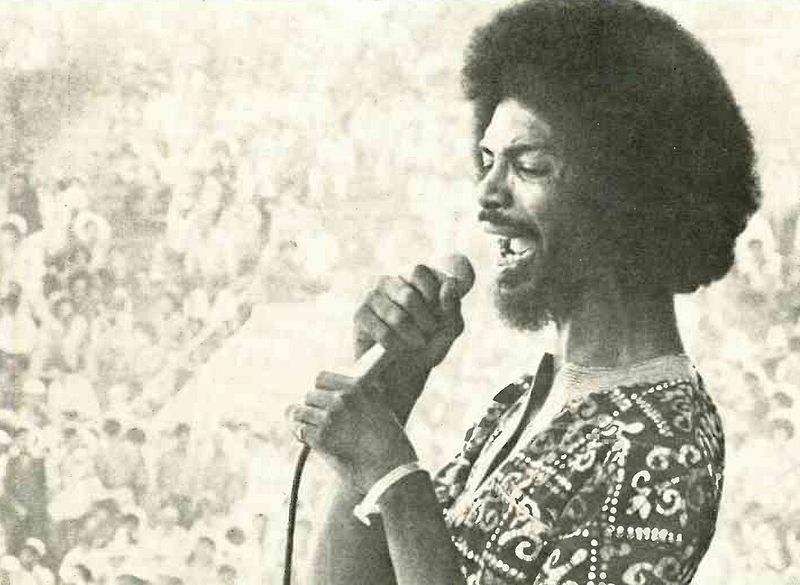
“The Revolution Will Not Be Televised” dropped in 1970 and basically predicted the entire future of politically charged music.
Gil Scott-Heron combined spoken word poetry, soul, and jazz to create something that directly inspired hip-hop, yet his name rarely appears in mainstream conversations about the genre’s origins.
His work tackled racism, poverty, and political corruption with a clarity that still feels urgent today.
9. Alex Chilton: The Cult Hero Behind A Massive Shadow
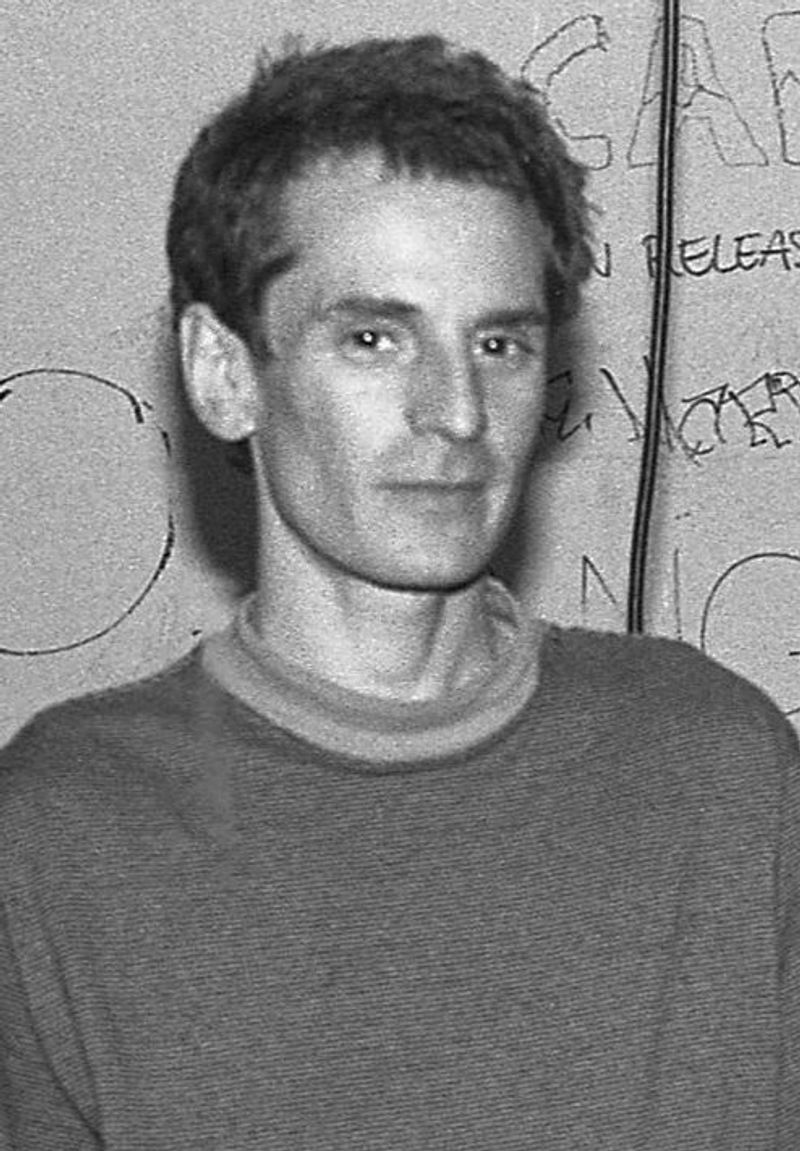
Big Star never sold many records. That fact somehow made them even more influential.
Alex Chilton co-led the band through three albums in the early 1970s that essentially invented power pop and indie rock before either label existed.
R.E.M., Elliott Smith, and Teenage Fanclub all point back to his work as a defining touchstone.
How a musician this widely admired by other musicians still gets overlooked in mainstream “greatest” lists is genuinely puzzling.
10. Joan Armatrading: The Brilliant Singer-Songwriter Who Deserves Every Award
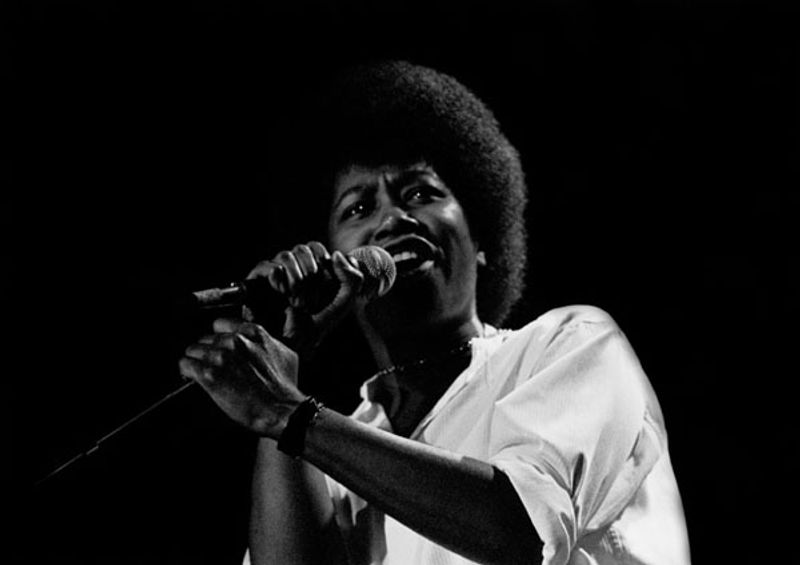
Born in Saint Kitts and raised in Birmingham, Joan Armatrading crafted songs that blended folk, rock, and soul into something completely her own.
Her self-titled 1976 album is a masterpiece that still sounds stunning nearly five decades later. The emotional depth in her voice alone could fill an entire concert hall.
When people list the greatest female singer-songwriters of all time, her name absolutely belongs near the top.
11. Graham Parker: The Critics’ Darling Who Never Got His Due
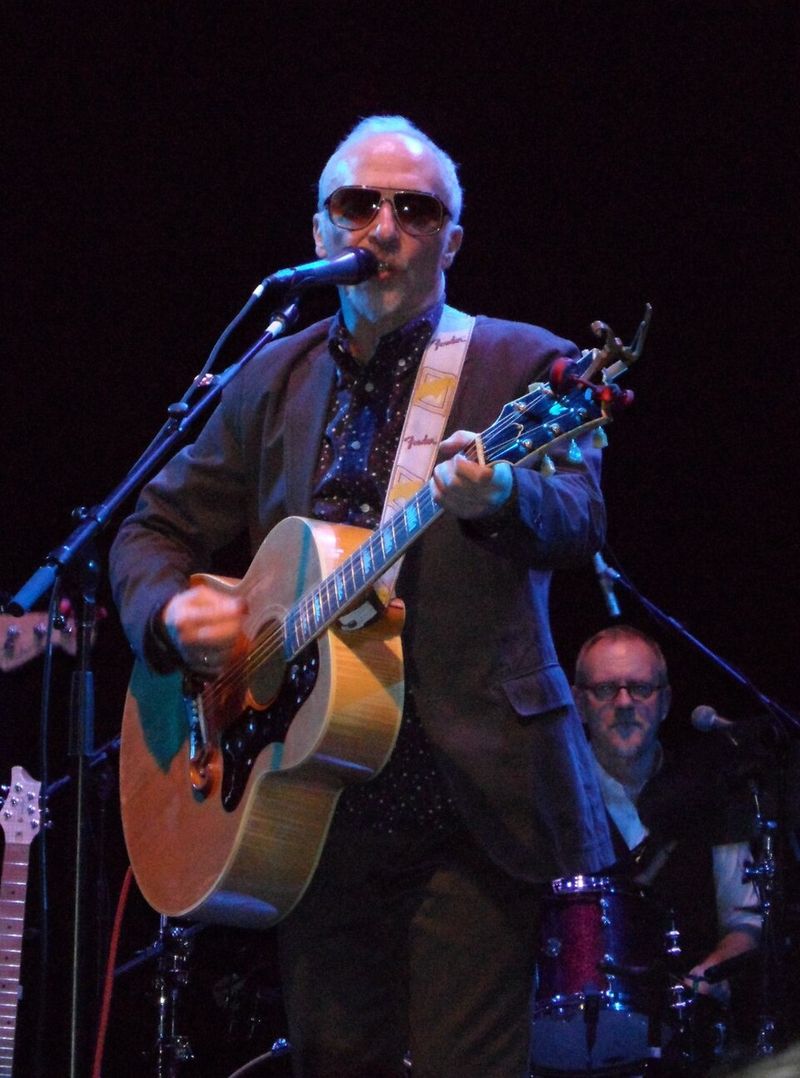
Arriving in the mid-1970s, Graham Parker brought a sound that mixed pub rock, new wave, and soul into something critics absolutely adored.
His albums “Howlin Wind” and “Heat Treatment” are so good they genuinely make you angry that he never became a household name. The energy on those records is electric.
Even Bruce Springsteen fans might not realize how much both artists shared similar territory at the same moment. Parker just never caught the same commercial wave.
12. Chrissie Hynde: Rock’s Greatest Frontperson Who Gets Half The Credit She Deserves
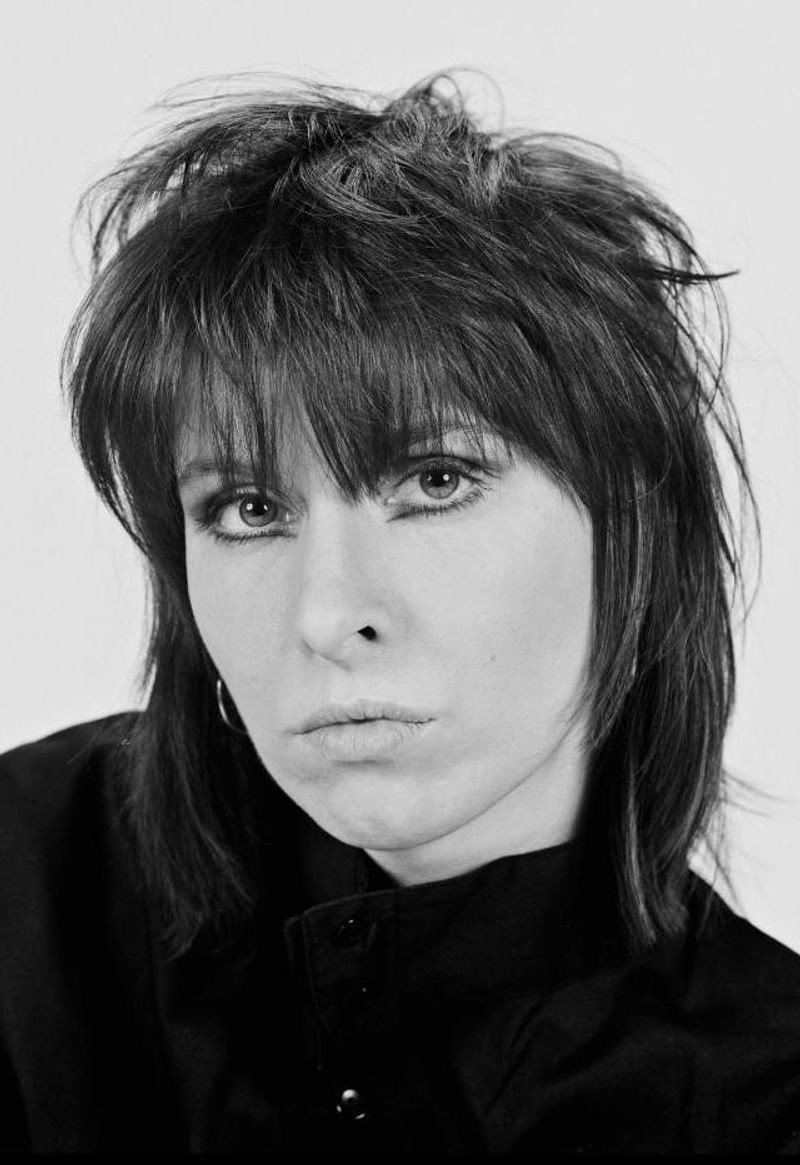
Leading the Pretenders through constant lineup changes, personal tragedy, and shifting musical trends required something extraordinary.
Chrissie Hynde did it with a cool, unshakeable authority that very few rock frontpeople have ever matched. Her guitar playing is also criminally underrated in most conversations about the instrument.
Though she is respected, she rarely gets mentioned alongside Jagger or Bono when people discuss rock’s greatest performers.
13. Lucinda Williams: Country Soul’s Most Underappreciated Force
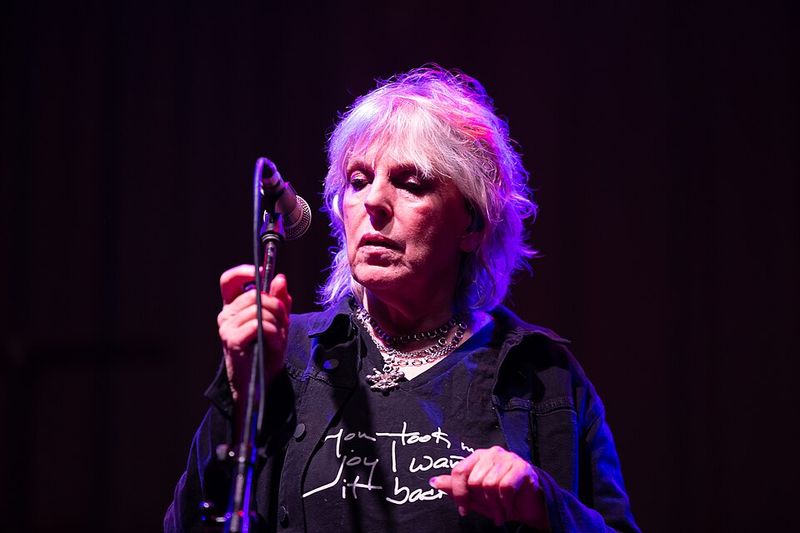
When “Car Wheels on a Gravel Road” finally came out in 1998 after years of delays, it won the Grammy for Best Contemporary Folk Album and reminded everyone that patience sometimes produces something worth waiting for.
Lucinda Williams poured dust, heartbreak, and Southern gothic imagery into every track like someone who had actually lived all of it.
Artists from Ryan Adams to Jason Isbell openly cite her as a major influence. Yet her name rarely appears in the same breath as her male Americana contemporaries, despite matching or exceeding them in craft.
14. Marshall Crenshaw: Power Pop’s Most Lovable Almost-Star
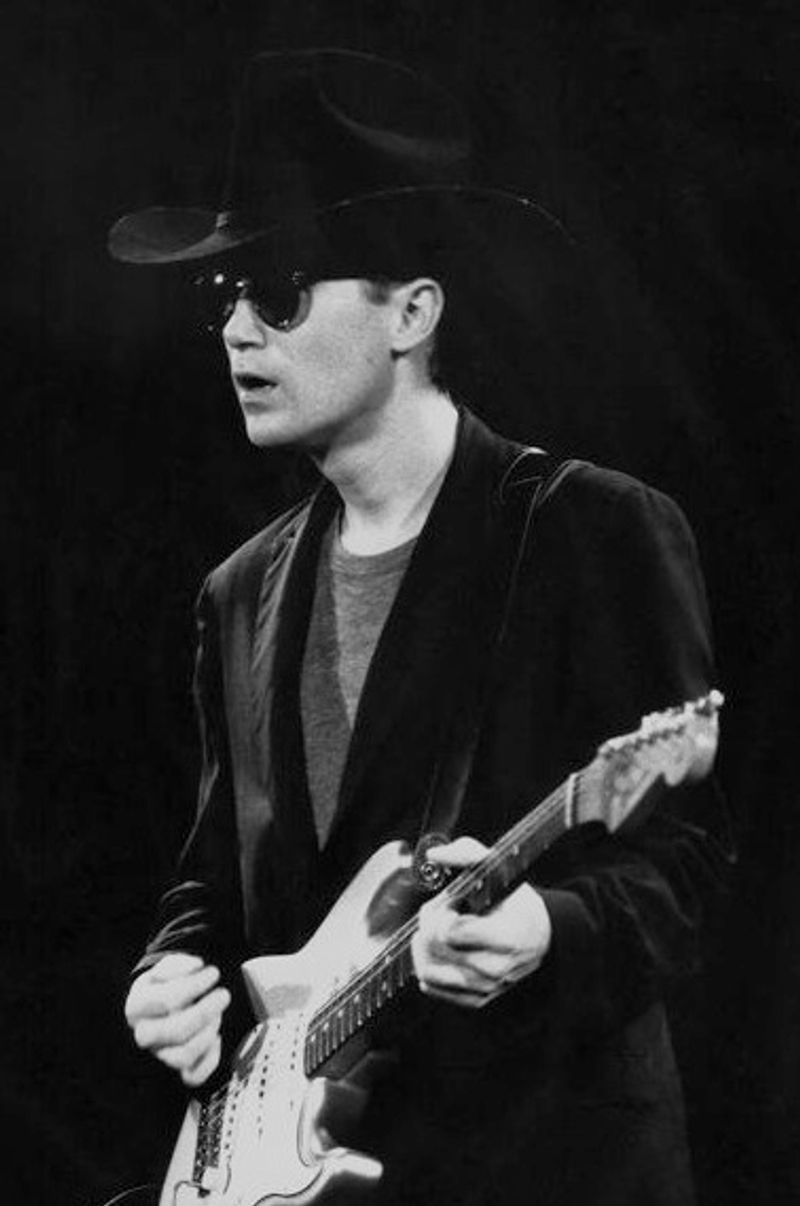
His debut single “Someday, Someway” hit number one in 1982 and felt like pure sunshine compressed into three minutes.
Marshall Crenshaw had everything needed for massive stardom: melodic hooks, a great voice, and Buddy Holly-level charm.
Somehow the superstar breakthrough never fully arrived, which remains one of pop music’s most baffling outcomes.
15. Andy Partridge: XTC’s Secret Weapon And One Of Rock’s Best Songwriters
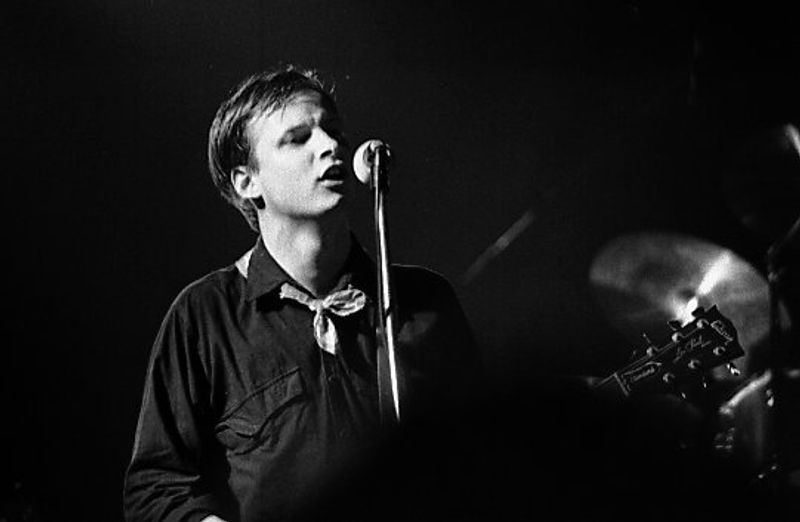
XTC never toured after 1982 because Andy Partridge developed severe stage fright, so the band simply stopped playing live and focused entirely on studio craft.
That decision produced some of the most inventive albums of the 1980s, including “Skylarking” and “Oranges and Lemons,” records bursting with melodic invention and lyrical wit.
Where other songwriters wrote about love and heartbreak, Partridge wrote about English village life, childhood wonder, and the absurdity of modern existence.
16. Joe Jackson: Too Clever For Any One Genre And Better For It
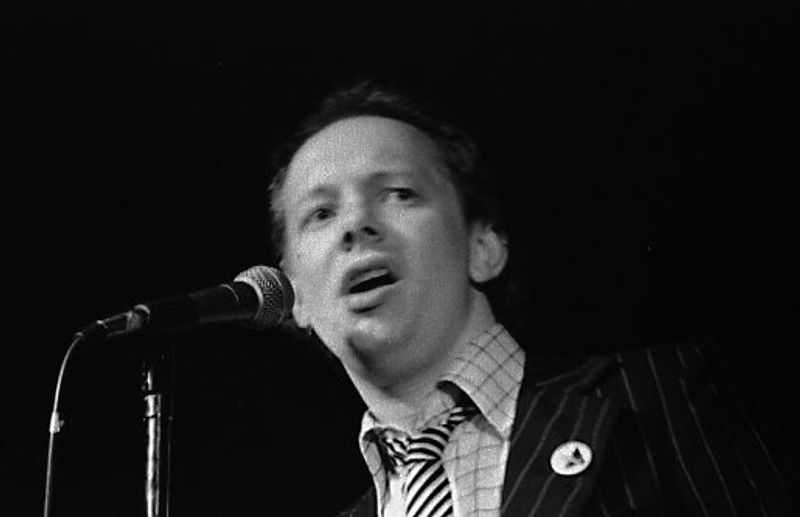
Starting with new wave, shifting into jazz, then orchestral pop, then back again, Joe Jackson refused to stay in any lane long enough for radio programmers to feel comfortable.
That restlessness probably cost him commercial consistency, but it produced a catalog of startling variety and genuine quality. “Night and Day” alone is a masterpiece of sophisticated pop.
Though he is respected by critics, casual listeners often know just one or two songs. That limited exposure genuinely undersells how rewarding his full body of work is.
17. Suzanne Vega: Folk Pop’s Most Quietly Influential Voice
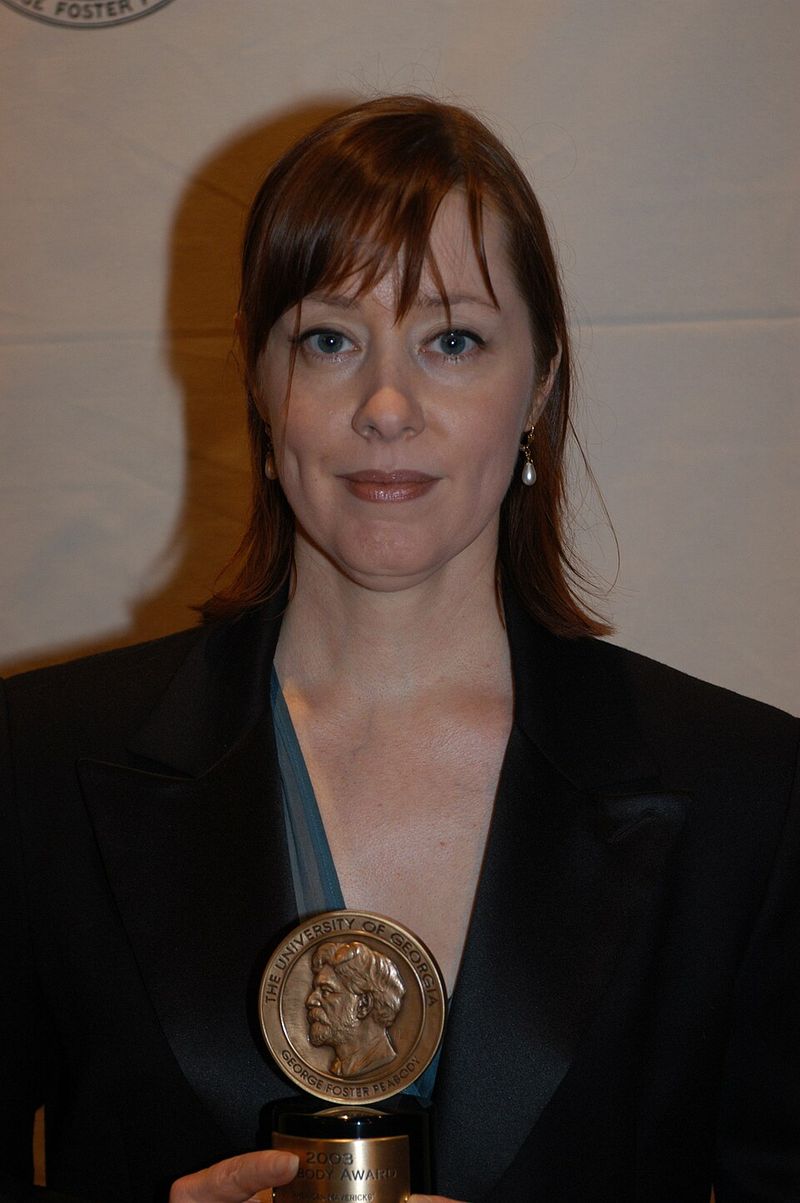
Fun fact: the MP3 audio format was actually tested and calibrated using Suzanne Vega’s song “Tom’s Diner,” making her voice literally the sound of the digital music era.
That delightful piece of trivia perfectly captures how her influence operates, foundational but often invisible to people who do not know where to look.
Her 1987 album “Solitude Standing” brought literary folk songwriting into the mainstream at a time when subtlety was not exactly fashionable.