12 Backup Singers Who Moved From Background Vocals To Solo Stardom
Standing behind the mic as a backup singer doesn’t mean staying in the background forever.
For some artists, supporting big stars became the ultimate training ground, sharpening their skills before stepping into the spotlight themselves.
Big hits followed, proving that the path to stardom can start one step behind center stage.
Disclaimer: This article highlights widely documented career histories showing how select artists used backing-vocal and session work as a stepping-stone toward broader solo recognition. The content is provided for general informational and entertainment purposes and is not legal, financial, or professional advice.
12. Cher
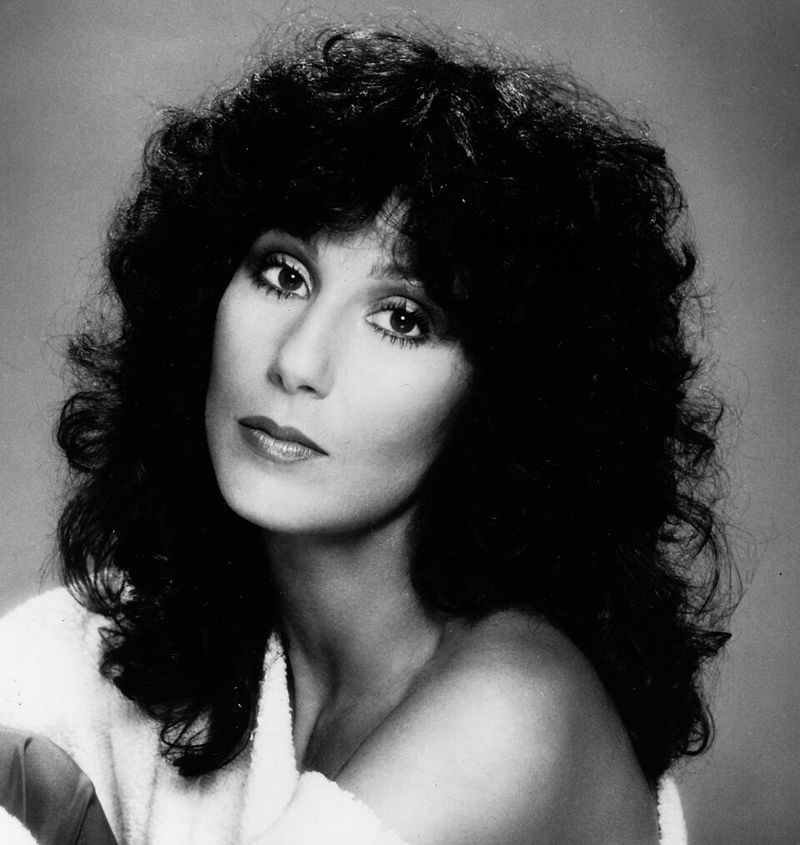
Early studio work connected her with Phil Spector’s hit-making world and taught her how high-level sessions really run.
Session work might seem unglamorous, but it builds skills that last a lifetime. Cher’s early days included session singing on major recordings, learning the ins and outs of production while perfecting her vocal technique.
Eventually, her unique style and unmistakable presence couldn’t stay hidden behind anyone else. That leap from the recording booth to center stage launched one of pop music’s most enduring careers.
11. Sheryl Crow
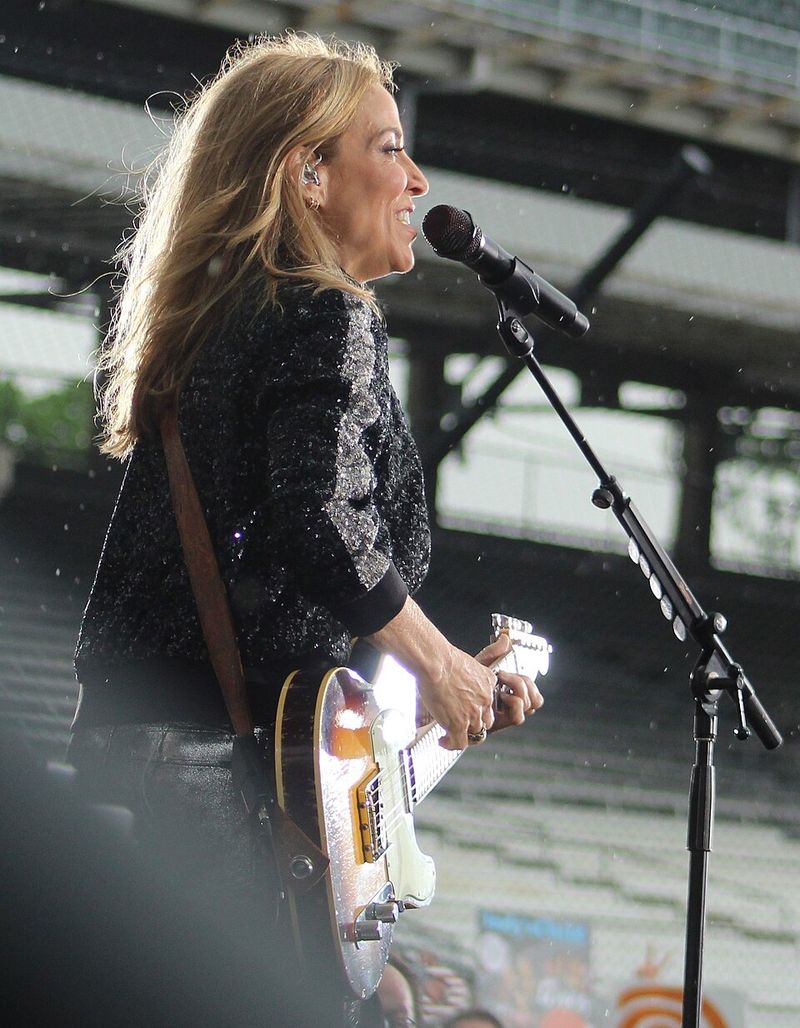
Touring stadiums with the King of Pop sounds like a dream gig, and for Sheryl Crow, it was just the beginning. She joined Michael Jackson’s Bad World Tour as a backing vocalist, soaking up the energy of massive crowds every single night.
That experience shaped her understanding of performance and showmanship.
Before long, she was writing her own songs and topping the charts with hits that blended rock, pop, and country. Her journey from backup singer to Grammy-winning headliner proves that patience and persistence pay off beautifully.
10. Whitney Houston
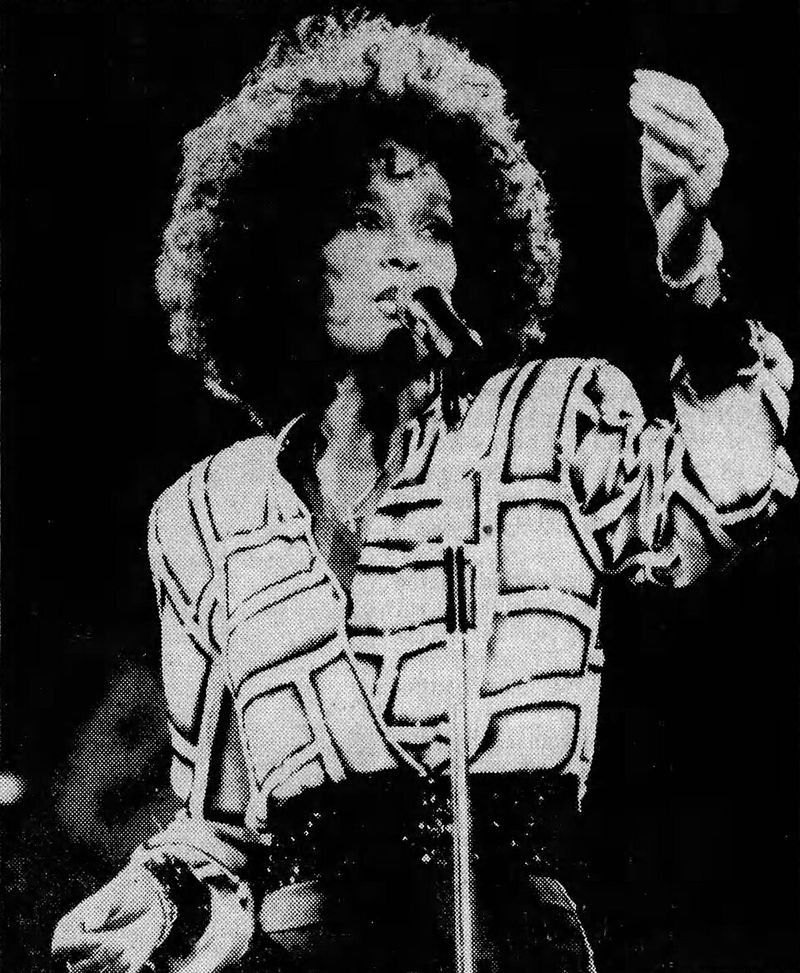
Imagine having one of the greatest voices ever but starting out singing behind other artists.
Whitney Houston did exactly that, providing backup vocals and session work before anyone knew her name. She worked as a session vocalist early on, including backing artists like Lou Rawls and Chaka Khan.
When her solo debut finally arrived, the world couldn’t get enough of her soaring range and emotional depth. Her rise from background harmony to global phenomenon remains one of music’s most inspiring success stories.
9. Luther Vandross
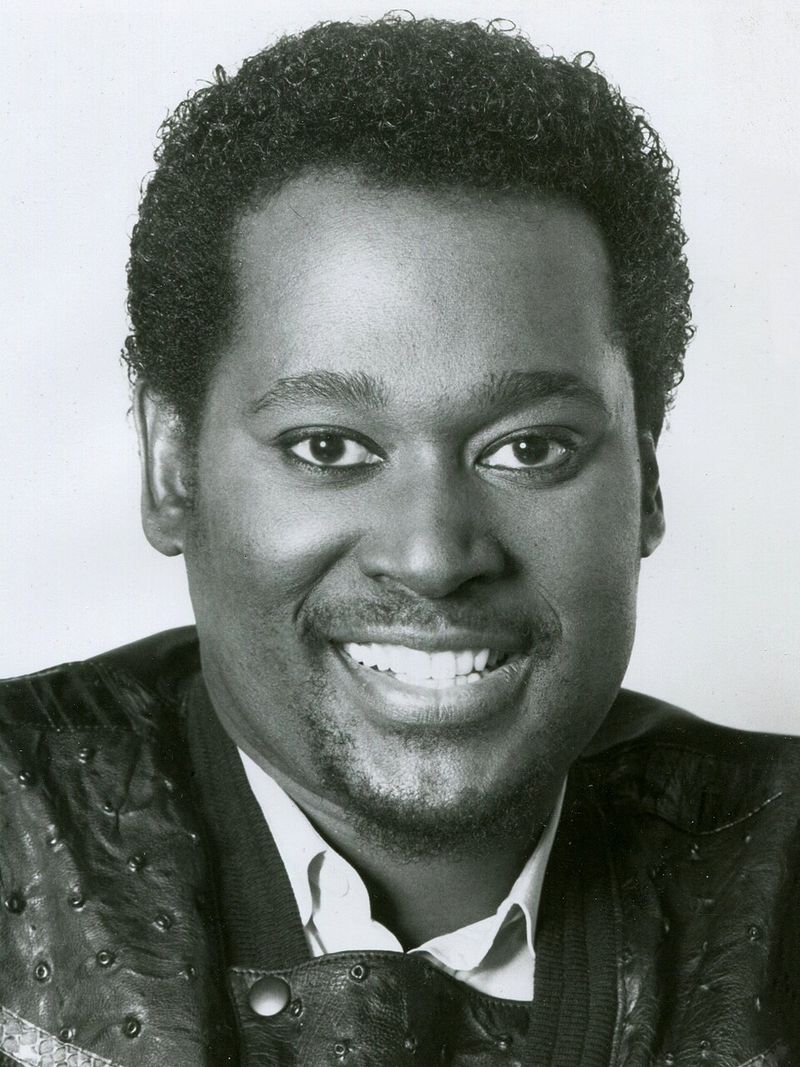
Vandross worked with David Bowie during the Young Americans era, including co-writing credit on “Fascination” and backing-vocal work connected to that period.
His silky voice graced countless recordings as a sought-after backing vocalist. Artists like Bette Midler and Roberta Flack relied on his flawless harmonies to elevate their tracks.
When Luther finally stepped into the spotlight, his smooth R&B sound and heartfelt lyrics earned him legions of devoted fans. Known as “The Velvet Voice,” his transition from backup to solo legend feels almost inevitable in hindsight.
8. Darlene Love
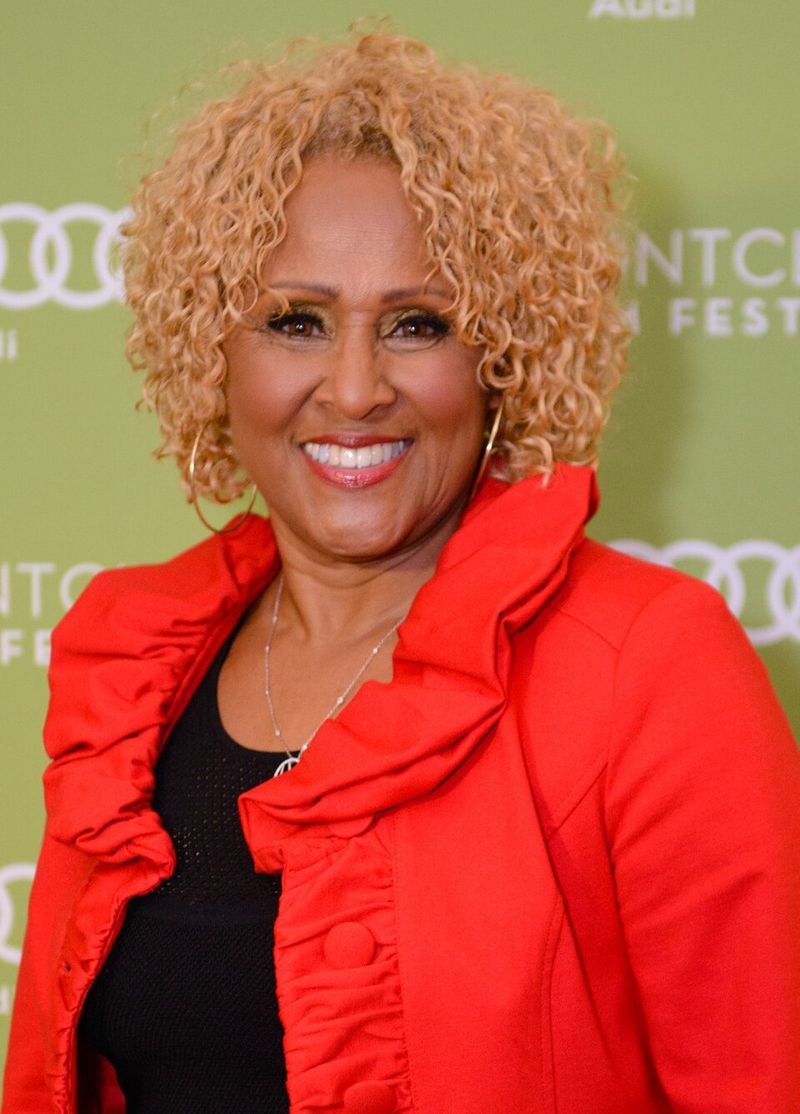
Phil Spector’s famous “Wall of Sound” relied heavily on Darlene Love’s powerhouse vocals.
Key Phil Spector sessions used her voice in ways that were not always credited under her own name, including work released under The Crystals.
Performances appeared on records by The Crystals and Bob B. Soxx & the Blue Jeans, among others.
Recognition eventually came, and audiences embraced her as a star in her own right while celebrating her lasting impact on music history. Annual holiday performances grew into beloved traditions, showing that genuine talent never really fades.
7. Merry Clayton
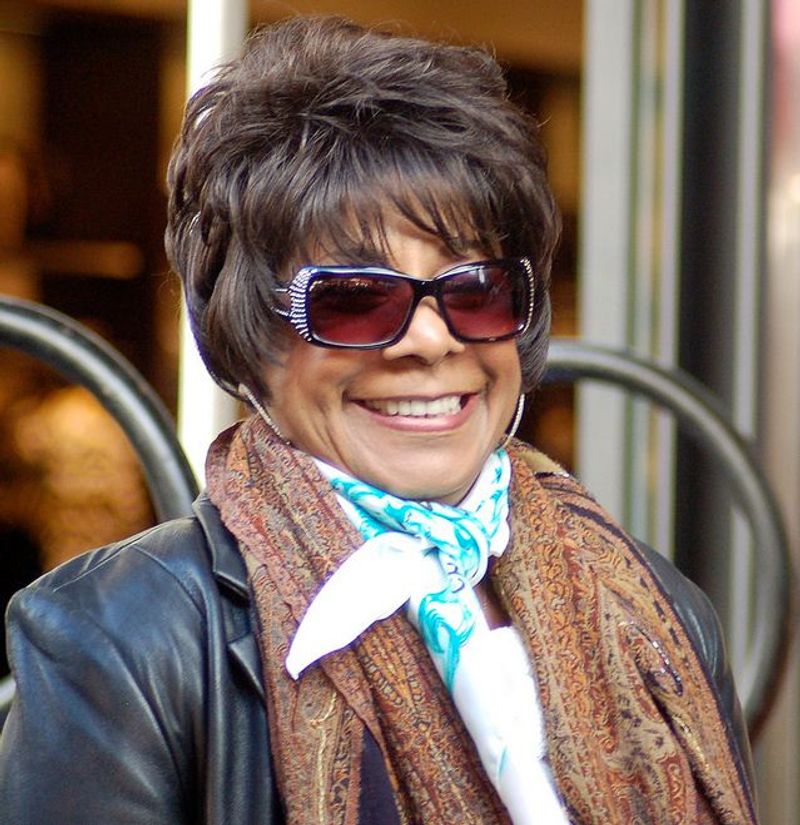
“Gimme Shelter” by the Rolling Stones features one of rock’s most electrifying vocal moments, and it belongs to Merry Clayton.
Called into the studio late at night, she delivered a raw, haunting performance. That single backing vocal turned heads across the music industry and opened doors for her solo career.
Though she continued working behind the scenes, her own records showcased a voice full of soul and grit. Merry’s story reminds us that one unforgettable moment can change everything.
6. Lisa Fischer
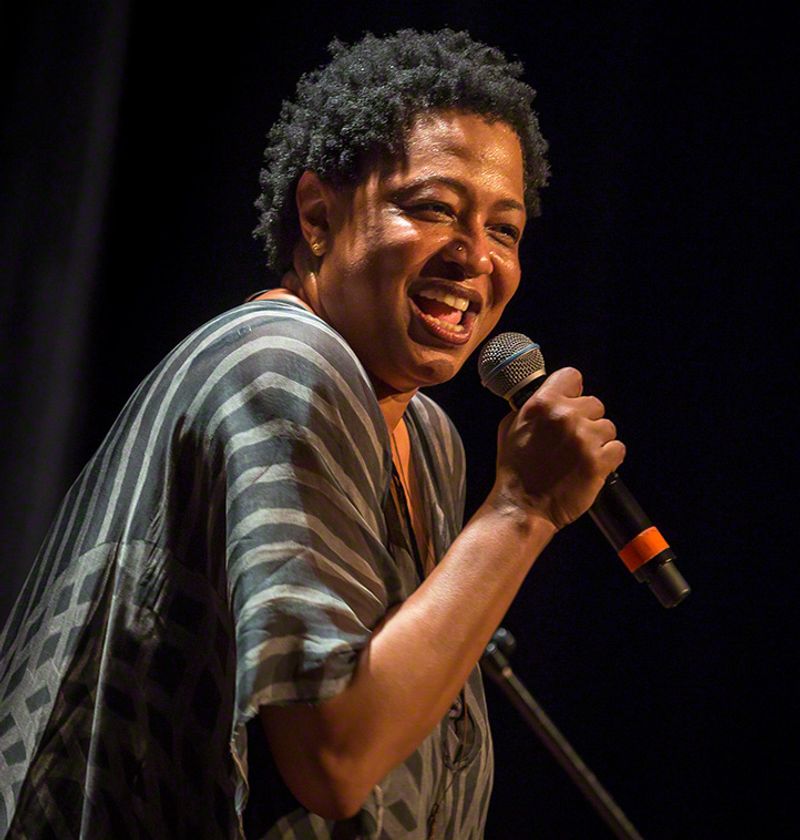
Touring with the Rolling Stones might seem like the ultimate gig, and for Lisa Fischer, it became a decades-long partnership.
Her soaring vocals and magnetic stage presence made her an essential part of their live shows. Meanwhile, she also pursued her own Grammy-winning solo work, blending jazz, soul, and R&B with incredible skill.
A documentary about backup singers brought her talents to a wider audience, earning her newfound recognition. Lisa’s career proves that you can shine brightly both in the spotlight and just beside it.
5. Rita Coolidge
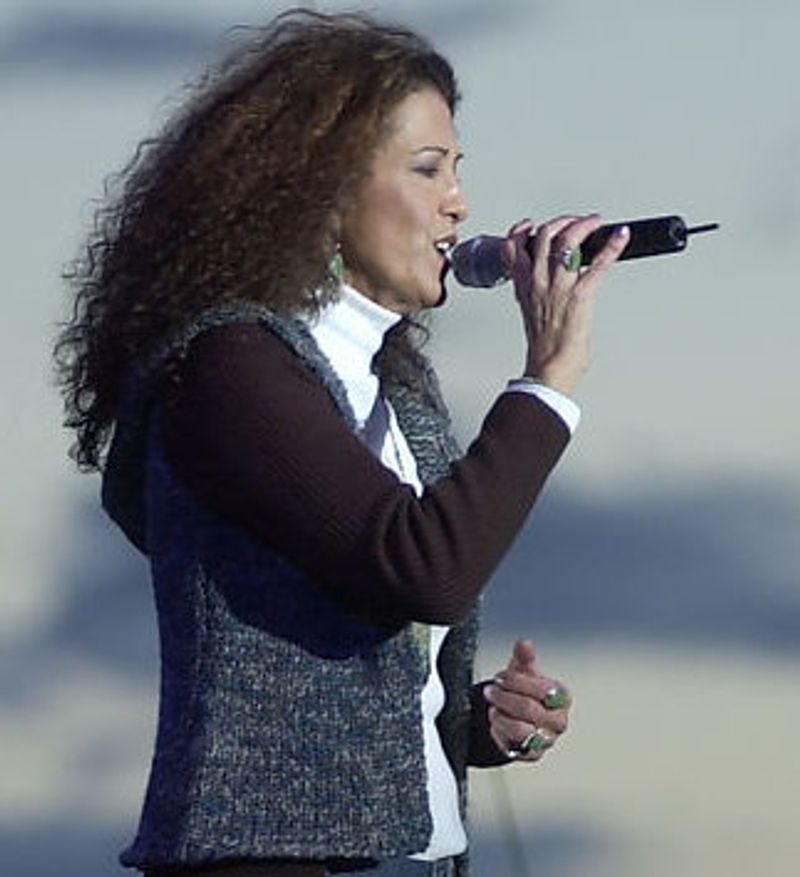
Rita Coolidge’s smooth voice has floated through classic rock records for years, often without listeners realizing it was her.
Backup work for Eric Clapton, Joe Cocker, and many other legends filled the 1970s with studio sessions and major tours. Time spent behind the scenes built invaluable experience along with strong industry connections.
Solo success followed, and songs like “We’re All Alone” and “Higher and Higher” climbed the charts with ease. Journey from supporting player to featured artist shows how talent and timing can come together to create real magic.
4. Cissy Houston
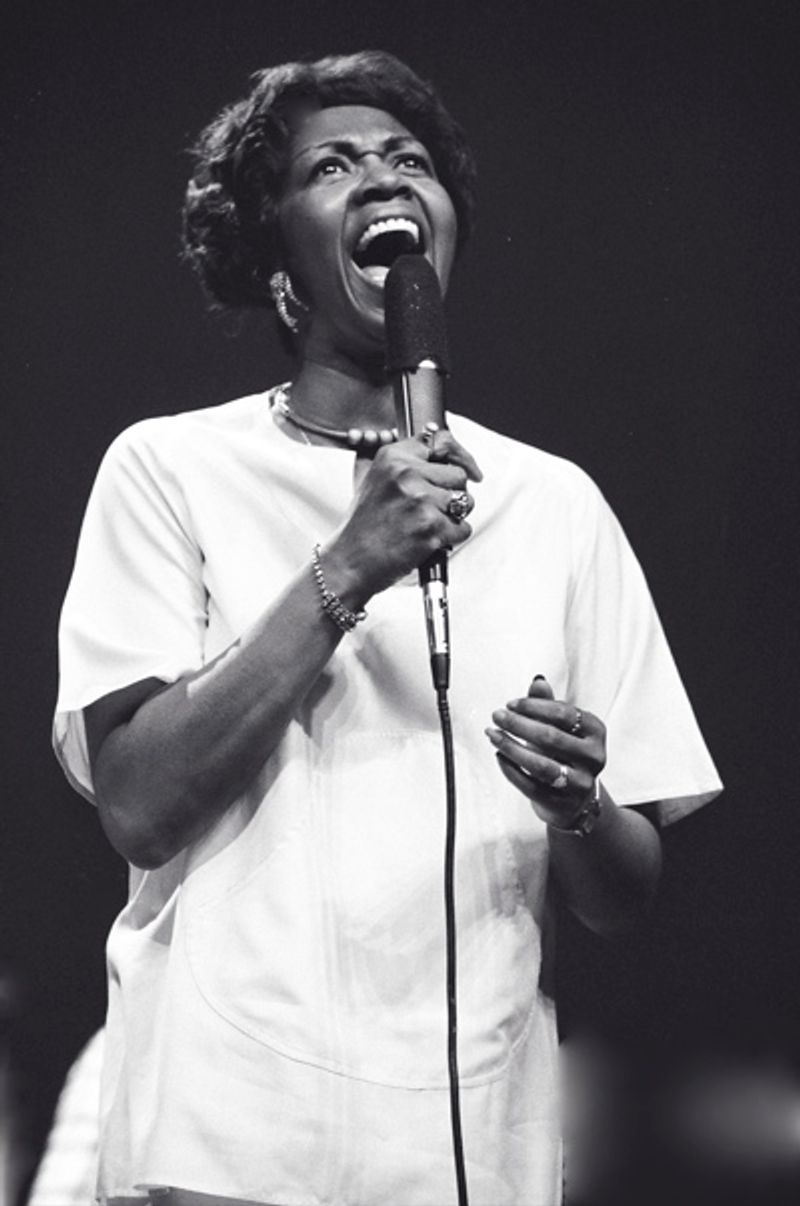
Before Whitney Houston became a household name, her mother Cissy was already a respected voice in the music world.
As a member of the Sweet Inspirations, Cissy sang backup for Aretha Franklin, Elvis Presley, and countless others. Her gospel roots gave her a powerful, emotive style that elevated every recording.
Eventually, she stepped forward with her own solo albums, earning Grammy recognition and critical acclaim. Cissy’s legacy as both a backup singer and a solo artist continues to inspire generations of vocalists.
3. Patti Austin
Listening to pop, R&B, or jazz over the past few decades almost guarantees hearing Patti Austin’s voice somewhere along the way.
Years as a session singer filled her résumé with countless recordings and commercial jingles. Versatility and control made her a favorite choice for producers chasing vocal perfection.
Solo albums finally gave her a spotlight of her own, and that blend of jazz and pop quickly won over fans and critics alike. Duet “Baby, Come to Me” with James Ingram climbed the charts and became one of the defining love songs of its era.
2. Judith Hill
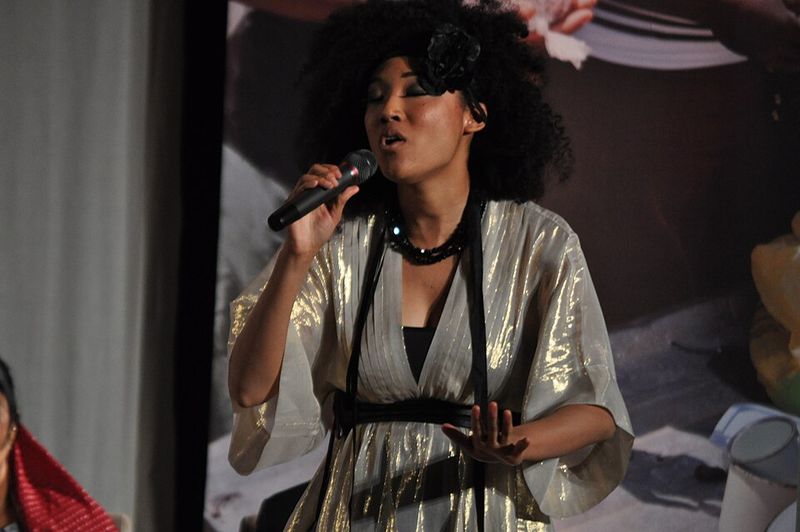
She was selected as Michael Jackson’s duet partner for the planned This Is It concerts, and later worked with Prince, who co-produced her debut album Back in Time.
She was set to tour with Michael Jackson on his This Is It tour before his untimely passing. Her voice appeared on recordings and stages alongside some of music’s biggest legends.
When Judith launched her solo career, her soulful sound and dynamic performances earned her a devoted following. Her journey from the background to the forefront showcases determination and undeniable talent.
1. Ava Cherry
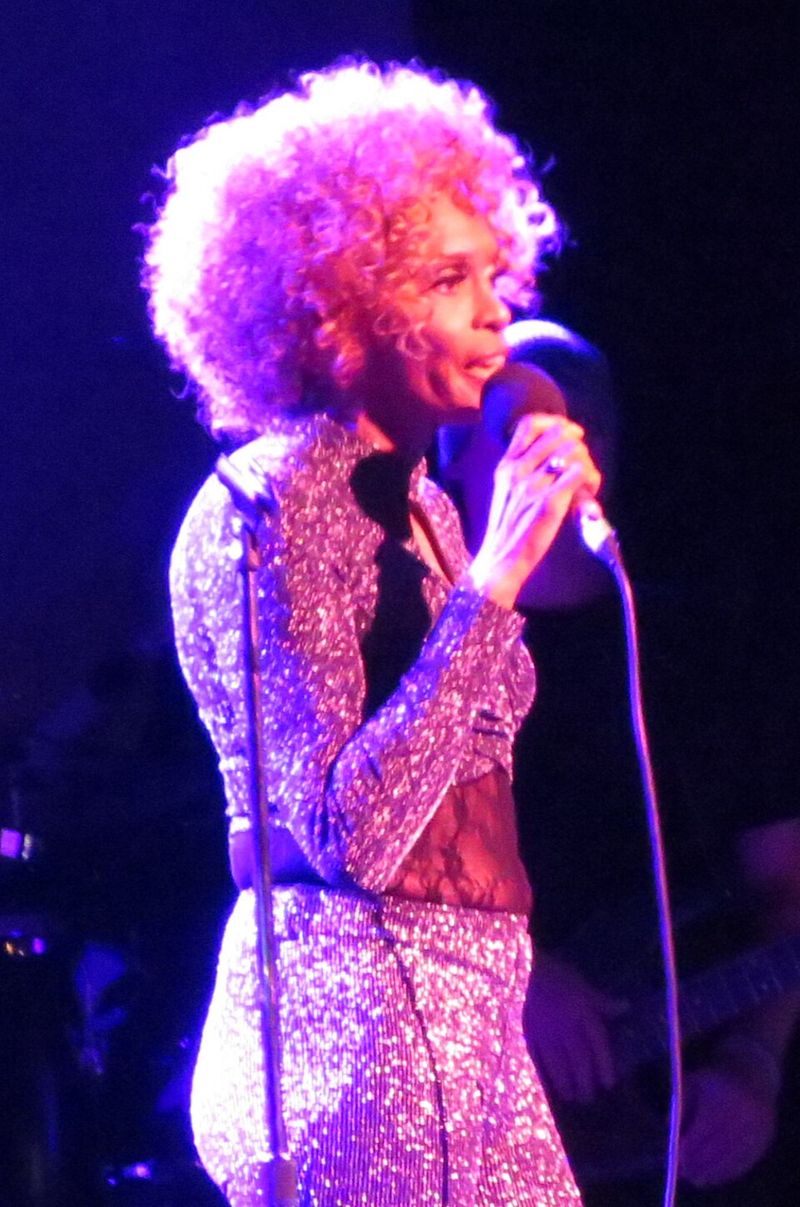
David Bowie’s orbit pulled in some of the most intriguing artists of the 1970s, and Ava Cherry stood right at the center of that creative swirl.
Cherry collaborated with Bowie during his 1970s transition into soul-leaning material, and she is tied to the Young Americans-era backing-vocal circle that included Robin Clark and Luther Vandross. Time spent in that environment offered a front-row view of bold musical innovation and fearless creative risk-taking.
Solo releases and touring later carried her name to stages around the world, blending disco and funk for new audiences.
Her journey shows how collaboration with visionary artists can ignite a creative path all your own.