15 Bands Critics Undervalued Before They Became Icons
Music critics have a long, proud history of being gloriously late to the party.
A band shows up with a new sound or songs that do not fit the neat little boxes everyone feels weirdly attached to, and the first reaction is often a polite version of “absolutely not.”
Then time passes, the records keep spinning, the crowds get louder, and that early skepticism starts aging very badly in public.
Nothing lands quite like watching a group go from dismissed, misunderstood, or casually brushed aside to fully untouchable.
Some bands needed one breakthrough, others kept proving themselves until ignoring them started looking ridiculous.
Either way, the road to icon status is a lot more entertaining when somebody was confidently wrong at the beginning.
Disclaimer: This article is intended for general informational and entertainment purposes only. Assessments of critical reception, artistic legacy, and a band’s eventual status reflect editorial perspective based on publicly available reviews and historical commentary, and opinions may vary.
1. Led Zeppelin: Too Loud To Ignore
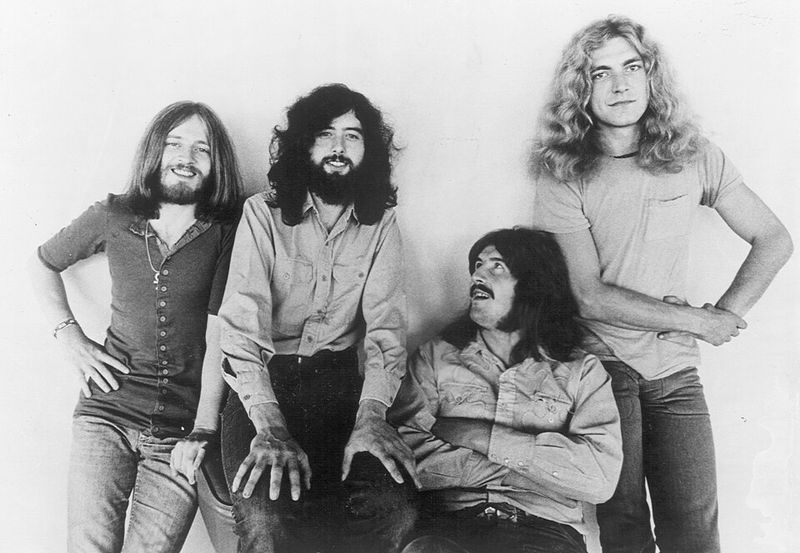
Picture a band so explosive that critics called their debut album “a collection of riffs” and basically shrugged.
That was Led Zeppelin in 1969, dismissed as overhyped noise by many reviewers who clearly needed better headphones.
Their self-titled debut got lukewarm press, yet fans went absolutely wild for it.
Robert Plant’s howling vocals, Jimmy Page’s guitar wizardry, and John Bonham’s thunderous drums were something no one had ever quite heard before.
History had the last laugh. Today, Led Zeppelin is considered one of the greatest rock bands ever, and that “collection of riffs” is a certified masterpiece.
2. Black Sabbath: Metal’s Misunderstood Pioneers
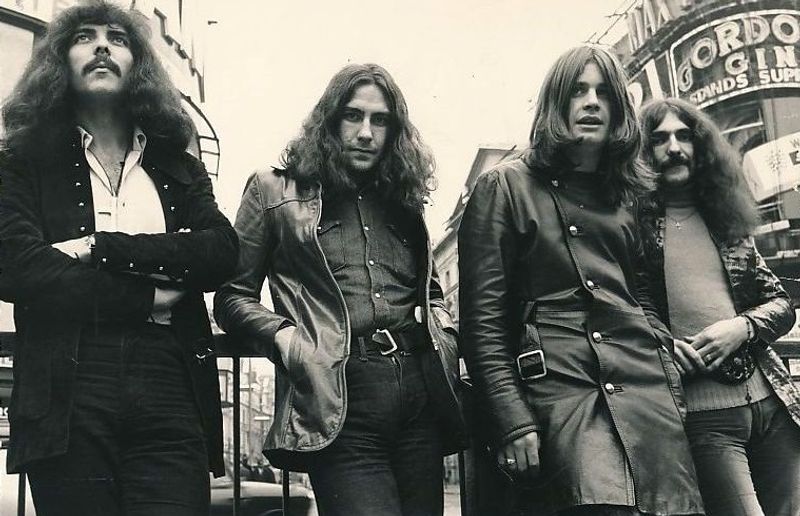
Critics in 1970 basically rolled their eyes at Black Sabbath’s debut album, calling it gloomy, repetitive, and musically unsophisticated.
However, Ozzy Osbourne, Tony Iommi, Geezer Butler, and Bill Ward were cooking up something entirely new: heavy metal.
Their down-tuned, crushing guitar sound created a blueprint that millions of bands would follow for decades.
The album that critics dismissed is now ranked among the most important records in music history.
3. The Velvet Underground: Slow-Burn Legends
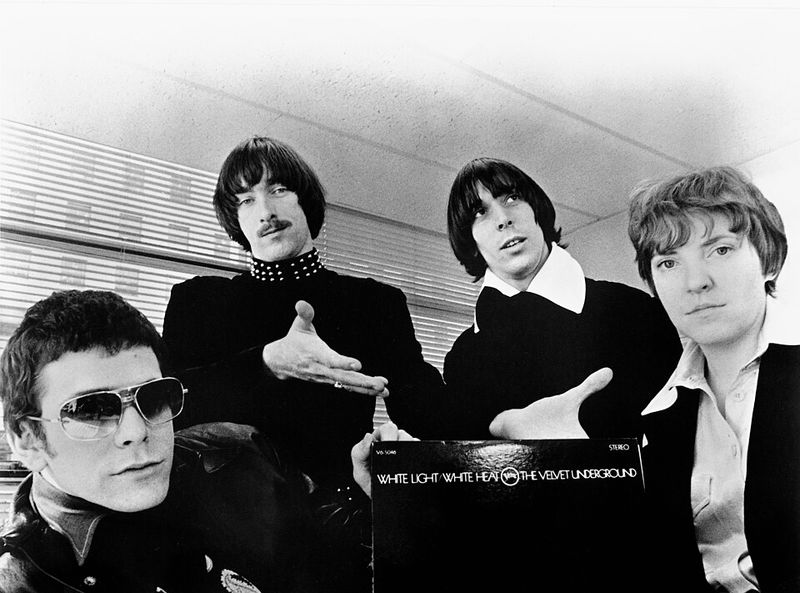
When their debut dropped in 1967, critics mostly ignored it, and the public barely bought it. The famous Andy Warhol banana cover was probably more discussed than the music itself at the time.
Brian Eno once quipped that only 10,000 people bought the album, but every single one of them started a band. That might be the most accurate description of musical influence ever written.
Punk, indie rock, and alternative music all trace their DNA straight back to The Velvet Underground.
Funny how a “commercial disaster” ended up reshaping the entire landscape of modern music.
4. Queen: Critics Couldn’t Handle The Crown
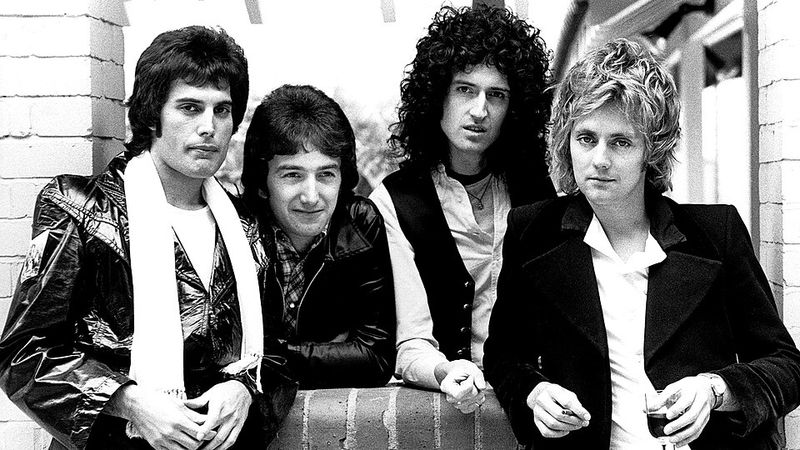
Hard to believe now, but early Queen reviews were genuinely brutal.
Critics called them overblown, pretentious, and overly theatrical. Even “Bohemian Rhapsody,” one of the most beloved songs ever recorded, got a mixed critical reception when it dropped.
Radio DJ Kenny Everett secretly played it on air after Freddie Mercury gave him an early copy, and the public response was so massive that the label had no choice but to release it.
Today, Queen is a global institution. Sometimes all it takes is the people, not the press, to crown a legend.
5. Rush: Prog-Rock Underdogs Who Won Everything

For years, critics dismissed Rush as a poor man’s Led Zeppelin. Ouch.
Early reviews called them derivative and overly technical, which, ironically, is exactly what prog-rock fans were looking for.
Neil Peart’s jaw-dropping drum skills, Geddy Lee’s uniquely powerful voice, and Alex Lifeson’s intricate guitar work created a sound that was genuinely unlike anything else.
Critics sneered; fans built a cult following that grew into a massive global fanbase.
By the time Rush was inducted into the Rock and Roll Hall of Fame, the “derivative” label had aged about as well as a cassette tape left in the sun.
6. The Stooges: Punk Before Punk Had A Name
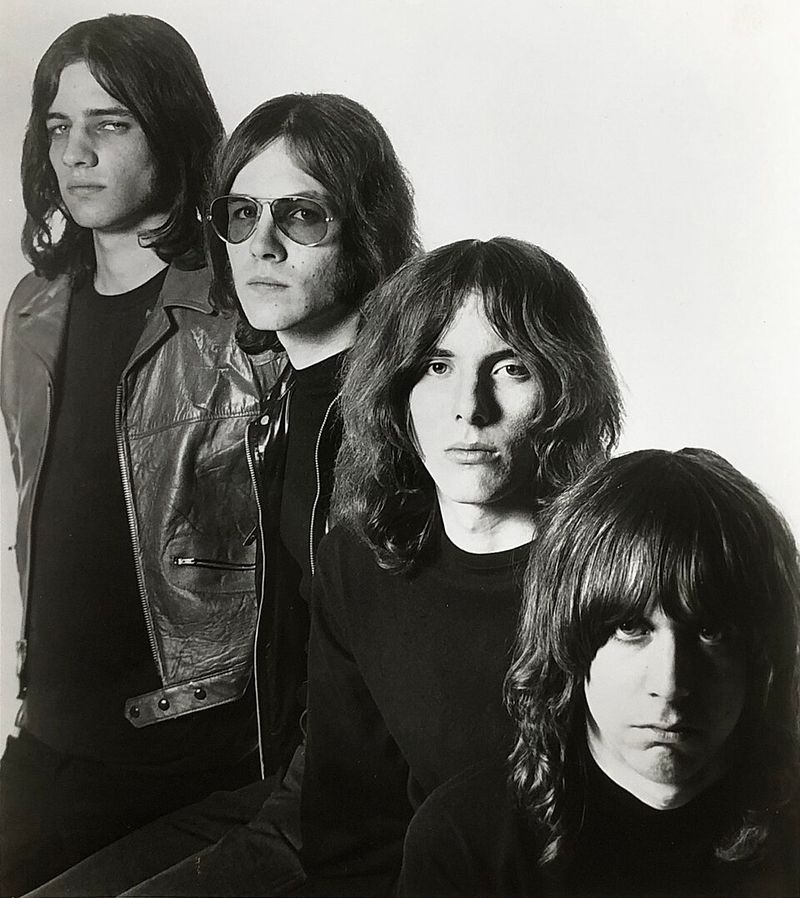
Back in 1969, most critics thought Iggy Pop and The Stooges were simply a mess.
Their debut was called primitive and unlistenable by reviewers who were probably still hoping for more flower-power folk songs.
What those critics missed was the raw, untamed energy that would become the entire foundation of punk rock.
The Stooges were loud, confrontational, and unapologetically wild, basically inventing a genre before the genre had a name.
Bands like The Ramones and countless others owe an enormous debt to those “talentless thugs.”
7. Kiss: From Flops To Face Paint Fame
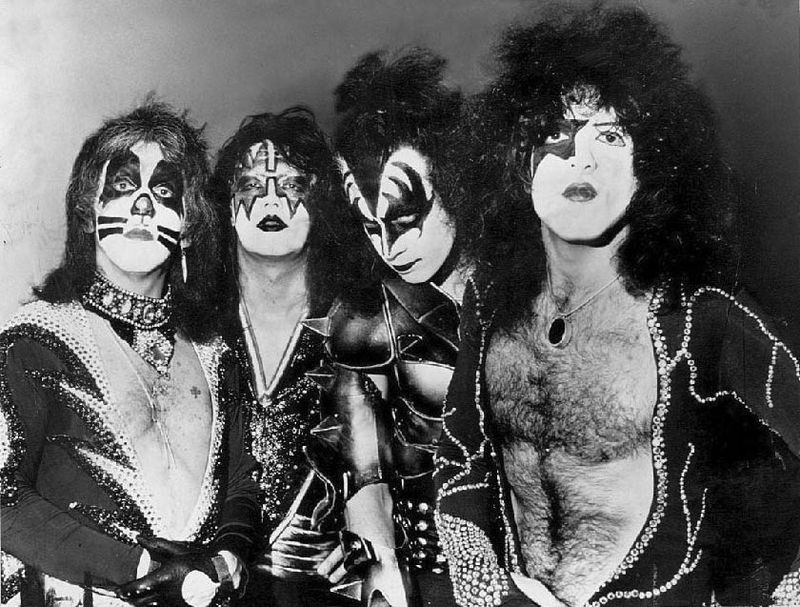
Believe it or not, Kiss’s first three studio albums were all commercial flops. Critics panned them, radio mostly ignored them, and the band seemed destined to be a flashy footnote in rock history.
The face paint was fun, but the sales figures were not. Then came Alive! in 1975, a live album that somehow captured the explosive energy of their concerts.
Even that got mixed reviews initially, but fans went absolutely crazy for it, turning it into a massive hit. That one album launched Kiss into the arena-rock stratosphere.
8. Judas Priest: Steel-Forged Against The Critics
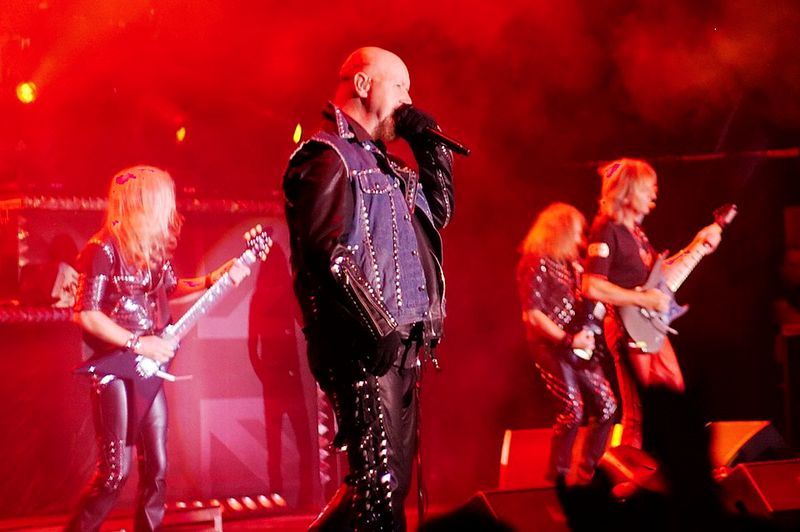
Though they are now recognized as true metal royalty, Judas Priest spent much of the late 1970s battling poor production quality and limited mainstream success. Critics weren’t exactly lining up to celebrate them.
Rob Halford’s soaring vocals and the twin-guitar attack of Glenn Tipton and K.K. Downing were extraordinary, but the recordings didn’t always do justice to their live power.
The band kept pushing, kept refining, kept believing in the music they were making. Then British Steel arrived in 1980, and suddenly everyone understood.
The album that broke them through showed the world what Judas Priest had been building toward all along.
9. Duran Duran: Rio Ran Circles Around The Critics
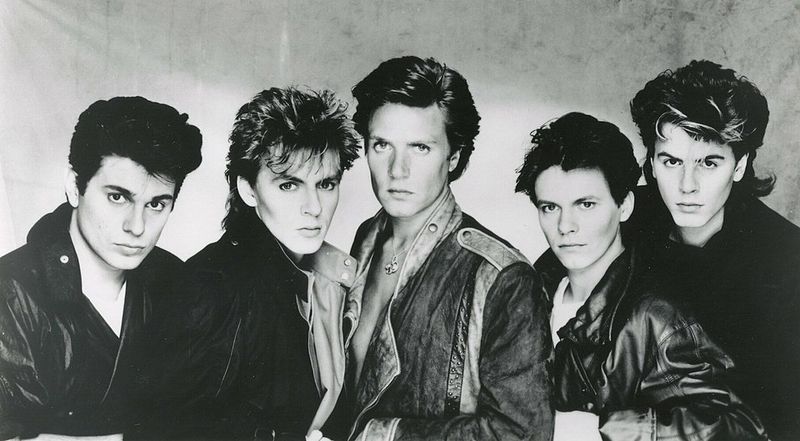
When Rio landed in 1982, a fair chunk of critics met it with shrugs and side-eyes. Too poppy, too pretty, too polished.
Some reviewers clearly couldn’t see past the eyeliner and the music videos.
What they underestimated was how perfectly Duran Duran had bottled the sound of a generation.
The album’s glossy synth-pop grooves and Simon Le Bon’s swooping vocals captured something genuinely exciting about early 1980s culture.
Decades later, Rio is regularly listed among the most influential albums of its era, credited as a cornerstone of the Second British Invasion.
10. ABBA: The Comeback Nobody Saw Coming
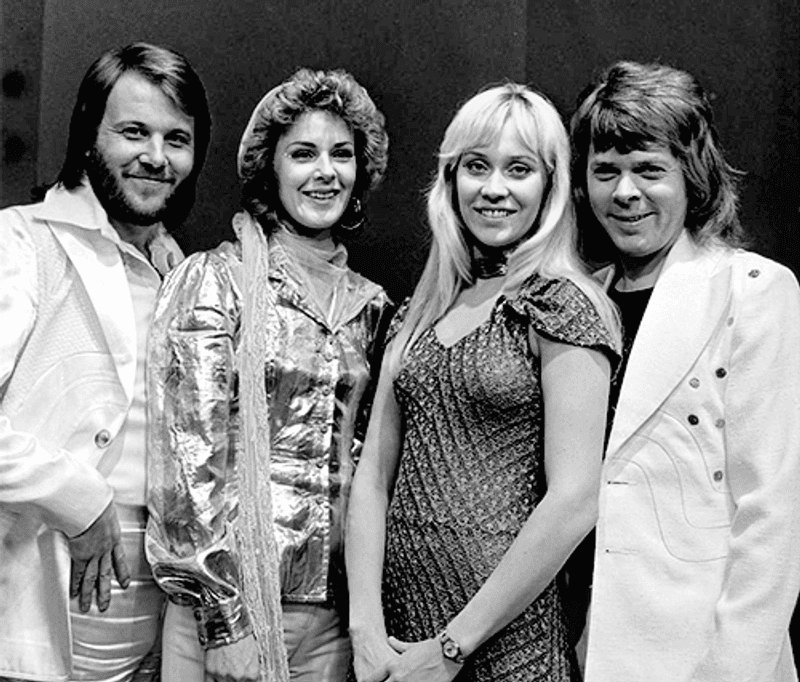
ABBA won Eurovision in 1974 and immediately became a global pop phenomenon, yet critics spent years treating them like guilty-pleasure background music.
The word “disposable” got thrown around way too often for a band this talented. For a long stretch, admitting you loved ABBA felt like confessing you enjoyed eating cereal for dinner.
Secretly great, but somehow embarrassing. The critical world just wasn’t ready to acknowledge the genius hiding inside those catchy melodies.
Then the reassessment began, and it was massive. Today ABBA is universally recognized as one of pop music’s greatest acts.
11. The Monkees: Manufactured Magic
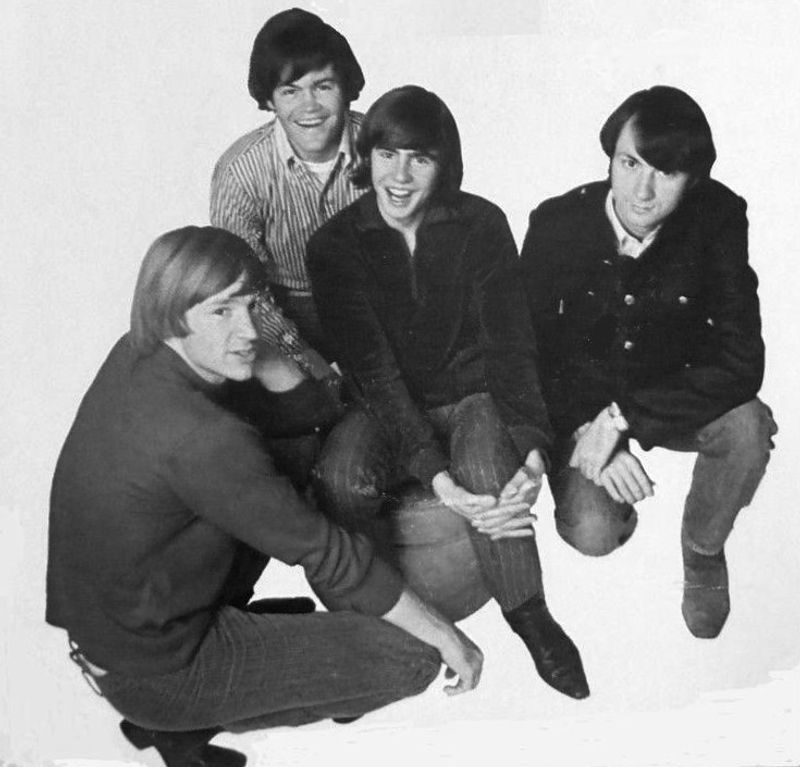
From the very beginning, critics hammered The Monkees as a fake band, a marketing gimmick assembled for a TV show.
And sure, their origin story was unusual, but the music? Genuinely brilliant pop songwriting that connected with millions of fans.
Davy Jones, Micky Dolenz, Mike Nesmith, and Peter Tork weren’t just pretty faces lip-syncing on television.
They pushed hard to gain creative control, and the music they made when they got it was surprisingly sophisticated.
12. Blondie: New Wave’s Crossover Queens
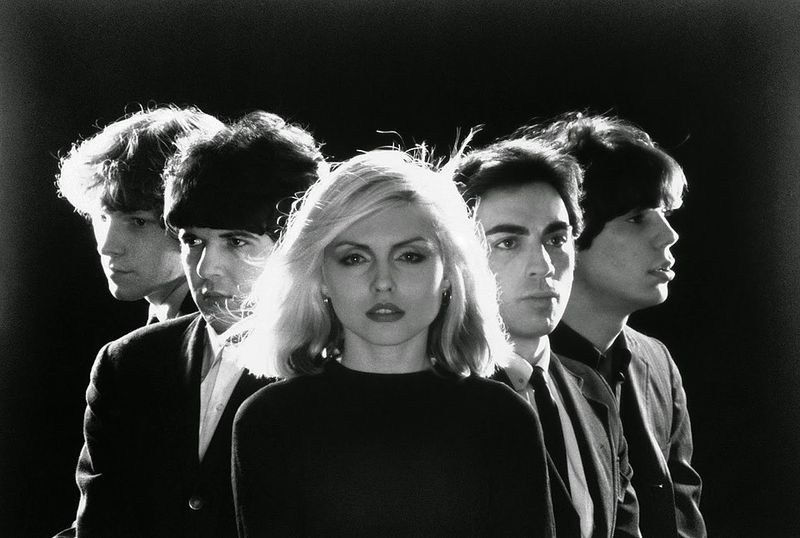
Before Parallel Lines turned them into superstars in 1978, Blondie was largely seen as an underground New York punk act, cool in certain circles but not exactly mainstream material. Critics weren’t sure what box to put them in.
Debbie Harry’s magnetic stage presence and the band’s ability to blend punk, pop, disco, and reggae into something completely fresh was genuinely ahead of its time.
Parallel Lines changed everything. Blondie became one of the defining crossover acts of the entire new wave era, and that underground cool transformed into worldwide fame.
13. Motorhead: The Loud Underdogs Who Outlasted Everyone
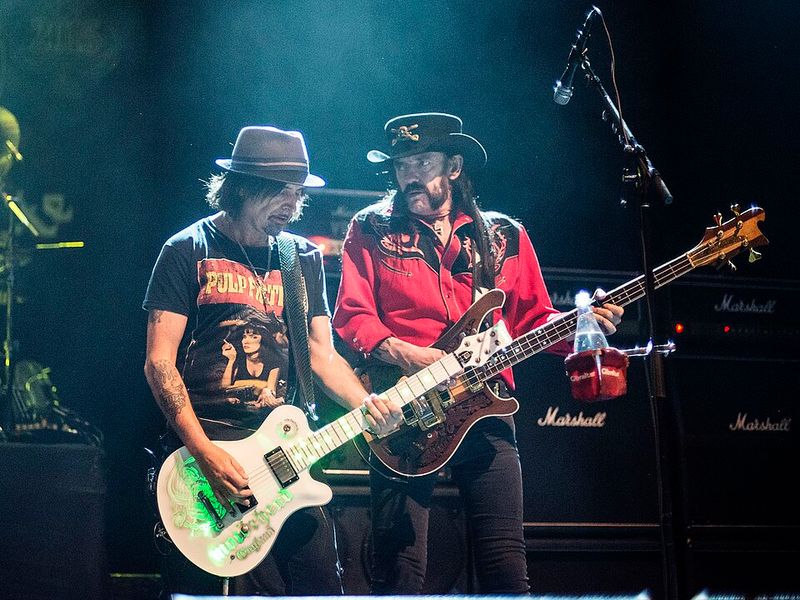
If you looked up “outsider band” in a rock encyclopedia, Motorhead’s early photo might just be there.
Their first records were rough and barely noticed outside of a small but fiercely loyal following. Critics mostly didn’t bother.
Their blend of hard rock and punk energy was a direct ancestor of speed metal, thrash metal, and basically every heavy subgenre that followed.
Over time, Motorhead became one of the most cited influences in all of heavy music. Turns out being the loudest band in the room eventually wins the argument.
14. Weezer: Pinkerton’s Long Road To Respect

When Pinkerton came out in 1996, Rolling Stone readers actually voted it one of the worst albums of the year. Ouch.
The band was crushed, Rivers Cuomo basically disappeared from public life, and Weezer’s future looked genuinely uncertain.
However, something fascinating happened online in the early 2000s. Fans started rediscovering Pinkerton, sharing it on message boards, calling it raw and deeply relatable.
The album’s honest vulnerability resonated in ways that slick production never could. Rolling Stone eventually reversed course and ranked it among the greatest albums ever made.
15. Primal Scream: From Ignored to Indispensable
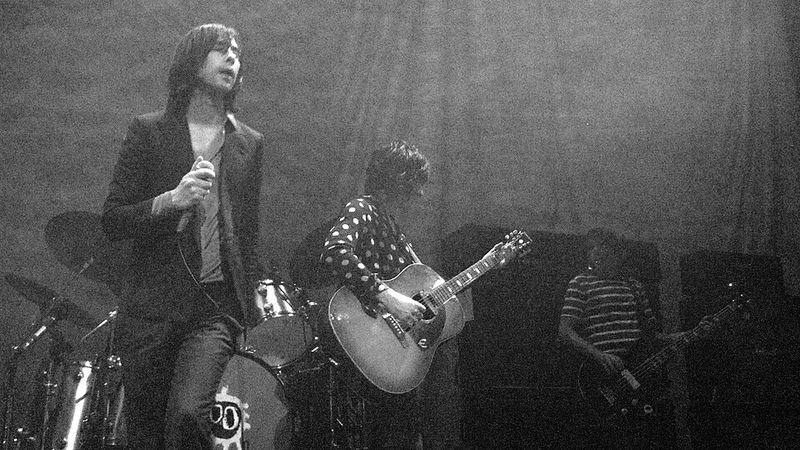
Early Primal Scream records were met with reviews so underwhelming that the band might have been forgiven for packing it in.
Critics found their sound unfocused and derivative, which is a polite way of saying they weren’t impressed.
Then Screamadelica arrived in 1991 and basically rewrote the rules of British alternative music. The album fused rock, dance, gospel, and psychedelia into something nobody had heard before, and the UK music world stopped in its tracks.
Screamadelica won the very first Mercury Prize and is now considered a landmark of its era.