
16 Bands Named After Real People That Spark Curiosity
Band names usually sound mysterious and rock-and-roll cool, until someone discovers they actually belong to a real person.
Rock history is packed with groups that borrowed their names from historical figures, random individuals, or occasionally the musicians themselves.
Somewhere out there is a real person who unknowingly shares a name with a legendary rock band – and that’s a pretty wild thing to explain at family dinners.
1. Franz Ferdinand
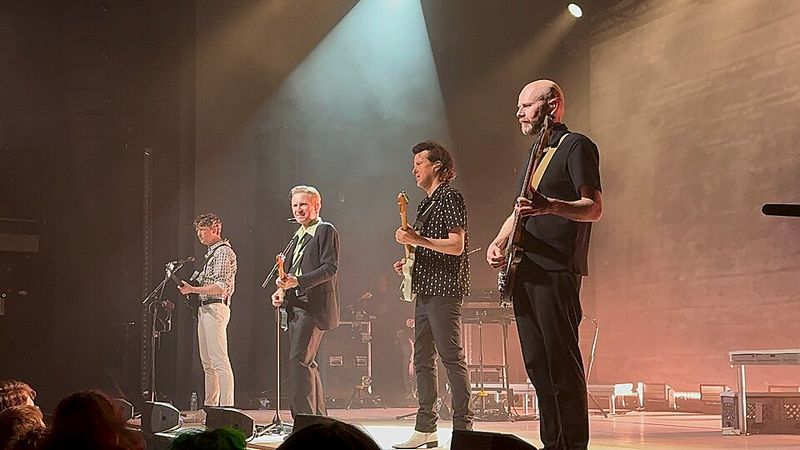
The 1914 sh*oting of Archduke Franz Ferdinand helped ignite World War I, yet the same name later launched a Scottish indie rock sensation. Late-night brainstorming session led band members to the name while flipping through history books.
Dramatic weight of that historical moment gave the choice a strangely magnetic pull.
Breakthrough debut album in 2004 transformed the archduke’s legacy into sharp, dance-floor anthems. History class rarely sounds this catchy.
2. Jethro Tull

Innovation in 18th-century farming gave the world the seed drill, and its inventor unexpectedly lent his name to a future rock legend. Jethro Tull the agriculturist likely never imagined that album covers would carry it centuries later.
Progressive rock found the name again in 1967 when Ian Anderson adopted it for his band.
Irony runs deep in the pairing: the original Tull transformed agriculture, while the group helped make flute solos a bold presence in rock music. Both ended up planting seeds that grew into something extraordinary.
3. Lynyrd Skynyrd
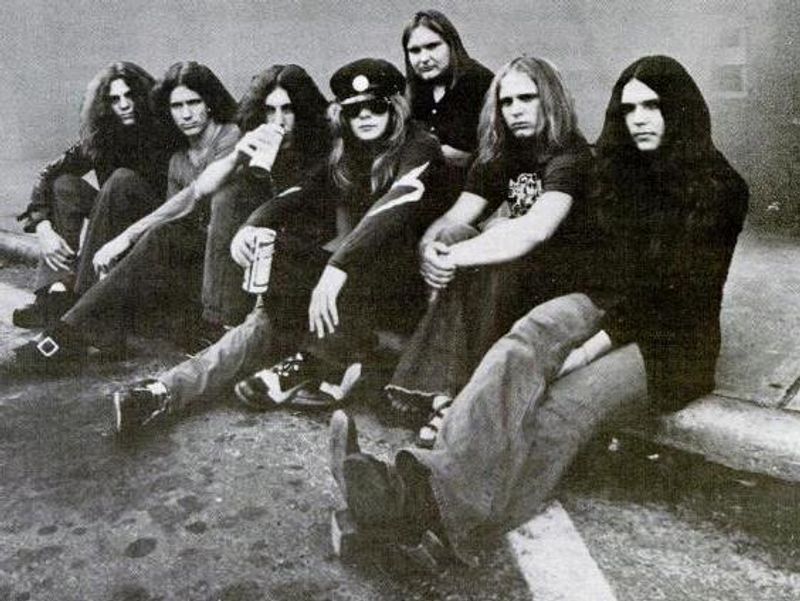
Leonard Skinner was a gym teacher who hated long hair on boys. His strict policy at a Jacksonville high school frustrated students constantly.
Those rebellious kids grew up to form a band.
They twisted his name into something unforgettable as playful revenge. Every time “Sweet Home Alabama” plays, that old gym teacher’s legacy gets another spin, though probably not how he envisioned.
4. Dave Matthews Band
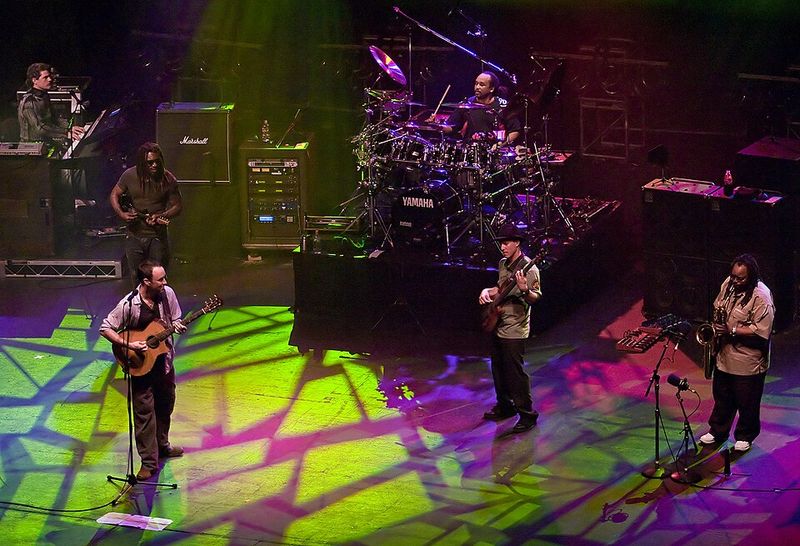
Occasionally the simplest naming choice turns out to be the smartest one. Formation of the jam band began in Charlottesville, Virginia, during the early nineties with Dave Matthews at the center.
Instead of hunting for a clever moniker, his own name ended up on the marquee.
Straightforward decision suited the group’s honest, groove-heavy sound perfectly. Music that speaks loudly rarely needs a fancy name getting in the way.
5. Bon Jovi
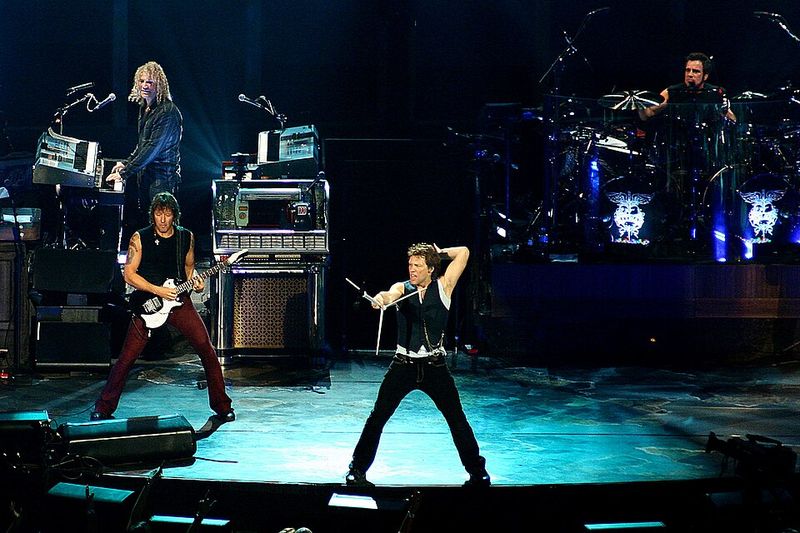
Early in his career, Jon Bongiovi trimmed his surname and turned it into one of rock’s most recognizable names. Radio DJs and concert posters benefited immediately from the cleaner version.
Soon the name Bon Jovi stood shoulder to shoulder with fist-pumping anthems and leather jackets.
Decades of stadium tours and soaring power ballads now sit inside that single name. Chances are someone’s parents once slow-danced to “Always,” whether they admit it or not.
6. Van Halen
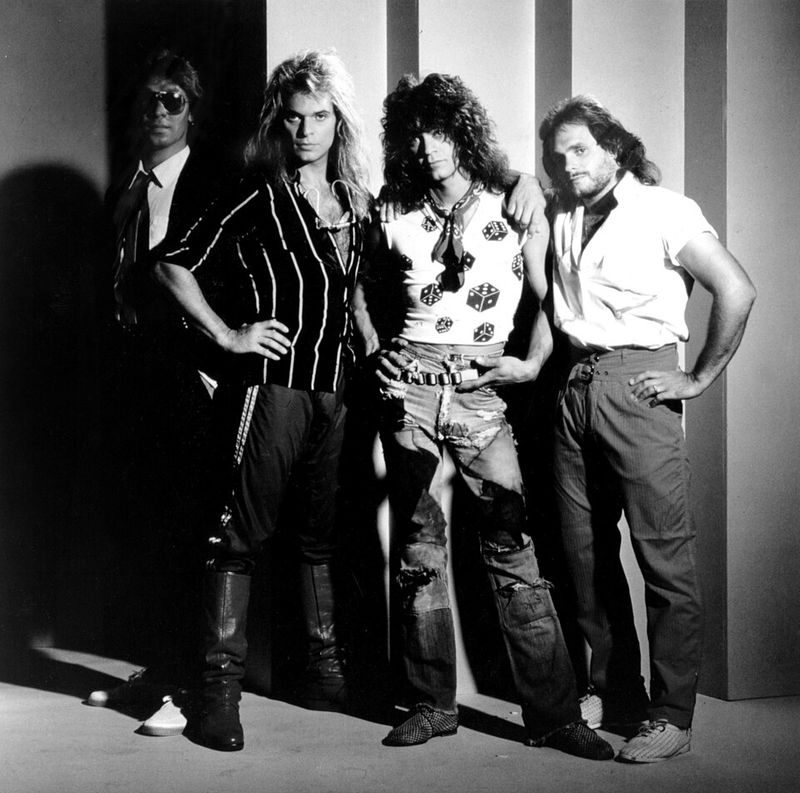
Two Dutch-Indonesian brothers brought their family name to California and changed rock guitar forever.
Eddie and Alex Van Halen formed their band in Pasadena during the mid-seventies. Their surname rolled off tongues easily while standing out on club flyers.
Eddie’s finger-tapping technique became legendary, proving the Van Halen name meant innovation. Every garage band since has attempted “Eruption” at least once.
7. Santana
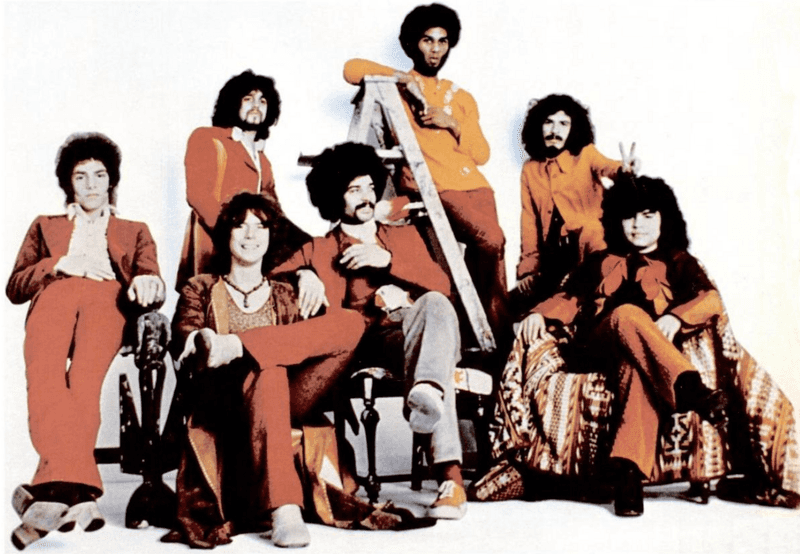
Carlos Santana’s guitar tone carries sunshine and spirituality in equal measure.
His band emerged from San Francisco’s psychedelic scene carrying Latin rhythms into rock territory.
The Santana name became shorthand for transcendent guitar solos that make crowds sway. Woodstock 1969 turned Carlos into a household name overnight, his instrument singing stories words couldn’t capture.
8. The Allman Brothers Band
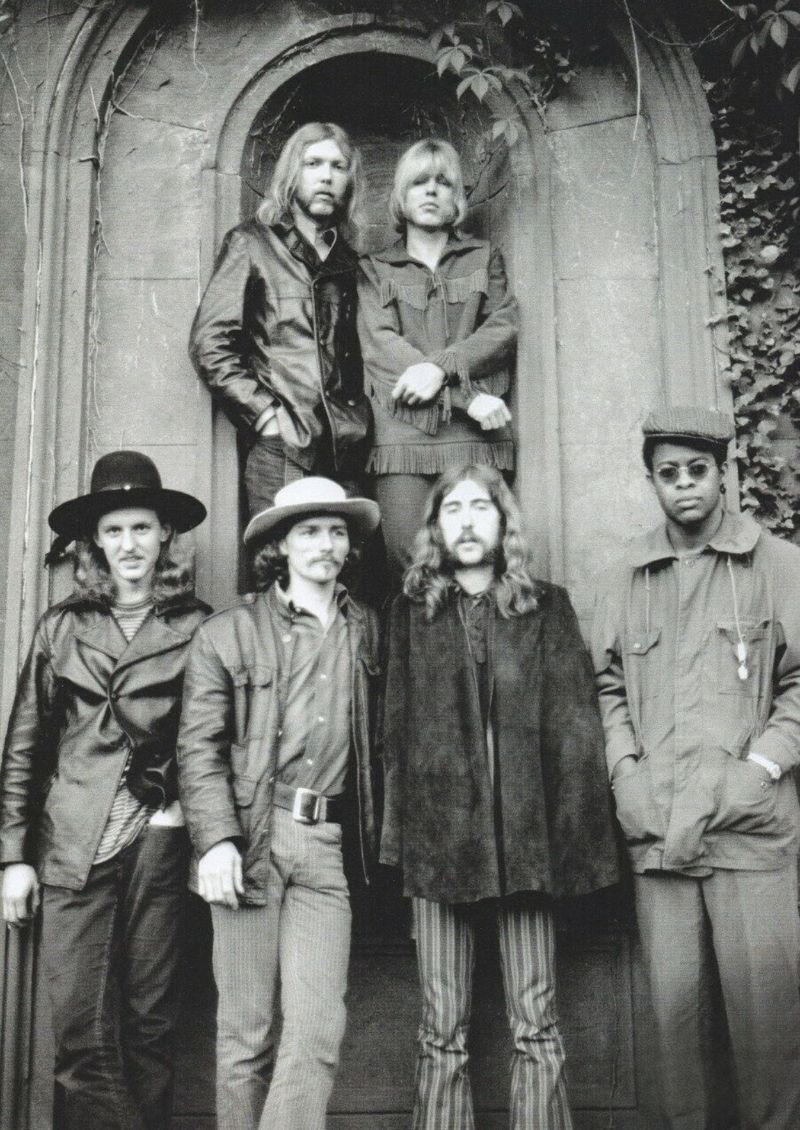
Southern rock found its blueprint in Macon, Georgia, where Duane and Gregg Allman began shaping a sound that blended blues, improvisation, and raw energy.
Brotherhood inside the group reached beyond family ties, pulling fellow musicians into a loose clan bound by shared riffs and long jams. Duane’s early exit from the band’s story struck a painful note, yet the band carried his spirit forward.
Legendary sets at the Fillmore East still echo with the feeling of warm summer nights and endless highways.
9. Steve Miller Band
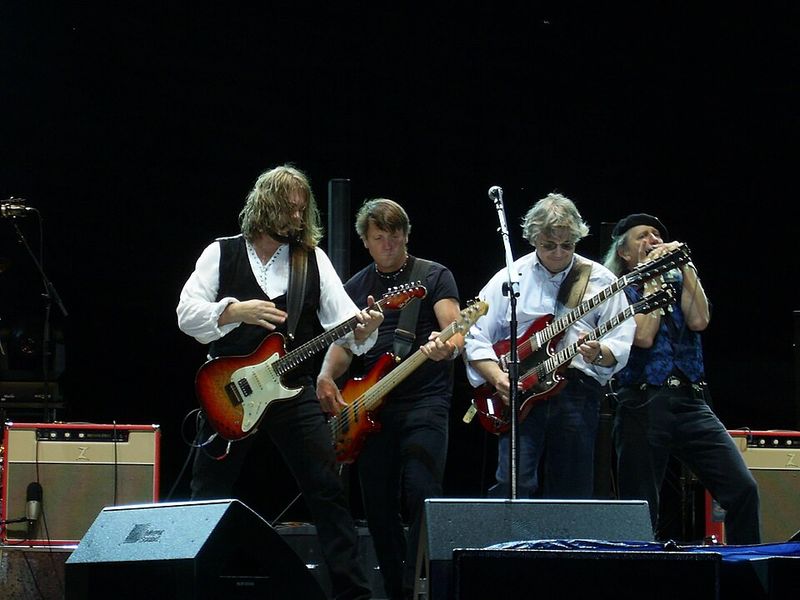
Childhood in Wisconsin gave Steve Miller an unusual advantage when guitar pioneer Les Paul offered early lessons. Formation of a blues-rock band in San Francisco during the sixties soon turned that training into a thriving career.
Radio stations embraced the group as if it were a hit factory. “The Joker” and “Fly Like an Eagle” settled permanently into classic rock playlists.
Feel-good grooves almost always followed whenever the name Steve Miller appeared.
10. The Jimi Hendrix Experience
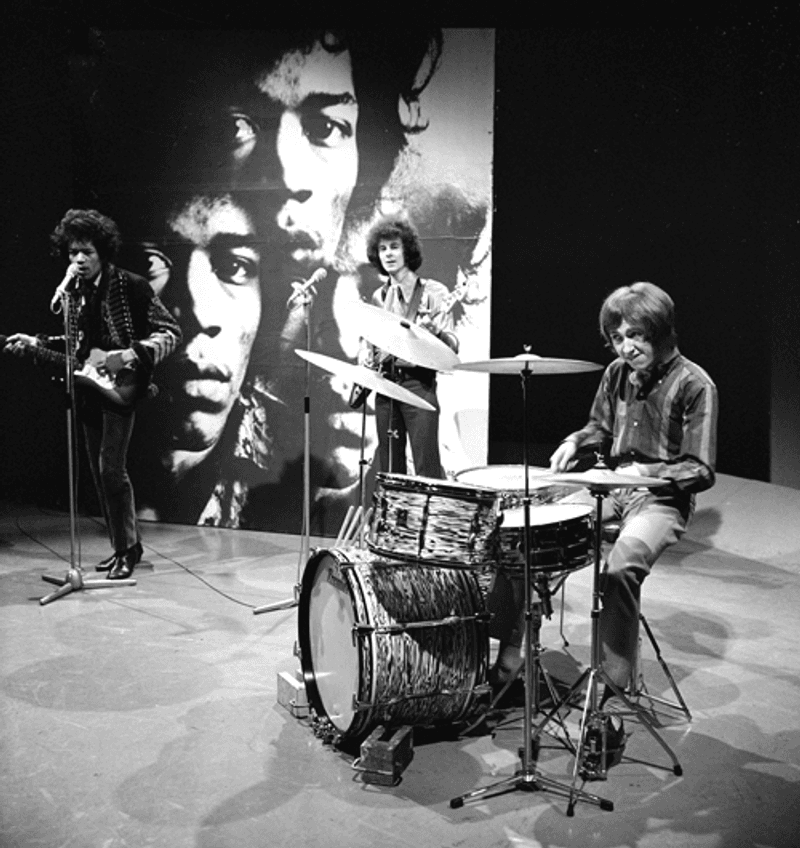
Electric guitar seemed to speak in otherworldly tones whenever Jimi Hendrix took the stage. Fronting the Experience, he led a power trio that redefined what amplified instruments could achieve.
Monterey Pop Festival watched as Hendrix set his Stratocaster on fire, both literally and in spirit.
Only three studio albums arrived before the run ended far too soon.
Name Jimi Hendrix still signals pure sonic revolution.
11. The Alan Parsons Project
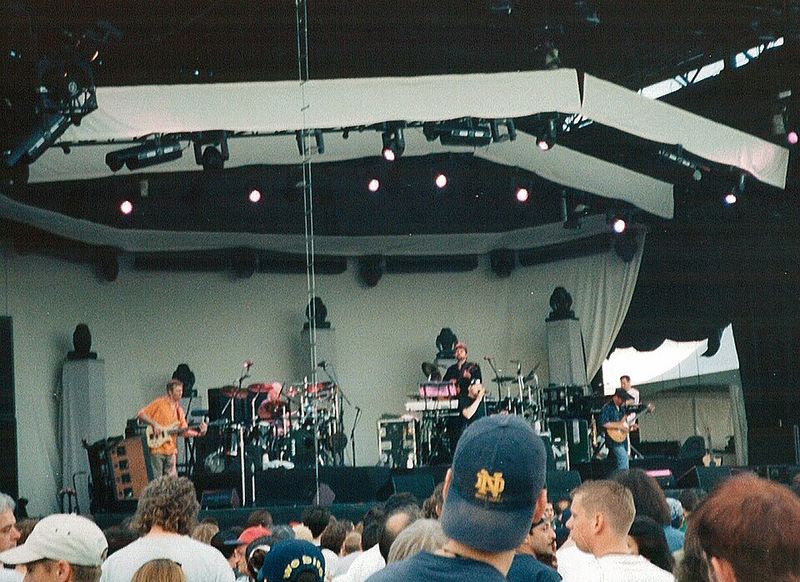
Work behind the mixing console on Pink Floyd’s Dark Side of the Moon gave Alan Parsons the foundation for launching his own musical venture. His Project later blended progressive rock with art-rock sophistication through the seventies and eighties.
Concept albums became the group’s calling card, each one exploring philosophical ideas and grand sonic textures.
“Eye in the Sky” remains the most recognized track, its opening synth line instantly recognizable.
Parsons showed that engineers could grow into visionary artists as well.
12. The Marshall Tucker Band
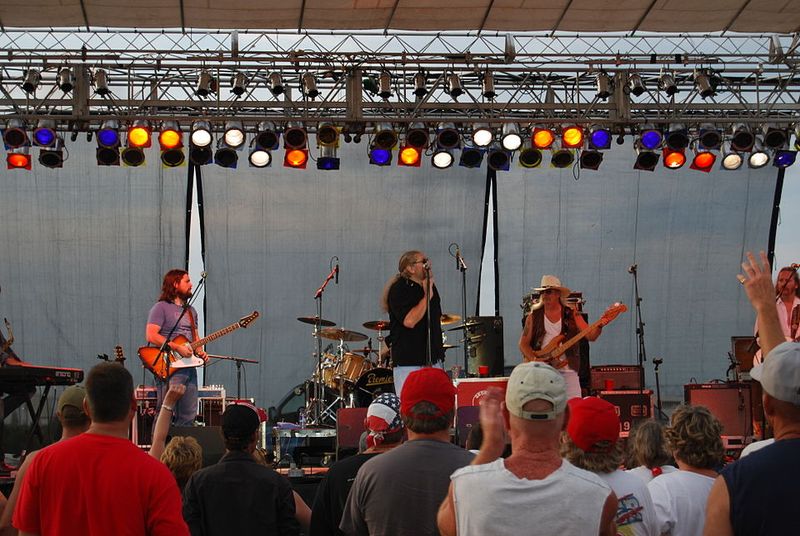
Strangely enough, nobody named Marshall Tucker ever played in the Marshall Tucker Band.
Key to their rehearsal space once belonged to a blind piano tuner named Marshall Tucker, and the name simply stuck. Chance discovery turned into a quirky origin story for a Southern rock staple.
Blend of country, jazz, and rock gave the group a sound that felt warm and welcoming.
13. Tedeschi Trucks Band
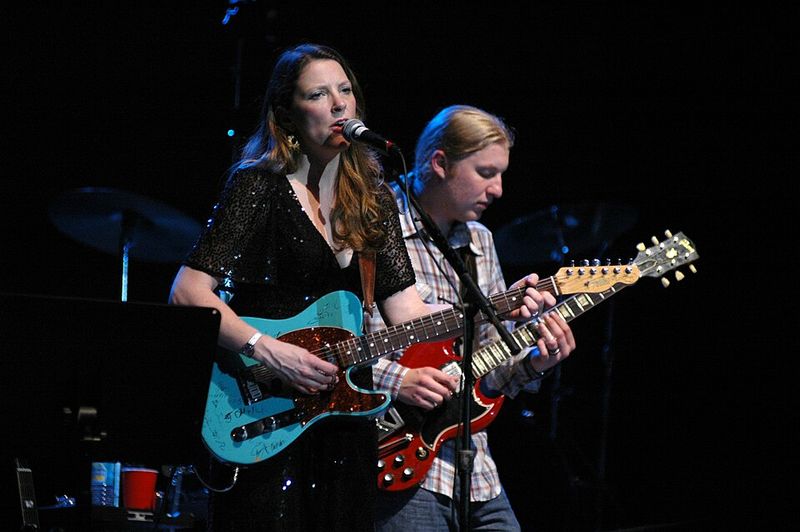
Raw emotion pours from Susan Tedeschi’s voice while Derek Trucks’ slide guitar seems to speak in its own language. Together the married pair fused their surnames and their talents into one powerhouse ensemble.
Supporting musicians rotate through the lineup, creating a band packed with standout players.
Concerts often feel like revival meetings, mixing blues, soul, and rock into something electrifying.
Two names eventually merged into one unstoppable musical force.
14. The Brian Setzer Orchestra
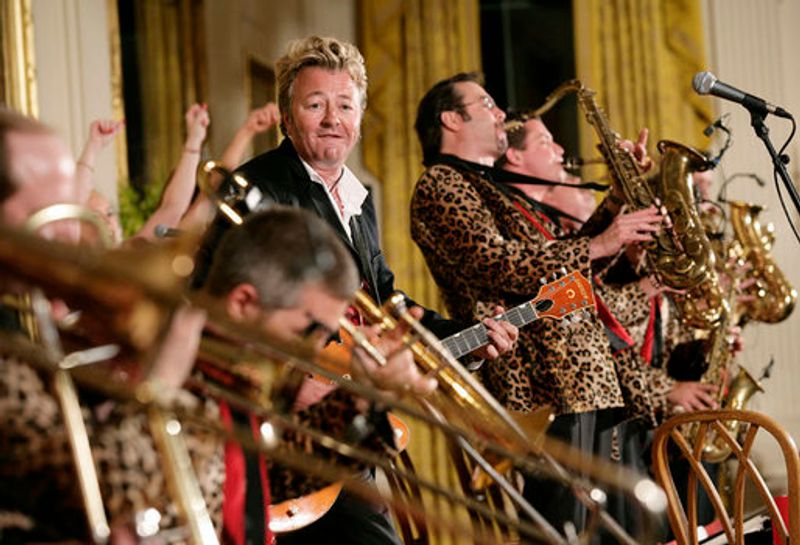
Brian Setzer left the Stray Cats to chase a bigger, brassier sound.
His orchestra brought swing music roaring back during the nineties with seventeen-piece arrangements. Jump blues met rockabilly in the most unexpected and delightful collision.
Setzer’s Gretsch guitar cut through those horns like butter, proving vintage styles never truly disappear.
15. The Charlie Daniels Band
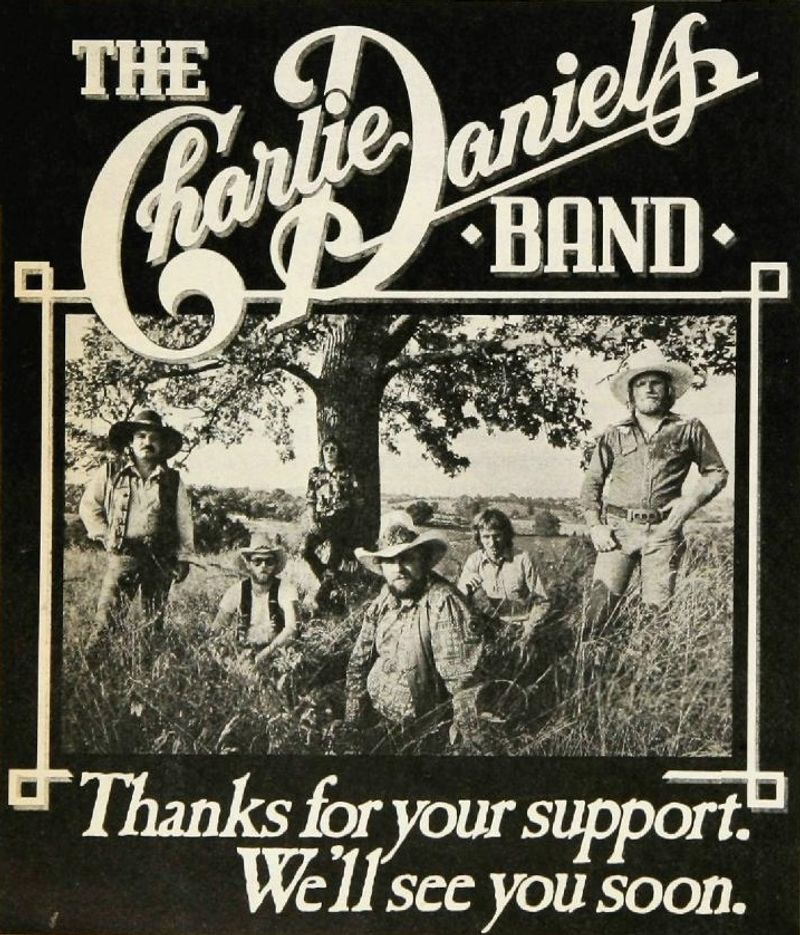
Fiery fiddle playing turned Charlie Daniels into one of the most recognizable figures in Southern music. Band behind him blended country, bluegrass, rock, and gospel into a sound that felt fiercely American.
“The Devil Went Down to Georgia” exploded into a cultural phenomenon. That musical face-off still gets feet stomping in honky-tonks everywhere.
Name Charlie Daniels became a symbol of authenticity and raw energy.
16. Tom Petty And The Heartbreakers
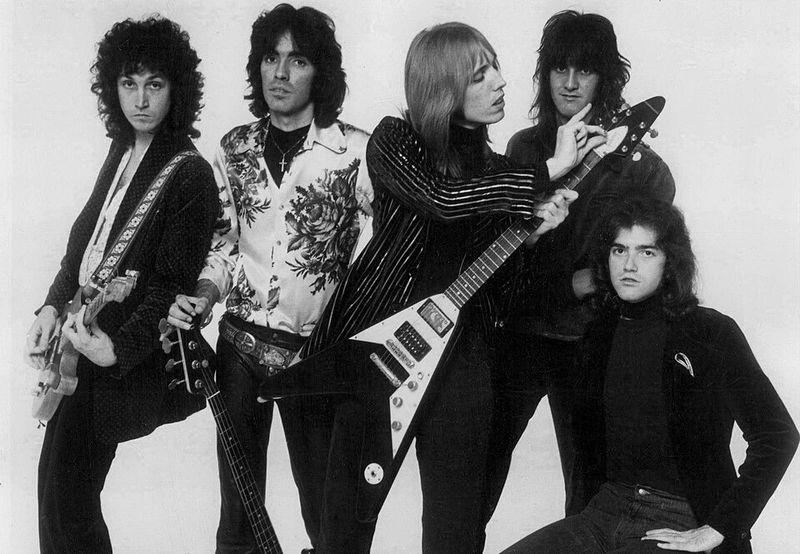
Everyday struggles and small-town dreams found a voice through Tom Petty’s unmistakable delivery.
Behind him, the Heartbreakers played with tight precision and genuine heart, shaping anthems that resonated with working-class listeners. Florida raised the band, yet the sound spoke to anyone who had ever felt stuck.
Honest rock and roll followed whenever Petty’s name appeared, free of pretension and full of pure feeling and unforgettable hooks.
Important: This article summarizes widely reported origin stories behind band names and the real people they reference.
Some naming accounts are simplified for readability, and details can vary across interviews, liner notes, and retrospective reporting.


.jpg)


.png)

.jpg)


