10 Bands That Reached New Heights After Dismissing A Member
Sometimes, losing a member can be the best thing that happens to a band. Music history is full of wild stories where groups parted ways with someone, only to skyrocket to superstardom shortly after.
It sounds almost unfair: one person leaves, and suddenly the band is selling out stadiums and topping charts worldwide. How can a single lineup change flip the entire script?
The right mix of people can unlock a completely new level of creativity, energy, and chemistry, transforming sound, stage presence, and songwriting. Some bands discovered hidden talent within remaining members, while others found a fresh direction that resonated with audiences.
Breakups and departures do not always signal decline; in many cases, they mark a turning point that propels a group to legendary status. These ten bands proved that shedding one member can be the spark that turns a good group into an unstoppable musical force, forever changing their place in history.
1. Pink Floyd And The Syd Barrett Departure
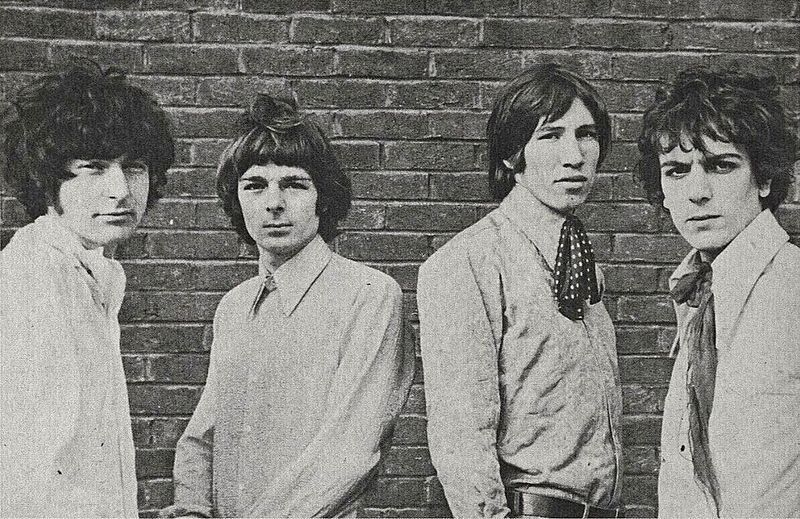
Few rock stories are as bittersweet as what unfolded inside Pink Floyd during the late 1960s. Syd Barrett, the band’s original creative force, struggled deeply with mental health challenges, making it nearly impossible to continue performing reliably.
After his departure in 1968, Roger Waters and David Gilmour steered the group toward something far more ambitious. Albums like The Dark Side of the Moon and The Wall became cultural landmarks, selling hundreds of millions of copies worldwide.
Losing a founding visionary could have ended everything. Instead, it opened a door to some of the most breathtaking music ever recorded.
2. Metallica Rise After Dave Mustaine

Back in 1983, Metallica made a bold and controversial call by firing guitarist Dave Mustaine just before recording began. Mustaine was talented, no question, but internal clashes were derailing the band’s momentum fast.
Kirk Hammett stepped in, and the lineup clicked into something ferocious and focused. Albums like Master of Puppets and …And Justice for All cemented Metallica as undisputed kings of thrash metal globally.
Ironically, Mustaine went on to form Megadeth, creating a legendary rivalry. Both bands thrived, but Metallica’s commercial dominance after the change was simply unmatched in heavy metal history.
3. Journey Finds Its Voice With Steve Perry
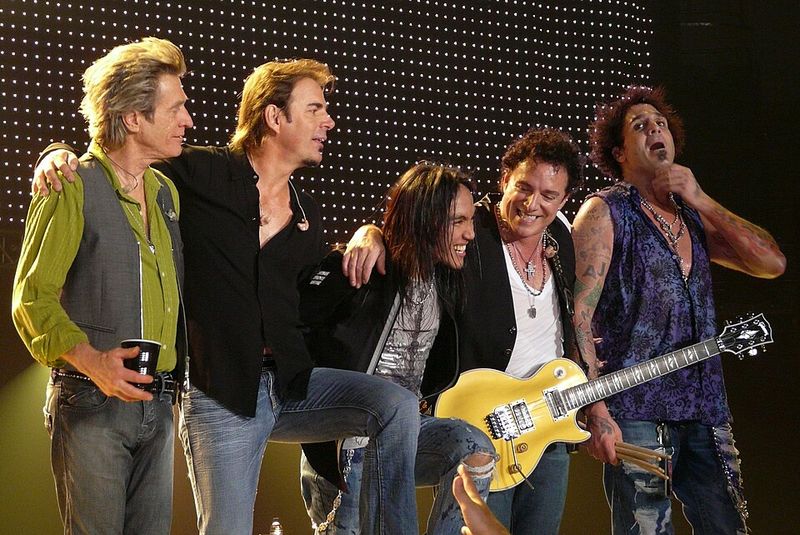
Not every band swap feels like a gamble, but replacing founding keyboardist and vocalist Gregg Rolie in 1977 was a massive leap of faith for Journey. Enter Steve Perry, a vocalist whose voice could genuinely stop traffic on a busy freeway.
Perry’s arrival transformed Journey into an arena rock powerhouse almost overnight. Smash hits like “Don’t Stop Believin'” and “Open Arms” turned casual listeners into devoted superfans across entire generations.
Rolie was talented and respected, but Perry’s golden vocal range unlocked a pop-rock magic Journey had never tapped before. Sometimes the right voice changes absolutely everything.
4. The Police Sharpen Up After Henry Padovani

Henry Padovani was actually one of the founding members of The Police, playing guitar in the band’s earliest lineup. However, his departure in 1977 made room for Andy Summers, a guitarist whose sophisticated playing style elevated everything around him.
Summers brought a chiming, reggae-influenced guitar texture that became instantly recognizable worldwide. Hits like “Every Breath You Take,” “Roxanne,” and “Message in a Bottle” followed, turning The Police into one of the biggest acts on the entire planet.
Padovani’s exit wasn’t dramatic, but its impact was enormous. A three-piece lineup of Sting, Copeland, and Summers became one of rock’s most iconic combinations.
5. Genesis Rebuilds And Conquers The Charts
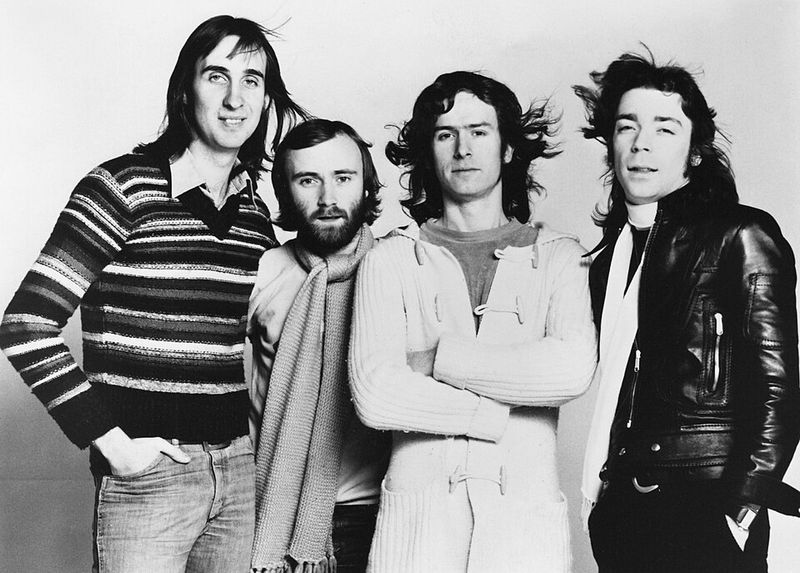
Genesis went through several drummer changes before finding long-term stability, starting notably when John Silver was dismissed in 1970. Silver’s exit allowed the band to eventually land Phil Collins behind the kit, and that was a total game-changer.
Collins could sing AND drum, which sounds like a superpower straight out of a comic book. His dual role helped shape Genesis into both a progressive rock legend and a massive pop crossover act.
Albums like Invisible Touch sold millions globally, and Collins launched a parallel solo career that dominated radio for years. One lineup shuffle quietly set off a chain reaction nobody predicted.
6. Fleetwood Mac And The Buckingham Nicks Effect
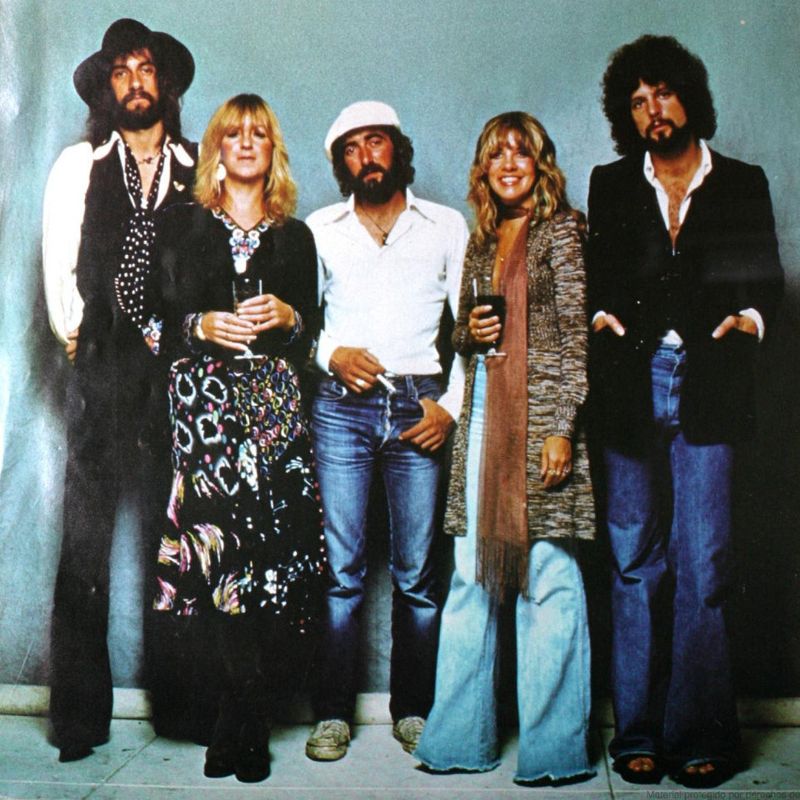
Fleetwood Mac had already been around for years when founding guitarist Peter Green departed in 1970 due to personal struggles. Several more lineup changes followed, but the most transformative moment came in 1975 when Lindsey Buckingham and Stevie Nicks joined up.
Buckingham’s intricate guitar work and Nicks’s haunting vocal style created a chemistry nobody could have scripted. The album Rumours, released in 1977, became one of the best-selling records in music history.
Drama, heartbreak, and raw talent all collided beautifully on one record. Losing earlier members hurt, but gaining Buckingham and Nicks was nothing short of a miracle.
7. The Beatles Swap Pete Best For Ringo Starr
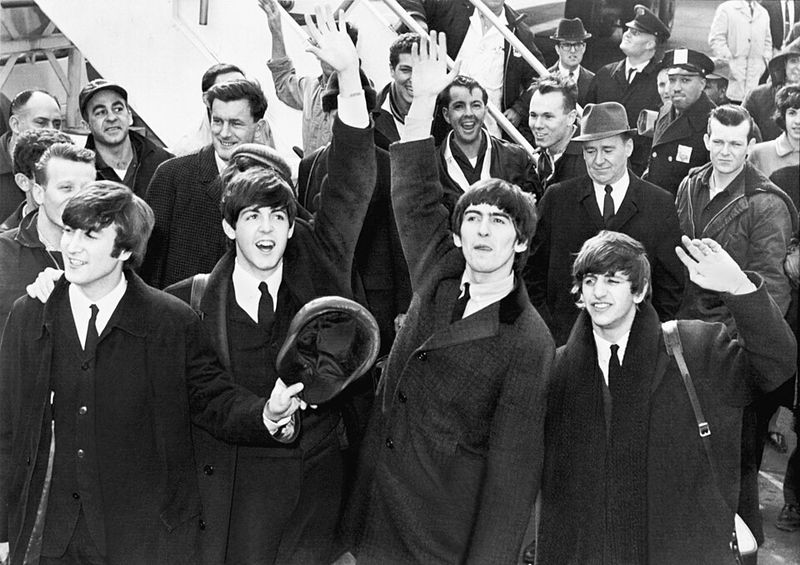
Poor Pete Best. He was The Beatles’ drummer right up until August 1962, just months before the band exploded into global superstardom.
Ringo Starr replaced him, and the rest, as everyone says, is history.
Ringo’s steady, creative drumming style perfectly complemented John, Paul, and George’s songwriting brilliance. The chemistry clicked immediately, and Beatlemania swept the entire world shortly after.
Best reportedly heard the news through a third party, which stings just reading it. Still, few lineup changes in music history have had such a seismic, world-shaking impact.
Ringo Starr became one of the most beloved drummers of all time.
8. Black Sabbath Transforms After Ozzy Osbourne’s Exit
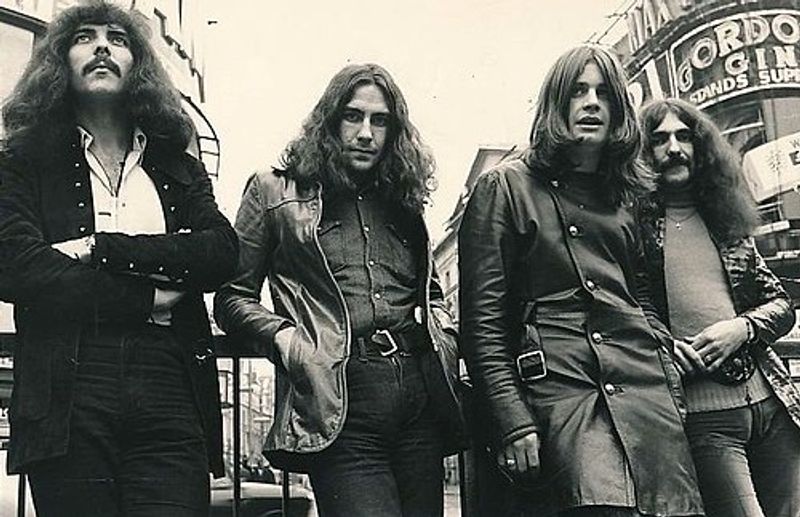
Ozzy Osbourne’s firing from Black Sabbath in 1979 shocked the rock world. He was the face of the band, the growling voice behind classics like “Iron Man” and “Paranoid.” Replacing him seemed almost impossible.
Ronnie James Dio stepped in, and his operatic vocal power brought a completely fresh intensity to Sabbath’s already crushing sound. The album Heaven and Hell, released in 1980, proved the band could thrive without its original frontman.
Ozzy went on to massive solo success too, so nobody truly lost here. However, Dio-era Sabbath earned its own passionate fanbase and critical respect that still stands strong decades later.
9. Van Halen Reinvents Itself With Sammy Hagar

David Lee Roth’s departure from Van Halen in 1985 felt like a crisis. His flamboyant showmanship had defined the band’s wild, party-rock identity for nearly a decade.
Fans were genuinely worried about what came next.
Sammy Hagar filled the role and immediately brought a warmer, more melodic vocal style to the mix. Albums like 5150 and OU812 debuted at number one on the Billboard charts, something Van Halen had never achieved before.
Critics called it a sellout, but the numbers told a different story entirely. Hagar-era Van Halen reached commercial peaks the Roth era never quite hit, surprising absolutely everyone.
10. AC/DC Carries On Powerfully With Brian Johnson
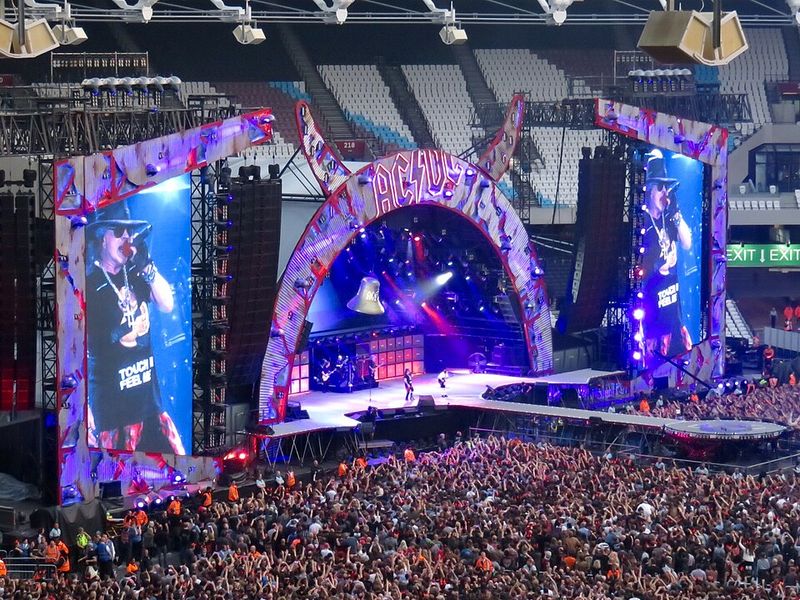
Bon Scott’s tragic passing in 1980 left AC/DC at a devastating crossroads. Scott was irreplaceable in every sense, the wild, raspy voice behind some of rock’s most electrifying anthems.
Continuing without him seemed almost disrespectful to many fans.
Brian Johnson auditioned and brought a raw, high-pitched scream that honored the band’s spirit without simply copying it. The very first album recorded after the change, Back in Black, became one of the best-selling albums in recorded music history worldwide.
No lineup change on this entire list produced a faster or more stunning commercial result. AC/DC didn’t just survive losing Bon Scott.
Incredibly, they produced their masterpiece right after.