15 Bands Popular With Baby Boomers That Rarely Surface In Millennial Playlists
Remember when the soundtrack of life came with a little crackle?
Baby Boomers grew up dropping needles on vinyl, waiting for that first guitar riff to cut through the static on AM radio. Certain bands did not just top charts.
They owned summers, road trips, and living rooms across the country.
Turn up one of those old records, and it becomes clear. The music never left, the spotlight just did.
1. Three Dog Night
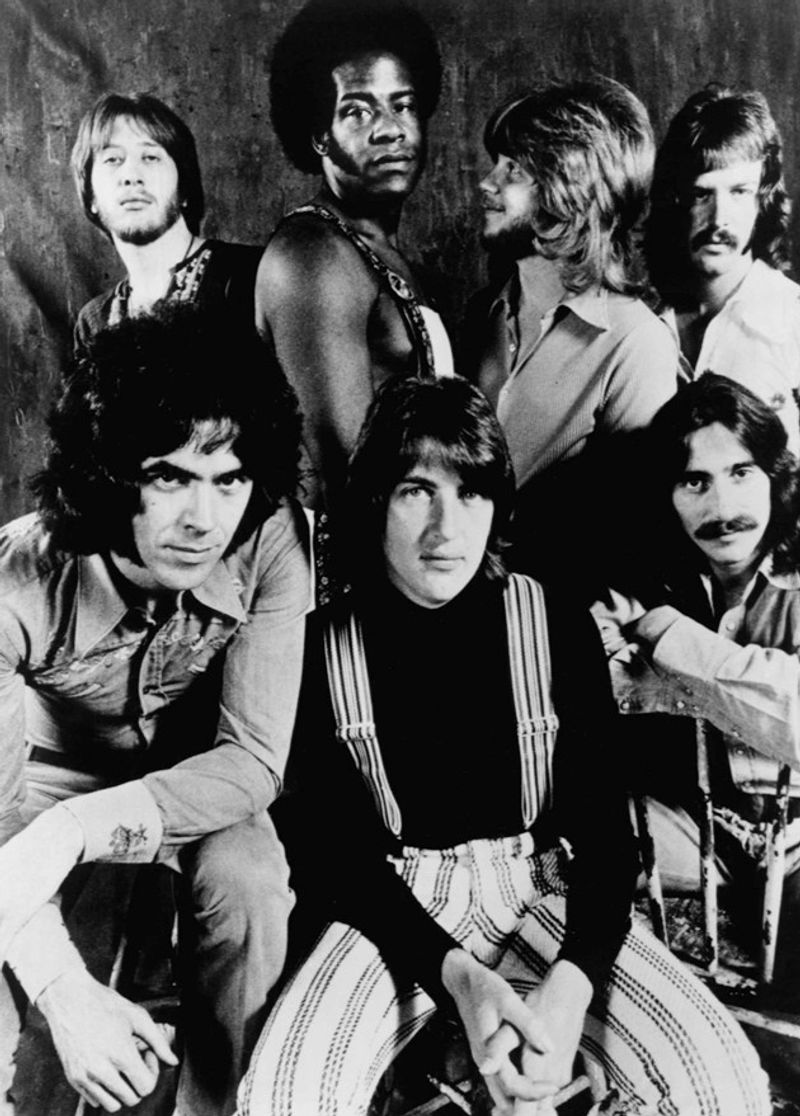
Radio dial clicks and a harmony-soaked chorus suddenly fills the car. Between 1969 and 1975, Three Dog Night placed 21 songs in the Billboard Hot 100 Top 40, many of them reinterpretations that became defining hits.
Talent for selecting outside material and reshaping it into gold-selling singles secured their presence at countless Boomer-era gatherings.
Tracks such as “Joy to the World” and “Mama Told Me Not to Come” still surface on classic hits stations, even if younger listeners do not always seek them out intentionally.
2. Bread
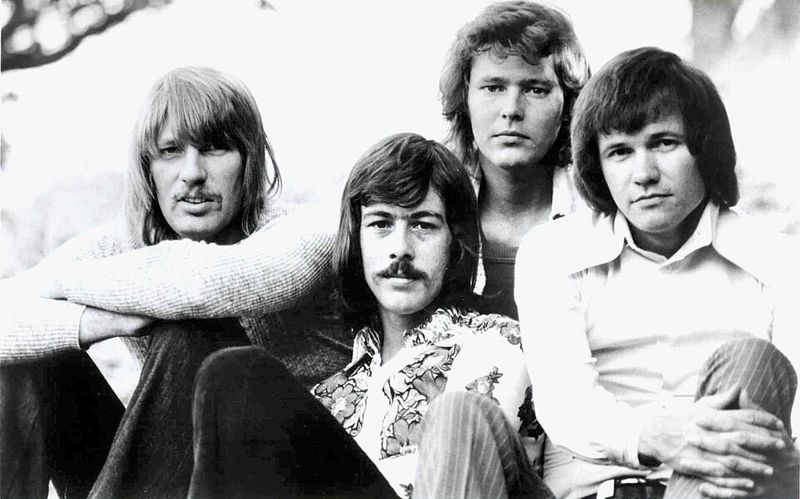
Soft-rock melodies drift through the kitchen as coffee is stirred and morning light spreads across the counter. Bread refined a style built on gentle, emotionally direct songs that invited listeners to pause and absorb the moment.
David Gates delivered vocals with a calm warmth that felt steady and reassuring.
Chart-topping tracks such as “Make It With You” and “Everything I Own” became staples at wedding receptions and slow dances.
3. America
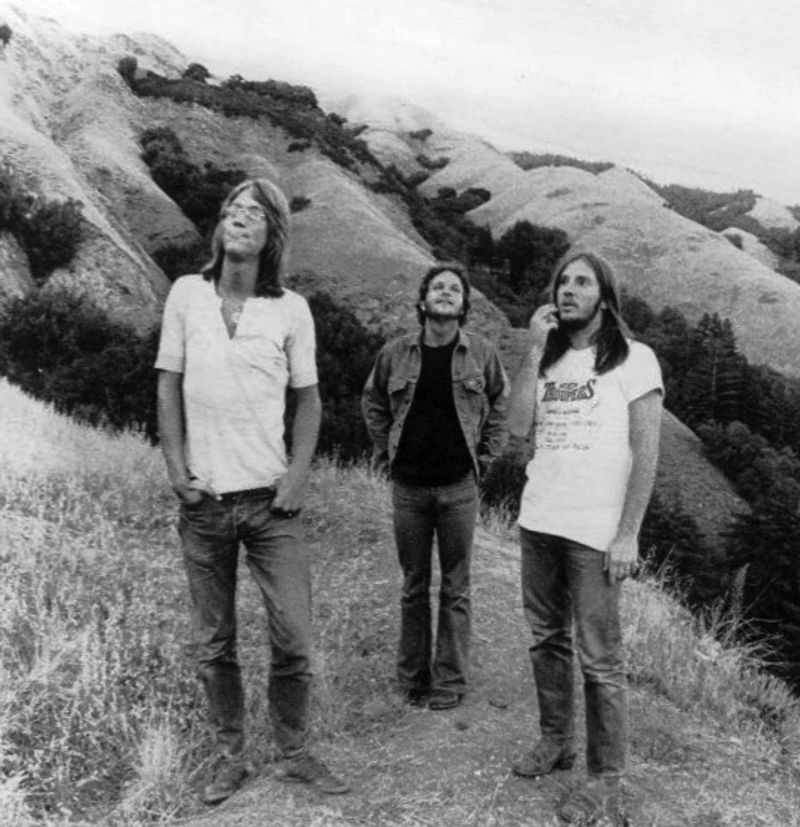
Windows down, desert stretching toward the horizon, and “A Horse with No Name” echoing through the speakers define a certain kind of road trip. America distilled that wide-open sensation into harmonies that sounded both comforting and slightly enigmatic.
Signature folk-rock textures came to represent unhurried summer afternoons and aimless drives.
Plenty of Boomer memories still carry the glow of “Sister Golden Hair” and “Ventura Highway.”
4. The Guess Who
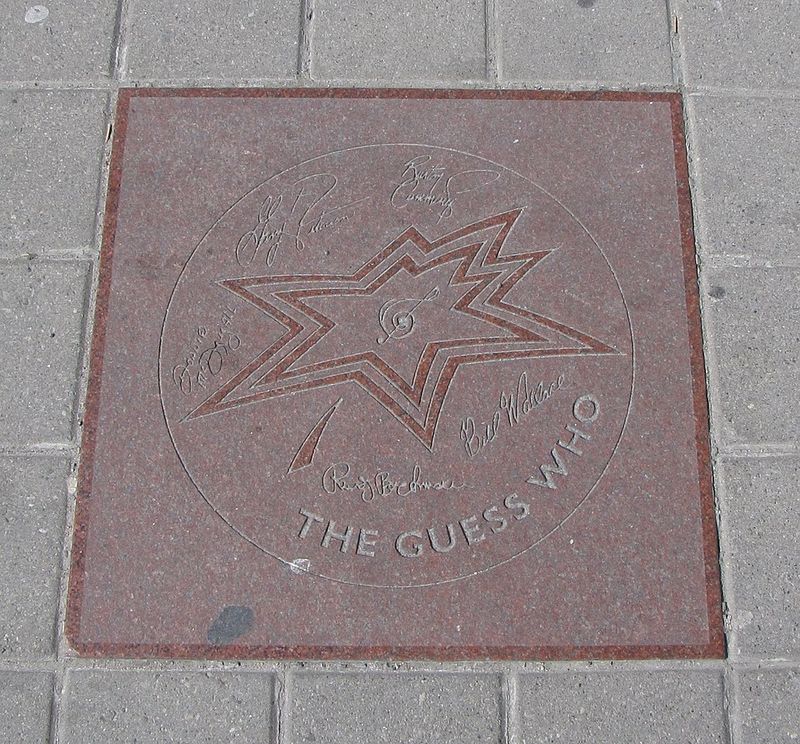
A guitar riff kicks in, and suddenly it feels like a basement rec room with shag carpet and wood paneling.
The Guess Who brought a raw, edgy energy that felt both rebellious and radio-friendly. “American Woman” and “These Eyes” dominated airwaves and became anthems for a generation that wanted to push boundaries without going too far.
Canadian pride aside, their catalog has faded from modern rotation, less present in many modern playlists, even though the hooks still land. That signature sound still hits hard when you hear it, though.
5. Badfinger
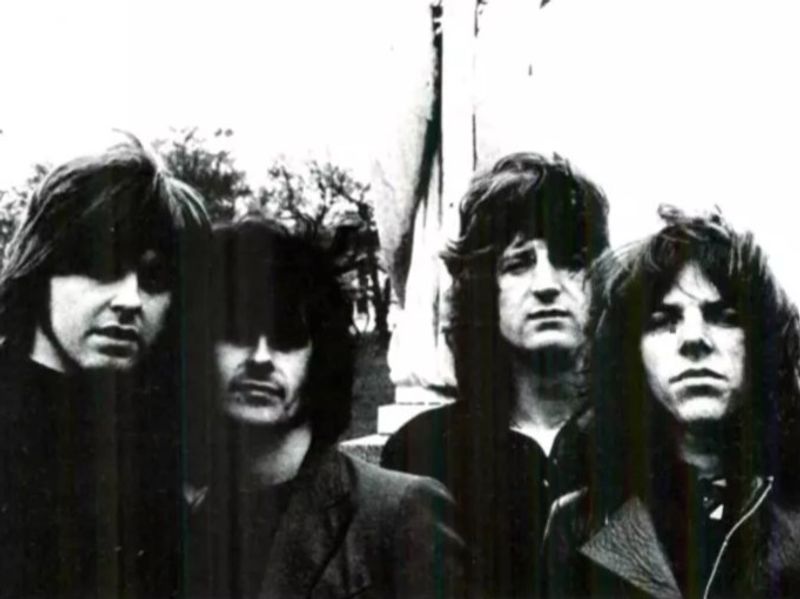
Few groups faced the challenge of releasing polished power-pop while living in the long shadow of the Fab Four quite like Badfinger.
“Day After Day” and “No Matter What” revealed meticulous songwriting, even as later tragedy often dominated headlines. Many Millennials know “Without You” through later cover versions rather than the band’s original recording.
Rich harmonies and sharp melodic instincts deserved far wider recognition than history ultimately granted.
6. Procol Harum
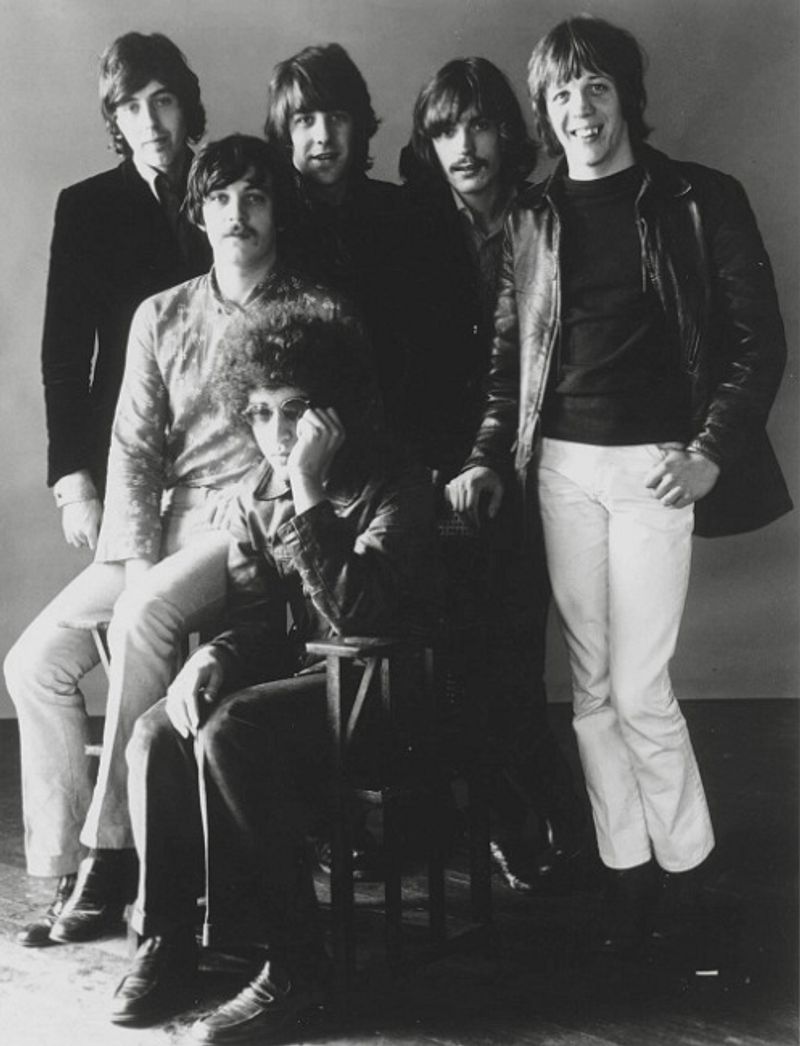
Organ chords rise and the room suddenly feels like a baroque ballroom where rock collides with classical flourishes.
In 1967, Procol Harum released “A Whiter Shade of Pale,” a single that paired poetic imagery with a melody both stately and contemporary.
Ambitious arrangements and early progressive leanings pushed the group beyond standard pop formulas. Venturing into deeper tracks requires curiosity many younger listeners rarely exercise.
7. The Zombies
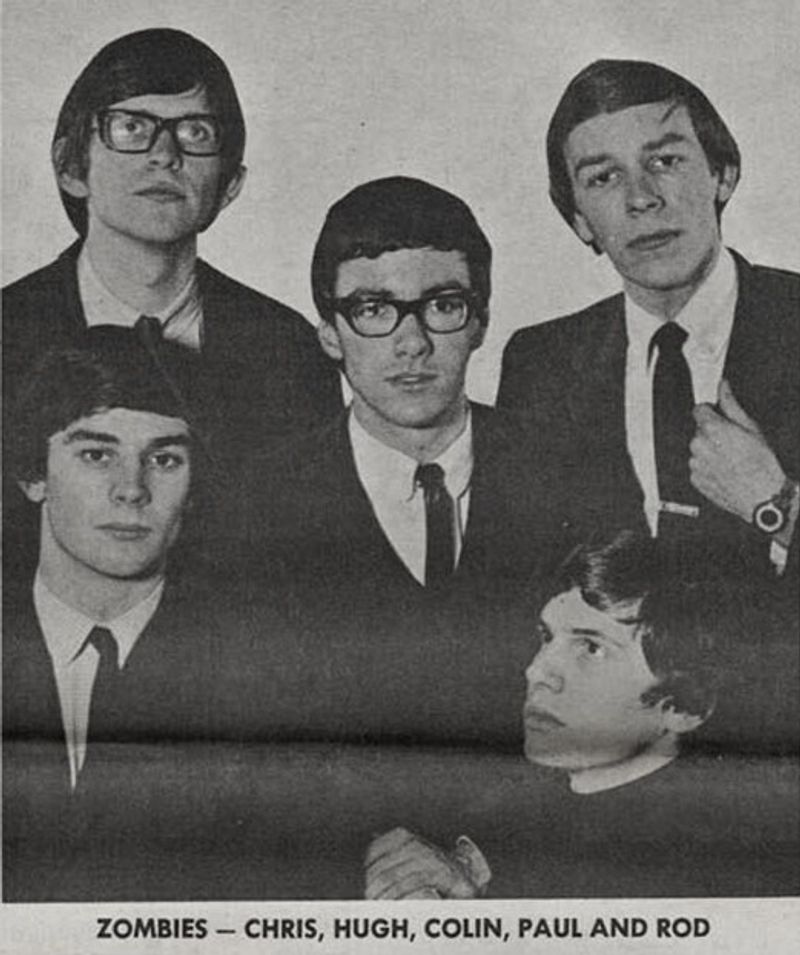
A jazzy keyboard line weaves through a pop melody, and suddenly you’re in the middle of the British Invasion’s most sophisticated moment. The Zombies brought an elegance to rock that felt more coffee shop than concert hall.
“Time of the Season” and “She’s Not There” showcased Colin Blunstone’s breathy vocals and Rod Argent’s keyboard wizardry.
Despite critical acclaim, they disbanded before their masterpiece album even charted, leaving behind a legacy that Boomers treasure but Millennials rarely discover. That psychedelic-soul blend remains timeless, even if streaming algorithms ignore it.
8. Traffic
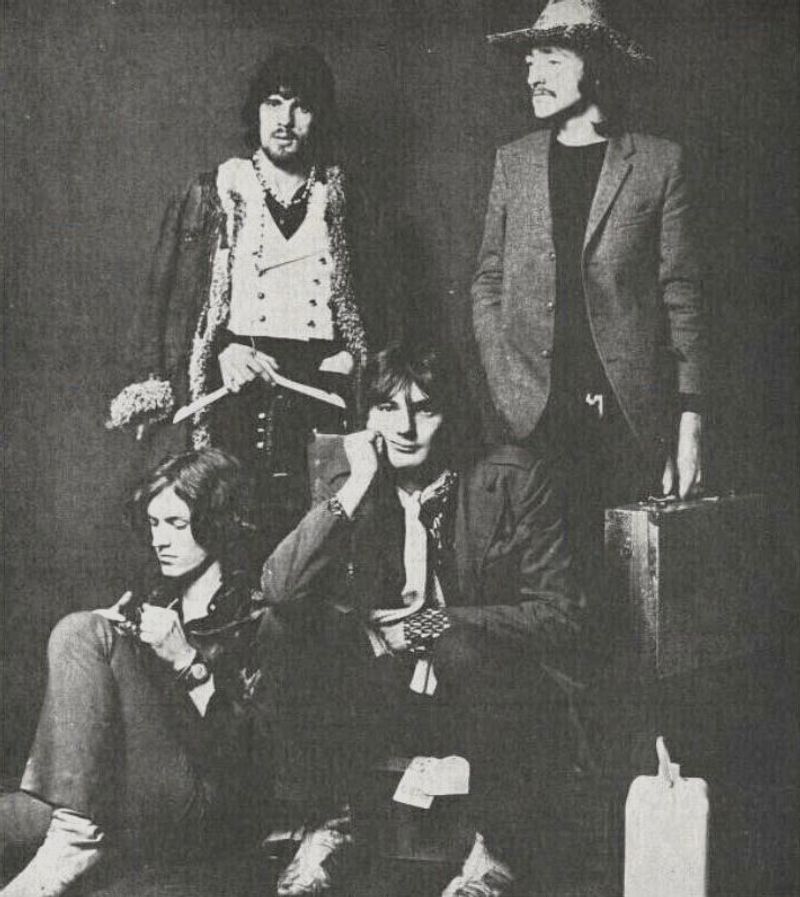
Genres shift from rock to jazz to folk without warning, revealing a composition far more ambitious than a standard pop single. Long before the term fusion gained traction, Traffic merged styles into soundscapes that felt exploratory yet inviting.
Steve Winwood’s expressive voice anchored both expansive jams like “Dear Mr. Fantasy” and the band’s more reflective passages. Festival crowds embraced that improvisational spirit.
9. The Byrds
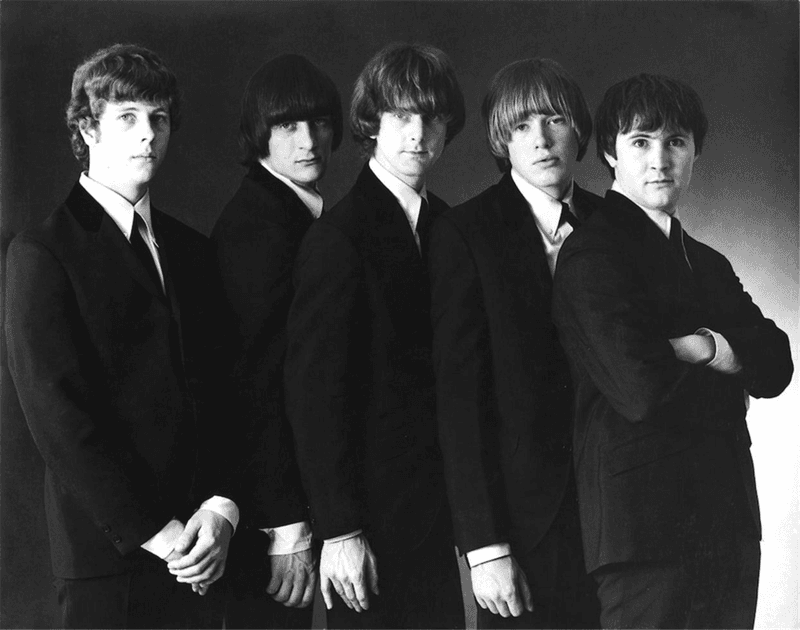
Twelve-string guitar chimes ring out, and suddenly folk music sounds electric in the best possible way. The Byrds pioneered a sound that bridged Bob Dylan’s poetry with rock’s energy, creating something entirely new.
“Turn! Turn! Turn!” and “Mr. Tambourine Man” became anthems for a generation seeking meaning in turbulent times.
Their influence echoes through countless bands, yet younger listeners rarely trace those roots back to the source. That jangly guitar tone became a template for decades of music, even if the originators have faded from popular memory.
10. Ten Years After
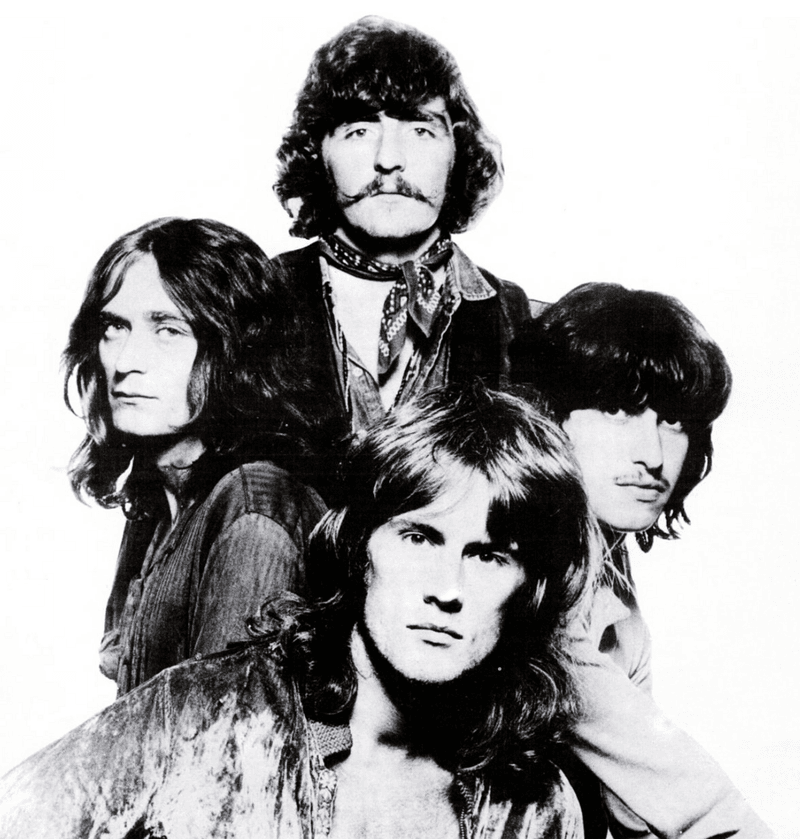
Lightning-fast guitar notes erupt, revealing what happens when blues intensity collides with pure velocity.
Ten Years After, led by Alvin Lee, cemented their reputation at Woodstock with a performance preserved in the landmark festival documentary. High-octane blues-rock poured from the stage, translating raw adrenaline into sound.
“I’m Going Home” highlighted Lee’s astonishing technical command, even if many contemporary guitarists seldom name the band among their influences.
11. The Spencer Davis Group
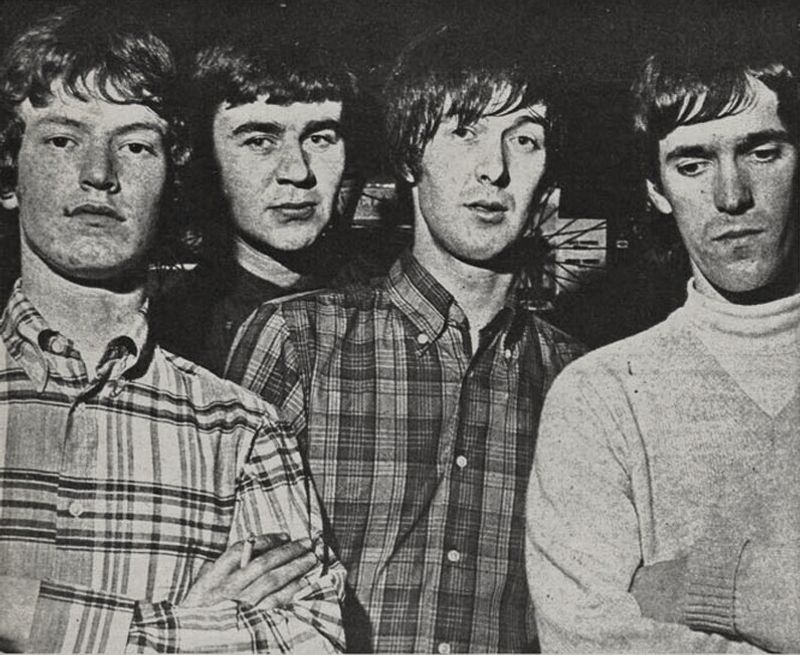
Teenage vocals pour out with a depth that defies age, revealing Steve Winwood long before solo fame arrived. The Spencer Davis Group propelled him forward with driving hits like “Gimme Some Lovin’” and “I’m a Man,” songs that continue to surface in film and advertising.
Blue-eyed soul energy surged through their mid-sixties recordings, capturing a spark during the height of the British Invasion.
Beyond those signature singles lies a broader catalog that many younger listeners overlook, especially if familiarity begins and ends with Winwood’s later solo career.
12. Paul Revere & The Raiders
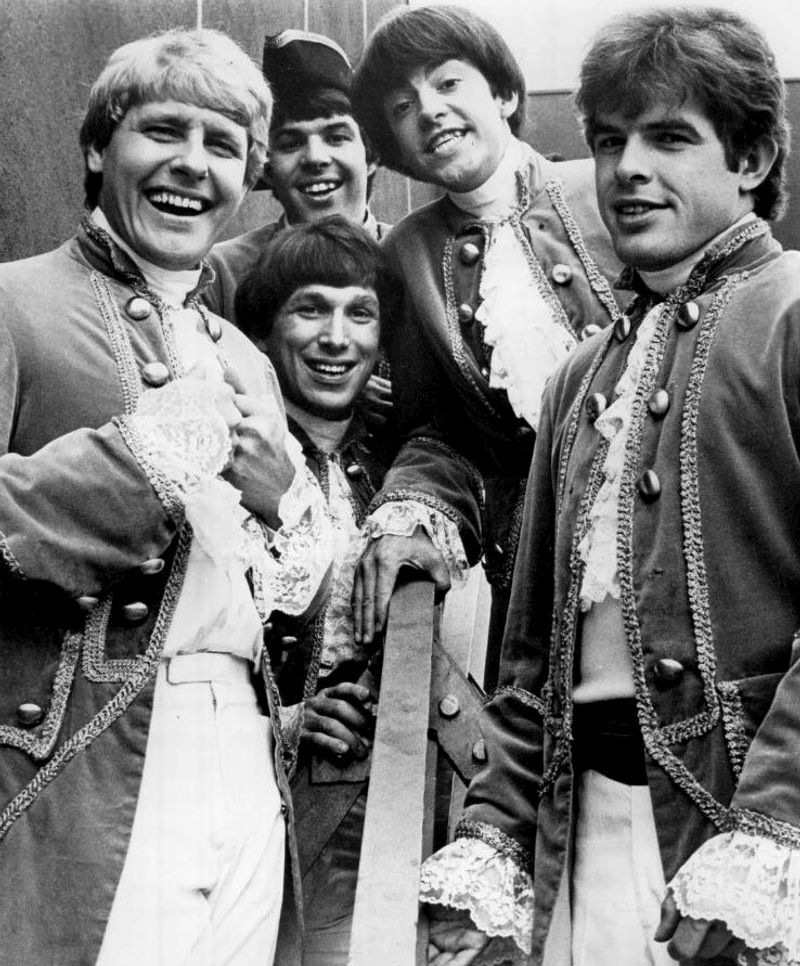
Revolutionary War costumes and garage rock collide in the most wonderfully absurd way imaginable.
Paul Revere & the Raiders brought theatricality to rock and roll years before anyone called it glam, delivering hits like “Kicks” and “Hungry” with infectious energy. Their TV appearances made them household names during the sixties, yet their legacy has dimmed considerably.
That combination of showmanship and solid songwriting made them perfect for the variety-show era. Modern listeners might find their aesthetic dated, but those hooks remain undeniably catchy decades later.
13. The Yardbirds
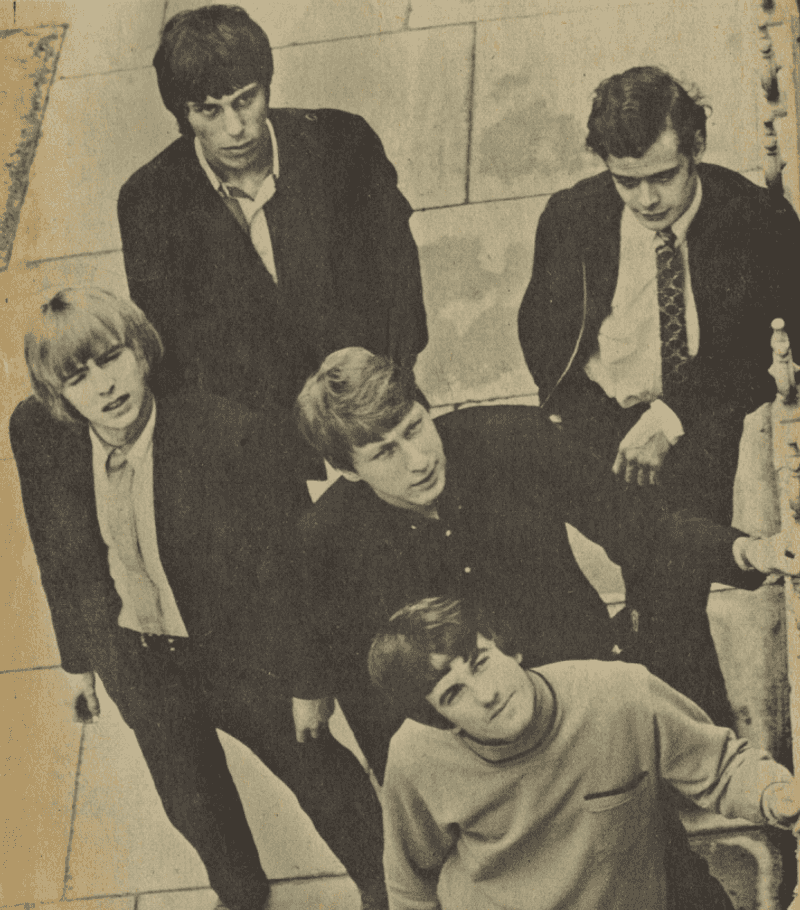
Blues riff bends into a swirl of psychedelia, signaling the early spark of three future guitar icons.
The Yardbirds became a proving ground for Eric Clapton, Jeff Beck, and Jimmy Page, names that later defined entire chapters of rock history.
Restless experimentation within their blues-rock framework expanded possibilities for countless bands that followed. “For Your Love” and “Heart Full of Soul” introduced sonic ideas many younger listeners now connect with the members’ later, more celebrated projects.
14. The Moody Blues
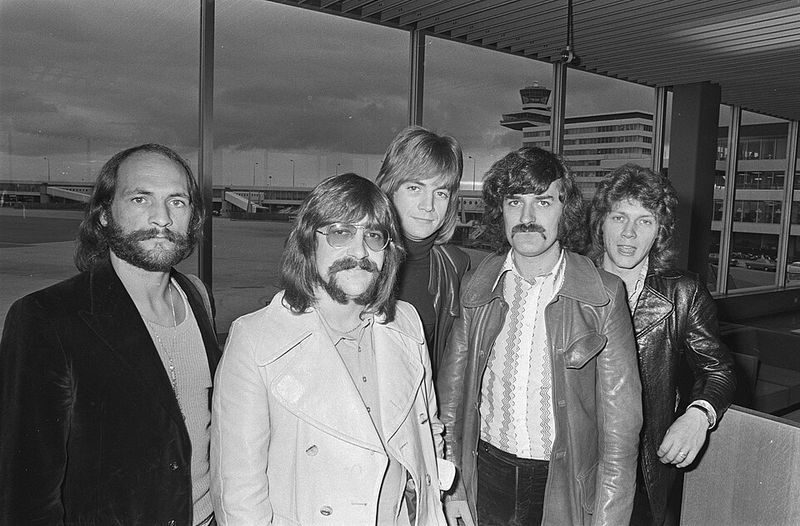
Strings swell, a mellotron creates an otherworldly atmosphere, and suddenly rock music sounds like a symphony.
The Moody Blues crafted concept albums before most bands knew what the term meant, blending rock with orchestral arrangements that felt ambitious and deeply emotional. “Nights in White Satin” became their signature, a sweeping ballad that defined progressive rock’s romantic side.
Their philosophical lyrics and lush production made them favorites among Boomers seeking deeper meaning. Yet streaming playlists rarely include their sprawling compositions, which demand attention spans longer than a quick scroll through social media.
15. Jethro Tull
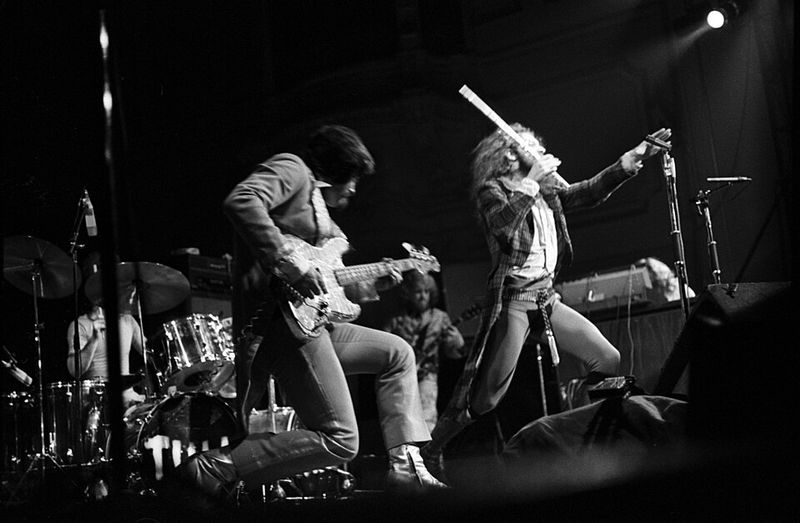
Flute line slices through a wall of electric guitars, turning an unlikely instrument into the focal point of a rock anthem. Jethro Tull challenged convention by blending medieval tones, folk textures, and hard rock into a sound all their own.
Ian Anderson’s one-legged stance became part of the band’s visual identity, while tracks like “Aqualung” delivered sharp social commentary.
Elaborate stage productions and intricate arrangements elevated them within the progressive rock movement.
Disclaimer: This article reflects nostalgia-based listening patterns and general observations about how certain classic bands show up less often in contemporary playlists.
Musical popularity varies widely by region, platform, and personal taste, and streaming algorithms and editorial playlists can influence what listeners encounter.