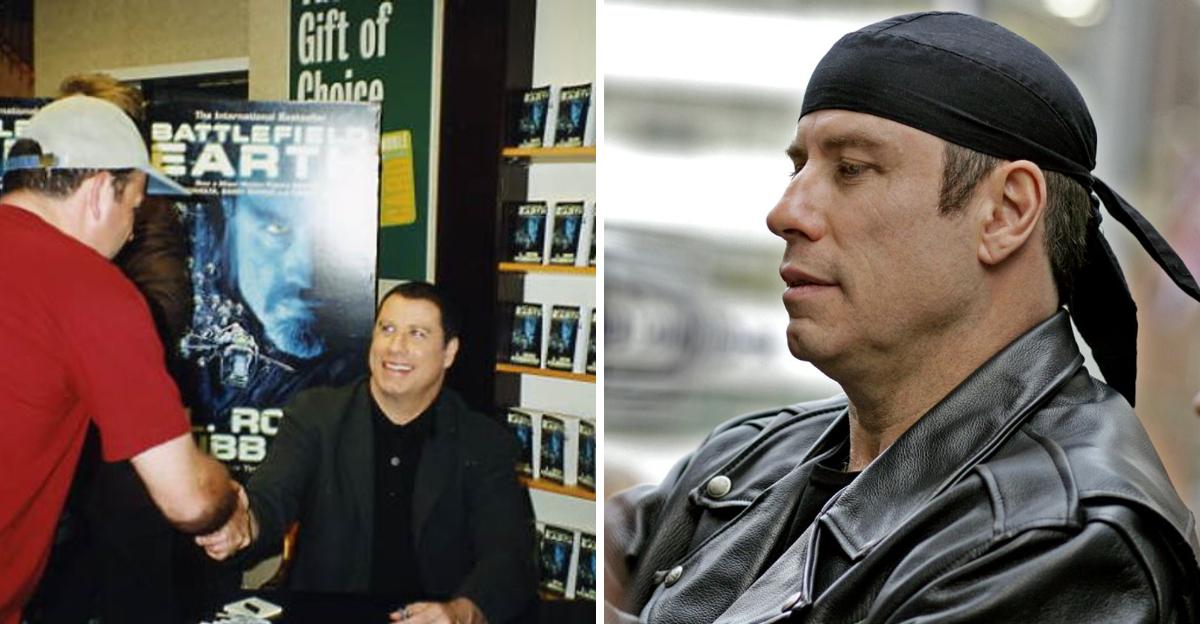
12 Celebrities Reported To Be Banned In China
Hollywood stars can feel global, but China’s media market operates under a very different set of cultural and political rules.
Certain names rarely appear on screens there not because of a lack of international fame, but because their work, public statements, or even social media activity clashed with policies that govern what audiences can legally see.
Some bans are well-documented through trade reporting and official lists, while others show up indirectly – for example, when a film is edited, a credit is removed, or promotion is silently dropped without explanation.
These isn’t always about politics in a simple sense.
Sometimes it involves portrayals of history, references that run afoul of censorship guidelines, or participation in projects critics there found sensitive. Other times it’s a matter of public remarks that Chinese platforms judged unacceptable.
1. Justin Bieber
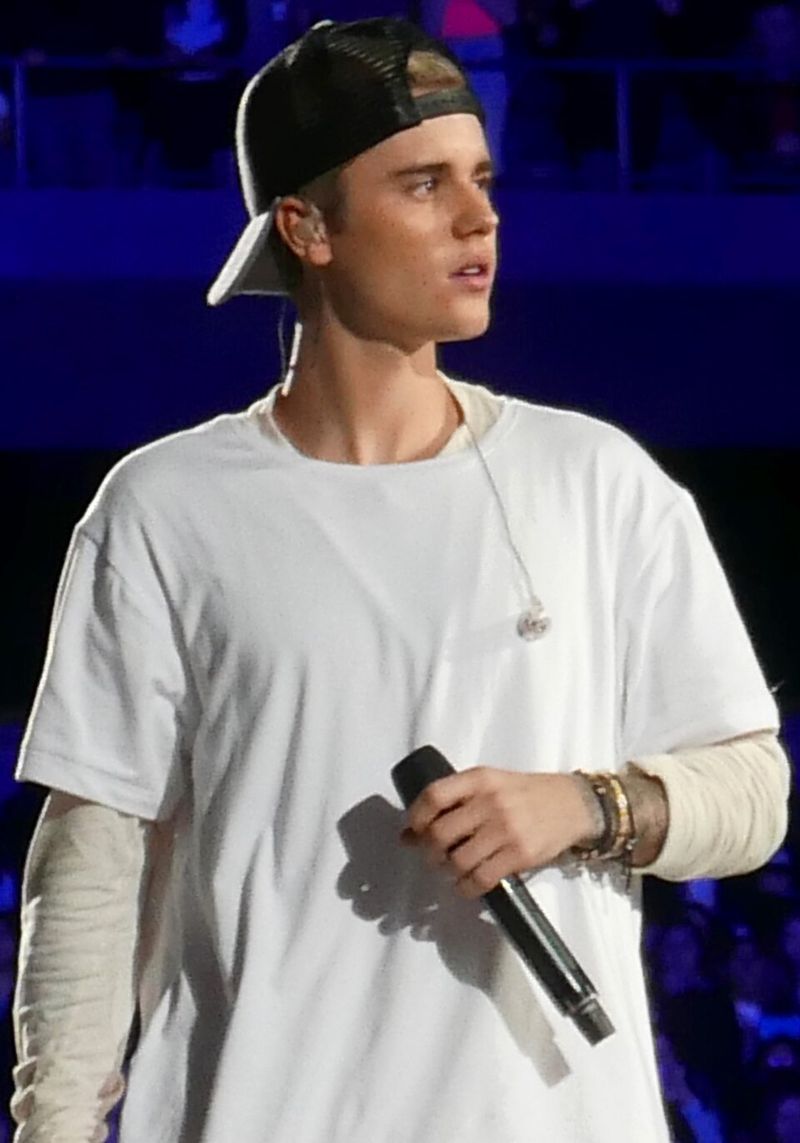
Beijing’s culture bureau dropped a bombshell in 2017 when they officially banned the Biebs from performing anywhere in China.
Officials cited his “bad behavior” as the reason, referencing past incidents that painted him as a less-than-ideal role model.
The government even responded to fan questions online, explaining they wanted performers who upheld cultural standards.
Poor Justin had to skip the world’s biggest market entirely during his Purpose tour!
2. Lady Gaga
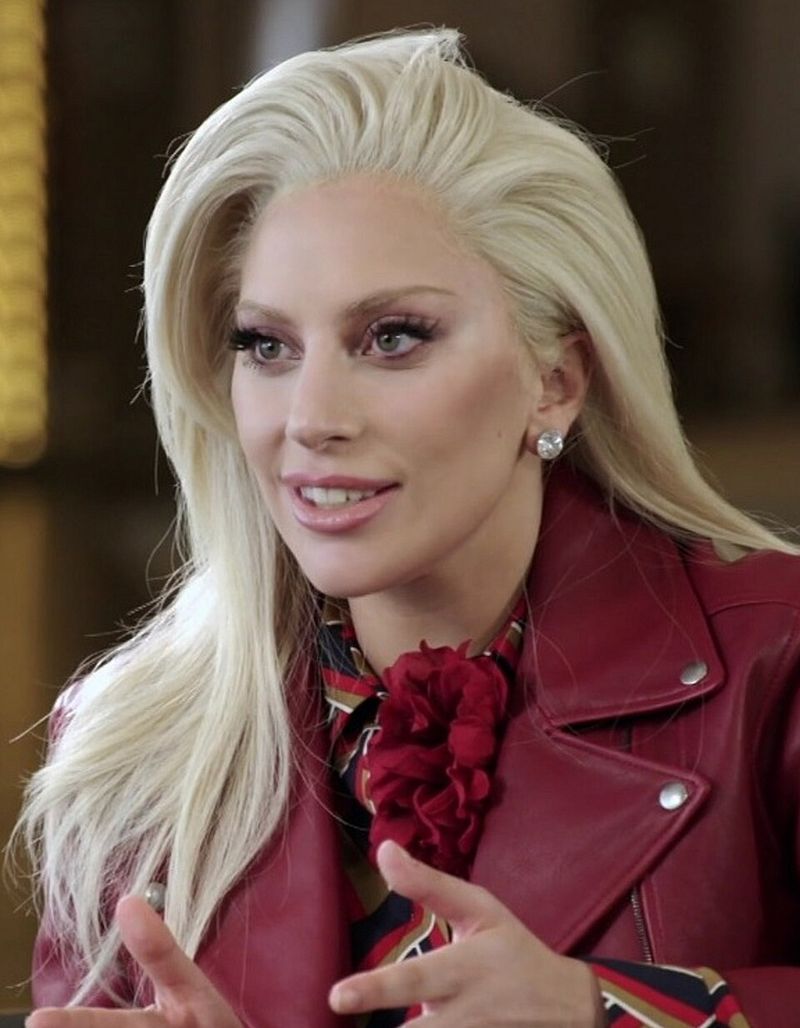
Meeting with the Dalai Lama in 2016 proved costly for Mother Monster.
Chinese authorities reportedly blacklisted her after she posted photos from their conversation about kindness and mental health, which Beijing viewed as supporting Tibetan separatism.
Gaga chose spiritual dialogue over commercial access, and China made sure she paid the price for that choice.
3. Maroon 5
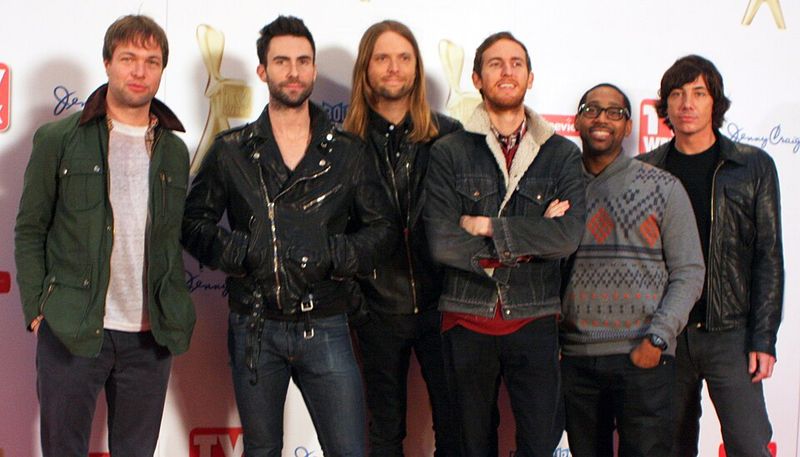
Adam Levine’s band learned that even a simple birthday greeting could cost them millions.
After a band member posted a Dalai Lama birthday message (widely reported in 2015–2016 coverage), scheduled China appearances were reported canceled soon afterward.
The band never officially confirmed the connection, but the timing was suspiciously perfect.
Within days of that tweet, venues across China suddenly became “unavailable” for Maroon 5’s performances.
4. Katy Perry
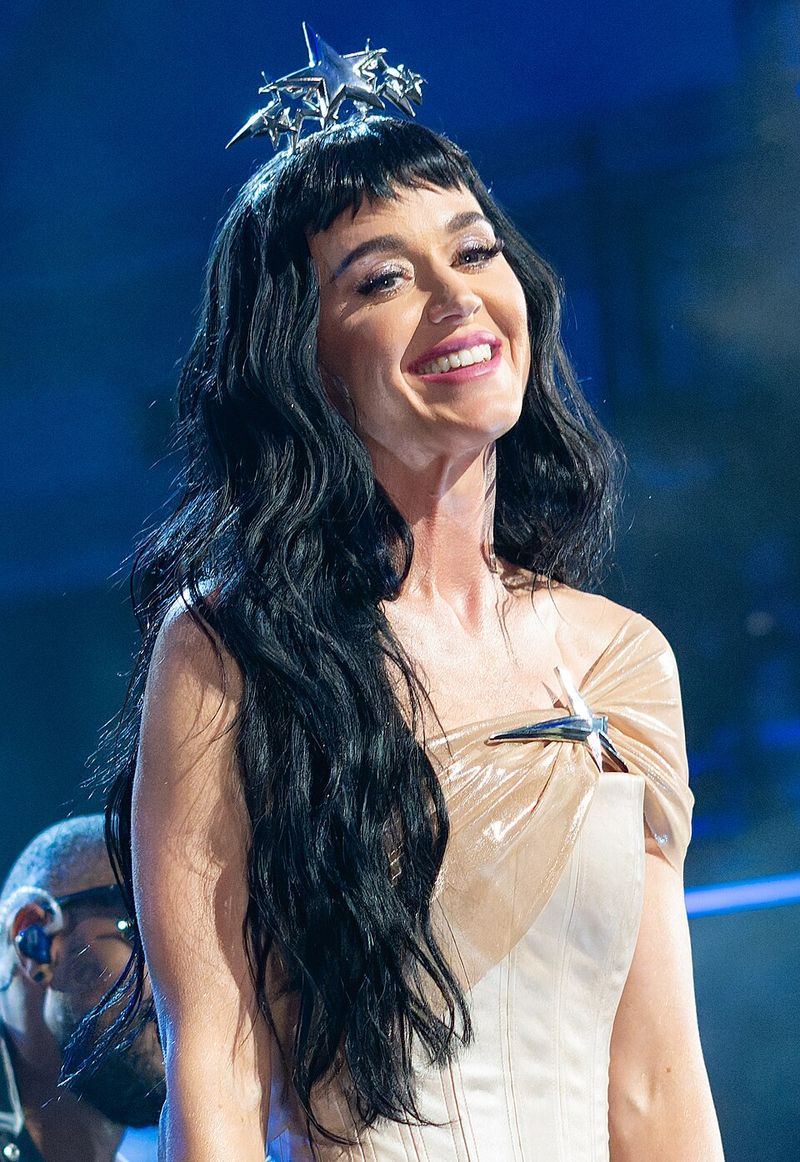
Multiple reports said Perry was denied a visa in 2017, with coverage tying the decision to earlier Taiwan-related imagery (including a sunflower-themed outfit and flag optics) that drew online backlash.
The controversy exploded on social media, with thousands demanding she be banned for disrespecting China’s territorial claims.
Wearing the wrong outfit can literally get you kicked out of an entire country. Fashion choices have never been higher stakes!
5. Bon Jovi
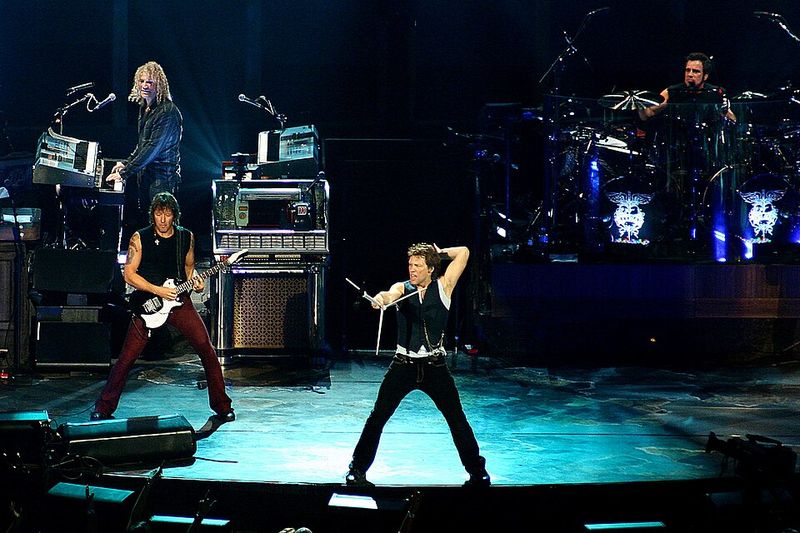
Rock legends discovered that concert backdrops matter more than you’d think.
Their planned China tour in 2010 got axed after authorities noticed images of the Dalai Lama displayed during previous performances, including a photo shown at a Taiwan concert.
Chinese officials refused to grant permission for Beijing and Shanghai shows.
The band’s promoters scrambled to explain, but the damage was done – no amount of “Livin’ on a Prayer” could save those dates.
6. Bob Dylan
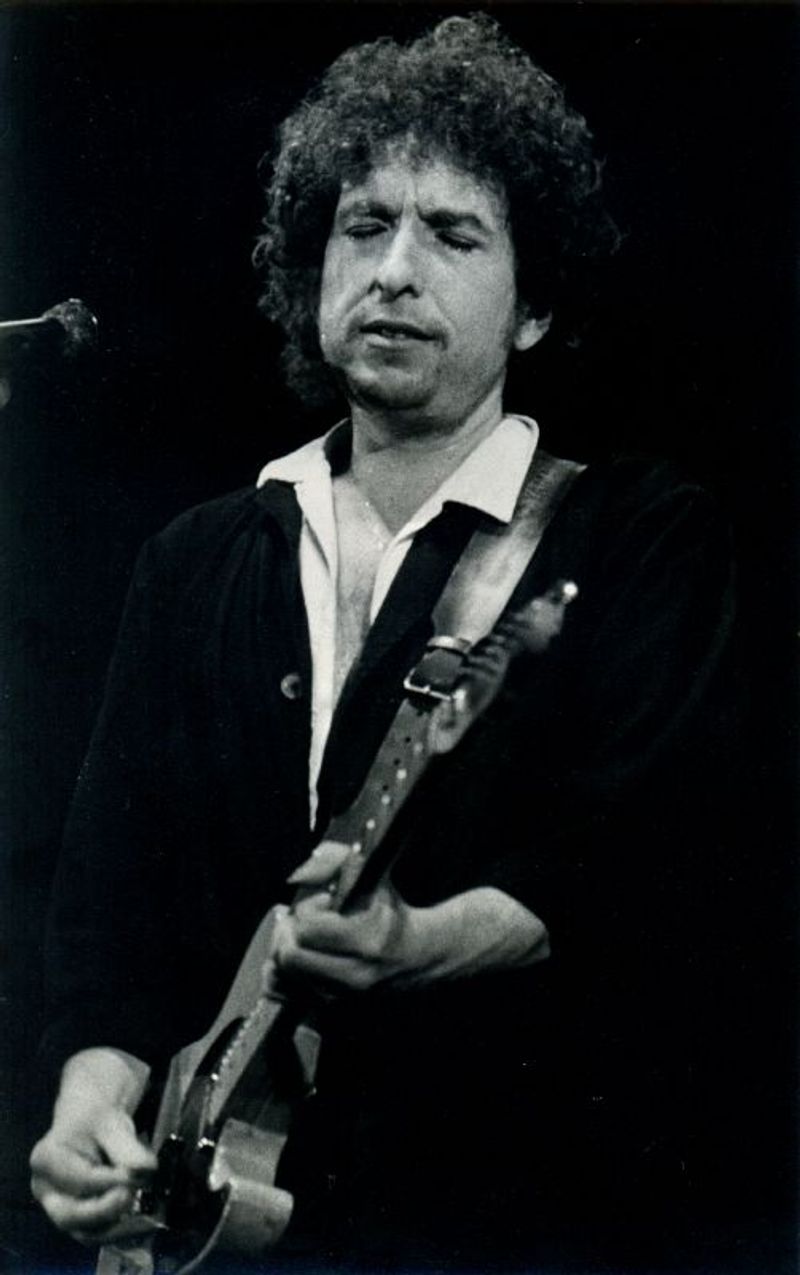
The legendary folk icon hit an unexpected roadblock in 2010 when Chinese officials refused permission for planned concerts in Beijing and Shanghai.
Major media outlets reported the rejection, though authorities never provided official reasons for blocking the Nobel Prize winner.
Speculation swirled around Dylan’s history of political activism and his 1990s support for Tibetan freedom causes. His lyrics about freedom and social justice likely didn’t help his case with Chinese censors either.
7. Oasis
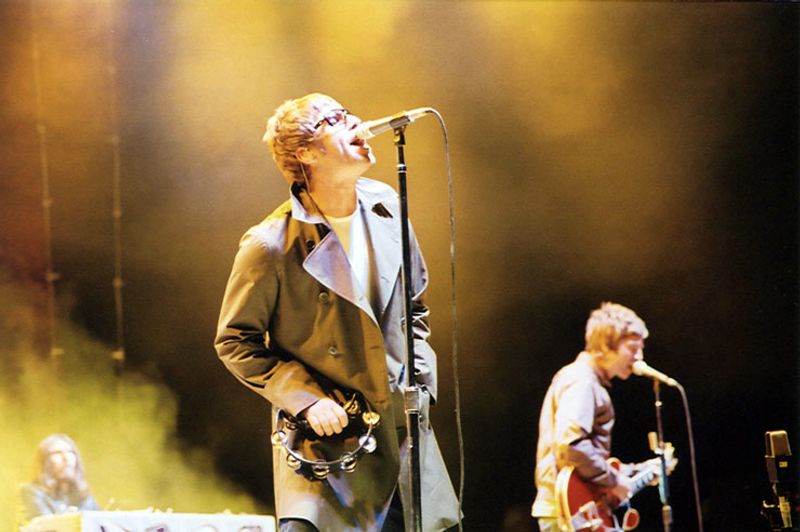
Reuters covered the Britpop legends’ bewilderment when their Chinese gigs got suddenly canceled in the 2000s.
The Gallagher brothers and their bandmates were genuinely confused about why venues were backing out of confirmed dates.
Some coverage linked the cancellations to Tibet-related associations, while other reporting cited non-political explanations; the official rationale has been inconsistent across sources.
8. Björk
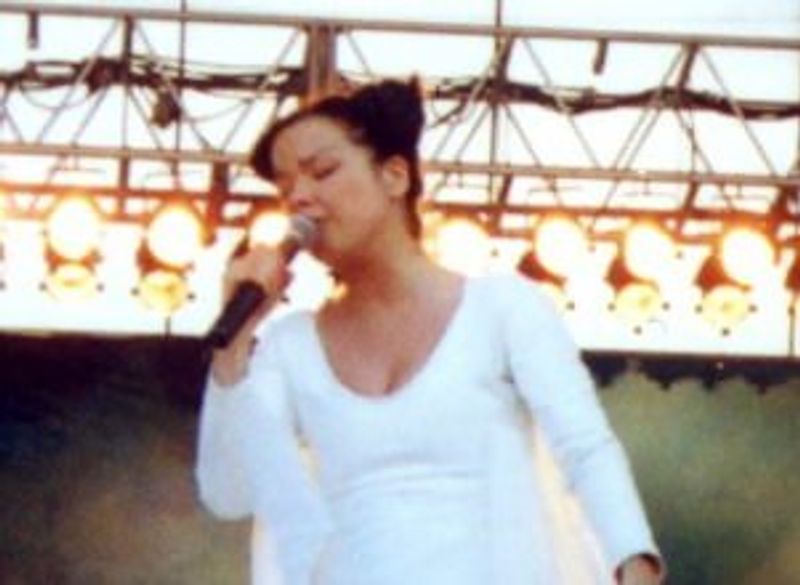
Shouting “Tibet! Tibet!” at the end of her song “Declare Independence” during a 2008 Shanghai concert proved to be a career-limiting move.
Reuters covered the official backlash as Chinese authorities immediately implemented tighter scrutiny on foreign performers.
The Icelandic artist’s spontaneous political statement sent shockwaves through China’s entertainment industry.
Venues became terrified of booking international acts who might pull similar stunts, leading to stricter pre-approval processes for everyone.
9. Jay-Z
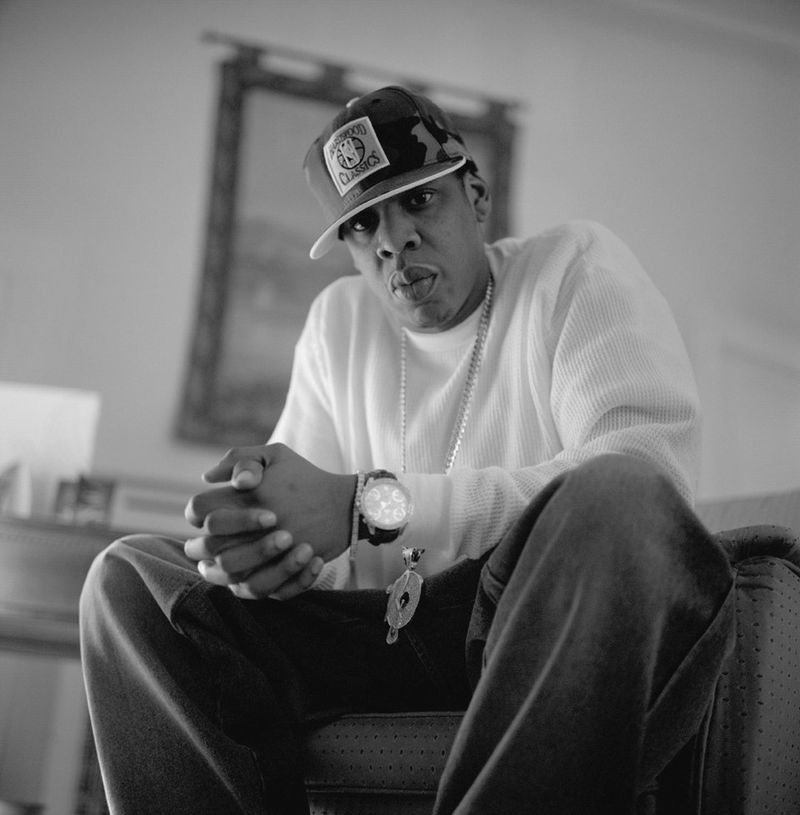
China’s Culture Ministry pulled the plug on Hov’s planned Shanghai concert, citing his “vulgar” lyrics as the official reason.
The decision came after officials reviewed his extensive catalog and deemed the content inappropriate for Chinese audiences.
Even one of rap’s biggest moguls couldn’t negotiate his way past China’s cultural gatekeepers. Money and fame don’t override content concerns!
10. Brad Pitt
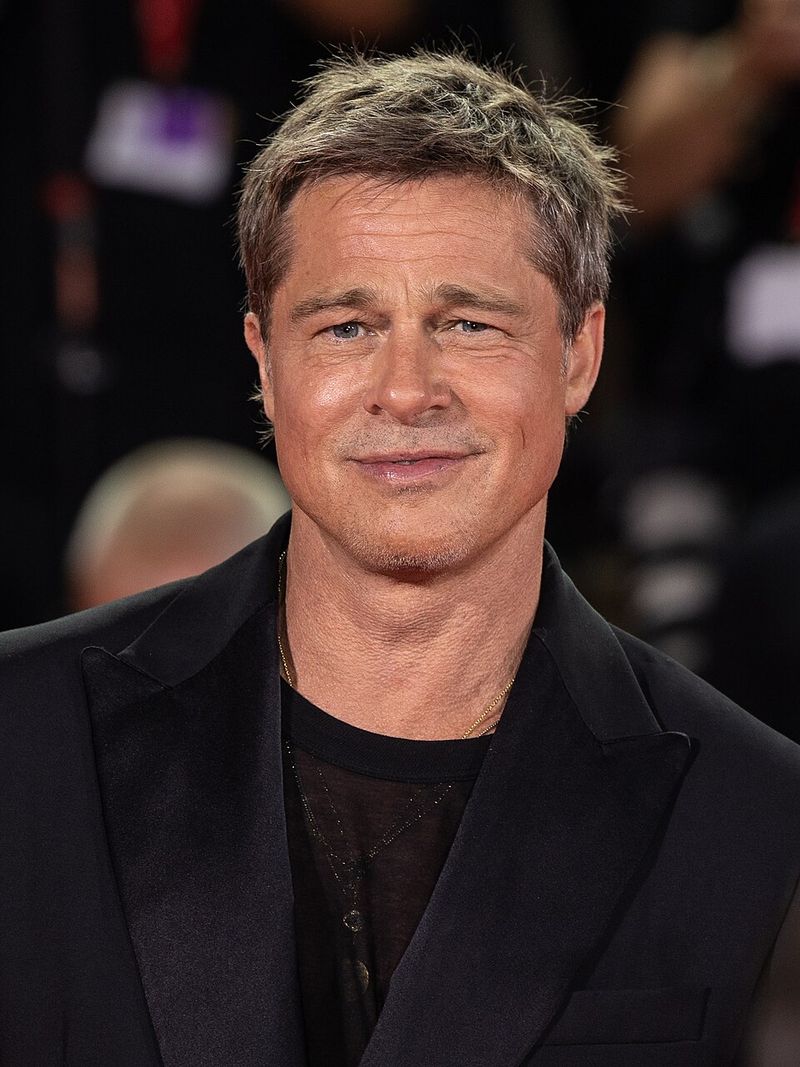
Starring in “Seven Years in Tibet” back in 1997 earned Brad Pitt a lengthy ban from entering China.
The film portrayed the Dalai Lama sympathetically and depicted Tibet’s history in ways Chinese authorities absolutely hated.
For nearly two decades, one of Hollywood’s biggest stars couldn’t set foot in the world’s largest movie market.
Reports later noted he eventually returned after the ban quietly lifted, though the restrictions lasted far longer than anyone expected.
11. Richard Gere
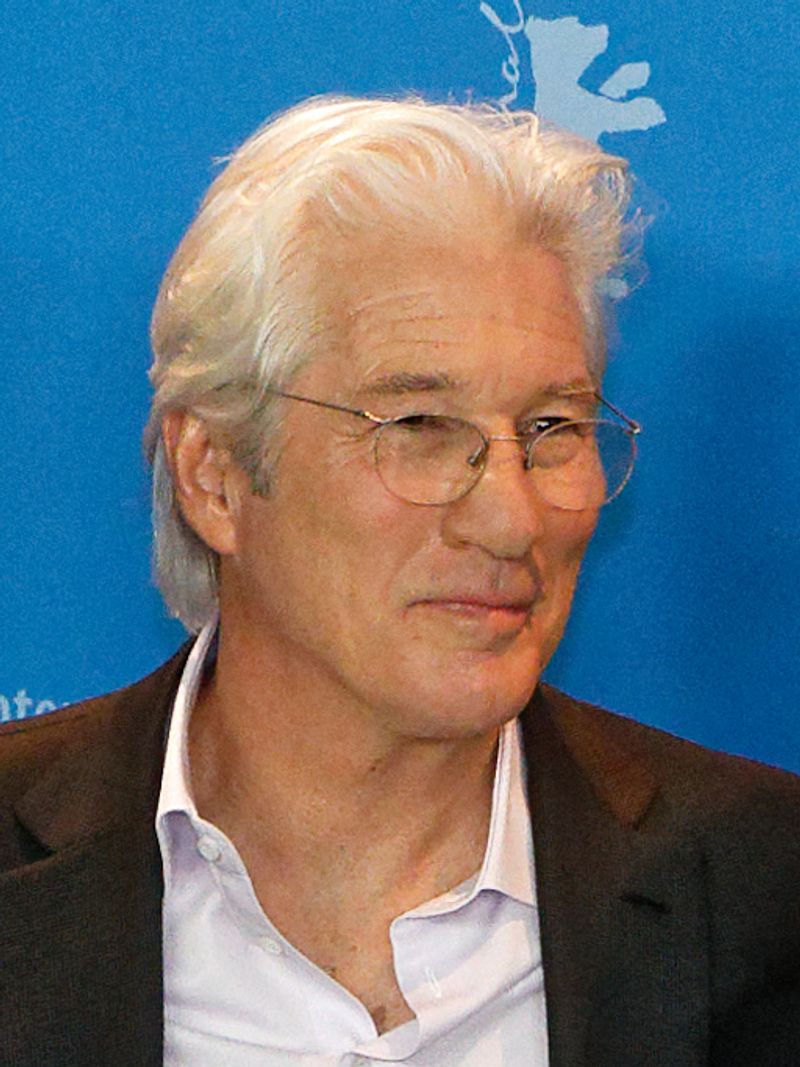
Reuters and other major outlets have extensively covered his long-running repercussions from supporting Tibetan independence and maintaining a close friendship with the Dalai Lama.
His Tibet advocacy has been widely reported as a major barrier to working with China-facing studios and participating in China-based promotion, even if the specifics are rarely framed as a formal public ‘ban.
Standing firm on political beliefs cost Gere access to massive commercial opportunities. He chose principle over profit, and China’s never forgiven him!
12. Korean K-pop Acts
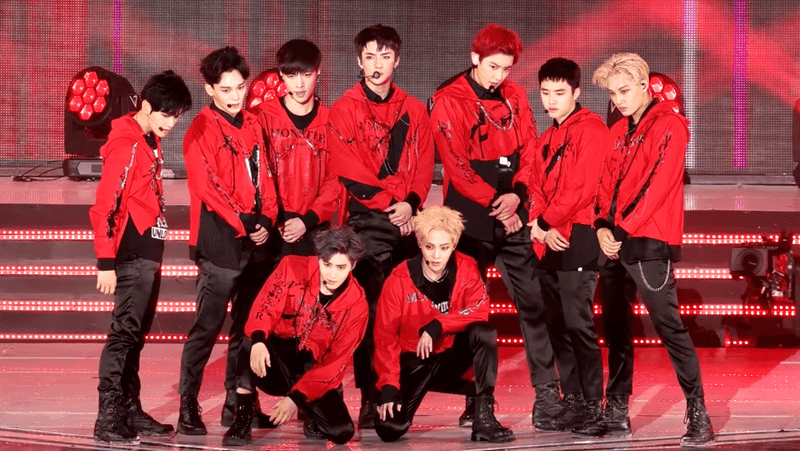
The THAAD missile defense dispute in 2016-2017 triggered massive restrictions on Korean entertainment in China.
Major K-pop groups found themselves effectively banned from Chinese television and touring, with the industry facing what amounted to a de facto blackout.
Groups that had been selling out arenas suddenly couldn’t book venues. Chinese streaming platforms removed Korean content, and TV networks stopped airing K-dramas and variety shows.
Political tensions between governments destroyed countless entertainment careers overnight. The “Hallyu wave” hit a Great Wall it couldn’t cross!