Before Bed In The 1960s, Many Kids Still Had 16 Things To Get Done
Evening rolled in, and bedtime often turned into a full checklist many kids were expected to follow. Toys got picked up, pajamas showed up, and every step felt like part of a routine that ran like clockwork whether anyone argued or not.
Simple, steady, and a little bit charming, those nightly habits had a way of ending the day on a note that still feels familiar.
1. Put Schoolbooks And Homework Away
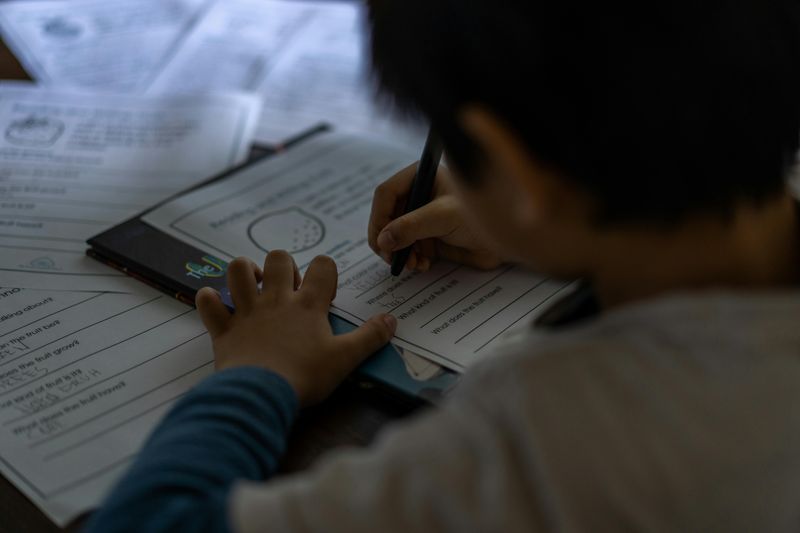
Homework done, pencil down, now put it all away.
In the 1960s, schoolbooks had a proper place, usually a shelf or the corner of a wooden desk, and leaving them scattered was simply not an option. Mom had eyes everywhere, and a stray spelling workbook on the floor was basically an invitation for a lecture.
Tucking everything away the night before meant mornings ran smoother, which was its own kind of magic.
2. Pick Up Toys From Floor

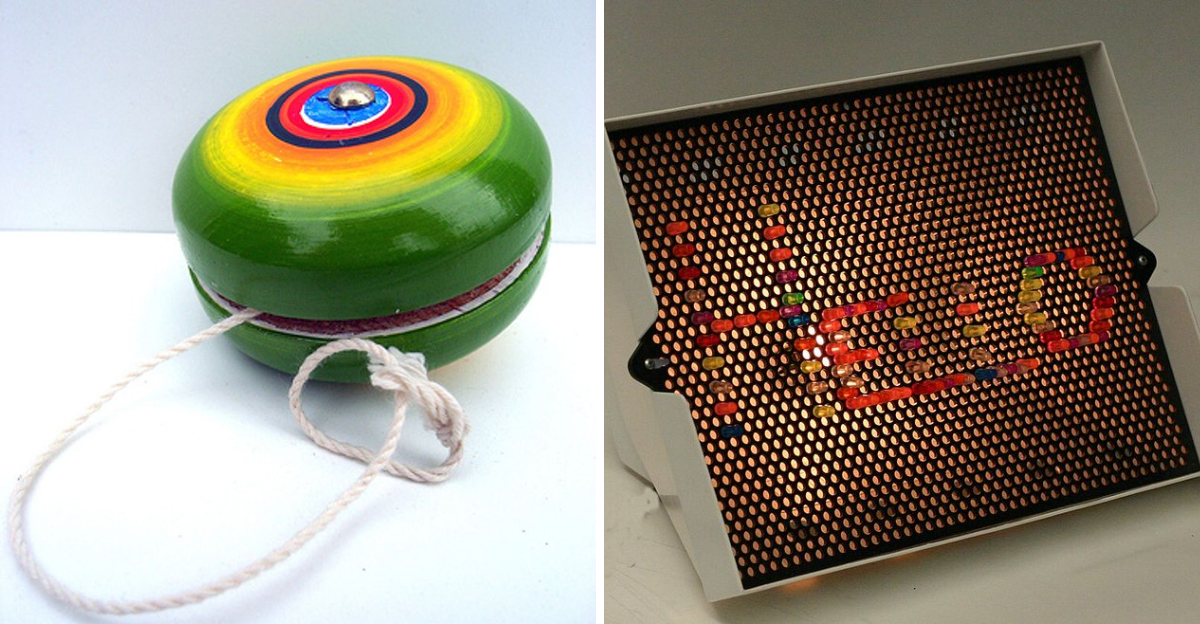
Toy cleanup stood as the great equalizer of 1960s childhood, and nobody escaped it. Lincoln Logs, jacks, marbles, and the occasional plastic army man all had to be rounded up before bed.
Floor needed to be clear, partly for safety and partly because parents meant business when they said “pick it up.”
Something oddly satisfying came with dropping the last marble into its tin and calling the floor officially conquered.
3. Wash Face And Hands
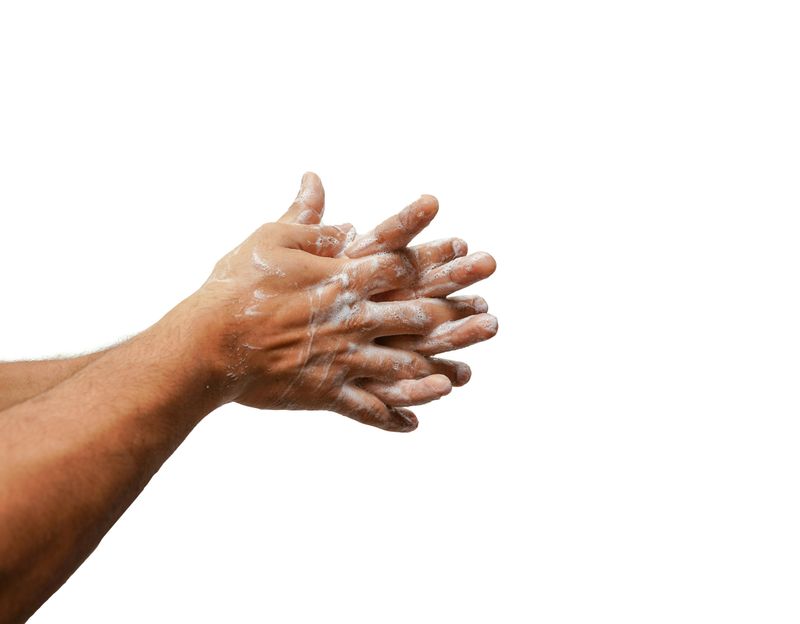
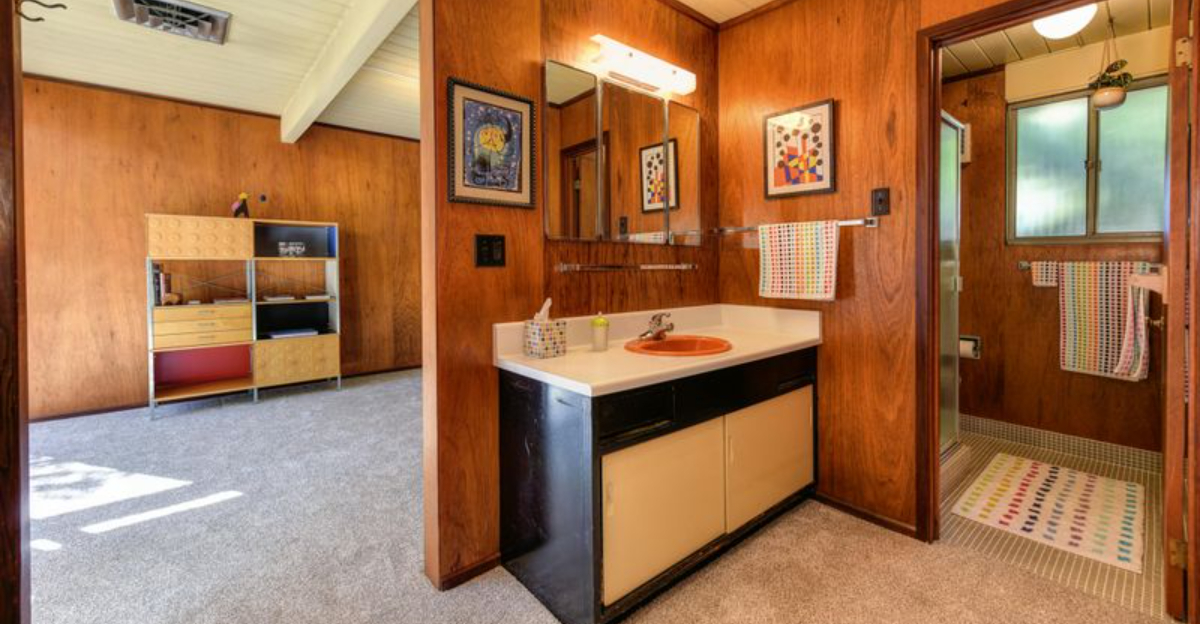
Bar soap, warm water, and a scratchy terrycloth towel formed the holy trinity of a 1960s bathroom sink.
Washing up before bed stayed non-negotiable, turning into a daily ritual that scrubbed away the evidence of every outdoor adventure, art project, and after-school snack.
Extra attention went behind the ears, so any shortcut rarely felt worth the risk. Clean hands worked as the admission ticket to the rest of bedtime.
4. Take A Bath
For plenty of kids, bath time in the 1960s felt more like a full routine than a quick rinse.
Kids were expected to actually scrub, not just splash around for five minutes pretending the soap touched their elbows. Bubble bath was a special treat, but plain bar soap got the job done on most weeknights without any fanfare.
Getting out was always the hard part, because a warm tub on a cool evening had no real competition.
5. Brush Teeth

Two minutes stretched endlessly when you were seven and already half asleep.
Brushing teeth in the 1960s meant a manual toothbrush and a tube of striped paste, with no timers or apps, just the sound of bristles on enamel and a parent calling from the hallway.
Dentist visits had a serious reputation back then, so skipping the brush felt like a risk many kids preferred to avoid. Minty fresh breath became the unofficial signal that bedtime was almost here.
6. Comb Or Brush Hair
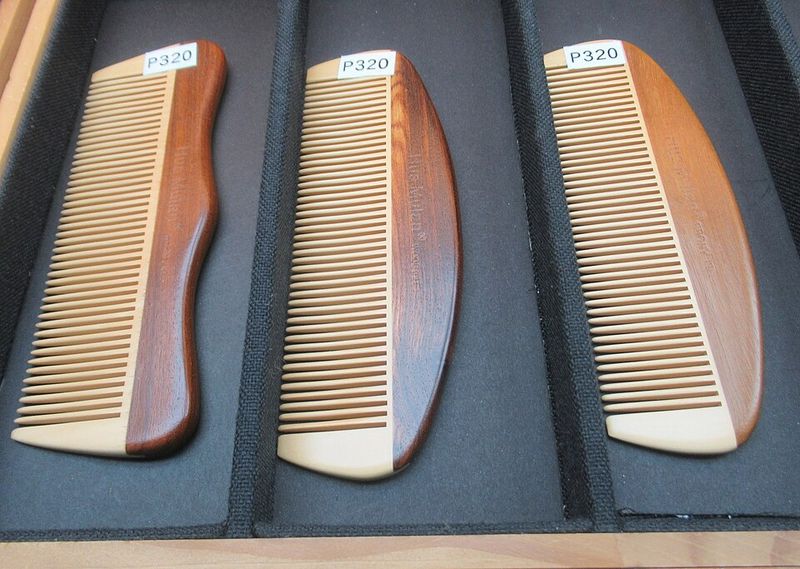
Old advice often pushed long brushing routines, even if many kids gave up early.
Brushing or combing hair before bed kept tangles from turning into morning disasters, a lesson learned the hard way at least once.
Longer hair often turned the nightly routine into something closer to a ritual, with a parent perched on the edge of the bed handling each careful pass. A gentle rhythm settled into that quiet moment, giving even the most restless kids a reason to slow down.
7. Change Into Pajamas
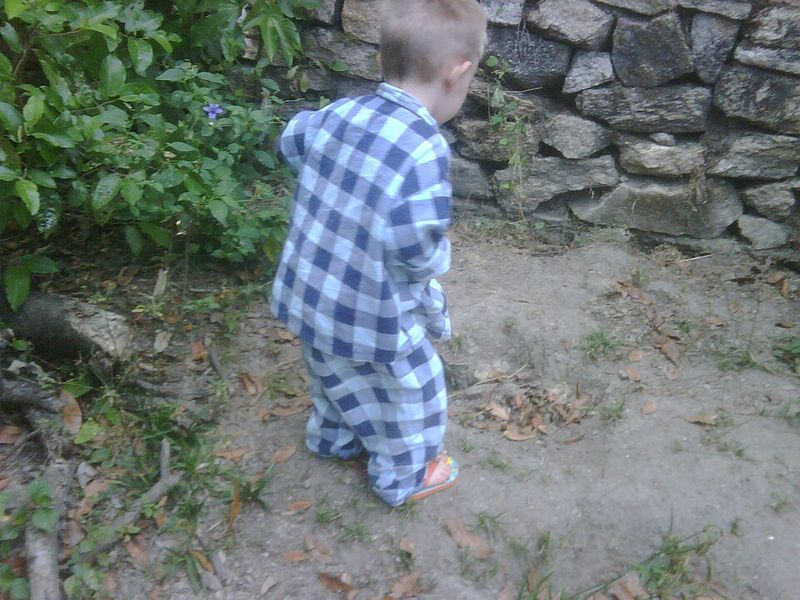
Pajamas in the 1960s were sturdy cotton sets, not the satin loungewear of anyone’s imagination.
Slipping into them was the clearest signal that the day was officially over, like flipping a switch from “kid mode” to “sleep mode.” The uniform changed with the seasons, flannel in winter and lighter cotton once summer rolled around, but the routine stayed exactly the same.
Nothing said “bedtime is real” quite like snapping those pajama buttons closed.
8. Slip Into Slippers
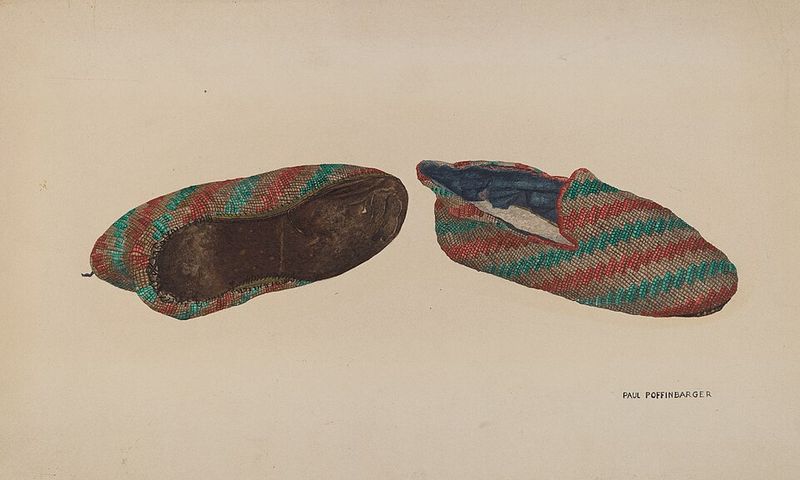
Cold floors felt like the enemy, and bedroom slippers became the solution. Back in the 1960s, house shoes stayed parked right beside the bed for late walks to the bathroom or a quick trip to the kitchen for one last sip of water.
Styles covered everything from fuzzy moccasins to simple terry cloth slip-ons, and kids had strong opinions about which pair belonged to them.
Sliding across a linoleum floor in slippers turned into the original indoor sport.
9. Have Small Bedtime Drink

For some families, a small glass of milk or a warm cup of cocoa became part of winding down before bed. Parents leaned on that ritual, and there was something to it.
Soft kitchen quiet, gentle clink of glass on the table, and final minutes of calm before lights-out gave it a ceremonial feel in the best way.
Bedtime drinks stayed small, yet carried the full weight of winding down.
10. Say Evening Prayer
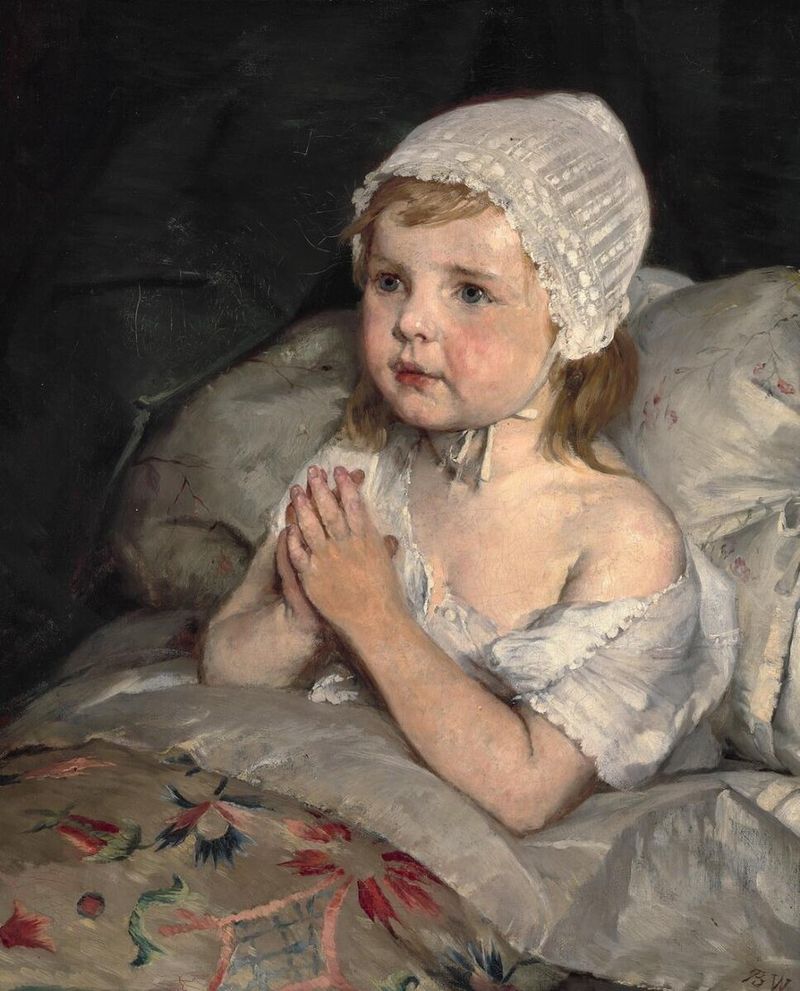
In many 1960s households, saying an evening prayer remained part of the bedtime routine.
Evening prayers gave kids a quiet moment to reflect, give thanks, and ask for a little help with the spelling test on Friday. The words varied by family and faith, but the posture was almost universal: knees on the floor, elbows on the mattress, eyes closed tight.
It was a small pause that made the world feel manageable.
11. Listen To Bedtime Story
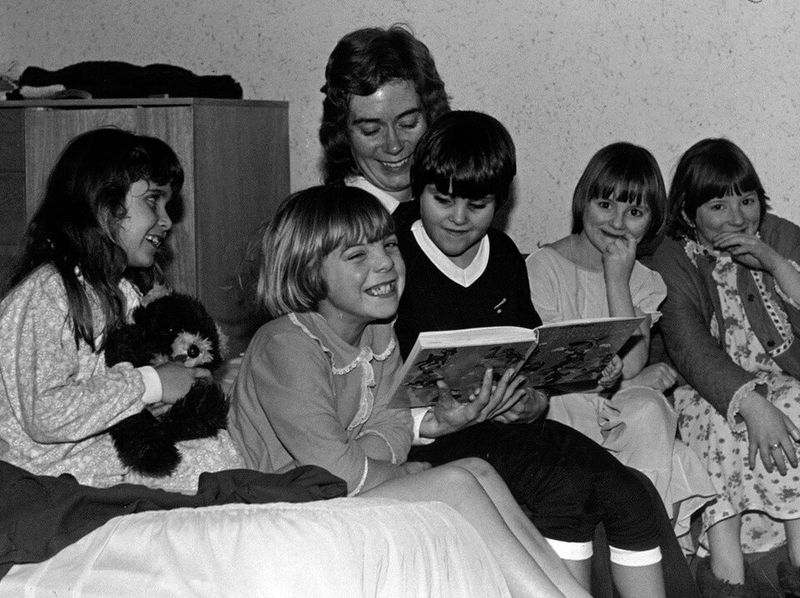
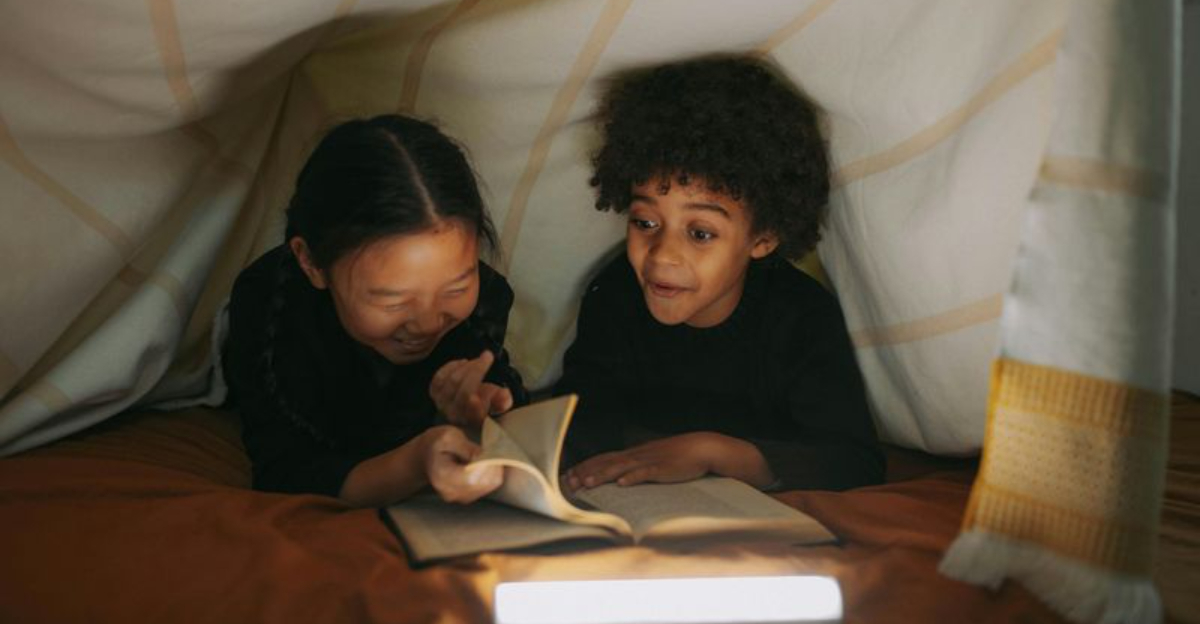
Story time easily became the highlight of the whole bedtime lineup, no contest. Perched on the edge of the mattress, a parent held a book in hand, voice dropping low as the plot thickened, delivering the 1960s version of premium entertainment.
Beloved picks like “Goodnight Moon” and fairy tale collections were read so often that the spines wore out long before the kids did.
Every good story wrapped up with drooping eyelids and zero complaints about sleep.
12. Give Parents Goodnight Hug Or Kiss
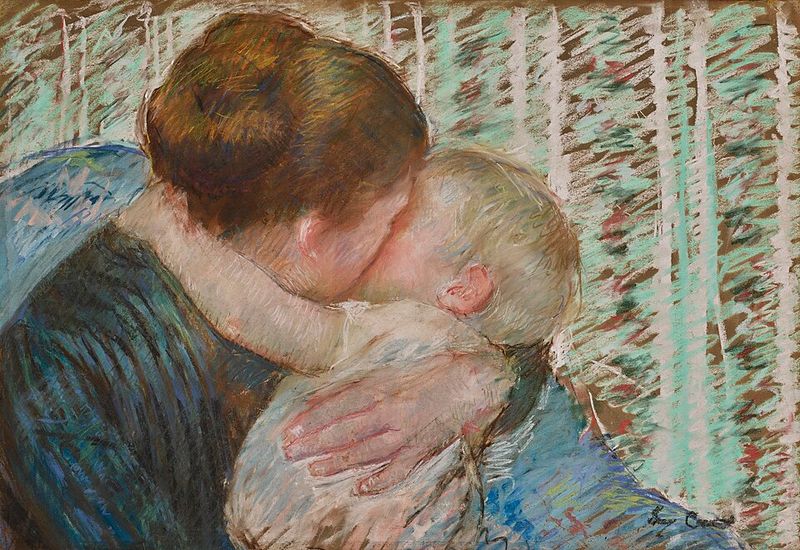
No bedtime felt complete without an official goodnight hug, and everyone knew it.
Kissing mom and dad goodnight was not just sweet, it was expected, a small but meaningful ritual that bookended the day with warmth.
Any attempt to slip off to bed without it usually earned a gentle “hey, did you forget something?” That hug landed like a punctuation mark at the end of a very long sentence called Tuesday.
13. Turn Off TV Or Radio
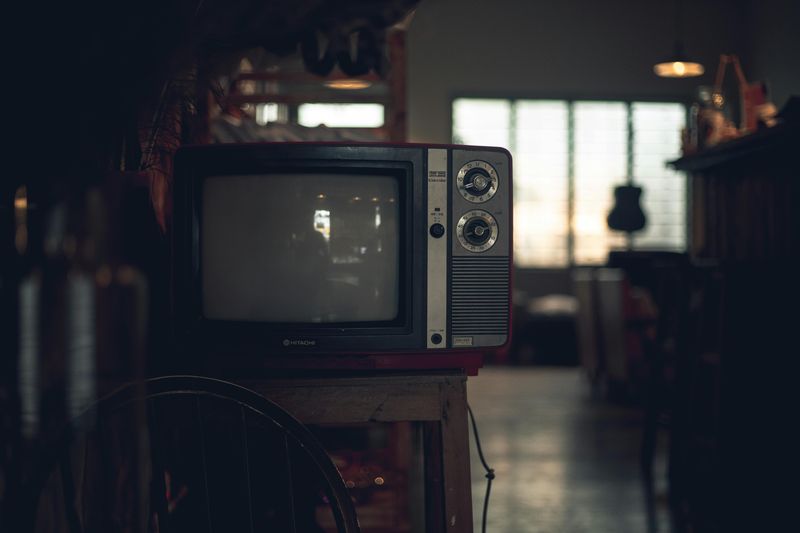
Turning the TV off often meant walking over and twisting a knob, since remote controls existed in the era but were not in every home.
Background noise from the radio or television filled the whole evening, and shutting it off became a physical act that marked the shift from family time to sleep time.
Click of the knob going dark felt oddly final, like closing the cover on the day itself. Silence after the set went off landed somewhere between strange and completely right.
14. Set Bedside Alarm Clock For School
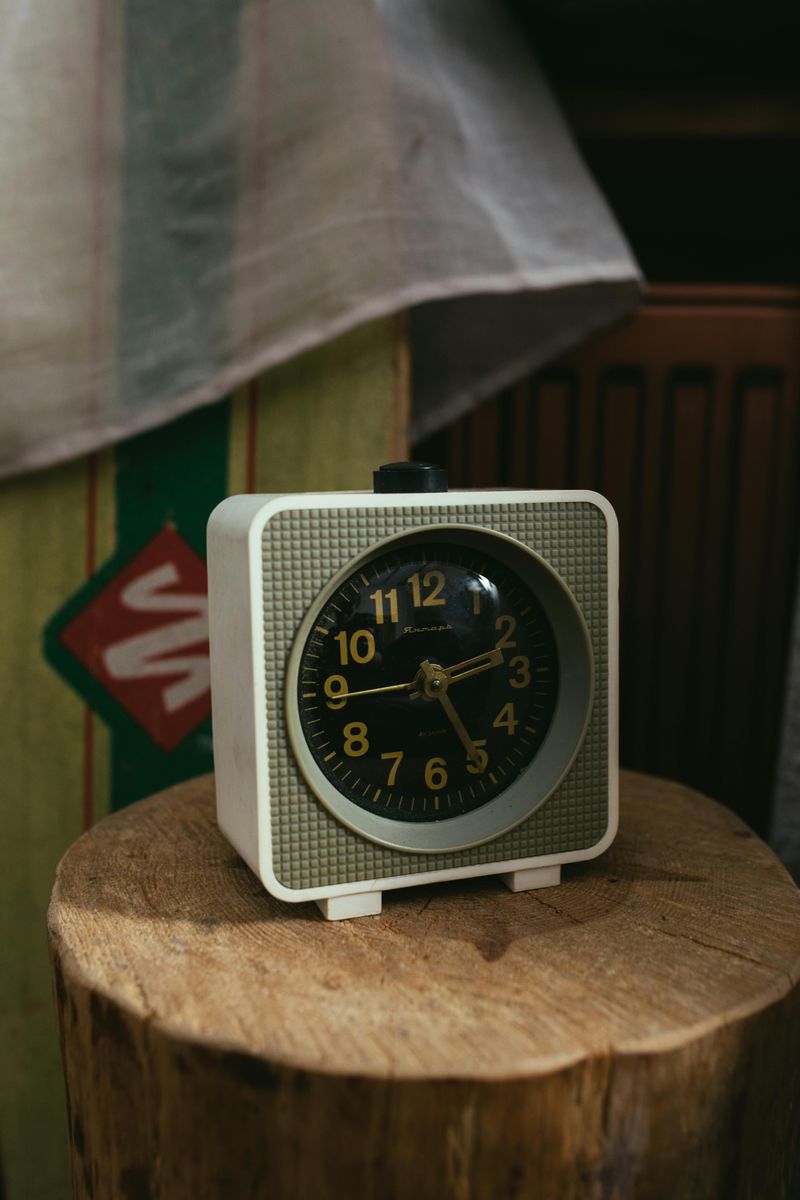
Round metal clock with two bells on top carried zero patience for mistakes.
Winding it up and setting the alarm became a nightly responsibility, something even younger kids eventually handled as a small act of ownership over the next morning.
Getting it wrong meant the whole household felt it, usually in a scramble of missed buses and cold toast. Setting the clock felt like signing a contract with tomorrow.
15. Get Bedroom Ready For Sleep
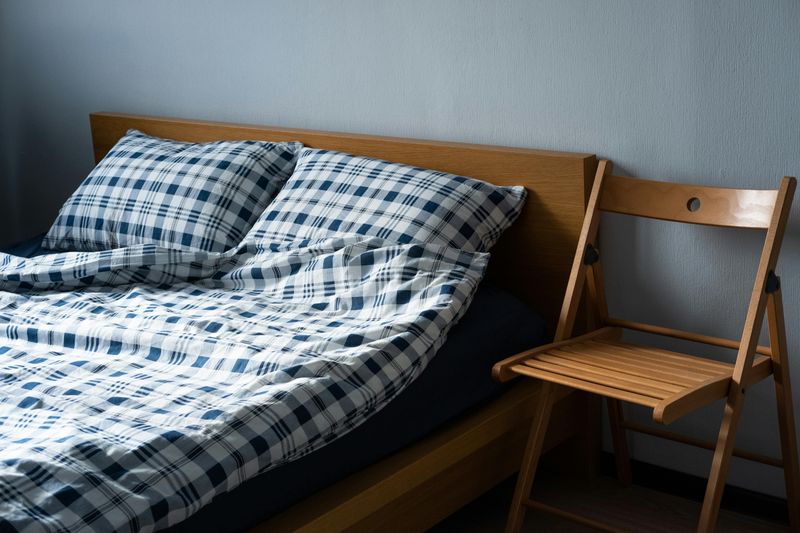
Pulling back the covers and fluffing the pillow sounds simple, but it had a whole ceremony to it.
Straightening the sheets, moving the stuffed animals to their designated spots, and checking under the bed (just in case) were all part of the pre-sleep production. A tidy bed in the 1960s was a point of pride, even if nobody outside the family ever saw it.
Getting the room ready made the act of lying down feel genuinely earned.
16. Climb Into Bed And Get Tucked In

Final move of every 1960s evening came down to climbing in and waiting for the tuck.
Getting tucked in meant blankets pulled up snug, sometimes so tight a kid could barely wiggle a toe, which was apparently the whole point.
Hands smoothing the quilt down, a soft pat on the shoulder, and a quiet “sleep tight” turned into the closing ceremony of the day. “Do not let the bedbugs bite” landed less like a joke and more like a lullaby.
Important: This article is intended for general informational and entertainment purposes and reflects common bedtime habits associated with many mid-20th-century households, not a single universal routine.
Historical references have been phrased carefully to preserve the nostalgic tone while avoiding claims that would overstate what every family experienced.