10 Behind-The-Scenes Facts About The ‘Full House’ Set
Full House ran for eight seasons and made the Tanner family feel like your actual neighbors if your neighbors sometimes had a chimpanzee swinging through the kitchen.
That “famous street” everyone loved? Totally fake.
The chimp caused more stress than laughs, and somehow it all still worked on screen.
The untold story of Full House is messy, hilarious, and way wilder than any rerun could ever show.
1. Most Of Full House Wasn’t Filmed In San Francisco
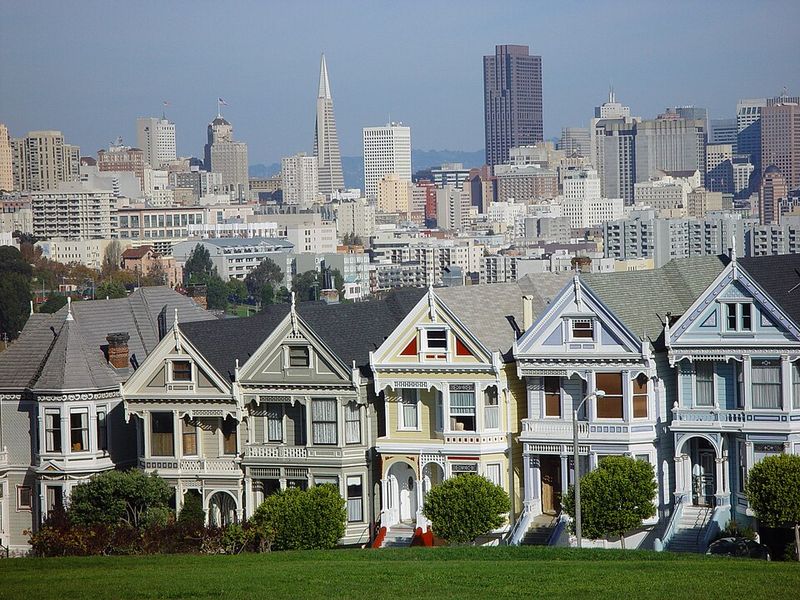
Iconic images of the Golden Gate Bridge, trolley cars, and rolling fog come to mind first, then reality flips that picture entirely.
Nearly every scene of Full House was filmed on a soundstage at Warner Bros. Studios in Los Angeles rather than in San Francisco.
The series used San Francisco mostly for exterior imagery rather than regular on-location filming.
For most of the series, San Francisco worked more like a visual calling card than a filming base.
2. Real Tanner House Was Not A Painted Lady
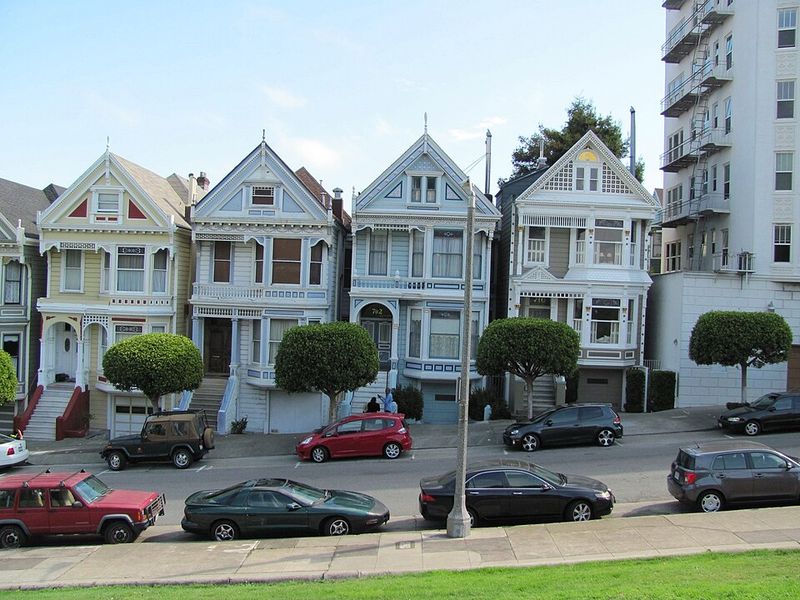
Opening credits with those famous Alamo Square row houses convinced almost everyone, which was exactly the illusion the show wanted.
Reality points to 1709 Broderick Street in the Lower Pacific Heights neighborhood as the exterior used for the Tanner family home. Alamo Square’s Painted Ladies simply provided the scenic backdrop for the credits sequence.
A clever bit of television misdirection dressed up in Victorian trim.
3. Mary-Kate And Ashley Olsen Shared One Role
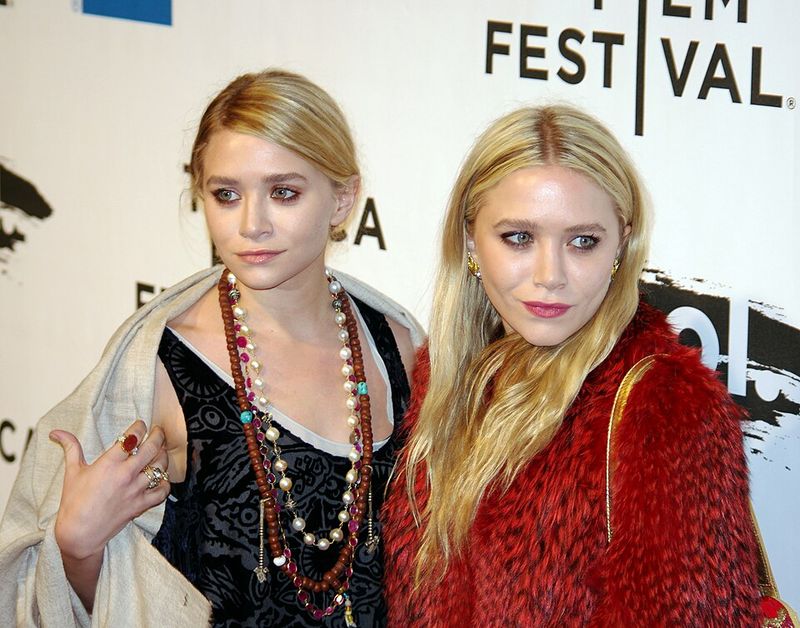
Two babies, one character, and eight seasons of growing up on national television. That is a lot to ask of anyone, let alone infants.
Mary-Kate and Ashley Olsen split the role of Michelle Tanner starting from their very first days on set.
By the time the finale aired, the audience had watched them go from crawling on set floors to becoming full-blown child stars with a budding empire.
4. Ashley Seemed More Comfortable On Set Early On
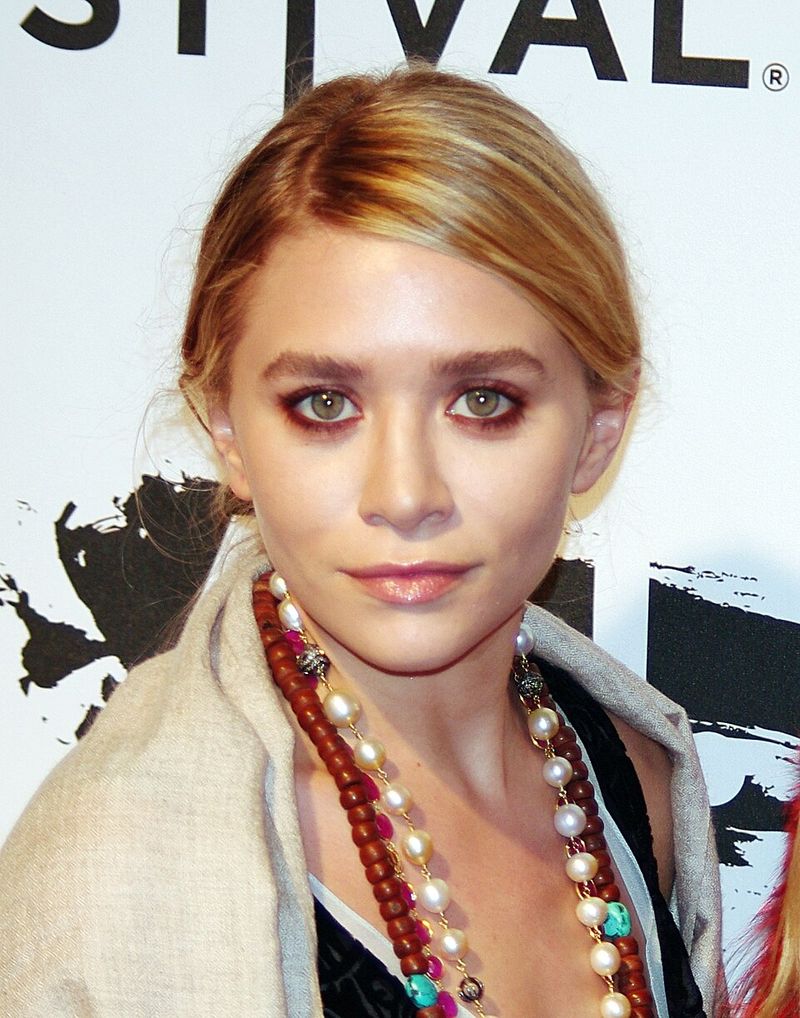
Not every child actor takes to the studio environment like a fish to water, and that was perfectly true for one half of the Olsen duo.
Jodie Sweetin later recalled that Ashley appeared more comfortable with filming early on, while Mary-Kate seemed less happy being out on set.
Same role, same face, totally different energy when the director called action.
5. John Stamos Tried Replacing The Olsen Twins
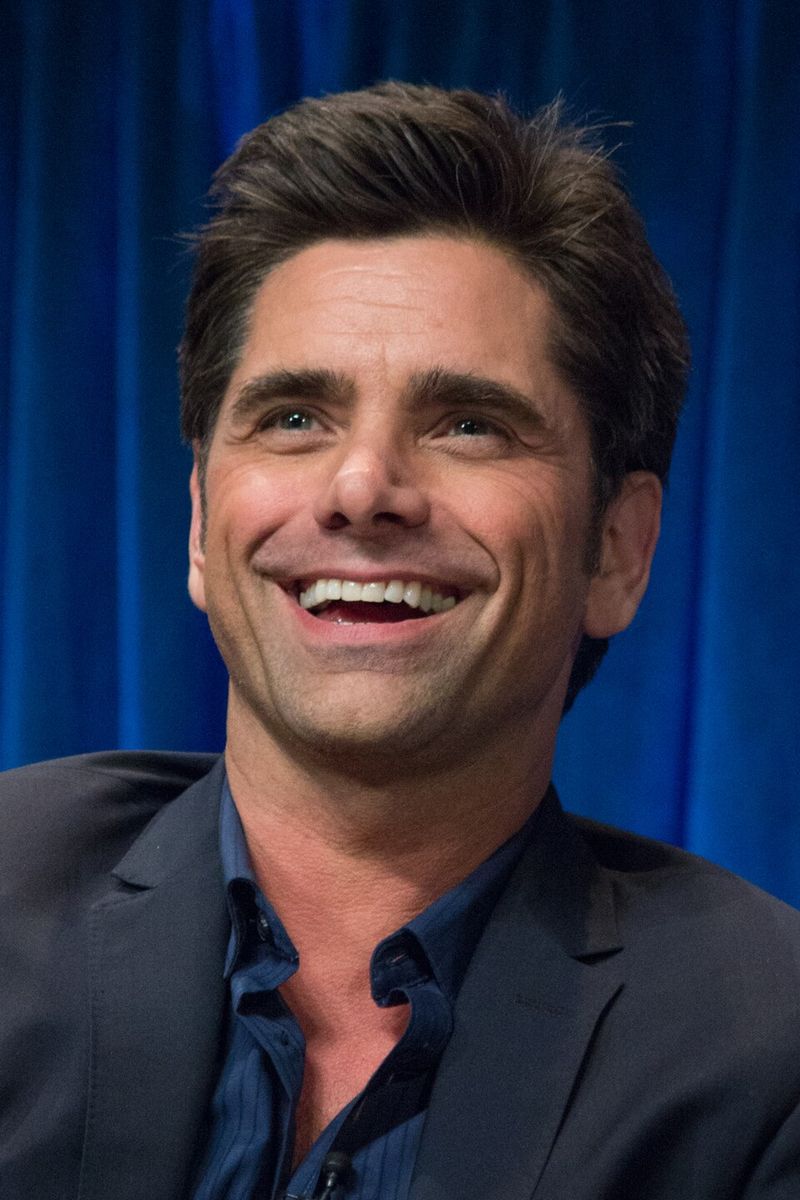
On-set tension found John Stamos during an early stretch of production.
One difficult early scene led Stamos to push for different babies in the role.
Substitutes briefly stepped into the role before Mary-Kate and Ashley returned to the part they would hold for eight years.
Uncle Jesse made the attempt. Victory ultimately belonged to the twins.
6. Bob Saget And Dave Coulier Turned Scenes Into Comedy Duels
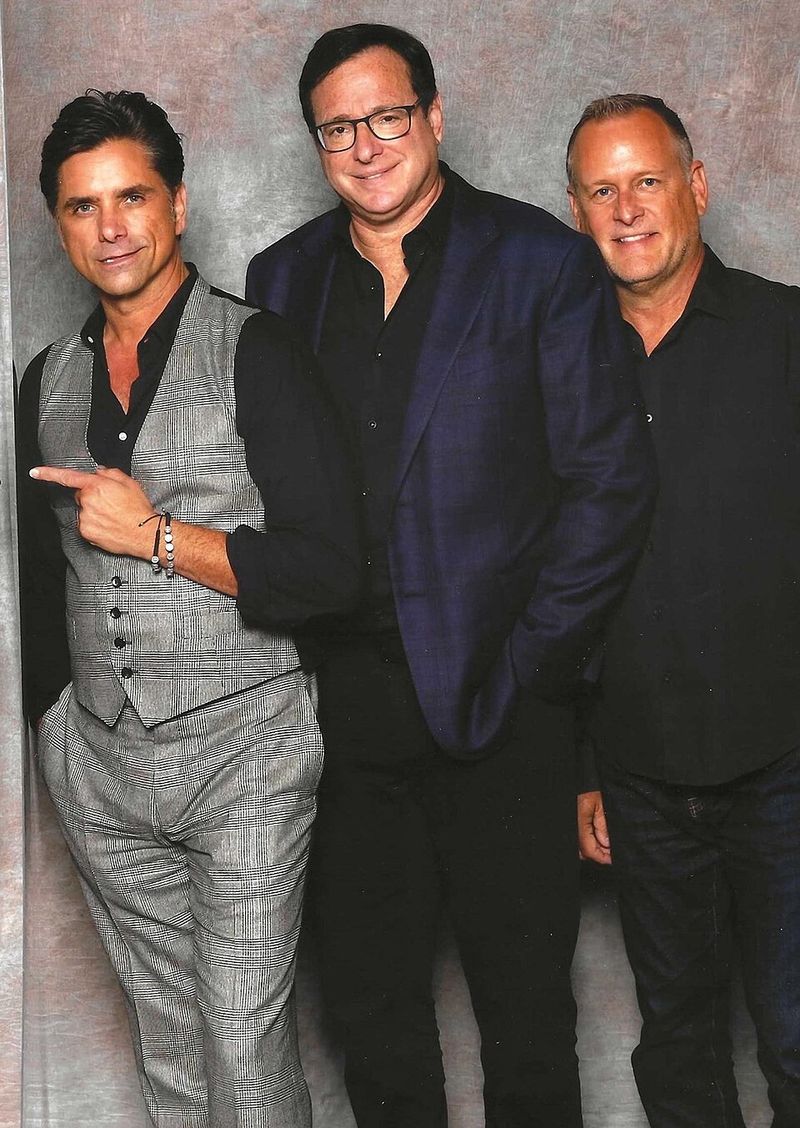
Certain filming days drifted away from rehearsal energy and landed somewhere closer to an accidental open-mic night.
Memories shared by Andrea Barber and Jodie Sweetin describe how Bob Saget and Dave Coulier often started riffing during scenes, building joke after joke until completing a clean take became surprisingly difficult. Improvisation kept fueling even more improvisation.
Getting through a clean take could become a challenge.
7. Bob Saget’s Humor Was Nothing Like Danny Tanner’s

On-screen, Danny Tanner spent his time mopping floors and delivering heartfelt speeches. Off camera, Bob Saget leaned into jokes that could make a sailor blush.
Andrea Barber later said his off-color humor sometimes got him in trouble with the child actors’ mothers, creating a hilarious contrast with his squeaky-clean TV dad image.
Contrast between the character and the performer could have powered an entirely different sitcom.
8. Cast Found Stamos Crush Questions Awkward
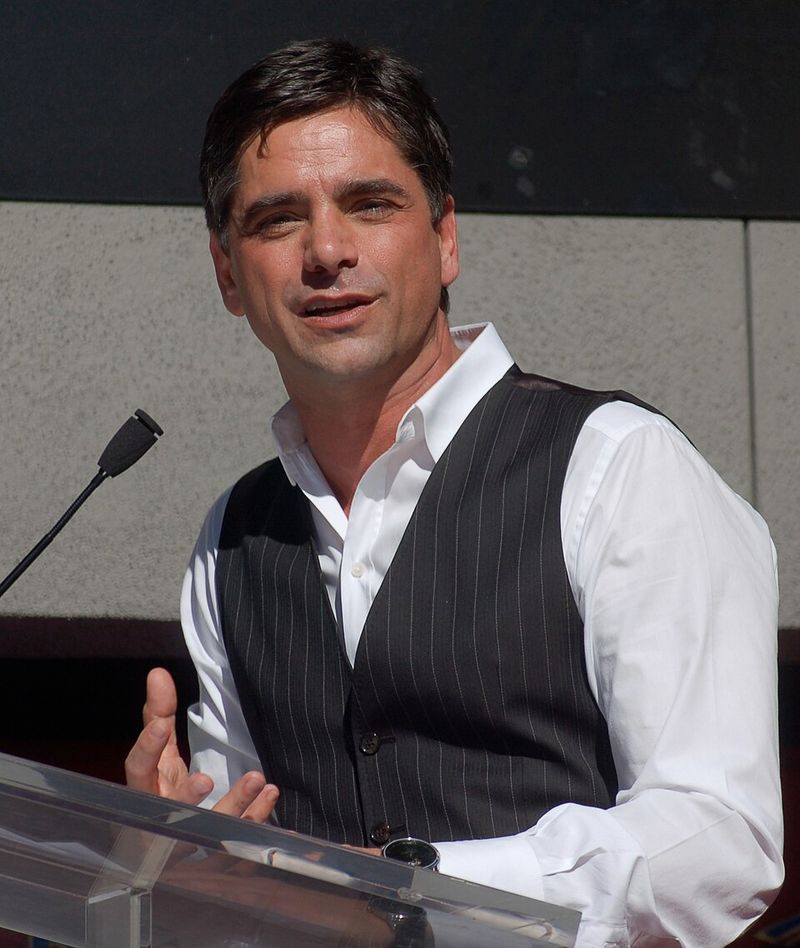
Press junkets and fan events often brought the same awkward question for the younger cast members: did they have crushes on John Stamos?
Discomfort came quickly in responses from Jodie Sweetin and Andrea Barber, who later said the idea felt genuinely inappropriate because Stamos always felt more like family than a heartthrob. Life on set simply meant working alongside Uncle Jesse.
Celebrity culture occasionally turns ordinary relationships into strange conversations.
9. Expensive Island Episode Later Considered Worst

Big budgets do not always buy big laughs, and “Tanner’s Island” is proof of that lesson written in sunscreen.
Creator Jeff Franklin acknowledged the episode cost a significant amount and demanded real effort from everyone involved. He later admitted it ranked among the show’s weakest because the emotional core that made Full House work simply was not there.
10. Filming With The Chimpanzee Was Difficult
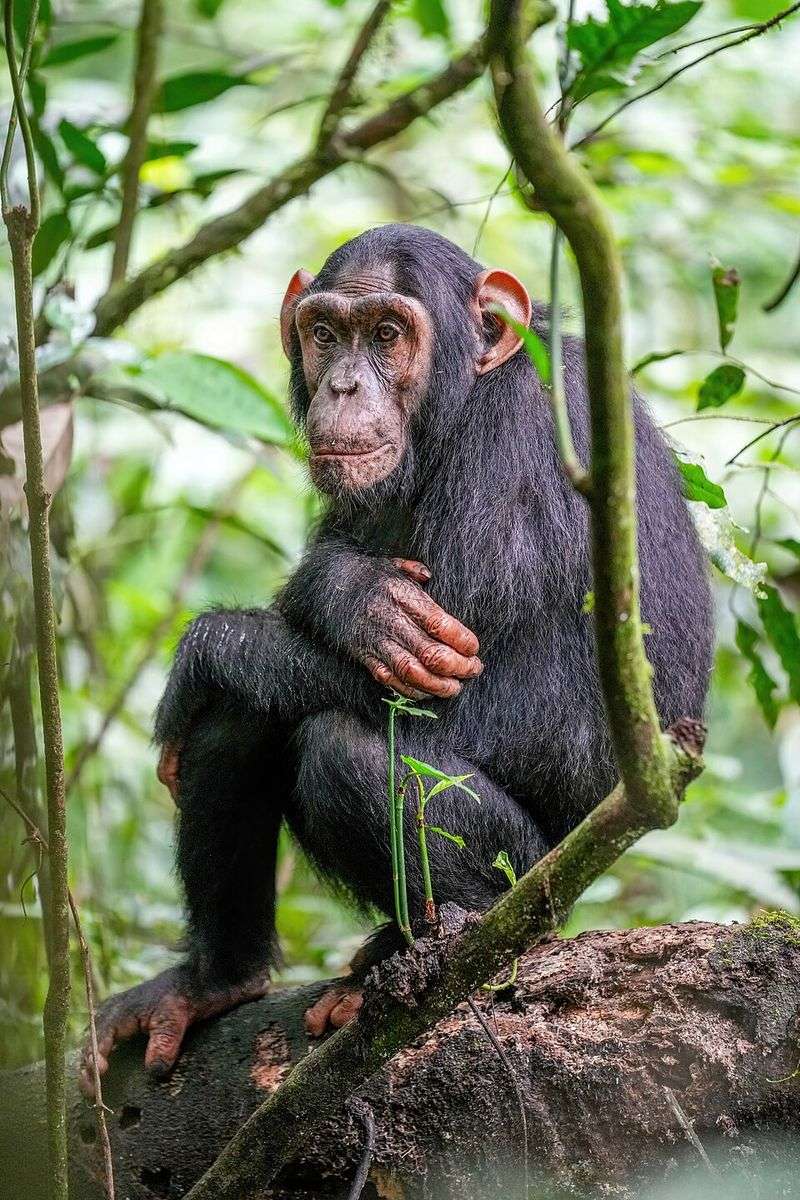
Behind the episode “Too Much Monkey Business,” tension simmered in ways viewers never saw. Cast members were reportedly told to avoid direct eye contact with the chimp during filming.
John Stamos later described the shoot as tense and said the animal left him rattled.
Working with wild animals rarely mixes smoothly with a tight sitcom schedule. Occasionally, a guest star pushes back.
Note: This article is based on publicly discussed production details, cast interviews, podcast recollections, and reporting about the making of Full House. Some behind-the-scenes stories rely on later memories shared by cast members and creators, so exact phrasing and emphasis may vary across interviews.