10 Beliefs That Are Gradually Disappearing From American Culture
For a long time, American life ran on a familiar set of expectations, the kind people treated like social glue. Certain ideas about work, family, community, and “the right way” to build a life once felt so steady they barely needed explaining.
Watching those beliefs fade can feel like losing a shared language, with fewer moments where everyone seems to agree on what matters and why.
Change is inevitable, but there’s still a quiet ache in realizing some of the old rules weren’t just rules, they were a comfort.
1. Everyone Should Follow The Same Life Timeline

Remember when everyone seemed to hit the same milestones at the same age?
Graduate at twenty-two, married by twenty-five, house by thirty, kids before thirty-five. That script is crumbling faster than a stale cookie.
People are taking gap years at forty, starting families at twenty or fifty, switching careers like Netflix shows. Life’s becoming a choose-your-own-adventure book instead of a one-size-fits-all manual.
Your timeline is yours alone now.
2. Long Career At One Employer

Many grandparents once stayed with a single company until retirement came with a gold watch and a pension. Such stability now feels like something displayed behind museum glass.
Job-hopping has shifted from being frowned upon to becoming an expectation in many industries.
Median employee tenure sits around 3.9 years for U.S. wage and salary workers (as of January 2024), reflecting how common shorter stays have become in many roles. Traditional pensions faded like morning fog, replaced by portable 401(k) plans that move with employees from job to job.
3. Four-Year College As Default Path
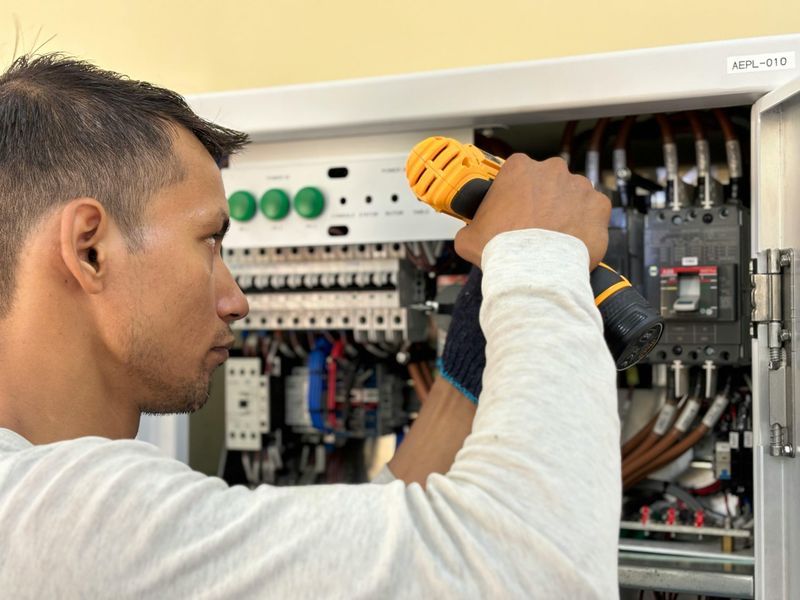
For decades, college stood as the golden ticket everyone rushed to punch, yet today it feels like only one choice on a much longer menu. Across the country, trade schools fill with future electricians and plumbers who may out earn many traditional desk workers.
Meanwhile, coding bootcamps transform beginners into developers within months rather than years.
As student debt can reach six figures for some borrowers (especially in graduate and professional programs) and job guarantees grow uncertain, a diploma no longer looks like the automatic path to stability it once promised.
4. Homeownership Equals Adulthood

Owning a home used to be the ultimate adulting achievement. Many people remember earlier generations buying younger, yet today first-time buyers skew older than they used to.
Today’s young adults are renting longer, some by choice, many by necessity.
Sky-high prices and down payment mountains make homeownership feel like winning the lottery. Renting offers flexibility to chase opportunities without being chained to a mortgage that costs more than a small yacht.
5. Bigger House Means Success

Oversized homes from the McMansion era are fading like last season’s paint colors. Smaller homes continue trending upward as many people realize extra bedrooms often turn into storage space.
Tiny houses and cozy condos now earn celebration rather than pity. Heating bills, cleaning time, and property taxes rise quickly when empty square footage fills a floor plan.
Choosing less house often creates more room for life, travel funds, and weekends free from maintaining unused lawn space.
6. Living Near Extended Family

Not long ago, Grandma’s house sat just a ten minute drive away. Today, visiting might require a plane ticket and two connecting flights.
Careers, new opportunities, and wanderlust have scattered families across time zones like confetti.
Video calls now stand in for Sunday dinners, while holidays begin with airport security instead of grabbing car keys. Even when zip codes no longer match, emotional closeness continues to hold families together.
7. Staying In Your Hometown

Once upon a time, leaving your hometown was the exception, not the rule. Neighbors knew your parents, your teachers, probably your embarrassing middle school haircut.
Now moving away is practically a rite of passage.
College sends kids across state lines, jobs pull them further, and suddenly home is where you visit for Thanksgiving, not where you live. Staying put is wonderful for some, but it’s no longer the automatic default setting.
8. Personal Privacy As Default

Privacy once meant keeping personal matters to yourself. Today, breakfast choices and vacation coordinates often get shared with hundreds of followers online.
Smartphones now record steps taken, purchases made, and search queries entered throughout the day.
That older idea of a private life feels almost quaint, like rotary phones or handwritten letters.
Convenience and connection have gradually replaced privacy, along with the small dopamine rush sparked by notification pings.
9. Family Dinner Most Nights

Evenings once brought families together around the table with dependable regularity.
Dad carved the roast while everyone shared stories from the day, and no one left before dessert arrived.
Today, those Norman Rockwell scenes appear far less often. Busy schedules filled with soccer practice, late meetings, different shifts, and grab and go meals have scattered the old dinner table routine.
Connection now finds space during car rides and brief kitchen conversations instead.
10. Kids Entertain Themselves Outside
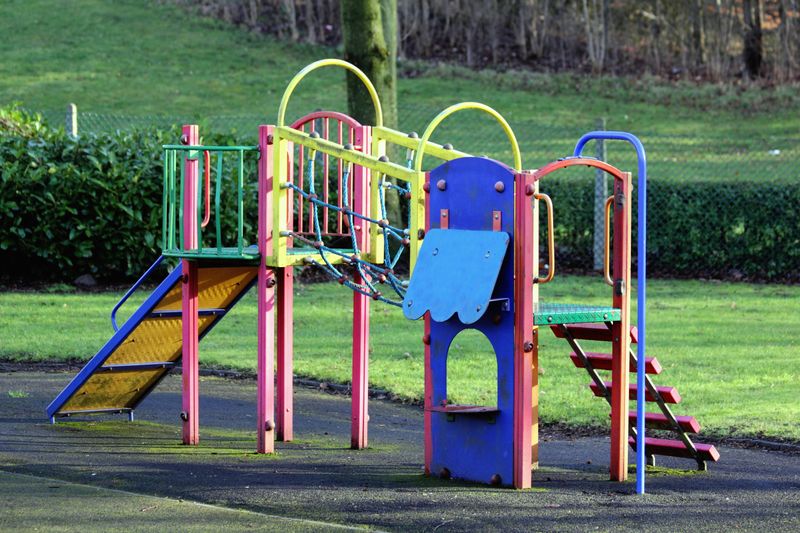
Remember disappearing outside after breakfast and coming home when streetlights flickered on? Kids today don’t.
Scheduled playdates replaced spontaneous neighborhood games.
Safety concerns, screen entertainment, and packed calendars keep kids indoors or supervised. That glorious freedom to roam, build forts, and scrape knees without adult orchestration is becoming a nostalgic memory instead of childhood reality.
Disclaimer: Cultural trends vary by region, generation, and personal experience, and any referenced statistics reflect publicly reported data available at the time of writing. The content is provided for general informational and entertainment purposes and is not legal, financial, or professional advice.