13 Beloved Children’s Books To Share Across Generations
Certain children’s books never really stay on the shelf. They get read, reread, carried around with bent corners, and remembered years later with alarming emotional clarity.
A great children’s book catches kids right away, then quietly sneaks up on the adults doing the reading too.
One page pulls in a new generation. A familiar line lands again for someone who has not heard it in years.
Suddenly the story is doing double duty, entertaining one reader while ambushing the other with nostalgia they were not prepared to process before lunch.
That is what makes these books so special. They do not belong to one age group for long, instead, they pass between hands, voices, and bedtime routines without losing their spark.
1. Goodnight Moon by Margaret Wise Brown
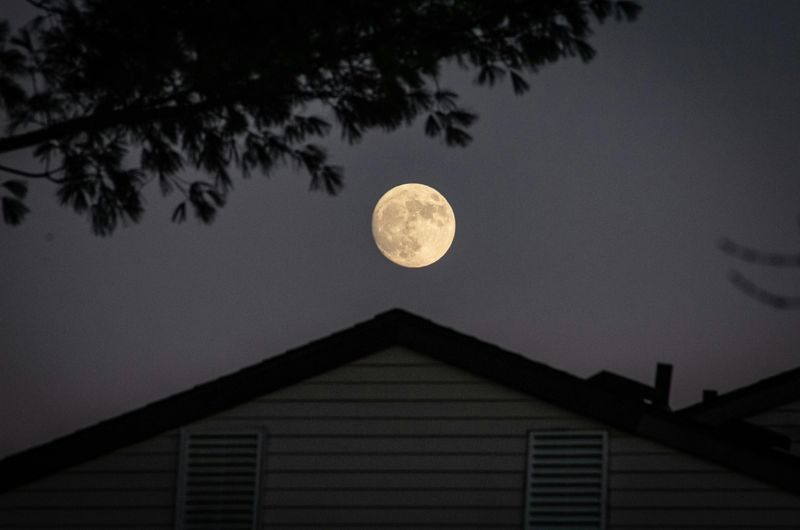
Few books have ever nailed the bedtime vibe quite like this one.
Published in 1947, Margaret Wise Brown created a rhythmic, hypnotic lullaby in book form that still sends little ones off to dreamland today. The great green room is basically childhood’s most iconic bedroom.
How does a book stay relevant for over 75 years? By being perfectly simple. Each page whispers goodnight to everyday objects, making kids feel safe and settled.
Parents love it just as much because, honestly, reading it out loud is weirdly soothing for everyone.
2. The Tale of Peter Rabbit by Beatrix Potter
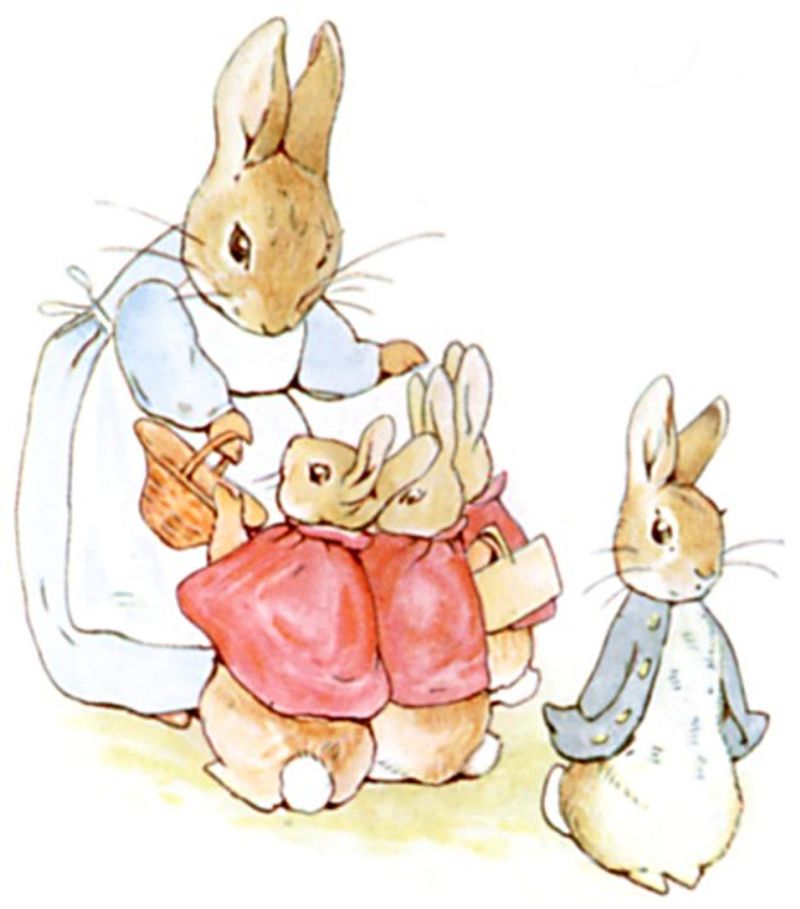
Peter Rabbit has been causing trouble in Mr. McGregor’s garden since 1902, and honestly, nobody is mad about it.
Beatrix Potter based her illustrations on real rabbits she kept as pets, giving the artwork an incredibly charming, lifelike quality that still holds up beautifully today.
Though the story is simple, it carries a classic lesson: rules exist for a reason, and sneaking into forbidden gardens has consequences.
However, Peter’s mischief makes him one of literature’s most lovable rebels. Potter’s soft watercolors feel like stepping into a dream.
3. Where the Wild Things Are by Maurice Sendak
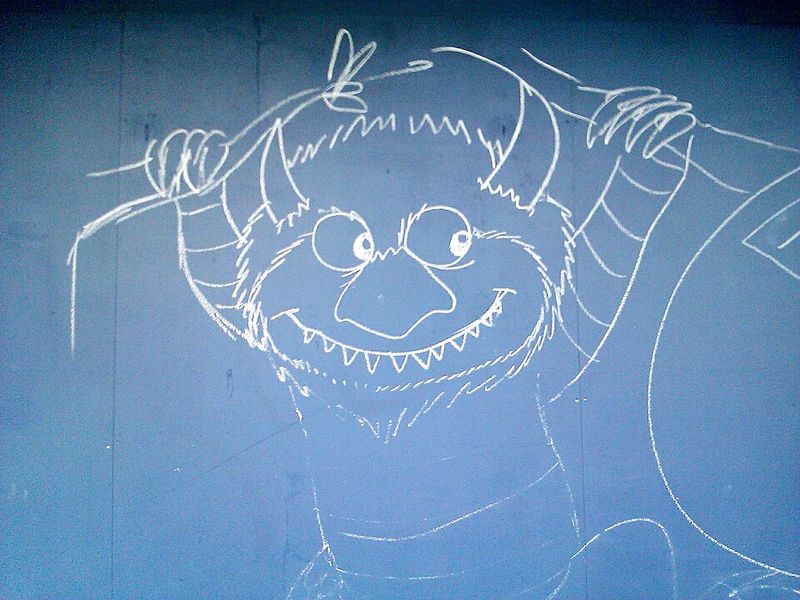
Wild rumpuses, creature friends, and a boy named Max who rules them all. Maurice Sendak published this masterpiece in 1963, and it immediately changed what picture books could do.
Max gets sent to bed without supper and imagines an entire kingdom of wild creatures. Relatable, honestly.
Where the Wild Things Are understands something most adult books miss: kids have BIG feelings. Anger, imagination, and the deep need to come home are all packed into 37 pages.
If you have ever thrown a tantrum and then wanted a hug right after, Max is your spirit animal.
4. The Very Hungry Caterpillar by Eric Carle
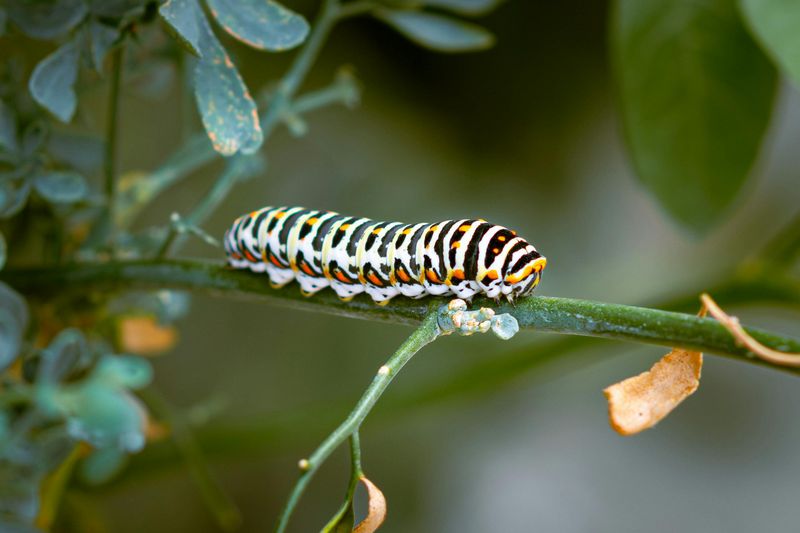
Eric Carle basically invented the coolest art class project ever and turned it into a book.
Published in 1969, this tiny caterpillar munches through strawberries, chocolate cake, and even a lollipop before transforming into a beautiful butterfly.
Kids go absolutely wild for the pages where the caterpillar eats right through the food.
Beyond the munchable fun, this book quietly teaches days of the week, counting, and the life cycle of a butterfly. It is sneaky educational genius wrapped in tissue-paper collage art.
5. Anne of Green Gables by L. M. Montgomery
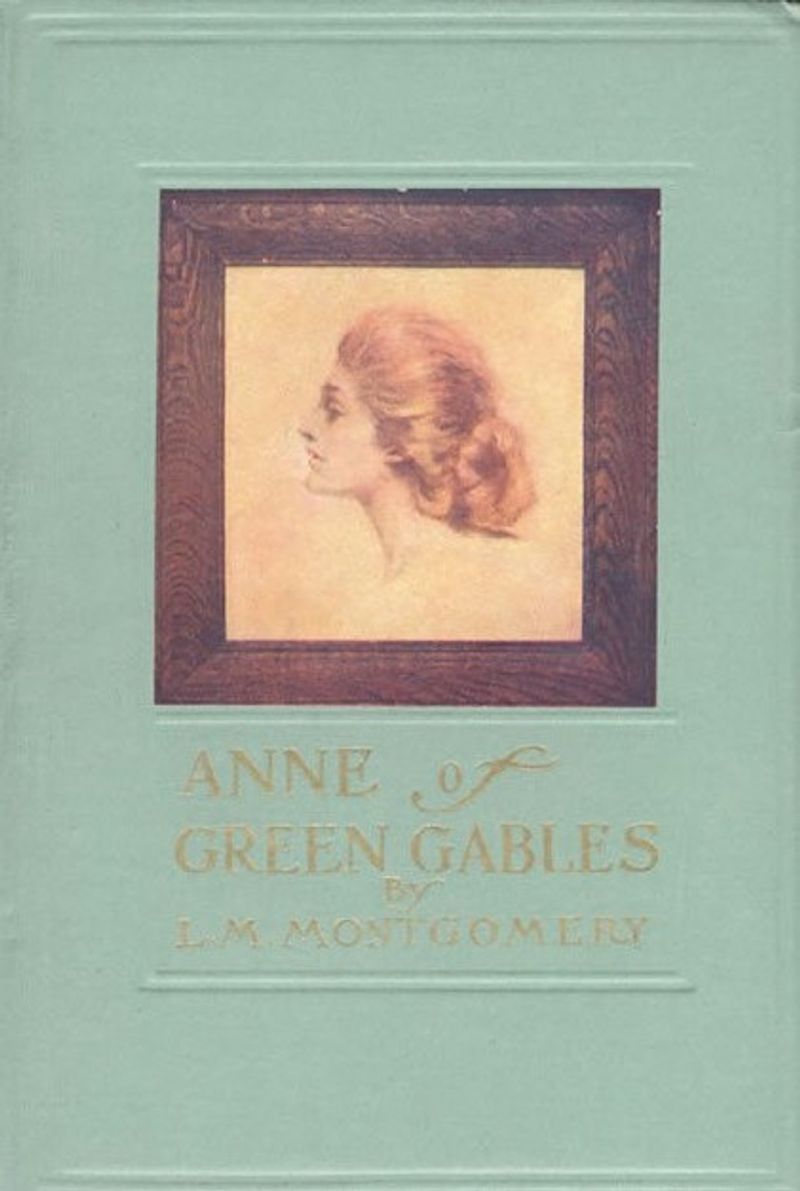
Anne Shirley arrived at Green Gables in 1908 and never really left.
L.M. Montgomery created one of literature’s most unforgettable heroines: an orphan girl with flaming red hair, a wild imagination, and a talent for accidentally getting into spectacular trouble.
She talks a lot, dreams bigger, and loves fiercely.
Set on the stunning Prince Edward Island in Canada, the story follows Anne as she wins over the hearts of the Cuthbert siblings and eventually an entire community.
If you have ever felt like you did not quite fit in, Anne of Green Gables was written for you.
6. Winnie-the-Pooh by A. A. Milne
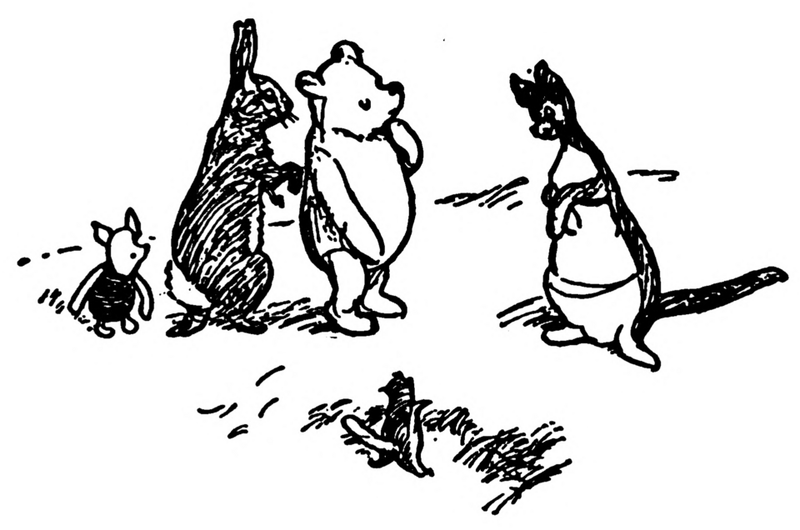
If you have ever said “Oh bother” after a rough day, you have Pooh to thank. A.A.
Milne created Winnie-the-Pooh in 1926, inspired by his son Christopher Robin’s stuffed animals.
The Hundred Acre Wood is one of fiction’s most comforting places, full of honey, friendship, and surprisingly deep wisdom.
Pooh’s simple observations about life, like needing a hug or wondering if it is lunchtime yet, hit surprisingly hard for adults rereading this classic.
Every character in the Wood represents a different personality, making the stories feel deeply real. Piglet is nervous, Eeyore is gloomy, and somehow they are all still best friends.
7. The Cat in the Hat by Dr. Seuss
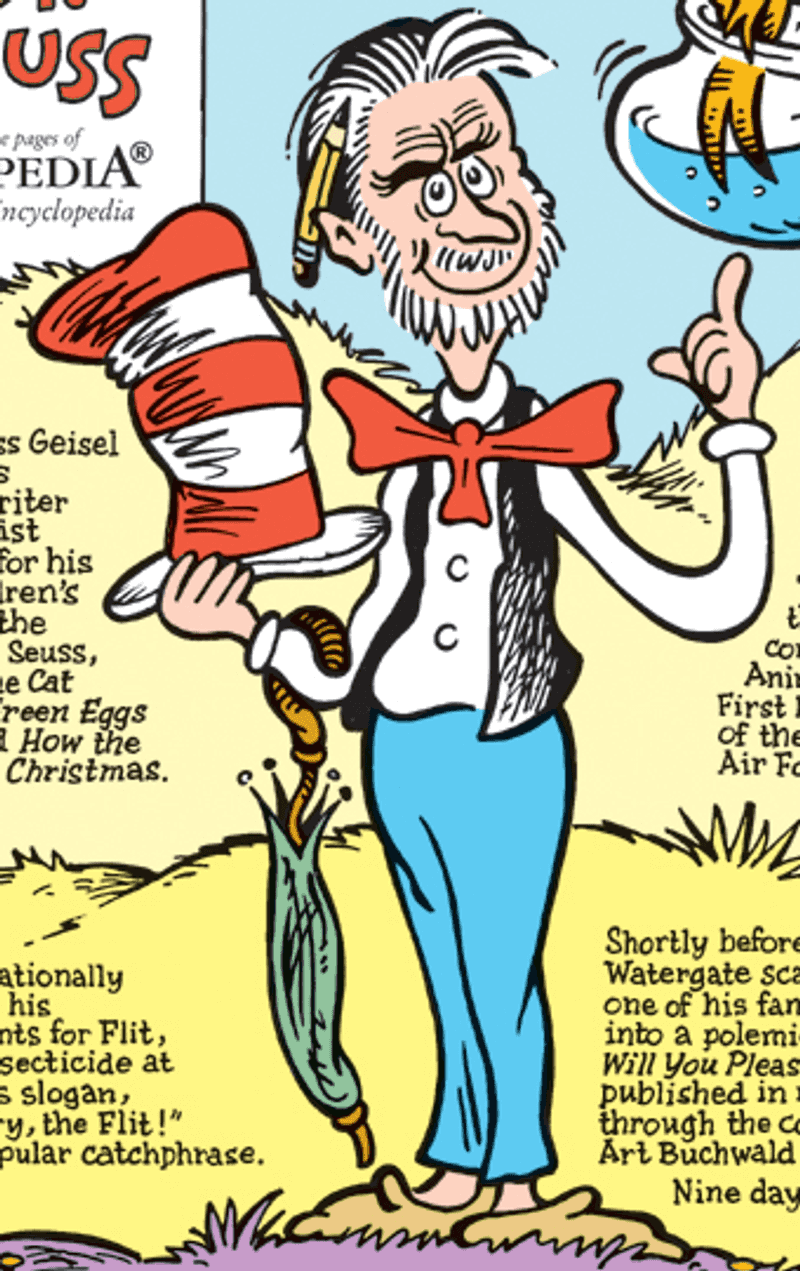
Rainy day? Boring afternoon? No problem, because a giant cat in a striped hat just knocked on the door. Dr. Seuss published The Cat in the Hat in 1957 as a direct challenge to boring early reader textbooks.
He used only 236 unique words and somehow made one of the most entertaining books ever written.
The result was pure chaos wrapped in anapestic tetrameter, which is just a fancy way of saying it bounces when you read it aloud.
Kids love the mayhem; parents secretly love the rhythm.
8. Harold and the Purple Crayon by Crockett Johnson

Harold is basically the original content creator. With just a purple crayon and zero adult supervision, he draws his entire adventure into existence in Crockett Johnson’s 1955 classic.
Mountains, oceans, a picnic, a dragon, and even his own bedroom all spring from his imagination and that one magical crayon.
What makes this book genuinely brilliant is the message: you have the power to create your own world. For young readers, that is both exciting and empowering.
The simple line drawings against a white background keep the focus entirely on Harold’s limitless creativity.
9. The Snowy Day by Ezra Jack Keats

Published in 1962, The Snowy Day made history as one of the first widely published picture books to feature an African American child as the main character.
Ezra Jack Keats created Peter, a small boy exploring his snowy neighborhood with pure wonder, and the result was groundbreaking and gorgeous.
Peter makes snow angels, climbs mountains of snow, and tries to save a snowball in his pocket. Spoiler: the snowball does not survive.
However, the joy and curiosity Peter experiences feel timeless and universal.
10. A Wrinkle in Time by Madeleine L’Engle
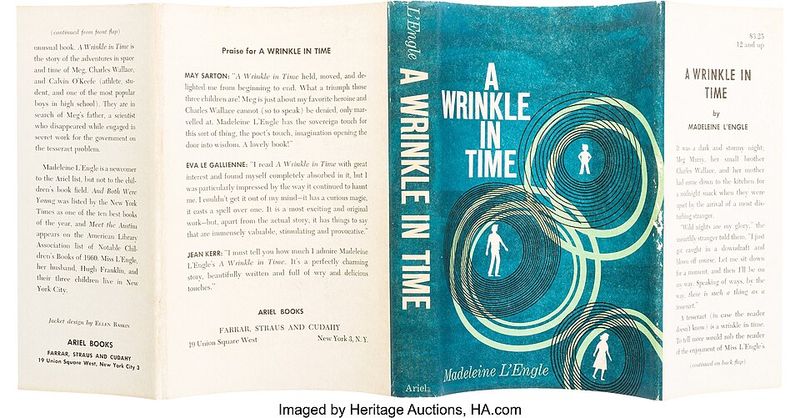
Published in 1962 after being rejected by 26 publishers (yes, 26!), A Wrinkle in Time went on to win the Newbery Medal and become one of the most celebrated science fantasy novels for young readers ever written.
Meg Murry is awkward and fiercely loyal, which makes her one of the most relatable protagonists in the genre.
She travels through time and space using a tesseract to rescue her missing father from an evil force called IT. The book blends physics, philosophy, and heart in ways that feel genuinely ahead of their time.
11. The Giving Tree by Shel Silverstein
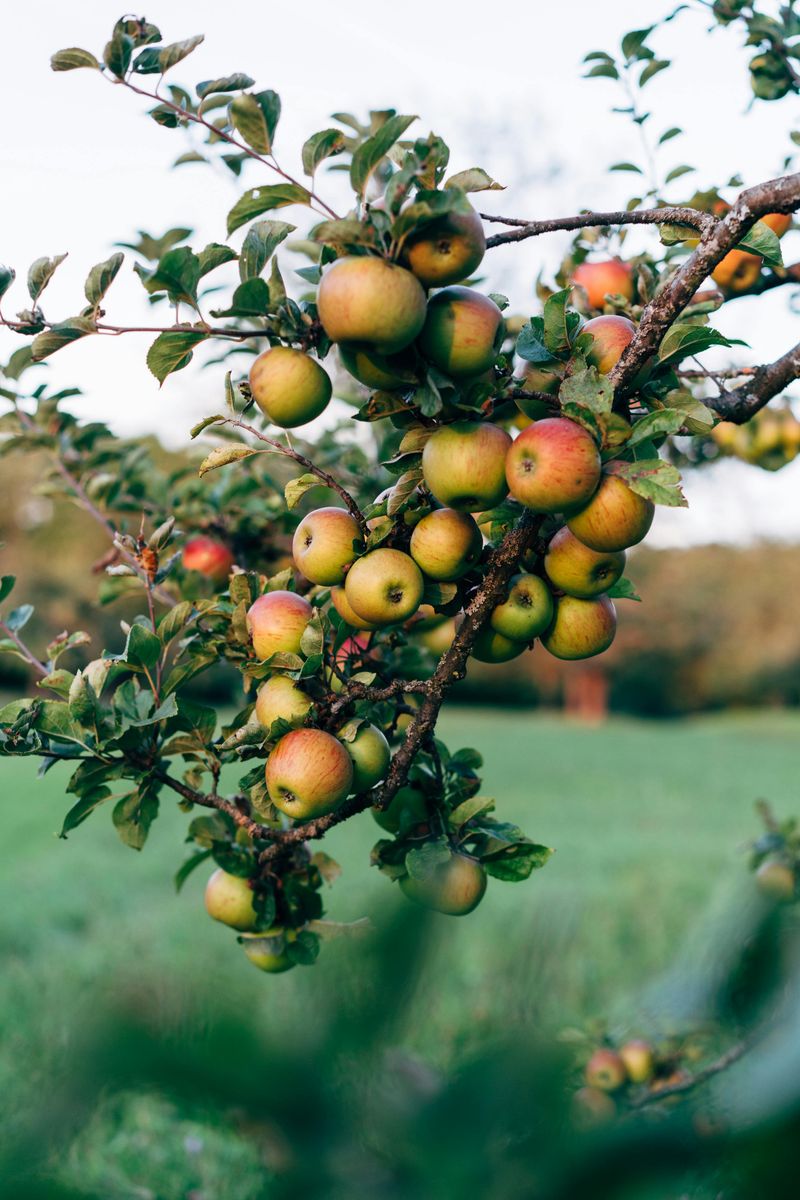
Shel Silverstein wrote The Giving Tree in 1964, and it has been sparking debates at family dinner tables ever since.
Is the tree a symbol of unconditional love? Is the boy taking too much? Is this a story about generosity or something more complicated? Readers of every age seem to find something different in its pages.
At its core, the story follows a tree that gives everything it has to a boy it loves, from apples to branches to its very stump.
Children see pure love; adults often see themselves in both characters. Few books manage to mean so many things to so many people.
12. The Velveteen Rabbit by Margery Williams
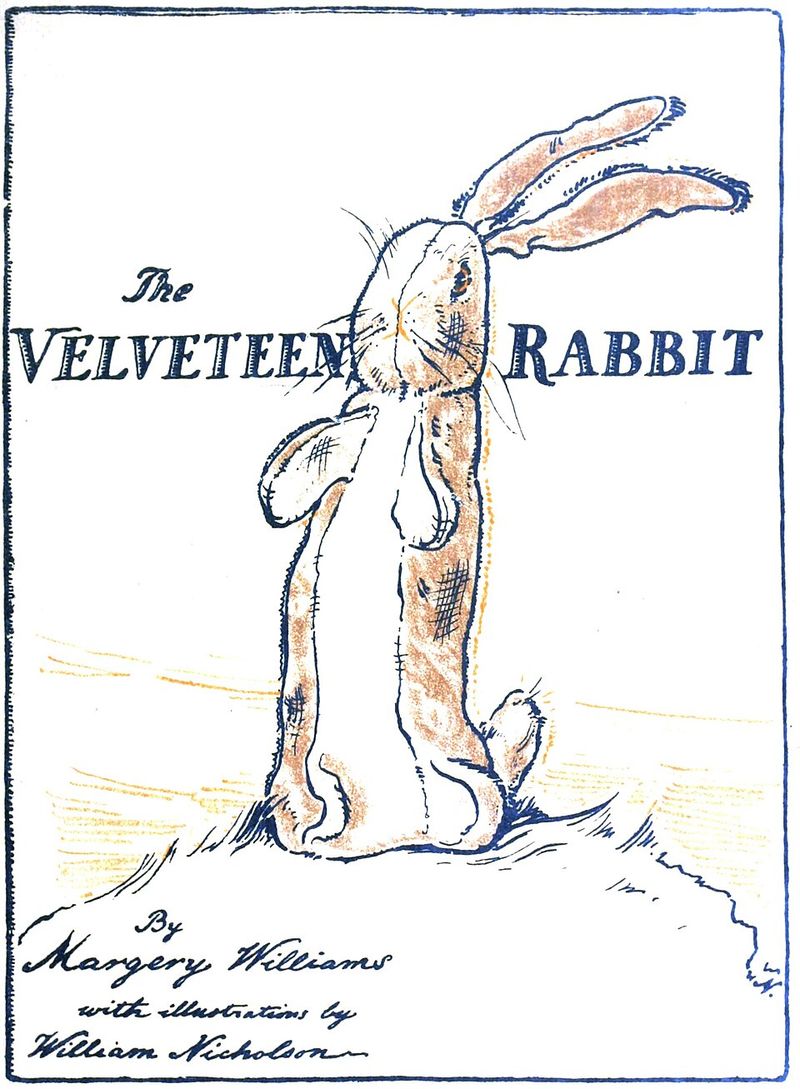
“What is REAL?” asks the Velveteen Rabbit, and honestly, that question hits harder every year. Margery Williams published this tender masterpiece in 1922, telling the story of a stuffed rabbit who dreams of becoming real through the love of a child.
It is the original story about what truly matters.
Skin Horse, the wisest toy in the nursery, explains that realness comes not from how you are made but from being genuinely loved.
For anyone who ever had a beloved stuffed animal that became ratty and worn from too many hugs, this story is personal.
The ending is both heartbreaking and hopeful in equal measure. Have tissues handy. Seriously.
13. The Secret Garden by Frances Hodgson Burnett

Hidden behind a locked door in a sprawling English manor is a garden that has not been touched in ten years.
Frances Hodgson Burnett published The Secret Garden in 1911, and its story of healing, growth, and friendship remains one of the most quietly powerful books ever written for young readers.
Mary Lennox arrives at Misselthwaite Manor as a sour, lonely orphan and slowly transforms as she brings the garden back to life.
The parallel between the garden’s revival and Mary’s own emotional awakening is beautiful storytelling.
How something neglected can bloom again with care is a lesson that hits differently every time you read it.