15 Best Picture Winners Audiences Never Really Warmed Up To
Winning an Oscar for Best Picture is supposed to be the ultimate Hollywood achievement.
However, not every golden statue guarantees a film will become a beloved classic.
Some winners quickly fade from memory, leaving audiences scratching their heads about why they won in the first place.
Here are 15 Best Picture champions that never quite captured the hearts of moviegoers.
Disclaimer: All selections and critiques are based on opinion, viewer reception, and cultural hindsight rather than any objective or absolute measure of a film’s merit or legacy.
1. The Greatest Show on Earth (1952)
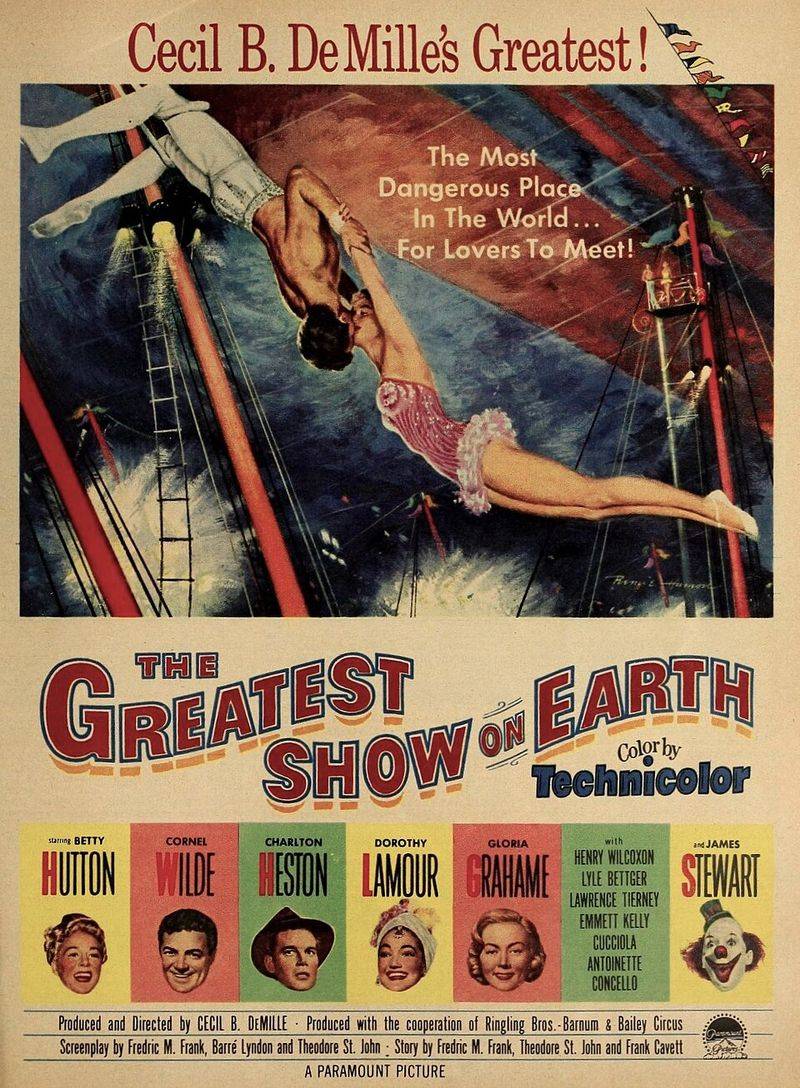
Cecil B. DeMille brought circus spectacle to the big screen with grand ambition.
Yet this melodrama felt more like a three-ring snooze fest than entertainment magic.
Competing against legendary films like High Noon made this win especially puzzling.
Modern viewers find it overly theatrical and painfully dated.
2. Around the World in 80 Days (1956)
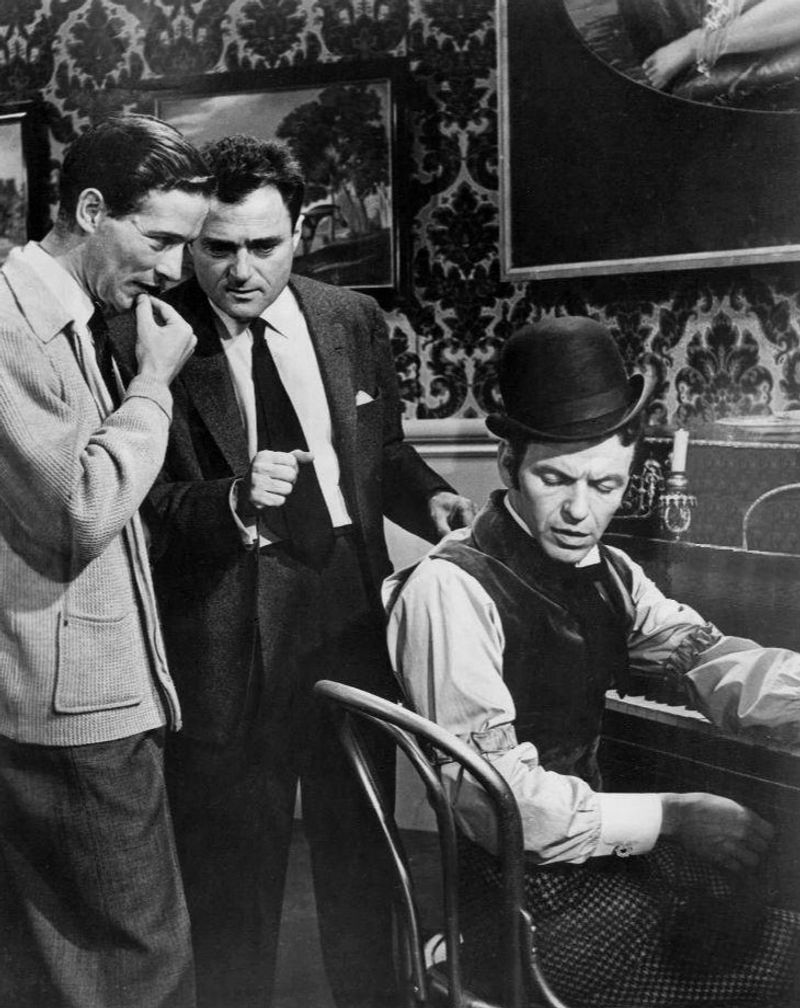
This globe-trotting adventure promised excitement but delivered something closer to a travel slideshow.
Based on Jules Verne’s classic novel, it featured cameos from dozens of stars.
Though visually impressive for its time, the pacing drags like a hot air balloon losing altitude.
Audiences today struggle to stay engaged through its lengthy runtime.
3. Gigi (1958)
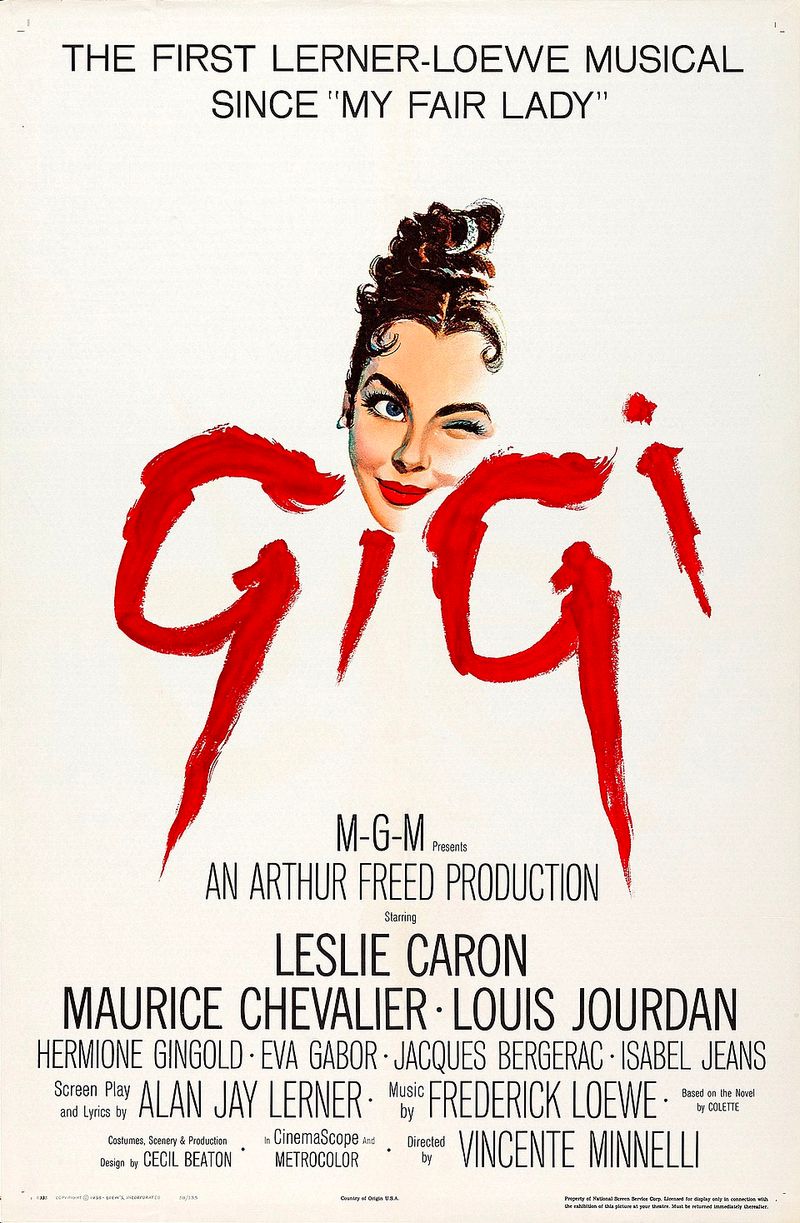
This Parisian musical swept the Oscars with nine wins, yet barely anyone remembers it now.
Set in Belle Époque France, it tells the story of a young girl trained to become a courtesan.
However, its outdated themes about grooming a teenager for wealthy men feel deeply uncomfortable today.
Beautiful costumes and catchy songs cannot save problematic storytelling.
Though charming on surface level, modern audiences rightfully question its messaging.
4. Tom Jones (1963)
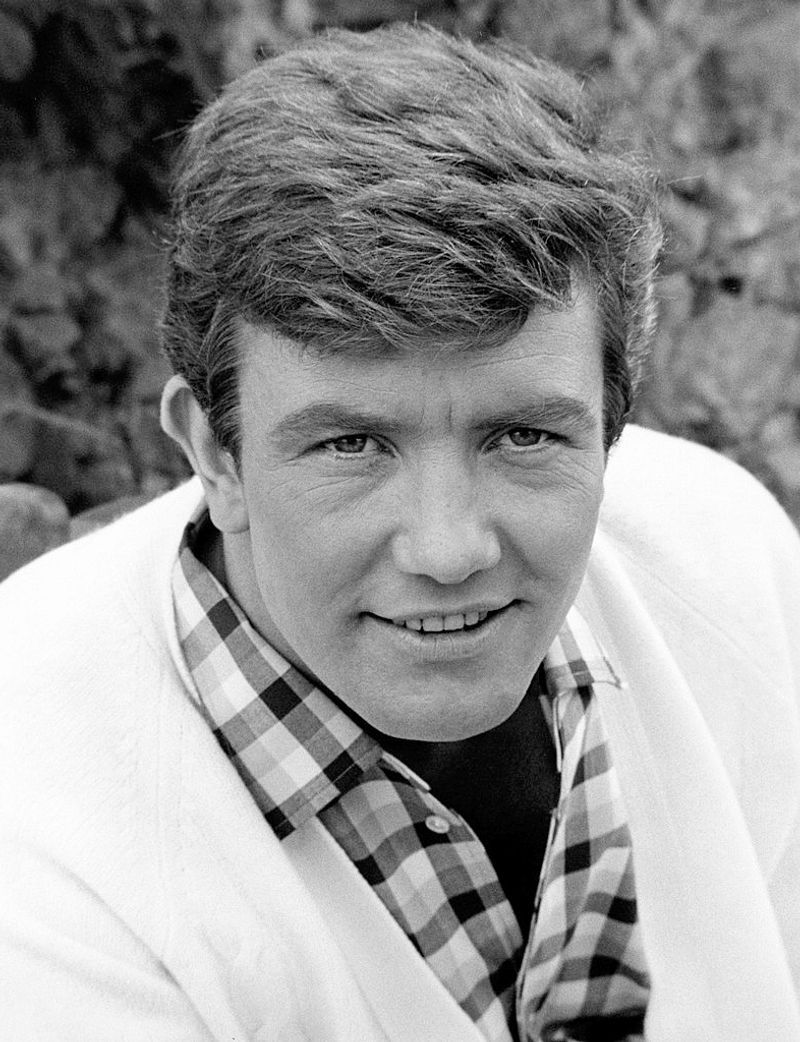
If you enjoy bawdy British humor and chaotic storytelling, this might be your jam.
Everyone else will likely find this 18th-century romp confusing and overly theatrical.
Director Tony Richardson employed experimental techniques that felt fresh in 1963 but seem gimmicky now.
Breaking the fourth wall repeatedly gets old faster than stale bread.
Critics loved its rebellious energy, yet audiences never fully embraced it.
5. Ordinary People (1980)

Robert Redford’s directorial debut explored family trauma with serious intensity and emotional weight.
However, its depressing subject matter made it difficult to revisit or recommend casually.
Beating Raging Bull for Best Picture remains one of Oscar’s most controversial decisions.
While respectably made, it feels more like mandatory homework than entertainment.
6. Out of Africa (1985)

Sweeping landscapes and epic romance promised an unforgettable cinematic experience.
Instead, audiences got a slow-burning drama that tests patience more than emotions.
Meryl Streep and Robert Redford look gorgeous against African sunsets, but chemistry feels absent.
Nearly three hours of colonial nostalgia drags like a safari with broken wheels.
7. Dances with Wolves (1990)

Kevin Costner’s frontier epic ran longer than actual wagon train journeys across the prairie.
While noble in its attempt to portray Native American culture respectfully, it feels self-indulgent.
Three hours of beautiful cinematography cannot hide the white savior narrative at its core.
Beating Goodfellas for Best Picture still sparks heated debates among movie lovers.
Though well-intentioned, modern audiences recognize its problematic perspective and pacing issues.
8. The English Patient (1996)
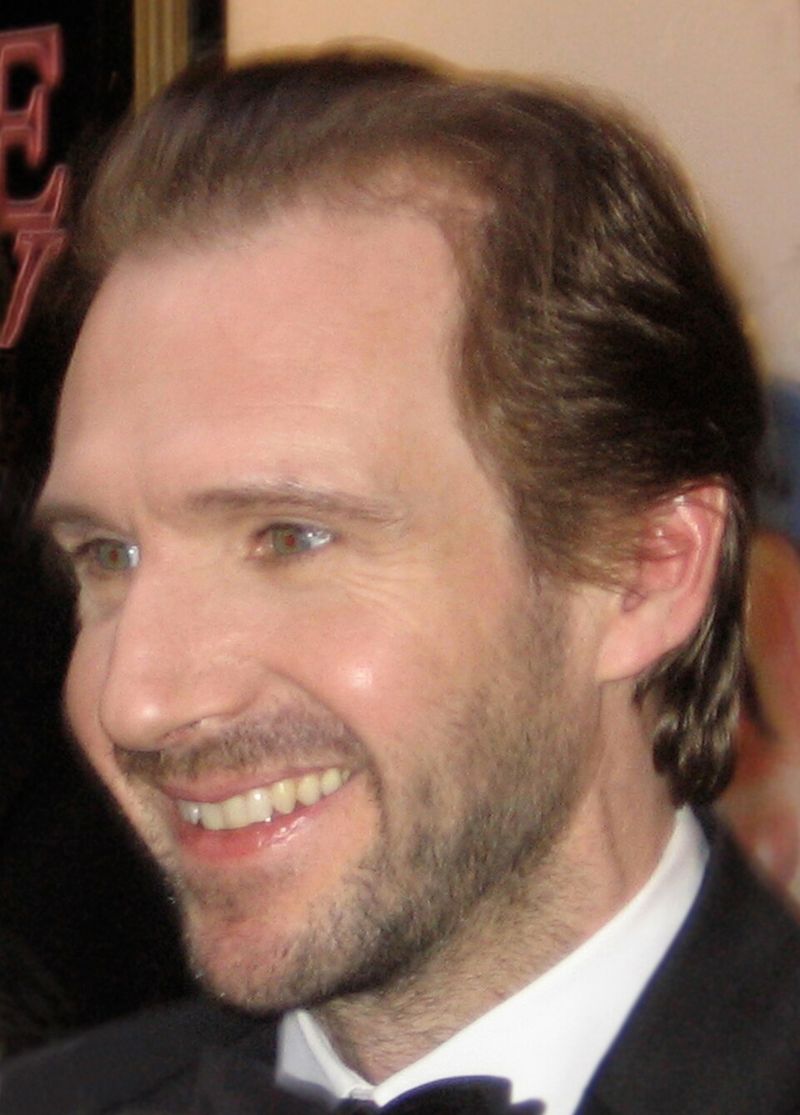
This sweeping wartime romance swept the Oscars but left audiences checking their watches constantly. Jumping between timelines creates confusion rather than intrigue throughout its lengthy runtime.
Even Elaine from Seinfeld famously hated it, and honestly, she had a point.
Beautiful desert landscapes and tragic romance cannot overcome glacial pacing issues.
9. Shakespeare in Love (1998)
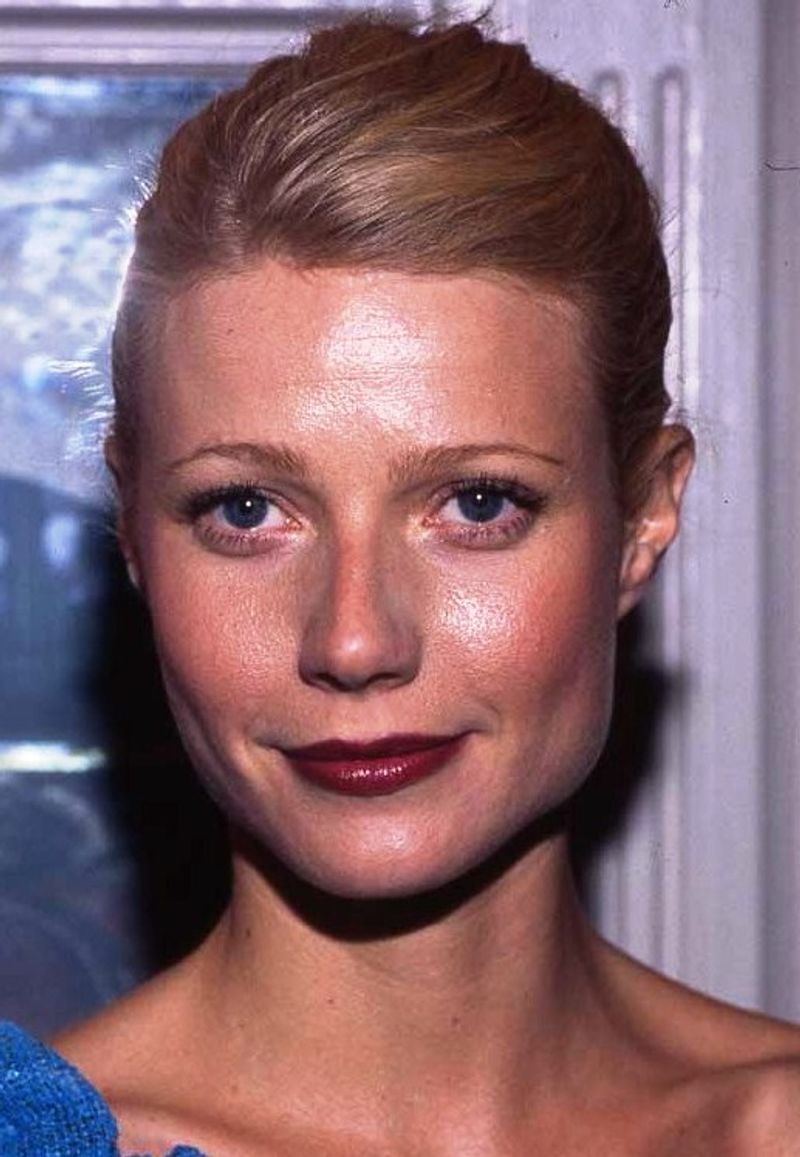
This romantic comedy about the Bard’s inspiration charmed Oscar voters but few others.
Beating Saving Private Ryan for Best Picture sparked immediate controversy and lasting resentment.
While clever and witty, it feels lightweight compared to more substantial nominees.
Harvey Weinstein’s aggressive campaigning tainted its victory in retrospect.
Though enjoyable as frothy entertainment, it lacks the gravitas expected from Best Picture winners.
10. American Beauty (1999)

Suburban dysfunction and midlife crisis drama felt profound when first released.
However, time has not been kind to this once-celebrated examination of American malaise.
Kevin Spacey’s fall from grace makes rewatching deeply uncomfortable for obvious reasons.
Themes that seemed edgy in 1999 now feel pretentious and overly cynical.
Plastic bags dancing in the wind symbolized depth to some, eye-rolling to others.
11. Crash (2005)
Few Best Picture winners inspire as much retroactive criticism as this heavy-handed ensemble drama.
Attempting to tackle racism in Los Angeles, it delivered melodrama instead of genuine insight.
Brokeback Mountain losing to this remains arguably Oscar’s most controversial and regrettable decision.
Characters feel like walking stereotypes rather than fully realized human beings.
Though well-intentioned, it simplifies complex issues into tidy, unrealistic resolutions.
12. The Hurt Locker (2009)

Kathryn Bigelow made history as the first woman to win Best Picture.
Her Iraq War thriller impressed critics with its tension and technical craft.
However, veterans criticized its unrealistic portrayal of bomb disposal procedures and military protocol.
13. The Artist (2011)
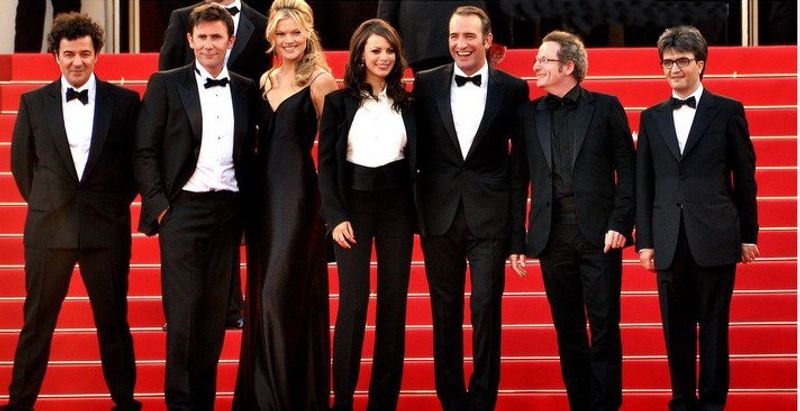
This black-and-white silent film charmed voters with its nostalgic tribute to early cinema.
However, its novelty wore off quickly once audiences realized the gimmick was the story.
Cute dog aside, the narrative offers little substance beneath its stylistic choices.
Though technically impressive, it prioritizes homage over creating something genuinely memorable.
14. The Shape of Water (2017)

Guillermo del Toro’s fairy tale romance between a mute woman and a fish creature confused many.
While visually stunning, the central relationship requires significant suspension of disbelief.
Some found it beautifully unconventional; others found it just plain weird and off-putting.
Though artistically bold, it lacks universal appeal or emotional resonance with mainstream audiences.
15. Nomadland (2020)

Chloé Zhao’s meditative portrait of American nomads impressed critics during pandemic-era Oscars.
However, its slow pacing and minimal plot left general audiences cold and disconnected.
Frances McDormand delivers solid work, but the film meanders without clear direction.
Winning during unusual circumstances meant limited theatrical exposure and cultural impact.
Though beautifully photographed, it feels more like a documentary than compelling narrative cinema.