Who Belongs In The Big 4 Of British Rock Bands
British rock did not arrive quietly. It grew out of cramped clubs, borrowed blues records, and a restless energy that refused to stay contained.
Across cities like Liverpool and London, bands pushed louder and more ambitious sounds into the spotlight.
What started as experimentation quickly turned into global influence during the British Invasion, when UK acts reshaped what rock could be.
Some leaned into grit, others into grand, expansive ideas, but the goal stayed the same: stand out and move music forward. Out of that surge, a few names rose above the rest.
The Top Icons

Plenty of bands shaped that rise, but four names keep coming back for a reason.
The Beatles turned songwriting into something endlessly adaptable, shifting styles without losing identity. The Rolling Stones locked into blues grit and carried it across decades without losing edge.
Led Zeppelin pushed volume, mystique, and musicianship into something massive. Pink Floyd stretched rock into immersive, conceptual territory.
Different approaches, same outcome. Each one redefined what rock could sound like and how far it could reach.
The Beatles
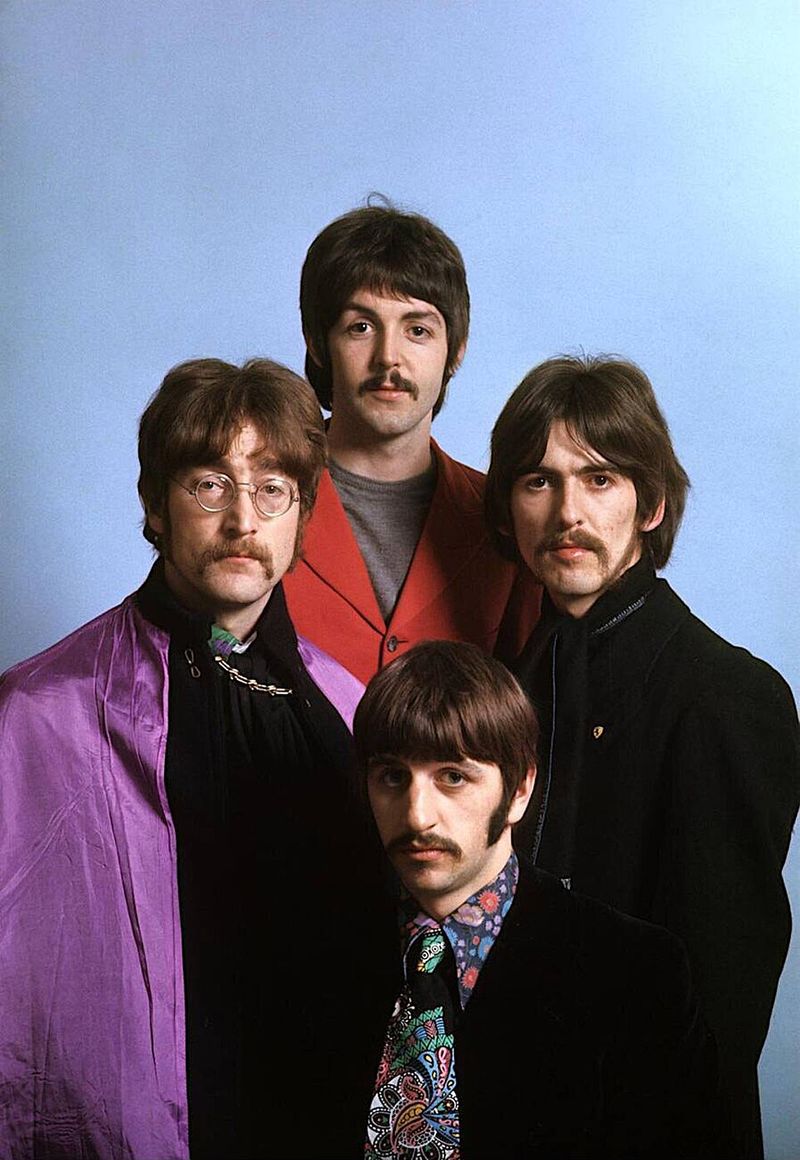
No band has ever rewritten the rulebook quite like four lads from Liverpool did starting in 1960.
The Beatles hold the record for the most UK No. 1 album weeks on the Official Charts, a milestone that still makes modern artists’ jaws drop.
Their songwriting partnership between John Lennon and Paul McCartney remains one of the most studied creative forces in music history.
How did they keep reinventing themselves from pop to psychedelia without missing a beat? Albums like Revolver and Sgt.
Pepper’s proved rock music could be genuine art. Automatic first pick, no arguments accepted.
The Rolling Stones
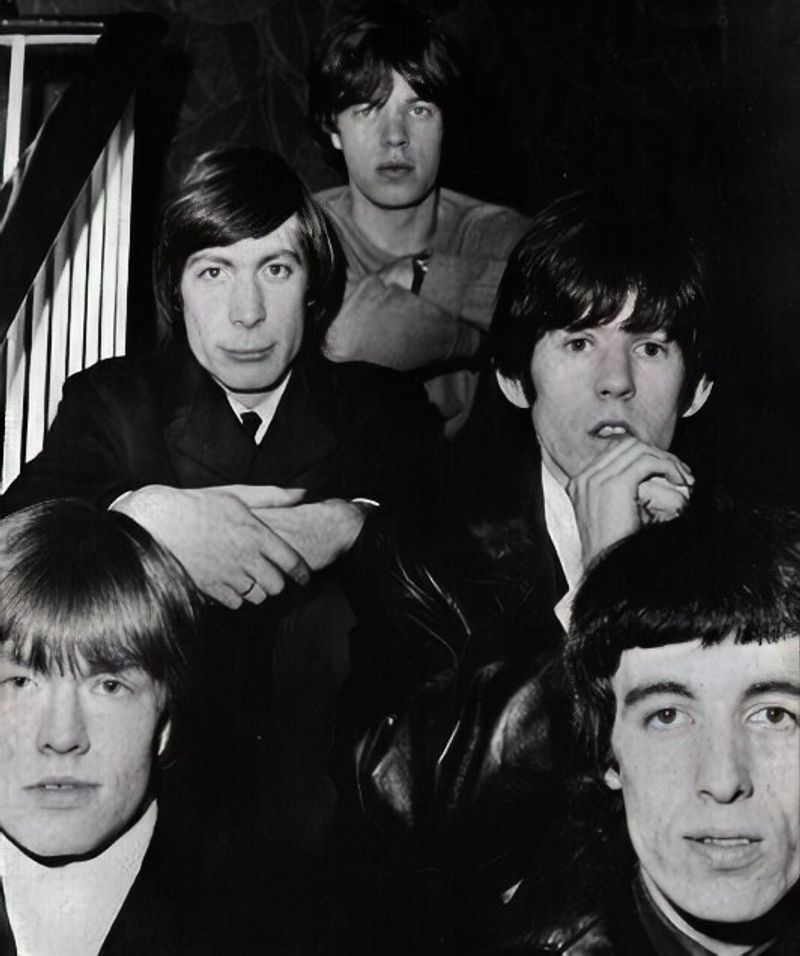
Longevity is rare in rock music, but somehow the Stones turned it into a superpower.
Formed in London in 1962, they built their sound on raw blues roots and wrapped it in attitude so thick you could practically wear it like a leather jacket.
Official Charts confirms they rank among the acts with the most UK No. 1 albums, which is no small achievement across six decades.
Where other bands faded, the Stones kept rolling (pun fully intended). Their cultural footprint covers everything from fashion to film.
Led Zeppelin
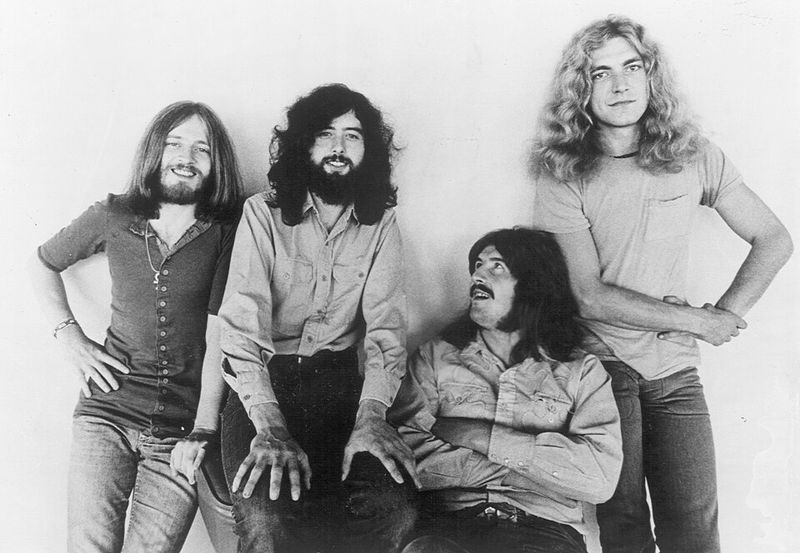
If rock music had a Hall of Superheroes, Led Zeppelin would have their own wing.
Formed in London in 1968, they practically invented hard rock as a genre, combining blues thunder with mythological storytelling in a way nobody had heard before.
Rolling Stone’s all-time albums list still features multiple Zeppelin records deep in the canon conversation.
Their absence from any Mount Rushmore of British rock would honestly feel weirder than any inclusion could.
Jimmy Page’s guitar work alone deserves its own zip code. Four studio albums in four years, each one bolder than the last, that is how legends are built.
Pink Floyd
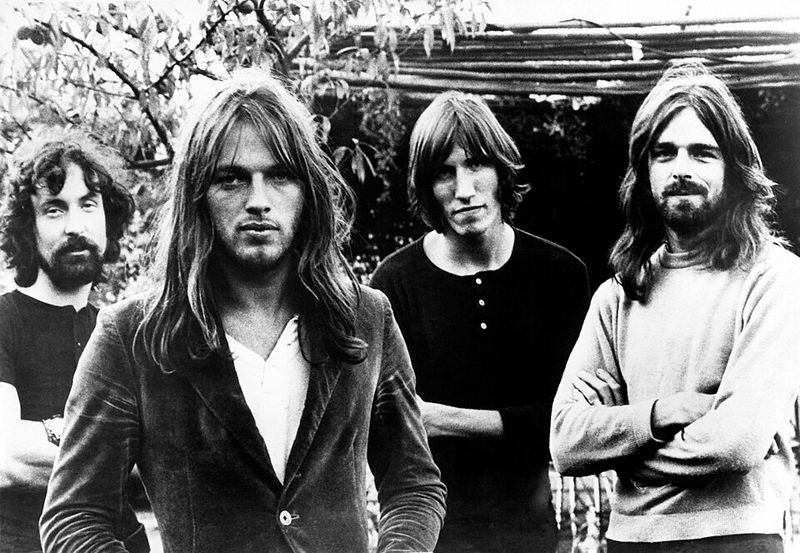
Ambitious does not even begin to cover what Pink Floyd pulled off across their career.
The Rock and Roll Hall of Fame credits them as architects of both psychedelic rock and progressive rock, two genres that would not exist in their current form without this band’s fearless experimentation.
The Dark Side of the Moon and The Wall both rank among the best-selling albums ever recorded, globally.
Official Charts also lists The Dark Side of the Moon among the UK’s biggest-selling albums of all time.
If endurance, influence, and sheer creative ambition are the criteria, Pink Floyd passes every single test with flying colors.