16 Big Budget Movies That Let Their Stars Down
Hollywood loves a spectacle, and studios often bet hundreds of millions on projects they believe will be the next big thing. However, not every expensive gamble pays off.
Sometimes, massive budgets and A-list talent aren’t enough to save a film from critical pans, box office disasters, or both.
When these blockbusters stumble, it’s the stars who often take the heat, their performances overshadowed by messy production, confusing plots, or studio interference.
1. John Carter (2012)
Taylor Kitsch gave everything to this sci-fi epic based on Edgar Rice Burroughs’ classic novels, but Disney’s confusing marketing left audiences scratching their heads.
With a staggering production budget exceeding $250 million, it became one of the biggest box office bombs in history.
Critics praised the world-building and Kitsch’s commitment, yet viewers stayed away in droves.
2. The Lone Ranger (2013)
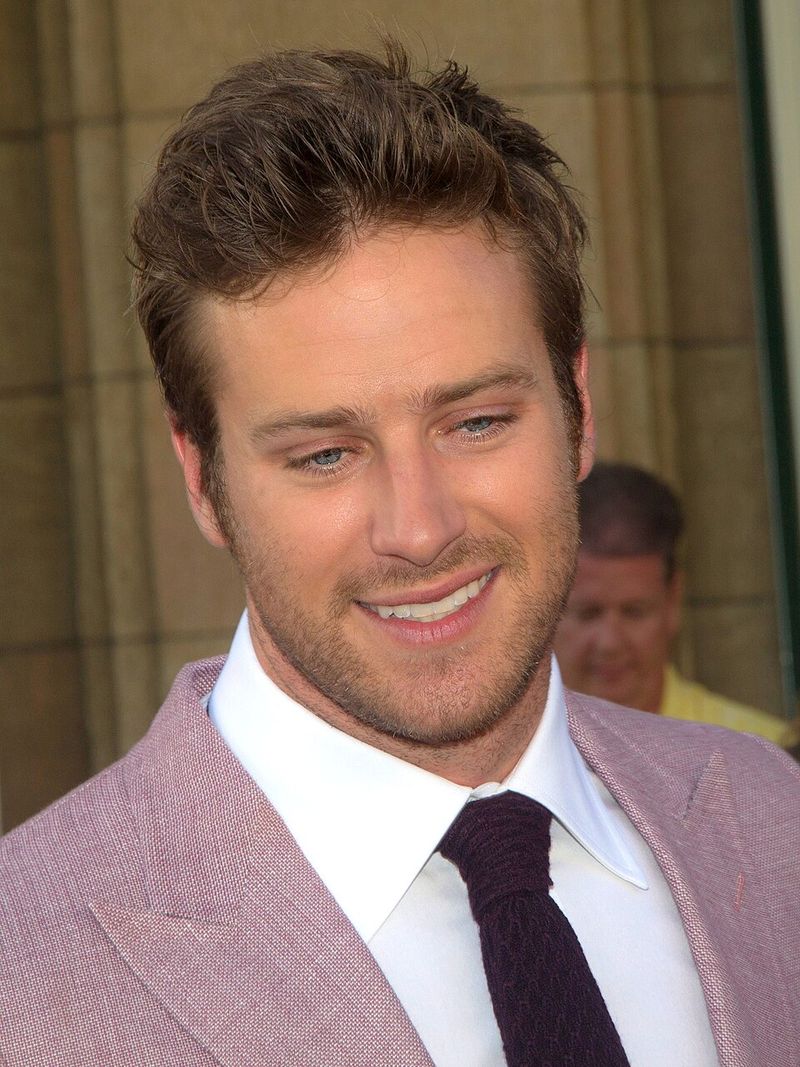
In an attempt to bring back the traditional Western hero, Armie Hammer put on the mask, but this expensive show never succeeded. Johnny Depp’s eccentric Tonto overshadowed the title character, creating tonal whiplash that confused families and critics alike.
Disney spent over $225 million on production, expecting Pirates of the Caribbean-level returns. Instead, the film tanked at the box office, earning barely enough to cover costs.
3. Jupiter Ascending (2015)
Mila Kunis and Channing Tatum starred in the Wachowskis’ ambitious space opera, bringing genuine effort to roles that quickly became internet memes.
The film’s wild concept about galactic royalty and genetic harvesting never cohered into a satisfying narrative.
Warner Bros. delayed the release multiple times, sensing trouble. When it finally arrived, the $176 million production bombed spectacularly, turning the leads’ earnest performances into objects of ridicule rather than admiration.
4. Justice League (2017)
An all-star ensemble deserved better than this troubled production’s Frankenstein-like final cut.
After Zack Snyder departed due to personal tragedy, Joss Whedon reshot massive portions, creating jarring tonal shifts.
The characters never gelled as a team, with awkward jokes forced into serious scenes. Warner Bros. mandated a two-hour runtime, slashing crucial character development.
Despite the cast’s chemistry and effort, the film felt rushed and incomplete, robbing the ensemble of their triumphant moment and leaving fans demanding the director’s original vision.
5. The Mummy (2017)
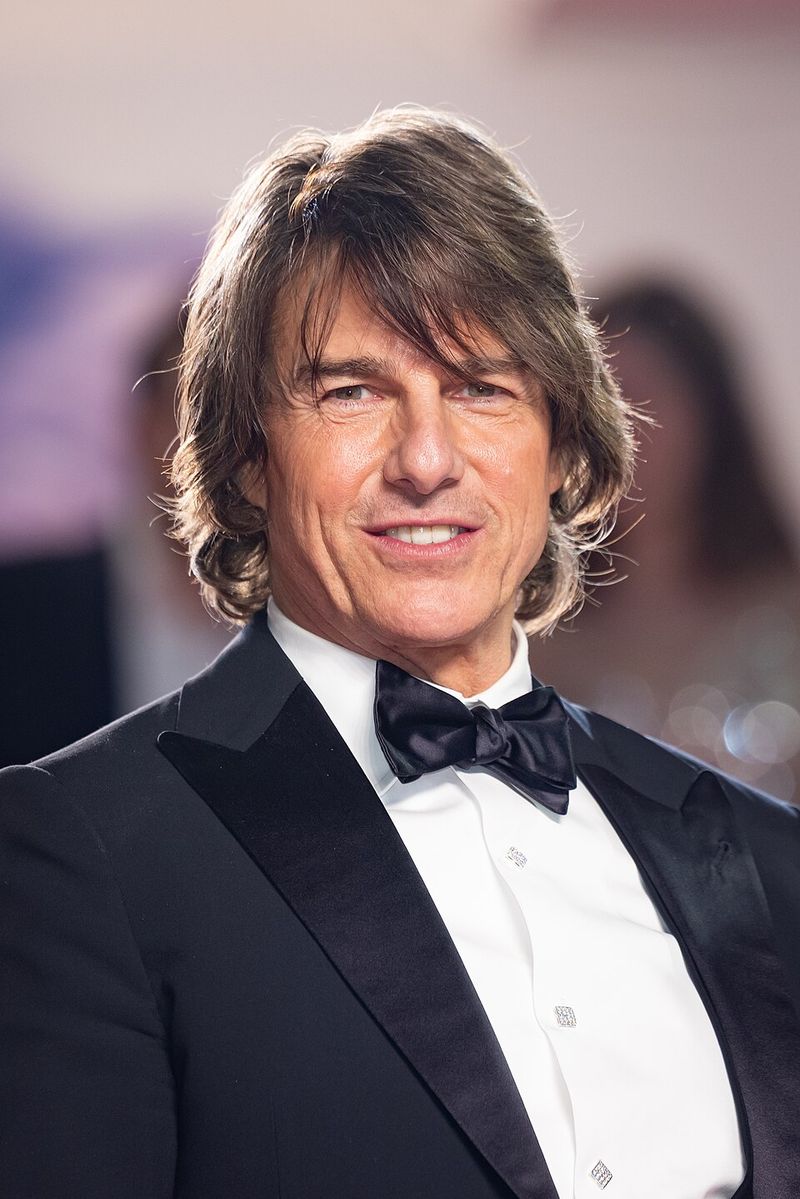
The movie put more emphasis on world-building than storyline, but Tom Cruise contributed his signature intensity to Universal’s attempt to start a Dark Universe series.
Russell Crowe, Sofia Boutella, and Cruise delivered solid performances that got buried under endless setup for future installments.
Critics slammed the movie for feeling more like a two-hour trailer than a complete narrative.
6. Valerian and the City of a Thousand Planets (2017)
Dane DeHaan and Cara Delevingne led Luc Besson’s passion project, the most expensive European film ever made at $180 million.
The visuals were absolutely stunning, creating one of cinema’s most imaginative alien worlds. However, critics hammered the leads’ lack of romantic chemistry, which the entire plot hinged upon.
DeHaan seemed miscast as a cocky space agent, while Delevingne showed promise but couldn’t overcome weak dialogue.
7. The Amazing Spider-Man 2 (2014)

Although Andrew Garfield’s portrayal of Peter Parker was emotionally compelling, Sony overstuffed the follow-up with adversaries and franchise setup.
The studio prioritized building a Sinister Six spinoff over telling a coherent story. Emma Stone and Garfield’s chemistry remained electric, yet their characters got sidelined by corporate franchise machinery.
The overstuffed $293 million production underperformed, leading Sony to cancel Garfield’s third film and reboot the character again with Marvel Studios.
8. Batman v Superman: Dawn of Justice (2016)
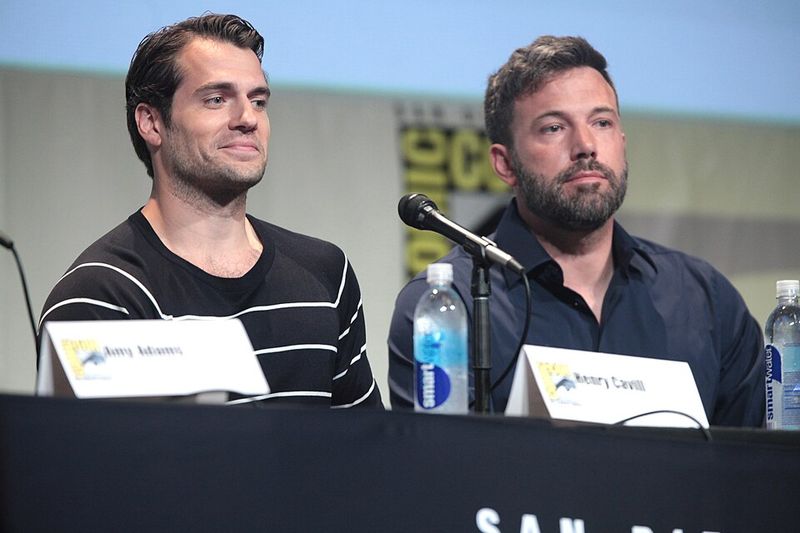
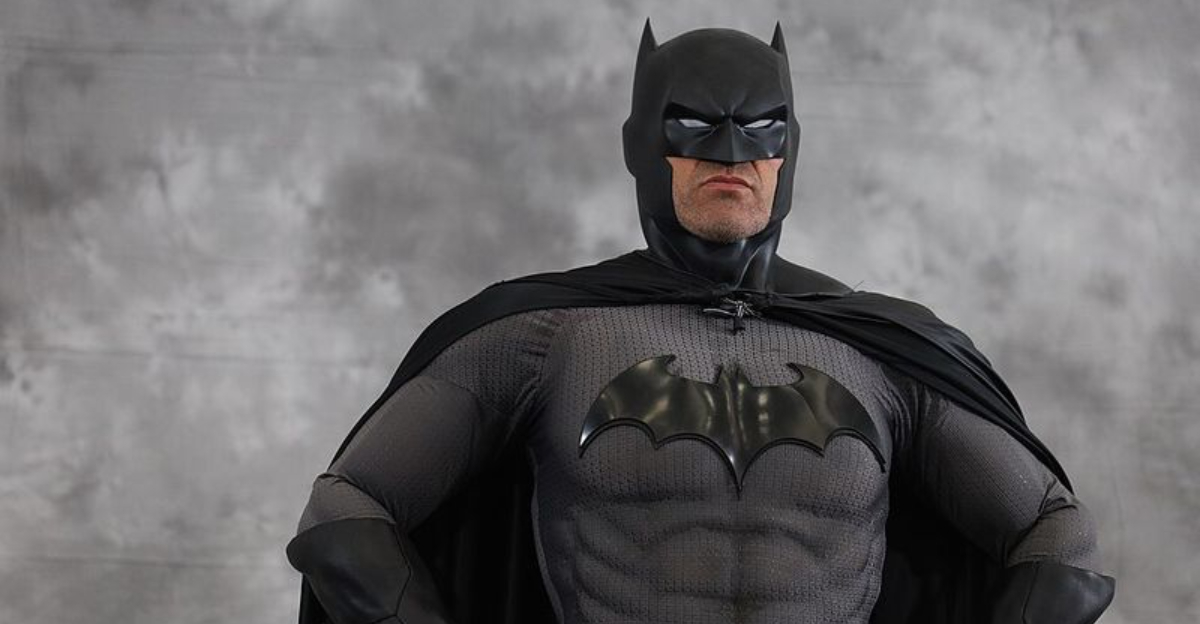
Ben Affleck and Henry Cavill brought gravitas to their iconic roles, but Zack Snyder’s polarizing vision divided fans and critics fiercely.
The film’s dark tone, convoluted plot, and controversial character choices sparked heated debates that overshadowed the performances.
Despite earning $873 million worldwide, Warner Bros. expected far more from their first Batman-Superman team-up.
9. Pirates of the Caribbean: Dead Men Tell No Tales (2017)

For the fifth installment, Johnny Depp reprised his role as Captain Jack Sparrow, although his once-novel portrayal had become monotonous.
Disney spent over $230 million recreating the franchise’s formula without adding anything new or exciting.
New cast members Brenton Thwaites and Kaya Scodelario tried injecting youthful energy, but the tired script defeated their efforts.
10. Fantastic Four (2015)

Miles Teller, Michael B. Jordan, Kate Mara, and Jamie Bell formed Marvel’s first family in Fox’s grim reboot, but production drama poisoned the project from the start.
Director Josh Trank clashed with the studio, leading to extensive reshoots. The final product felt disjointed, with a promising first hour collapsing into a rushed, incoherent finale.
Trank’s infamous tweet blaming Fox before the premiere added to the chaos. The talented young cast took undeserved heat for a film sabotaged by behind-the-scenes turmoil.
11. The Golden Compass (2007)
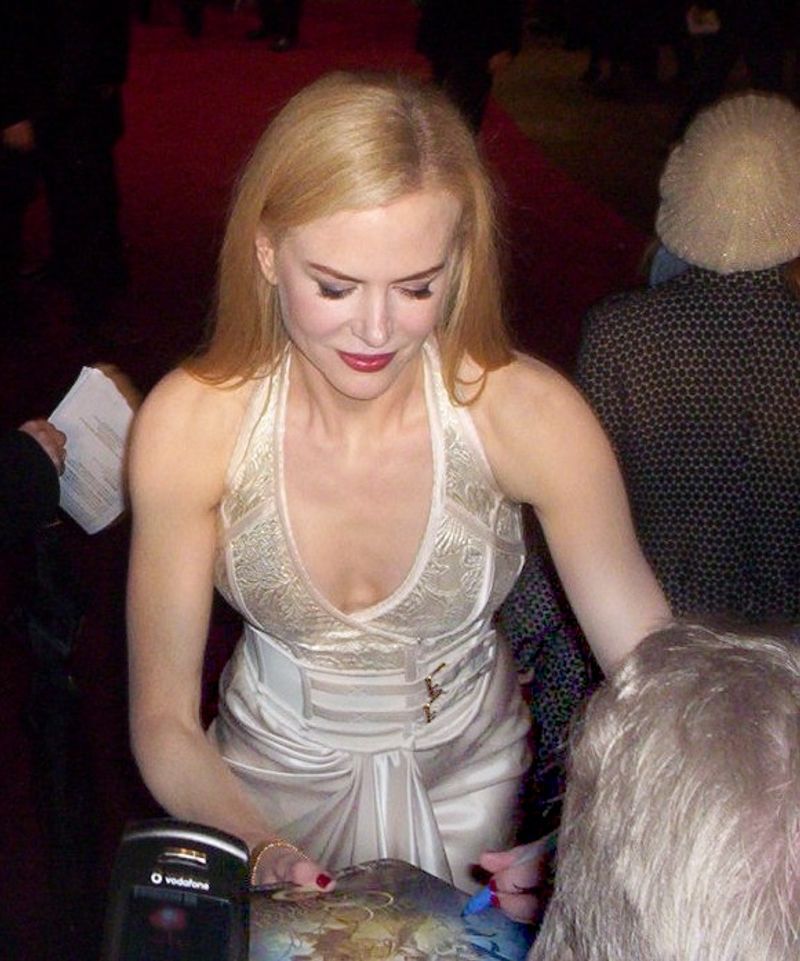
In an effort to develop the next fantasy franchise, New Line Cinema adapted Philip Pullman’s well-known book, starring Nicole Kidman and Daniel Craig.
The studio spent $180 million building elaborate worlds and creating groundbreaking visual effects featuring animal companions called daemons.
Religious controversy led to significant cuts that gutted the story’s philosophical depth. What remained felt rushed and incomplete, ending abruptly without resolution.
12. The Hobbit: The Battle of the Five Armies (2014)

The $250 million production featured elaborate battle sequences that stretched nearly the entire runtime. Critics noted that the actors disappeared under layers of CGI and endless action set pieces.
Freeman’s charming Bilbo became a supporting character in his own story. Though commercially successful, the film received the weakest reviews of the trilogy.
The cast’s performances were buried under Jackson’s indulgent excesses, leaving fans wishing for the intimate character work of the original Lord of the Rings.
13. Oz the Great and Powerful (2013)

James Franco led Disney’s $215 million prequel to The Wizard of Oz, exploring how the wizard arrived in the magical land.
The studio crafted gorgeous visuals and recruited Rachel Weisz, Mila Kunis, and Michelle Williams as witches.
Franco’s performance received mixed reactions, with some finding his smirking charm inappropriate for the material.
14. King Arthur: Legend of the Sword (2017)
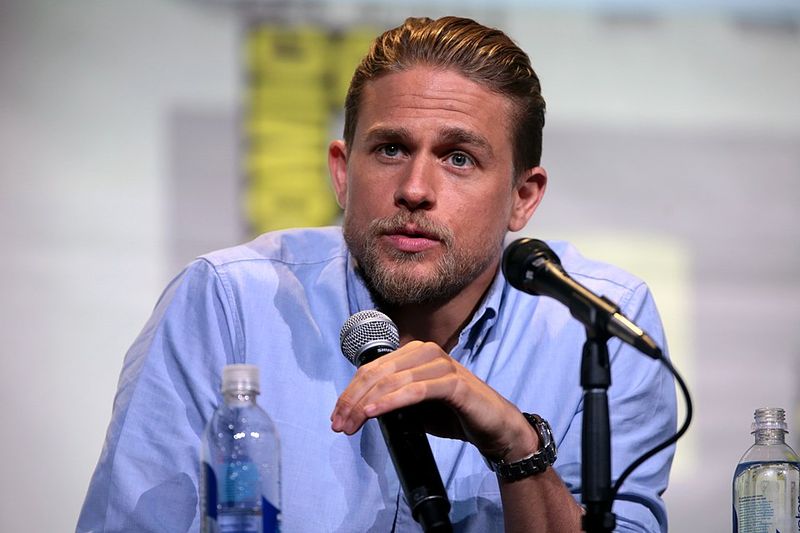
Guy Ritchie brought his signature style to the Arthurian legend, with Charlie Hunnam leading an expensive reboot that blended medieval fantasy with cockney gangster energy.
Warner Bros. gambled $175 million on a six-film franchise plan. The film’s hyperkinetic editing and anachronistic dialogue confused traditionalists while failing to attract new audiences.
It earned just $148 million worldwide, becoming one of the year’s biggest bombs.
15. Pearl Harbor (2001)

Ben Affleck, Josh Hartnett, and Kate Beckinsale starred in Michael Bay’s $140 million World War II epic that prioritized romance over historical accuracy.
The film featured spectacular action sequences recreating the infamous attack. Critics savaged the melodramatic love triangle and three-hour runtime, though audiences made it a box office success.
The cast faced harsh responses to the schmaltzy dialogue and soap opera plotting. Despite earning $449 million worldwide, Pearl Harbor became synonymous with Hollywood excess.
16. Terminator Genisys (2015)

Emilia Clarke, Jai Courtney, and Jason Clarke headlined Paramount’s expensive attempt to reset the Terminator franchise with a convoluted time-travel plot.
Arnold Schwarzenegger returned, but the $155 million production confused fans with its alternate timeline shenanigans. The marketing spoiled major twists, and critics found the plot incomprehensible.
Clarke worked hard to honor Linda Hamilton’s iconic Sarah Connor while making the role her own, but audiences rejected the muddled narrative.