15 Years That Left The Biggest Mark On Horror
Horror never moves in a straight line. One year can pass quietly, then another lands like a slammed door and suddenly the genre feels different.
New fears take shape, old scary creatures return in sharper forms, and filmmakers figure out exactly how to get under people’s skin in ways that linger far beyond opening weekend.
Certain years do more than produce a few good movies. They shift the mood around horror itself.
Audiences start craving something darker, stranger, meaner, smarter, or more psychologically unnerving, and the genre answers with work that leaves a deep imprint on everything that follows.
Disclaimer: This article is intended for general informational and entertainment purposes only. Rankings and historical commentary reflect editorial perspective, with reference to sources such as editors’ lists and Britannica, and individual views on horror’s most important years may differ.
1. 1920: The Year Horror Found Its Voice
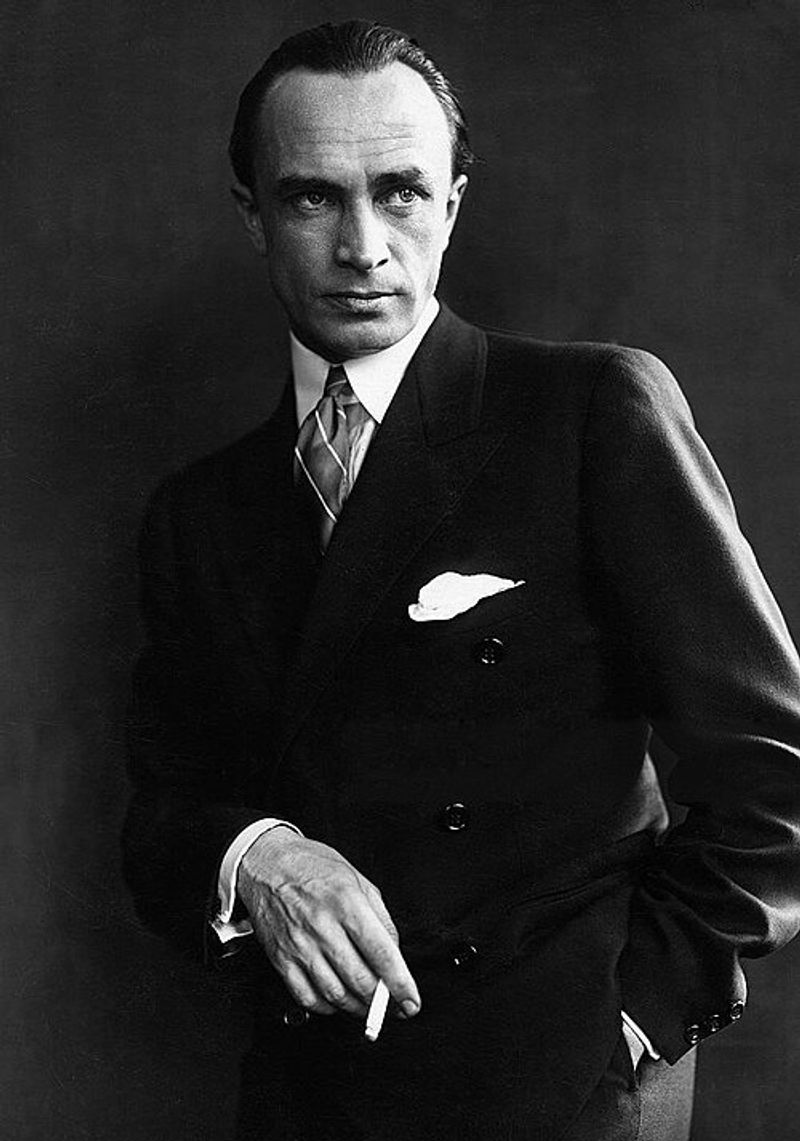
Before jump scares and CGI creatures, horror spoke through shadows. The Cabinet of Dr. Caligari arrived in 1920 and basically handed cinema its first horror masterpiece.
Britannica calls it the first great work of horror film AND the launch of German Expressionism, which is a two-for-one deal nobody expected.
Twisted sets, warped angles, and a deeply unsettling villain made audiences question reality itself.
How wild is it that a 100-year-old silent film still feels eerie today? This year planted the seed for every psychological horror story that followed, proving that mood and atmosphere can terrify just as powerfully as any creature.
2. 1931: The Creature Year That Started It All
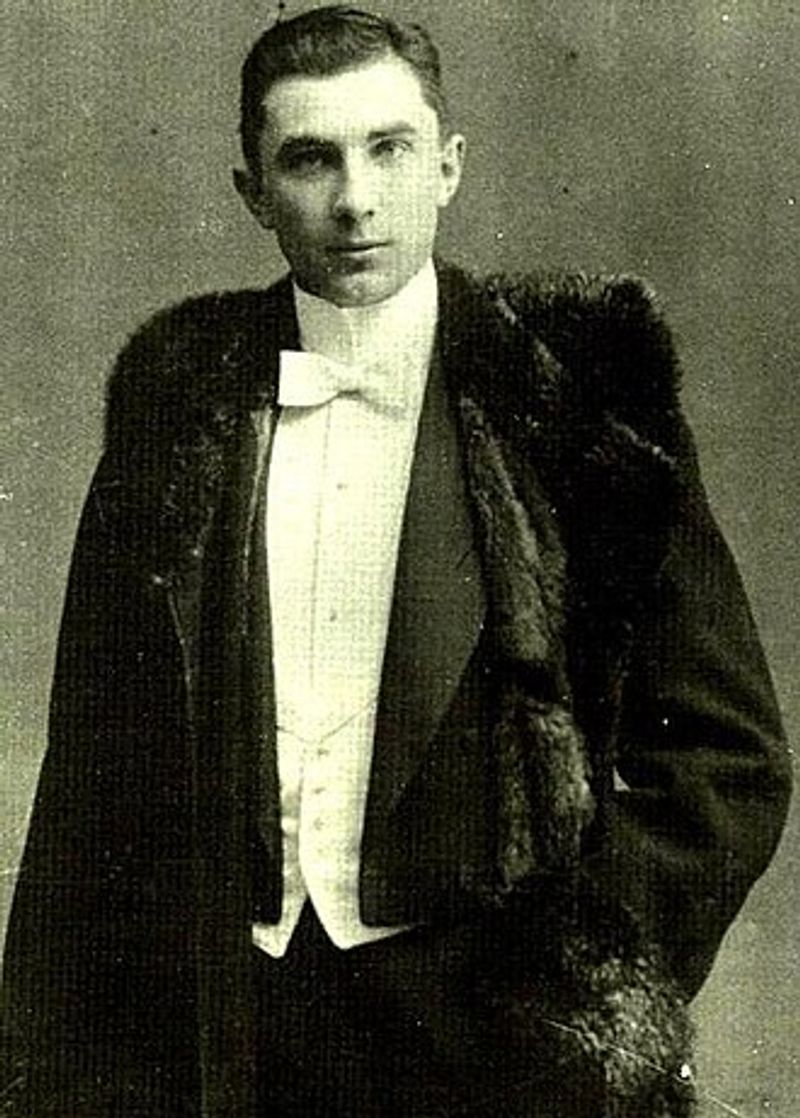
Imagine two of cinema’s greatest creatures dropping in the same calendar year.
That is exactly what happened in 1931 when Universal Pictures unleashed both Dracula and Frankenstein on unsuspecting audiences. Britannica points to both as foundational classics that launched an entire era of those movies.
Audiences were genuinely terrified, some reportedly fainted in theaters! The success of these films proved horror could be a commercial powerhouse, not just a novelty.
Without 1931, there is no Creature from the Black Lagoon, no Wolf Man, and honestly, no Halloween costume industry as we know it. Talk about a legacy.
3. 1960: The Shower Scene That Changed Everything
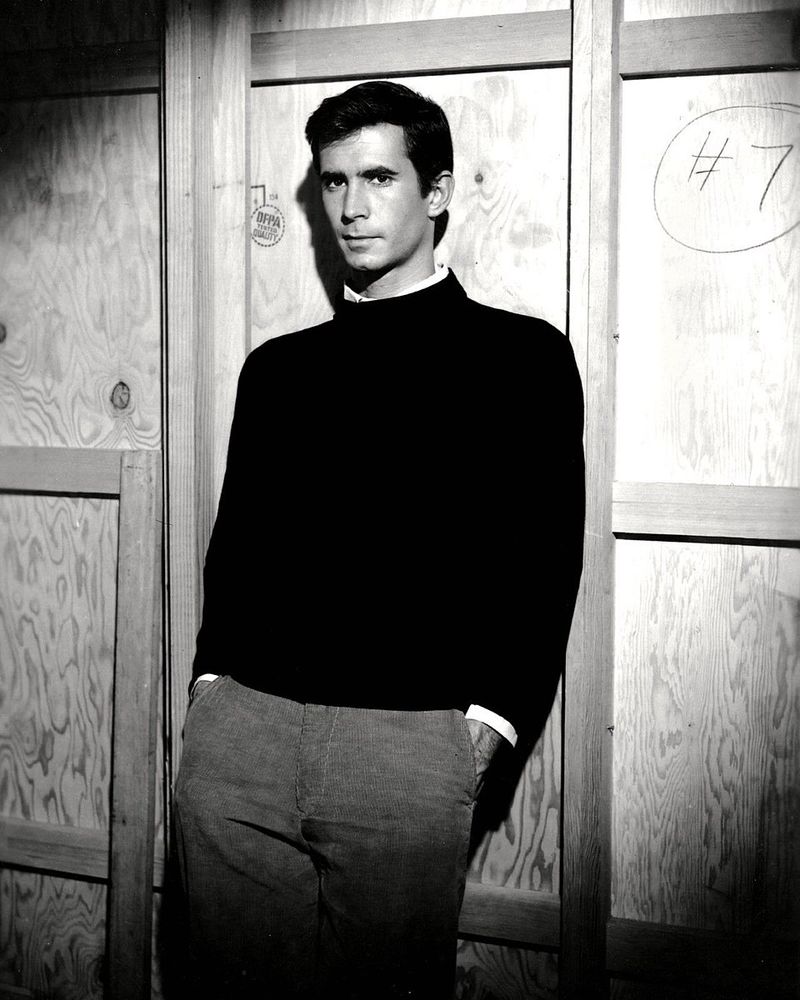
Alfred Hitchcock walked into 1960 and absolutely broke the horror genre’s brain.
Psycho introduced audiences to Norman Bates, a soft-spoken motel owner with some serious mother issues, and nothing was ever the same.
Britannica recognizes it as a landmark psychological thriller, and Ed Gein’s real-life story lurking behind it makes it even more chilling.
What made Psycho revolutionary was writing off the main character early, a move that shocked 1960 audiences into stunned silence.
Horror stopped being about beings from the outside and started being about the darkness hiding next door. Honestly, motels have never felt fully safe since.
4. 1968: The Dead Rise And Horror Transforms
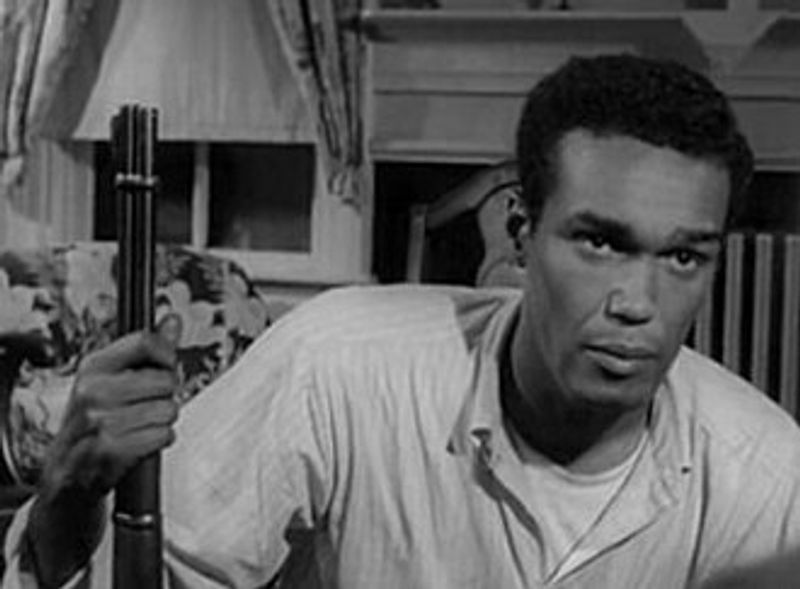
George Romero showed up in 1968 with Night of the Living Dead and basically invented the zombie playbook we still use today.
Britannica credits the film with establishing the entire pattern for modern zombie movies, which is an enormous legacy for a low-budget black-and-white film shot in rural Pennsylvania.
Beyond the scares, Romero sneaked sharp social commentary into every frame, making audiences think while they screamed. Casting a Black man as the hero in 1968 was itself a bold, meaningful statement.
If you have ever watched The Walking Dead or played a zombie video game, you owe a quiet thank-you to this legendary year.
5. 1973: The Devil Made Horror Mainstream
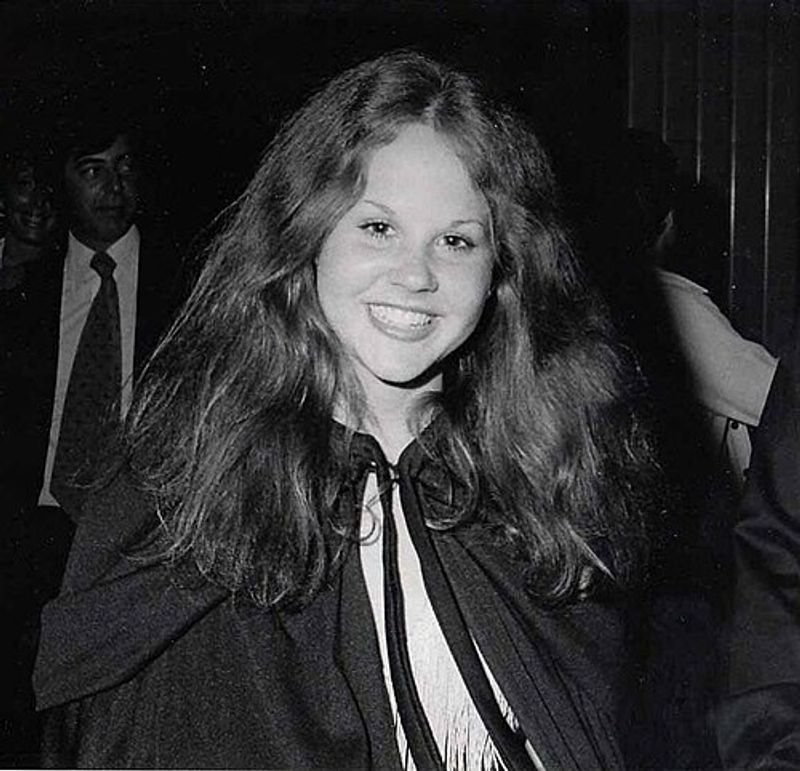
Few films have ever scared audiences the way The Exorcist did when it landed in 1973. People literally lined up around the block, and just as many walked out mid-screening.
Britannica describes it as a stylistic landmark for supernatural horror and widely considers it one of the genre’s all-time greatest achievements.
Director William Friedkin mixed religious dread, practical effects, and raw human emotion into something that felt genuinely dangerous to watch.
The film grossed over $440 million worldwide against a modest budget, proving horror could compete with any blockbuster.
Spinning heads and pea soup aside, 1973 gave horror its first true mainstream cultural moment.
6. 1974: Chainsaw Season Opens Permanently
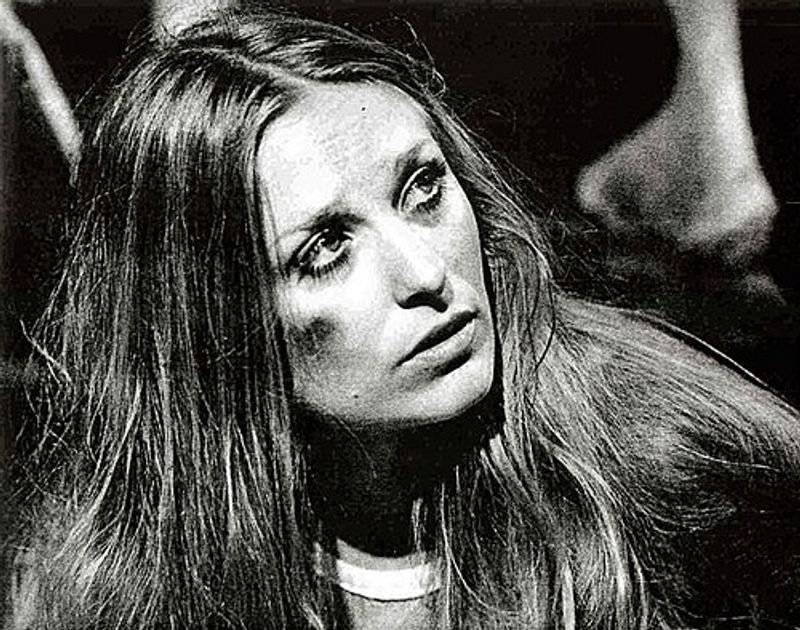
Tobe Hooper grabbed a camera, headed to rural Texas, and accidentally created one of horror’s most enduring nightmares.
The Texas Chain Saw Massacre landed in 1974 and hit audiences like a freight train, raw, grimy, and relentlessly intense.
Britannica links it directly to Ed Gein’s real-life crimes, which made the whole experience feel uncomfortably close to reality.
Shot on a shoestring budget, the film looked almost like a documentary, which amplified the dread tenfold.
Leatherface became an instant icon, joining that elite club of horror villains you never fully stop thinking about.
7. 1978: Halloween Night Becomes Horror Night Forever
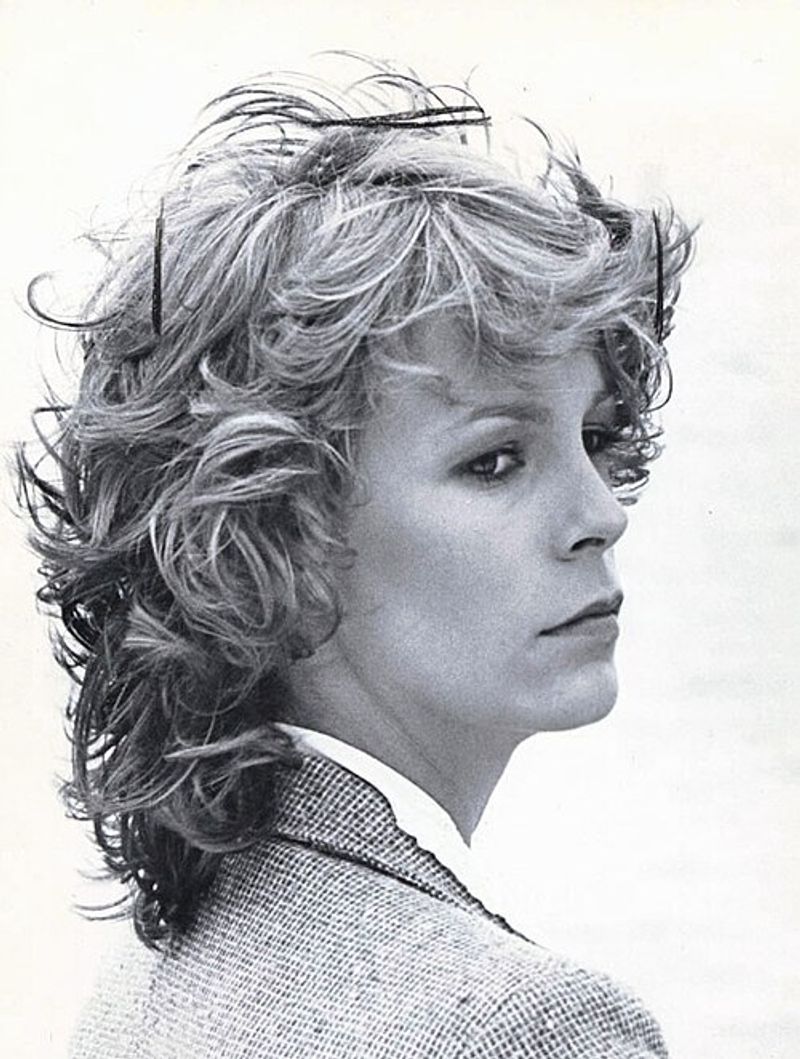
John Carpenter did not just make a scary movie in 1978, he engineered the slasher formula that Hollywood would copy for decades.
Halloween introduced Michael Myers, an unstoppable, emotionless man whose simplicity was scarier than any elaborate monster.
Britannica notes the film inspired so many imitations that it practically launched its own subgenre overnight.
The genius was in what Carpenter left out: no motive, no backstory, just pure, patient menace. Made for roughly $300,000, Halloween grossed over $70 million worldwide. That return on investment is almost as terrifying as the film itself.
8. 1980: Friday The 13th Turns Fear Into A Franchise
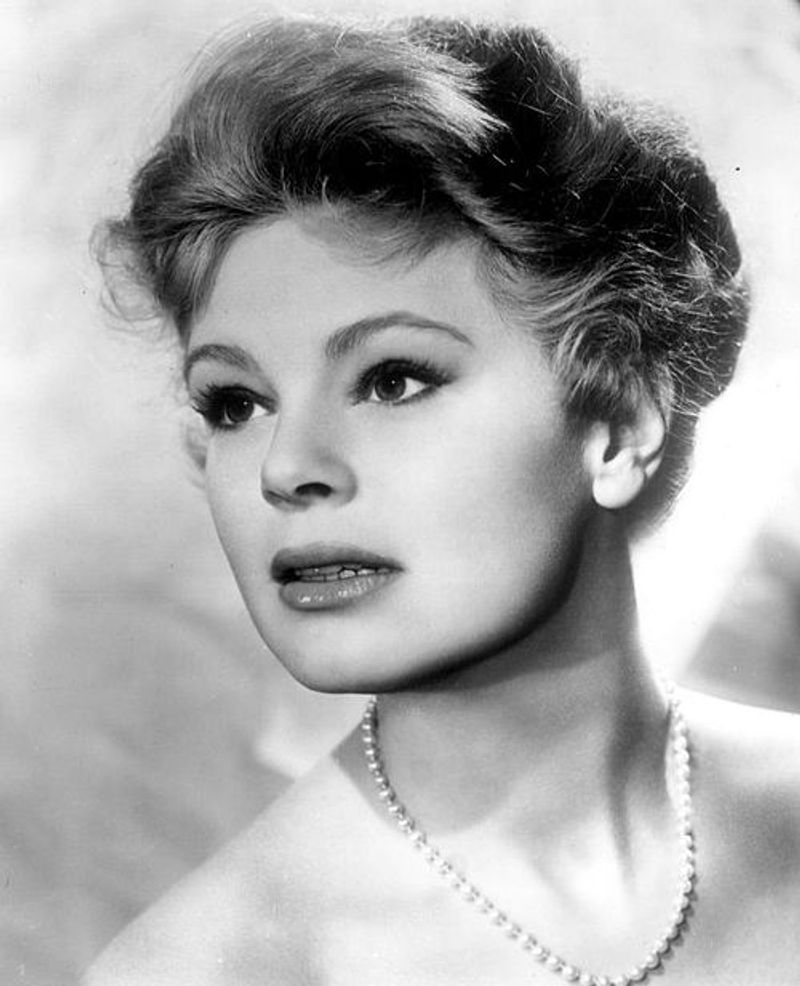
If Halloween lit the slasher fuse, Friday the 13th blew it wide open in 1980.
Camp Crystal Lake became the most dangerous summer destination in cinema history, and Jason Voorhees became a pop-culture icon almost immediately.
Britannica marks this film as a key commercial force right at the peak of the slasher boom.
The film proved that horror sequels could be a reliable money machine, spawning eleven official entries and counting. Interestingly, Jason barely appears in the original film, but his presence haunts every frame anyway.
Horror in 1980 was not just art, it was a booming business, and Friday the 13th was the loudest proof.
9. 1984: Freddy Krueger Invades Your Dreams
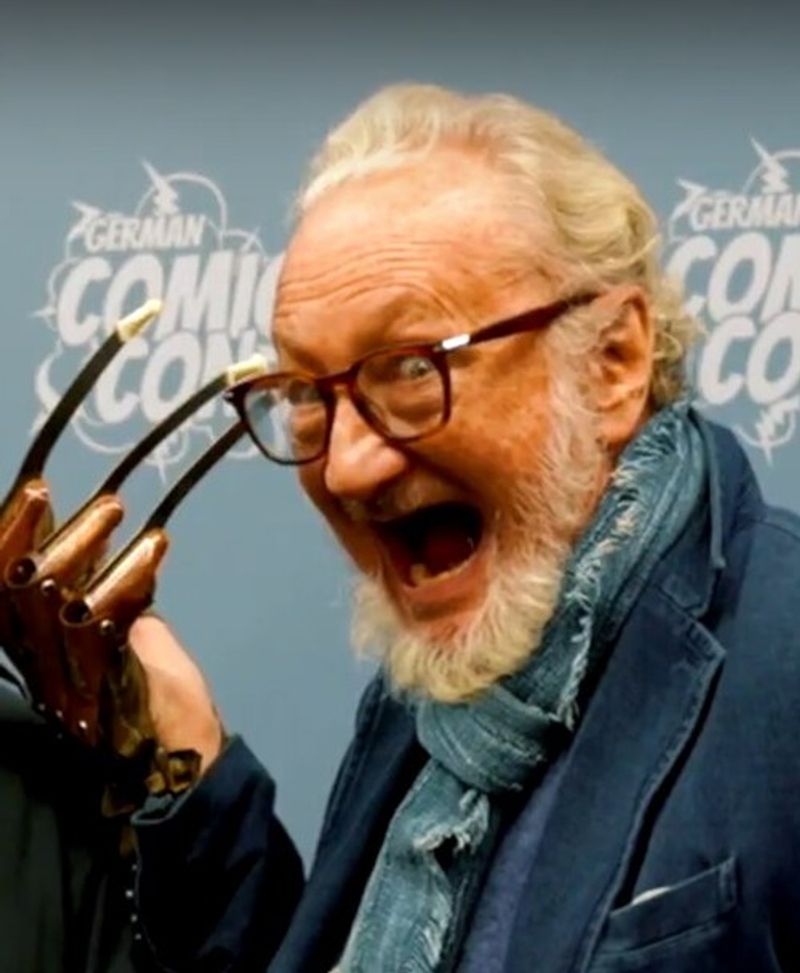
Wes Craven had a terrifying idea: what if the monster could get you while you slept?
A Nightmare on Elm Street arrived in 1984 and introduced Freddy Krueger, a razor-gloved dream stalker who made bedtime feel like a threat.
Britannica calls it Craven’s breakout hit and notes it spawned sequels, a TV series, and a remake.
What separated Freddy from other slashers was personality. He was witty, theatrical, and genuinely unsettling in a way that felt different from others such as Michael Myers.
Johnny Depp even made his film debut here!
10. 1996: Scream Teaches Horror To Laugh At Itself
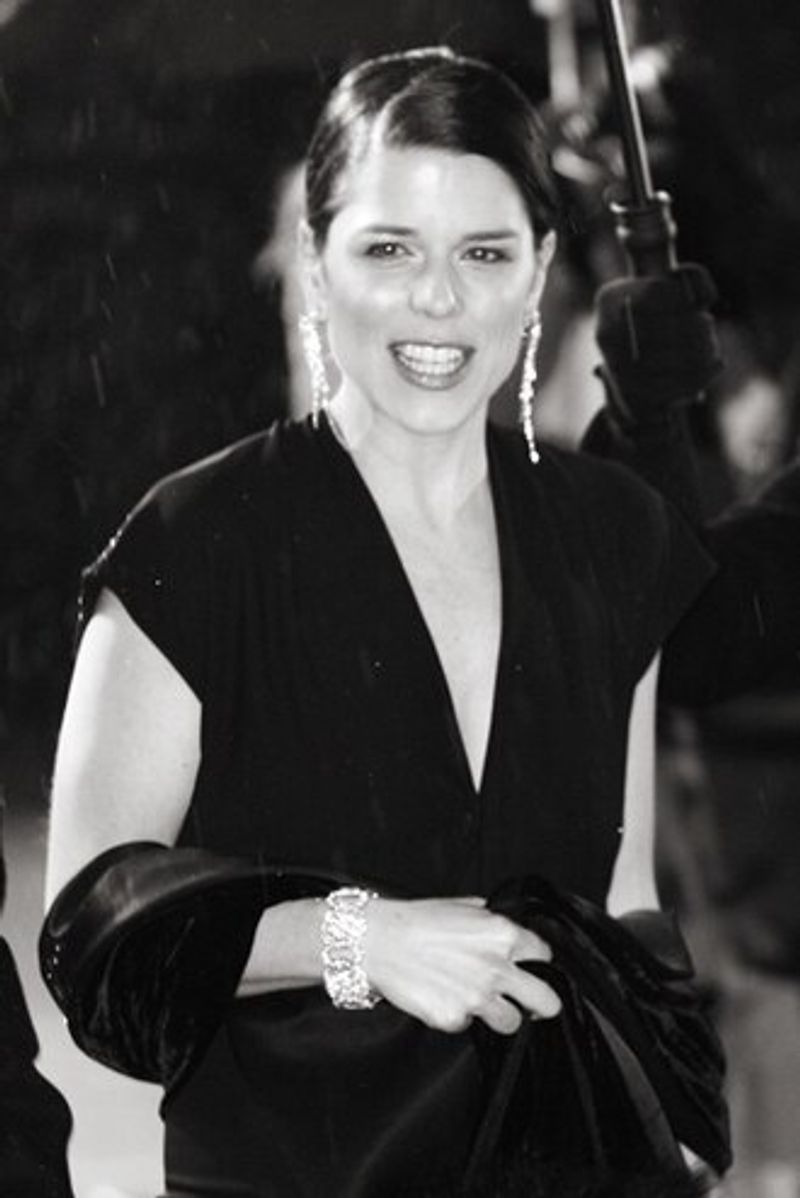
Horror was getting a little tired by the mid-1990s, and then Wes Craven came back with Scream in 1996 and completely reinvented the genre.
Britannica describes it as a blockbuster hit loaded with dark wit and knowing references to other horror films, which is exactly what made it feel so fresh and electric.
Scream was smart enough to name-drop its own genre’s rules while breaking them, basically writing a love letter to horror fans in real time.
It grossed over $173 million worldwide and relaunched mainstream interest in the slasher format.
11. 1998: Japan Teaches The World To Fear The Phone

Few horror films have rattled international audiences quite like Ringu did when it arrived in Japan in 1998.
A cursed videotape that gets viewers seven days after watching sounds almost silly on paper, but director Hideo Nakata made it absolutely terrifying.
BFI explicitly credits Ringu as the catalyst for the entire J-horror movement that swept global cinema.
Sadako crawling out of that television set became one of horror’s most iconic images almost instantly. The film tapped into something primal: technology turning against you.
If you grew up in the late 1990s and early 2000s, you probably thought twice before answering an unknown phone call.
12. 1999: Blair Witch Makes The Woods Terrifying Again
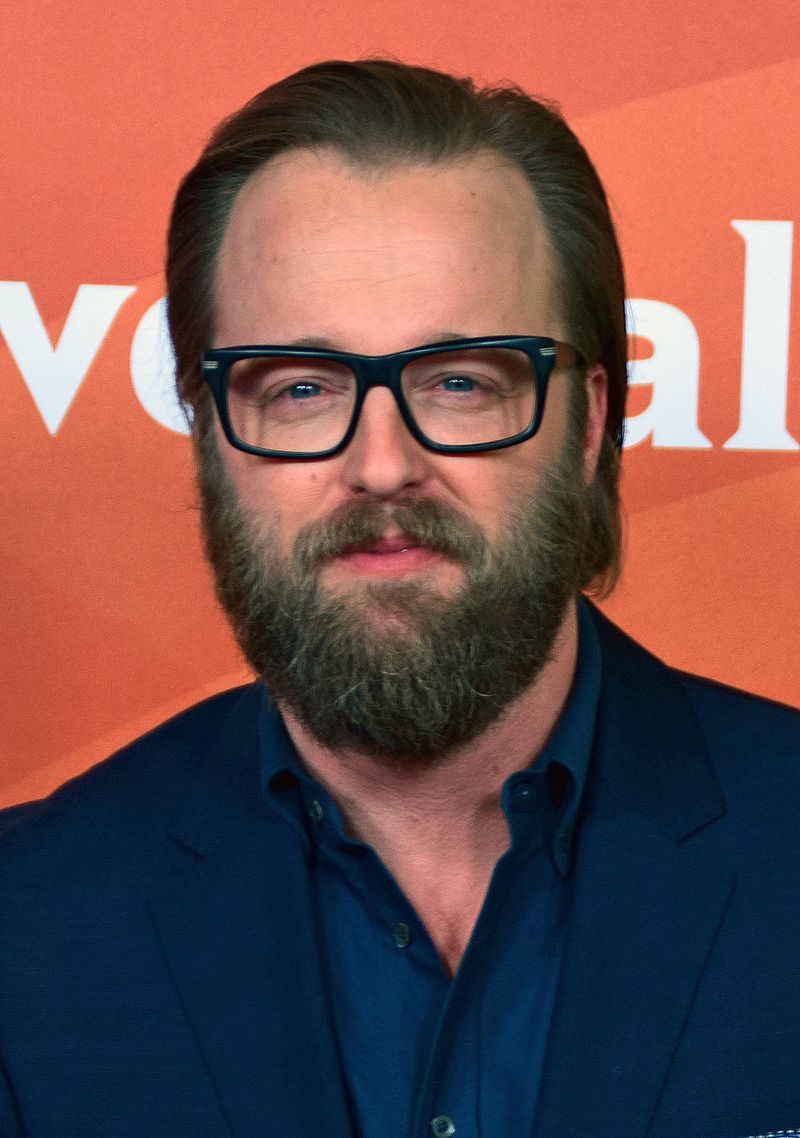
Before YouTube, before viral marketing was even a real term, The Blair Witch Project arrived in 1999 and broke the internet before breaking was even a phrase.
BFI describes it as a full cultural phenomenon powered by viral marketing and found-footage terror, and that description barely scratches the surface of its impact.
Made for roughly $60,000 and grossing nearly $250 million worldwide, Blair Witch proved that imagination beats budget every single time.
The fake documentary website convinced many viewers the footage was real, which was genuinely unprecedented. Horror discovered a new weapon that year: ambiguity.
13. 2002: The Ring Brings J-Horror To American Living Rooms
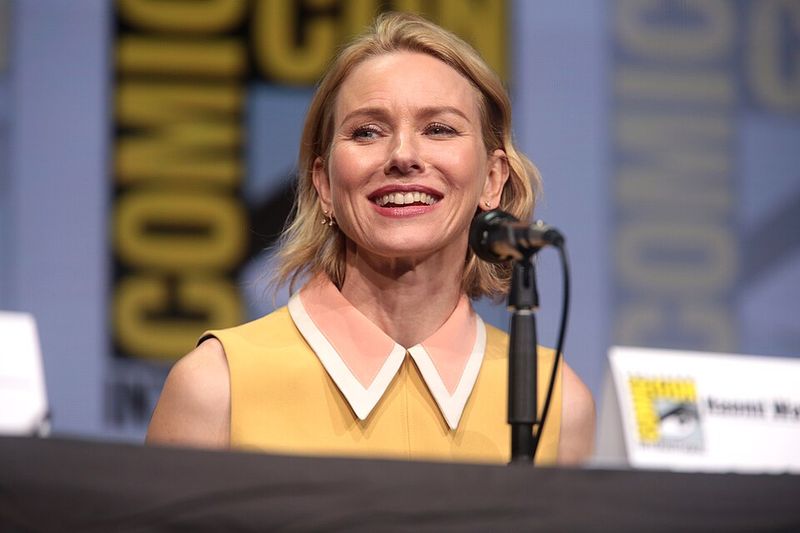
Gore Verbinski took everything terrifying about Ringu and translated it for American audiences in 2002 with The Ring, and it worked almost too well.
Naomi Watts anchored the film with genuine emotional stakes while Samara, that damp, crawling nightmare, made a whole generation afraid of television static.
Academic coverage of both films treats them as central to J-horror spreading globally.
The Ring grossed over $249 million worldwide and triggered a wave of American remakes of Asian horror films throughout the 2000s. Where 1998 lit the match, 2002 poured the gasoline.
14. 2014: Prestige Horror Grows Up And Gets Critical
Something shifted in horror around 2014 that felt genuinely exciting.
Films like The Babadook and It Follows arrived and suddenly critics who normally ignored the genre were paying serious attention.
These were horror movies that used fear as a lens for grief, anxiety, and trauma, topics that connected with audiences on a much deeper level.
The Babadook, directed by Jennifer Kent, became a festival darling and a critical hit, pushing the conversation about what horror could actually achieve. It Follows worked its slow-burn dread into something almost poetic.
Horror was no longer just popcorn entertainment, it was earning genuine awards-circuit buzz.
15. 2017: Get Out Proves Horror Can Change Minds
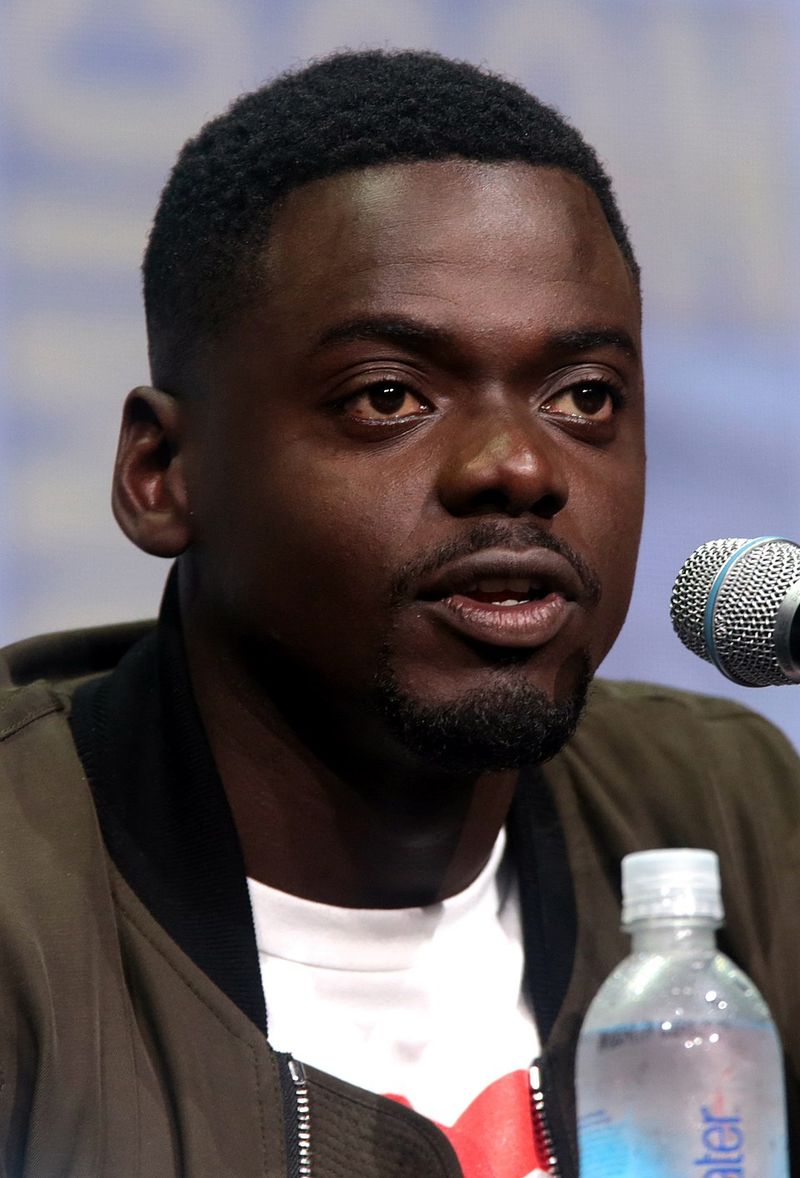
Jordan Peele walked into 2017 as a comedian and walked out as one of horror’s most important voices.
Get Out used the genre’s tension and dread to explore racial dynamics in America, and it hit audiences like a cold bucket of water.
Britannica’s overview of Black horror points directly to Get Out as a major driver of the form’s newer cultural popularity.
The film earned Peele an Academy Award for Best Original Screenplay, a first for a Black writer-director in the horror space.
Grossing over $255 million on a $4.5 million budget, it was also a massive commercial win. Horror had always reflected society’s fears, but 2017 proved it could challenge them too.