12 Biopics That Strayed Far From The Real Story
Biopics come with an implied promise that real life is guiding the story. Marketing leans on that trust, and audiences often walk in expecting a clear picture of what actually happened.
Yet plenty of biographical films treat truth as a starting point rather than a boundary.
Timelines get rearranged to create momentum. Real people get merged into single characters. Major events get simplified, exaggerated, or invented outright to sharpen a narrative arc.
The result can still be entertaining, and occasionally even powerful, but it can also leave viewers with a version of history that never existed.
These twelve biopics took especially big swings with the facts, straying far enough that the gap between the real story and the movie version becomes part of the conversation.
1. Braveheart (1995)
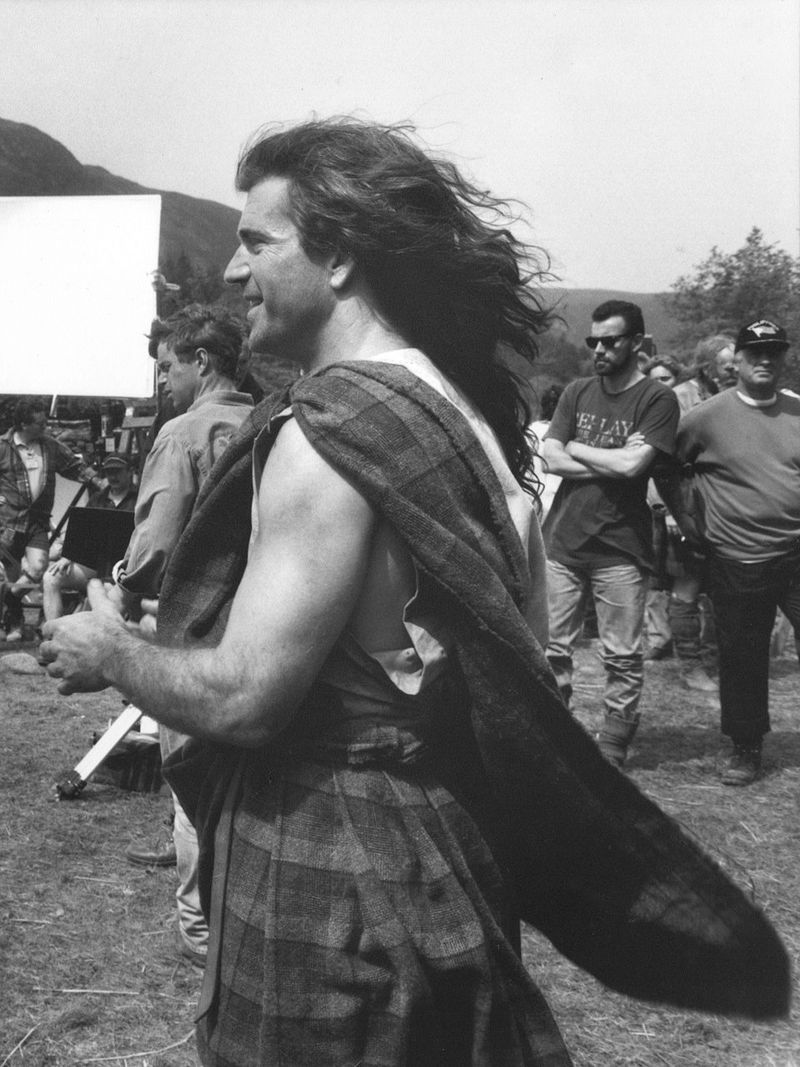
Mel Gibson’s epic turned William Wallace into a legend, but historians cringe at almost every scene.
The famous blue face paint? Totally made up for this era – ancient Picts used it centuries earlier, not 13th-century Scots.
Even bigger: the Battle of Stirling Bridge happens without the actual bridge! That’s like filming a movie about the Golden Gate and forgetting the golden part.
However, the film’s heart-pounding action made it unforgettable, even if accuracy took a backseat.
2. Argo (2012)
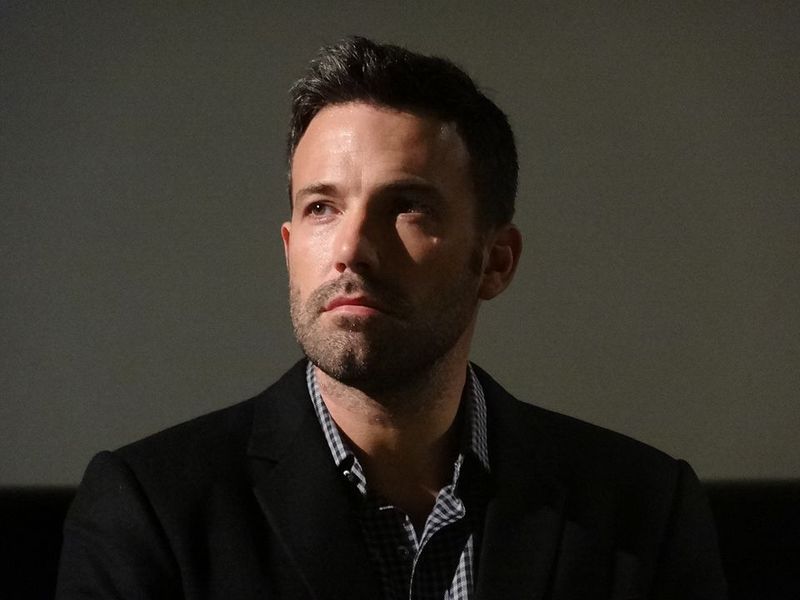
A Best Picture-winning thriller landed with far less applause north of the border than anyone might expect.
Canada played a major rol – Ken Taylor and the Canadian embassy helped shelter the Americans and support the escape plan.
Though the movie gives the CIA most of the glory, downplaying Canada’s crucial role in the daring rescue operation.
Even the film’s postscript got revised after critics pointed out the imbalance.
3. The Imitation Game (2014)
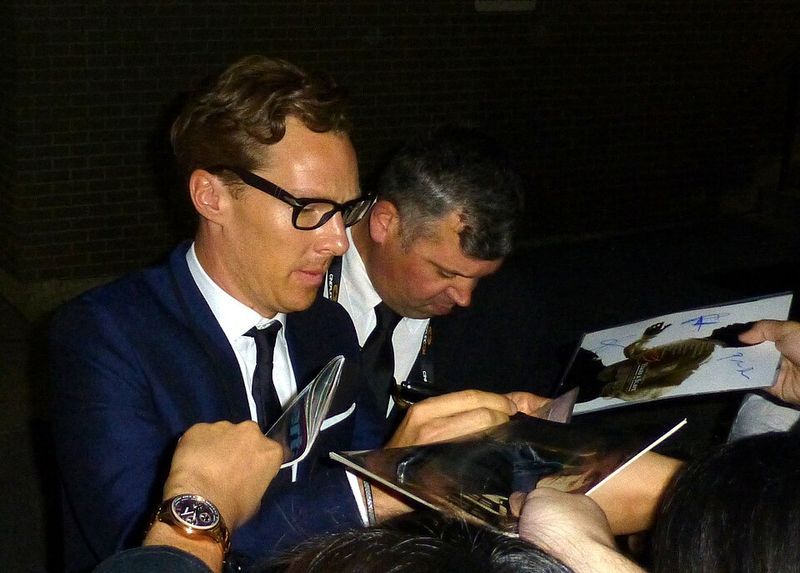
On-screen brilliance captured Alan Turing’s genius, yet historians have argued the script leaned too heavily on invented drama.
The film portrays Turing as a loner who single-handedly cracked Enigma, when reality shows he worked brilliantly alongside an entire team of codebreakers.
The film’s John Cairncross ‘spy blackmail’ storyline is treated as fiction by major fact-checks, and historians note no evidence Turing and Cairncross even met at Bletchley Park.
Team conflicts got exaggerated for tension, and Turing’s actual personality was warmer and more collaborative than the movie suggests.
4. Bohemian Rhapsody (2018)
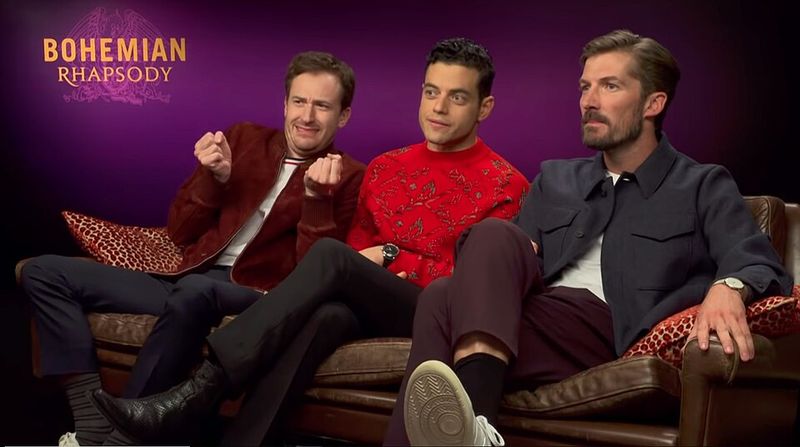
An electric performance fueled the Freddie Mercury story, but many Queen fans spotted a timeline that felt scrambled like a Rubik’s Cube.
The movie shows Mercury getting his HIV diagnosis before Live Aid in 1985, creating a powerful dramatic moment.
Just one problem: Mercury wasn’t actually diagnosed until 1987, two years later!
The film also invents a band breakup right before Live Aid that never happened – they were together and recording through that period.
5. The Greatest Showman (2017)
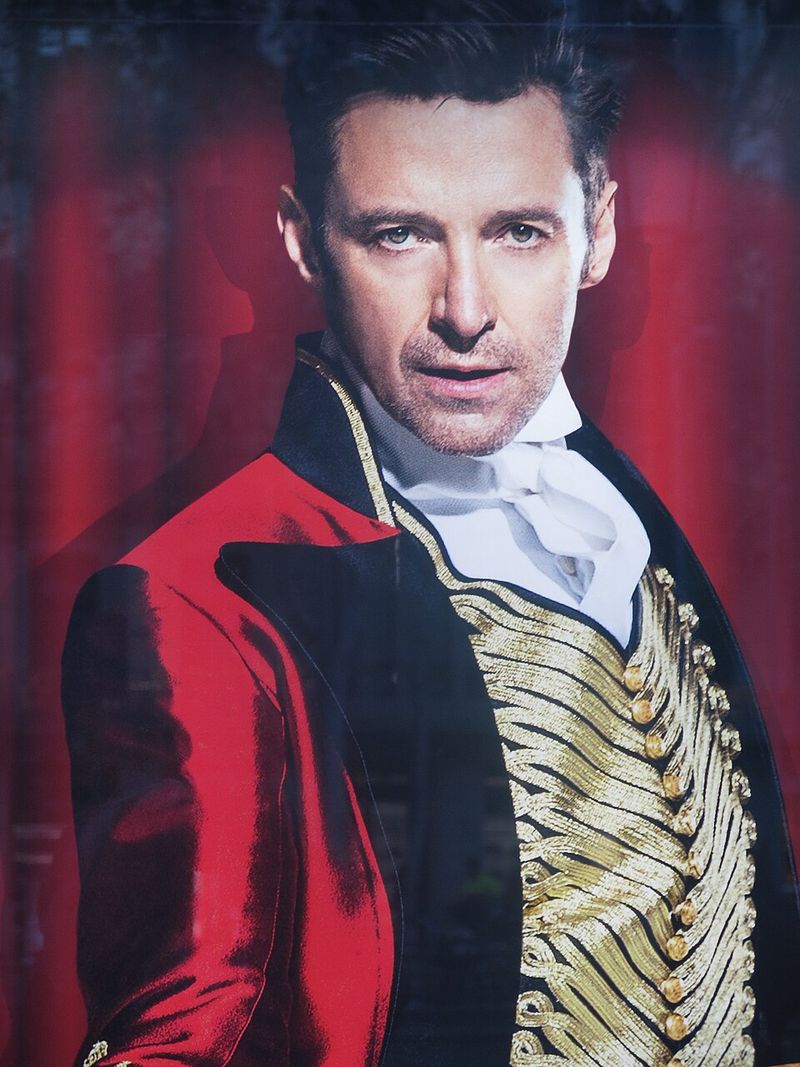
Hugh Jackman’s singing and dancing made this musical irresistible, but P.T. Barnum’s real story is way darker than the movie admits.
The film paints him as a champion of diversity and inclusion, celebrating people society rejected.
Reality check: Barnum exploited vulnerable people for profit, including displaying a woman as a 161-year-old curiosity.
The romantic Jenny Lind storyline? Major historical comparisons say the film’s affair framing lacks evidence, Lind’s tour and departure also play differently in real accounts.
Where the film soars with hope, the truth reveals uncomfortable exploitation.
6. Amadeus (1984)
This masterpiece won eight Oscars, but music historians will tell you it’s basically an elaborate myth dressed in powdered wigs.
The bitter rivalry between Mozart and Salieri? The crime plot? All theatrical invention that makes for incredible drama but terrible history.
Most historians find no evidence Salieri poisoned Mozart, and surviving commentary often points to professional respect rather than a crime plot.
The film leans into centuries-old rumors that scholars have thoroughly debunked.
7. Patch Adams (1998)
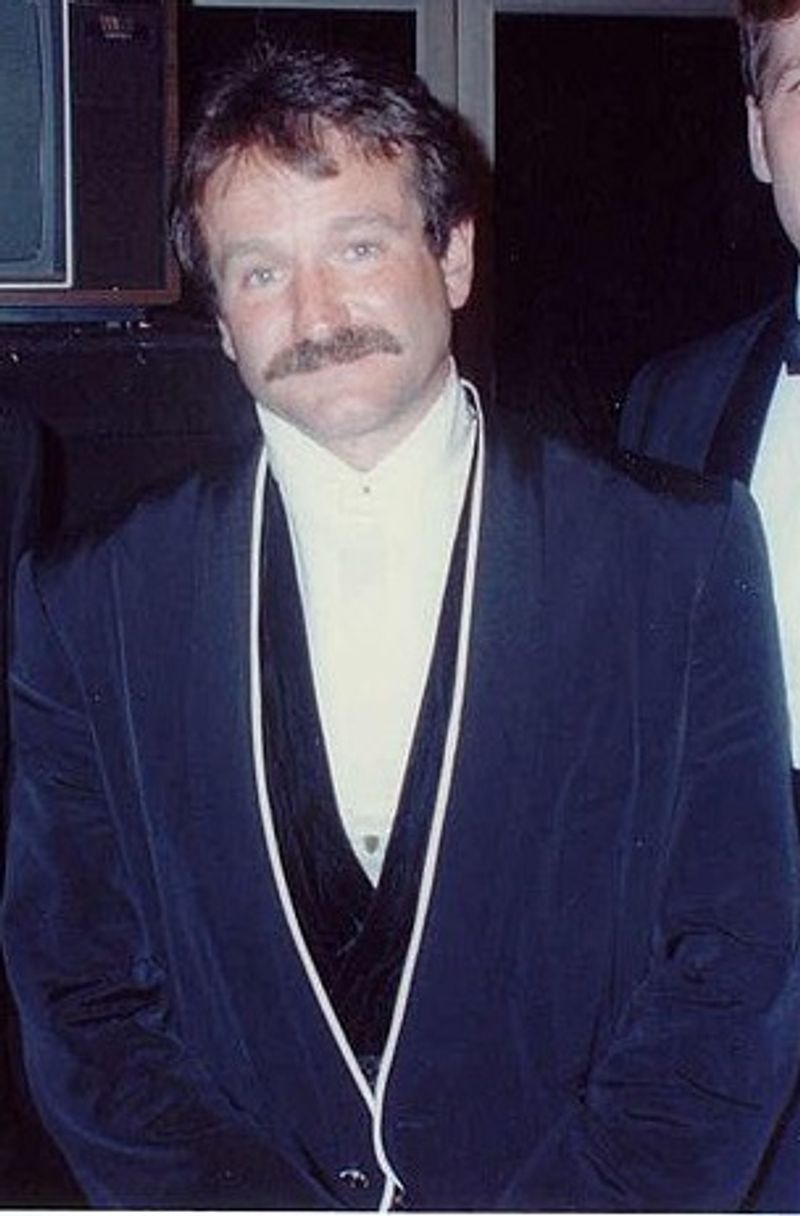
Warmth and laughter buoyed the feel-good medical drama, yet the real Dr. Hunter “Patch” Adams has been outspoken about how much he disliked the film.
The real Patch Adams felt Hollywood turned his revolutionary approach to medicine into shallow entertainment that missed his deeper message about healthcare reform and treating patients as whole people.
Though Williams’ performance touched millions of hearts, the actual doctor saw his life’s work simplified and sweetened beyond recognition for ticket sales.
8. The Blind Side (2009)

An Oscar-winning inspirational story later faced renewed scrutiny as legal disputes highlighted just how complicated the real-life situation was.
Michael Oher has challenged key parts of the narrative, including major questions about conservatorship versus actual adoption.
Financial disputes and claims about how money was handled have surfaced, painting a far more complicated picture than the heartwarming film suggested.
A Tennessee judge terminated the conservatorship on September 29, 2023; the broader financial dispute continued afterward.
9. The Theory of Everything (2014)

Eddie Redmayne’s transformation into Stephen Hawking was stunning, but Jane Hawking herself said the film “got a lot wrong.”
The movie streamlines their complex relationship into a neater narrative than what actually unfolded over decades.
Key timeline events got compressed, emotional beats were rearranged, and certain difficult aspects of their marriage were softened or simplified for clarity.
10. Walk the Line (2005)
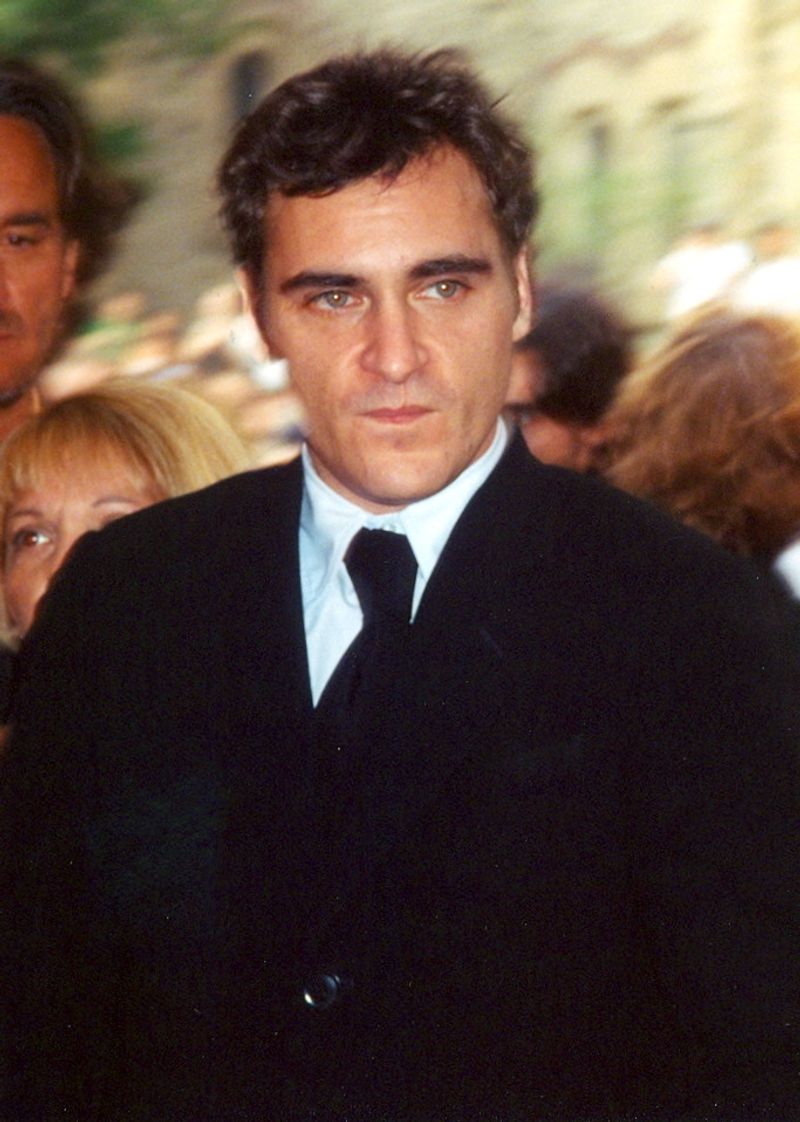
Fire and music powered the Cash-Carter love story on screen, but the real timeline was squeezed down far more than it was in life.
Key moments in their relationship and career happened differently than the movie suggests, with phrases and songs landing at different points than documented history shows.
The film rearranges when certain events occurred to create a smoother romantic arc. Biographers have noted multiple timeline adjustments that favor drama over chronological accuracy.
11. The Hurricane (1999)
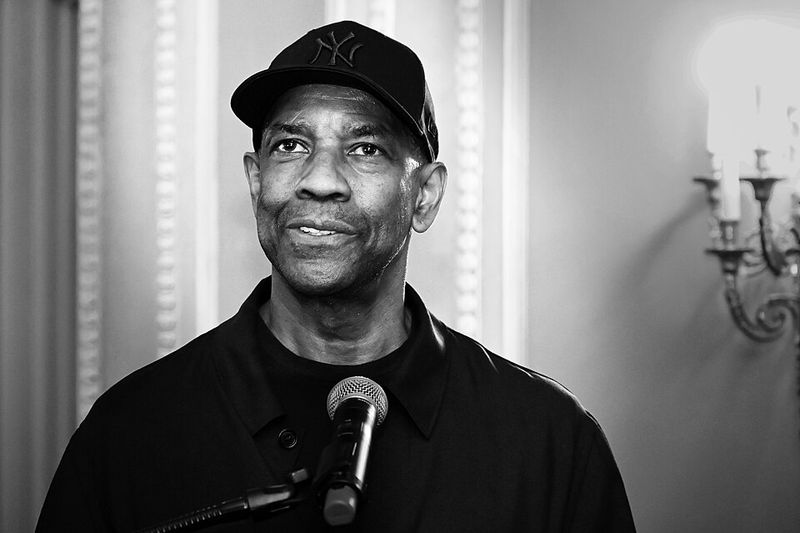
Denzel Washington delivered a powerhouse performance as wrongly convicted boxer Rubin Carter, but the film faced serious criticism for its inaccuracies.
The film triggered objections over portrayals, including boxer Joey Giardello, who sued over how the movie depicted him.
Critics pointed out the film oversimplified a complex case and painted some figures in ways that didn’t match reality.
12. A Beautiful Mind (2001)
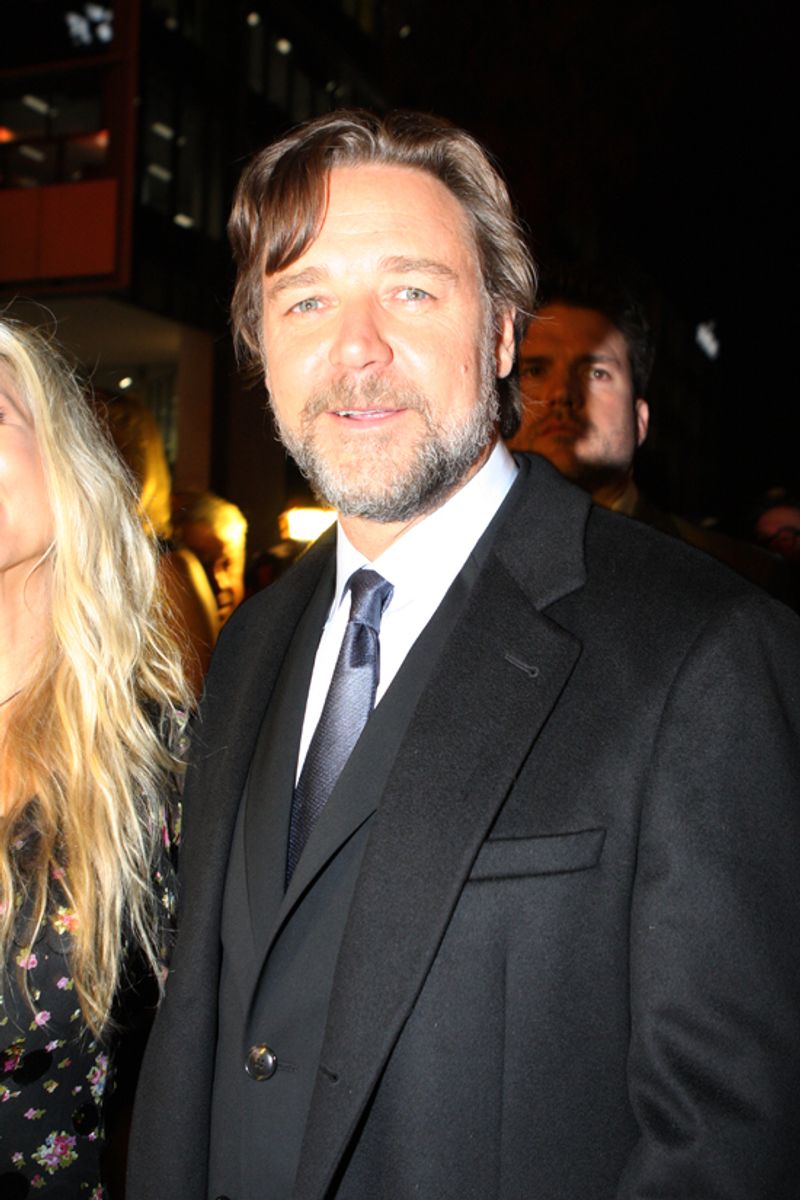
Hearts and Oscars followed the portrayal of mathematician John Nash, yet scholars have argued the film sanitized and reshaped major parts of his real-life story.
The film invents key elements for storytelling, including visual hallucinated characters; accounts of Nash’s illness describe symptoms differently, and the movie also omits or reshapes major biographical events (including the couple’s 1960s divorce).