20 Bird-Watching Spots Across The US That Are Worth Packing Binoculars For
Bird-watching appeals to a very specific kind of optimism.
You head out with hope, a little patience, and the quiet belief that something remarkable might reveal itself if you pay close enough attention. A good location changes that feeling completely.
The air seems more alive, every distant sound starts to matter, and even standing still can feel oddly thrilling when the landscape is known for sudden movement overhead or a rare visitor in the brush.
Across the US, certain places have earned that kind of reputation among birders because they offer conditions for surprise and the kind of sighting that stays with people long after the trip is over.
1. Magee Marsh Wildlife Area, Ohio
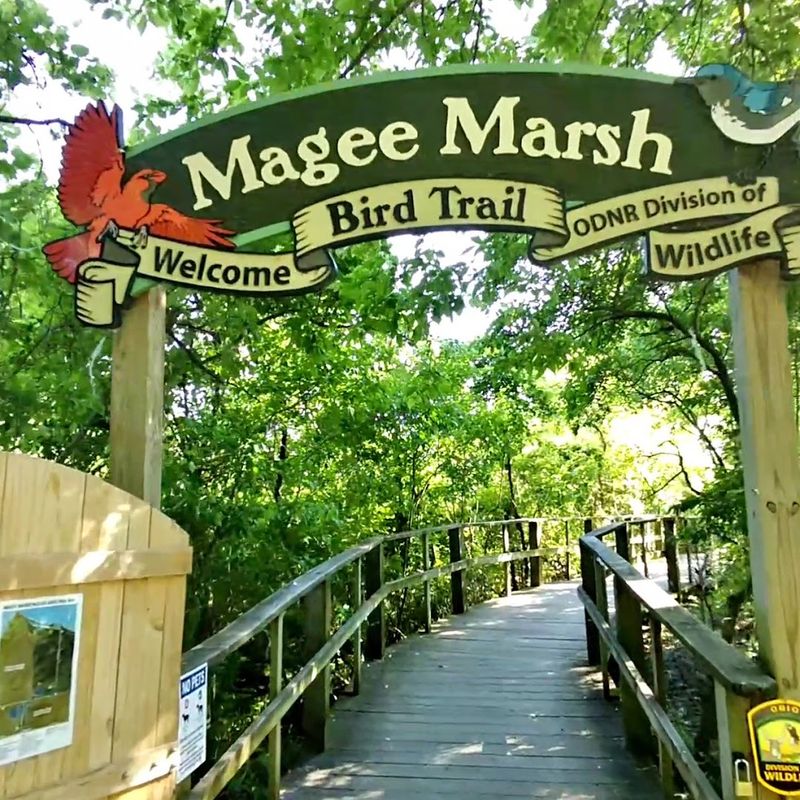
Forget zooming in from a distance. At Magee Marsh, warblers practically land on your shoe.
Every May, this legendary boardwalk along Lake Erie’s southern shore transforms into what birders lovingly call “The Biggest Week in American Birding,” drawing thousands of visitors from around the world.
Over 30 warbler species pass through, many pausing at eye level in the low shrubs, exhausted from their overnight lake crossing.
Yellow Warblers, Blackburnian Warblers, and Prothonotary Warblers glow like little jewels. Go in early May and thank yourself later.
2. Everglades National Park, Florida

Nowhere else in the continental US will you find wading birds this plentiful, this colorful, and this utterly unbothered by humans. The Anhinga Trail at Everglades National Park is practically a bird parade.
Roseate Spoonbills sweep their spatula-shaped bills through the water while Wood Storks stand like ancient statues nearby.
Purple Gallinules strut across lily pads like they own the place, which, honestly, they kind of do.
This is a year-round destination, but winter offers the clearest skies and the densest bird concentrations. Sunscreen is non-negotiable.
3. Rio Grande Valley, South Texas
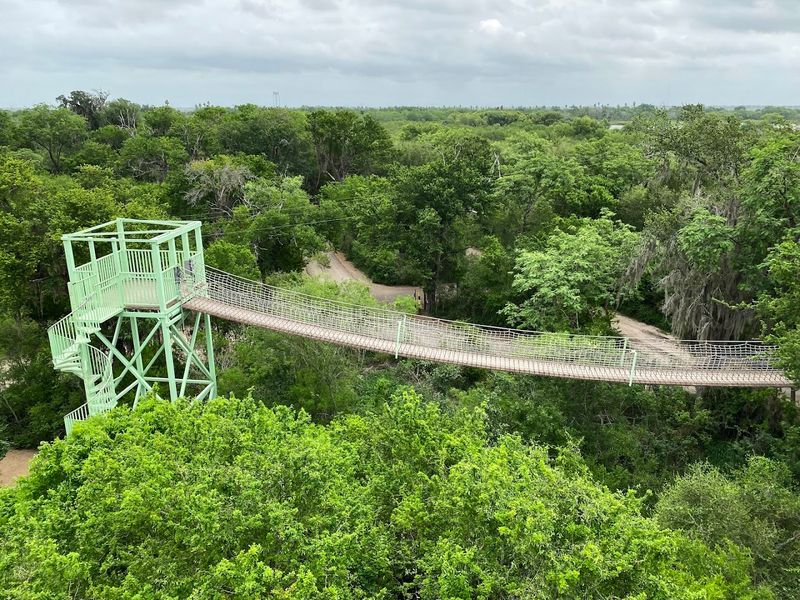
Nowhere else in the United States can you find a Green Jay casually snacking in the brush beside an Altamira Oriole.
The Rio Grande Valley is the only place north of the Mexican border where these dazzling “borderland specialties” call home, and birders travel from across the globe just to tick them off their life lists.
Santa Ana National Wildlife Refuge and Laguna Atascosa are the crown jewels.
Arrive at dawn, when the birds are most active and the air is still cool enough to enjoy.
4. Bosque del Apache NWR, New Mexico
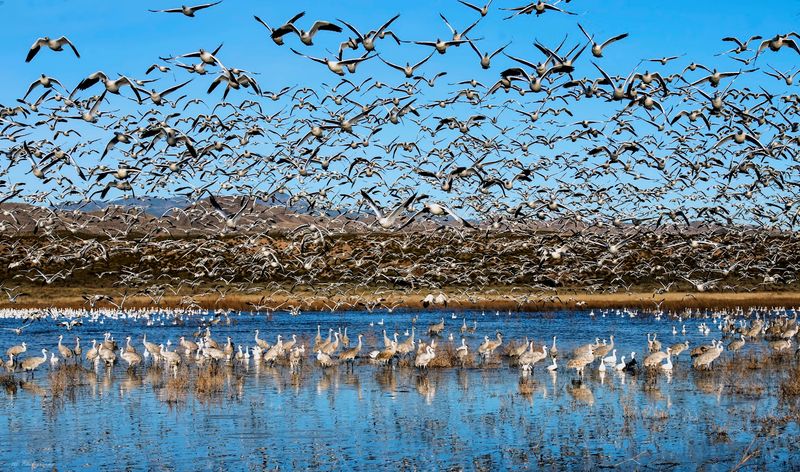
Picture standing in the cold pre-dawn darkness, coffee in hand, when suddenly the sky erupts.
That’s the famous “blast-off” at Bosque del Apache, and it’s one of the most dramatic wildlife spectacles in North America.
Every winter, tens of thousands of Sandhill Cranes and Snow Geese roost on the refuge’s shallow ponds overnight.
At sunrise, something triggers them all at once, and the sky fills with wings, calls, and pure, electric chaos.
5. Cape May, New Jersey
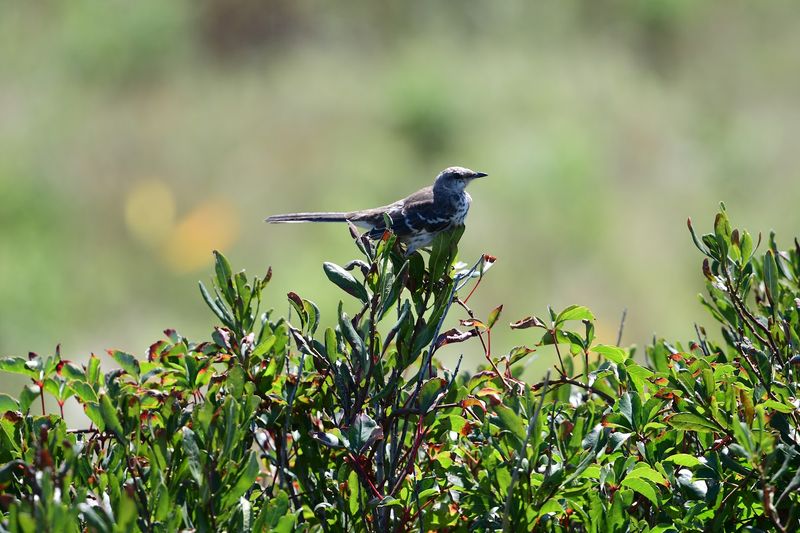
Ask any serious birder where they’d go if they could only pick one spot in all of North America, and chances are they’ll say Cape May without blinking.
Its narrow peninsula juts into the Delaware Bay like a natural funnel, squeezing millions of migrating birds into a concentrated spectacle every autumn.
Raptors, songbirds, and woodcock flood the skies and shrubs in numbers that seem almost unreal. Over 400 species have been recorded here.
Tip: visit in October for peak hawk migration and prepare to have your mind completely blown.
6. Point Reyes National Seashore, California

Over 490 bird species have been recorded at Point Reyes, which accounts for more than half of all species found in North America. That stat alone should have you reaching for your car keys.
Stretching along Marin County’s rugged Pacific coastline, this seashore packs an astonishing variety of habitats into one accessible stretch of land.
Cliffs, estuaries, grasslands, and forests each attract their own crowd of feathered residents.
The threatened Snowy Plover nests on its beaches, while Northern Harriers cruise the headlands.
7. Cave Creek Canyon, Arizona
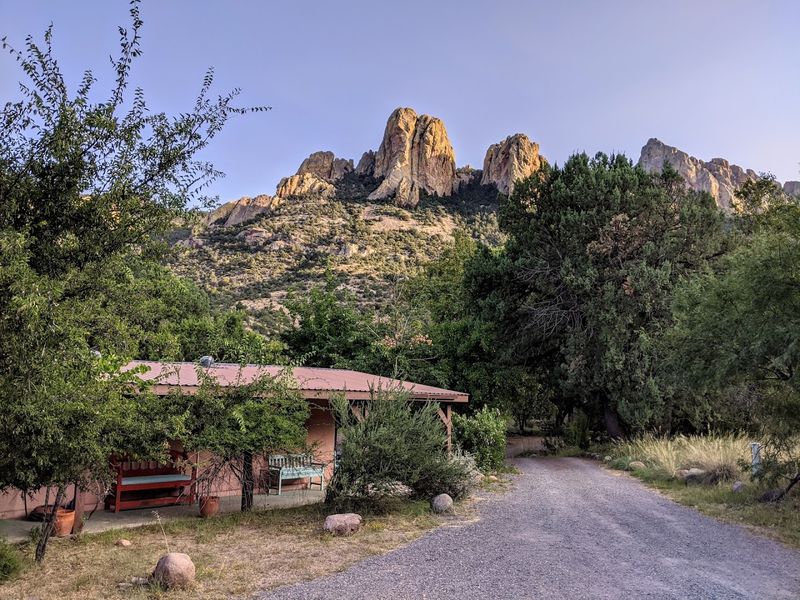
Hidden in the Chiricahua Mountains near the tiny town of Portal, Cave Creek Canyon is one of those places that makes you feel like you’ve stumbled into a secret.
Often called “Arizona’s Yosemite,” this dramatic red-rock canyon hosts one of the most sought-after birds in North America: the Elegant Trogon.
With its crimson belly and iridescent green back, the Trogon looks like it escaped from a tropical painting.
Add in a jaw-dropping diversity of hummingbirds, and this canyon becomes a full sensory experience.
8. Zion National Park, Utah
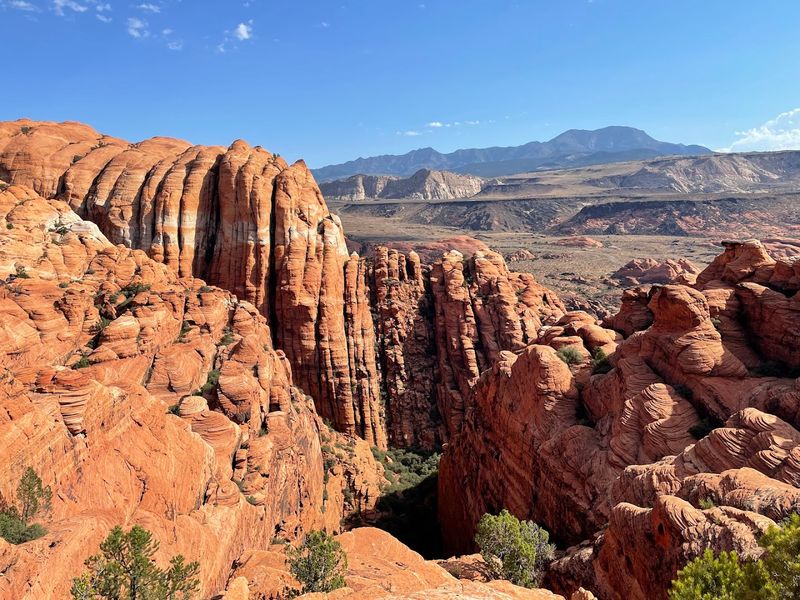
Few sights in the natural world rival watching a California Condor ride thermals above Zion’s towering sandstone walls.
With a wingspan stretching nearly ten feet, this is the largest land bird in North America, and Zion is one of the most reliable places in the country to spot one overhead.
Once nearly extinct, Condors have made a remarkable comeback thanks to intensive conservation efforts.
Fun fact: Condors can soar up to 150 miles per day without flapping their wings once.
9. Yellowstone National Park, Wyoming
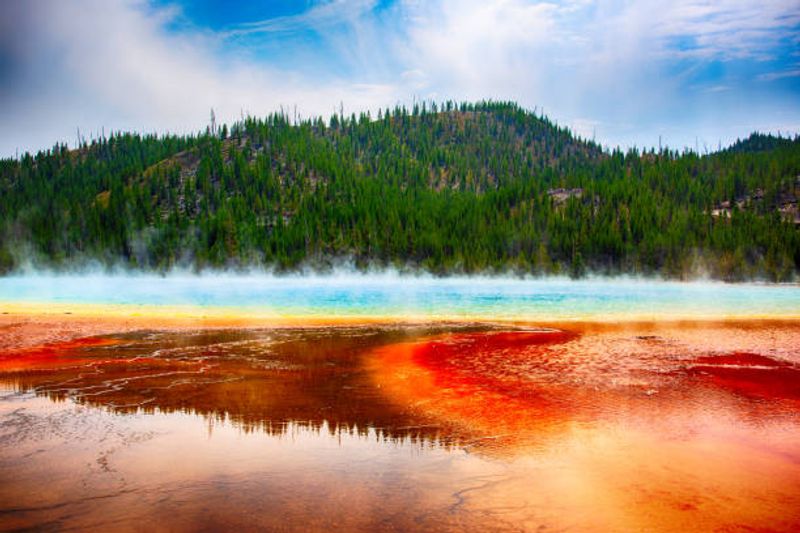
Most people come to Yellowstone for geysers and bison. Smart birders come for the Great Gray Owl.
Gliding silently through the lodgepole pine forests on wings that seem impossibly wide, this ghost-like raptor is one of the most thrilling birds to encounter in the park.
Yellowstone also shelters Harlequin Ducks, which bob through roaring rapids like they’re on a theme park ride, and Trumpeter Swans, America’s largest waterfowl, drifting serenely across thermal-fed rivers.
Winter visits are especially magical, with snow-draped landscapes making every sighting feel like a scene from a nature documentary.
10. Mount Rainier National Park, Washington

Spotting a White-tailed Ptarmigan at Mount Rainier is like finding a cloud that grew feathers.
These incredible birds turn snow-white in winter and blend so perfectly into the alpine landscape that you could walk right past one without ever knowing it.
Gray Jays, now officially renamed Canada Jays, are far easier to find and will cheerfully steal your trail mix if given the chance.
Wildflowers, glaciers, and volcanic peaks add to the scenery.
11. Dry Tortugas National Park, Florida Keys
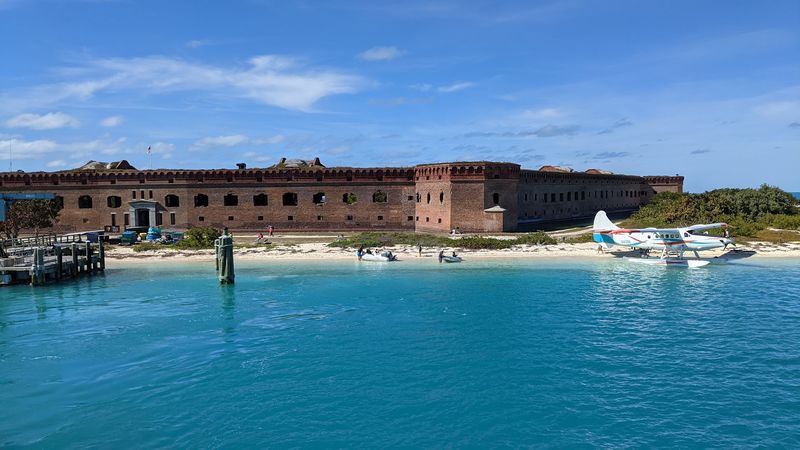
Getting to Dry Tortugas requires either a two-hour ferry ride or a seaplane, which just adds to the adventure.
Once you arrive at this remote cluster of islands 70 miles west of Key West, you’ll find something truly unique: the only nesting colony of Sooty Terns and Brown Noddies in the entire United States. Loud, chaotic, and completely mesmerizing.
Spring migration also brings an incredible fallout of exhausted warblers. Worth every mile of open water.
12. Acadia National Park, Maine
Bar Harbor smells like salt air and adventure, and Acadia National Park delivers on every front for bird lovers.
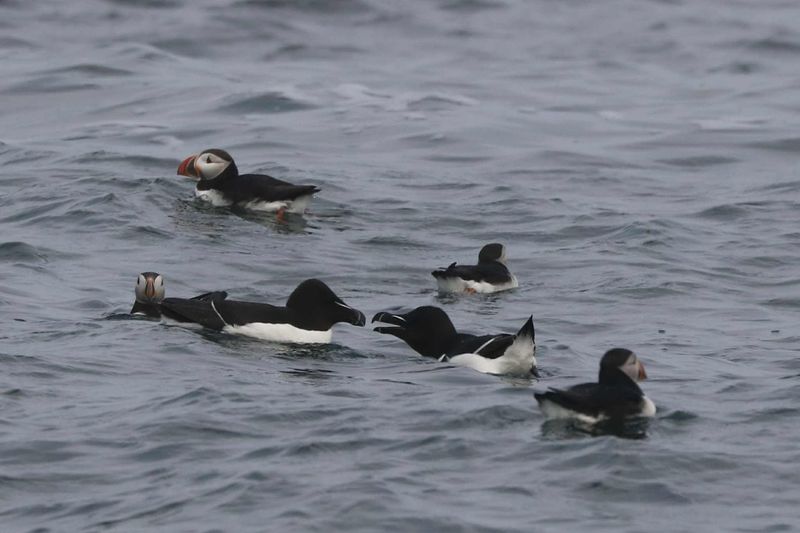
Hop on a boat tour out of the harbor and you’ll find yourself face-to-face with Atlantic Puffins, those tuxedo-wearing little comedians of the sea, bobbing on the cold Atlantic swells.
Back on land, Peregrine Falcons have reclaimed their historic nesting territory on the Precipice Trail cliffs, where rangers set up spotting scopes so visitors can watch the action.
The park’s granite headlands and boreal forests also attract a steady stream of warblers, vireos, and thrushes each spring.
13. Chincoteague NWR, Virginia
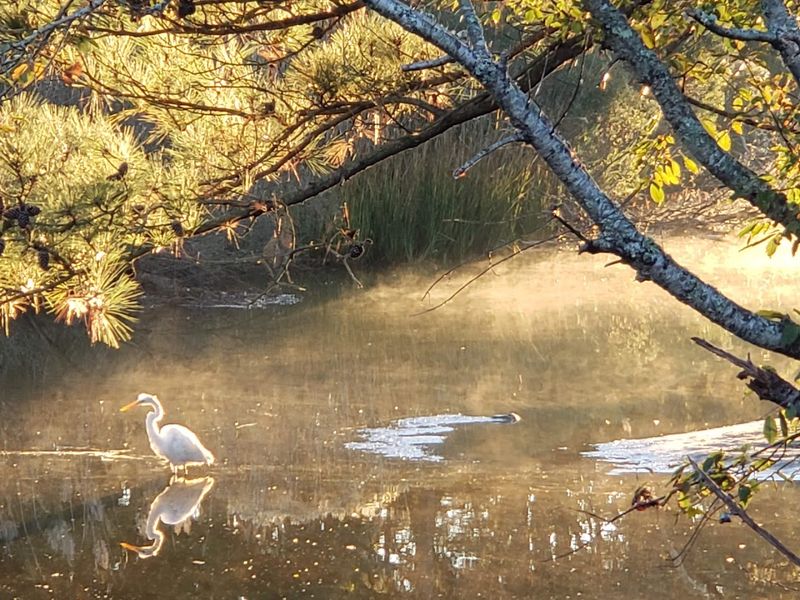
Chincoteague is one of those rare places where you can photograph a flock of Dunlins swirling over tidal flats and then turn around to see a wild pony grazing in the marsh grass. Yes, really.
Located on Virginia’s Assateague Island, this refuge sits squarely on the Atlantic Flyway, making it a crucial rest stop for migrating shorebirds.
American Avocets, Whimbrels, and Red Knots pass through in impressive numbers each fall. The auto tour loop is a birder’s dream, offering easy access to pools, marshes, and beach habitats.
14. Kenai NWR, Alaska
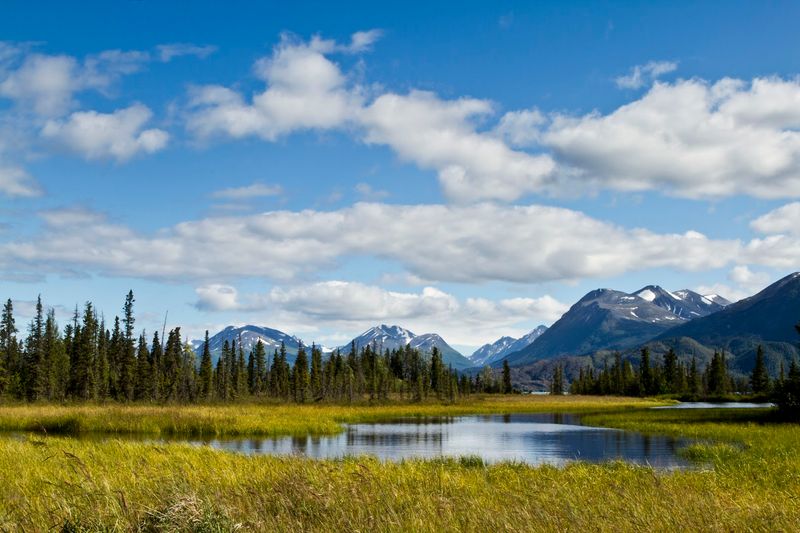
Alaska is bucket-list territory for most birders, and the Kenai National Wildlife Refuge delivers everything you’d hope for and then some.
Bald Eagles line the Kenai River like sentinels during salmon season, swooping down with terrifying precision to snatch fish from the current. It’s one of the most raw, thrilling bird behaviors you can witness in North America.
The surrounding boreal forest shelters Spruce Grouse, a bird so tame it barely acknowledges your presence.
If Alaska ever calls your name, answer it. The Kenai will reward you generously.
15. Bombay Hook NWR, Delaware
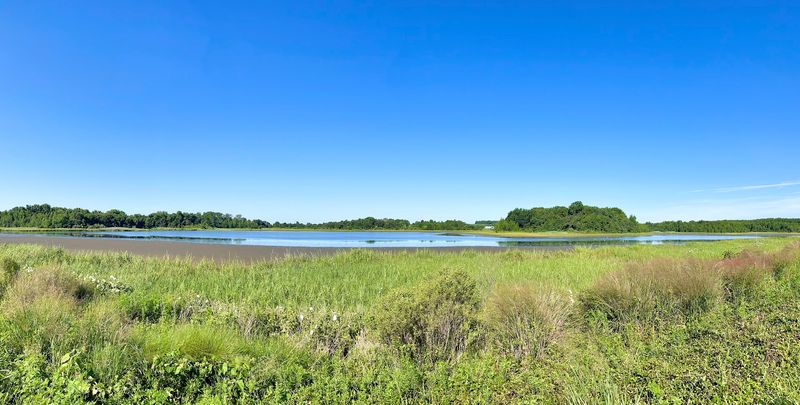
Delaware might not be the first state that comes to mind for epic birding, but Bombay Hook will absolutely change that perception.
Sprawling tidal salt marshes stretch as far as the eye can see, and during fall migration they fill up with shorebirds in numbers that are genuinely staggering.
American Avocets, with their elegant russet heads and upturned bills, wade through the shallow pools alongside thousands of Dunlins and Dowitchers. Snow Geese arrive in winter by the tens of thousands.
16. Central Park, New York City
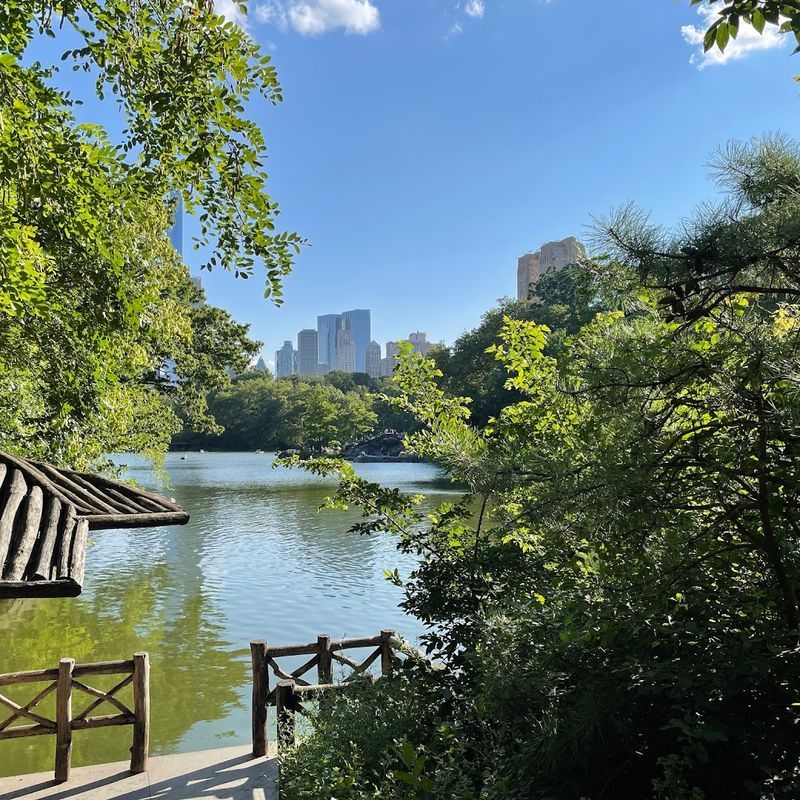
Skyscrapers as a backdrop for warbler watching? Only in New York City.
Central Park’s Ramble, a 36-acre woodland in the heart of Manhattan, is one of the most productive migration traps in the entire Eastern United States.
Songbirds crossing the Atlantic Flyway at night see the park’s green canopy below and drop in to rest and refuel.
On a good May morning, you can rack up 20 or more warbler species before breakfast.
17. Hawk Ridge, Duluth, Minnesota
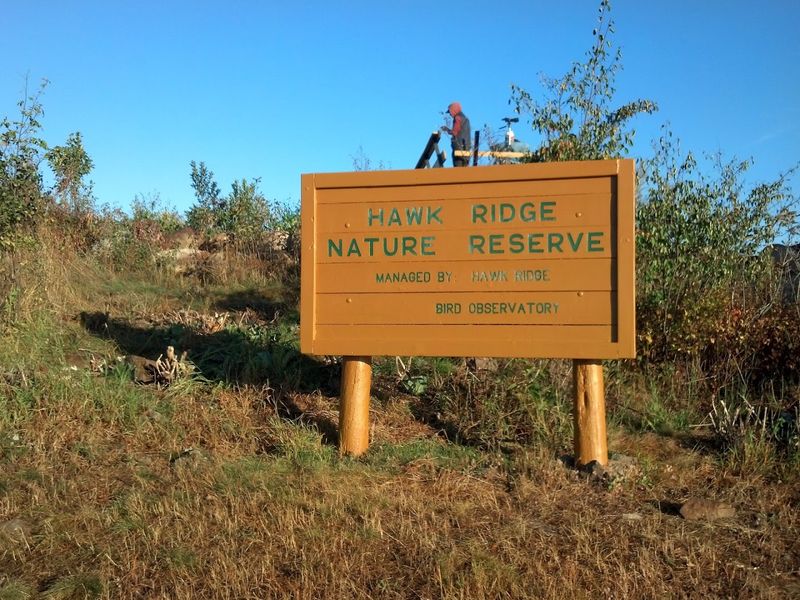
September in Duluth means one thing for birders: raptors.
Hawk Ridge Bird Observatory sits on a glacially carved ridge above Lake Superior, and every autumn it channels one of the most spectacular raptor migrations on Earth.
On peak days, thousands of Broad-winged Hawks stream overhead in swirling kettles that can make you dizzy just watching them. Sharp-shinned Hawks, Cooper’s Hawks, and Ospreys follow in equally impressive numbers.
Volunteer counters tally every bird, and the data goes into decades of migration research.
18. Aransas NWR, Texas
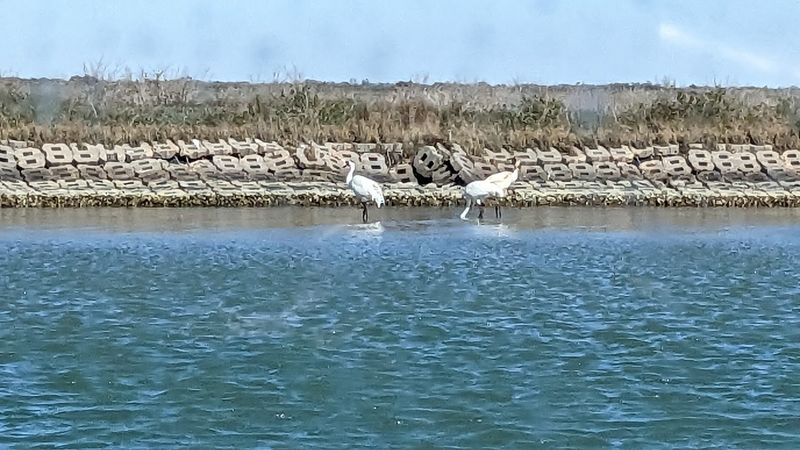
Standing nearly five feet tall, gleaming white with a bold red crown, the Whooping Crane is one of the most awe-inspiring birds on the continent. It’s also one of the rarest.
Aransas National Wildlife Refuge on the Texas Gulf Coast is the winter home of the last wild migratory flock, which has climbed from just 15 birds in 1941 to over 500 today.
Boat tours out of Rockport offer the closest and most reliable views of these magnificent giants feeding in the coastal marshes.
Watching a Whooping Crane in the wild is a genuine privilege. Don’t take it for granted.
19. Indiana Dunes State Park, Indiana
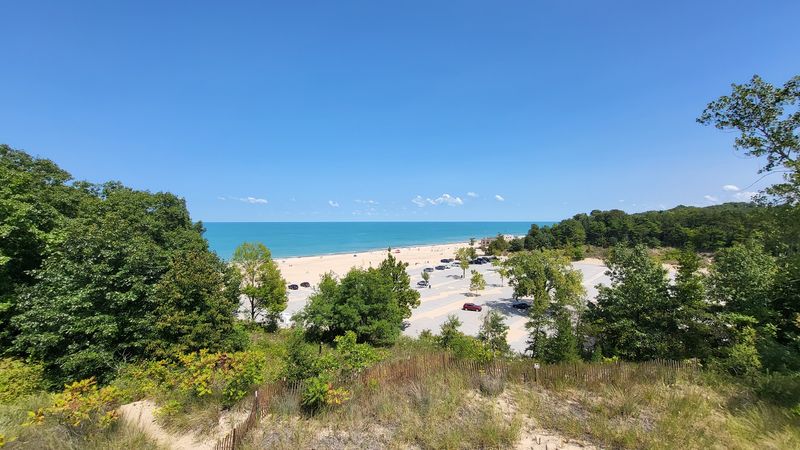
Sandwiched between Chicago’s industrial skyline and the blue expanse of Lake Michigan, Indiana Dunes State Park is one of the Midwest’s most underrated migration hotspots.
Songbirds heading north in spring hit the lakeshore and, rather than crossing open water, funnel into the dunes and woodlands to rest.
Warblers, tanagers, thrushes, and vireos pack the shrubs and trees during peak migration in May.
The park’s diverse habitats, ranging from beach to bog to forest, make every trail worth exploring.
20. Klamath Basin NWR Complex, Oregon/California

Winter at the Klamath Basin feels like stepping into a Bald Eagle convention.
The Klamath Basin National Wildlife Refuge Complex, straddling the Oregon and California border, hosts the largest concentration of wintering Bald Eagles in the lower 48 states, with counts regularly exceeding 500 birds.
Eagles perch in bare cottonwoods, soar over frozen marshes, and compete noisily over waterfowl carcasses.
Hundreds of thousands of geese and ducks also winter here, providing the eagles with plenty of dining options.