5 Bizarre Historical Laws That Dictated What People Could Wear
Imagine getting arrested for wearing the wrong hat or fined for owning too much jewelry!
Throughout history, rulers and governments passed some seriously strange laws controlling what people could and couldn’t wear.
From ancient Rome to medieval Europe, these fashion police took their jobs way too seriously, deciding everything from fabric colors to hat styles based on your social class, religion, or even your job.
Disclaimer: All information has been reviewed for accuracy.
Because interpretations of historical events can vary across cultures and scholarship, this content is intended for general educational purposes and should not be viewed as exhaustive.
1. Lex Oppia, Ancient Rome (215 BCE)
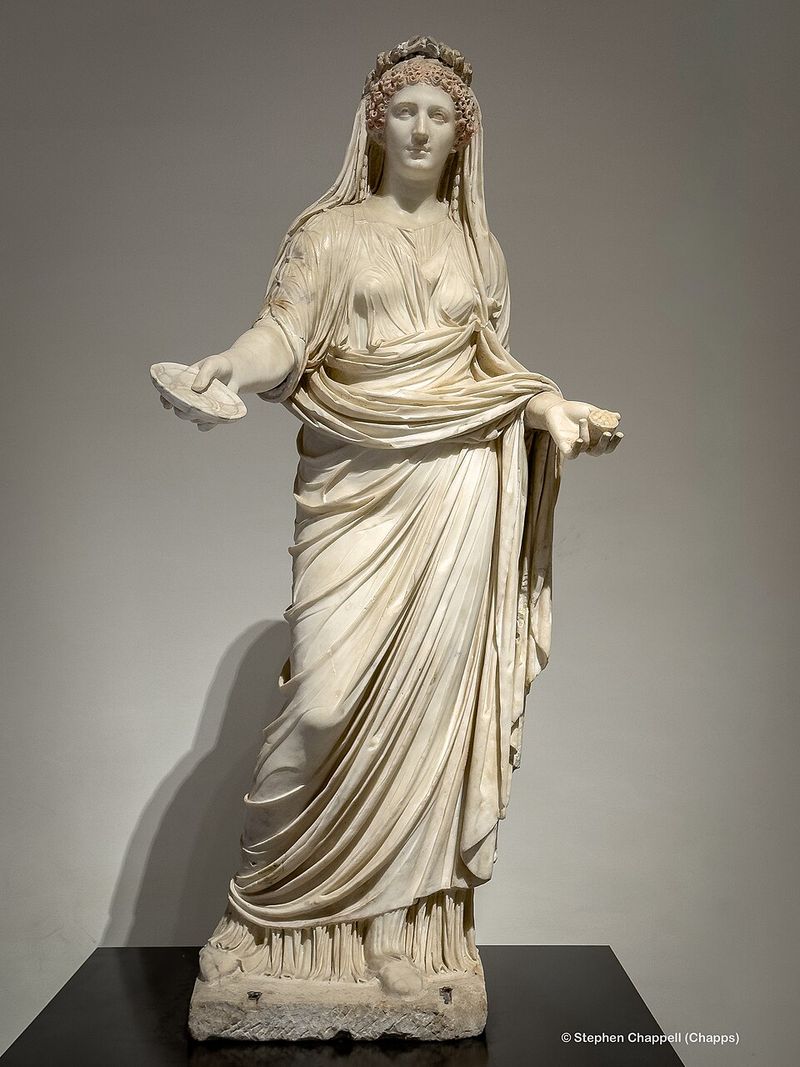
Picture this: Roman women couldn’t own more than half an ounce of gold or wear brightly colored clothes with purple trim. Talk about a fashion nightmare!
Passed during the Second Punic War, this law even banned ladies from riding carriages inside the city unless they were heading to religious ceremonies.
Roman politicians claimed these rules would keep women modest and prevent them from showing off their wealth.
However, Roman women weren’t having it – they protested in the streets until parts of the law got repealed twenty years later.
2. Cappers Act, England, 1571
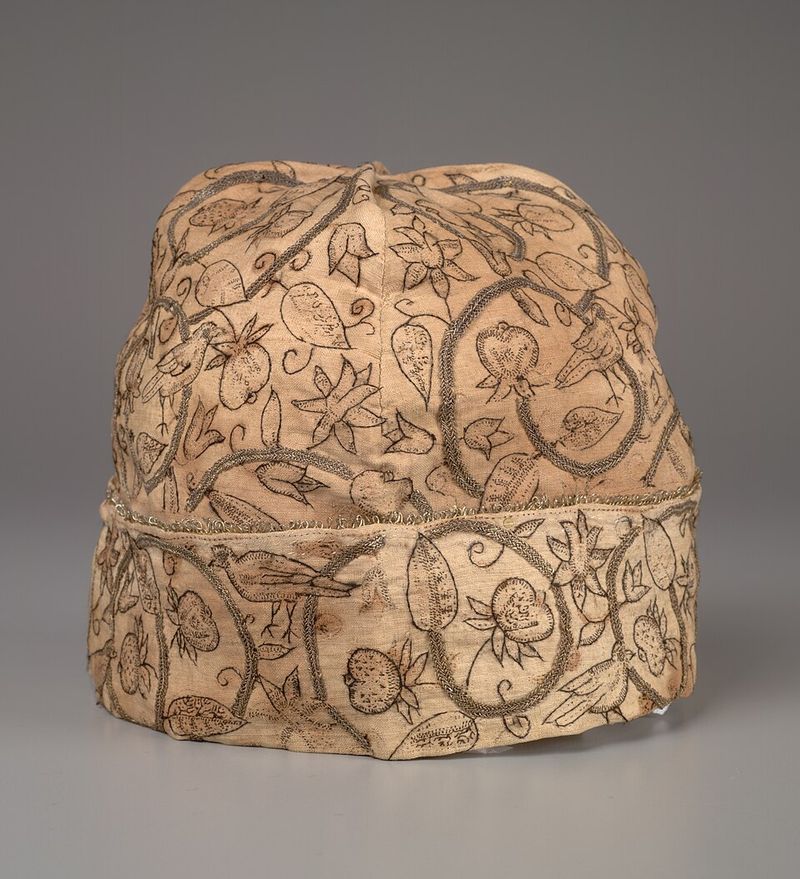
Queen Elizabeth I’s government decided every guy over age seven (except fancy nobles) had to wear a wool cap on Sundays and holidays.
Why? To save England’s struggling cap-making industry!
If you showed up to church bareheaded or wearing the wrong hat, you’d get fined.
Though it sounds ridiculous now, lawmakers genuinely believed forcing millions of people to buy caps would keep English workers employed.
Just saying, imagine if today’s government required everyone to wear sneakers made in America every weekend!
3. Sumptuary Edict Of 1633, France

King Louis XIII looked at French fashion and basically said, “Y’all are spending way too much money on clothes!”
His 1633 edict banned expensive lace, gold and silver embroidery, and ridiculously extravagant outfits.
French nobles were competing to see who could wear the fanciest threads, and the king worried this luxury obsession was getting out of control.
Even though fashion-forward Parisians probably rolled their eyes, the law reflected growing concerns about wasteful spending during tough economic times.
4. Medieval Jewish Hat Laws (After 1215)

Following the Fourth Lateran Council in 1215, Christian rulers across Europe forced Jewish people to wear special hats or badges so they’d stand out in crowds.
These pointed hats, called judenhuts in German, appear in medieval art and stained glass windows.
Though presented as a way to maintain religious distinctions, these laws were really about discrimination and control.
Jewish communities had no choice but to comply, facing punishment if they dressed like their Christian neighbors.
Sadly, this hateful practice set a terrible precedent for future persecution.
5. Italian City Laws Marking Pr*stitutes (Late Medieval Era)

Several Italian cities passed laws requiring pr*stitutes to wear bright red or yellow badges, special neckbands, or particular clothing styles.
City officials wanted everyone to immediately identify these women and prevent them from dressing like respectable ladies.
In Venice, Florence, and other cities, these regulations got super specific about colors, fabrics, and accessories.
Ironically, some courtesans turned these forced fashion choices into status symbols, wearing their required colors in the most expensive, eye-catching ways possible.
Some responded to the restrictions by elevating the required colors through elaborate, high-quality garments.